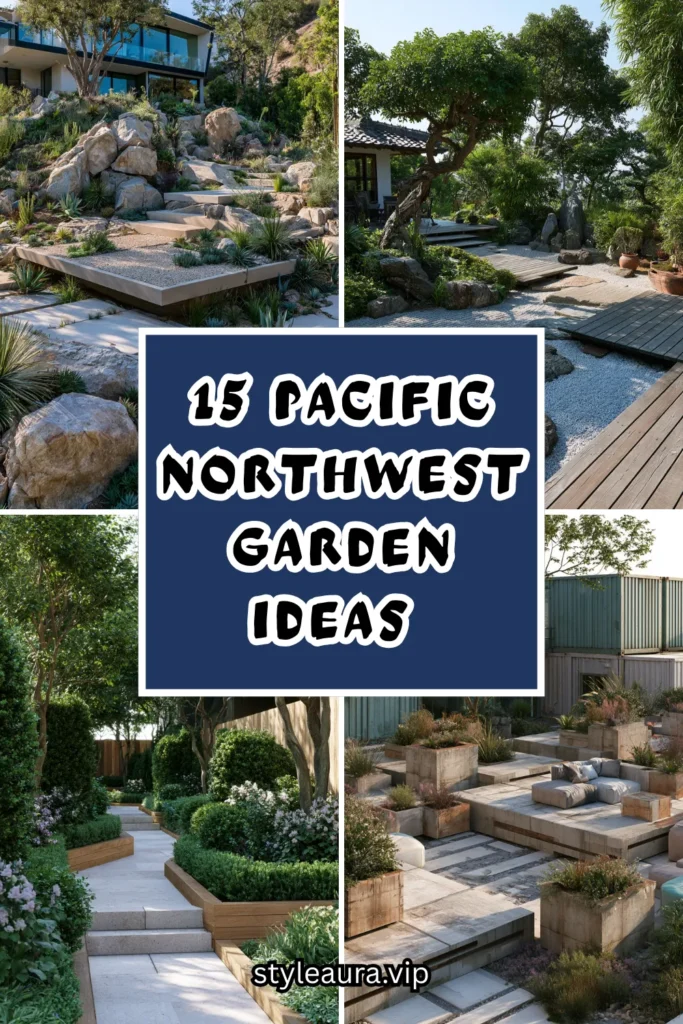
15 Pacific Northwest Garden Ideas That Thrive in Every Season
Pacific Northwest gardens occupy unique positions where mild maritime climates, abundant rainfall, temperate winters, and relatively cool summers create growing conditions dramatically different from most North American regions, requiring regionally specific approaches embracing rather than fighting against the area’s distinctive environmental characteristics.
These lush, verdant landscapes benefit from naturally high rainfall, eliminating irrigation concerns that plague arid regions, while the moderate temperatures allow year-round gardening impossible in harsh continental climates.
Strategic Pacific Northwest garden design incorporating native plants evolved for regional conditions, embracing the area’s natural moisture supporting lush growth, and designing for four-season interest, capitalizing on mild winters where gardens remain visible, creates landscapes that feel effortlessly abundant rather than struggling against unsuitable conditions.
Understanding which plants thrive in the region’s specific combination of mild wet winters and relatively dry summers, how to work with rather than combat persistent cloud cover, and what design approaches celebrate rather than apologize for the area’s distinctive character ensures gardens genuinely reflect their bioregion.
These fifteen Pacific Northwest garden ideas demonstrate regionally appropriate approaches from native plantings through shade garden mastery, each proving that thoughtful design creates gardens thriving year-round in this distinctive climate.
1. Native Plant Foundation
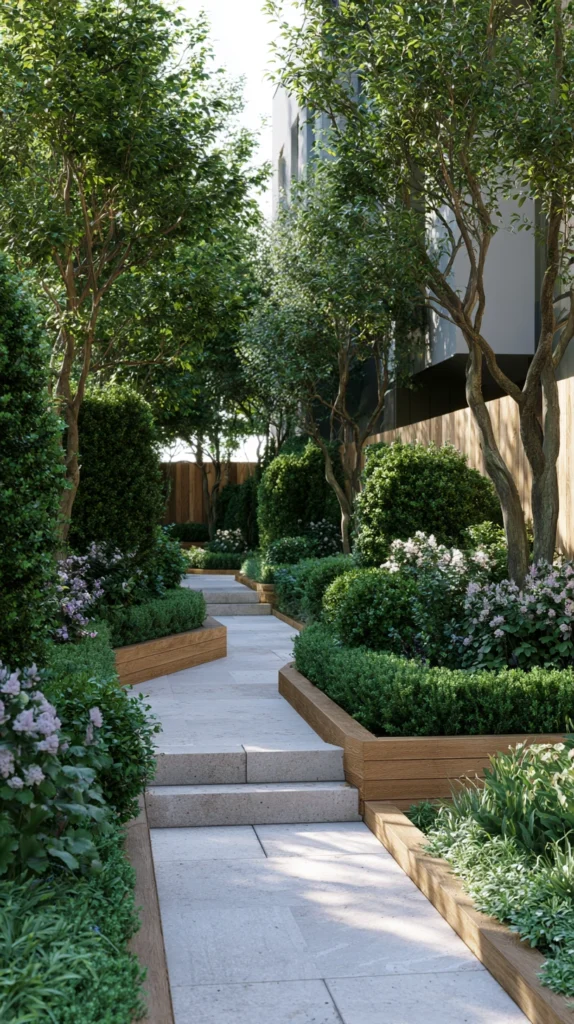
Prioritize Pacific Northwest natives, including sword ferns, Oregon grape, vine maple, and salal, creating the kind of regionally authentic landscapes that thrive without intervention while supporting local ecosystems and providing appropriate habitat for native wildlife.
Choose species evolved for local conditions, ensuring success without constant amendment or irrigation, appreciate how native plants create authentic regional character, and understand that native selections support declining pollinator populations better than exotic alternatives.
The native emphasis creates low-maintenance gardens while the ecological benefits provide meaningful environmental contribution. The regional authenticity creates landscapes that feel connected to place rather than generic gardens that could exist anywhere.
2. Shade Garden Mastery
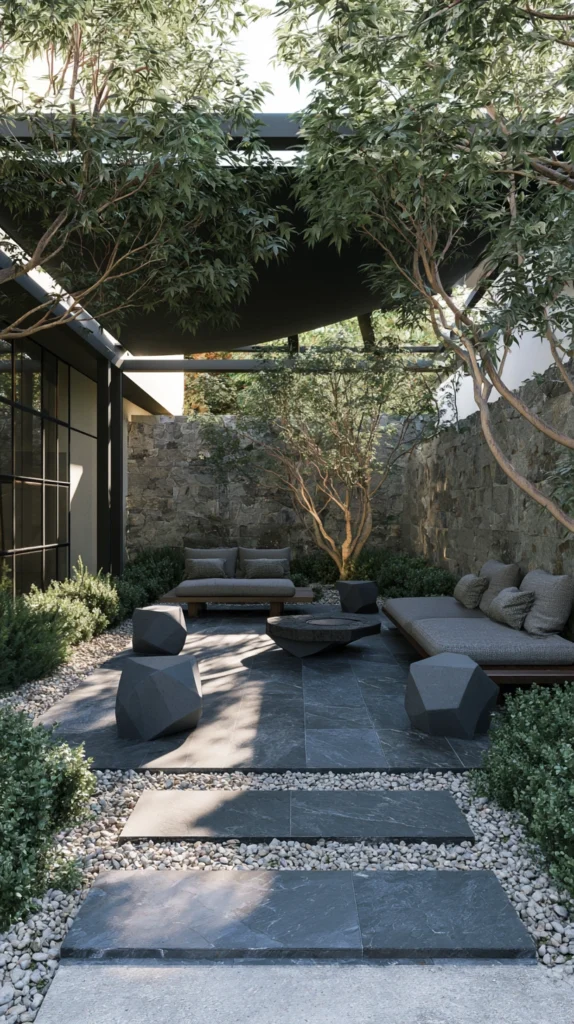
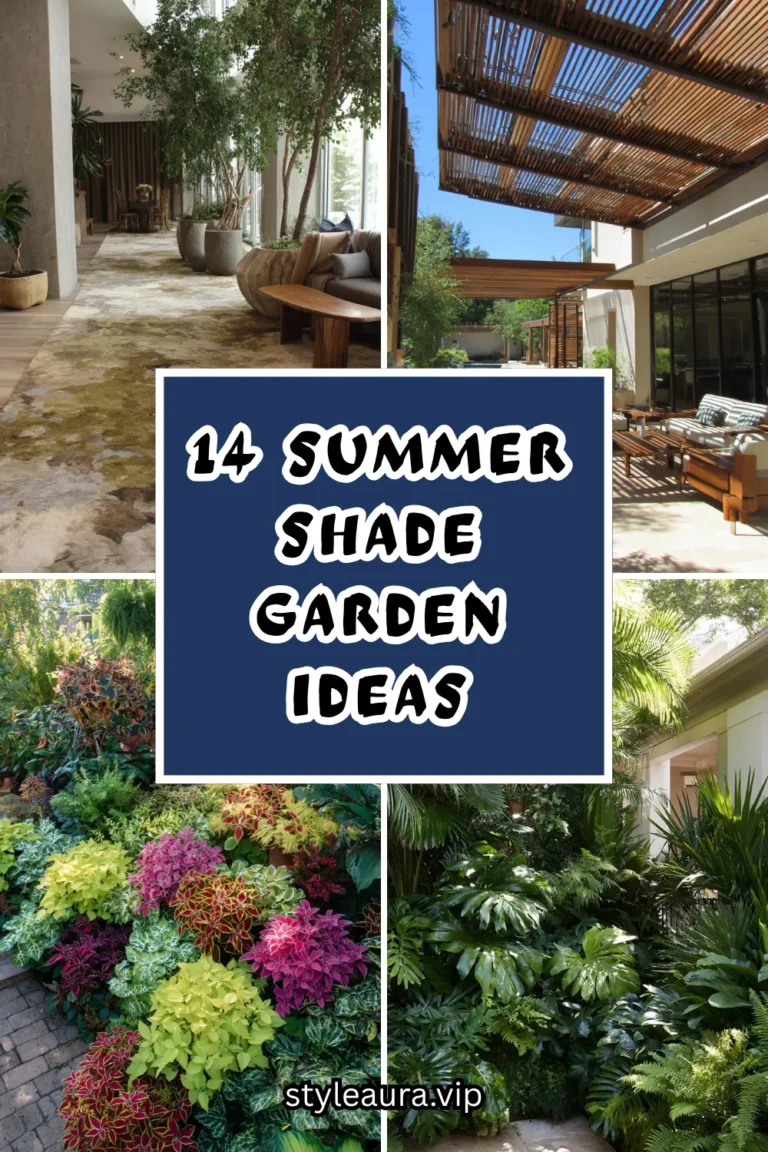
Embrace the region’s frequent cloud cover and mature tree canopy through sophisticated shade gardens where hostas, ferns, and shade-loving perennials create lush, layered plantings thriving in conditions that challenge sun-dependent species. Layer varied ferns creating textural interest, incorporate hostas in diverse sizes and colors, and add shade-blooming species like astilbe and bleeding heart, providing color in dim conditions.
The shade tolerance addresses the reality that Pacific Northwest gardens often exist beneath established trees and persistent clouds, while the lush plantings create the verdant character that defines regional landscapes. The sophisticated shade plantings demonstrate that limited sun presents an opportunity rather than a limitation.
3. Rain Garden Bioretention
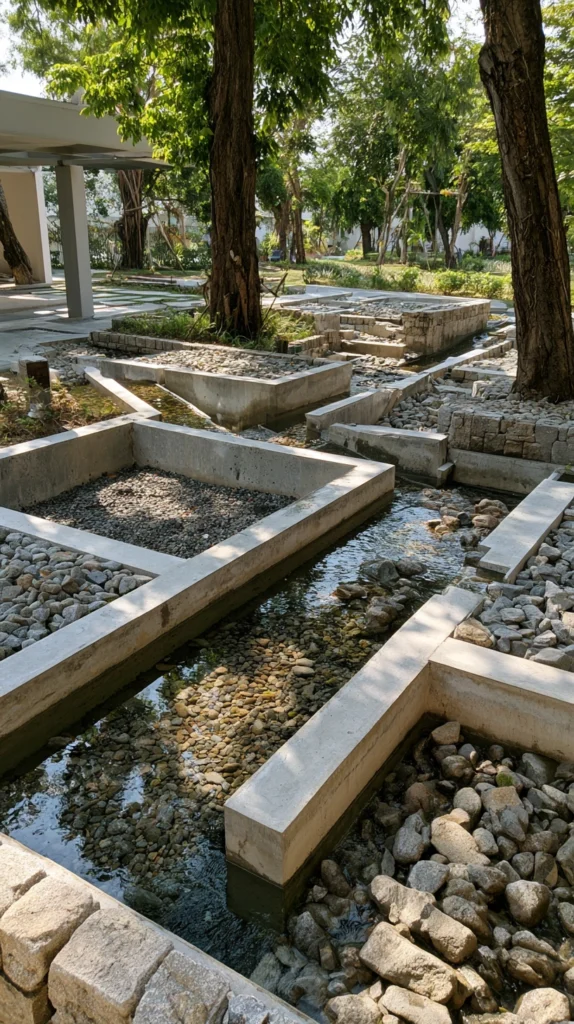
Design rain gardens capturing and filtering stormwater runoff, addressing the region’s abundant precipitation through attractive planted depressions that manage water sustainably while creating distinctive garden features. Excavate shallow depressions in naturally low areas, plant with moisture-tolerant natives, including rushes and sedges, and allow periodic flooding that filters runoff naturally.
The rain garden approach manages the abundant precipitation sustainably while the functional plantings provide habitat and visual interest. The bioretention strategy aligns with increasing stormwater management requirements, while the naturalistic plantings create attractive garden features rather than purely utilitarian infrastructure.
4. Evergreen Structure Emphasis
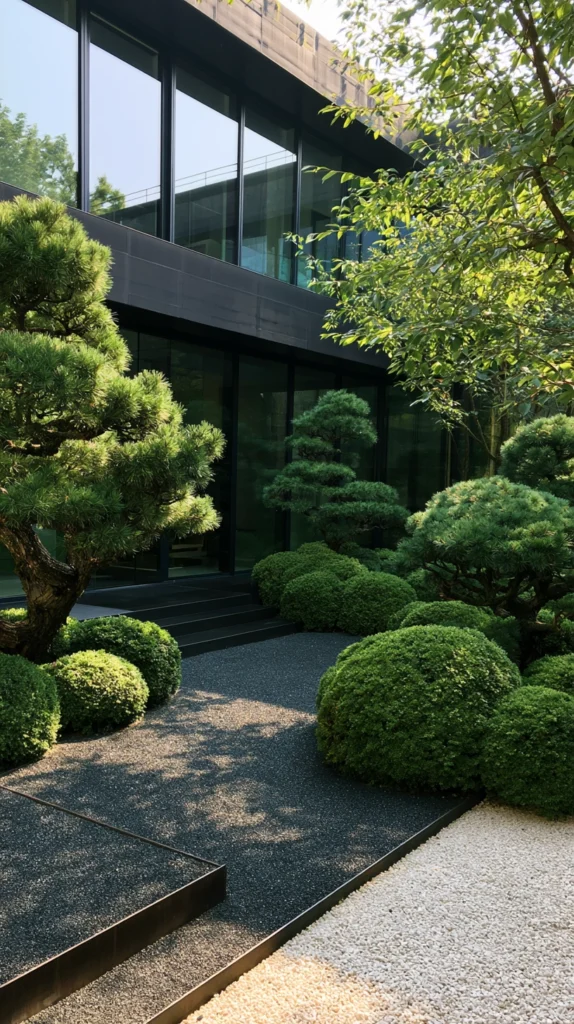
Establish year-round bones through substantial evergreen plantings, including native conifers, broadleaf evergreens like rhododendrons, and evergreen groundcovers, ensuring gardens maintain presence throughout mild winters when deciduous plants rest.
Plant Douglas fir, Western red cedar, or hemlock providing vertical evergreen structure, incorporate rhododendrons and camellias offering both evergreen foliage and spectacular flowers, and add evergreen groundcovers like kinnikinnick, creating permanent carpets.
The evergreen emphasis ensures gardens never look bare, capitalizing on mild winters wherever greenery remains visible, unlike harsh climates where snow covers everything. The year-round structure provides the bones that make Pacific Northwest gardens perpetually attractive.
5. Japanese Garden Inspiration
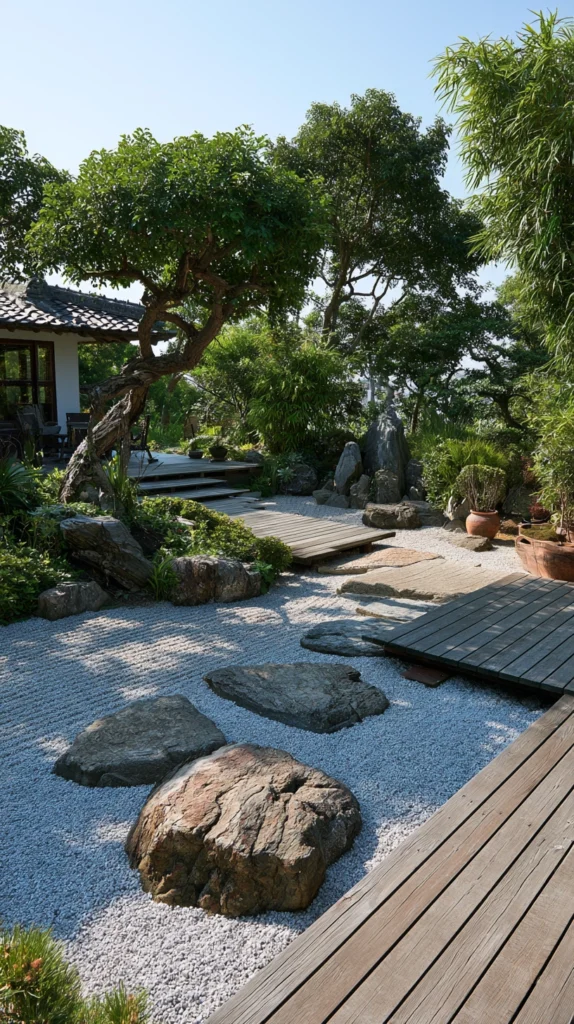
Embrace the Japanese garden influence that flourishes in Pacific Northwest conditions, where climate similarities to Japan allow authentic plant selections and design approaches, creating contemplative, refined spaces celebrating restraint and natural beauty.
Incorporate Japanese maples thriving in regional conditions, add moss gardens capitalizing on natural moisture, and design using Japanese principles including borrowed scenery and careful asymmetry.
The Japanese aesthetic suits Pacific Northwest sensibilities while the shared climate allows using authentic plants rather than substitutions. The contemplative character aligns with regional cultural values while the sophisticated restraint creates timeless gardens transcending trends.
6. Moss Garden Embrace
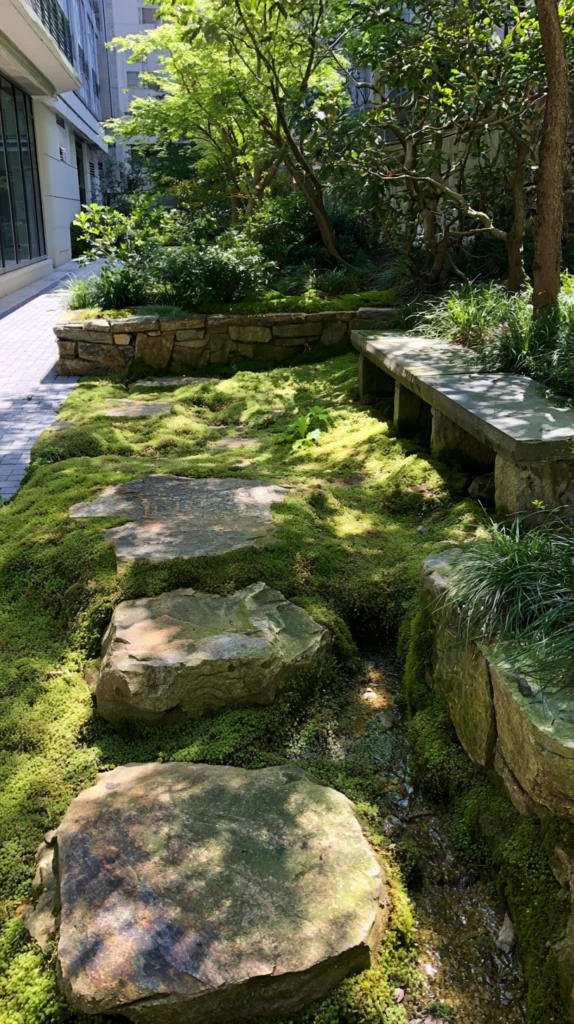
Celebrate rather than combat the moss that naturally colonizes Pacific Northwest gardens using these ancient plants as intentional groundcovers, creating lush green carpets requiring zero maintenance while the soft emerald presence defines regional garden character.
Encourage moss establishment through consistent moisture and shade, transplant moss from other garden areas or purchase cultivated varieties, and appreciate the maintenance-free beauty moss provides.
The moss acceptance works with rather than fighting natural conditions, while the verdant coverage creates the lush character that defines Pacific Northwest landscapes. The zero-maintenance groundcover provides beauty without effort, capitalizing on conditions that naturally favor moss establishment.
7. Edible Landscape Integration
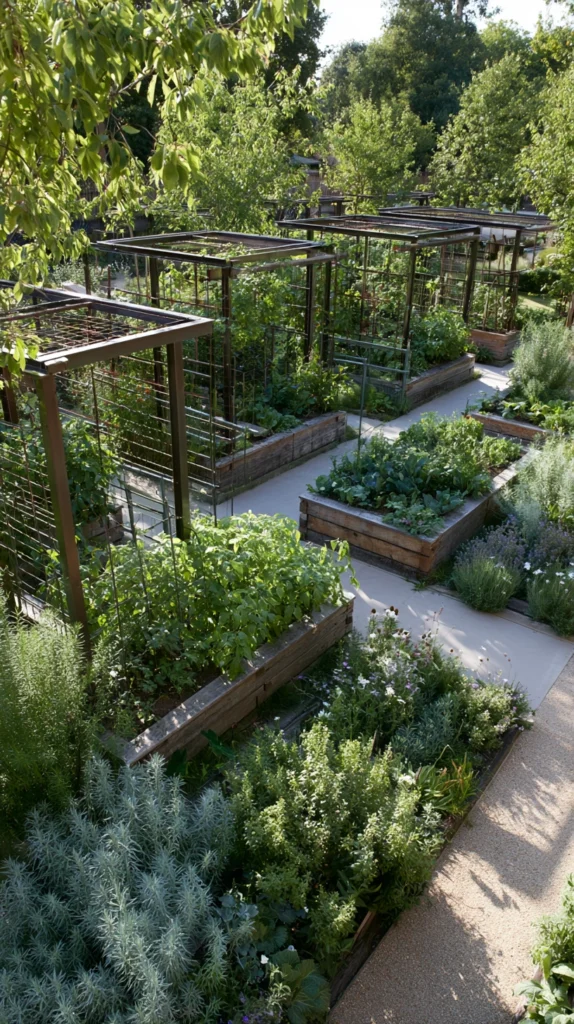
Incorporate productive plantings throughout ornamental gardens where the climate allows extended growing seasons, supporting cool-season vegetables, berries thriving in mild conditions, and fruit trees performing excellently in the region.
Plant kale, chard, and lettuce providing cool-season harvests, including blueberries and raspberries thriving in acidic Pacific Northwest soils, and add apple, pear, or cherry trees suited to regional conditions.
The edible integration creates productive landscapes while the mixed ornamental and edible approach reflects contemporary garden trends. The excellent growing conditions support substantial harvests, while the extended seasons allow year-round production, impossible in harsh climates.
8. Layered Canopy Structure
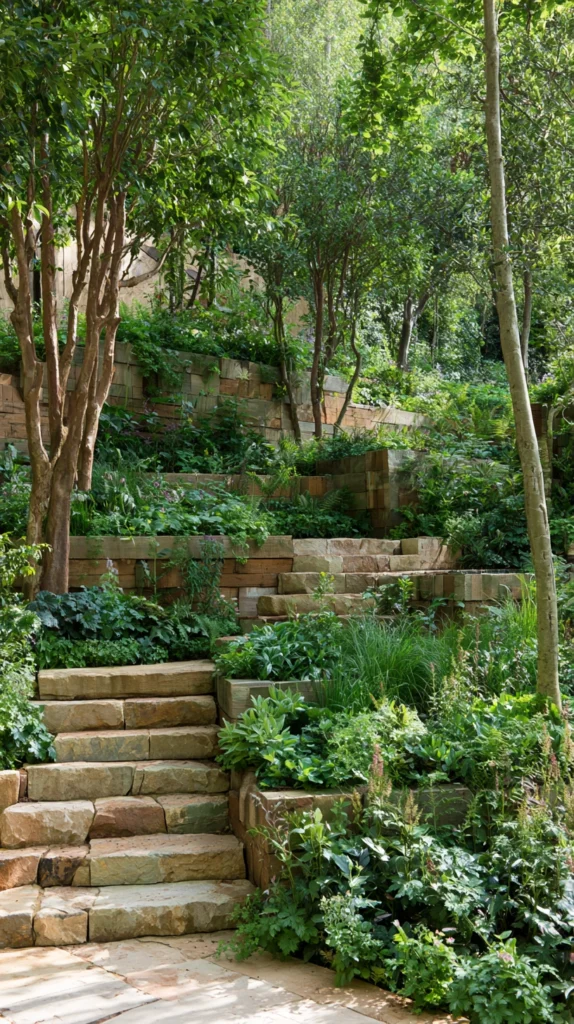
Design gardens with multiple vertical layers from groundcovers through understory shrubs to canopy trees, creating the kind of dimensional complexity that mimics natural Pacific Northwest forests while maximizing limited space through three-dimensional planting.
Establish tree canopies using native conifers or shade-casting deciduous species, add understory shrubs filling middle layers, and complete with groundcover carpets creating complete vertical plantings.
The layered approach creates habitat value and visual complexity while the structural depth provides year-round interest through varied heights. The forest-inspired design reflects regional natural landscapes, creating authentic connections to place.
9. Flowering Shrub Succession
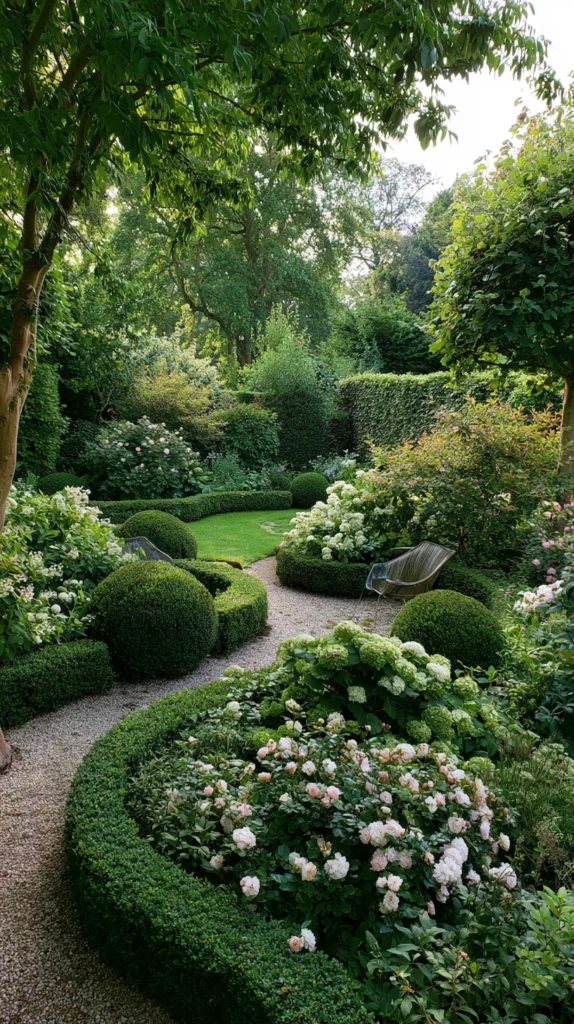
Plan shrub selections providing continuous bloom from early spring rhododendrons through summer hydrangeas, ensuring gardens maintain color interest beyond the typical spring bulb season that defines many regional gardens. Include early-blooming species like forsythia and flowering currant, add late-spring rhododendrons and azaleas, and finish with summer hydrangeas and repeat-blooming roses.
The succession planning ensures continuous interest while the shrub emphasis provides substantial presence beyond ephemeral perennials. The extended bloom addresses the tendency toward spring-only interest, creating gardens remaining attractive throughout growing seasons.
10. Naturalistic Meadow Planting
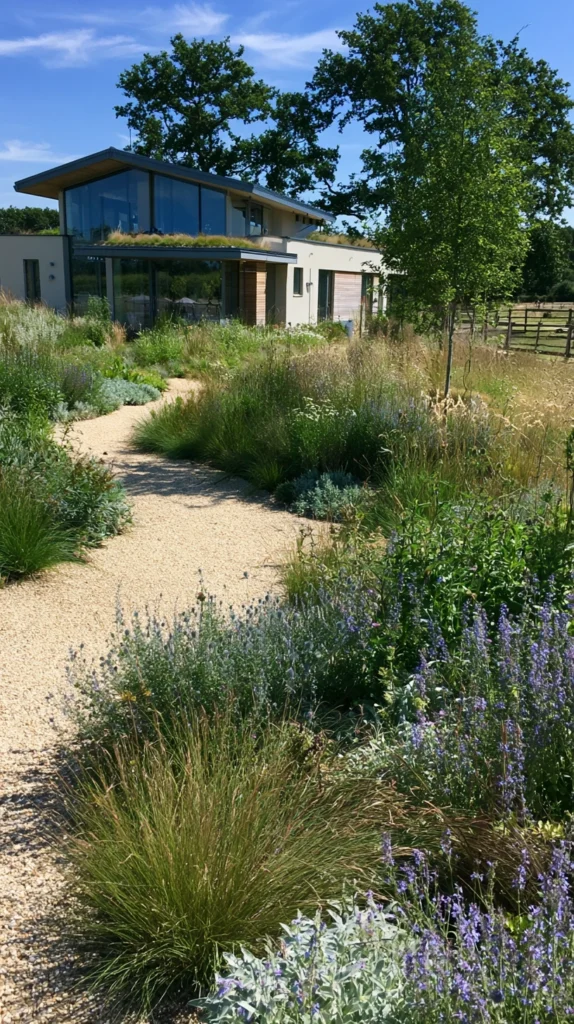
Create prairie-inspired meadows using native grasses and wildflowers establishing low-maintenance naturalistic gardens that reflect regional ecosystems while providing habitat and requiring minimal intervention once established.
Plant native grasses including tufted hairgrass and blue wildrye, add native wildflowers including lupine and camas, and allow natural establishment and self-seeding creating authentic meadow character.
The naturalistic approach reduces maintenance while the ecological value supports native species. The meadow aesthetic creates relaxed informal character while the native plantings ensure success without constant intervention.
11. Rock Garden Alpine Miniatures
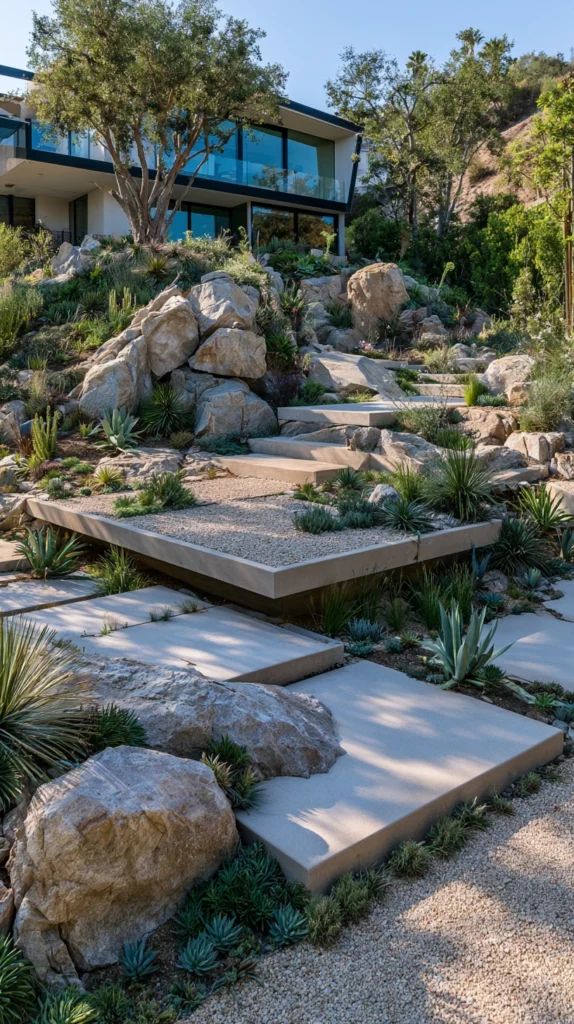
Design rock gardens featuring alpine plants and dwarf conifers creating the kind of intricate detailed gardens that showcase smaller specimens, while the raised beds provide excellent drainage managing abundant rainfall preventing root rot.
Build raised rock gardens ensuring sharp drainage, plant alpine species and miniature conifers creating intricate compositions, and appreciate how the elevated beds manage moisture while showcasing small plants.
The alpine approach provides excellent drainage critical during wet winters while the miniature scale creates detailed gardens rewarding close inspection. The rock garden format suits sloped properties common in the region while the alpine aesthetic reflects mountain influences.
12. Woodland Garden Naturalism
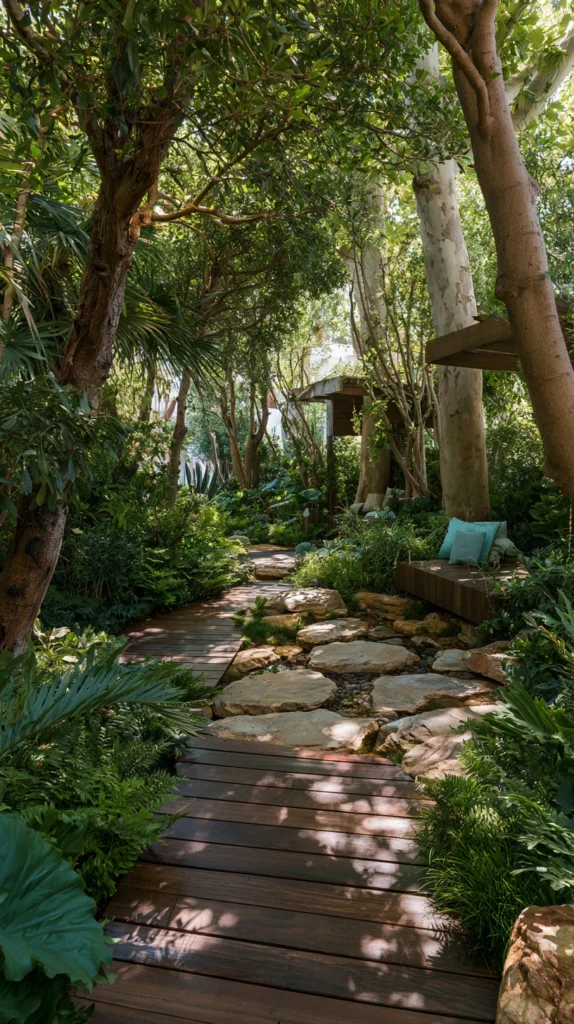
Establish woodland gardens beneath existing tree canopy using shade-tolerant natives creating the kind of naturalistic forest floor plantings that reflect regional ecosystems while requiring minimal maintenance once established. Plant native groundcovers including inside-out flower and vanilla leaf, add woodland perennials like trillium and fairy bells, and allow natural colonization creating authentic forest gardens.
The woodland approach works with existing trees rather than removing valuable canopy while the native plantings create authentic regional character. The naturalistic aesthetic requires minimal intervention while the shade adaptation addresses common Pacific Northwest conditions.
13. Container Garden Flexibility
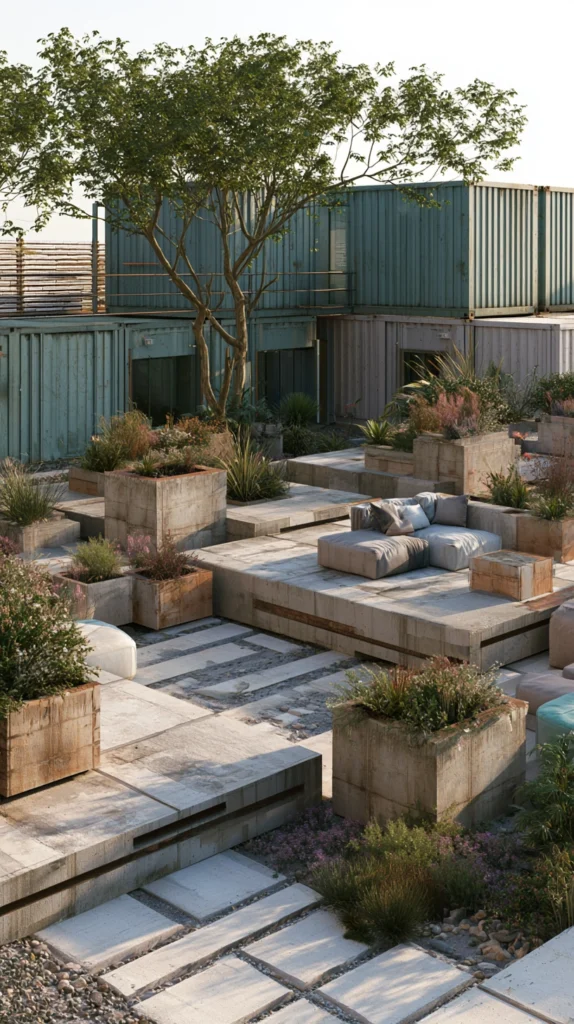
Develop substantial container gardens providing flexibility for renters, allowing soil amendment in areas with challenging native soils, and creating moveable displays following sun or adapting to changing conditions. Fill containers with quality potting soil providing better drainage than native clay, plant with shade or sun lovers depending on container positioning, and appreciate the mobility allowing seasonal repositioning.
The container approach addresses rental situations or challenging soils while the elevated plantings bring color to eye level. The flexibility accommodates changing needs while the contained plantings allow soil customization impossible with in-ground gardens.
14. Water Feature Integration
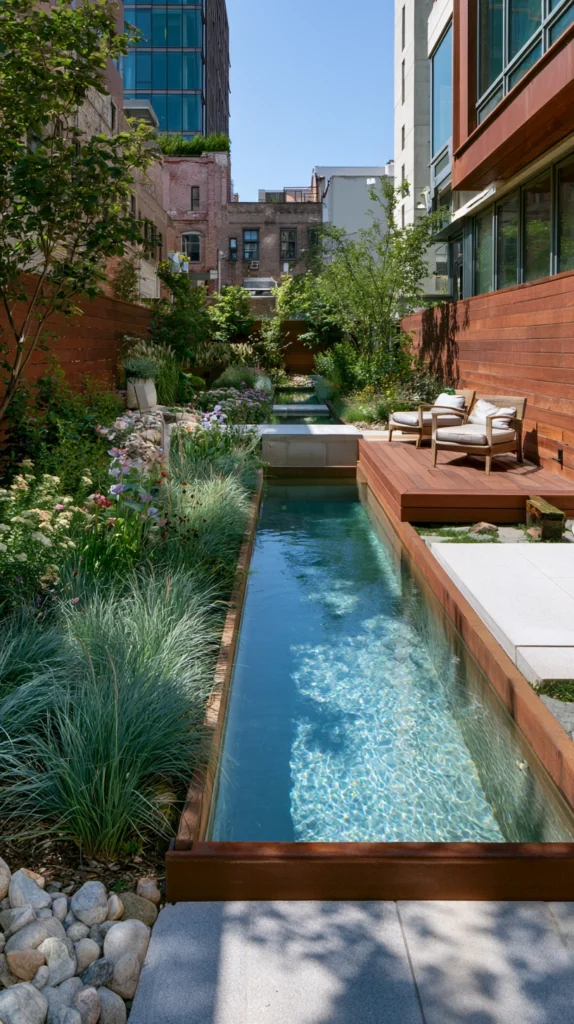
Incorporate ponds, streams, or fountains celebrating rather than combat abundant water while the aquatic features create habitat, provide soothing sounds, and establish focal points, capitalizing on natural moisture availability.
Build ponds using natural materials reflecting regional character, create recirculating streams suggesting natural watercourses, or add fountains providing movement and sound. The water features align with abundant moisture, while the aquatic habitat supports amphibians and birds. The naturalistic water elements create the kind of lush, verdant character that defines successful Pacific Northwest gardens.
15. Four-Season Focal Points
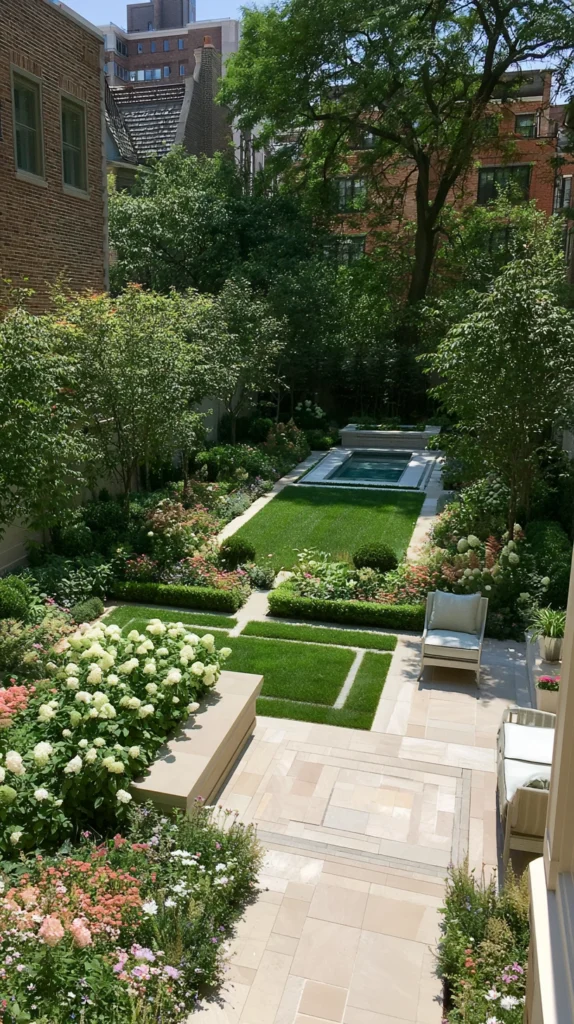
Design gardens featuring multiple seasonal highlights, ensuring year-round interest beyond the typical spring bloom season, capitalizing on mild winters where gardens remain visible and accessible, unlike harsh climates. Include early-blooming witch hazel and hellebores providing winter interest, add spring bulbs and flowering trees, incorporate summer perennials, and finish with fall color and winter berries.
The succession planning ensures gardens never rest, capitalizing on mild conditions, allowing year-round appreciation. The four-season approach acknowledges that Pacific Northwest gardens remain visible throughout mild winters, deserving design attention beyond spring and summer alone.
Successfully creating Pacific Northwest gardens requires embracing abundant rainfall as an asset rather than a challenge, using moisture-loving plants thriving in conditions that would rot species requiring arid environments, working with rather than removing mature trees that provide valuable canopy, creating shade gardens rather than fighting for sun, and selecting plants specifically suited to mild wet winters and relatively dry summers that define regional climate patterns.
Appreciate native plants offering ecological benefits and reliable performance. Manage slugs and snails that thrive in moist conditions through organic controls or tolerant plant selections. Amend clay soils common throughout the region, improving drainage, and preventing winter waterlogging. Capitalize on extended growing seasons, allowing nearly year-round planting and harvests.
Most importantly, embrace rather than apologize for the region’s distinctive character, creating gardens that celebrate Pacific Northwest conditions rather than attempting to replicate gardens from incompatible climates, proving that successful regional gardening requires understanding and working with local conditions rather than fighting against them, creating landscapes that thrive effortlessly while supporting local ecosystems and reflecting an authentic connection to this distinctive verdant region.