14 First Home Decorating Ideas on a Tight Budget
Decorating a first home usually means balancing a long wish list against a budget that’s already stretched thin from moving costs, a down payment, or new rent. The good news is that a genuinely great-looking home doesn’t require spending everything at once, and several of the highest-impact changes cost surprisingly little.
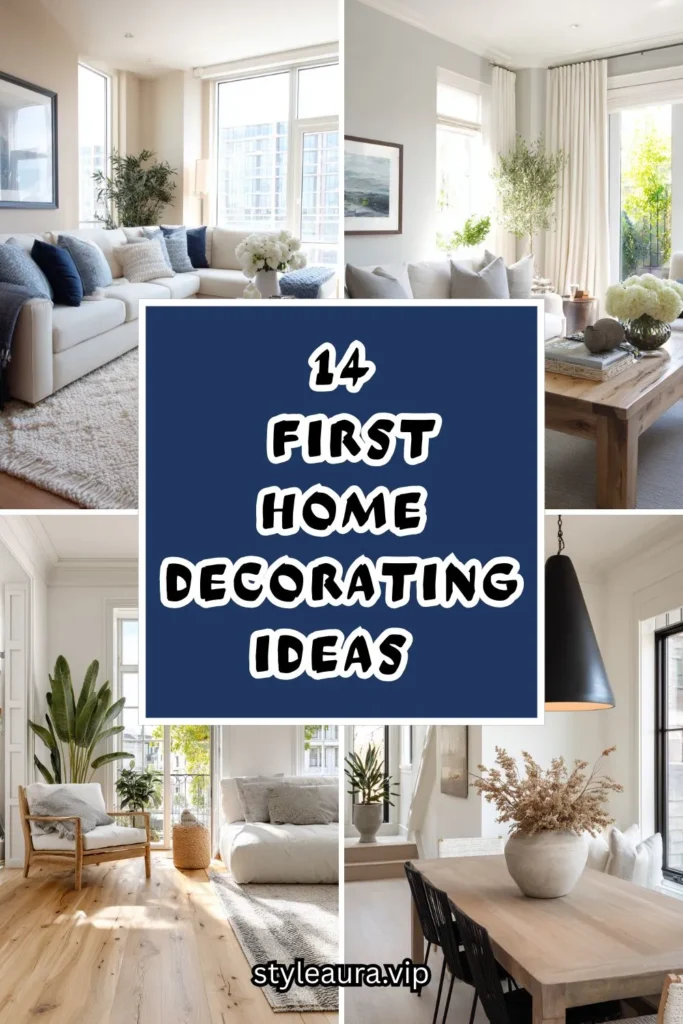
Below are 14 ways to decorate a first home on a tight budget, from paint and lighting swaps to secondhand furniture strategies, with real numbers on cost and specifics so the space comes together without draining savings meant for other priorities.
Budget-First Planning Basics
Where to spend first:
- Lighting and paint, since both dramatically change a room for low cost
- One or two anchor furniture pieces used daily (bed, sofa)
- Items affecting comfort and function over pure decoration
Where to wait and save:
- Large furniture pieces that can be sourced secondhand over time
- Window treatments, which are easy to add later
- Art and decor, which benefits from living in the space first
1. Paint Before Buying Any New Furniture
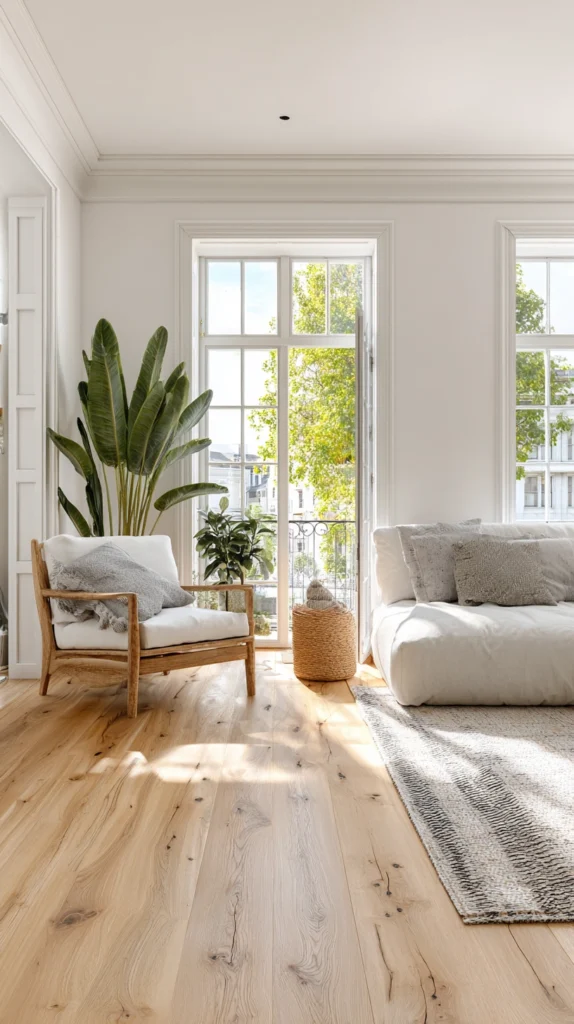
A fresh coat of paint is consistently the highest-impact, lowest-cost change available in a first home, capable of transforming a dated or neutral room without spending anything on furniture at all. A standard 10×12 bedroom wall set (about 400 sq ft including all four walls) typically needs 2 gallons of paint.
Budget: $80-140 for two gallons of quality paint plus basic supplies (rollers, trays, painter’s tape), making this one of the most affordable full-room transformations available. Choosing a warm white or soft neutral, rather than a bold trend color, is a practical choice for a first home since it works with almost any furniture added later, secondhand or new.
Painting before moving furniture in, or at least before arranging it permanently, makes the process significantly faster and avoids the extra step of covering and moving pieces during the project. This is worth prioritizing before any other purchase on this list, since paint changes how every other item in the room reads once it’s added.
Renting a home rather than owning changes this calculation, so checking lease terms about painting (and whether a deposit covers repainting back to the original color) is worth doing before starting.
2. Shop Secondhand for Large Furniture First
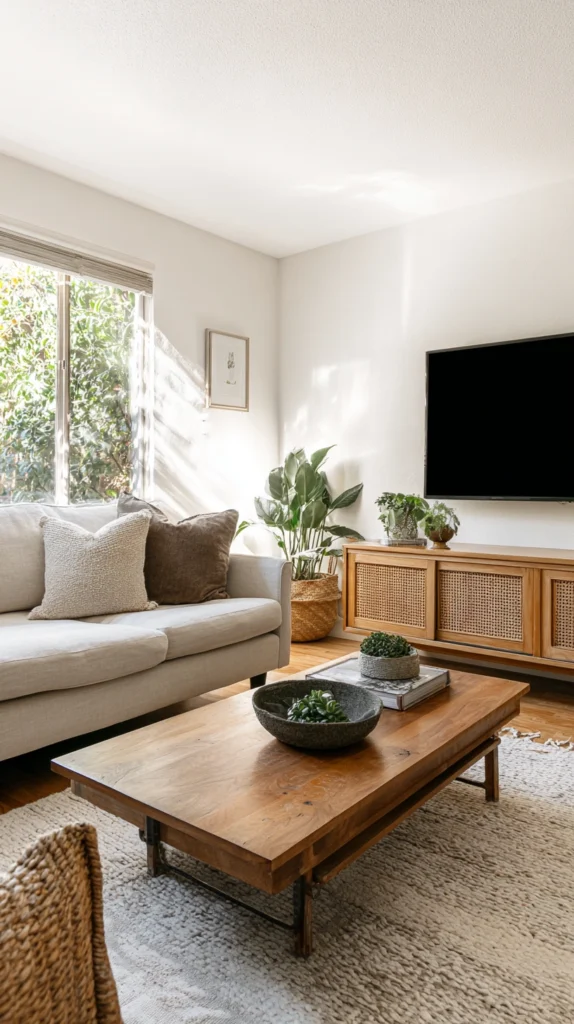
Sourcing big-ticket items — a sofa, a dining table, a dresser — secondhand through marketplaces, estate sales, or thrift stores typically costs a fraction of buying new, and quality varies far less than people expect once you know what to look for. Standard secondhand sofas run $100-400 depending on condition and source, compared to $800-2,000+ new.
Budget: allocate roughly 40-50% of a typical furniture budget to secondhand large pieces, which frees up remaining funds for smaller items, decor, and unexpected costs that inevitably come up during a first move. Checking the frame construction (solid wood versus particleboard) and testing for structural stability in person, rather than relying purely on photos, helps avoid buying a piece that won’t hold up.
Timing matters when shopping secondhand, since move-out season (typically late spring through early fall in areas with a large renter population) tends to flood marketplaces with quality furniture at lower prices as people downsize or relocate. This approach requires more patience than simply ordering new furniture online, but the cost savings on large pieces specifically are usually the biggest lever available in a tight budget.
Renting or borrowing a truck for pickup, rather than paying for delivery, is often the difference between a genuinely affordable secondhand purchase and one that ends up costing nearly as much as buying new once delivery fees are added.
3. Update Lighting Fixtures Before Anything Else Visual
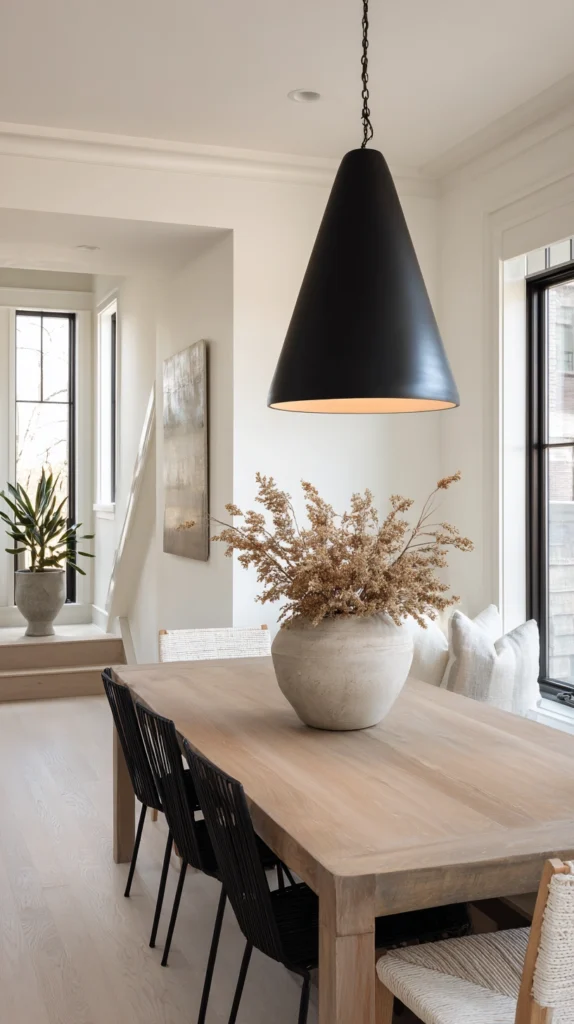
Swapping a builder-grade overhead fixture for something more considered is one of the most noticeable upgrades in a first home, and it’s often more affordable than people assume, particularly for a simple flush-mount or pendant swap. Standard light fixture swaps take under an hour for anyone comfortable with basic electrical work, or $75-150 for a licensed electrician if hiring out.
Budget: $40-120 for a quality replacement fixture, significantly less than most furniture purchases while delivering an outsized visual impact, since overhead lighting affects how every other element in the room actually looks once installed. Always turn off the breaker before attempting any fixture swap, and if there’s any uncertainty about the wiring, hiring an electrician for this specific task is worth the cost for safety.
Plug-in pendant light kits are a good workaround for renters who can’t make permanent electrical changes, since they hang from a hook rather than requiring any wiring work, with the cord simply run along the ceiling or wall to a nearby outlet. This upgrade pairs well with the paint project described earlier, since both changes affect the room’s overall feel more than almost any furniture addition would at a similar price point.
Warm white bulbs (2700-3000K), rather than cool or daylight-toned ones, make a noticeable difference in how inviting a space feels for a cost of just a few dollars per bulb.
4. Use Removable Wallpaper for a Statement Wall
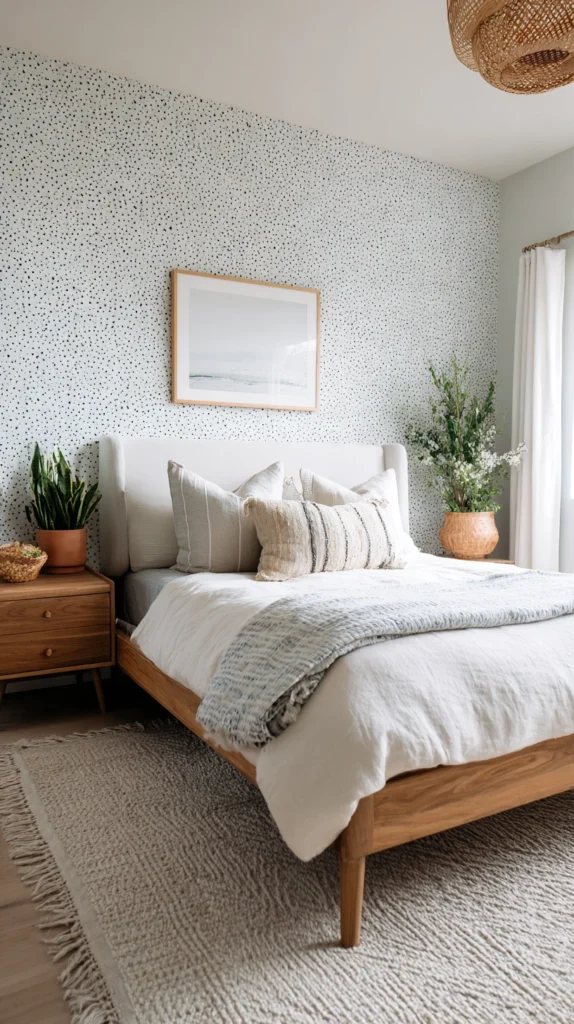
Peel-and-stick wallpaper delivers pattern and personality to a rented or newly purchased home without the commitment or cost of paint removal down the line, making it one of the more flexible budget decorating tools available. Standard peel-and-stick wallpaper rolls cover 28-35 sq ft, with 2-3 rolls typically enough for a standard accent wall.
Budget: $60-150 for a full accent wall, depending on the pattern and brand chosen. Applying this to just one wall, rather than a full room, keeps the cost contained while still delivering a strong visual impact in the space.
Cleaning and priming the wall surface beforehand, even though the product is designed to be simple to apply, meaningfully improves how well it adheres and how easily it comes off later without damaging paint or drywall. This is a particularly good option for a rental specifically, since it can be fully removed at move-out without violating a typical lease agreement around permanent changes.
Choosing a smaller-scale, more subtle pattern tends to age better and work with a wider range of furniture than a very bold, trend-driven print, which matters if the wallpaper needs to work with furniture accumulated gradually over the following year or two.
5. Add Curtains Even Without a Full Window Treatment Budget
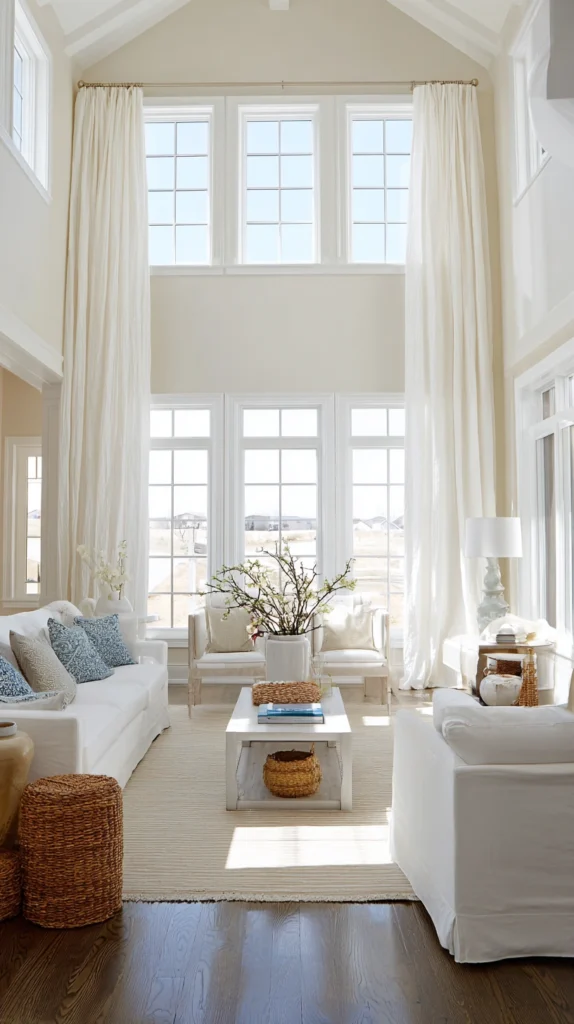
Simple curtain panels, even inexpensive ones from a big-box retailer, add softness and privacy to a first home far more affordably than custom window treatments, while doing meaningful work to make a space feel finished rather than bare. Standard curtain panels should extend from just above the window frame to the floor, sized to 1.5-2x the window width per pair.
Budget: $30-70 for a quality pair of basic linen-look curtain panels, compared to $150-400+ for custom or higher-end window treatments. Mounting the rod 4-6 inches above the window frame and extending it 3-4 inches past each side makes even inexpensive curtains look more considered and makes the window itself appear larger.
This is a good example of a small technique (rod placement) mattering more than the actual product cost, since even budget curtains hung correctly look noticeably better than expensive ones hung directly on the window frame with no extension. Bare windows are one of the most common signals of an unfinished first home, making this a worthwhile early investment even on a tight overall budget.
Blackout curtains specifically for a bedroom are worth prioritizing over other window treatments if sleep quality is a concern, since they typically cost only slightly more than standard curtain panels of similar size.
6. Build a Gallery Wall From Free or Low-Cost Art
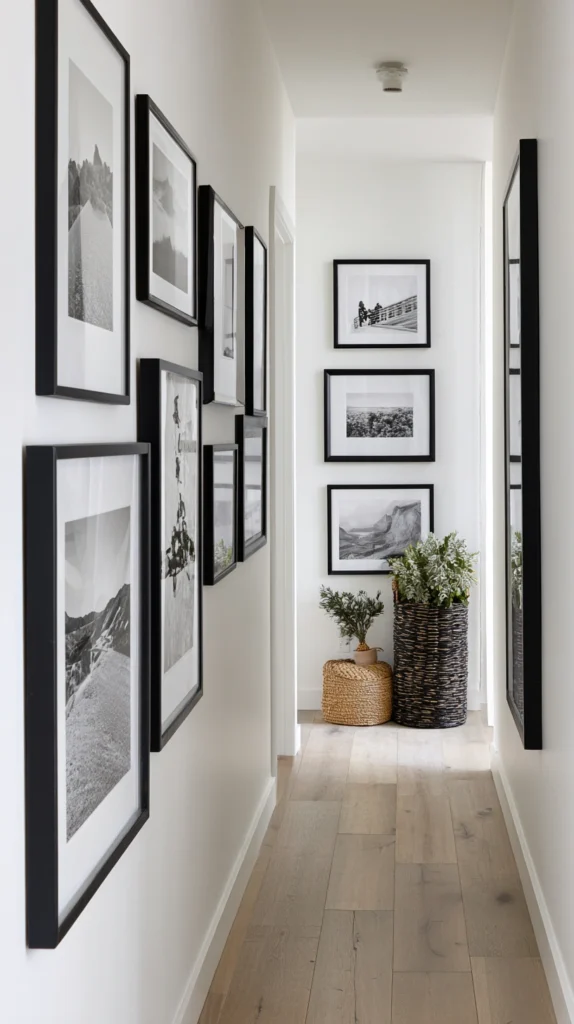
A wall of framed prints, personal photos, or even free downloadable art brings personality to blank walls without the cost of purchasing original artwork or expensive prints. Standard gallery walls use 6-10 frames of varying sizes across roughly a 4×5 foot area.
Budget: $40-100 for a full gallery wall using thrifted frames and printed photos or free digital art downloads, far less than purchasing pre-framed art from a retailer. Many museums offer free high-resolution downloads of public domain artwork, which can be printed affordably at a local print shop or home printer for a fraction of retail art prices.
Personal photographs, printed simply in black and white for visual consistency, are one of the most meaningful and affordable ways to fill wall space in a first home while adding genuine personal history rather than generic decor. Thrifted frames, often available for $2-8 each, can be unified with a quick coat of spray paint in a single consistent color, which instantly makes a mismatched frame collection look intentional.
This is one of the more time-intensive projects on this list, but also one of the most affordable ways to make blank walls feel personal and finished.
7. Add Area Rugs to Define and Warm Up Spaces
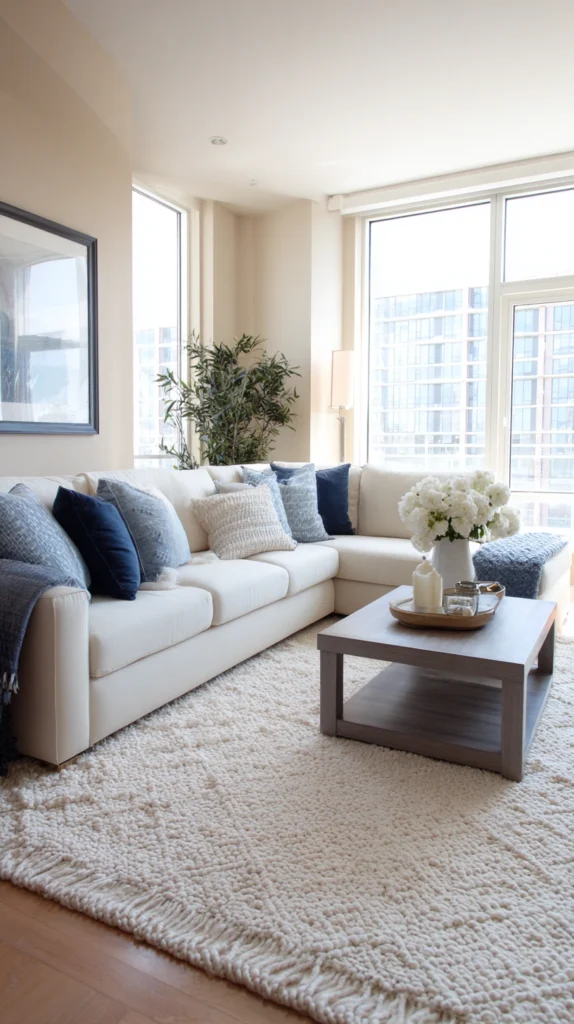
A rug does double duty in a first home, both defining a specific seating or dining area and adding warmth, especially over cold hardwood, tile, or a builder-grade carpet that doesn’t quite match your taste. Standard living room rugs run 8×10 or 9×12 feet.
Budget: $80-200 for a quality budget-friendly rug in that size, typically synthetic or a cotton-wool blend rather than pure wool, which keeps the cost more accessible for a first home. Checking online marketplaces and discount home retailers for overstock or clearance rugs often turns up quality pieces at a meaningful discount compared to full retail price.
Sizing the rug correctly matters as much as the budget itself, since a too-small rug is one of the most common decorating mistakes in a first home and can make an otherwise well-furnished room look unfinished. At minimum, the front legs of major furniture pieces (a sofa, chairs) should sit on the rug for the room to read as properly anchored rather than floating.
A rug pad, while an additional cost of $20-40, is worth adding both for safety (preventing slipping) and for extending the rug’s lifespan by preventing it from shifting and wearing unevenly.
8. Reface or Paint Existing Cabinets Instead of Replacing Them
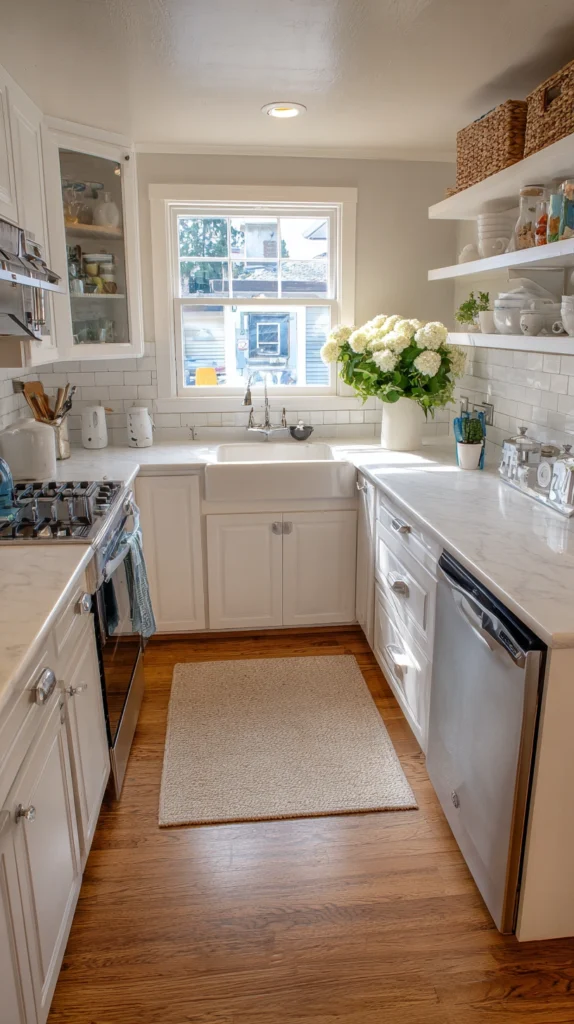
In a first home with dated kitchen or bathroom cabinets, a fresh coat of cabinet-grade paint transforms the space dramatically for a fraction of the cost of full cabinet replacement. A standard 10×10 kitchen needs roughly 2-3 gallons of cabinet paint for a full repaint.
Budget: $120-250 for quality cabinet-grade paint and supplies for a full kitchen, compared to $3,000-10,000+ for full cabinet replacement. This is one of the highest-value projects on this list relative to cost, since kitchen cabinets take up a significant amount of visual space in most homes.
Sanding and priming the cabinet surfaces before painting matters more here than with most other paint projects, since cabinets see more daily wear and require a more durable finish to hold up over time. Removing doors and drawer fronts to paint them flat on a table, rather than in place, produces a noticeably smoother, more professional-looking result even for a first-time DIYer.
Swapping the hardware at the same time, for an additional $30-80, meaningfully extends the transformation, since new pulls and knobs are often what people notice first even before registering the fresh paint color.
9. Add Plants Instead of Expensive Decor Objects
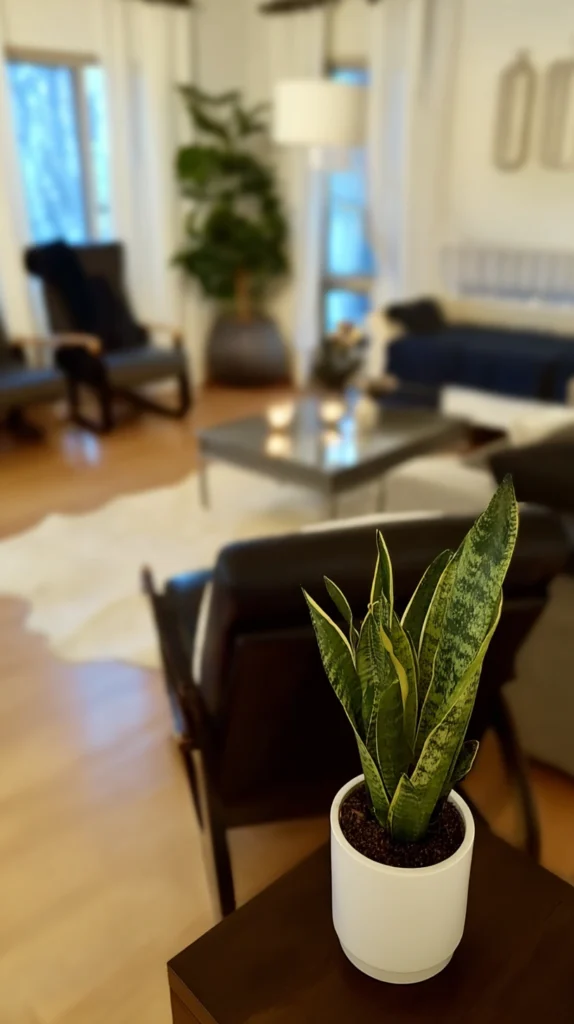
Live plants bring color, life, and texture to a first home at a much lower cost than most decorative objects, while also being one of the more flexible, movable elements as a space evolves over time. Standard low-maintenance houseplants (pothos, snake plants, ZZ plants) run $10-30 for a small to medium size.
Budget: $50-120 to add 4-6 plants of varying sizes throughout a first home, significantly less than filling the same amount of shelf and floor space with purchased decorative objects. Choosing low-maintenance varieties specifically matters for anyone newer to plant care, since a struggling or dying plant undercuts the decorating effort more than an empty corner would.
Propagating cuttings from a single plant, or from a friend’s existing collection, is one of the most budget-friendly ways to fill out a plant collection over time without buying every individual plant at full retail price. Grouping plants of varying heights together, rather than spacing single plants evenly throughout a room, creates a more intentional, styled look for the same total cost.
This is one of the lower-cost ways on this list to make a space feel genuinely alive and cared for, which matters especially in a first home that might otherwise feel sparse while other items are gradually added.
10. Use Command Strips and Removable Hooks for Rental-Friendly Storage
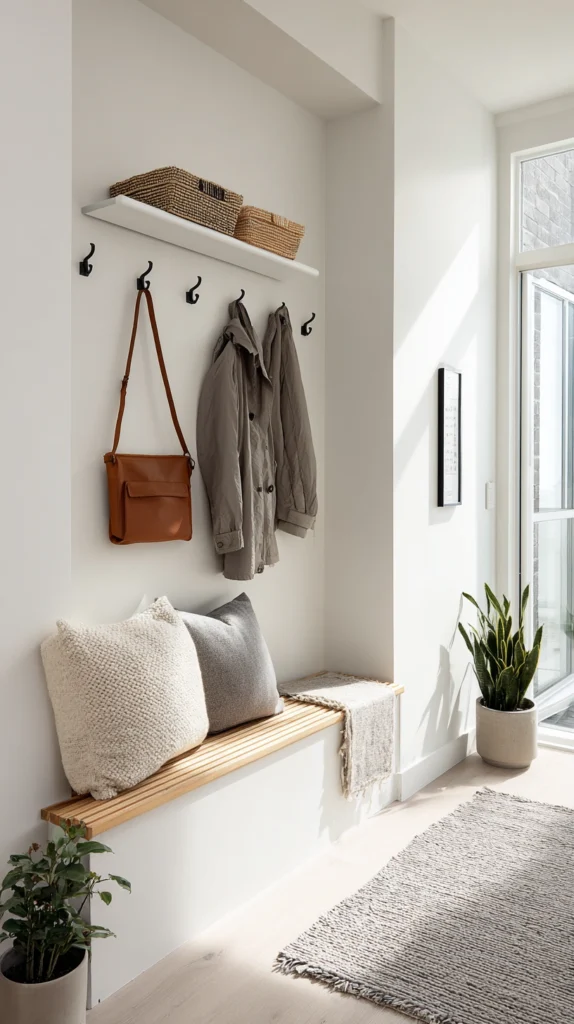
Adjustable, damage-free hooks and strips allow for functional storage additions — coat hooks, small shelves, hanging organizers — without any wall damage, which matters significantly for anyone renting their first home rather than owning it outright. Standard heavy-duty removable hooks hold 5-15 pounds depending on the specific product.
Budget: $20-50 for a variety pack of hooks and strips covering an entryway, bathroom, and closet, compared to the cost and permanence of installed shelving or built-in storage. This is one of the most practical, function-focused items on this list, addressing genuine daily organization needs rather than purely decorative goals.
Checking the weight rating and surface compatibility before purchasing prevents a frustrating situation where an item falls or damages the wall’s paint finish upon removal. This approach works particularly well in an entryway, where a simple row of hooks solves the common first-home problem of coats and bags accumulating on furniture or the floor.
This is a good category to prioritize early in a first home, since the organizational benefit is immediate and the cost is low enough not to compete significantly with larger furniture priorities.
11. Slipcover or Reupholster One Key Piece Instead of Replacing It
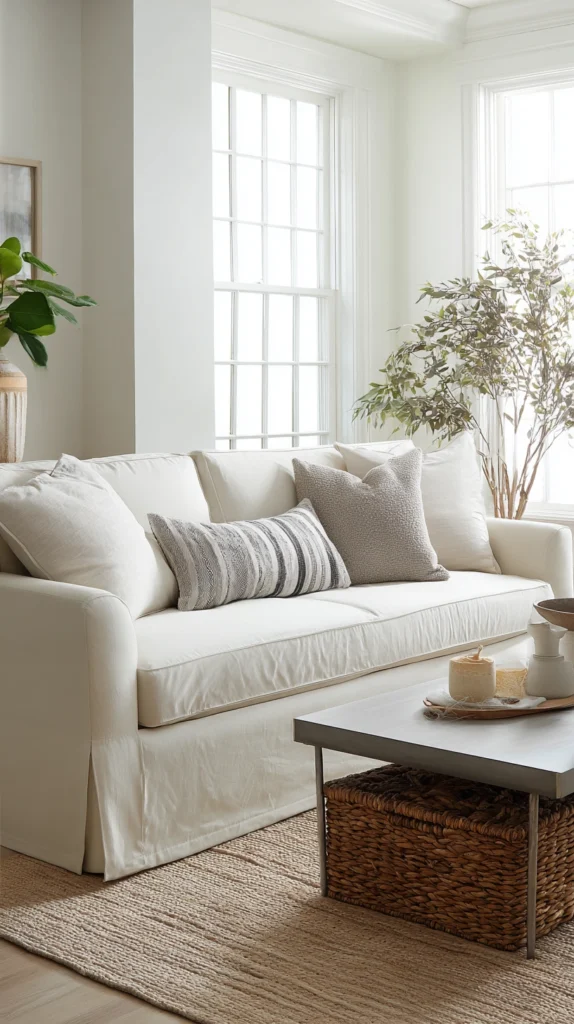
A slipcover or simple reupholstery project on an existing or secondhand piece of furniture extends its life and updates its look for meaningfully less than buying new. Standard slipcovers for a sofa run $60-150 depending on size and fabric quality, while a full reupholstery project on an accent chair runs $150-400.
Budget: significantly less than replacement in nearly every case, particularly for furniture with a solid, well-built frame that just needs a fresh fabric covering rather than structural repair. This is a particularly good strategy for furniture inherited from family or found secondhand in good structural condition but outdated fabric.
Choosing a slipcover in a durable, washable fabric, rather than a delicate or dry-clean-only material, is a practical choice for a first home, especially with pets or a busy daily routine. This approach also allows for style flexibility down the line, since a slipcover can be replaced again later without needing to buy an entirely new piece of furniture.
This is worth considering before assuming a piece of furniture needs to be replaced entirely, since many structurally sound pieces just need a cosmetic refresh rather than full replacement.
12. Add a Statement Mirror to Make Small Spaces Feel Larger
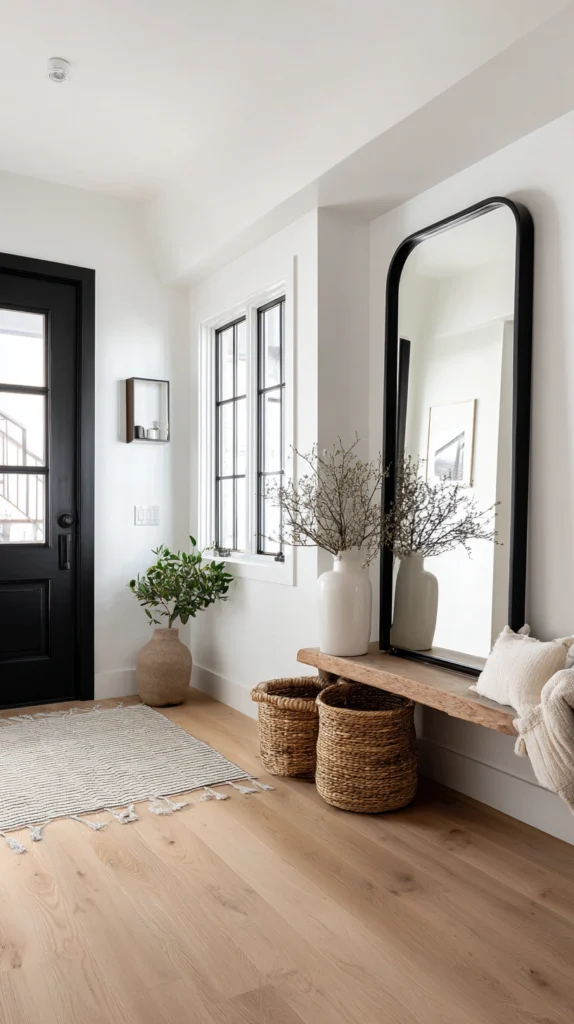
A well-placed mirror is one of the most functional decorating tools available in a first home, both adding visual interest to a wall and making a smaller room or dim hallway feel more open by reflecting available light. Standard decorative mirrors run 24-36 inches for a dresser-top or entryway piece.
Budget: $30-100 for a quality decorative mirror, with secondhand and thrifted options often available for even less, particularly for smaller sizes. Positioning the mirror across from or adjacent to a window maximizes its light-reflecting benefit, which is particularly valuable in a first home with limited natural light or smaller rooms.
This is one of the higher-value items on this list relative to cost, since a mirror serves both a decorative and genuinely functional purpose (checking your appearance before leaving, adding light) in a way that many purely decorative objects don’t. A large, leaning floor mirror is a popular choice for a bedroom specifically, and secondhand versions are often available at a meaningful discount compared to buying new.
This is a good item to watch for at thrift stores and estate sales specifically, since mirrors in good condition are common secondhand finds and often priced well below their new retail equivalent.
13. Build Out Storage With Budget Shelving Units
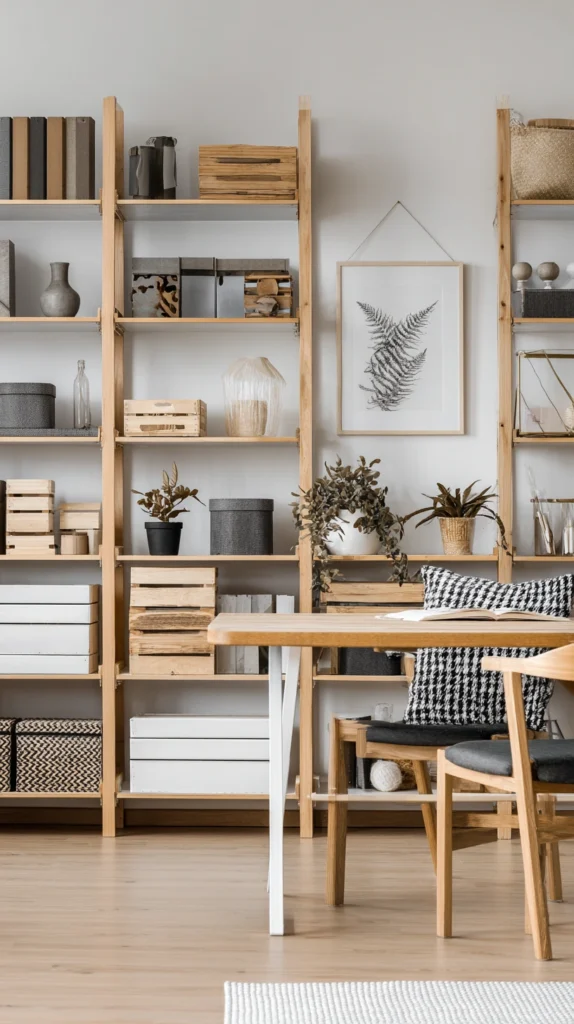
Simple, ready-to-assemble shelving units provide affordable storage and display space in a first home, addressing the common early-homeownership problem of not having enough places to put things yet. Standard basic bookshelf units run 24-36 inches wide and 60-72 inches tall.
Budget: $40-100 per unit for a quality basic shelving piece, significantly less than custom built-ins or higher-end furniture store shelving of similar size. Painting or staining a basic, unfinished wood shelving unit is a low-cost way to make it look more considered and less obviously budget, often for under $30 in additional paint or stain.
This is one of the more practical items on this list, addressing genuine storage needs (books, kitchen items, bathroom supplies) that come up quickly in a first home, especially one with limited built-in closet or cabinet space. Two or three matching units, rather than a single piece, can be arranged together to create a more substantial, built-in-looking storage wall for a fraction of custom cabinetry costs.
This is worth prioritizing in any room where storage is a genuine daily problem, since functional clutter undercuts even a well-decorated room far more than a slightly bare wall would.
14. Prioritize a Few Quality Pieces Over Many Cheap Ones
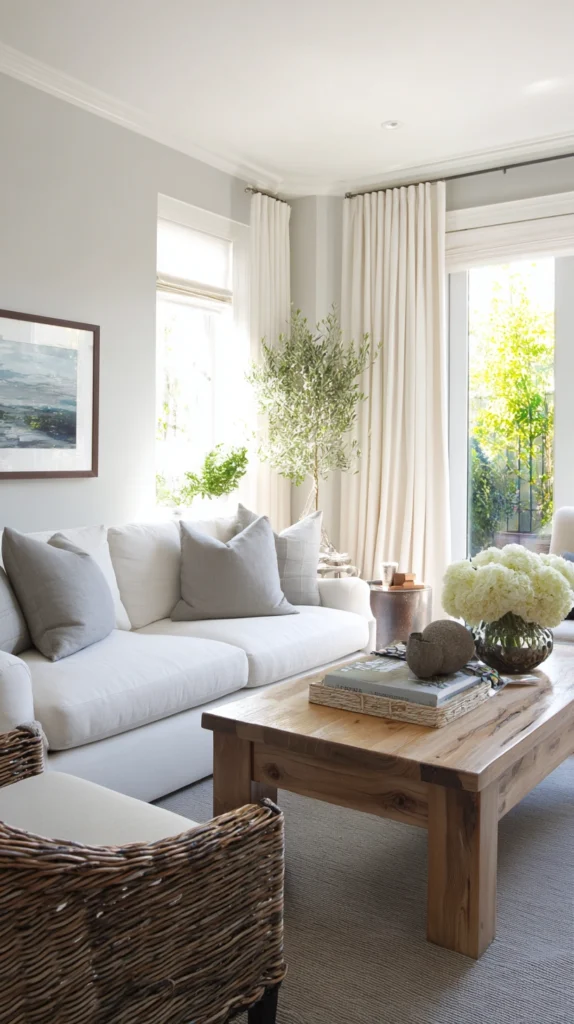
Perhaps the most important budget strategy on this entire list is resisting the urge to fill every surface and wall immediately, and instead spending available funds on fewer, better pieces added gradually over time. This principle applies across every category on this list, from furniture to decor to textiles.
Budget: this approach doesn’t have a fixed cost, but it does require patience, since a first home decorated this way might take a year or more to feel fully finished, rather than being complete after a single large shopping trip immediately after moving in. The resulting space, however, avoids the common trap of filling a first home with cheap, disposable pieces that need to be replaced again within a year or two, ultimately costing more over time than buying fewer, sturdier pieces from the start.
Setting a rough monthly or quarterly budget for one meaningful addition, rather than spending an entire decorating budget in the first few weeks, is a practical way to build toward a finished-feeling home without financial strain immediately after a major move. This approach also naturally allows taste and needs to become clearer over time, since living in a space for a few months often reveals what’s actually needed far more accurately than guessing everything upfront.
This is ultimately the principle that makes every other item on this list sustainable, since a first home is rarely finished in a single trip, and budgeting for gradual improvement tends to produce both better results and less financial stress than trying to do everything at once.
Quick Start Shopping List
This weekend, under $150:
- A gallon of paint for one accent wall: $50
- A pair of basic curtain panels: $40
- Two or three affordable houseplants: $40
- A pack of removable hooks for the entryway: $20
Rental-Friendly Version
No-permanent-change options:
- Peel-and-stick wallpaper instead of paint
- Removable hooks and strips instead of installed shelving
- Plug-in pendant lights instead of hardwired fixtures
- Freestanding shelving instead of built-ins
Success Indicators
- The space feels progressively more finished each month, not stagnant
- Spending stays within budget without relying on credit for non-essentials
- Furniture and decor added early still fit the home’s evolving style
- The home feels genuinely lived-in, not sparse or temporary
- Bigger investments are reserved for pieces that will last many years
Remember
Start with paint and lighting before spending on furniture, since both deliver the highest visual impact for the lowest cost, shop secondhand for large furniture pieces first and save new purchases for smaller, more personal items, resist the urge to fill every wall and surface immediately, since a gradually built home tends to look and feel more genuine than one furnished all at once, prioritize function-driven purchases (storage, lighting, seating) over purely decorative ones early on, and remember that a first home decorated slowly and thoughtfully almost always ages better than one filled quickly with budget pieces that need replacing again within a year or two.