15 Cheap Garden Projects with Twigs
Twigs are one of the most abundant, most freely available, and most creatively versatile natural materials available to any gardener.
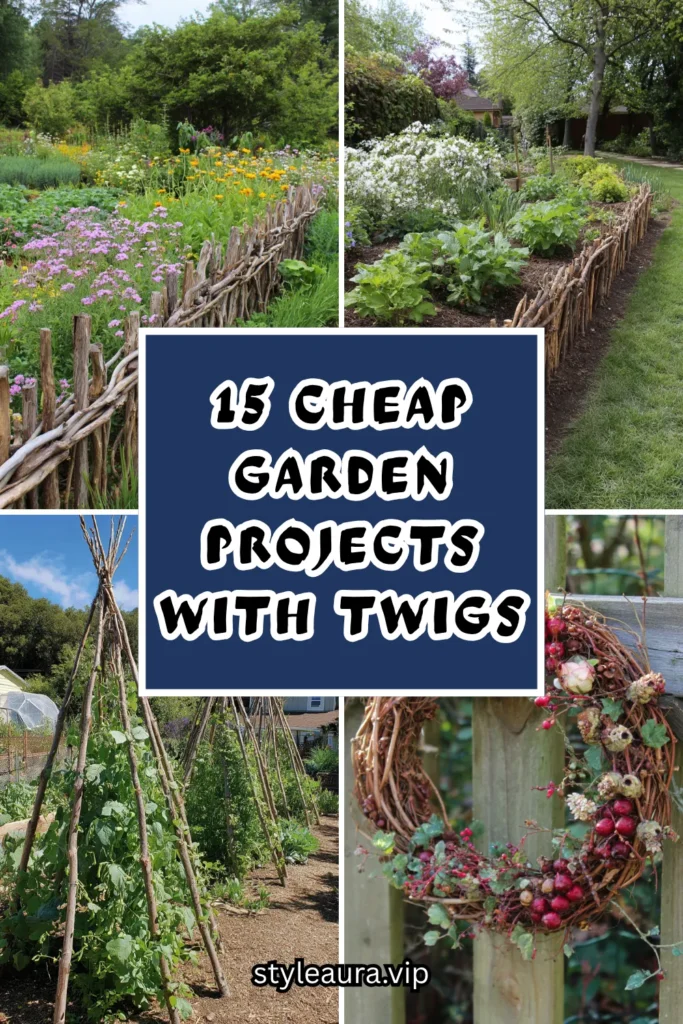
They are the annual harvest of every garden with a tree or a shrub. the prunings from the rose bush, the thinnings from the hedgerow, the windfall branches from the apple tree after a winter storm. and in most gardens they are bagged up and disposed of without a second thought about the creative and practical potential they represent.
A twig is not garden waste. It is a raw material of considerable beauty and surprising usefulness. Here are 15 cheap garden projects with twigs that are creative, practical, and genuinely worth making.
1. Build a Twig Teepee Plant Support
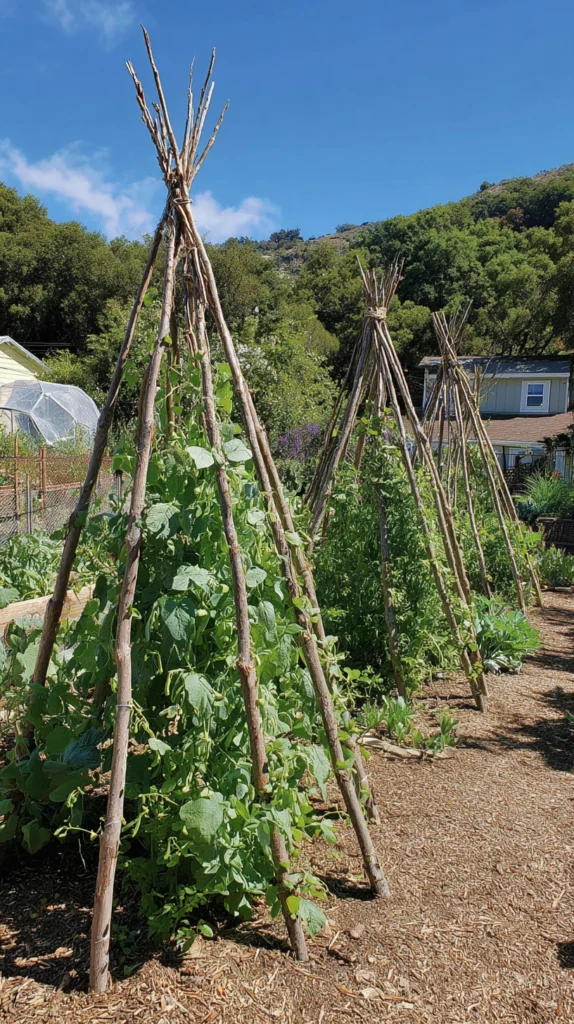
A twig teepee plant support is the most fundamental and most widely applicable twig garden project available. Gather six to eight straight or gently curved twigs of approximately 1.5 to 1.8 meters in length, push their thicker ends firmly into the soil in a circle of approximately 50 centimeters in diameter, and tie their tops together securely with natural jute twine.
The finished teepee provides a sturdy, naturally beautiful climbing support for peas, beans, sweet peas, nasturtiums, and any other lightweight climbing plant that can wind its tendrils around the irregular surface of natural twig material. A row of twig teepees in the kitchen garden creates a planting feature of considerable visual charm that earns its place on decorative as well as practical grounds.
2. Weave a Twig Hurdle Panel
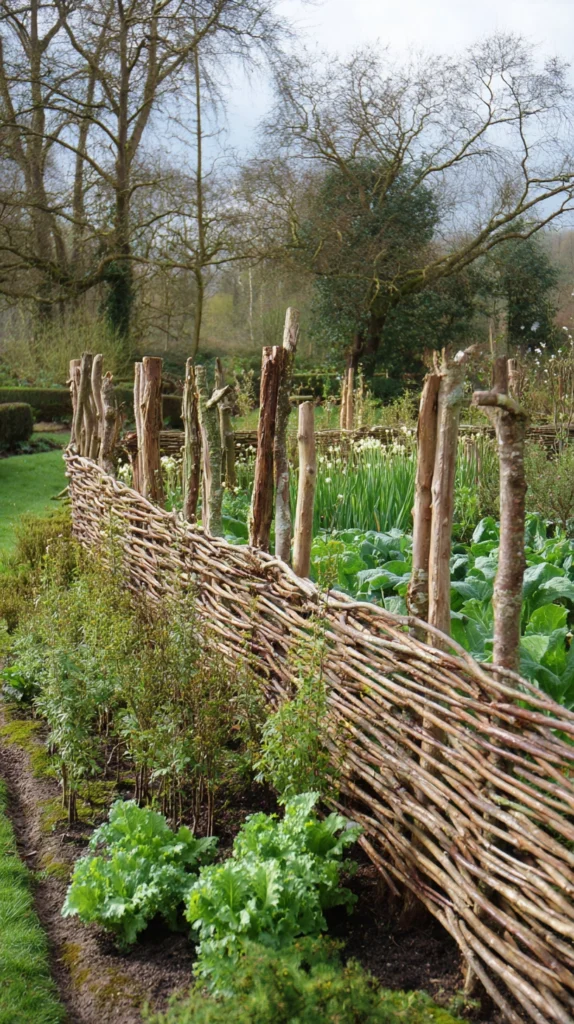
A woven twig hurdle panel. the traditional rural fencing technique of weaving flexible twig withies horizontally through a series of upright stakes to create a flexible, interlocking panel. creates a garden divider, a windbreak, a raised bed surround, or a decorative screen of extraordinary natural beauty and surprising structural strength.
Push a row of sturdy upright stakes into the ground at regular intervals of approximately 30 centimeters, then weave flexible young willow, hazel, or dogwood shoots horizontally through the uprights in an alternating over-under pattern that locks the woven material into a coherent panel. The finished hurdle panel improves in visual character as it weathers and as moss and lichen gradually colonize its surface.
3. Create a Twig Bundle Insect Hotel
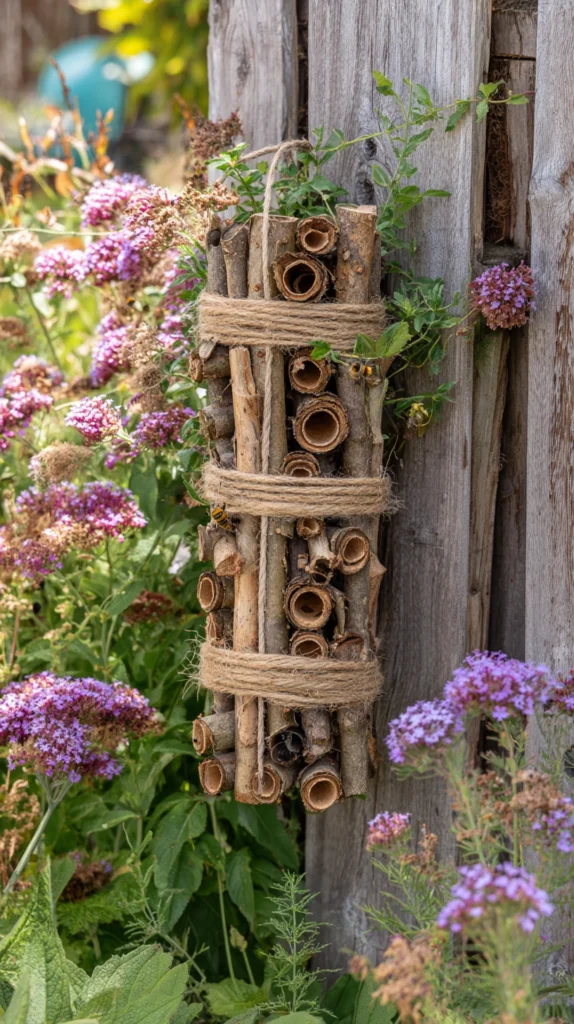
A bundle of hollow or pithy twigs. the cut stems of elder, buddleia, or sunflower, or the hollow stems of bamboo cut to a consistent length. packed tightly together in a cylindrical bundle and secured with twine creates a simple but genuinely effective insect hotel that provides nesting habitat for solitary bees, lacewings, and other beneficial garden insects.
The twig bundle insect hotel costs nothing, requires no tools, and can be mounted on a fence, hung from a tree, or placed within a garden border where it contributes to the garden’s ecological health while adding a natural, textural decorative element to the outdoor space.
4. Make a Twig Picture Frame
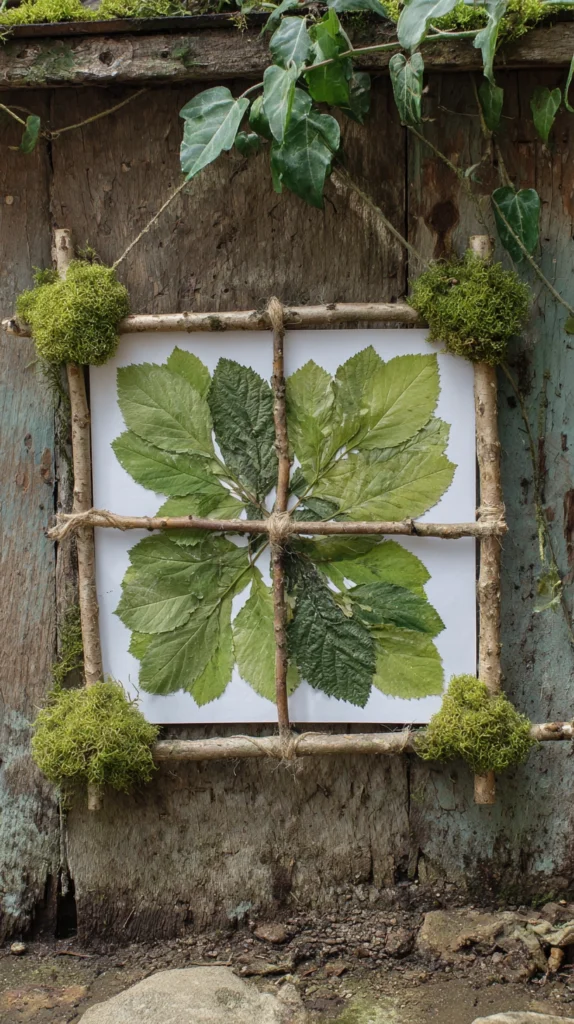
A picture frame constructed from four straight twigs of similar thickness tied together at each corner with natural twine creates a rustic, natural frame for an outdoor photograph, a piece of pressed botanical art, or a small mirror that suits a garden wall, a fence, or the exterior wall of a garden shed.
Collect four twigs of consistent thickness and cut them to the appropriate length for the picture size, then bind each corner joint firmly with a multi-wrap of natural twine tied off with a secure knot. Finish the corners with a small sprig of dried moss, a twist of dried grass, or a simple decorative knot for a frame that is as beautiful in its materials as it is original in its making.
5. Build a Twig Raised Bed Edging
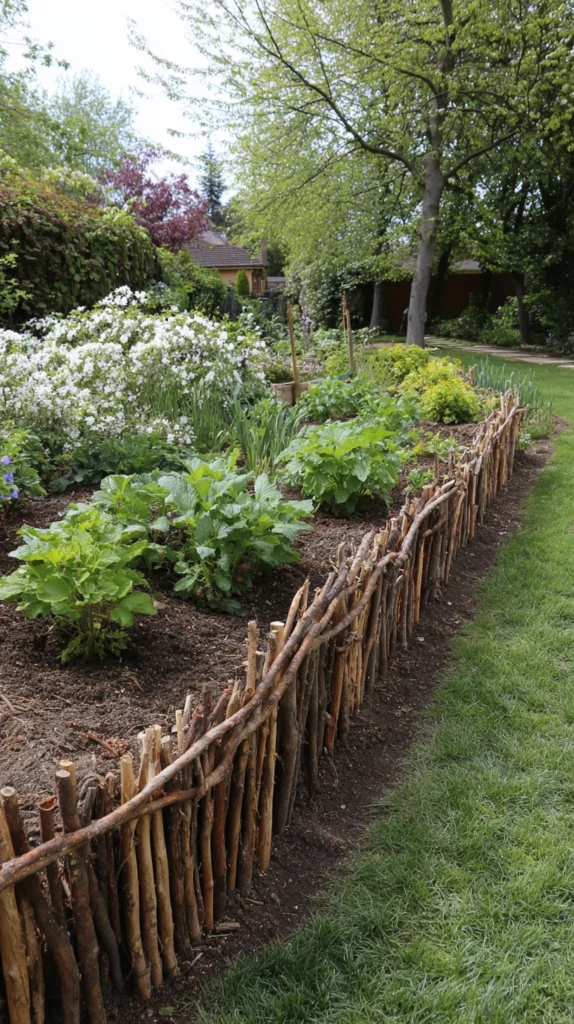
A low edging of twigs pushed vertically into the soil along the front edge of a garden border or around the perimeter of a raised bed creates a natural, decorative boundary that defines the planting area with an organic, woodland quality that manufactured edging materials cannot replicate.
Choose twigs of consistent thickness and push them into the soil at close spacing so that they support each other and create a coherent, stable edging rather than a loose, uneven line of individual sticks. A twig raised bed edging suits cottage gardens, naturalistic planting schemes, and any garden where the beauty of natural, unprocessed materials is a valued design choice.
6. Craft a Twig Garden Sign
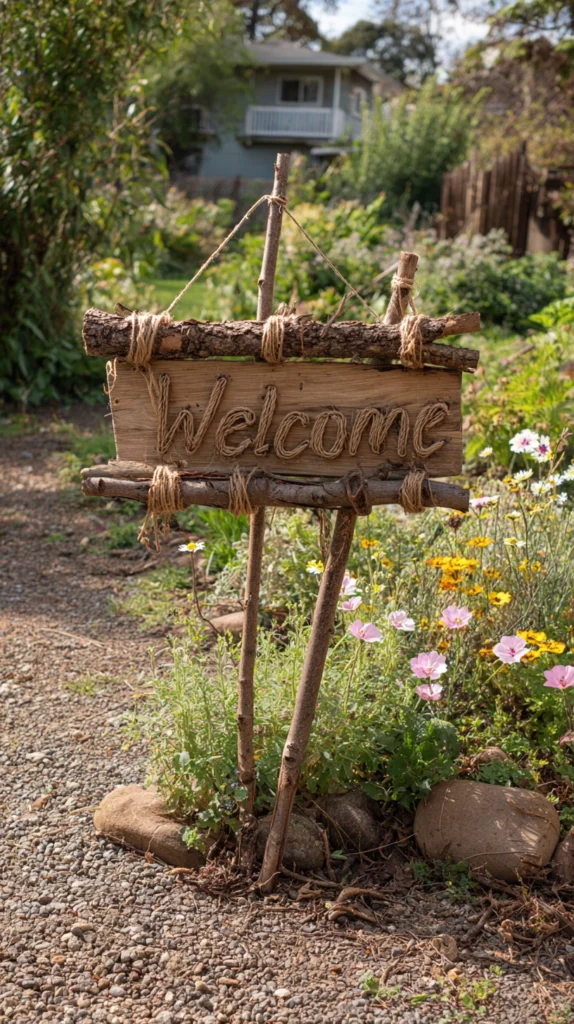
Individual letters formed from small twigs tied together with natural twine and mounted on a backing panel of timber, slate, or a larger piece of bark create garden signs of considerable rustic charm and natural beauty. Use small, straight twigs of consistent thickness to form each letter, cutting them to the appropriate length and binding the joints with a tight wrap of natural twine or thin wire that disappears into the natural surface of the twig material.
A twig garden sign reading the name of the kitchen garden, the title of a planting area, or a simple welcome message mounted on a fence post or a garden gate creates a garden entrance of genuine originality and handcrafted warmth.
7. Create a Twig Mobile
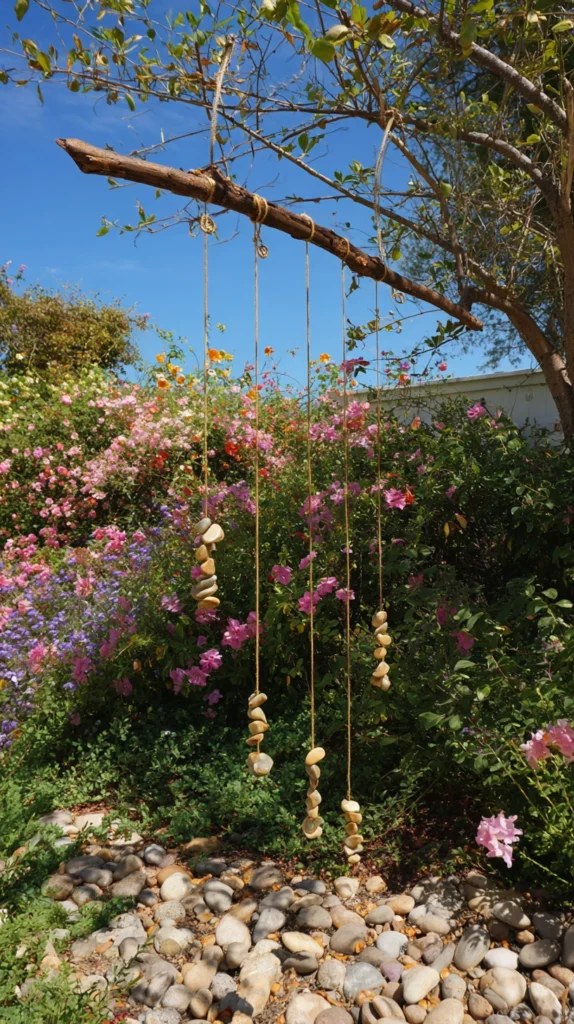
A decorative garden mobile constructed from a series of twigs suspended at varying lengths from a central horizontal branch creates a kinetic garden installation that moves gently in the breeze and creates shifting shadow patterns on the surfaces beneath it.
Suspend individual twigs of varying lengths and thicknesses from a central horizontal branch using lengths of natural twine at varying intervals, weighting the lower end of each hanging twig with a smooth pebble, a dried seed head, or a small piece of sea glass. Hang the finished mobile from a garden tree, a pergola beam, or a dedicated post in the garden where it will catch the prevailing breeze.
8. Weave a Twig Garden Basket
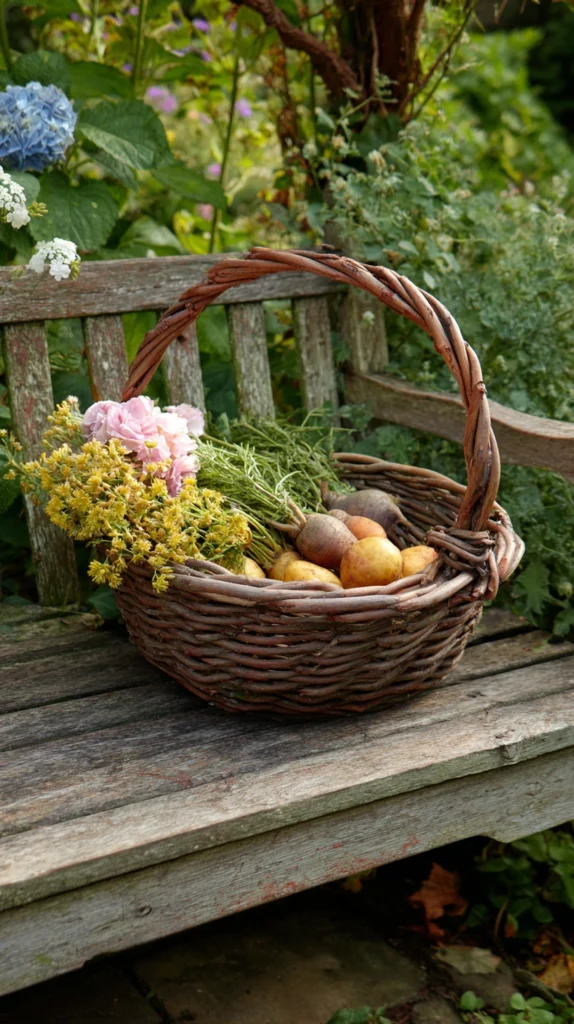
A small basket woven from flexible green twig shoots. willow, hazel, or dogwood harvested in early spring when the material is at its most supple and most cooperative. creates a garden container of genuine craft beauty and natural character that can be used for harvesting vegetables, displaying cut flowers, or storing garden tools.
The basket-weaving technique requires patience and practice but the materials are freely available from a coppiced garden shrub or a hedgerow, and the finished basket has a quality of handmade beauty and material authenticity that no purchased equivalent can replicate. Even a roughly woven beginner’s basket has a charm and a warmth that makes it a garden decor element of considerable appeal.
9. Build a Twig Garden Trellis
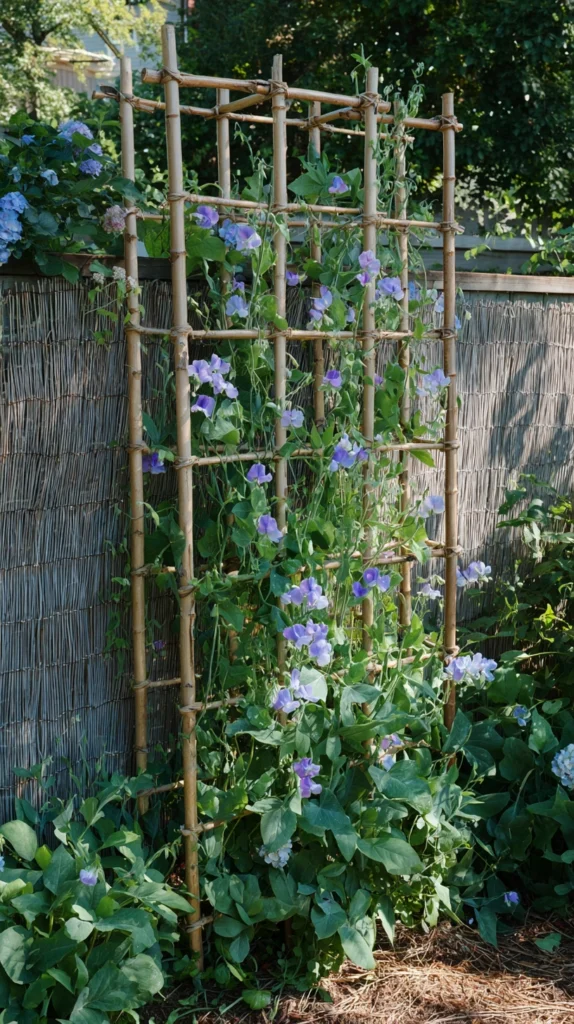
A freestanding or wall-mounted garden trellis constructed from a grid of twigs tied at each intersection with natural twine creates a plant support structure of natural beauty and practical effectiveness for lightweight climbing plants.
Lay a series of parallel twigs horizontally at regular spacing across a series of vertical twig uprights, tie each intersection point firmly with a cross-wrap of natural twine, and mount the finished trellis between two posts driven into the garden soil or against a wall for a plant support structure of genuine craft quality.
A twig garden trellis planted with sweet peas, nasturtiums, or a climbing annual creates a garden feature of considerable beauty that is genuinely seasonal and genuinely handmade.
10. Create a Twig Wreath
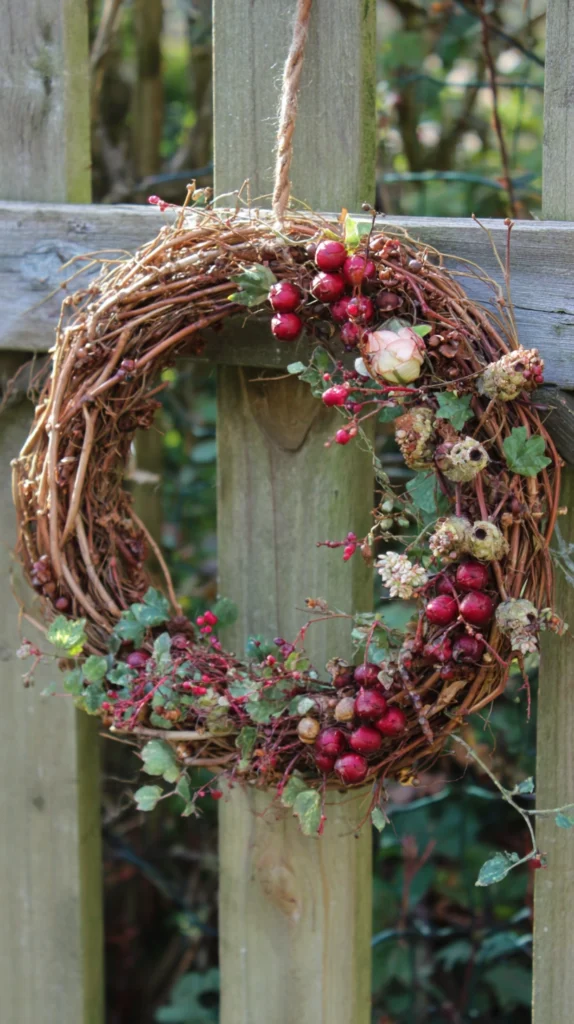
A wreath constructed from flexible twig shoots twisted and coiled into a circular form and decorated with dried botanical elements. seed heads, dried berries, small pine cones, dried flower heads, and sprigs of preserved foliage. creates a garden door or wall decoration of natural beauty and considerable seasonal appeal.
Soak flexible willow, dogwood, or wisteria shoots in water for several hours to increase their pliability, then coil them into a circular wreath form of the desired diameter, securing each new length of twig to the existing coil with a twist or a tie of natural twine until the wreath has sufficient density and structural integrity to hold its circular form without additional support.
11. Make Twig Newspaper Pots for Seed Starting
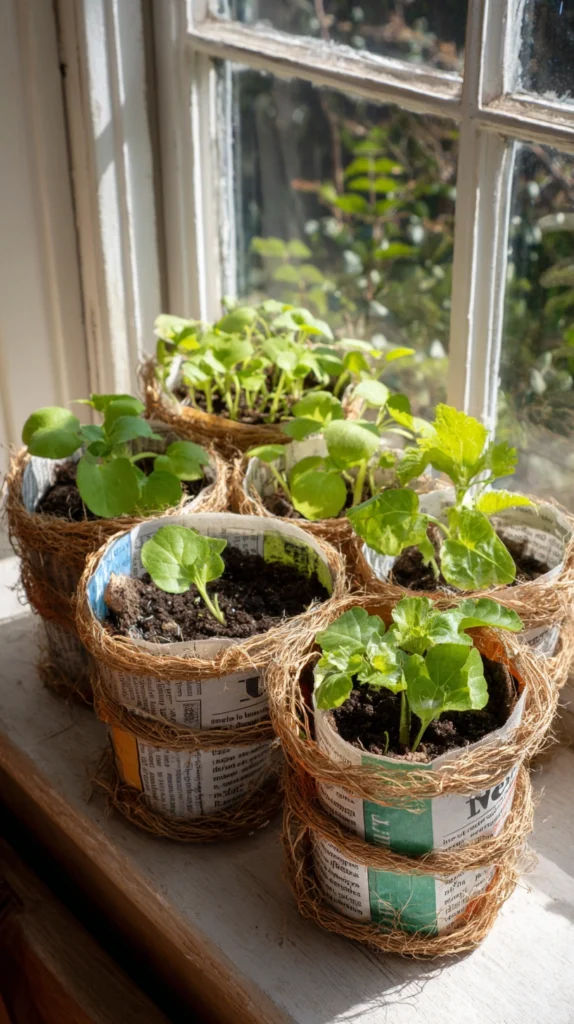
Small pots formed from sheets of newspaper wrapped around a straight twig of the appropriate diameter and secured with a twist of twine at the base create biodegradable seed-starting pots that can be planted directly in the soil when the seedlings are ready for transplanting, allowing the roots to grow through the newspaper wall without disturbance.
The twig serves as the former around which the newspaper is wrapped. approximately 2 to 3 centimeters in diameter for a standard seed pot. and is removed before the pot is filled with compost and sown. This technique creates an unlimited supply of free, compostable seed pots from the two most freely available materials in any household with a garden.
12. Build a Twig Arch for the Garden Path
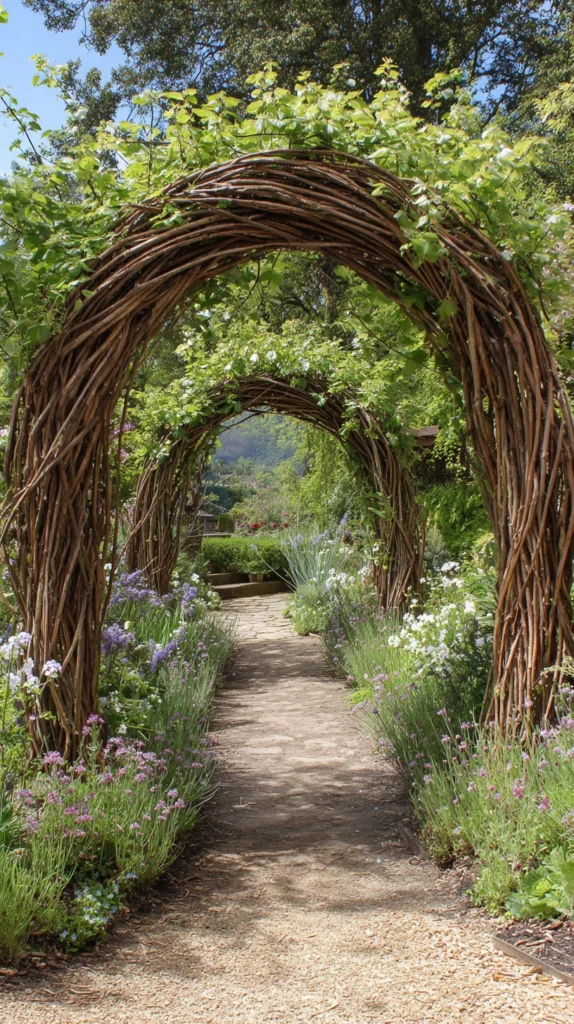
A garden arch constructed from two bundles of flexible twig shoots pushed into the soil on either side of a garden path and bent inward to meet at the top, where they are bound together with natural twine, creates a living, seasonal entrance feature of considerable charm and visual impact. Use freshly cut, flexible willow, hazel, or dogwood shoots for the arch bundles, selecting material that is sufficiently pliable to bend into the arc without splitting or breaking.
Plant the base of each arch bundle in the soil with sufficient depth to anchor the structure against wind, and allow the tips of the living shoots to put out new growth through the season for an arch that develops into an increasingly living and increasingly beautiful garden entrance feature.
13. Create a Twig Chandelier
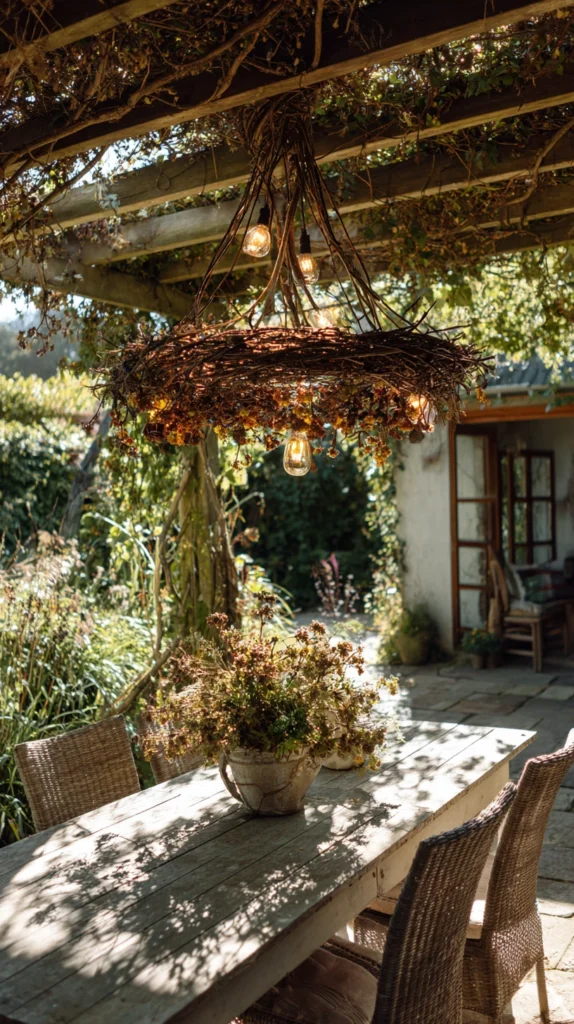
A decorative chandelier constructed from a circular twig frame hung with trailing strings of twigs, seed heads, dried berries, and natural botanical specimens at varying lengths creates a garden installation of considerable natural beauty and genuine decorative impact when hung above an outdoor dining table, within a pergola, or from a garden tree branch.
Construct the circular frame from a coiled ring of flexible twig material secured with twine, then hang individual strings of twigs, seed heads, and dried botanical specimens from the frame at varying lengths using natural twine for a chandelier that moves gently in the breeze and catches the light with a delicate, organic quality that no manufactured outdoor light fitting can replicate.
14. Weave a Twig Garden Fence
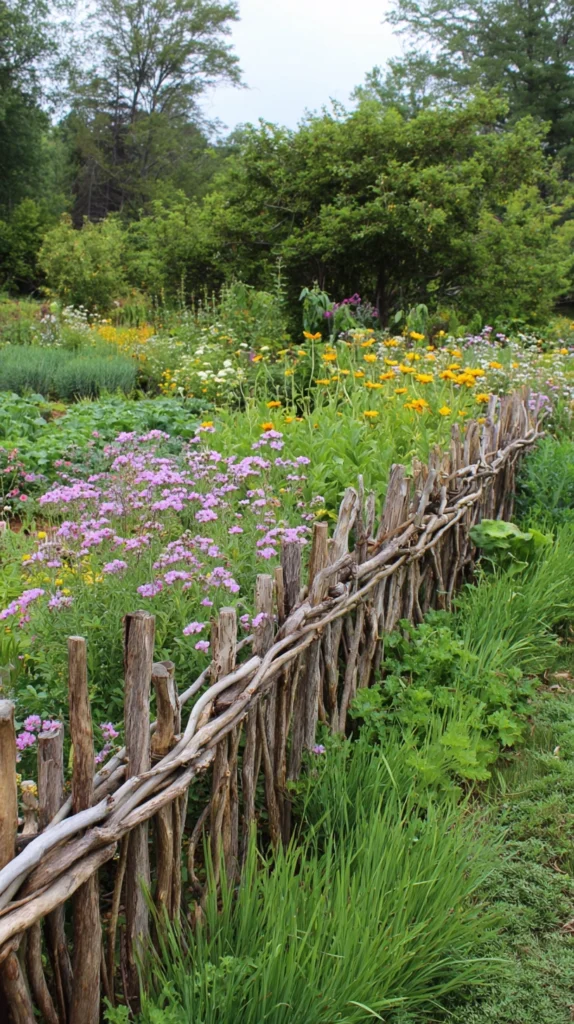
A woven twig garden fence. a series of sturdy upright posts connected by horizontal weaving of flexible twig material in the traditional hurdle-weaving technique. creates a garden boundary of extraordinary natural character and considerable structural effectiveness for defining pathways, separating garden zones, and creating low decorative borders around planting areas.
The woven twig fence suits wildlife gardens, cottage gardens, and any outdoor space where natural, unprocessed materials and traditional craft techniques are valued design choices. A section of woven twig fencing beside a wildflower meadow or a native planting border creates one of the most authentically natural garden design combinations available.
15. Make a Twig Star Garden Ornament
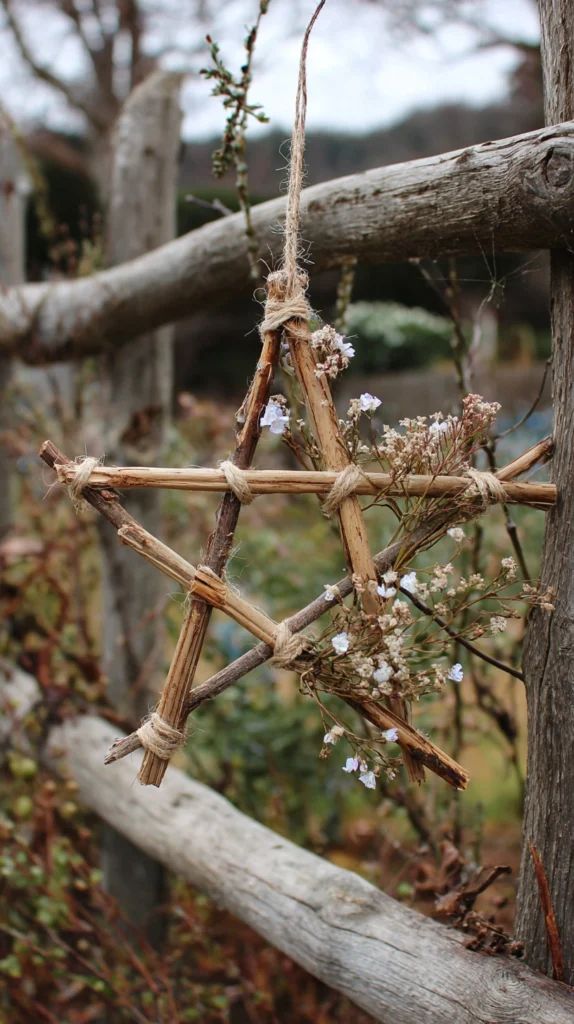
A five-pointed star formed from five straight twigs of consistent length tied at each intersection point with natural twine creates a simple but visually effective garden ornament that can be hung on a garden fence, mounted on a post, displayed in a planted border, or used as a decorative element on a garden shed wall.
Arrange five twigs in a star configuration, ensuring the angle at each point is consistent, and bind each intersection point with a firm multi-wrap of natural twine finished with a decorative knot.
The twig star can be left natural for a rustic, woodland aesthetic or decorated with small dried flowers, seed heads, or a simple coat of weatherproof paint for a more deliberately decorative garden ornament.
The Twig as a Garden Design Material
A twig gathered from the garden and worked with care and imagination becomes something that transcends its humble origins. a piece of garden craft that is simultaneously free, sustainable, beautiful, and entirely personal to the garden and the gardener who made it.
The projects in this list require no specialist tools, no significant budget, and no previous craft experience. They require only the willingness to look at the prunings in the garden waste bag and see not rubbish but raw material. waiting to become something genuinely beautiful.