15 Tropical Garden Ideas for South Florida Backyards That Practically Grow Themselves
South Florida gardening exists in a relationship with the natural world that gardeners in cooler, drier, less botanically generous climates spend their entire horticultural lives dreaming about and never quite achieving.
The specific combination of the South Florida climate’s extraordinary warmth, its extraordinary rainfall generosity, its extraordinary humidity, and the specific quality of subtropical solar energy that it delivers to every plant growing within it creates growing conditions of such complete, such almost alarming botanical productivity that the South Florida gardener’s primary challenge is not persuading things to grow but managing the extraordinary enthusiasm with which everything, given any opportunity whatsoever, immediately and exuberantly does.
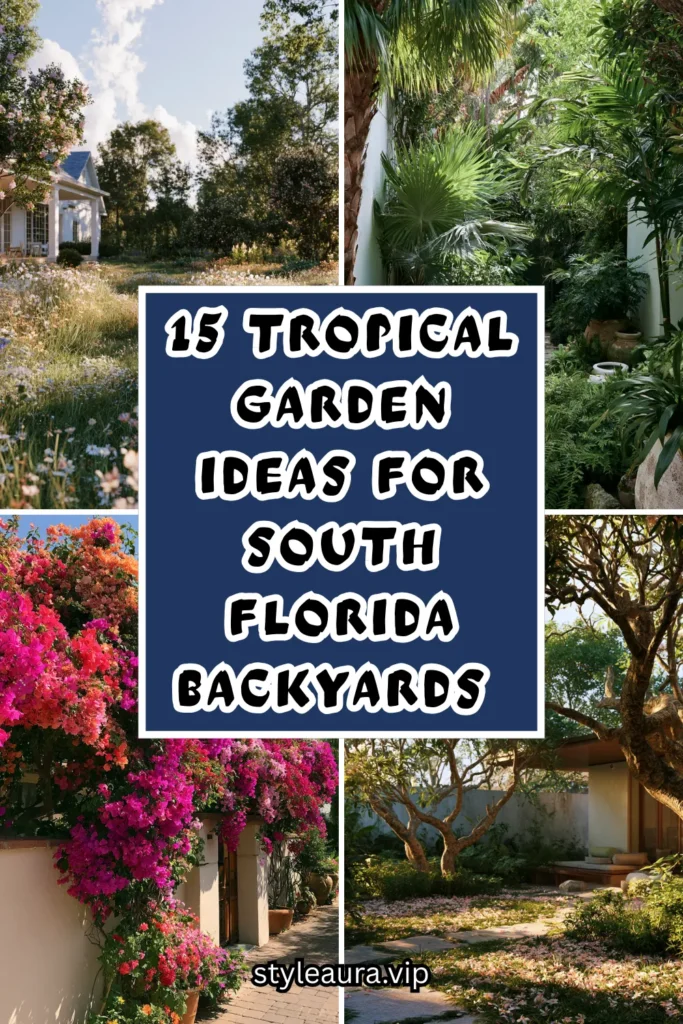
The South Florida tropical garden that practically grows itself is not a fantasy — it is the specific, achievable, genuinely extraordinary result of selecting the right plants for the right positions, establishing them with sufficient initial care to allow their natural vigor to take over, and then stepping back to allow the subtropical climate to do what it does with such complete, daily, and completely magnificent generosity: grow things of extraordinary beauty at a speed and a scale that would astonish any gardener who has not previously experienced the specific, extraordinary productivity of the South Florida growing environment.
Here are 15 tropical garden ideas for South Florida backyards that practically grow themselves.
1. Plant Bougainvillea on Every Available Vertical Surface
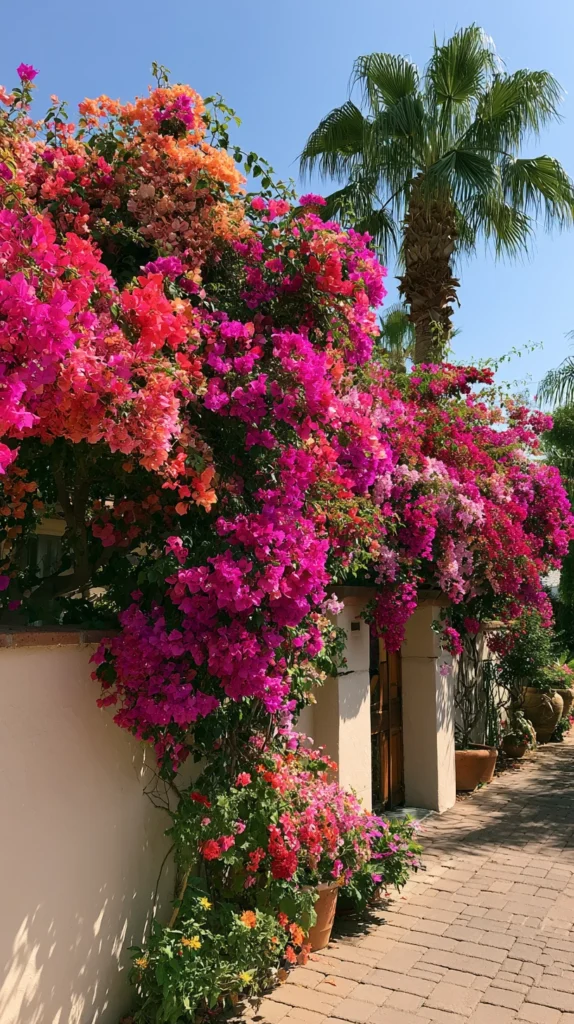
Bougainvillea is South Florida’s most exuberant, most colorful, and most completely self-sufficient garden plant — a climbing, scrambling, occasionally towering tropical specimen of such extraordinary drought tolerance, such extraordinary heat resistance, and such genuinely extraordinary flowering generosity that the South Florida gardener who gives it a wall, a fence, a pergola, or any other vertical surface to climb and the initial establishment watering it requires before its extensive root system takes over will be rewarded with months of such completely extraordinary color.
The magenta, the coral, the white, the gold, and the deep purple-red of its papery bracts — that the garden’s visual impact from both within and beyond its boundaries is transformed entirely and permanently. Bougainvillea asks almost nothing of the South Florida gardener beyond the initial planting and the occasional structural pruning to manage its considerable ambition .
It is drought tolerant once established, salt tolerant in the coastal position, and possessed of a flowering enthusiasm that the South Florida sun encourages with such complete generosity that a well-established bougainvillea in full bloom is one of the most spectacular garden sights available in any residential landscape in the American Southeast.
2. Establish a Colony of Clumping Bamboo for Privacy
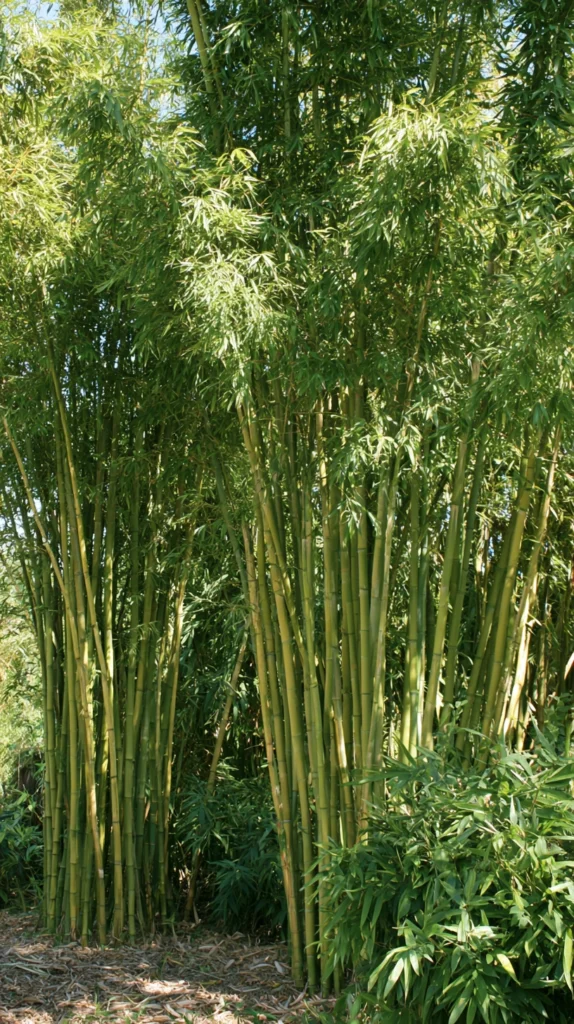
Clumping bamboo — the specific, non-invasive, South Florida-appropriate bamboo species that grows in contained clumps of expanding diameter rather than the spreading, underground-runner-generating invasive varieties that have given bamboo an undeserved reputation for uncontrollable behavior — is the South Florida garden’s most rapid, most effective, and most genuinely beautiful privacy screening plant.
Bamboo palms, Bambusa multiplex varieties, and Dendrocalamus asper establish in the South Florida climate with extraordinary speed, reaching significant screening height within a single growing season of the subtropical climate’s generous rainfall and intense solar energy, and continuing to grow with the specific, directed, completely managed ambition of a clumping variety that knows the boundaries of its root system and respects them with complete botanical good manners.
Plant clumping bamboo along the backyard’s most exposed boundary positions for a living privacy screen of extraordinary natural beauty, extraordinary wildlife value, and extraordinary self-sufficiency that improves with each successive South Florida summer.
3. Create a Self-Sustaining Heliconia Border
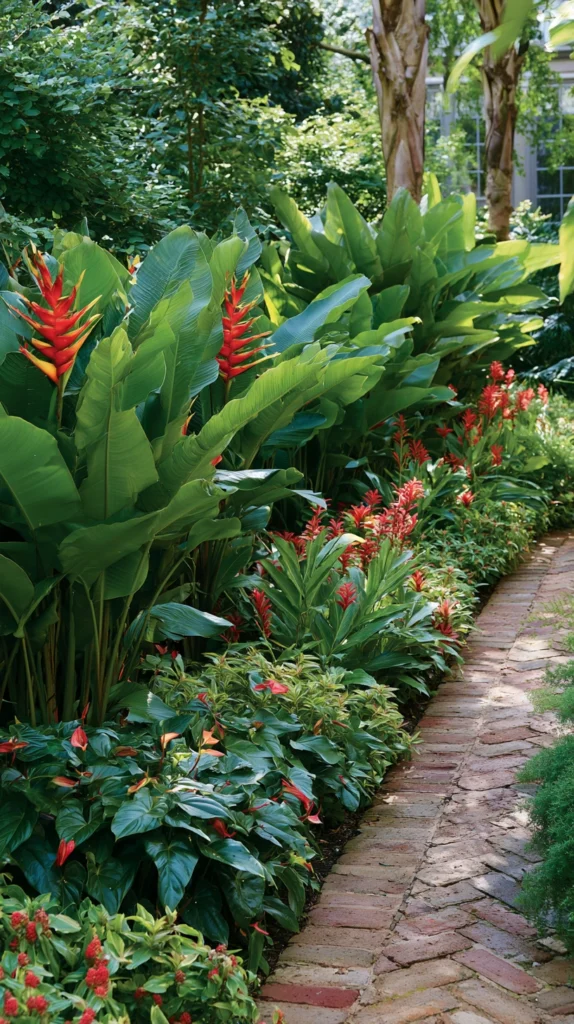
Heliconia — the spectacular, large-leafed, brilliantly colored tropical plant whose extraordinary flower bracts in the vivid reds, oranges, yellows, and pinks of the South American tropical forest have made it one of the most immediately recognizable and most completely extraordinary garden plants available in any subtropical growing environment — is the South Florida garden’s most self-sufficient and most visually dramatic border plant.
Once established in the warm, moist, partially shaded conditions it prefers, heliconia spreads by underground rhizome with a vigor and a reliability that requires no replanting, no propagation, and no horticultural intervention beyond the occasional removal of the spent flower stems and the dead foliage that accumulate at the planting’s base.
A heliconia border in full flowering glory — its architectural leaves providing a tropical canopy of genuine dramatic scale while its extraordinary bracts contribute color of startling intensity at the level of the eye — is one of the most completely extraordinary garden sights available in any South Florida backyard.
4. Plant a Self-Seeding Wildflower Meadow of Native Species
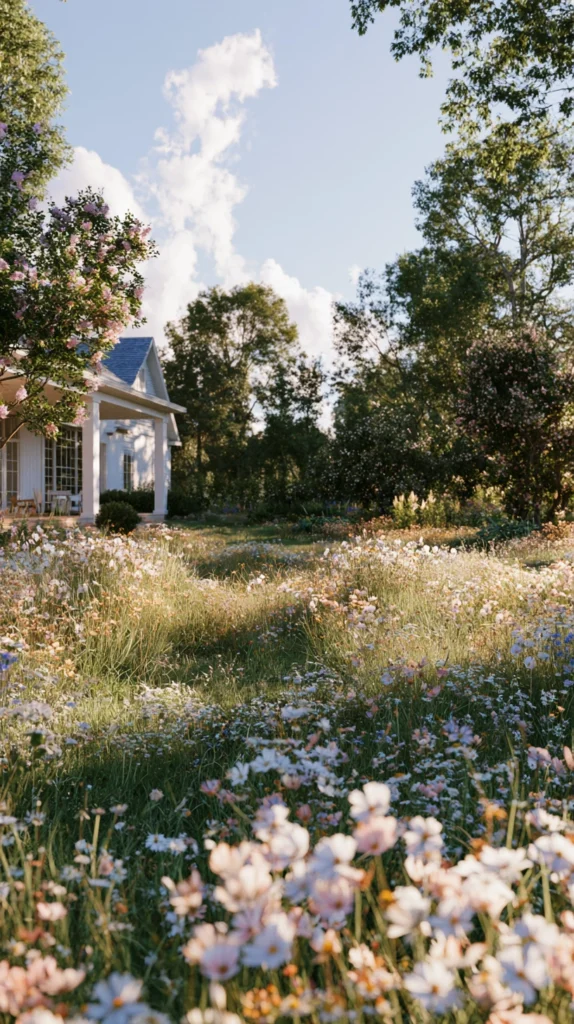
A South Florida native wildflower meadow — an area of the backyard sown with the specific native flowering species of the South Florida coastal and inland landscape and managed with the minimum of intervention that the native wildflower tradition demands — is the tropical garden idea of most complete ecological intelligence and most complete labor-saving horticultural wisdom.
Native South Florida wildflowers — the blanket flower, the sunshine mimosa, the blue porterweed, the Bahama cassia, and the native pentas — are adapted to the specific soil conditions, the specific rainfall patterns, and the specific pest and disease pressures of the South Florida environment with the specific evolutionary sophistication of plants that have been growing in this specific landscape for millennia and that consequently require from the South Florida gardener almost none of the supplemental irrigation, the fertilisation, and the pest management intervention that non-native garden plants inevitably demand.
5. Establish a Coconut Palm Grove
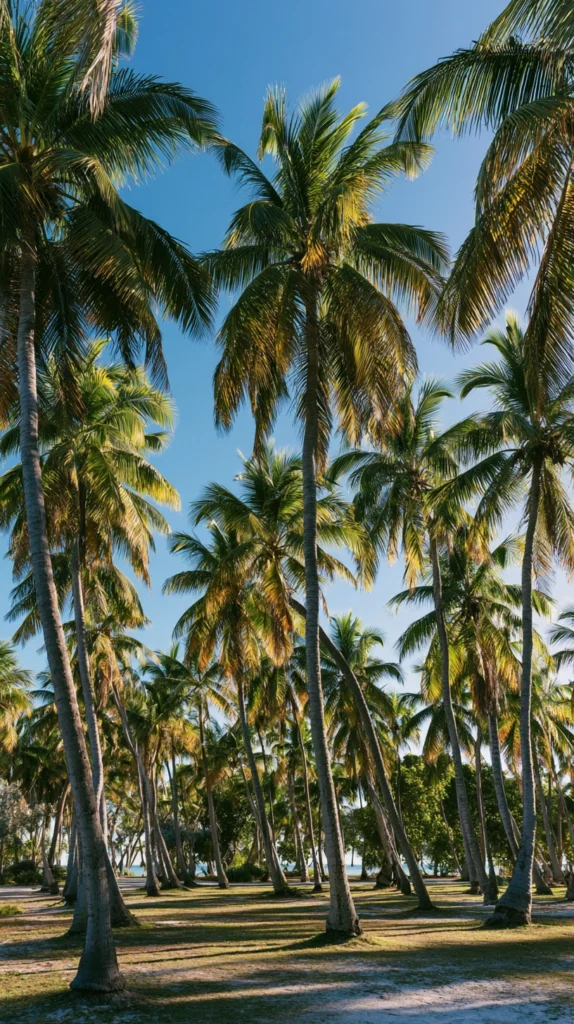
The coconut palm is the South Florida landscape’s most iconic, most instantly recognizable, and most completely self-sufficient large specimen plant — a tree of such complete tropical magnificence, such complete salt tolerance, such complete heat and drought resilience, and such complete, magnificent indifference to the South Florida gardener’s level of horticultural attention that it represents the purest possible expression of the tropical garden that practically grows itself.
Plant coconut palms in the backyard’s most open, most sun-exposed positions — they require full sun and good drainage and the specific combination of South Florida warmth and rainfall that they receive in abundance throughout the growing year — and allow them the three to five years of establishment that precedes their full, magnificent, completely extraordinary tropical canopy development. The coconut palm grove is the South Florida backyard’s most completely tropical and most completely self-sufficient garden feature.
6. Grow a Ginger Lily Collection for Fragrance and Color
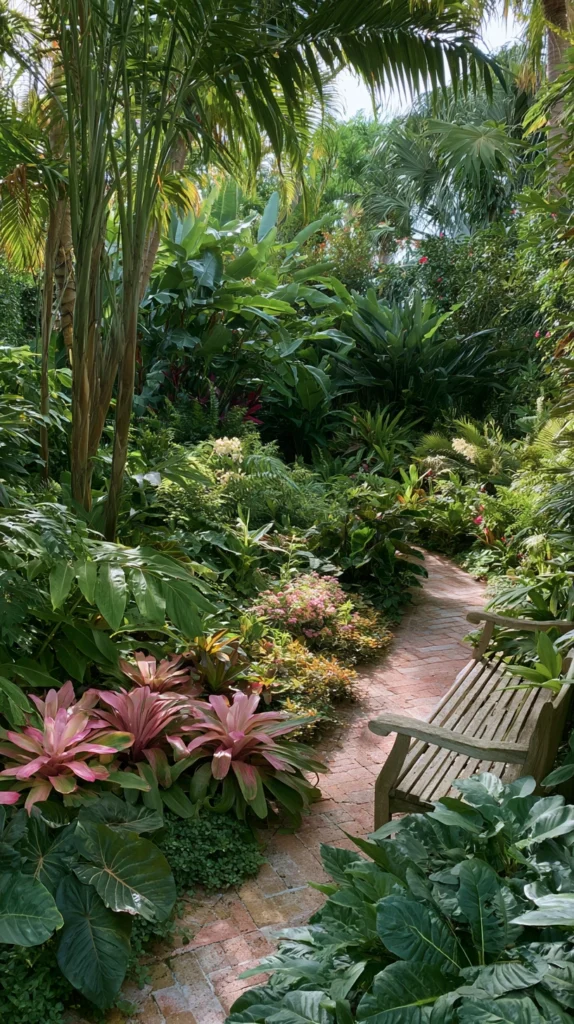
The ginger lily family — the Hedychium, Zingiber, and Alpinia genera of extraordinary tropical flowering plants whose South American and Asian origins have equipped them with precisely the heat tolerance, the moisture appreciation, and the subtropical growing vigor that the South Florida climate provides in such generous daily abundance — is the South Florida garden’s most fragrant, most self-propagating, and most completely extraordinary shade garden collection.
Ginger lilies spread by underground rhizome with the same vigorous self-sufficiency as heliconia, flowering with extraordinary generosity from midsummer through the autumn months in the specific, intensely fragrant, botanically extraordinary way of plants that have evolved to attract pollinators in the most competitive botanical environment on earth — the tropical forest — and that bring that same extraordinary flowering ambition to the South Florida backyard garden with complete tropical botanical enthusiasm.
7. Plant a Passionflower Vine for Wildlife and Color
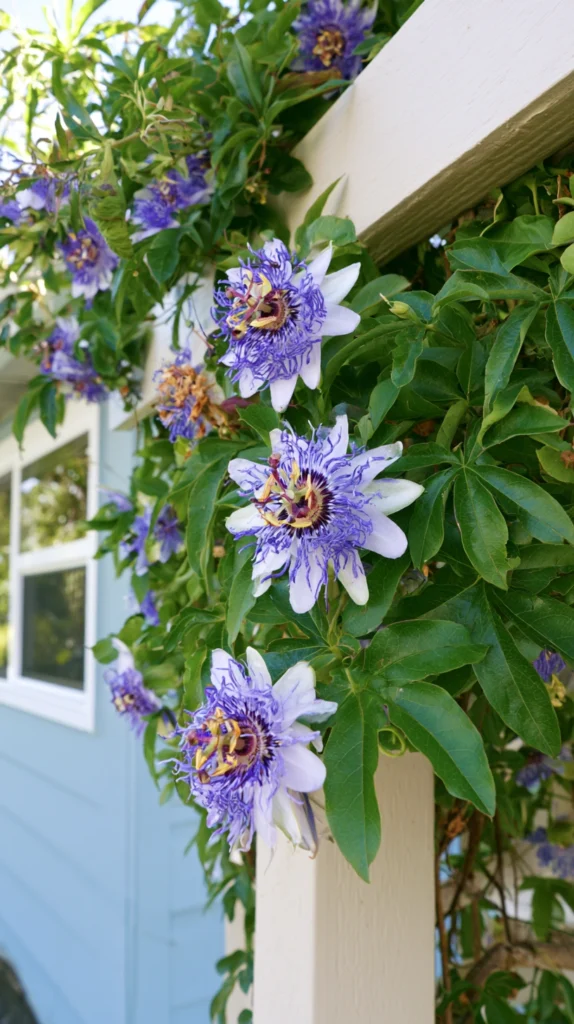
The native passionflower vine — Passiflora incarnata and its South Florida-appropriate relatives — is the tropical garden’s most extraordinary combination of wildlife value, completely extraordinary botanical beauty, and complete horticultural self-sufficiency.
The passionflower vine spreads with the vigorous, completely independent, almost impatient botanical energy of a native plant growing in its most perfectly suited environmental conditions — the South Florida combination of heat, humidity, and the specific, intense subtropical light that maximizes its growth rate and its flowering generosity simultaneously.
The specific, completely extraordinary complexity of the passionflower’s individual blooms — the radiate corona filaments, the prominent stamens, and the specific geometric symmetry of a flower structure of such botanical intricacy that it inspired the Spanish missionaries who first encountered it to see in it the iconography of the Passion of Christ — makes the passionflower vine the South Florida garden’s most botanically astonishing and most completely self-sustaining flowering plant.
8. Establish a Fruit Tree Orchard of Tropical Varieties
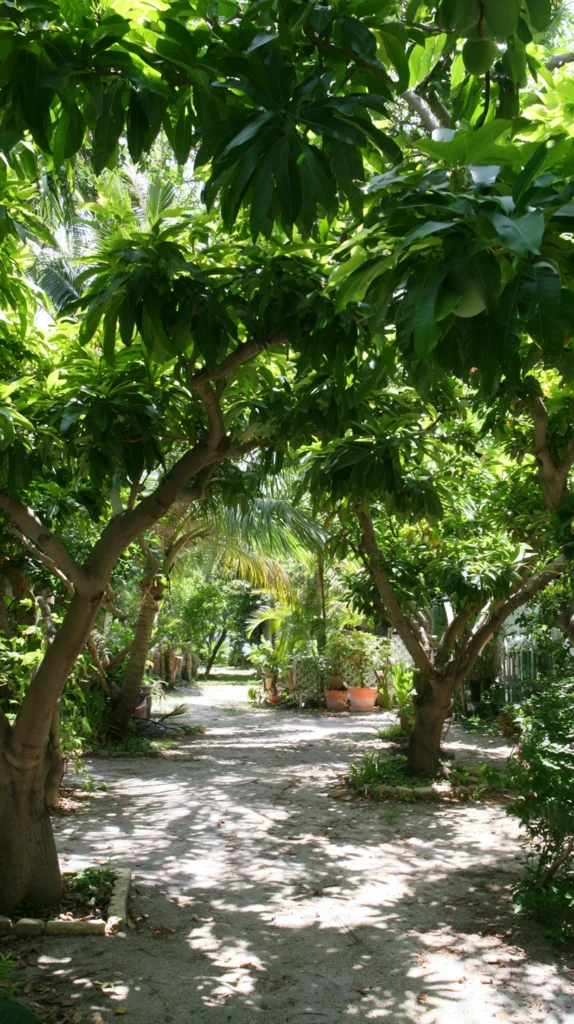
A small tropical fruit tree orchard — mango, avocado, papaya, starfruit, guava, and the other tropical fruit species that the South Florida climate supports with such extraordinary growing generosity that home production of genuinely magnificent fruit is not merely possible but practically inevitable for any gardener willing to invest in the initial planting — is the South Florida backyard’s most practically rewarding and most completely self-sustaining productive garden feature.
South Florida’s combination of warmth, rainfall, and the specific quality of subtropical growing conditions that the fruit trees of the tropical world have evolved to exploit with maximum productive efficiency means that a properly selected and properly positioned tropical fruit tree in the South Florida backyard produces abundantly, self-sustains magnificently, and requires from its gardener almost nothing beyond the initial planting care and the annual light pruning that maintains its productive structure and its manageable size.
9. Create a Bromeliad Collection Throughout the Garden
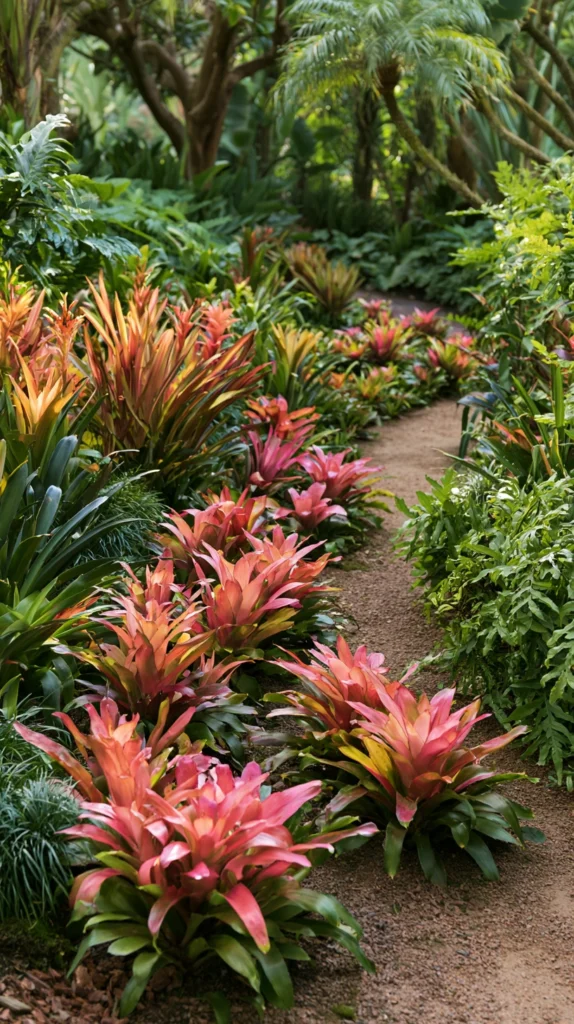
Bromeliads — the extraordinary family of epiphytic and terrestrial plants whose extraordinary variety of form, whose extraordinary variety of color, and whose extraordinary adaptation to the specific growing conditions of the subtropical and tropical world make them the South Florida garden’s most versatile, most colorful, and most completely self-sufficient decorative plant family — are the tropical garden idea of most complete horticultural ease and most immediate visual impact.
Bromeliads require no soil of particular quality, no fertilisation of regular frequency, and no irrigation beyond what the South Florida rainfall provides in such reliable abundance — they collect water and nutrients in the central cup formed by their leaf rosette and sustain themselves from this self-contained reservoir with the specific, extraordinary botanical self-sufficiency of plants that evolved in the tree canopies of the tropical forest where soil nutrition and consistent ground moisture are entirely unavailable.
Plant bromeliads throughout the garden in the ground, in the forks of trees, on the surfaces of rocks and logs, and in the containers and wall-mounted display systems of the outdoor living area for a garden of extraordinary color and extraordinary botanical variety.
10. Plant a Frangipani Grove for Extraordinary Evening Fragrance
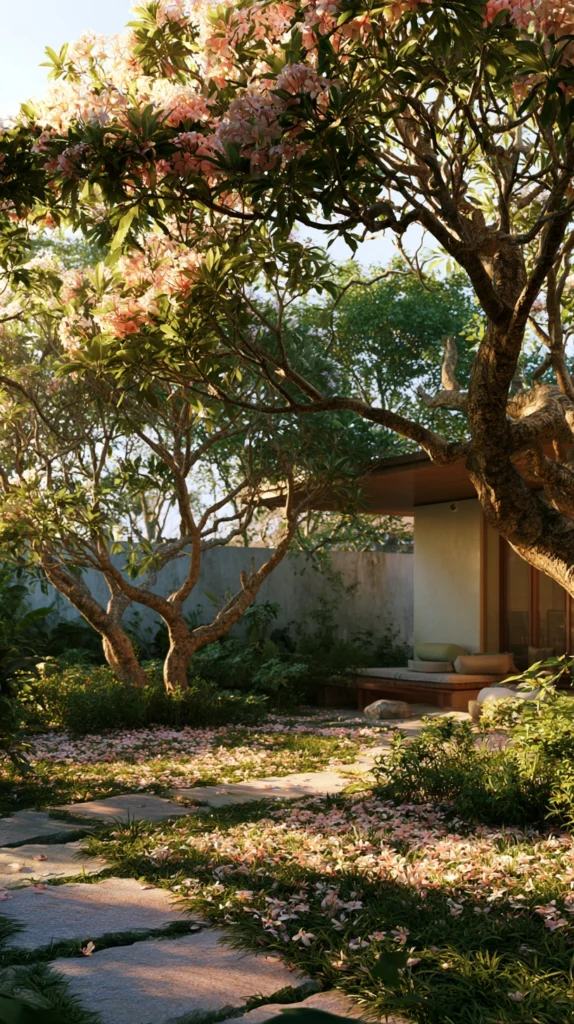
Frangipani — Plumeria in its many South Florida-appropriate varieties — is the tropical garden’s most extraordinarily fragrant and most completely magnificent flowering tree, a plant of such complete heat tolerance, such complete drought tolerance once established, and such extraordinary seasonal flowering generosity that the South Florida backyard planted with a grove of three to five specimens in complementary flower colors becomes, during the frangipani’s flowering season, one of the most extraordinary and the most completely olfactory magnificent garden environments available in any residential landscape in the American tropics.
Frangipani requires full sun, excellent drainage, and the specific combination of warm temperatures and dry rest periods that the South Florida dry season provides with complete botanical appropriateness — and rewards these entirely reasonable environmental requirements with months of flowering of such extraordinary beauty and such extraordinary fragrance that the evening garden beneath a flowering frangipani canopy is one of the most genuinely, completely, and memorably extraordinary outdoor experiences available in any South Florida backyard.
11. Establish Native Seagrape as a Coastal Hedge
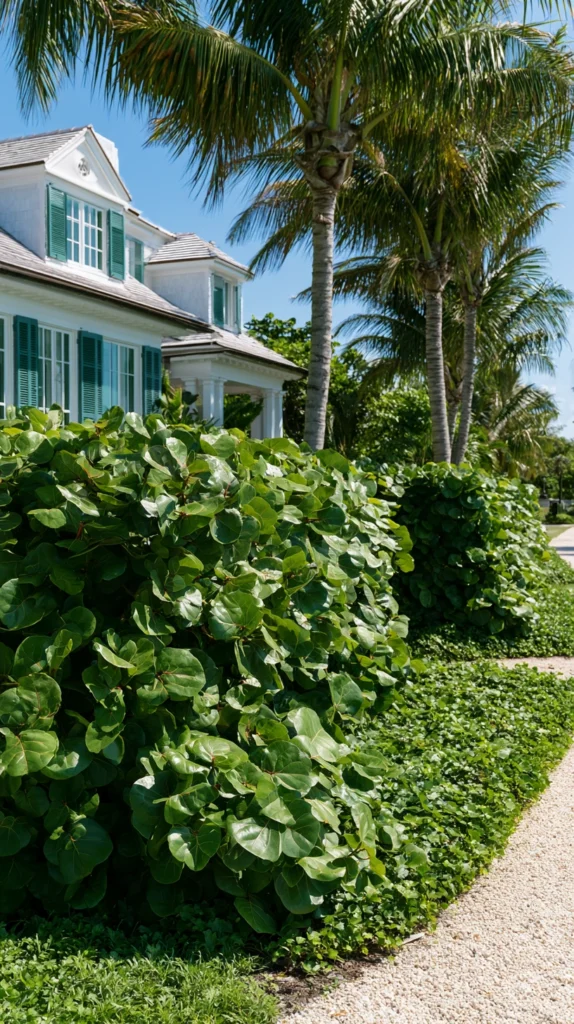
Seagrape — Coccoloba uvifera, the magnificent native Florida coastal plant whose large, round, leathery leaves, whose clusters of purple-red edible fruit, and whose extraordinary tolerance for the salt air, the sandy soil, and the coastal storm conditions of the South Florida shoreline environment have made it one of the most valuable and most completely self-sustaining native landscape plants in the South Florida gardening vocabulary — is the coastal backyard’s most natural, most ecologically appropriate, and most genuinely self-sufficient large hedge and screening plant.
Seagrape establishes in South Florida coastal conditions with remarkable ease, requires no irrigation once its extensive root system has explored the available soil volume, and grows with a steady, unhurried, completely reliable botanical confidence that asks nothing of the South Florida gardener beyond the initial planting and the occasional structural pruning to maintain the specific form and the specific scale that the garden’s design requires.
12. Grow Aloe Vera and Succulent Gardens in Sunny Spots
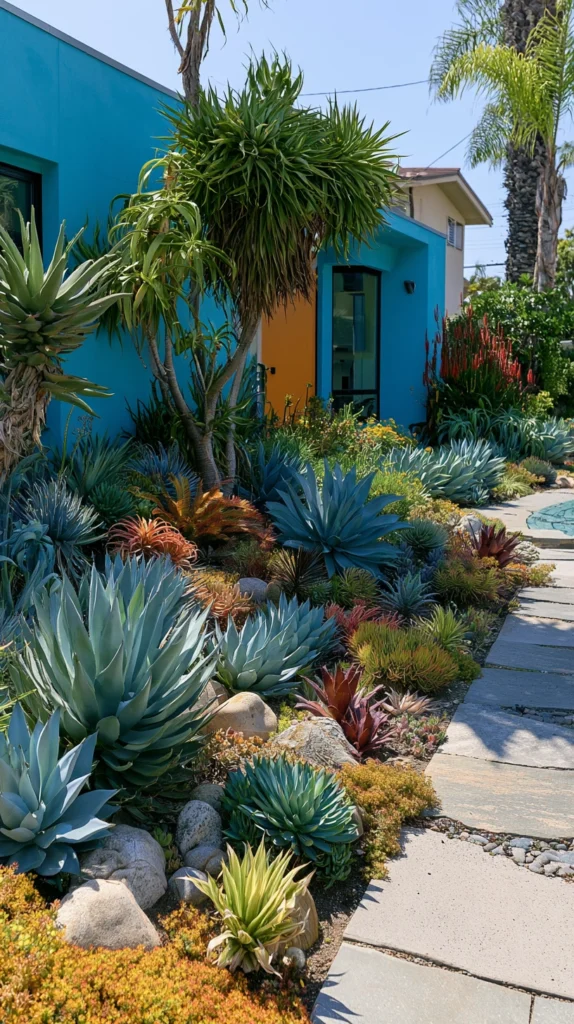
The sunny, well-drained positions of the South Florida backyard — the spots nearest the south-facing walls, the raised beds of sandy, amended soil, the rock garden sections of the landscape where drainage is most complete and sun exposure most generous — are the perfect environments for a collection of aloe vera and drought-tolerant succulents that require almost no horticultural attention beyond the initial planting and that provide, in return for this extraordinarily modest maintenance demand, a garden of genuine sculptural beauty, genuine practical value .
The aloe’s medicinal gel being the most immediately and most frequently useful garden product available in any South Florida household — and a genuine ecological service to the native wildlife that the flowering aloe and the flowering succulent attract with their generous, accessible nectar.
13. Plant a Rain Garden of Moisture-Loving Tropicals
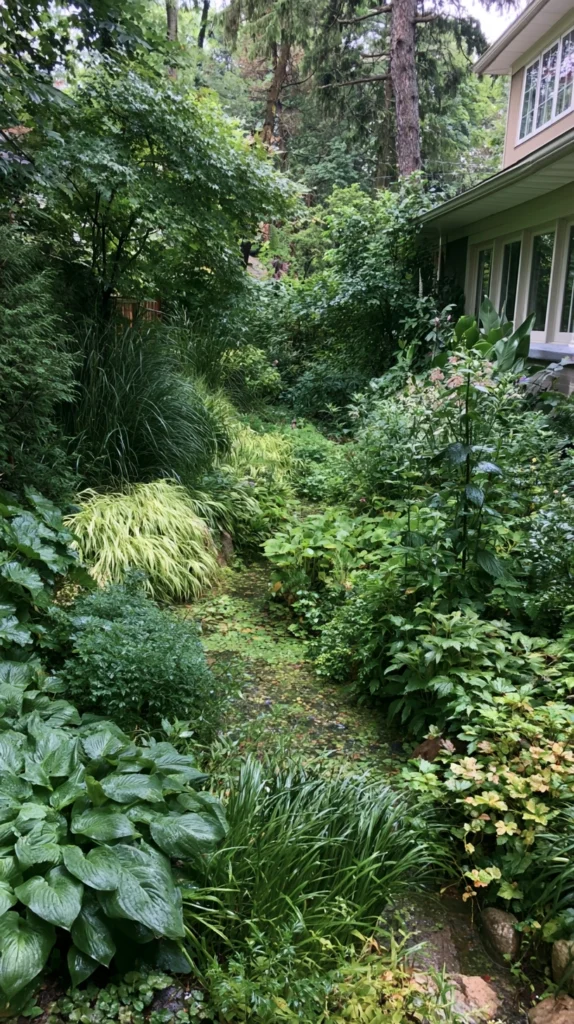
A rain garden — a deliberately designed low-lying area of the backyard that collects and manages the South Florida monsoon season’s extraordinary rainfall volumes through the planting of moisture-tolerant native and tropical species of genuine ornamental beauty and genuine storm water management capability.
It is the South Florida backyard’s most ecologically intelligent and most completely self-sustaining garden feature. Native Louisiana iris, native pickerelweed, native swamp lily, and the moisture-loving tropical cannas and elephant ears that thrive in the South Florida rain garden’s seasonal flooding and seasonal drainage cycle with complete botanical equanimity create a rain garden of extraordinary color, extraordinary wildlife value, and extraordinary storm water management effectiveness that requires no supplemental irrigation, no drainage infrastructure, and no horticultural intervention beyond the initial planting establishment.
14. Establish a Night Garden of Moon-Blooming Tropicals
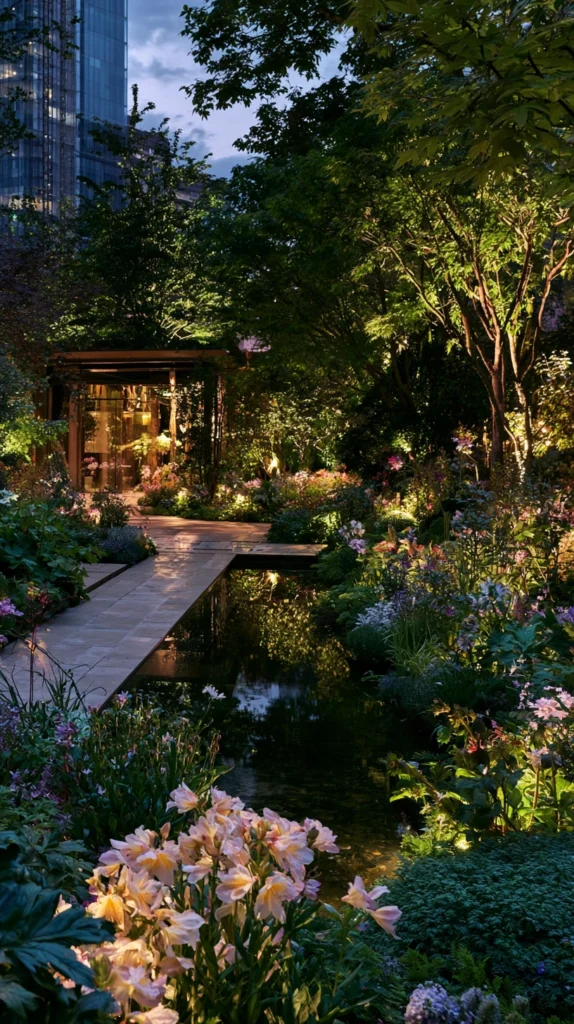
A night garden — a section of the South Florida backyard specifically planted with tropical species whose flowers open after dark, whose fragrance intensifies with the cooling of the evening air, and whose white or pale-flowered botanical display creates a garden of extraordinary nocturnal beauty and extraordinary olfactory richness.
It is the tropical garden idea of most complete South Florida lifestyle alignment and most complete evening outdoor living ambition. Moonflower on every available trellis. Night-blooming cereus on the garden wall. Night-blooming jasmine in generous drifts through the night garden’s border.
Four o’clocks in the warmest colors of their extraordinary range. These are the plants of a South Florida night garden of such extraordinary, such enveloping, and such completely magnificent evening fragrance and evening beauty that the outdoor living tradition of the South Florida backyard reaches its most complete and its most genuinely extraordinary expression in the warm, fragrant, star-filled darkness of a perfect subtropical night.
15. Trust the Climate to Do the Gardening
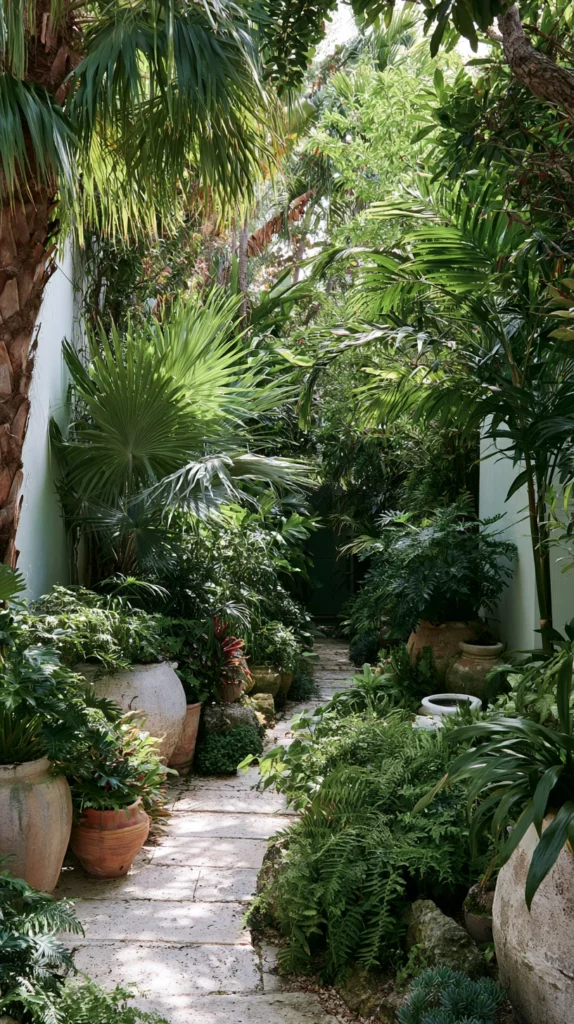
The final and most important tropical garden idea for the South Florida backyard that practically grows itself is also the simplest, the most philosophically liberating, and the most completely true — the idea that the South Florida gardener’s most powerful and most effective gardening tool is not any implement, any irrigation system, any fertilisation regime, or any horticultural intervention of any description, but the specific, extraordinary, completely generous South Florida climate itself, which will grow.
With spectacular reliability, with spectacular abundance, and with the spectacular enthusiasm of a growing environment that has never encountered anything it was not willing to nurture into extraordinary botanical magnificence — every plant on this list and every tropical plant not on this list that the South Florida backyard gardener is willing to trust to its care. Plant with genuine knowledge of each species’ specific environmental requirements.
Established with sufficient initial care. And then trust — completely, confidently, and with the genuine horticultural wisdom of a gardener who understands that in South Florida, the garden that practically grows itself is not a fantasy but the simple, daily, completely extraordinary reality of gardening in the most botanically generous climate in the country.
The South Florida tropical garden designed with genuine knowledge of the region’s extraordinary climate, genuine selection of the region’s most appropriate and most self-sustaining plant species, and genuine trust in the subtropical growing environment’s extraordinary botanical generosity is one of the most beautiful, the most productive, and the most completely pleasurable garden environments available to any household in the American Southeast.
It asks for thoughtful initial investment of plant selection, establishment care, and garden design intelligence — and it repays that investment with seasons of such complete, such daily, and such genuinely extraordinary tropical garden beauty that the South Florida backyard becomes, every growing season without exception, the most magnificent and the most gloriously self-sustaining garden in the neighborhood.