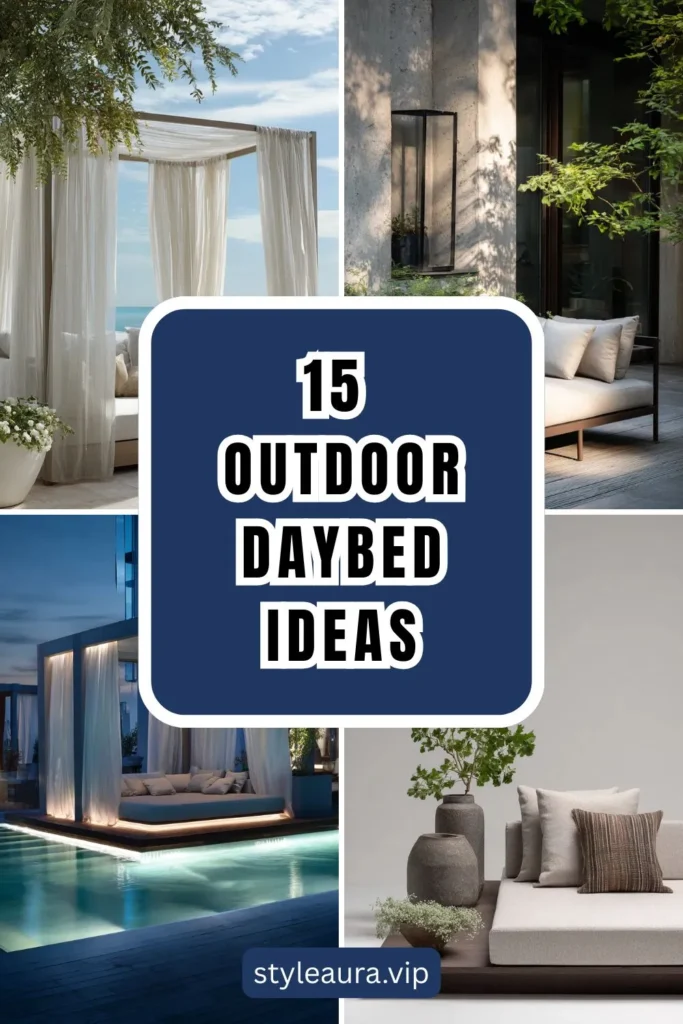
15 Outdoor Daybed Ideas for a Luxurious Backyard Lounge
There is a particular quality of afternoon that belongs exclusively to a well-designed outdoor daybed. Not the hurried twenty minutes of a garden chair, not the slightly too-upright engagement of a sun lounger, but the genuine, extended, completely horizontal surrender to an afternoon that has nowhere to be and no obligation to end.
A good outdoor daybed produces this quality. It is furniture that communicates, by its very form and scale, that the afternoon is worth taking seriously — that the garden is not merely a place to pass through but a room worth inhabiting with the full commitment that only lying down completely can express.
An outdoor daybed in the right position, with the right cushions, the right shade, and the right proximity to something cold to drink, is one of the most genuinely luxurious objects a backyard can contain. It costs less than a holiday and delivers more than most days of one.
The fifteen ideas below cover every style, every material, and every backyard context for an outdoor daybed — from a single timber frame beneath a shade sail to a fully canopied, fully cushioned, fully surrounded outdoor suite.
1. The Classic Rattan Daybed
Budget: $300 – $1500
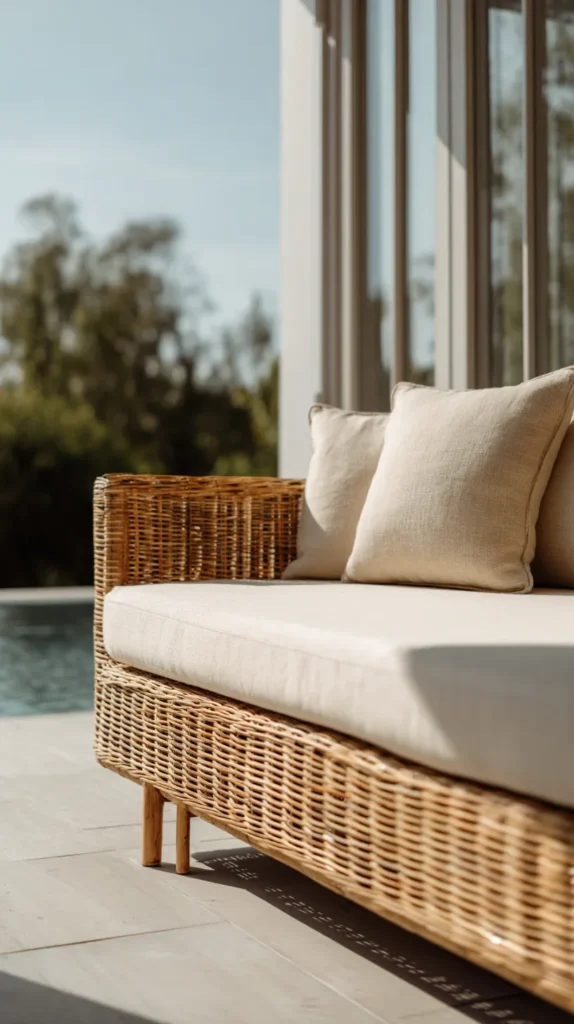
A rattan or synthetic rattan daybed — in a natural weave or a dark espresso finish, with a thick all-weather cushion in a warm neutral or a coastal stripe — is the outdoor daybed in its most familiar and most enduringly beautiful form. The material is warm in tone, visually light, and weathers gracefully in outdoor conditions when specified correctly. A rattan daybed needs nothing beyond a cushion and a shade to be complete.
A synthetic rattan daybed with an all-weather cushion in a standard size costs $300 – $800 from outdoor furniture retailers. A genuine rattan version — more beautiful but requiring seasonal storage in wetter climates — runs $400 – $1200. An all-weather cushion in a quick-dry foam with a removable, washable cover adds $80 – $200 if not included with the frame.
Styling tip: Position the rattan daybed at a slight angle to the most used route through the garden rather than parallel to the nearest fence or wall. A daybed angled toward the garden’s best view — the flower border, the tree canopy, the water feature — produces a different and better quality of lying-down experience than one positioned for architectural convenience. The view from a horizontal position matters in a way that the view from a seated one rarely does.
2. The Canopied Daybed With Curtains
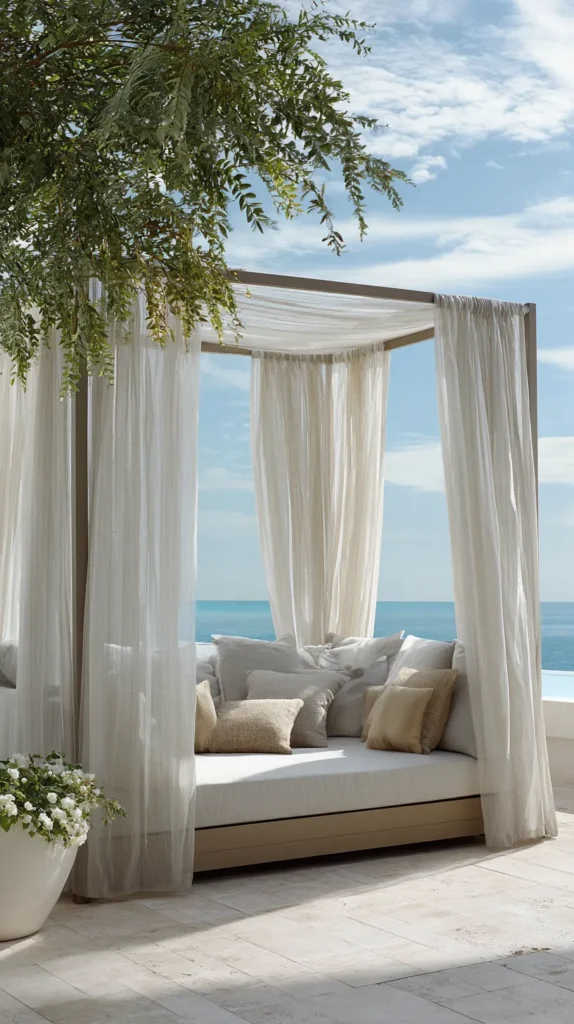
Budget: $400 – $2000
A canopied daybed — a frame with an overhead canopy and curtain panels on three or four sides — is the outdoor daybed at its most private, most dramatic, and most specifically luxurious. The canopy provides shade. The curtains provide privacy and the feeling of enclosure. The combination of both produces an outdoor room-within-a-room that makes the daybed genuinely feel like a destination rather than a piece of furniture.
A freestanding canopied daybed with a powder-coated aluminium frame and weather-resistant curtains costs $400 – $1200. A timber version — more beautiful but requiring annual oil treatment — runs $500 – $1500. An over-water canopied daybed positioned at the edge of a pool — $600 – $2000 — is the most specifically resort-like version of this idea and the one with the most immediate visual impact in any backyard context.
Styling tip: Choose curtain fabric in a weight that moves gently in a breeze rather than a fabric so light that it billows entirely in any wind or so heavy that it hangs without life in all conditions. A curtain that moves gently communicates the presence of outdoor air and outdoor life in a way that a static curtain does not — and that quality of gentle movement is one of the most specifically pleasant sensory aspects of an afternoon spent on a canopied outdoor daybed.
3. The Timber Platform Daybed
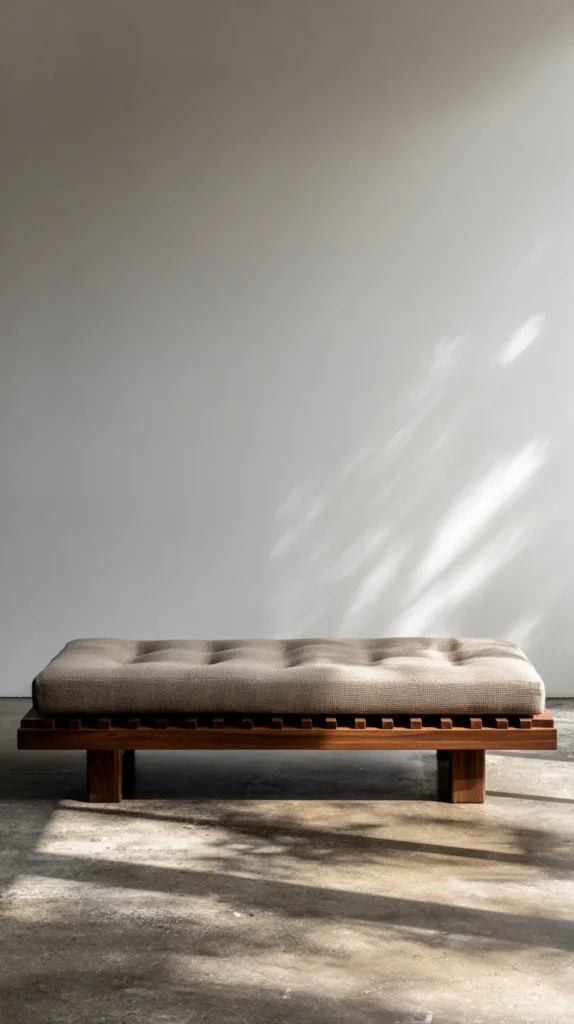
Budget: $400 – $2000
A timber platform daybed — a wide, low, solid timber frame in teak, acacia, or iroko, with a thick cushion and low or no sides — is the outdoor daybed in its most minimal and most architecturally resolved form. The timber platform is simultaneously a piece of furniture and a design object, and it reads in the garden as something that was planned rather than placed. It belongs in contemporary, Japandi, and natural material-led garden aesthetics with equal authority.
A solid teak platform daybed in a standard size costs $500 – $1500. An acacia version — similar in appearance but requiring more maintenance — runs $400 – $1200. The cushion for a timber platform daybed should be thick — at least 10 centimetres — in a high-density outdoor foam for sufficient support on a flat, unyielding surface. A quality outdoor cushion for a platform daybed costs $150 – $400 and is worth specifying carefully.
Styling tip: Oil a teak or acacia timber daybed frame with a quality teak oil at the beginning and end of the outdoor season rather than only when it appears to need it. A timber frame oiled before it shows distress maintains its colour and its surface quality with a single light coat per application. The same frame left untreated until it is visibly grey and dried requires sanding, multiple coats, and significantly more time to restore to the same quality.
4. The Hanging Daybed Swing
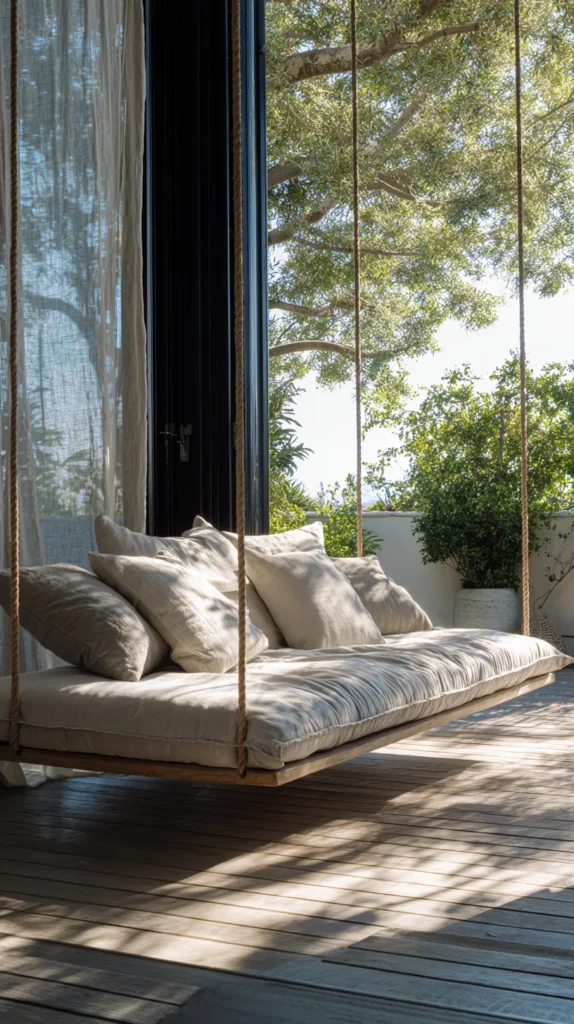
Budget: $200 – $1500
A hanging daybed swing — suspended from a freestanding A-frame, a pergola beam, or a mature tree branch — adds the quality of gentle movement to the outdoor daybed experience and produces a sensation that no ground-level alternative can replicate. The slight sway of a hanging daybed is both physically relaxing and deeply pleasurable in a way that is entirely specific to this format and impossible to approximate with any other piece of outdoor furniture.
A cotton rope hanging daybed on a freestanding timber A-frame costs $250 – $800. A fabric hanging daybed — a hammock-style bed of woven cotton or canvas — runs $200 – $600 on a frame. A suspended rattan swing daybed — more specifically resort-like in character — costs $300 – $1200 on a freestanding frame. All three benefit from ground anchoring even when the manufacturer’s instructions suggest the frame weight is sufficient on its own.
Styling tip: Hang the daybed swing at a height where the surface of the cushion sits approximately 40 to 50 centimetres from the ground when occupied. A swing hung at this height is entered and exited naturally, feels physically safe during use, and allows the gentle swinging motion to be generated with a small push of the foot on the ground — giving the occupant control over the swing’s motion without having to work for it.
5. The Poolside Daybed
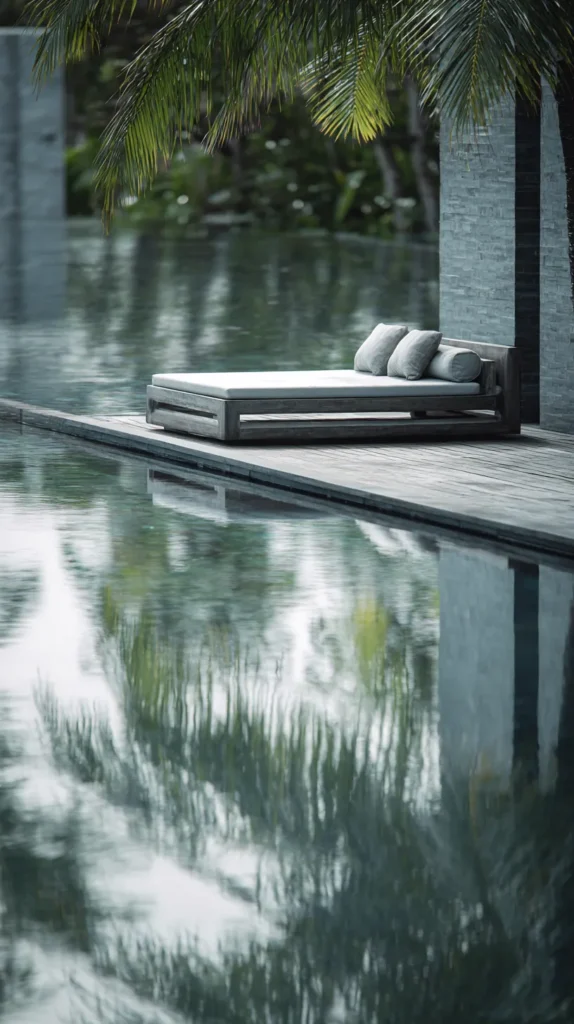
Budget: $400 – $3000
A poolside daybed — positioned at the pool edge, angled toward the water, with a shade sail or a parasol above and a small side table within arm’s reach — is the outdoor daybed in its most aspirational and its most frequently imagined context. The combination of a daybed at pool level, warm water, and the afternoon light on the pool surface is one of the domestic experiences closest in quality to a resort that a backyard can produce.
A weatherproof rattan or aluminium daybed for poolside use costs $400 – $1200. An over-water daybed on a platform extended from the pool edge — $1000 – $3000 for the platform plus the daybed — is the most dramatically resort-like version. A waterproof cushion cover — essential at poolside, where wet swimwear is the standard seating condition — adds $80 – $200 to the cushion specification.
Styling tip: Position poolside daybeds with their long axis perpendicular to the pool edge rather than parallel to it — so that the occupant lies facing the pool and looking down its length rather than lying parallel to the water and looking across a narrow dimension. A daybed facing down the pool’s length takes full advantage of the water’s visual presence. A daybed parallel to the pool edge looks at the water from the side — which provides the same proximity but less of the view.
6. The Boho Daybed With Macramé Canopy
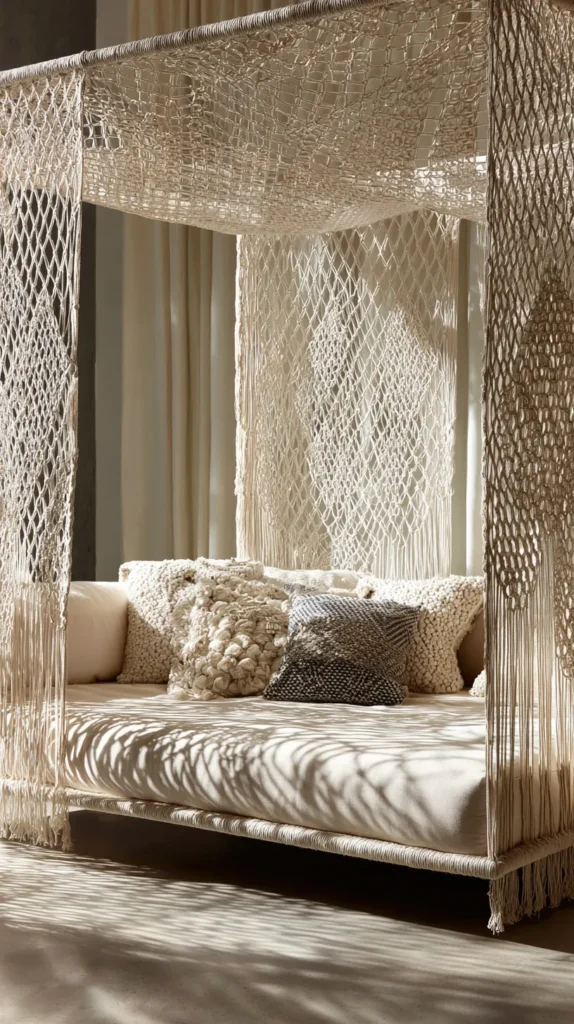
Budget: $150 – $800
A low, wide daybed — a simple timber or rattan platform with a thick floor cushion — with a macramé or woven textile canopy suspended from a pergola or a freestanding frame above it, produces the most bohemian and the most specifically tactile outdoor daybed aesthetic available. The macramé overhead filters the light through its open weave and casts intricate shadow patterns across the cushion and the occupant below.
A low timber platform — constructed from reclaimed timber or purchased as a flat-pack kit — costs $80 – $250 in materials. A large macramé ceiling hanging to suspend above the platform — $50 – $150 from an independent maker. A thick floor cushion in an outdoor fabric — $80 – $200. A freestanding frame or a pergola beam to hang the macramé from — $0 if a structure already exists or $100 – $300 for a simple freestanding option.
Styling tip: Layer the boho daybed with three or four cushions in varying sizes and complementary earthy tones — terracotta, warm ochre, sage, and natural linen — rather than a single large cushion. The layered cushion arrangement produces a daybed that looks designed and inviting from across the garden. A single cushion on a low platform reads as a cushion placed on a flat surface — which is different in character and in invitation from the layered version.
7. The Concrete and Cushion Built-In Daybed
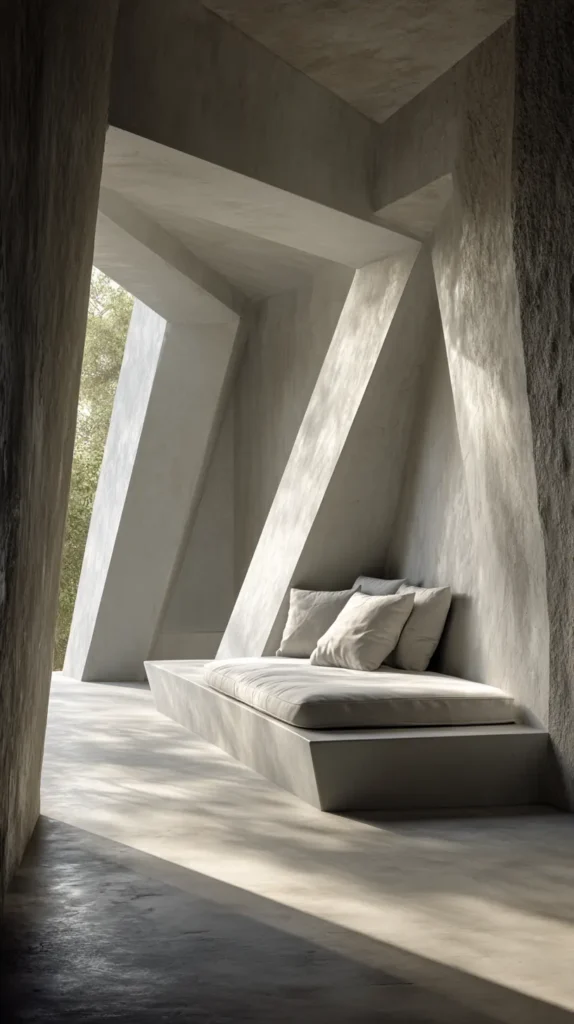
Budget: $500 – $5000
A built-in concrete or masonry daybed — a low platform constructed from poured concrete, rendered block, or reclaimed brick, with a bespoke outdoor cushion cut to fit its specific dimensions — is the outdoor daybed at its most permanently integrated into the garden’s architecture. It is not furniture placed in a garden. It is a garden feature that also functions as the most comfortable possible piece of garden furniture.
A poured concrete platform daybed — $500 – $2000 in materials and labour for a standard size. A rendered block construction — $400 – $1500 in materials for a competent DIY approach. A bespoke cushion cut to the specific dimensions of the built structure — $200 – $600 from an outdoor cushion specialist. The built-in daybed is a permanent commitment and a permanent improvement — a garden feature that will outlast any freestanding furniture alternative by decades.
Styling tip: Build the concrete daybed against the garden’s boundary wall rather than in the open garden. A daybed with a solid wall behind it has a sense of shelter and enclosure that a daybed in an open position does not provide — and the feeling of being backed against something solid while lying down in an outdoor space is one of the most specifically restful qualities a built-in daybed can offer.
8. The Coastal Stripe Daybed
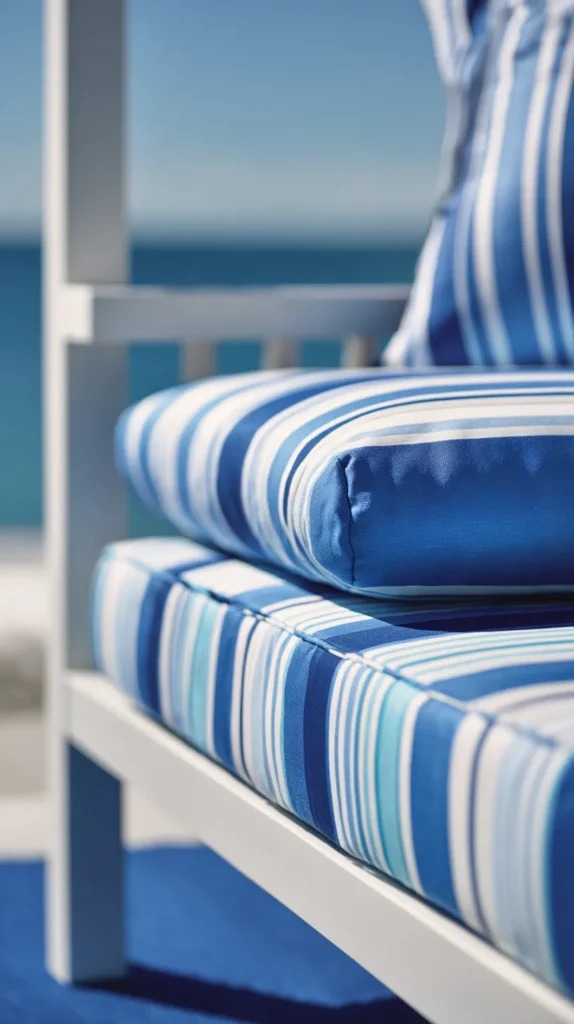
Budget: $300 – $1200
A coastal stripe daybed — a rattan or aluminium frame with a thick cushion in a navy and white or a blue and cream stripe, positioned under a shade sail and surrounded by coastal planting — is the outdoor daybed that communicates the beach house aesthetic most directly and most immediately. It produces, in the right garden context, the specific quality of an afternoon at a seaside resort at a fraction of the cost of being at one.
A rattan daybed frame — $300 – $800. A coastal stripe outdoor cushion — $100 – $300. A triangular shade sail in a natural or white tone above — $40 – $100. A small weatherproof side table — $30 – $80. A woven basket for towels and books — $20 – $50. Total coastal daybed setup investment: $490 – $1330 for a backyard corner that reads immediately as a designed outdoor destination.
Styling tip: Use the stripe direction to communicate the daybed’s orientation — a stripe running along the cushion’s length reads as a surface designed for lying down. The same stripe running across the width reads as a surface designed for sitting. For a daybed specifically intended for horizontal use, the lengthwise stripe is the correct choice — it draws the eye along the surface in the direction the body will follow.
9. The Pergola Daybed Suite
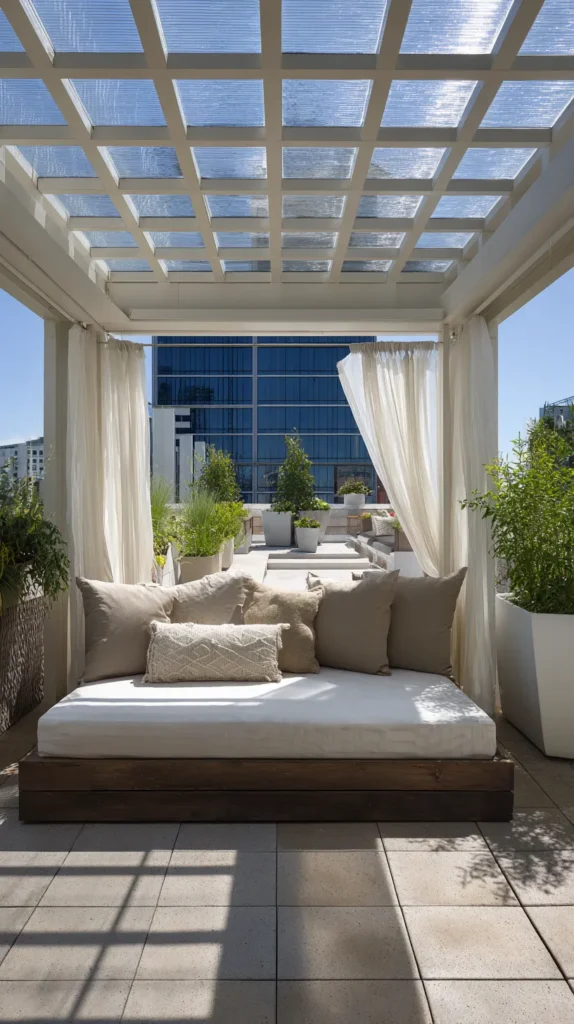
Budget: $500 – $5000
A daybed positioned within a pergola — with the overhead structure providing partial shade and a surface for string lights, climbing plants, and hanging botanical details — is the outdoor daybed at its most architecturally complete. The pergola frames the daybed as a room’s furniture is framed by the room itself, giving the daybed a defined spatial context that an open-garden position does not provide.
A timber pergola — $300 – $1500 for a standard kit. A daybed positioned within the pergola — $300 – $1000 for a quality rattan or timber frame. String lights woven through the pergola beams — $30 – $80. Climbing jasmine or wisteria planted at each upright — $15 – $30 per plant — providing seasonal fragrance and growing shade. A rattan lantern hung from the pergola beam above the daybed — $15 – $40.
Styling tip: Place a small outdoor rug beneath the daybed within the pergola — defining the floor of the outdoor room as clearly as the pergola structure defines its ceiling. A daybed on a pergola-framed rug reads as a fully furnished outdoor room. The same daybed on bare paving or bare decking within the same pergola structure reads as furniture placed beneath a structure — which is a significantly less resolved spatial impression.
10. The Daybed With Integrated Side Tables
Budget: $500 – $2000
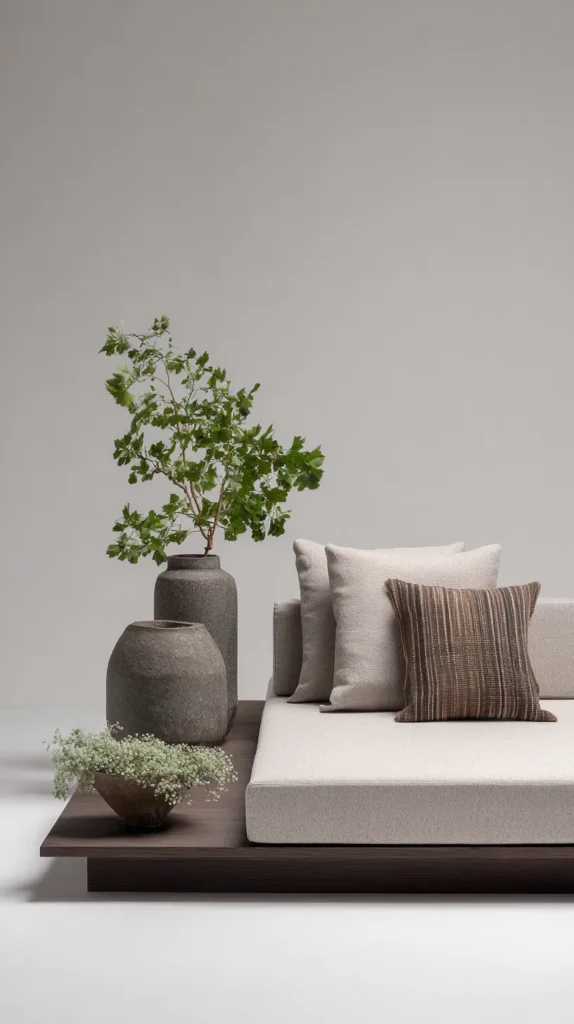
A daybed with integrated side tables — either a frame with built-in side tables at each end or a daybed positioned between two matching freestanding side tables — is the outdoor daybed at its most practically equipped and its most resort-like. A daybed that has a side table at the correct height for a glass, a book, and a pair of sunglasses is a daybed that has anticipated every requirement of the afternoon.
A rattan or aluminium daybed with integrated end tables — $500 – $1500 from outdoor furniture specialists. A standard daybed with two matching rattan side tables — $300 – $800 for the daybed plus $25 – $60 per side table. A small tray placed on the side table — $10 – $30 — holds the afternoon’s essentials as a contained, purposeful surface within the surface.
Styling tip: Stock the daybed side table with the afternoon’s requirements before settling in rather than making return trips to the house. A small tray with a cold drink, a book, a lip balm, sunscreen, and a phone face-down is a tray that communicates that the afternoon was planned for and the daybed was not a spontaneous decision but a deliberate one. The planned afternoon spent on a well-stocked daybed is a different quality of afternoon from the one that begins with the daybed and continues with repeated indoor trips.
11. The Shaded Daybed Retreat
Budget: $200 – $1500
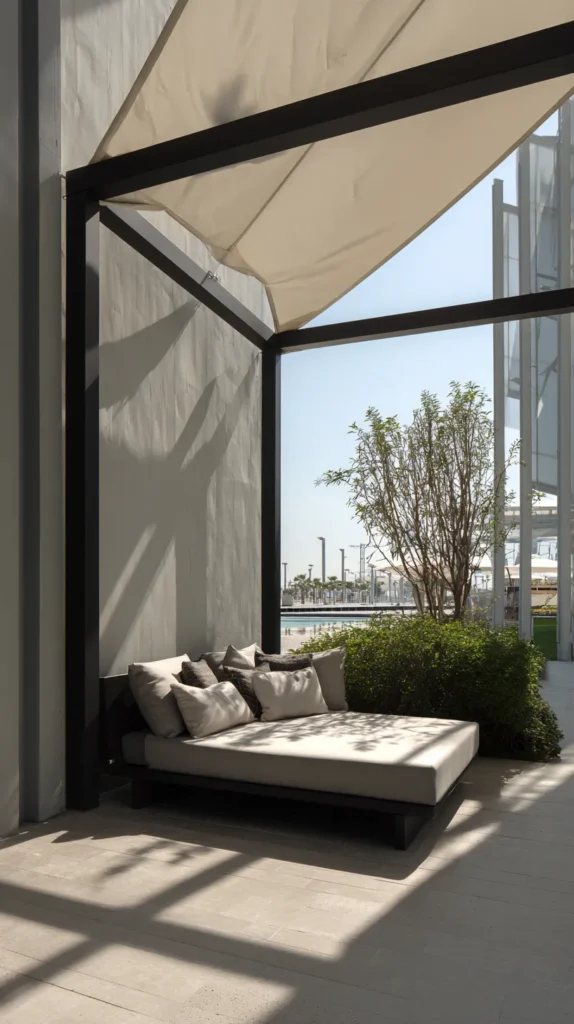
An outdoor daybed positioned within a purpose-built shade structure — a large market parasol, a bamboo or reed canopy on a timber frame, or a freestanding linen canopy — converts the daybed from a fine-weather object into a genuinely all-day destination. Shade is not an accessory to the outdoor daybed. It is its primary practical requirement, and the daybed positioned in full summer sun is usable for approximately ninety minutes before the temperature makes it uninhabitable.
A large 3.5-metre market umbrella with a weighted base — $80 – $250. A bamboo or reed overhead canopy on a simple timber frame — $60 – $200 in materials. A linen canopy on a freestanding frame — $80 – $250. A purpose-built shade sail over the daybed position — $40 – $100 in sail materials plus fixing hardware. Any of these solutions extends the daybed’s usable hours from ninety minutes to the full afternoon.
Styling tip: Position the shade structure so that it provides maximum coverage at the specific time of day the daybed is most frequently used — typically between 11am and 3pm, when the sun is at its highest and most directly overhead. A shade structure positioned without reference to the sun’s angle provides excellent morning shade and none in the afternoon — which is precisely when the shade is most needed. Calculate the sun’s angle at the intended hours of use before deciding where to place the anchor points.
12. The Moroccan-Inspired Daybed
Budget: $200 – $1000
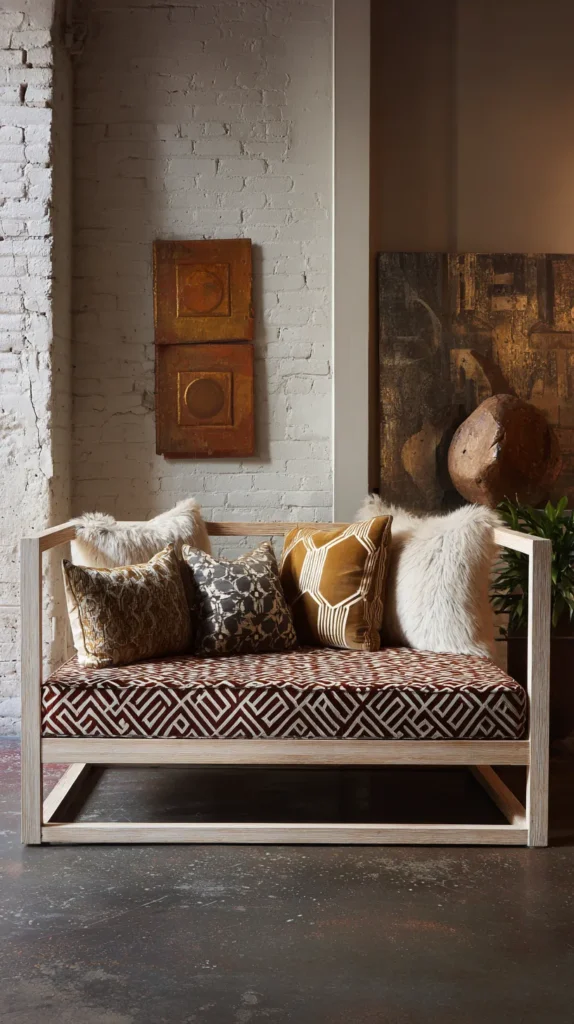
A Moroccan-inspired outdoor daybed — a low, wide platform in a warm timber or painted in a terracotta or deep teal, with floor cushions and bolster pillows in rich jewel tones and geometric patterns, lanterns on either side, and a low carved or rattan table at one end — produces the most exotic and the most transportingly atmospheric outdoor daybed aesthetic available in a domestic backyard. It is a daybed that communicates that the afternoon it is offering belongs to somewhere genuinely worth going.
A low timber platform or a simple frame — $100 – $300. Floor cushions and bolsters in Moroccan-patterned outdoor fabric — $30 – $80 each, four to six required. Lanterns on either side — $15 – $40 each. A low carved or rattan table — $30 – $80. A kilim or flat-weave outdoor rug beneath the platform — $50 – $150. Total Moroccan daybed investment: $255 – $870 for an outdoor corner that transports its occupant to somewhere warmer and more specifically beautiful than the backyard behind it.
Styling tip: Use warm, jewel-toned cushion covers in outdoor-rated fabrics — terracotta, deep teal, saffron, and warm burgundy — rather than the palette colours of the surrounding garden or the house exterior. The Moroccan daybed aesthetic works through its contrast with its surroundings rather than its integration with them. A daybed that looks as though it arrived from somewhere else is a daybed that offers an escape rather than a continuation of the domestic environment around it.
13. The Minimalist Outdoor Daybed
Budget: $400 – $2000
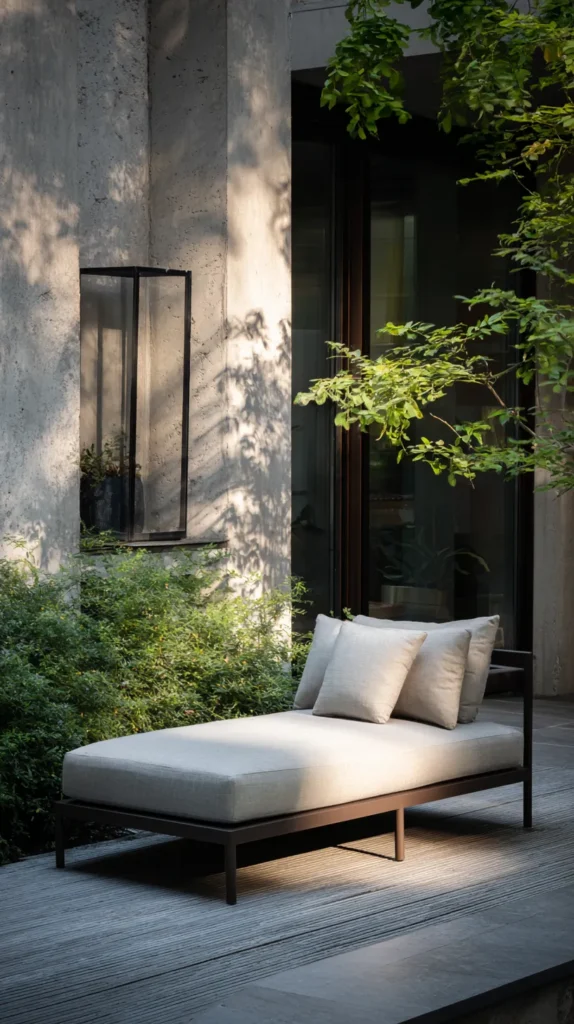
A minimalist outdoor daybed — a clean-lined, low frame in powder-coated aluminium or weathered teak, with a single thick cushion in a warm white or pale grey, no sides, no canopy, and no decorative detail beyond the quality of the materials themselves — is the outdoor daybed for the backyard that communicates restraint, confidence, and the particular beauty of objects that know exactly what they are.
A powder-coated aluminium daybed in a clean rectangular form costs $400 – $1000. A weathered teak version — $500 – $1500. A single thick cushion in an outdoor fabric — $150 – $400 for a quality specification. No additional accessories are required or appropriate. The minimalist daybed is complete as stated and becomes more resolved rather than less as surrounding plants grow and the materials weather to their most honest version of themselves.
Styling tip: Position the minimalist daybed on a surface of the same restrained quality — a poured concrete pad, a large-format porcelain tile, or a weathered timber deck — rather than on loose gravel or mixed paving materials. A minimalist daybed on a considered surface reads as the centrepiece of a designed outdoor room. The same daybed on a chaotic or mixed surface reads as a beautiful object placed without spatial context — which is the one failure of restraint that a minimalist approach cannot survive.
14. The Outdoor Daybed Suite
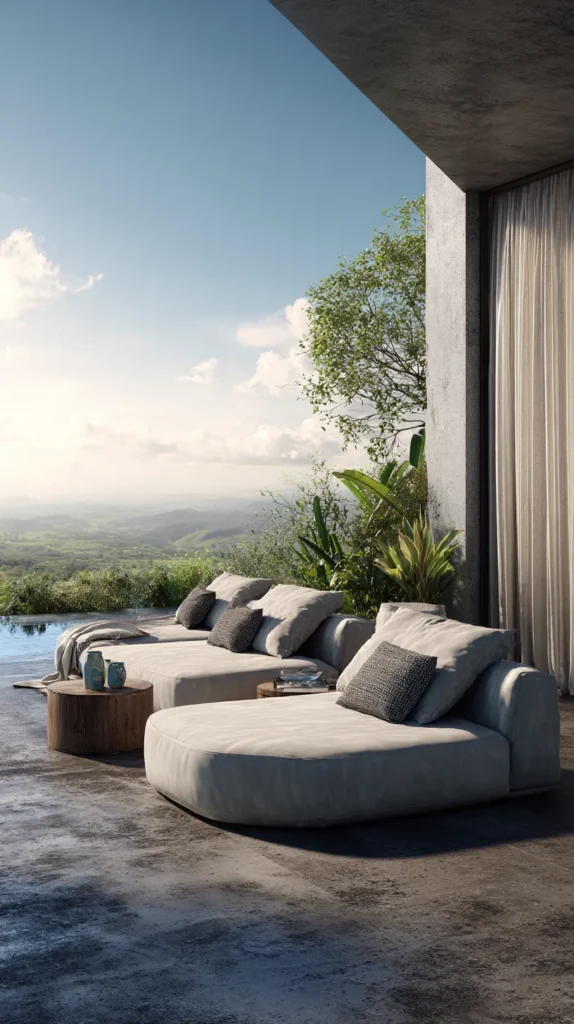
Budget: $800 – $5000
An outdoor daybed suite — a primary daybed flanked by two matching sun loungers, a low central coffee table, a side table on the outer edge of each lounger, a shade structure above, string lights for the evening hours, and an outdoor rug defining the full arrangement as a room — is the backyard lounge at its most completely furnished and its most specifically luxurious. It is a room in the garden. It has furniture, lighting, a floor, and a ceiling. It requires only the afternoon and the willingness to use it.
A rattan or aluminium daybed — $300 – $1000. Two matching sun loungers — $150 – $400 each. A low outdoor coffee table — $80 – $300. Two side tables — $30 – $80 each. A shade sail or pergola canopy — $100 – $500. String lights — $30 – $80. An outdoor rug — $60 – $200. Total outdoor daybed suite investment: $750 – $2560 in furniture and styling for a backyard room that serves every quality of outdoor living the garden can provide.
Styling tip: Treat the outdoor daybed suite as a room that is set up at the beginning of the outdoor season and maintained throughout it — cushions rotated, surfaces wiped, lights checked, and the rug beaten monthly — rather than assembled for specific occasions and put away between them. A daybed suite that is permanently ready for use is used daily. One that requires twenty minutes of assembly before each use is used on planned occasions only — and planned occasions are a fraction of the warm afternoons a well-equipped backyard could contain.
15. The Fully Equipped Luxury Outdoor Daybed
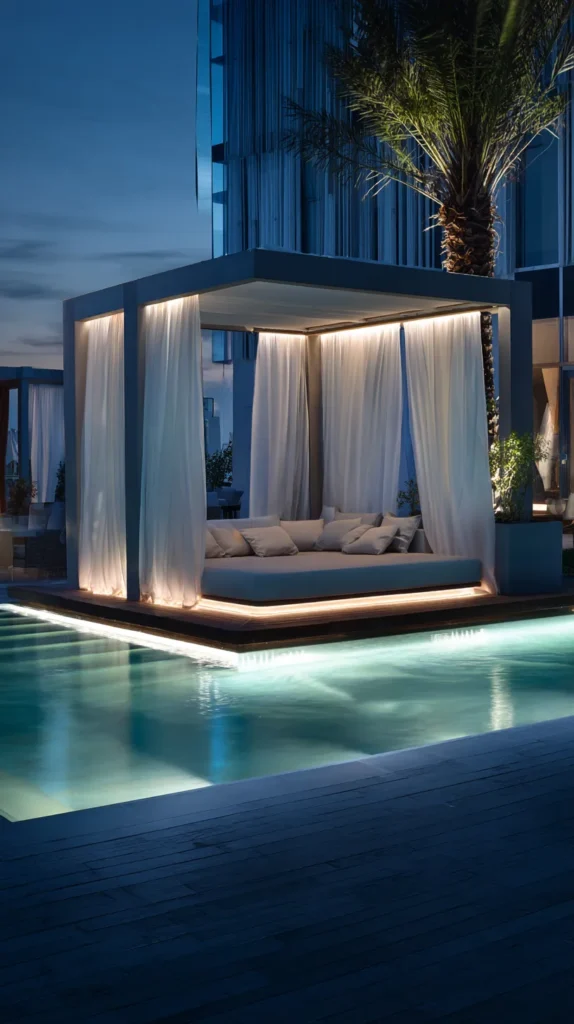
Budget: $1000 – $8000
The fully equipped luxury outdoor daybed — a built-in concrete platform with a bespoke cushion, a canopied structure with lined curtains on all four sides, integrated LED lighting on a warm circuit, a small outdoor sound system embedded in the structure, a side table with a wireless charging pad flush-mounted into the surface, a shade sail above the canopy for maximum sun control, an outdoor rug defining the floor, and planting on three sides providing natural privacy — is not a piece of garden furniture. It is an outdoor room that happens to have the sky as its ceiling.
Built-in platform: $500 – $2000. Bespoke cushion: $200 – $600. Canopy structure: $300 – $1500. Integrated lighting: $100 – $400. Sound system: $100 – $500. Side table: $80 – $300. Shade sail: $40 – $150. Outdoor rug: $60 – $200. Planting: $100 – $400. Total fully equipped luxury outdoor daybed: $1480 – $6050 — the cost of a backyard room built with the same intention and the same quality of consideration that the best interior rooms receive.
Styling tip: Install an outdoor shower within five metres of the fully equipped luxury daybed — a simple garden hose shower on a timber post, or a purpose-built outdoor shower fitting — so that the movement between the pool, the garden, and the daybed can happen without returning to the house. An outdoor shower beside a luxury daybed eliminates the most consistent interruption to the quality of a long outdoor afternoon and completes the circuit of the outdoor room in the most practically luxurious way available.
Whatever combination of these fifteen ideas finds its way into the backyard, the principle beneath all of them is the same one that makes any outdoor room genuinely worth inhabiting: the daybed should be positioned for the best available view, shaded at the hours of greatest sun intensity, cushioned to a depth that makes lying down for two hours feel like lying down for twenty minutes, and equipped with every small object that the afternoon might require so that the afternoon never needs to end before it is ready to.
A backyard daybed that has been genuinely thought about — that knows its position, its shade, its cushion depth, and its proximity to something cold — is not a piece of garden furniture. It is an afternoon’s best argument for staying exactly where you are.
Give it the space it deserves. Give it the shade it requires. And then lie down completely and let the afternoon do what it has always been trying to do.