14 Unforgettable Garden Transformations That Will Inspire You to Act
There is something uniquely powerful about a garden transformation. Unlike an interior renovation, which unfolds behind closed doors and reveals itself only upon completion, a garden transformation happens in full view of the sky — a slow, seasonal, deeply satisfying process of one thing becoming something else entirely.
A patch of cracked concrete becomes a lush courtyard. An overgrown tangle of weeds becomes a structured, serene landscape. A bare, featureless lawn becomes a layered, living composition that changes with every month of the year.
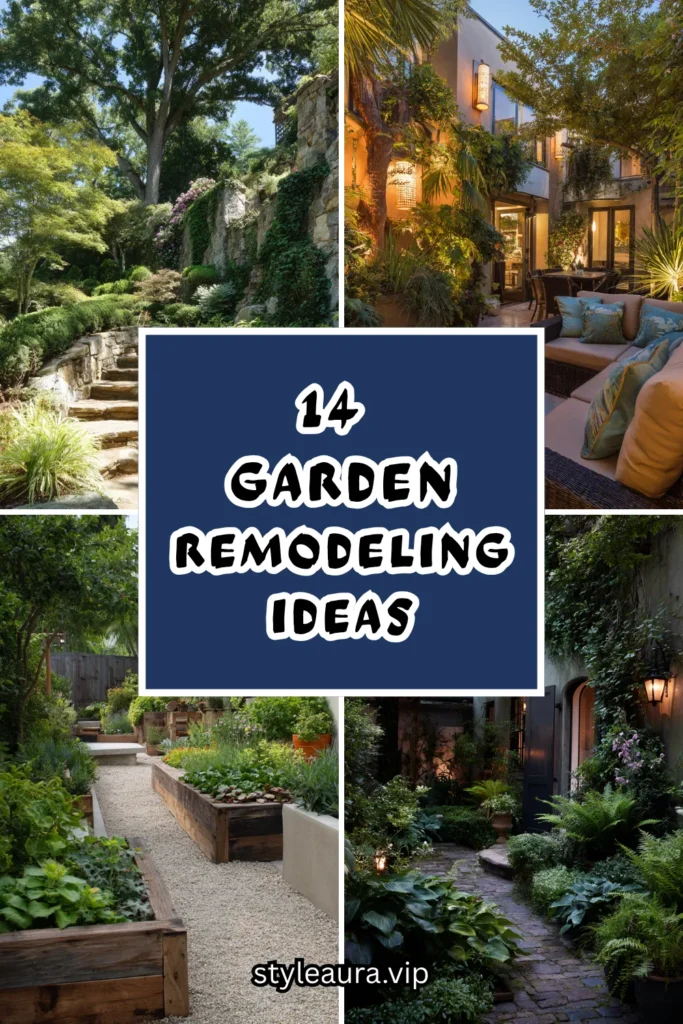
What makes a garden transformation truly unforgettable is not the scale of the change but the quality of the vision behind it. The most remarkable outdoor makeovers are not necessarily the most expensive — they are the most considered.
They begin with a clear understanding of what the space needs to be: how it should feel, what it should do, who it should serve, and what relationship it ought to have with the home it belongs to. With that vision in place, the transformation — however gradual — becomes inevitable.
Here are 14 unforgettable garden transformations to inspire your own outdoor reinvention, whatever your space, your budget, or your starting point.
1. From Concrete Wasteland to Urban Oasis
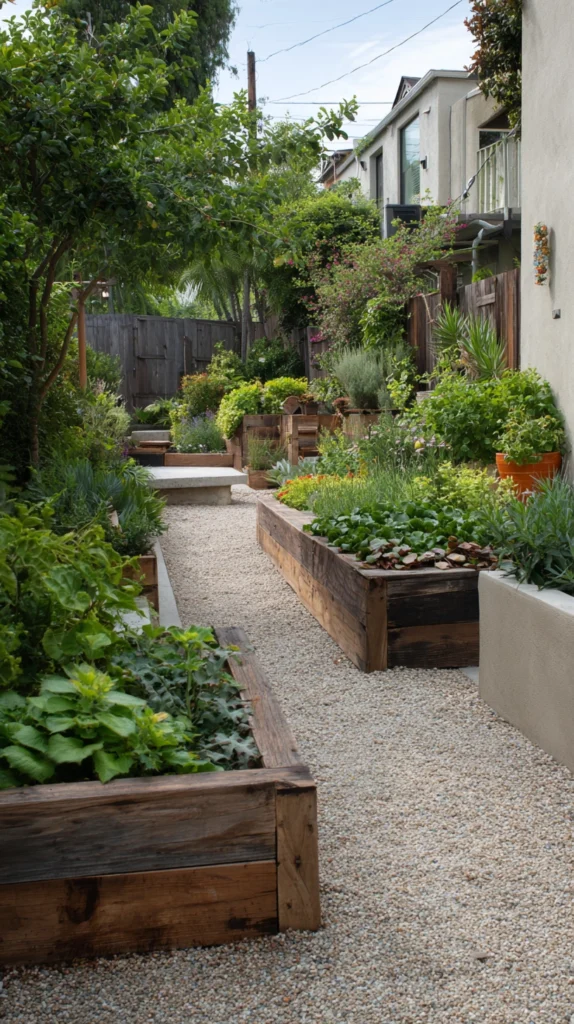
Few starting points seem less promising than a garden that is entirely paved over — a legacy of a previous owner’s determination to eliminate maintenance at the cost of everything beautiful. And yet the concrete garden transformation is among the most dramatic available.
Break up and remove the paving, improve the soil beneath, introduce raised timber beds along the perimeter, add container planting across the remaining hard surface, and within a single growing season the space is unrecognisable. The key insight is that concrete is not a permanent condition — it is simply a starting point in disguise.
2. The Neglected Lawn Becomes a Wildflower Meadow
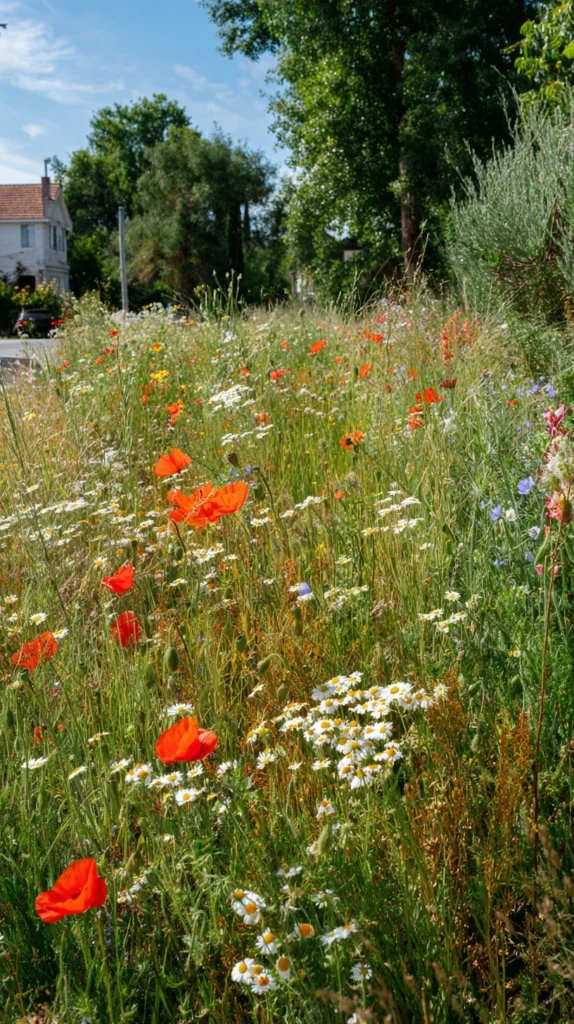
The conventional lawn — mown weekly, fed seasonally, and largely devoid of ecological value — is one of the most common garden starting points and one of the most transformable. Stop mowing, introduce plugs of native wildflowers into the existing turf, and allow the grass to grow through a full season.
What emerges is something between a painting and an ecosystem: drifts of ox-eye daisies, wild scabious, and field poppies moving in the breeze above a dense, living carpet of grasses. The transformation requires patience but almost no budget, and the results are nothing short of extraordinary.
3. The Dark and Sunless Garden Brought to Life
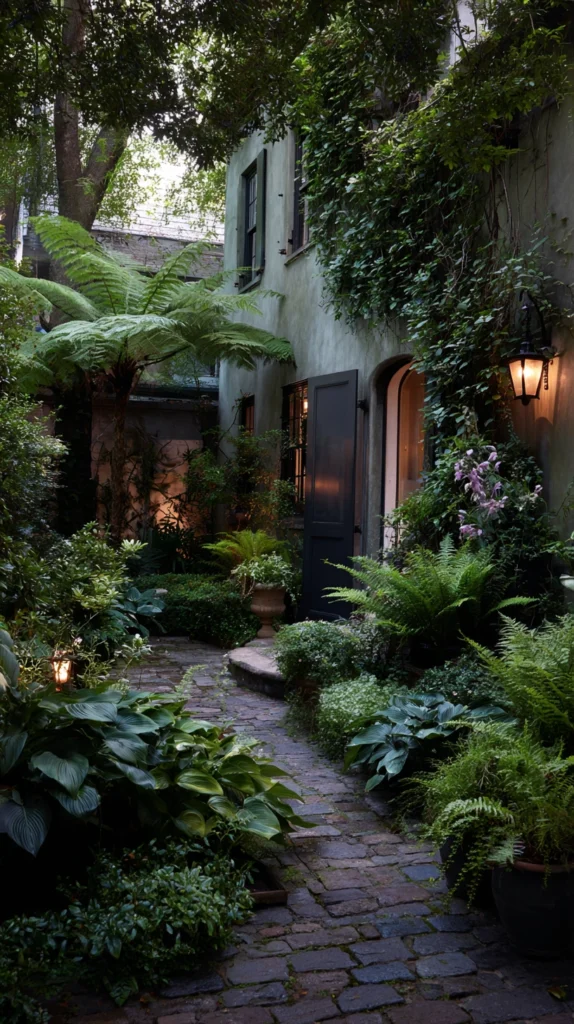
A garden that receives little direct sunlight is frequently dismissed as a lost cause — a space to be tolerated rather than celebrated.
In reality, the shaded garden offers opportunities that sun-drenched spaces cannot. Replace struggling lawn with a carpet of mind-your-own-business or sweet woodruff. Introduce ferns, hostas, astilbes, and hellebores in layered abundance. Paint boundary walls in a pale, reflective colour to amplify available light.
Add mirrors strategically to create the illusion of depth. The dark garden, reimagined with appropriate planting and thoughtful design, becomes one of the most atmospheric and quietly beautiful outdoor spaces imaginable.
4. The Sloped Garden Transformed into Terraced Levels
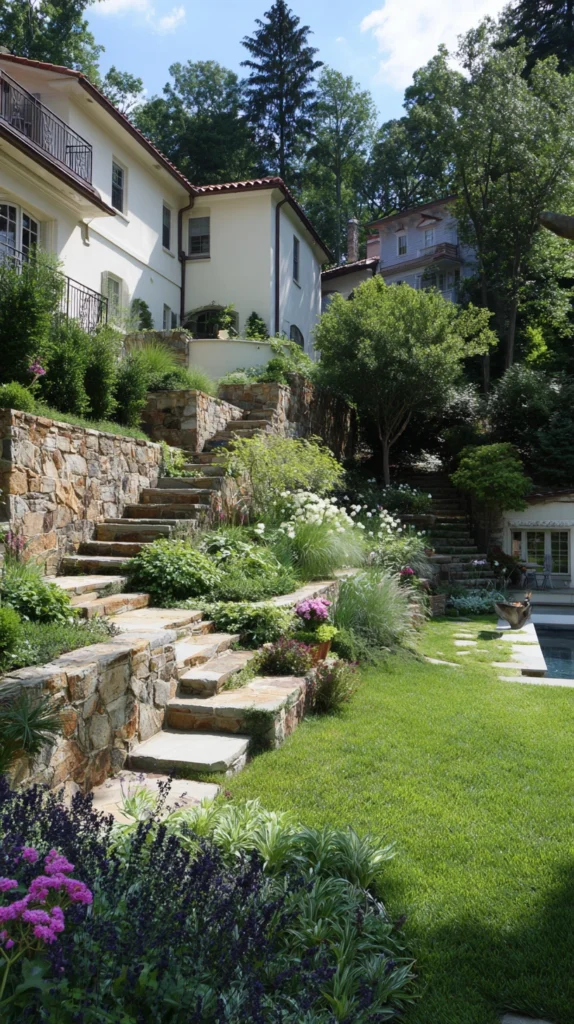
A steeply sloping garden is one of the most challenging sites in residential landscaping — and one of the most rewarding to resolve. The transformation involves cutting the slope into a series of level terraces, retained by stone walls, timber sleepers, or gabion baskets filled with local rock.
Each terrace becomes its own distinct garden room: a dining terrace near the house, a lawn terrace for children, a productive terrace for kitchen gardening, a wild terrace at the top where planting is allowed to soften and naturalise. The transformation turns a liability into a layered, multi-dimensional landscape of genuine complexity and beauty.
5. The Bare New-Build Plot Reimagined
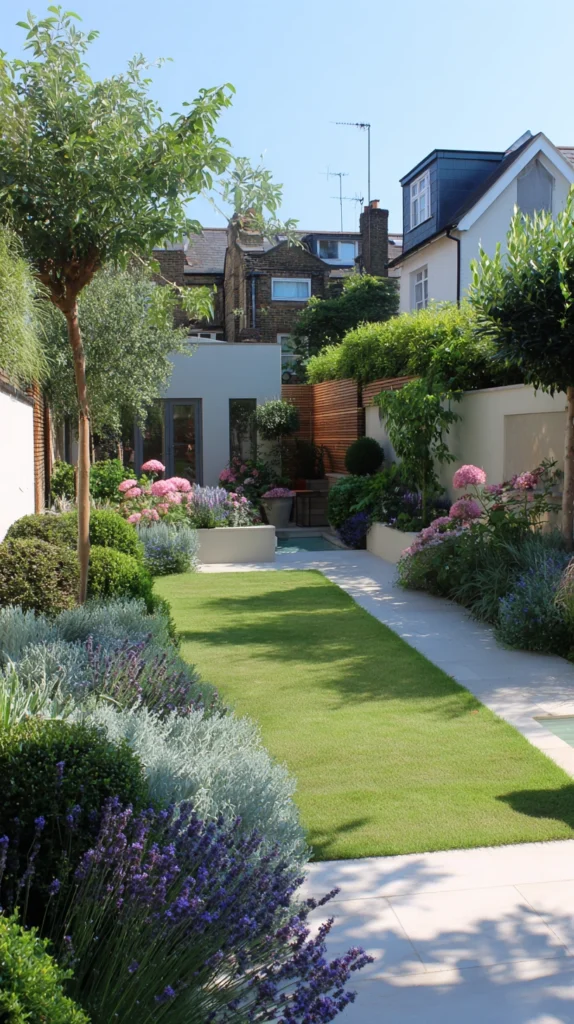
New-build homes frequently come with gardens that are little more than a rectangle of compacted subsoil and builder’s rubble — spaces with no character, no planting, and no sense of connection to the house they belong to.
The transformation of a bare new-build plot into a considered garden is one of the most satisfying design projects available, precisely because it begins from nothing.
Every decision — the layout of the paths, the position of the lawn, the choice of boundary treatment, the planting palette — is an opportunity to create something that feels genuinely intended rather than merely inherited.
6. The Victorian Terraced Garden Reclaimed
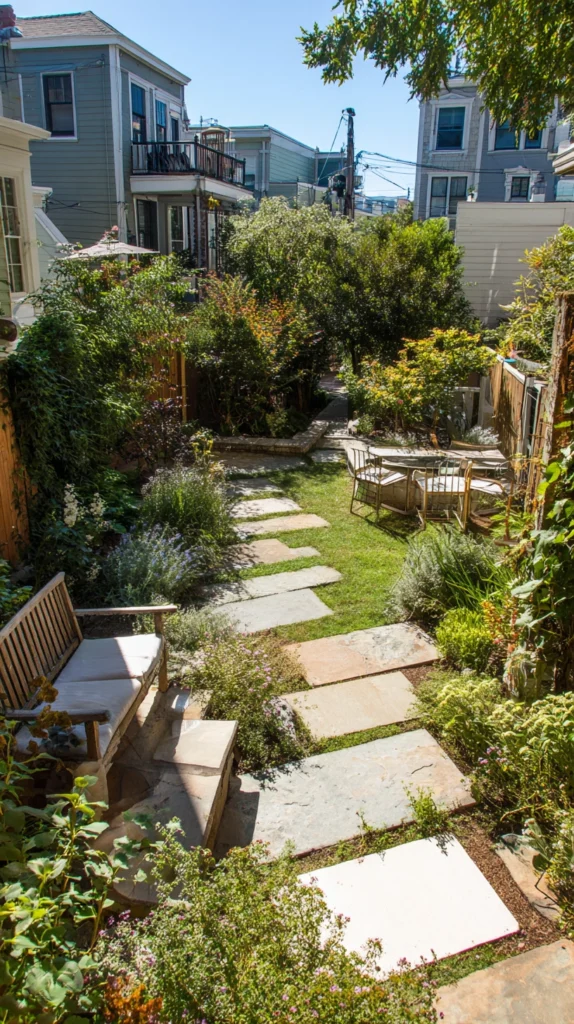
The narrow, rectangular gardens that accompany Victorian terraced houses present a specific design challenge: how to make a long, thin space feel generous, interesting, and liveable rather than merely corridor-like.
The most successful transformations divide the space laterally — using planting, low walls, or changes in level to create distinct zones that the visitor moves through rather than simply looks down.
A dining terrace near the house, a planted middle section, and a wilder area at the far end creates a journey within a small space — and the sense of a garden that is considerably larger than its actual dimensions suggest.
7. The Swimming Pool Garden Elevated to Resort Standard
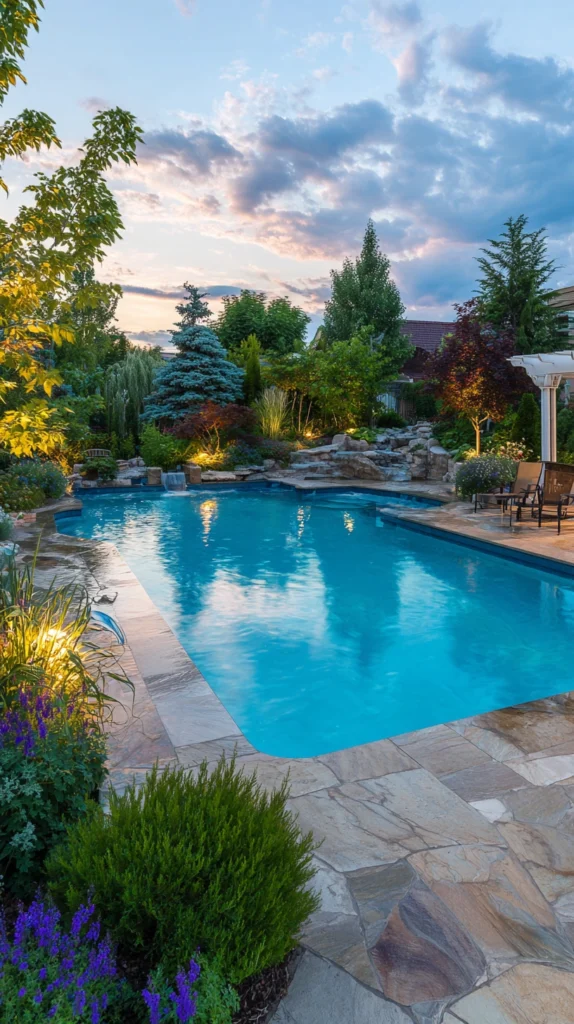
A garden with an existing swimming pool has enormous potential that is frequently underrealised. The pool sits in a sea of plain concrete, surrounded by a chain-link fence and a couple of plastic sun loungers, and the overall effect is more of a municipal leisure centre than a private resort.
The transformation requires reimagining the pool as the centrepiece of a fully considered landscape: replacing concrete surrounds with natural stone or timber decking, adding lush poolside planting that softens the pool’s hard edges, installing atmospheric lighting for evening swimming, and furnishing the space with quality sun loungers, a shaded pergola, and an outdoor kitchen. The result is a garden that functions as a genuine destination.
8. The Roof Terrace Turned into a Sky Garden
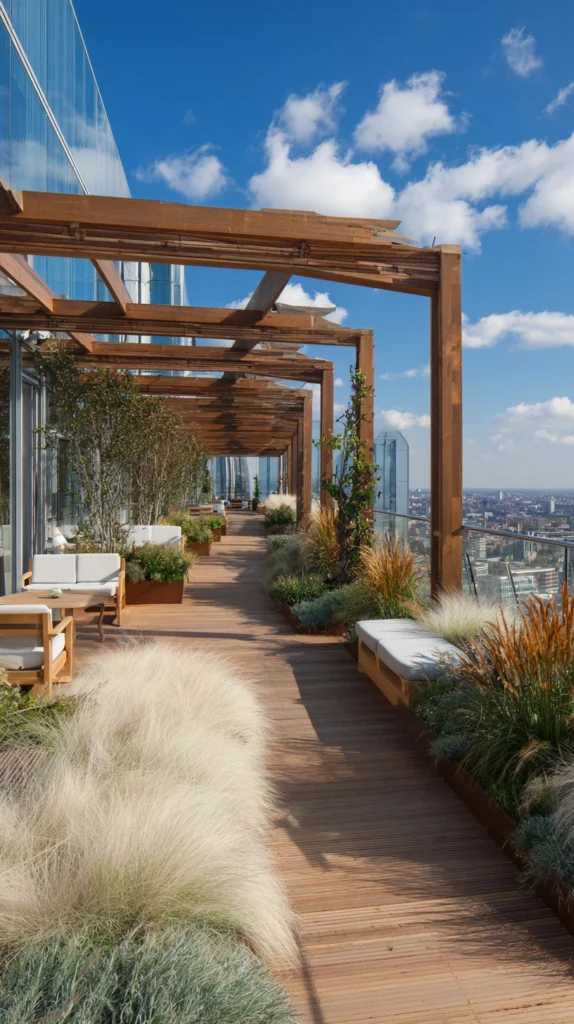
A bare roof terrace — exposed, windswept, and frequently used as overflow storage — holds extraordinary potential for those willing to invest in its transformation. The challenge of weight loading, wind exposure, and waterproofing is real but manageable, and the rewards on the other side of those challenges are considerable.
Lightweight raised planters filled with wind-tolerant grasses and hardy perennials, a pergola structure providing both shelter and a framework for climbing plants, quality outdoor furniture, and carefully considered lighting transform a utilitarian rooftop into a sky garden of genuine beauty — a private green space above the city that no ground-level garden can quite replicate.
9. The Overgrown Garden Restored to Structured Beauty
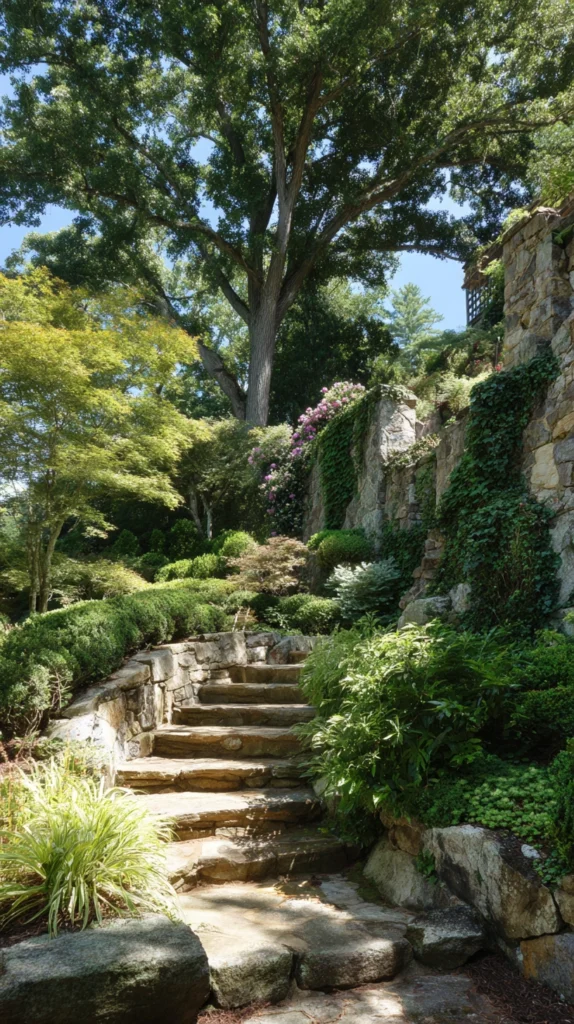
An overgrown garden — one where decades of unchecked growth have blurred every boundary, smothered every path, and overwhelmed every original intention — presents a particular kind of transformation opportunity.
The work is initially archaeological: clearing the growth to discover what lies beneath, identifying which mature plants are worth preserving, and reading the bones of the original design.
What often emerges is a garden with genuine structure already in place — mature trees, established hedging, stone walls — that simply requires editing, discipline, and a fresh layer of considered planting to become beautiful again.
10. The Formal Garden Given a Contemporary Edge
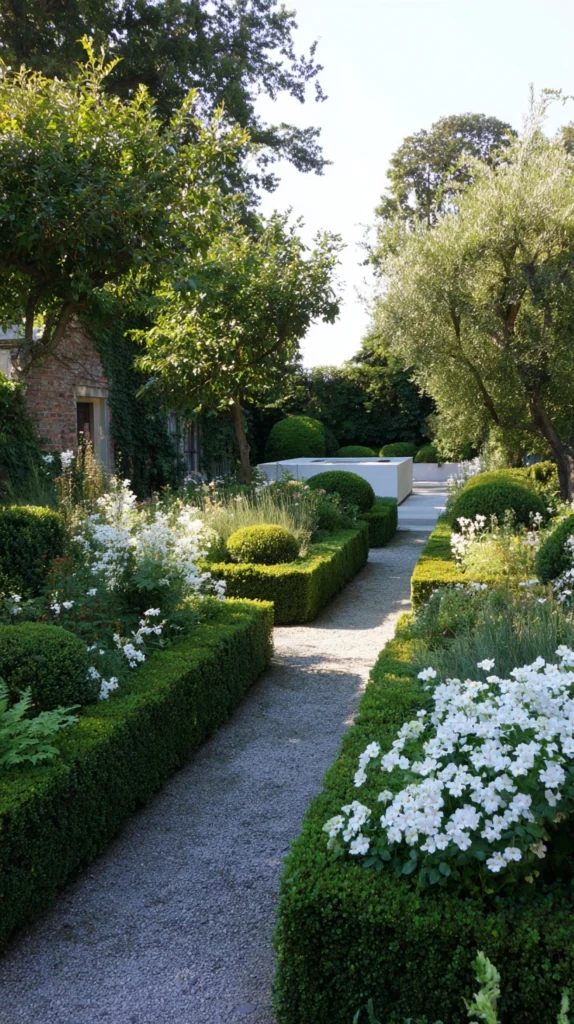
Traditional formal gardens — with their clipped box hedging, gravel paths, symmetrical beds, and stone ornaments — are among the most structurally beautiful garden typologies in existence. But they can feel stiff and period-specific without a contemporary update.
The transformation involves preserving the formal bones — the geometry, the symmetry, the clipped evergreen structure — while introducing a more relaxed and naturalistic approach to planting within that framework.
Replace the traditional bedding plants with loose perennials and ornamental grasses. Swap stone ornaments for contemporary sculpture. The result is a garden that honours its heritage while feeling entirely of the present moment.
11. The Front Garden Reclaimed from the Car
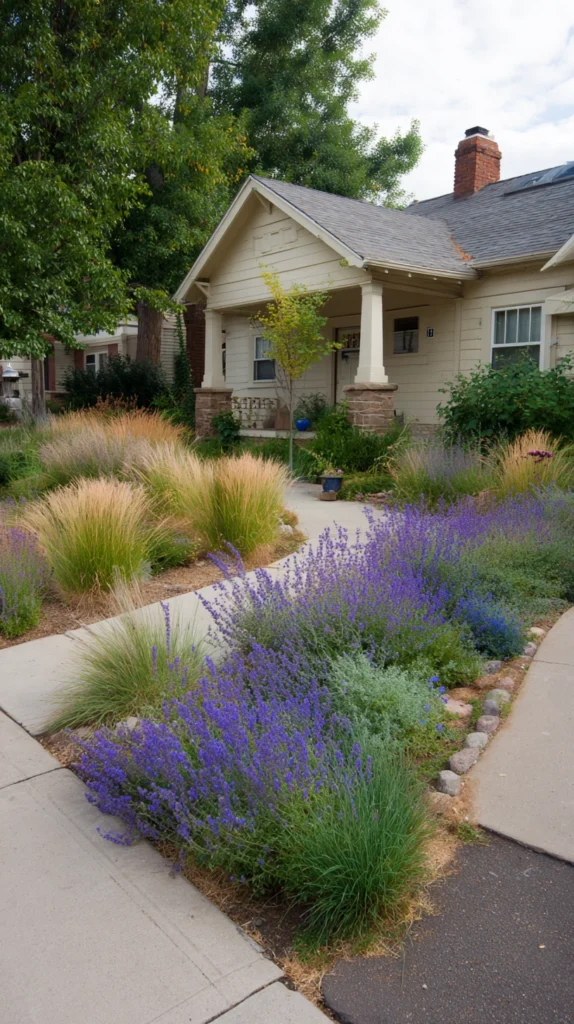
The front garden given over to off-street parking is one of the most common and most dispiriting features of the suburban landscape. The transformation involves reclaiming at least a portion of that space for planting — reducing the hard standing to the minimum necessary footprint and surrounding it with structure, greenery, and colour.
A simple palette of grasses, lavender, and architectural shrubs either side of a resin-bound gravel drive can transform a purely utilitarian frontage into something genuinely welcoming — a garden that signals, before anyone has even entered the house, that beauty matters here.
12. The Children’s Garden Evolved into an Adult Sanctuary
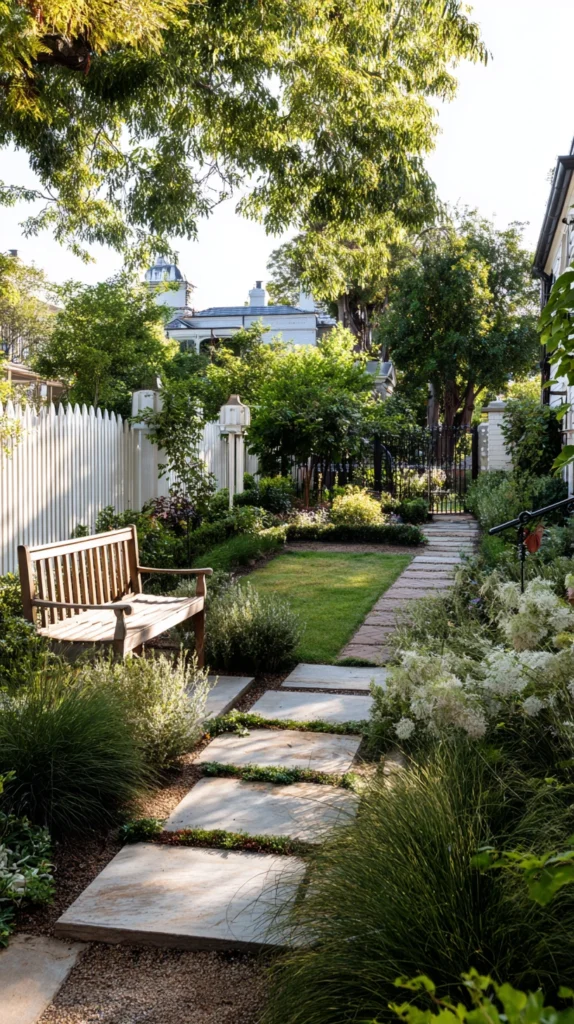
Every parent of young children knows the garden-as-play-space phase: the plastic climbing frame, the trampoline, the sandpit, the general cheerful chaos of a garden fully given over to childhood. But children grow, equipment is outgrown, and the garden awaits its reinvention.
The transformation of a former children’s garden into an adult sanctuary — replacing the play equipment with seating areas, introducing sophisticated planting, adding outdoor lighting and a kitchen garden — is one of the most personally meaningful garden makeovers available. It marks a transition in family life as clearly as any interior renovation.
13. The Courtyard Garden Reimagined as an Outdoor Room
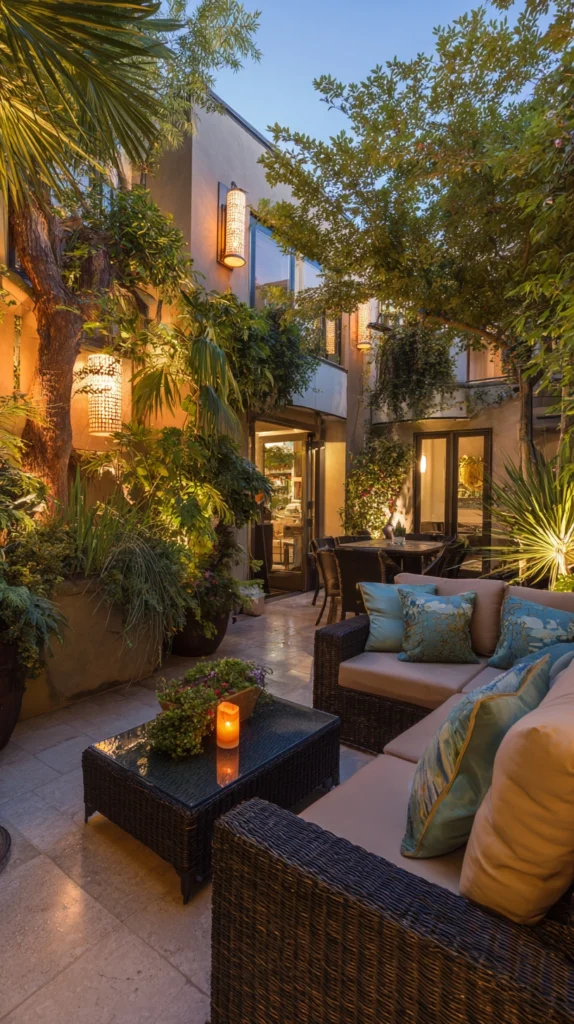
A small, enclosed courtyard — particularly one overlooked by neighbouring properties and starved of direct sunlight — can feel oppressive and uninviting in its untransformed state. The reimagining of such a space as a fully furnished outdoor room changes everything.
Pale, reflective wall paint amplifies available light. Quality all-weather furniture invites occupation. Potted plants at varying heights bring vertical interest and softness. Pendant lighting above a dining table extends the space’s usability into the evening. The courtyard, properly considered, becomes not the least appealing space in the garden but the most intimate and the most used.
14. The Winter Garden Brought to Life Year-Round
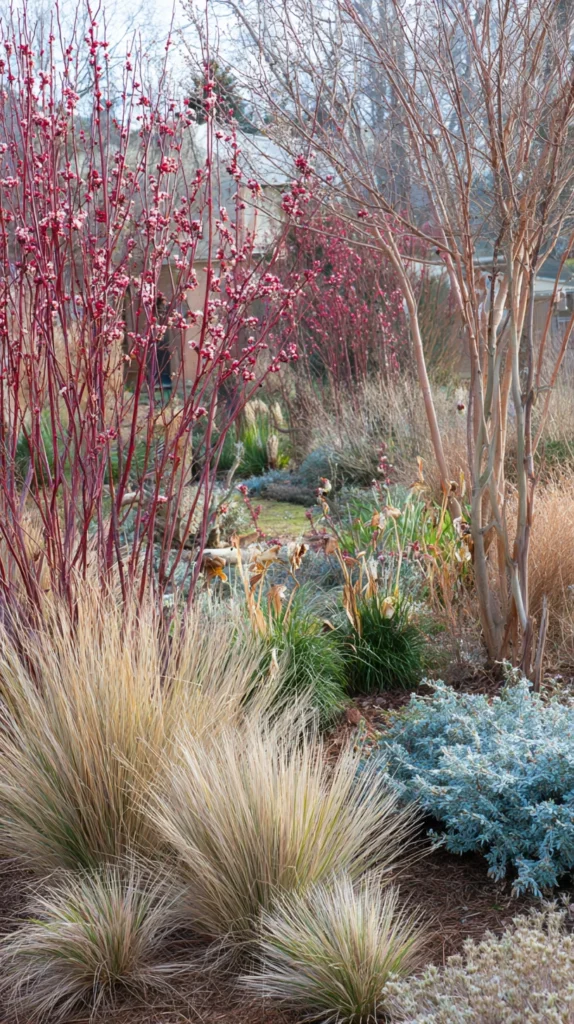
Many gardens are designed, consciously or otherwise, primarily for the summer months — and spend the remaining two thirds of the year looking bare, defeated, and forgotten. The transformation of a summer-only garden into one that offers beauty, interest, and a reason to step outside in every month of the year requires a fundamental rethinking of the planting palette. Introduce structural evergreens that hold their form through winter.
Add plants chosen specifically for their winter qualities — the red stems of dogwood, the scented flowers of sarcococca, the architectural silhouettes of ornamental grasses heavy with frost.
The winter garden transformation is perhaps the most quietly radical of all — a reminder that the garden year does not end in October, and that every season, approached with the right plants and the right perspective, has its own irreplaceable beauty.
Final Thoughts
Every garden transformation begins with an act of imagination — the ability to look at a space as it currently exists and see, clearly and confidently, what it could become. The fourteen transformations described here are as varied as the gardens and the people behind them, but they share a common quality: they were each driven by a genuine desire to make something better, something more beautiful, something more alive.
Whatever your garden looks like today — whether it is overgrown or bare, shaded or sloped, cluttered or simply uninspired — the potential for transformation is always present. It is waiting, as it always has been, just beneath the surface.