15 Indoor Greenhouse Room Ideas for Plant Lovers
The indoor greenhouse room changed how my plants survived winter more than any single plant purchase ever did. Not the grow light. Not the humidifier. Not the moisture meter or the fancy pots or the fertilizer schedule.
The room.
Because a dedicated room did something none of the individual tools did. Before it: plants scattered across windowsills, each one fighting its own battle against dry air and low light. After it: one space with its own climate, built around what plants actually need instead of what happened to already be near a window.
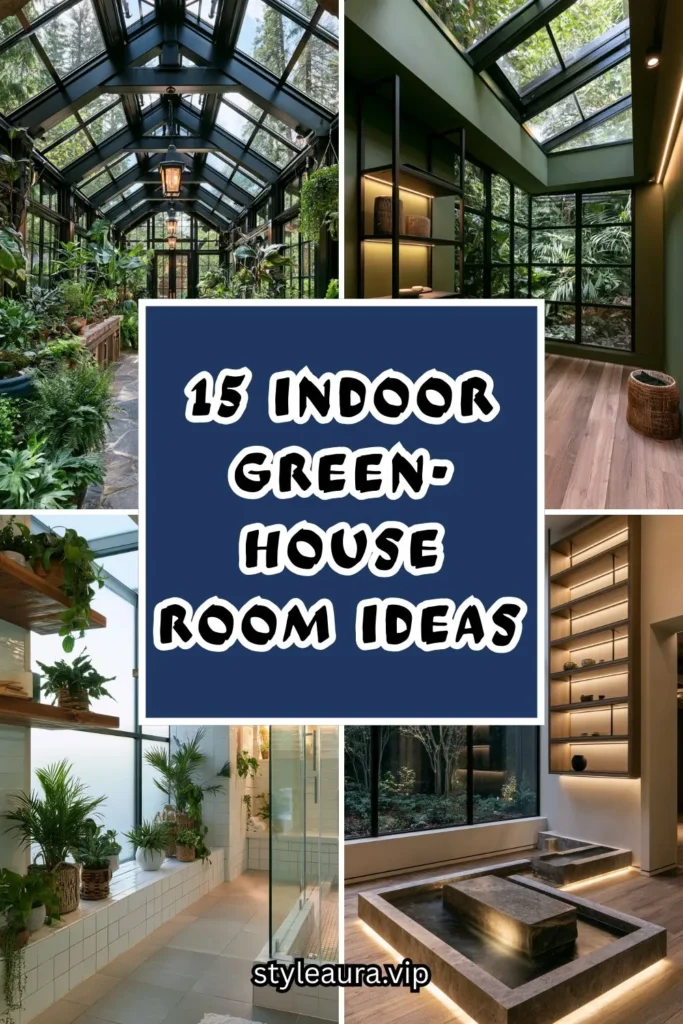
An indoor greenhouse room is not a decorating trend. It is a climate decision. A plant on a random shelf survives. A plant in a room built for it thrives. The room: no longer a spare space with plants in it, but a space that exists because of them.
Here are 15 indoor greenhouse room ideas — from the simplest sunroom corner to the most fully committed plant room — built on that understanding.
Why a Dedicated Room Changes Everything for Plants
The humidity problem
Without a dedicated room:
Tropical plants scattered through a home with 30–40 percent humidity, the average for a heated house in winter.
Most tropical houseplants: prefer 50–60 percent humidity or higher.
The plants: surviving, not thriving, stressed by dry air year-round.
With a dedicated room:
The same tropical plants grouped together in one space.
Grouped plants raise the humidity around themselves through transpiration, and a single humidifier can serve the whole room rather than nothing.
The plants: in a microclimate built for them, not fighting the whole house’s dry air alone.
The light concentration
A single bright window serves one or two plants well. A room designed around light — skylights, multiple windows, or supplemental grow lights — can serve dozens.
The maintenance case
Watering, misting, and pest-checking scattered plants across an entire home takes far longer than tending the same number of plants gathered in one dedicated space. The room turns plant care into a single daily stop, not a house-wide circuit.
The design payoff
A room full of plants, arranged with intention, becomes one of the most visually striking spaces in a home — the living, growing centerpiece that no other room can replicate.
The Five Ways to Build an Indoor Greenhouse Room
Before choosing any design:
The sunroom conversion
An existing sunroom or three-season porch, adapted for year-round plant use.
Already has the light; usually needs added heat or humidity control.
The most straightforward conversion if the room exists.
The spare room greenhouse
A spare bedroom or unused room, fitted with grow lights and humidity control rather than relying on natural light alone.
Works in any home, regardless of window exposure.
The most flexible option for a home without a naturally sunny room.
The window-wall room
A room with one full wall of windows, or converted to have one, maximizing natural light without full glazing.
A middle ground between a converted room and a true glass structure.
The attached lean-to greenhouse
A small glass or polycarbonate structure built onto the house, accessible through an interior door.
The most authentic greenhouse experience, at the cost of new construction.
The basement grow room
A basement or windowless room converted entirely to artificial light and controlled climate.
No dependence on natural light or season at all.
The most controlled, most consistent environment of the five.
1. The Converted Three-Season Sunroom

An existing sunroom, insulated and fitted with supplemental heat, converted from a seasonal space into a year-round plant room.
Why the sunroom is the natural starting point
The light is already there. The work is making the room usable in the coldest months, when plants need it most.
The heat
A small space heater or an added mini-split unit, since most sunrooms are not built to full home insulation standards.
A minimum indoor temperature of 60°F (15°C), even overnight, protects most common houseplants from cold stress.
The humidity
A humidifier sized to the room, running on a timer to maintain consistent moisture rather than sporadic bursts.
The flooring
Tile, vinyl, or another water-resistant surface, since a plant room inevitably means spilled water and dripping trays.
The shelving
Tiered plant stands positioned to take advantage of the room’s full window exposure, rather than pushed against a single wall.
Cost breakdown: Space heater or mini-split: $60–800 (depending on option) Humidifier: $50–120 Tiered plant stands (2–3): $60–150 Total: $170–1,070
2. The Spare Bedroom Grow Room
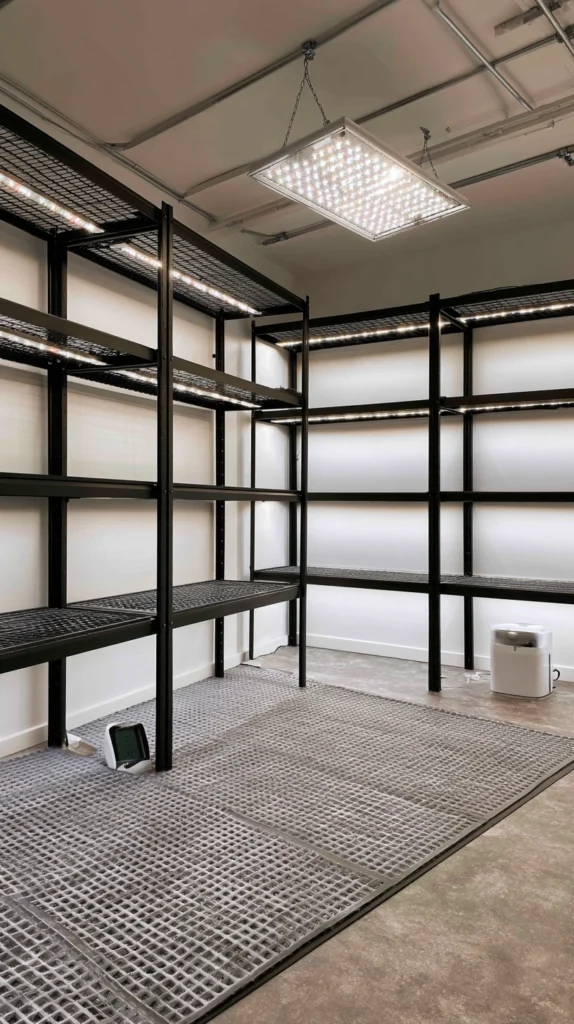
An unused spare bedroom converted entirely with grow lights, independent of the room’s natural window exposure.
Why grow lights remove the light constraint
A north-facing spare room, previously unusable for most houseplants, becomes fully viable once light is supplied artificially rather than relied upon from the window.
The lights
Full-spectrum LED grow lights, mounted on adjustable stands or hung from the ceiling above shelving units.
A 12–14 hour daily timer, mimicking a natural day length year-round.
The shelving
Wire or wood shelving units positioned directly beneath the lights, with each tier close enough to the fixture above it for even coverage.
The flooring protection
A waterproof mat or tray system beneath each shelving unit, protecting carpet or wood flooring from water damage.
The humidity
A small humidifier and a hygrometer, since a windowless room has no natural airflow to regulate moisture on its own.
Cost breakdown: LED grow lights (3–4 fixtures): $120–300 Shelving units (2–3): $80–180 Waterproof trays: $30–60 Humidifier and hygrometer: $60–130 Total: $290–670
3. The Window-Wall Reading and Plant Room
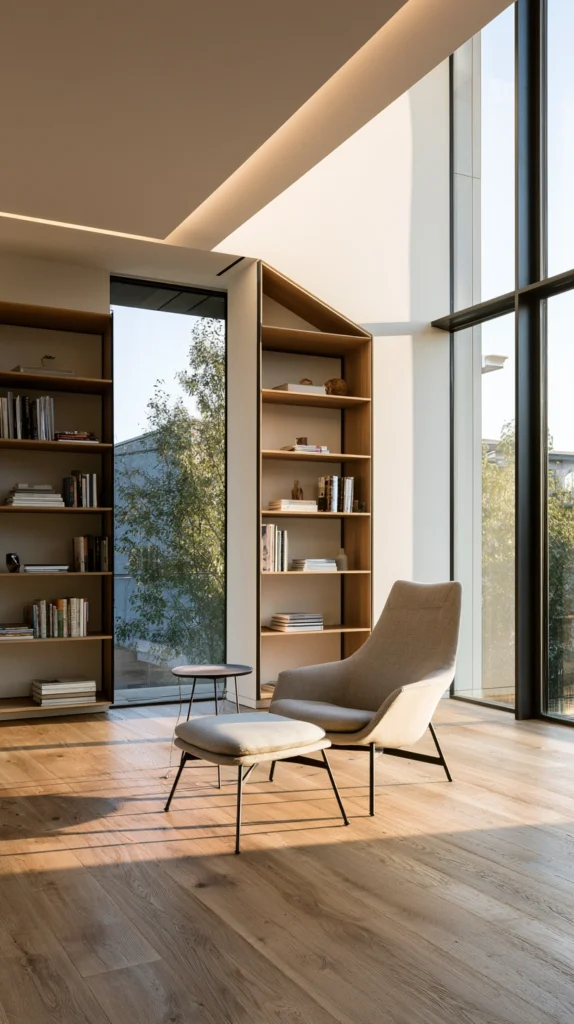
A room with a full wall of windows, furnished with both seating and a substantial plant collection — a space that serves people and plants at once.
Why combining function works here
A room used only for plants sees a person once a day, briefly. A room that also holds a favorite chair sees daily use, and the plants benefit from someone simply being present to notice what they need.
The window wall
Existing large windows, or a renovation adding a bank of windows along one exposure, ideally south- or east-facing.
The seating
A single comfortable chair positioned to face into the room rather than out the window, so the plants become the view.
The plant arrangement
Tallest plants at the back near the glass, stepping down in height toward the seating area, so no plant blocks the light from another.
The floor plants
Large floor specimens — fiddle-leaf fig, bird of paradise, rubber plant — placed where their mature size will not crowd the walking path.
The finishing detail
A small table beside the chair for a watering can and pruning shears, kept visibly in the room rather than stored elsewhere.
Cost breakdown: Chair (existing or new): $0–300 Large floor plants (2–3): $60–150 Additional smaller plants: $40–100 Total: $100–550
4. The Attached Glass Lean-To Room
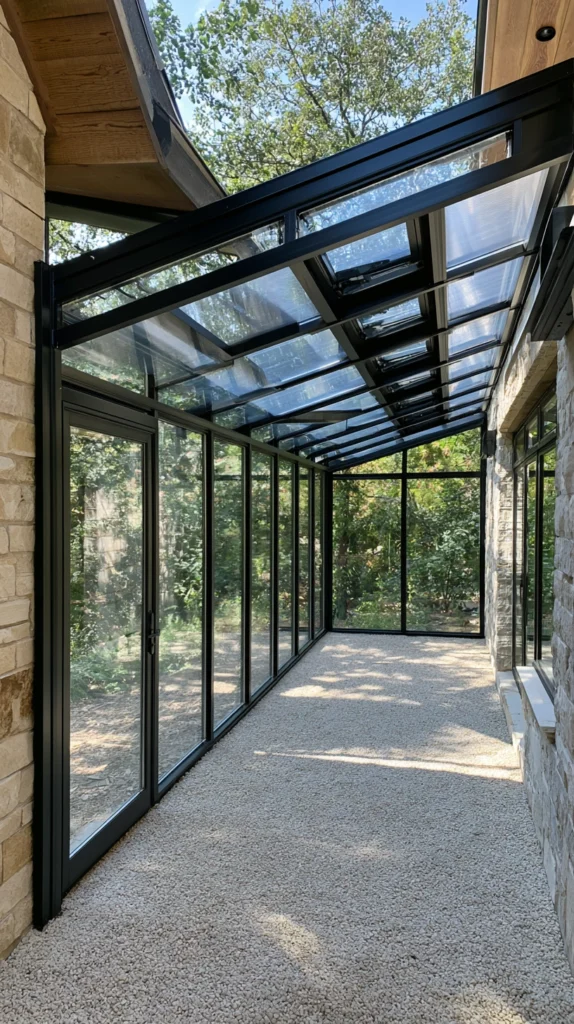
A small glass or polycarbonate structure built onto an exterior wall, accessible through an interior door, functioning as a true attached greenhouse.
Why an attached structure outperforms a converted room
A true greenhouse structure is built to maximize light from every angle, something no ordinary room, however sunny, can fully replicate.
The structure
A polycarbonate or glass lean-to, sized to the available wall space, built by a contractor or as an ambitious DIY project.
South- or west-facing placement, for the longest daily sun exposure.
The interior access
A single door connecting to the main house, allowing the space to be visited without going outside, especially valuable in winter.
The floor
A drainage-friendly surface — gravel, tile, or a raised platform — since a true greenhouse structure holds more humidity and water than an interior room.
The ventilation
At least one roof vent or window that opens, to prevent the space from overheating on sunny days even in cold weather.
Cost breakdown: Small lean-to structure (contractor-built): $2,000–6,000 Or DIY polycarbonate lean-to: $400–1,200 Interior door installation: $200–500 Total: $600–6,500 depending on approach
5. The Basement Grow Room
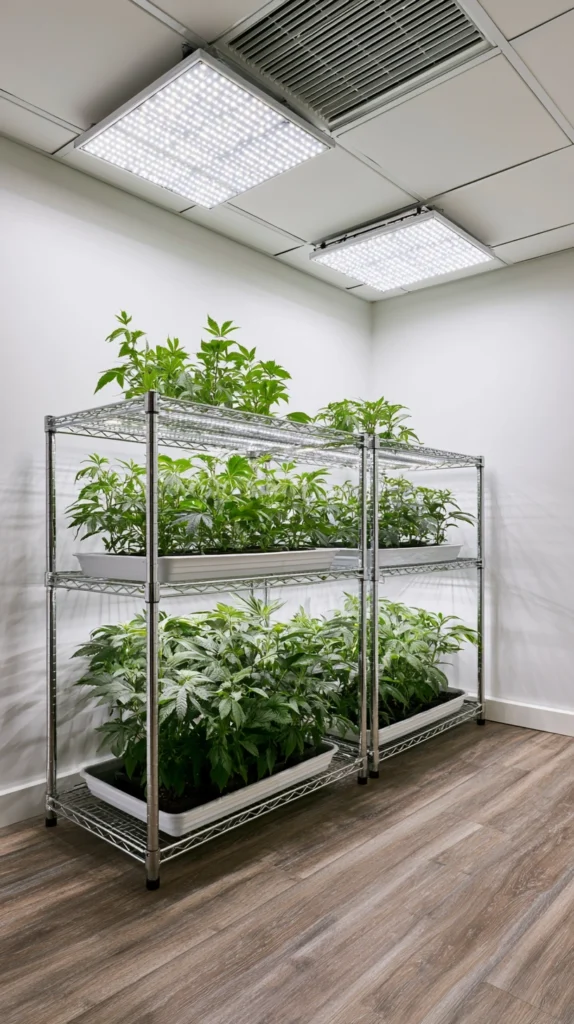
A windowless basement room converted entirely to artificial light and controlled climate, independent of any natural light source.
Why a basement can outperform a sunny room
A basement holds a stable temperature and humidity level year-round, without the swings a window-facing room experiences between summer heat and winter cold.
The lighting
Full-spectrum LED panels mounted overhead, sized generously since no natural light supplements them at all.
The climate control
A small dehumidifier or humidifier, depending on the basement’s natural moisture level, paired with a thermostat-controlled heater if the space runs cold.
The shelving
Multi-tier wire shelving, positioned to maximize the number of plants under the available light coverage.
The water management
A nearby floor drain or a large catch tray system, since basements are the easiest rooms in a home to manage water spills without damage.
The air circulation
A small oscillating fan, since basements often have little natural airflow and stagnant air increases the risk of fungal issues.
Cost breakdown: LED grow light panels (4–6): $200–500 Humidifier or dehumidifier: $80–200 Shelving units: $100–200 Small fan: $20–40 Total: $400–940
6. The Tropical Jungle Room

A room densely planted with large-leafed tropical species, designed to feel like a small indoor jungle rather than a curated display.
Why density is the design choice here
Tropical plants naturally grow close together in the wild, sharing humidity and filtered light. A densely planted room recreates that condition and benefits the plants as much as the aesthetic.
The plant selection
Large-leafed specimens — monstera, bird of paradise, banana plant, philodendron — chosen for volume and visual density rather than variety for its own sake.
The layering
Tall plants at the back, medium plants filling the middle, trailing plants at floor and shelf edges, so every layer of the room holds greenery.
The humidity
A humidifier running continuously, since tropical density depends on consistently high moisture, more than most single-plant setups require.
The color palette
Walls in a deep, muted tone — olive, terracotta, or charcoal — so the greens read as vivid rather than competing with a bright wall color.
The lighting
Warm, filtered light rather than harsh direct sun, mimicking the dappled canopy light most large tropical species prefer.
Cost breakdown: Large tropical plants (4–6): $150–400 Humidifier: $60–150 Paint (if repainting): $40–70 Total: $250–620
7. The Succulent and Cactus Sun Room
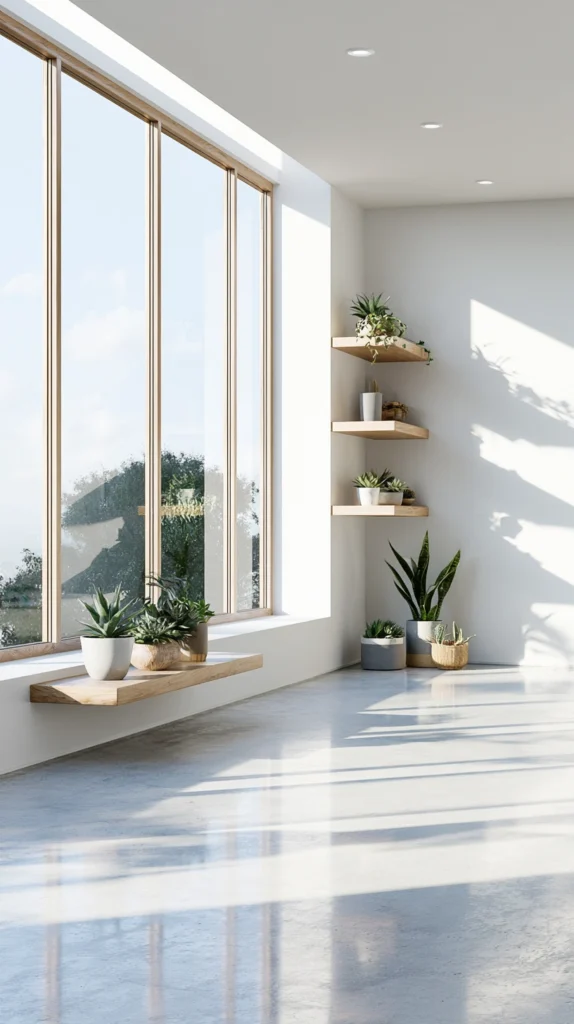
A bright, dry room dedicated entirely to succulents and cacti, built around maximum light and minimal humidity rather than the tropical model.
Why succulents need a different room entirely
Succulents and cacti thrive in conditions that would stress tropical plants — bright, direct light and low humidity. Mixing the two plant types in one room compromises both.
The light
The brightest room or window in the home, ideally south-facing, since most succulents and cacti need at least four hours of direct sun daily.
The humidity
Deliberately kept low — no humidifier in this room, and good ventilation to prevent moisture buildup.
The containers
Unglazed terracotta pots, which wick moisture away from the roots faster than glazed ceramic or plastic.
The soil surface
A top layer of gravel or coarse sand on each pot, both for drainage and for a cohesive desert-garden look across the room.
The arrangement
Grouped by size and shape for visual rhythm — tall columnar cacti as focal points, low rosette succulents filling in around them.
Cost breakdown: Succulents and cacti (assorted): $50–150 Terracotta pots: $40–100 Gravel topper: $15–30 Total: $105–280
8. The Plant Propagation Room
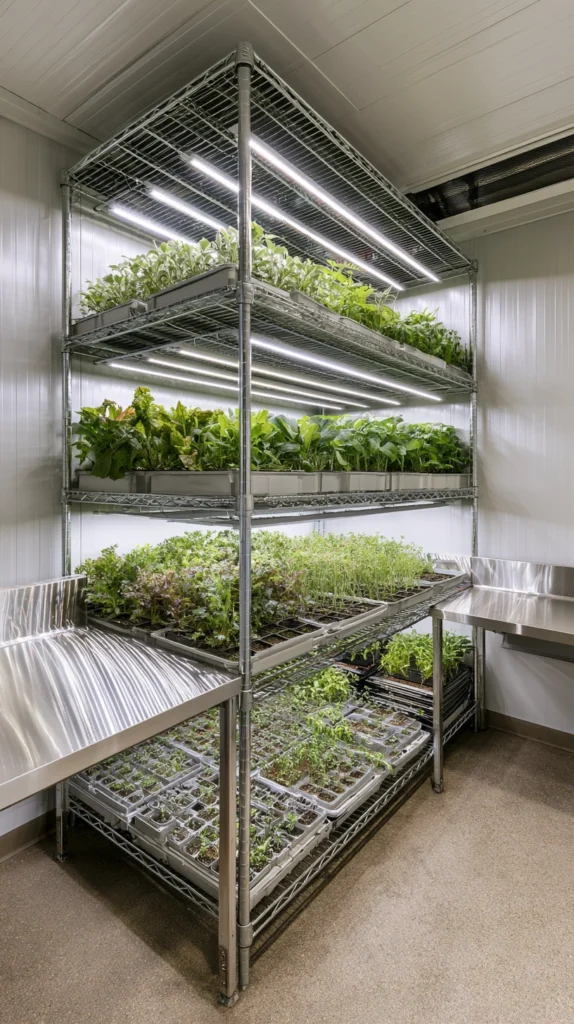
A room dedicated specifically to propagating cuttings and starting seeds, rather than displaying mature plants — the working greenhouse room behind the decorative ones.
Why a dedicated propagation space matters
Cuttings and seedlings need different conditions than mature plants — more consistent humidity, more direct light, and closer daily attention — conditions easier to maintain in one small room than scattered throughout a home.
The shelving
Wire shelving with grow lights mounted directly above each tier, close enough to prevent seedlings from stretching toward the light.
The propagation stations
Clear plastic containers or a small humidity dome over trays of cuttings, maintaining the high moisture young roots need.
The heat mat
A seedling heat mat beneath trays, since bottom warmth speeds germination and root development significantly.
The water source
A small sink or a large water jug kept in the room, since propagation requires frequent watering in small amounts.
The graduation system
A clear physical zone — one shelf, one table — for plants that have rooted and are ready to move to the main display room, keeping the propagation space from becoming permanently cluttered.
Cost breakdown: Wire shelving and grow lights: $100–220 Propagation trays and domes: $30–60 Heat mat: $20–40 Total: $150–320
9. The Skylight Plant Room
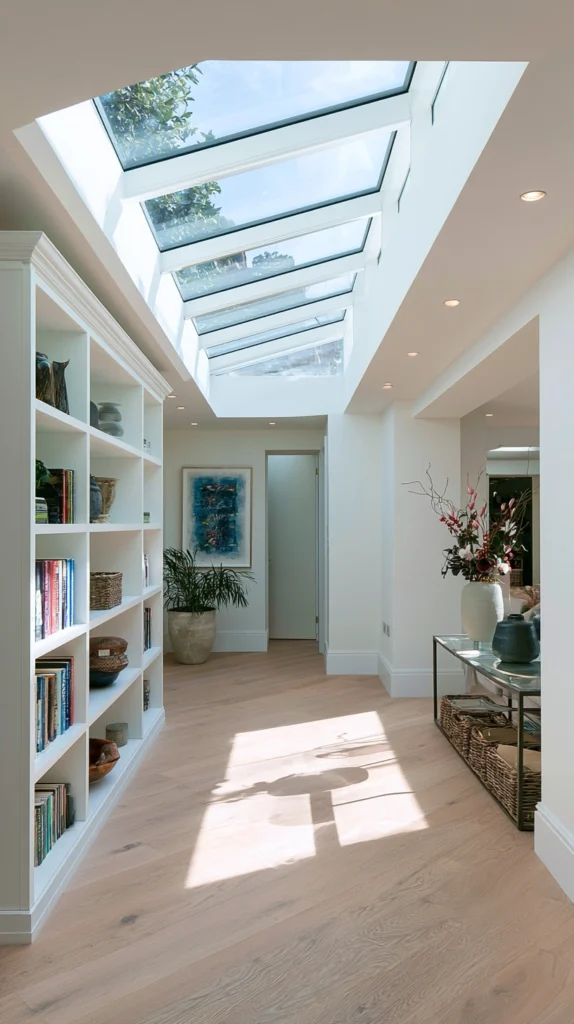
A room with one or more skylights added or already present, using overhead light rather than window light as the primary source for plants below.
Why overhead light suits certain plants better
Overhead light more closely mimics the way sunlight actually reaches plants outdoors, and it reaches every plant in the room evenly, rather than favoring only those closest to a wall of windows.
The skylight
An existing skylight, or a new one added during a renovation, positioned above the room’s main growing area.
The plant placement
Directly beneath the skylight for the plants with the highest light needs, radiating outward to lower-light species toward the room’s edges.
The heat management
A skylight can create a hot spot directly beneath it on sunny days — a shade cloth or diffusing film may be needed for plants sensitive to intense midday sun.
The furniture
Kept low and minimal directly under the skylight, so the light reaches the plants rather than being blocked by furniture.
The evening light
A single warm pendant light for evening use, positioned off to the side rather than directly competing with the skylight’s daytime role.
Cost breakdown: Existing skylight: $0 Or new skylight installation: $1,500–3,000 Shade cloth or diffusing film: $20–40 Pendant light: $40–90 Total: $60–3,130 depending on skylight status
10. The Bathroom Plant Room Conversion

A large or underused bathroom converted into a humid plant sanctuary, using the room’s naturally high moisture from showers and baths.
Why a bathroom is an underrated plant room
Bathrooms already run humid from regular use, especially with a shower — a resource most other rooms in a home require a machine to create artificially.
The plant selection
Humidity-loving species — ferns, calathea, orchids, pothos — that thrive on the moisture level a bathroom naturally provides.
The light
A bathroom with a window performs best; a windowless bathroom needs a grow light bulb in the existing fixture, chosen specifically for plant growth.
The placement
Plants positioned away from direct water spray but within the general humid zone of the room, on a shelf, windowsill, or hanging planter.
The drainage
A tray beneath any pot without built-in drainage, since bathroom flooring is typically more water-tolerant than carpet or wood elsewhere in the home.
Cost breakdown: Plants (humidity-loving, assorted): $40–100 Grow light bulb (if needed): $15–30 Drainage trays: $15–25 Total: $70–155
11. The Orchid Room

A room dedicated specifically to orchids, built around the particular light, humidity, and airflow this plant family requires rather than general houseplant care.
Why orchids benefit from a dedicated space
Orchids are frequently grown alongside plants with very different needs, which compromises both. A dedicated room lets their specific requirements — bright indirect light, high humidity, and strong airflow — be met precisely.
The light
Bright, indirect light, either from a sheer-curtained window or from grow lights positioned to avoid direct, leaf-burning exposure.
The humidity
A humidity tray beneath every pot — a shallow tray of pebbles and water, keeping the pot itself above the waterline — is the standard, low-cost solution for orchid rooms.
The airflow
A small fan running continuously on low, since stagnant air around orchid roots significantly increases the risk of rot.
The potting
Most orchids grown in clear plastic pots with bark or moss rather than soil, allowing roots to photosynthesize and making overwatering easier to spot visually.
The display
Orchids at varying heights on a tiered stand, since their blooms are best appreciated at or near eye level.
Cost breakdown: Orchids (assorted): $60–150 Humidity trays: $20–40 Small fan: $20–40 Tiered stand: $40–80 Total: $140–310
12. The Vertical Living Wall Room

A room featuring a full vertical planted wall as its central feature, maximizing plant density without using floor space.
Why a living wall solves a space problem
A room too small for extensive floor-based plant collections can still hold dozens of plants by building upward instead of outward.
The wall system
A modular living wall panel system, or a simpler DIY version using pocket planters mounted to a wood-backed frame.
Irrigation matters more here than in any other setup — a wall-mounted drip system or a manual watering routine planned in advance, since vertical planting drains and dries differently than a potted plant on a shelf.
The plant selection
Smaller, shallow-rooted species — pothos, ferns, small succulents on a dry wall — chosen for the limited soil depth a wall system provides.
The lighting
A grow light positioned to wash evenly across the wall’s full height, since a single point-source light will leave the top or bottom underlit.
The floor beneath
A water-resistant surface or a drip tray running the length of the wall, catching any runoff from watering.
Cost breakdown: Living wall panel system: $150–400 Plants for the wall: $60–150 Grow light: $60–120 Drip tray or flooring protection: $30–60 Total: $300–730
13. The Plant Room With a Water Feature
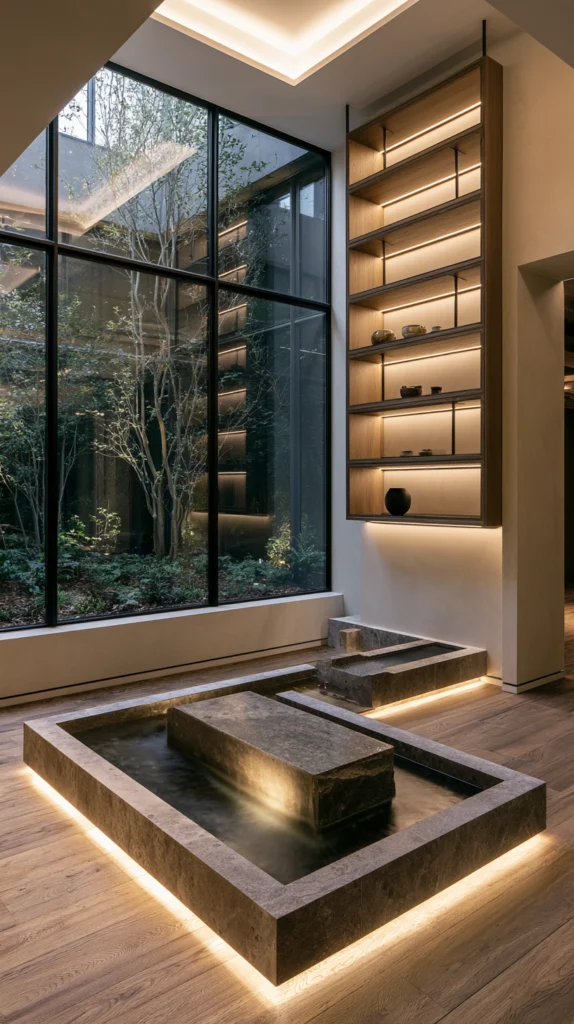
An indoor plant room built around a small fountain or water feature, combining the humidity benefit of moving water with the visual and acoustic calm it provides.
Why water and plants belong in the same room
A small fountain raises ambient humidity in its immediate area, benefiting nearby plants, while adding a sound that most people find calming in a way stillness alone does not.
The water feature
A small tabletop or floor fountain, sized to the room rather than overpowering it.
The placement
Central to the room, or against a wall the plants are arranged around, so both the water and the greenery share the same visual focus.
The nearby plants
Humidity-loving species positioned closest to the fountain, benefiting most directly from the raised moisture in that immediate area.
The maintenance
A fountain requires regular water changes and occasional cleaning to prevent algae — a small but real addition to the room’s overall upkeep.
The lighting
Soft, warm lighting that catches the movement of the water, rather than harsh overhead light that flattens the effect.
Cost breakdown: Small fountain: $60–200 Additional humidity-loving plants: $40–100 Total: $100–300
14. The Plant Library and Study Room

A room combining bookshelves and a plant collection, positioning greenery as part of a working or reading space rather than a separate destination.
Why books and plants pair naturally
Both soften a room in a similar way, and a shelf of books interspersed with trailing plants reads as considered rather than cluttered.
The shelving
Existing or new bookshelves, with select shelves left partially empty for plants rather than filled edge to edge with books.
The plant selection
Trailing species — pothos, string of pearls, ivy — positioned on upper shelves where their growth can spill downward along the shelf face.
Smaller upright plants on lower shelves, at a scale that does not compete with desk or reading materials.
The desk or reading chair
Positioned to face into the room, with the plant-and-book shelving as the primary visual backdrop.
The lighting
A desk lamp for task lighting, plus a grow light bulb in one fixture if the shelving sits away from a window.
Cost breakdown: Trailing and upright plants (5–6): $60–150 Grow light bulb: $10–20 Total: $70–170
15. The Complete Indoor Greenhouse Room (The Fully Designed Plant Sanctuary)

A room built entirely around plants as its organizing purpose — light, humidity, shelving, seating, and styling all working together as a single designed environment.
What separates the complete room from a room with plants in it
A room with plants: incidental. A complete indoor greenhouse room: intentional. The difference is whether the light, moisture, and layout were planned around what the plants need, or whether the plants were simply placed wherever space allowed.
The elements of the complete indoor greenhouse room
The light
Natural light from the room’s best window or skylight, supplemented with grow lights for any area that falls short.
The humidity
A dedicated humidifier, sized to the room and running on a consistent schedule, plus grouped plants that raise ambient moisture on their own.
The shelving
Tiered plant stands or wall-mounted shelving, arranged so taller plants never block light from shorter ones.
The flooring
Water-resistant flooring or protective trays under every shelf, planned in advance rather than added after the first spill.
The seating
At least one chair, so the room functions as a place to be, not only a place to store plants.
The air circulation
A small fan running on low, reducing the risk of fungal issues in a humid, densely planted space.
The finishing layer
A watering can, pruning shears, and a small caddy of plant food kept visibly in the room, so care happens in the room rather than requiring a trip elsewhere.
The complete design in action
A Sunday morning in February:
9am: The humidifier already running, the room noticeably more humid than the hallway leading into it.
9:15am: The grow lights, on their timer, still on from the early morning cycle.
9:30am: Watering can in hand, moving shelf to shelf — the whole collection tended in one stop rather than a house-wide circuit.
10am: Coffee in the single chair, surrounded by more green than the rest of the house holds combined.
The complete indoor greenhouse room: not a spare room that happens to hold plants, but a room built because of them.
Cost breakdown for the complete room: Assuming a starting point of an empty spare room: Grow lights (3–4 fixtures): $120–300 Humidifier: $60–150 Shelving units (2–3): $80–180 Flooring protection: $30–60 Seating (existing or new): $0–300 Small fan: $20–40 Plants (assorted, 10–15): $150–400 Total: $460–1,430
Phased over two or three seasons:
Season one ($150–350): Basic shelving A humidifier A first collection of plants
Season two ($150–350): Grow lights Flooring protection Seating
Season three ($150–400): Additional plants and larger specimens A water feature or living wall element Upgraded lighting or an added skylight
The indoor greenhouse room: not a weekend project but a plant collection built with intention over time.
The Question Before Any Indoor Greenhouse Room Design
Before choosing a room, a light source, a plant collection:
What is the primary reason for wanting a dedicated plant room?
If the answer is: saving struggling tropical plants — the converted sunroom or the tropical jungle room is the answer.
If the answer is: no naturally sunny room available — the spare bedroom grow room or the basement grow room.
If the answer is: a specific plant family — the orchid room or the succulent and cactus sun room.
If the answer is: combining plants with daily life — the plant library, the window-wall reading room, or the bathroom conversion.
The design follows the plants and the room already available. Every idea on this list serves a different combination of light, humidity, and space. The question is which combination fits this home and this collection.
The single humidity tray in the right spot: still helps. The complete room, designed with intention: a genuinely thriving collection, all year.
That thriving: the whole point of the room.
Getting Started This Weekend
The immediate indoor greenhouse room solution:
Choose the room with the most natural light already, even if imperfect.
Not the largest room. Not the emptiest one. The one already closest to what plants need.
Move the struggling plants there first.
The ones stressed on a dim windowsill elsewhere in the house — the ones with the most to gain from the move.
Add one humidifier and one grow light.
The two tools that do the most work for the least cost, before any shelving or furniture is added.
Water everything on the same day, in the same room, from now on.
The rest of the design: the elaboration of this moment.
The room: the beginning. The indoor greenhouse: what grows inside it.