14 NYC Backyard & Rooftop Garden Ideas That Feel Like an Escape
New York City gardens occupy a category of domestic outdoor space so specific, so spatially constrained, and so genuinely extraordinary in the quality of escape they can provide from the surrounding urban environment that they deserve their own design philosophy — one entirely distinct from the suburban backyard tradition, the rural garden ideal, and every other outdoor living model developed in conditions of greater spatial generosity and lesser urban intensity than the five boroughs of New York can offer.
The New York garden — whether it occupies a narrow Brooklyn brownstone backyard, a West Village townhouse courtyard, a Hell’s Kitchen fire escape planter, or the rooftop of a Lower East Side apartment building with a view that makes every other garden view in the world feel slightly inadequate — is always, when designed with genuine intelligence and genuine creative ambition, more than the sum of its square footage.
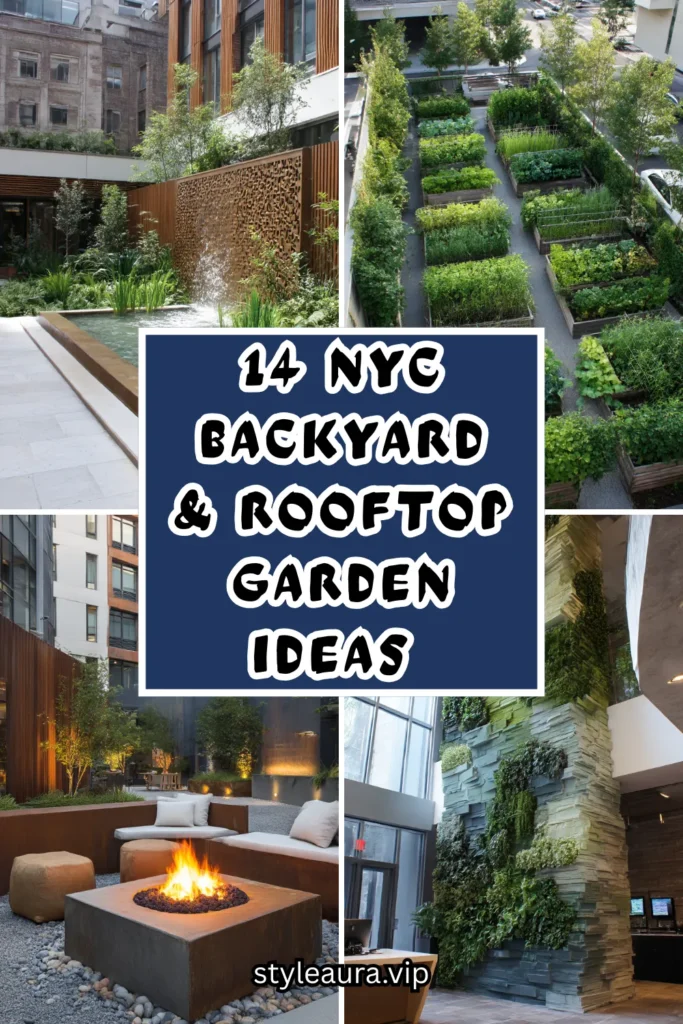
It is an escape. A genuinely, completely, and often miraculously effective escape from the noise, the density, the relentless stimulation, and the occasionally overwhelming intensity of the most extraordinary city in the world. Here are 14 NYC backyard and rooftop garden ideas that feel like a genuine escape — and that prove, for the thousandth time, that New York always finds a way.
1. Create Vertical Gardens to Maximize Every Available Wall
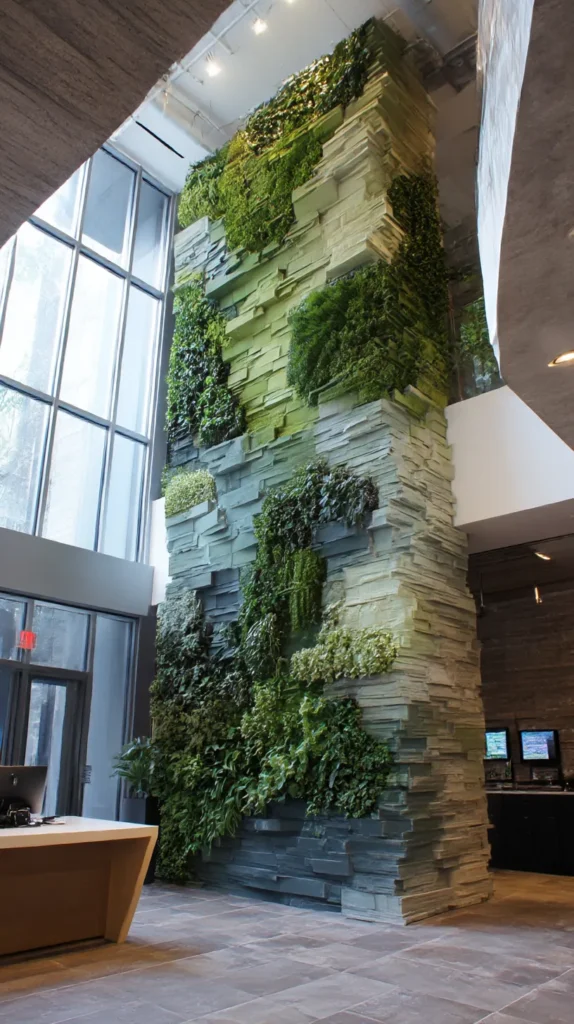
The NYC garden’s most fundamental spatial challenge — the relationship between the outdoor space’s limited floor area and the much greater extent of its vertical surfaces — is also its most exciting design opportunity, and the vertical garden is the intervention that most completely and most creatively resolves the tension between spatial limitation and botanical ambition.
A wall-mounted modular planting system covering the full extent of a backyard’s rear wall or a rooftop’s perimeter parapet creates a living green surface of extraordinary botanical richness from floor or parapet height to the maximum extent the structure and the light conditions will support.
Grow a combination of trailing, cascading, and upright species in the vertical system for maximum textural variety and maximum botanical impact — the trailing pothos and the cascading nasturtium alongside the upright fern and the compact herb — and the vertical garden transforms the garden’s most underutilised surface into its most extraordinary feature.
2. Install a Pergola or Overhead Structure for Shade and Enclosure
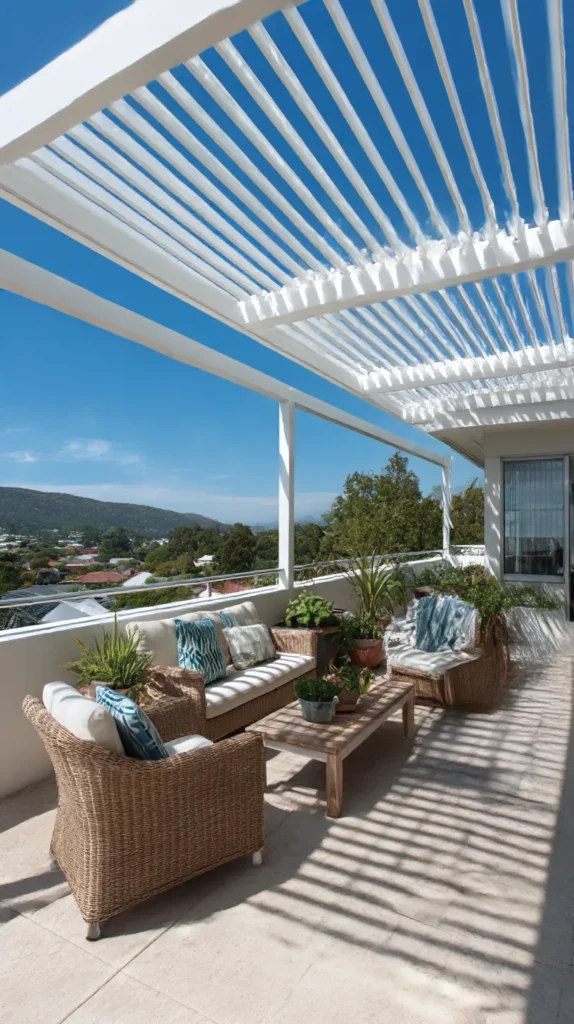
The overhead structure is the NYC garden’s most powerful spatial transformation tool — the single addition that most completely changes the character of an outdoor space from an exposed, uncovered area open to the sky and the surrounding urban environment to a genuinely room-like, genuinely enclosed, and genuinely protected outdoor sanctuary of complete residential character.
A timber pergola of appropriate scale, installed within the backyard’s available footprint or anchored to the rooftop’s structural elements with proper engineering approval, creates an overhead framework for climbing plants, string lights, shade sail fabric, or solid roof panels that gives the garden its most important spatial quality — the quality of being somewhere defined, protected, and specifically designed for human inhabitation rather than simply a portion of the building’s exterior.
Train wisteria, climbing roses, or jasmine over the pergola structure for the most botanically extraordinary and the most atmospherically fragrant overhead canopy available in any NYC garden.
3. Design a Rooftop Oasis with Lightweight Containers
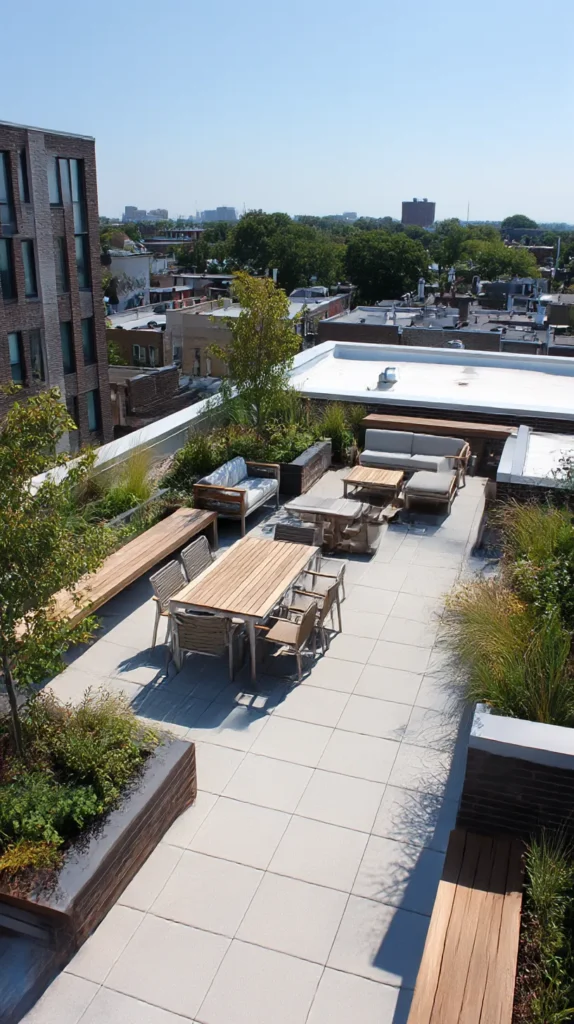
The rooftop garden’s specific structural constraints — the load-bearing limitations of the roof membrane that sit beneath every rooftop planting decision and that make the selection of planting medium, container material, and plant species a matter not merely of horticultural preference but of genuine structural engineering responsibility — demand a design approach of considerable technical intelligence alongside considerable botanical ambition.
Choose lightweight fiberglass or high-density polyethylene containers that provide the visual quality of stone, terracotta, or timber at a fraction of the structural weight, fill them with a lightweight growing medium specifically formulated for rooftop applications, and select plant species of compact habit and genuine wind tolerance that will thrive in the specific microclimate of the rooftop environment.
The rooftop container garden designed with genuine structural intelligence and genuine botanical knowledge creates a garden of extraordinary beauty and extraordinary structural safety simultaneously.
4. Use Sound to Create Acoustic Escape from Urban Noise
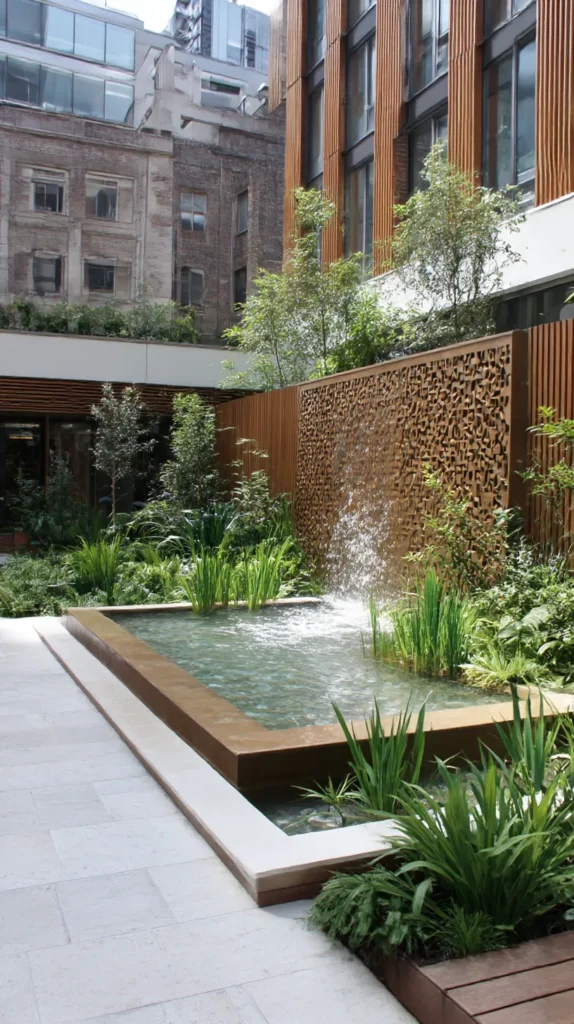
The NYC garden’s most challenging environmental condition — the specific, persistent, omnidirectional acoustic environment of the urban density that surrounds it — is also one of the most creatively addressable through the deliberate introduction of sound sources of sufficient volume and sufficient beauty to compete with and ultimately to mask the urban acoustic backdrop.
A water feature of appropriate scale and appropriate output — a wall fountain whose cascade creates a continuous white noise of sufficient amplitude to override the traffic sounds beyond the garden’s boundary, or a freestanding fountain of tiered basins whose multiple cascade points create a rich, complex water music of considerable acoustic power — transforms the garden’s sound environment from the city’s into its own.
Supplement the water feature with wind chimes of appropriate tone for the wind speeds typical of the rooftop or backyard environment, and the acoustic escape the garden provides becomes as complete and as genuinely effective as any visual or botanical intervention.
5. Plant a Privacy Screen of Tall, Wind-Tolerant Grasses
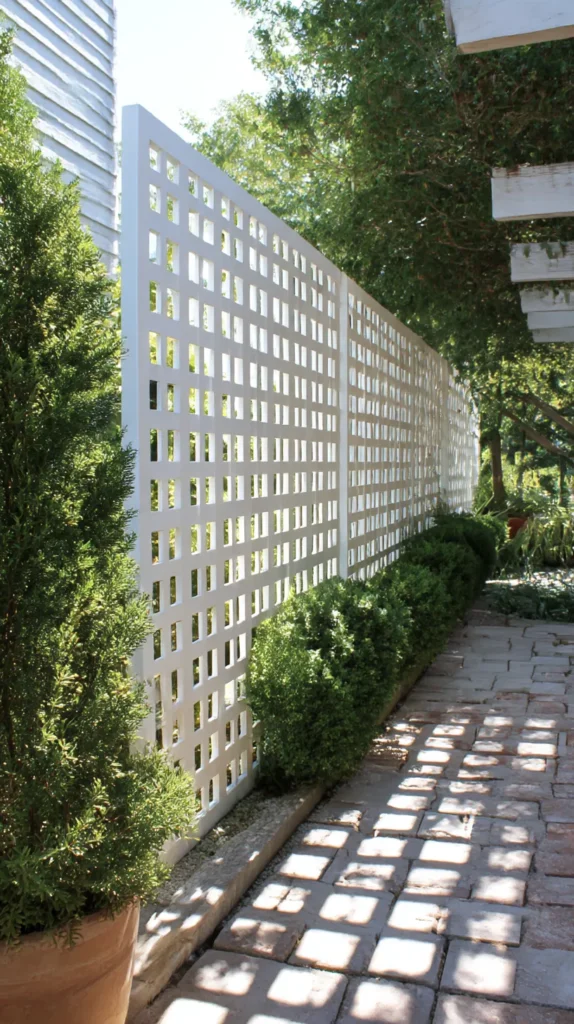
The privacy of a NYC garden — its separation from the overlooking windows, the adjacent rooftops, the fire escape landings, and the various other urban vantage points from which the unscreened outdoor space can be observed by neighbors who are simply going about their own daily lives but whose presence nonetheless compromises the essential quality of private outdoor sanctuary — is the garden design challenge that most directly and most immediately determines the quality of escape the outdoor space can provide.
Plant a screen of tall, wind-tolerant ornamental grasses — Miscanthus sinensis, Pennisetum alopecuroides, or the native Panicum virgatum in the compact varieties most appropriate for container cultivation — along the garden’s most exposed boundaries for a living privacy screen of extraordinary movement, extraordinary sound, and extraordinary seasonal beauty that softens the urban boundary with complete botanical grace.
6. Install a Cityscape-Facing Seating Area
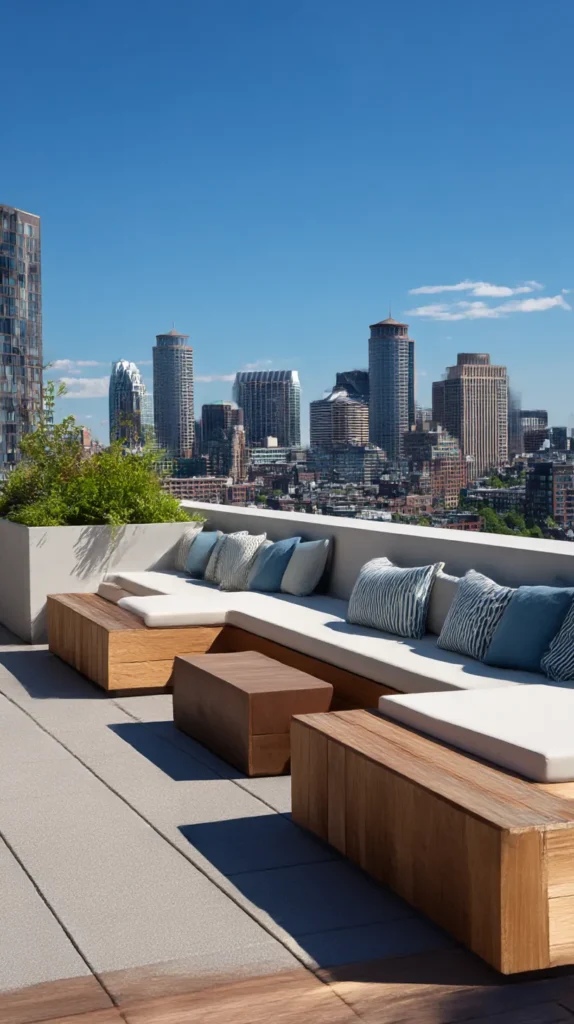
The NYC rooftop garden possesses one advantage of such extraordinary and such completely irreplaceable quality that no other garden environment in the world can approach it — the view. The Manhattan skyline at sunset from a Lower East Side rooftop. The Brooklyn Bridge and the East River from a DUMBO terrace. The Empire State Building framed between the water towers of a Chelsea building’s rooftop garden.
These are views of such genuine, dramatic, completely extraordinary urban beauty that the garden’s primary design responsibility becomes not the creation of a botanical environment that competes with or distracts from the view, but the creation of a seating arrangement, a framing device, and an atmospheric environment that allows the view to be experienced with complete comfort, complete intimacy, and complete appreciation of the extraordinary privilege of possessing it. Face the seating toward the city’s most beautiful sightline and allow New York itself to be the garden’s most extraordinary feature.
7. Create a Herb and Edible Garden for Urban Self-Sufficiency
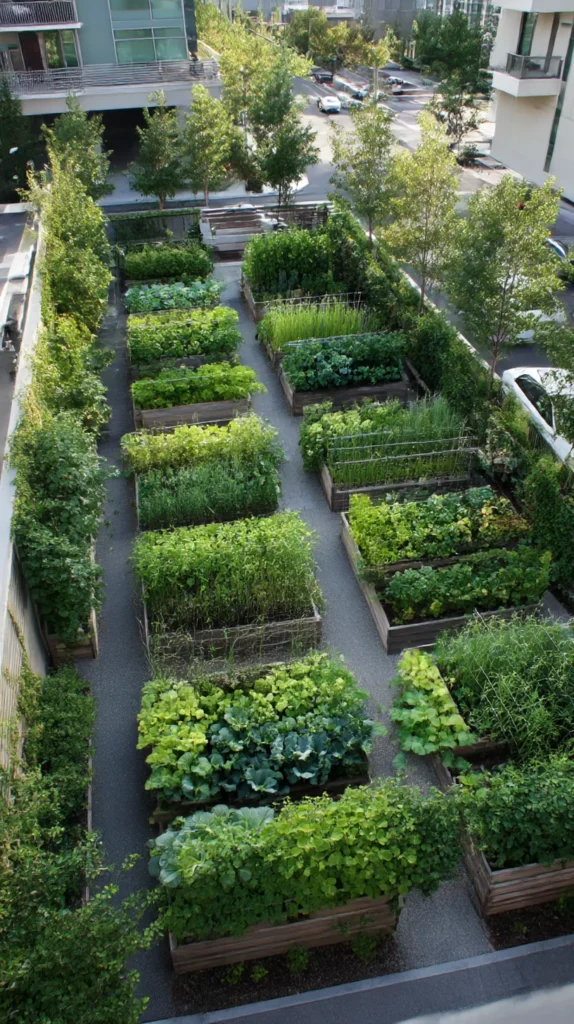
A productive herb and edible garden within the NYC backyard or rooftop space creates a quality of genuine domestic satisfaction and genuine daily connection to the growing cycle that the urban environment otherwise makes almost completely unavailable — the specific pleasure of cutting fresh basil for the evening’s pasta from a plant grown on the fire escape, of harvesting cherry tomatoes warm from the vine on the Brooklyn rooftop, or of snipping chives from the kitchen garden container on the West Village terrace minutes before they reach the plate.
Container-grown tomatoes, herbs, salad leaves, and edible flowers perform well in the specific conditions of the NYC outdoor space — the high light levels of an exposed rooftop, the reflected warmth of the surrounding masonry, and the relatively protected microclimate of the sheltered backyard all creating growing conditions of surprising productivity and surprising botanical generosity.
8. Design a Meditation Corner for Urban Decompression
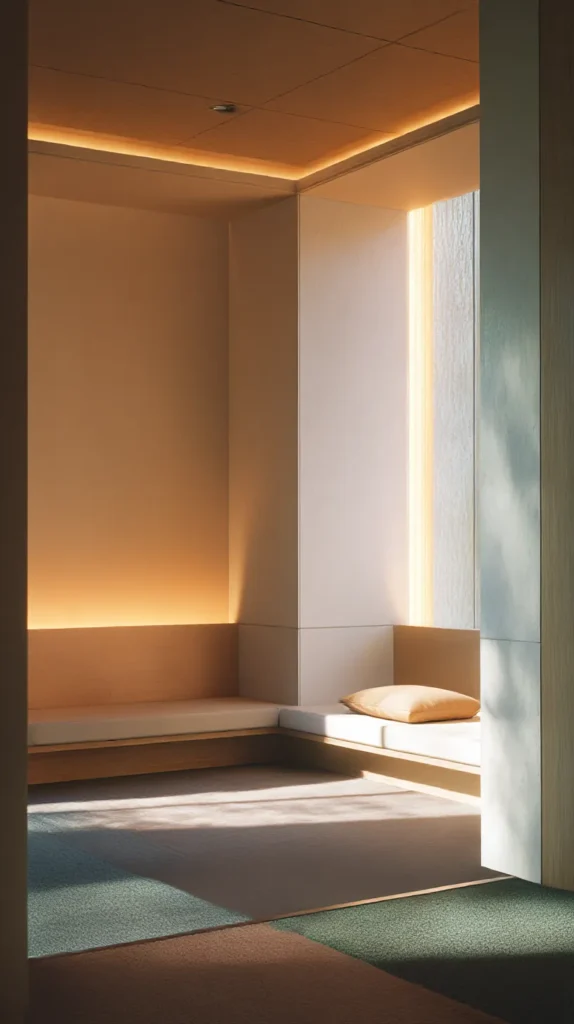
The meditation corner — a defined, intimate, specifically designed zone within the garden given over entirely to the specific practice of stillness, of breathing, and of the deliberate decompression from the accumulated stimulation of New York urban life that the garden exists to facilitate — is the NYC outdoor space element of most direct and most immediately measurable restorative value.
A single, beautifully designed outdoor seat of appropriate comfort and appropriate material quality, positioned at the garden’s most sheltered and most botanically rich point. A small water feature at close range for the acoustic privacy and the meditative focus that moving water provides.
A surrounding planting of fragrant, calming species — lavender, chamomile, rosemary, and night-scented jasmine — that engages the olfactory sense with a gentleness and a specificity that the urban environment’s olfactory register never provides. The meditation corner is the garden’s quietest and its most genuinely extraordinary room.
9. Use String Lights and Atmospheric Lighting for Nighttime Magic
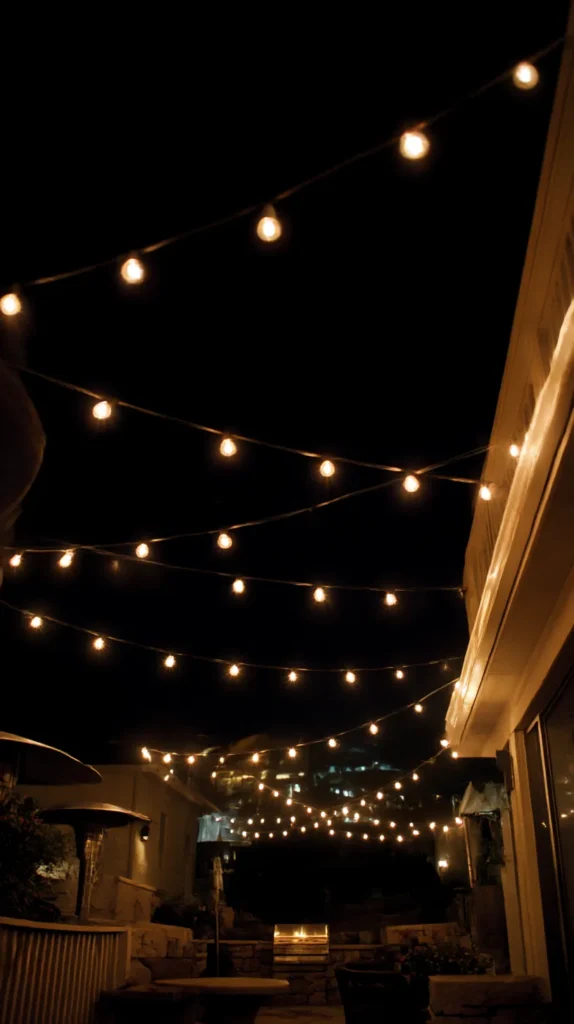
The NYC garden after dark — the rooftop at night with the city’s light washing the sky to a warm, amber-tinged darkness that no rural garden ever experiences, the backyard illuminated by the warm pools of string lights overhead while the surrounding buildings glow with a thousand inhabited windows — possesses a specific, completely urban, completely extraordinary quality of nighttime magic that no other garden environment in the world can replicate.
Warm Edison bulb string lights hung in generous runs from the pergola structure or between anchor points at the garden’s perimeter create an overhead canopy of warm, festive, deeply residential light that transforms the rooftop or backyard from an outdoor area into a genuinely magical outdoor room of complete atmospheric beauty. Supplemented with hurricane lanterns, solar stake lights along the garden path, and uplights at the base of the most beautiful container plants for a layered nighttime garden of extraordinary atmospheric depth.
10. Install an Outdoor Shower for Summer Rooftop Living
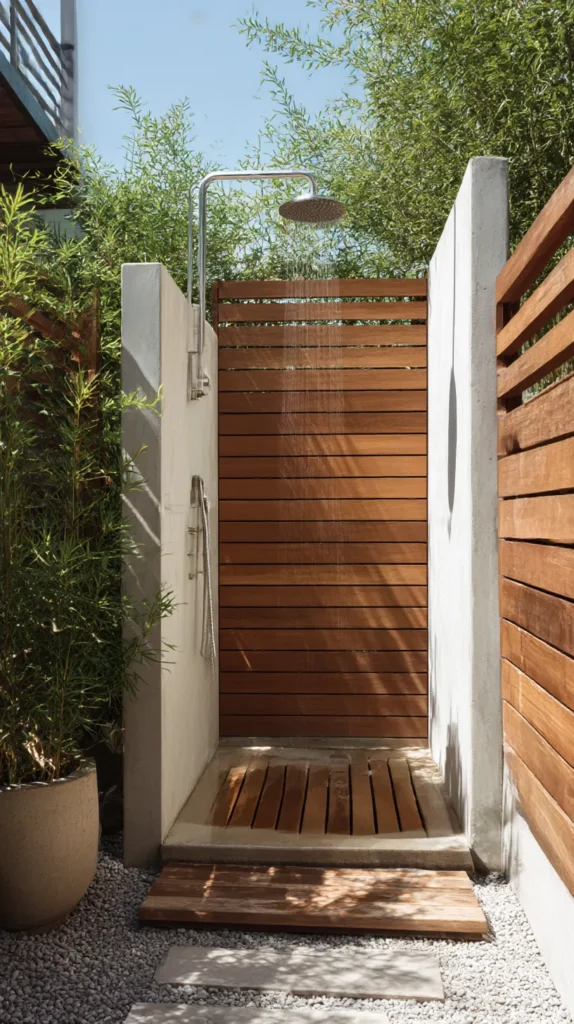
An outdoor shower on a NYC rooftop — installed with proper plumbing connection and proper drainage, enclosed by a simple privacy screen of slatted timber or planted bamboo, and designed with the same aesthetic intelligence and the same material quality applied to the finest interior bathroom — creates a rooftop living amenity of such complete, sensory, and genuinely urban summer luxury that it transforms the roof into something approaching a private resort destination of complete self-sufficiency and complete outdoor living ambition.
The outdoor shower on a Manhattan rooftop, with the city’s skyline visible above the privacy screen and the summer sun warming the water before it reaches the skin, is the most genuinely, completely, and unreservedly extraordinary domestic outdoor experience available in New York City.
11. Create a Fire Feature for Year-Round Outdoor Use
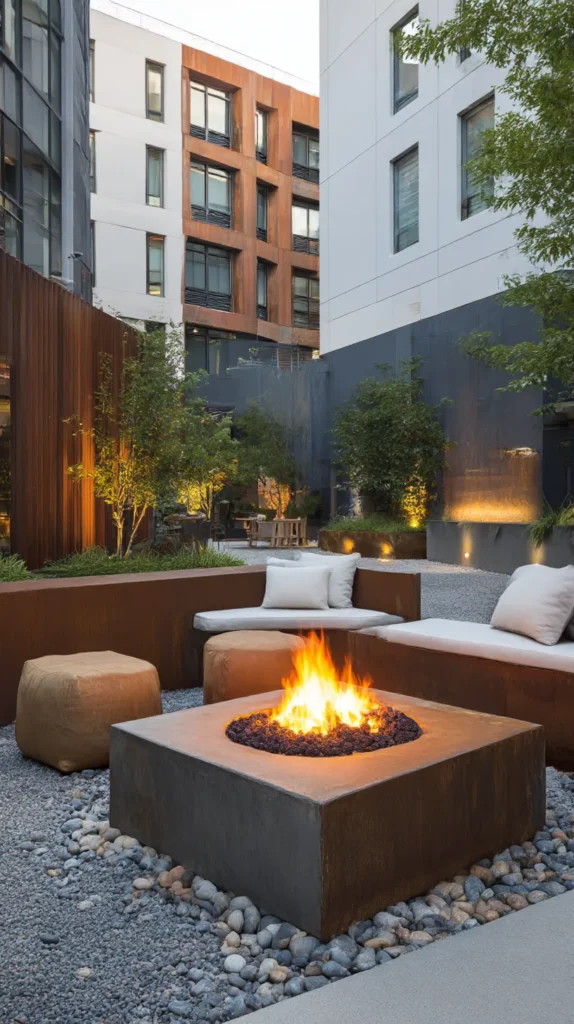
A fire feature — a compact, bioethanol-burning table fire bowl, a small gas fire pit of appropriate rooftop safety specification, or a contained wood-burning fire basket within the backyard’s sheltered boundary — extends the NYC garden’s outdoor season through the cooler months of spring and autumn and into the mild evenings of the New York winter with a warmth, an atmosphere, and a social magnetism that no purely decorative garden element can generate with comparable power or comparable immediacy.
Fire on a Brooklyn rooftop on an October evening, with the Manhattan skyline glowing across the East River and the first chill of autumn in the air, is the specific, extraordinary, completely NYC outdoor experience that no other garden in the world can produce — and that makes the investment in the fire feature the most atmospherically rewarding decision in the entire rooftop garden design.
12. Design a Children’s Garden Escape
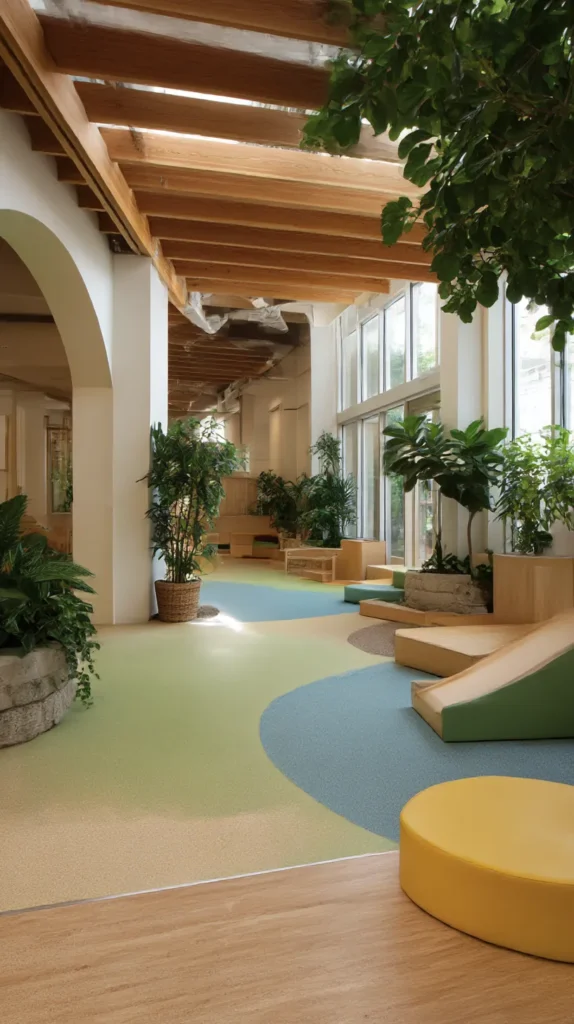
A children’s garden zone within the NYC backyard — a space designed specifically for the play, the exploration, and the genuine outdoor freedom that the urban child’s daily life so rarely provides — is the garden design decision of most direct and most genuinely transformative impact on the quality of the family’s urban domestic life.
A small raised bed for the child’s own kitchen garden. A compact water play feature that provides the sensory richness of outdoor water play within the constraints of the urban garden space.
A reading nook of child-scaled seating surrounded by the most beautiful and the most botanically engaging planting the garden can accommodate. A small lawn of artificial grass — the genuine lawn being unavailable in most NYC gardens — for the physical freedom of a surface that the child can move across without restriction. The children’s garden is the NYC backyard’s most generous and most practically loving spatial investment.
13. Use Reflective Surfaces to Expand the Space Visually
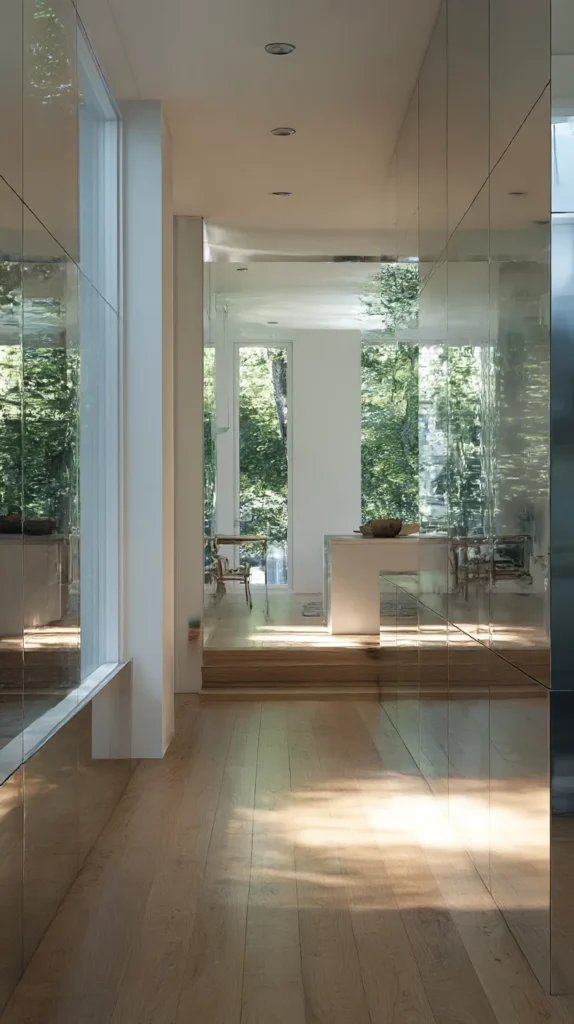
The spatial intelligence of the NYC garden includes the same toolkit of visual expansion techniques that the small interior applies to its compact rooms — the mirror, the reflective surface, and the visual device that creates the impression of greater depth, greater width, and greater spatial generosity than the physical boundaries of the space would independently allow.
Large outdoor mirrors — in weather-resistant frames of stainless steel, powder-coated aluminum, or treated timber — mounted on the garden’s boundary walls reflect the planting, the sky, the city view, and the garden’s own spatial depth back into the space with a visual doubling effect of considerable power and considerable spatial intelligence. A water feature with a still, reflective pool surface performs the same spatial expansion function through the specific, extraordinarily beautiful medium of water reflection.
14. Make the Garden the Greatest Room in Your New York Home
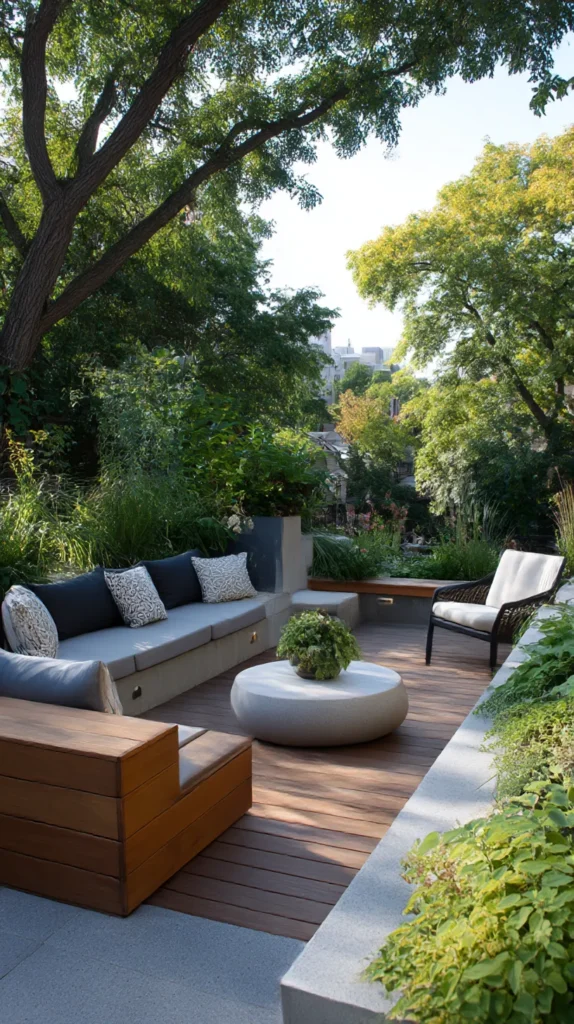
The final and most important NYC backyard and rooftop garden idea is also the most simple, the most ambitious, and the most completely true — the idea that the outdoor space, however small, however constrained by structural limitation and urban exposure and the specific spatial mathematics of New York real estate, is capable of being the greatest room in the home. Not merely the best outdoor area.
Not merely the most pleasant place to sit on a summer evening. The greatest room — the room that provides the escape, the restoration, the beauty, and the specific quality of genuine, breathing, open-sky spatial freedom that no interior room, however beautifully designed, can provide.
Design it with that ambition completely, inhabit it with that understanding daily, and the NYC garden you create will be not merely a backyard or a rooftop but what every New Yorker who has ever stood in a beautiful outdoor space above the city’s roofline has known it to be — the most extraordinary room in the most extraordinary city in the world.
The NYC backyard and rooftop garden designed with genuine spatial intelligence, genuine botanical ambition, and genuine love for the extraordinary city it rises above is one of the most remarkable and most genuinely moving domestic outdoor environments available anywhere in the world.
It escapes the city while remaining completely, irreducibly, and magnificently of it — and in that specific, paradoxical, completely New York quality of simultaneous belonging and escape, it achieves something that no suburban garden, no rural retreat, and no other outdoor space on earth can quite replicate or fully understand.