13 Pollinator Garden Ideas That Are Beautiful and Purposeful
Pollinator gardens represent the ultimate purposeful design investment where intentionally cultivated spaces establish the kind of distinctive gardens celebrating ecological responsibility and genuine environmental stewardship.
These thoughtfully planned installations prove that sustainable gardening deserves serious aesthetic consideration, instead establishing spaces where quality plant selection, thoughtful design, and comprehensive styling create the kind of genuinely beautiful gardens delivering authentic pollinator support while maintaining refined landscape aesthetics.
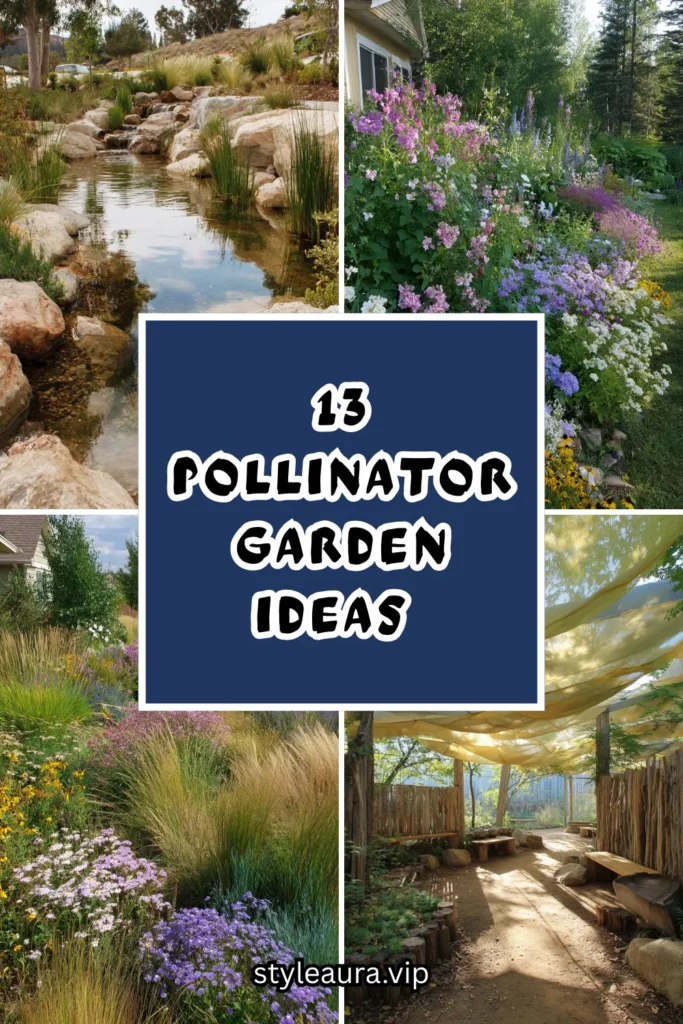
Strategic pollinator design incorporating native plant selections ensuring authentic ecosystem support, thoughtful spatial planning enabling diverse species, and comprehensive styling creating intentional presentations establishes the kind of distinctive gardens that genuinely support environmental health while remaining visually beautiful gathering destinations.
Understanding which plants support specific pollinators, how to create diverse habitat supporting thriving ecosystems, and what constitutes quality sustainable design ensuring lasting impact ensures garden investments deliver substantial environmental satisfaction and genuine aesthetic value.
These thirteen pollinator garden ideas demonstrate practical approaches from foundational species selection through comprehensive garden integration, each proving that thoughtfully designed ecological gardens create the kind of distinctive, purposeful character worth substantial creative investment.
1. Native Wildflower Meadow Creating Natural Abundance
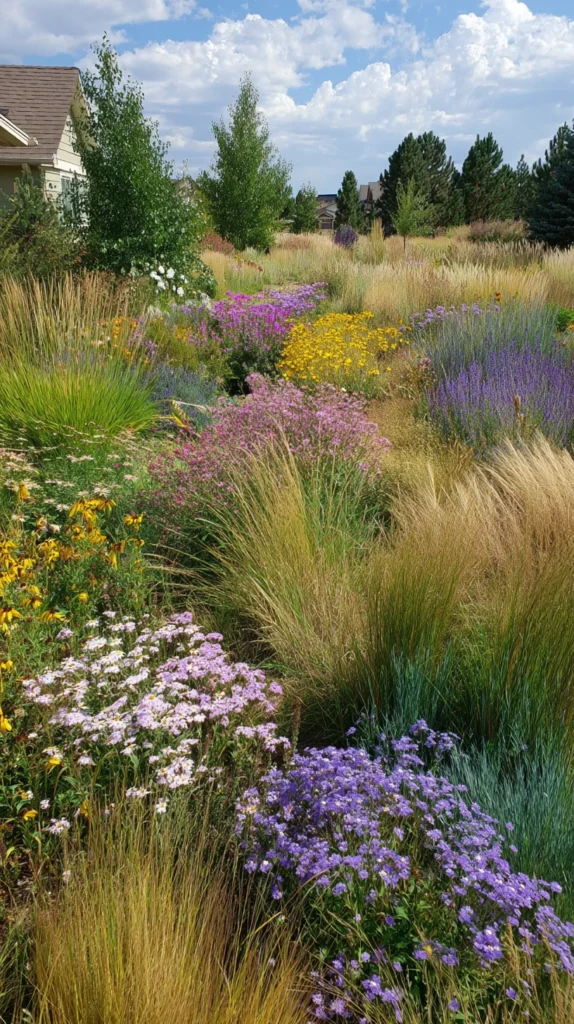
Establish immediate ecological presence through quality plant selection. Cultivate native wildflower collections supporting diverse pollinators, position prominently, becoming clear botanical focal points, and appreciate how authentic species prevent ornamental coldness. The wildflower meadow provides habitat. The native selection supports ecosystems. The diverse plantings prevent monoculture coldness. The distinctive installation elevates the garden.
2. Tiered Planting Heights Creating Habitat Diversity
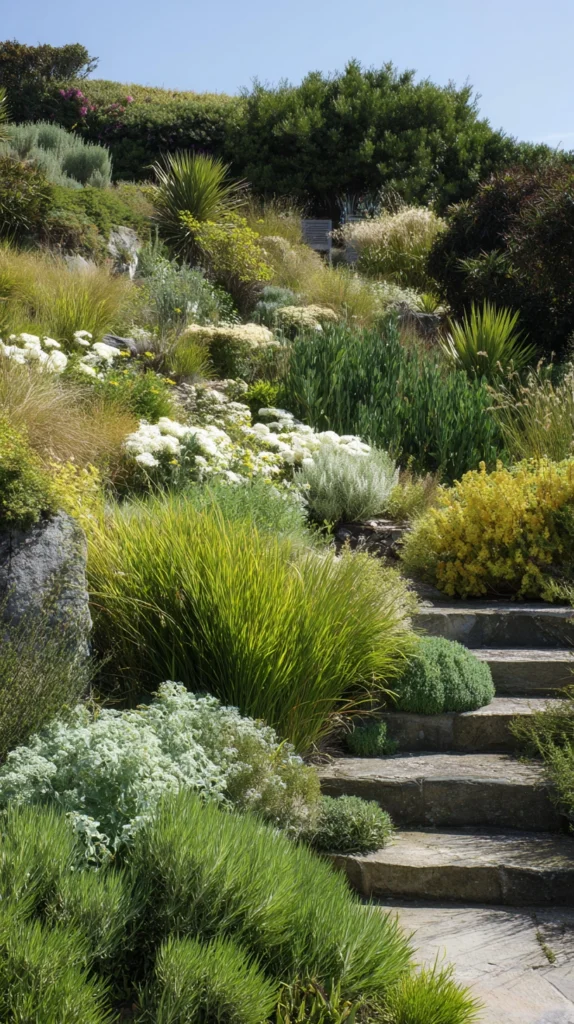
Introduce spatial richness through varied elevation positioning. Plant tall species providing a backdrop, mid-height varieties offering structure, low-growing specimens creating a foundation, and create layered arrangements preventing flat monotony. The tiered arrangement creates richness. The varied heights support diverse species. The layered approach prevents sameness. The sophisticated design elevates the garden.
3. Water Feature Integration: Creating Essential Support
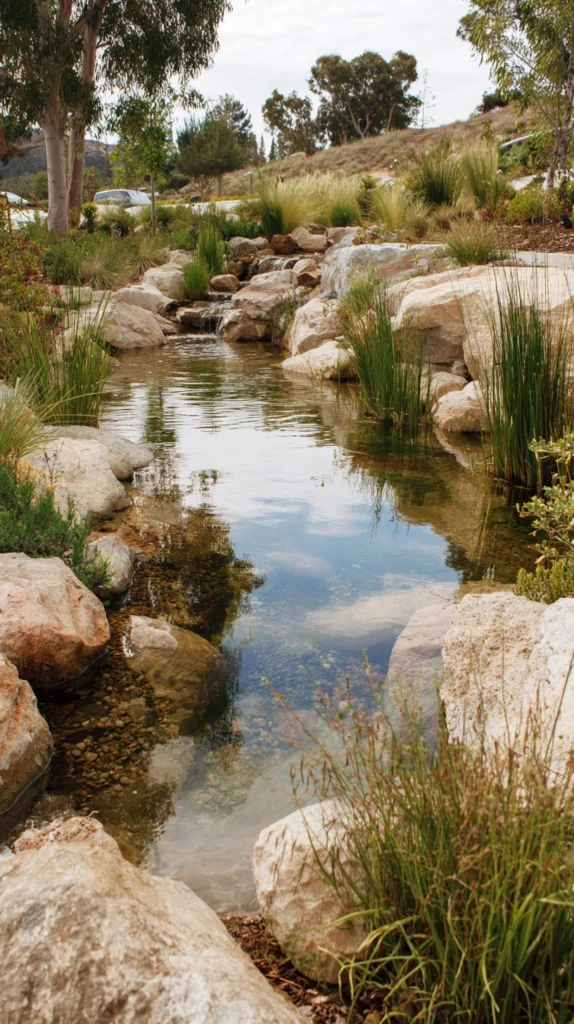
Develop multifunctional design through quality installation. Include shallow water sources supporting pollinator hydration, position strategically enabling safe access, and appreciate how water elements prevent purely botanical coldness. The water feature provides a function. The shallow design supports accessibility. The positioning prevents drowning risk. The refined element elevates the garden.
4. Native Shrub Integration Creating Structural Beauty
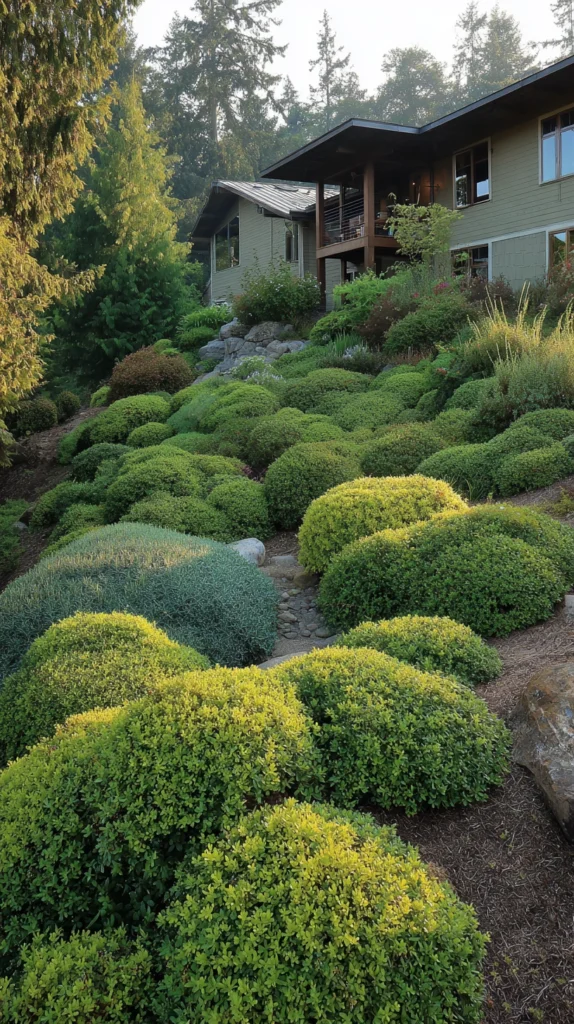
Incorporate foundational elements through quality plantings. Select substantial native shrubs providing shelter and food sources, position prominently as clear design features, and appreciate how native selection supports authentic ecosystems. The shrub integration provides structure. The native selection supports pollinators. The substantial plantings prevent sparse coldness. The distinctive feature elevates the garden.
5. Flowering Tree Selection Creating Canopy Support
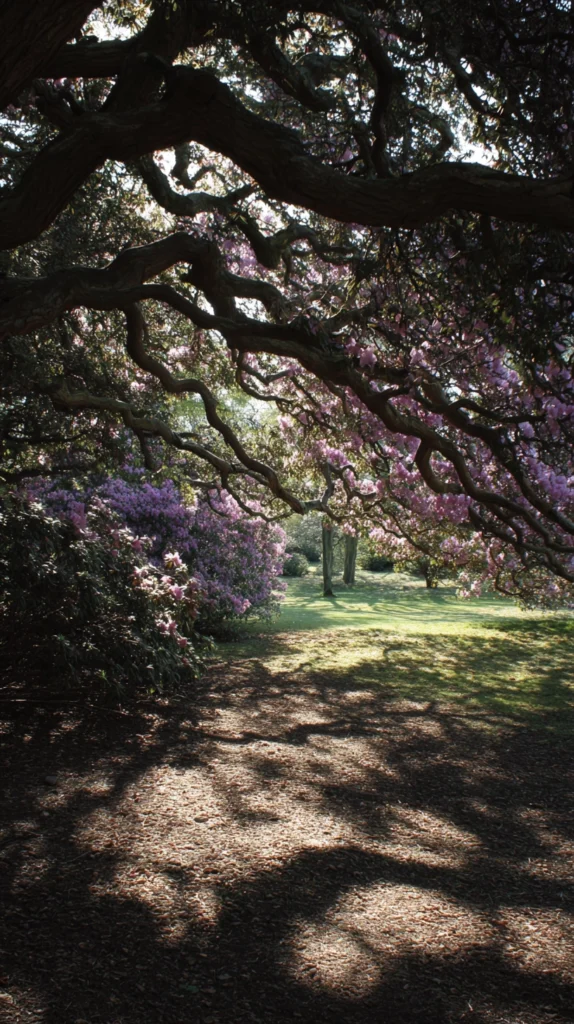
Establish an impressive presence through quality plantings. Cultivate native flowering trees providing abundant nectar and pollen, position prominently as clear focal points, and appreciate how substantial specimens support pollinator populations. The flowering tree provides habitat. The abundant blooms prevent supply gaps. The impressive presence elevates the garden. The distinctive feature supports ecosystems.
6. Extended Bloom Time Planning Creating Sustained Support
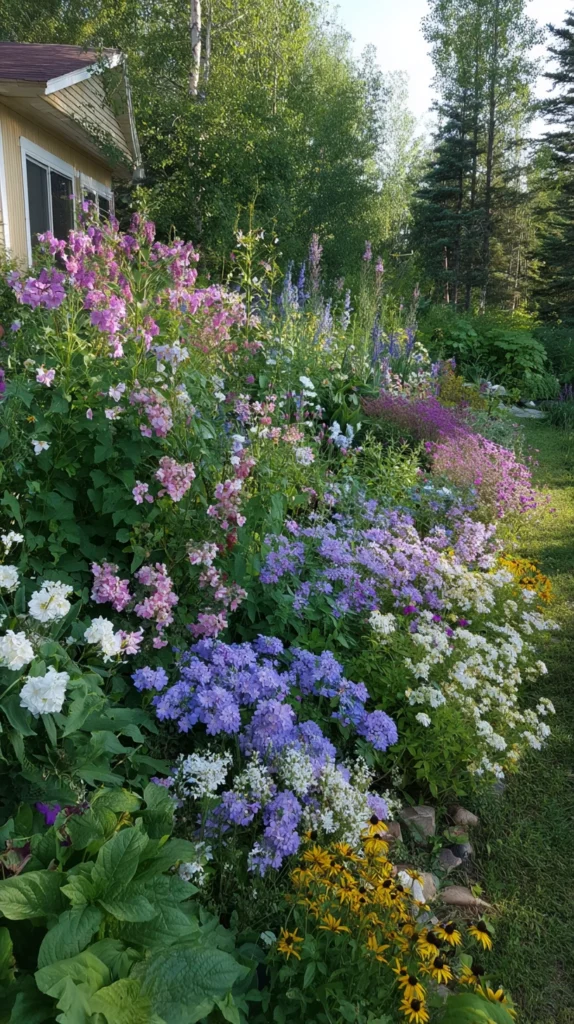
Introduce strategic sustainability through coordinated plantings. Select species with varied bloom periods, ensuring year-round availability, coordinate plantings to prevent supply gaps, and appreciate how sustained flowering prevents seasonal abandonment. The bloom coordination provides consistent support. The extended timeline prevents gaps. The strategic planning communicates knowledge. The organized approach elevates the garden.
7. Pesticide-Free Garden Creating a Safe Environment
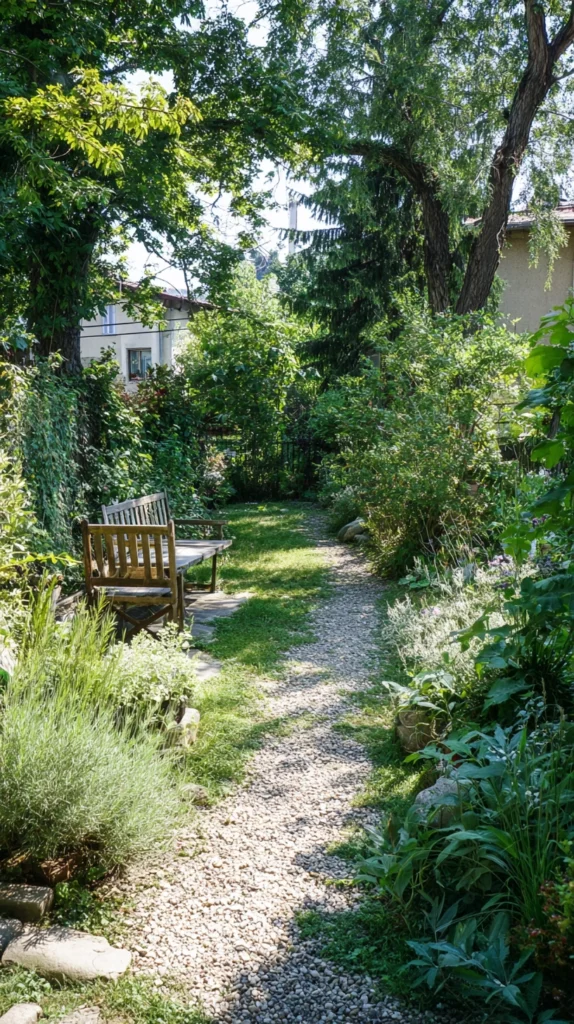
Develop sustainable practice through intentional restraint. Maintain completely pesticide-free gardens, preventing pollinator harm, support natural pest management, and appreciate how a chemical-free approach prevents toxic coldness. The pesticide-free space provides safety. The natural management prevents harm. The sustainable approach communicates values. The responsible practice elevates the garden.
8. Pollinator-Specific Plant Selection Creating Targeted Support
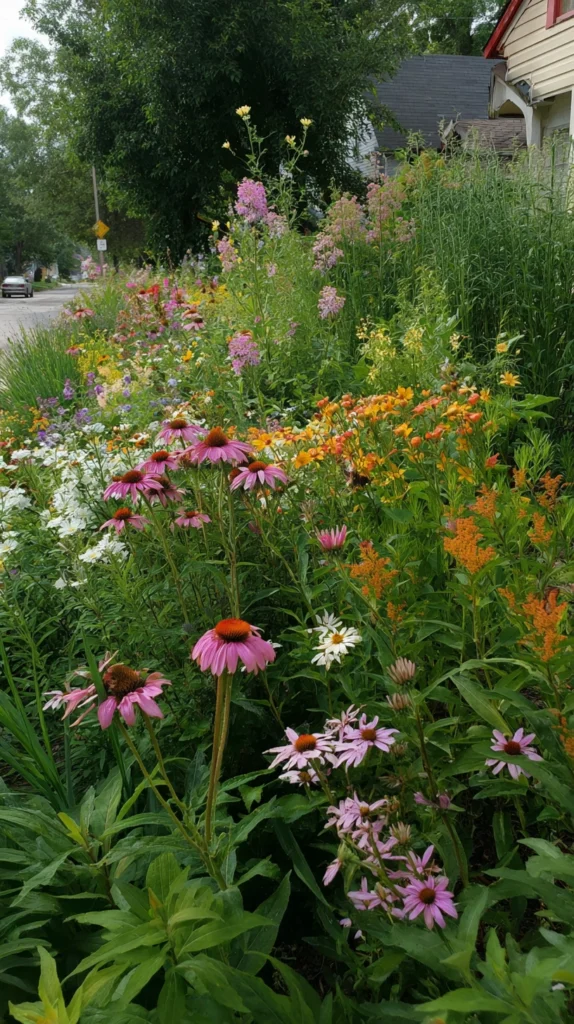
Incorporate specialized varieties through knowledgeable curation. Select plants supporting specific pollinators like bees, butterflies, and hummingbirds, position thoughtfully supporting varied species, and appreciate how diverse selection prevents limited support. The specialized selection supports diversity. The targeted approach demonstrates knowledge. The purposeful curation prevents generic coldness. The distinctive installation elevates garden.
9. Shelter Integration Creating Safe Haven
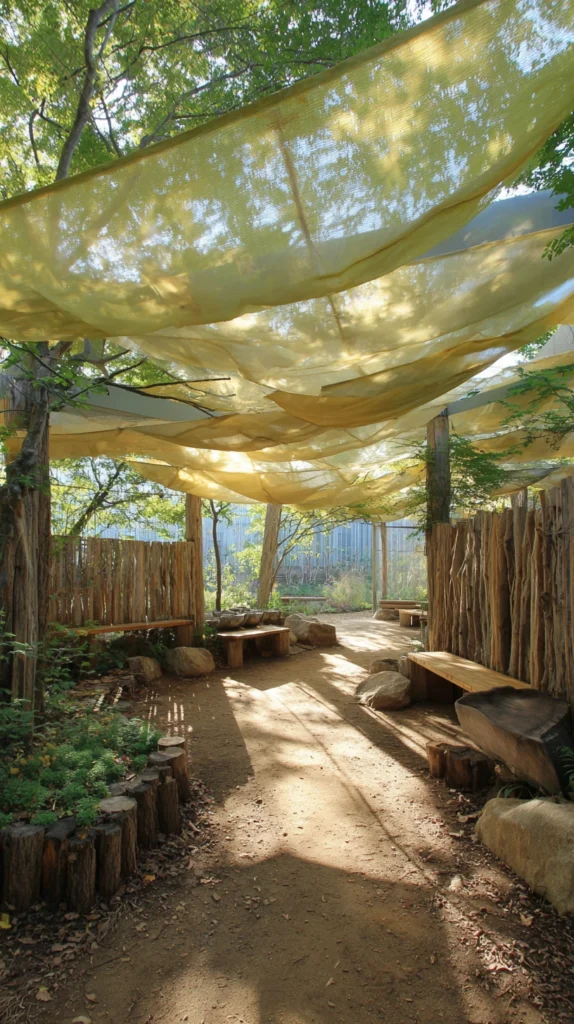
Introduce protective elements through quality design. Provide shelter through native plants, deadwood, or purpose-built structures, position strategically supporting rest and nesting, and create destinations preventing exposed coldness. The shelter provides function. The protected space prevents predation. The purposeful design supports wellness. The refined feature elevates garden.
10. Seed Head Preservation Creating Food Source
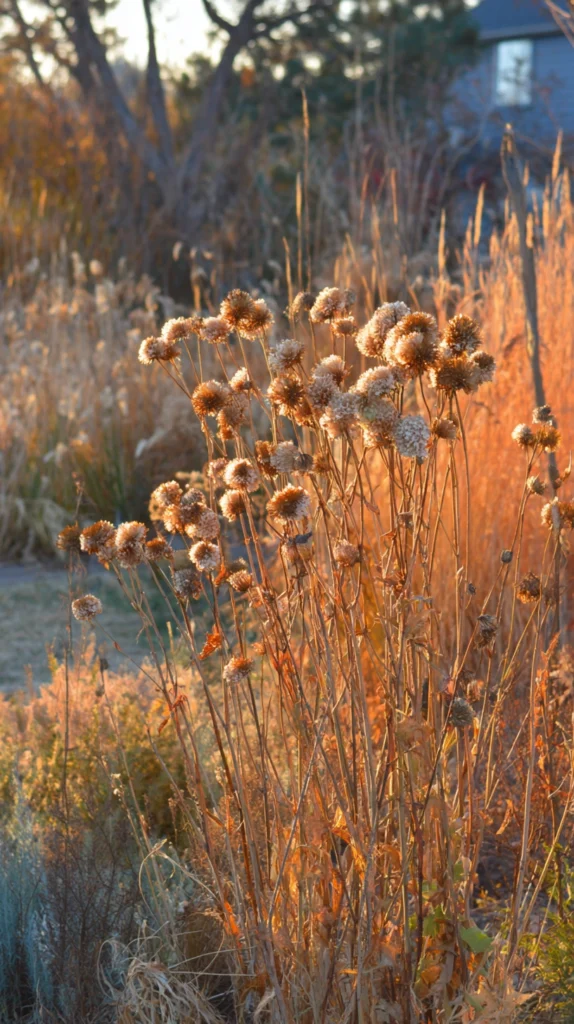
Develop sustainable design through minimal intervention. Allow plants to establish seed heads supporting food sources, resist deadheading and fall cleanup preventing food loss, and appreciate how natural processes prevent manicured coldness. The seed heads provide nutrition. The preserved approach supports ecosystems. The natural appearance prevents overly refined coldness. The authentic design elevates garden.
11. Diversity Emphasis Creating Ecosystem Richness
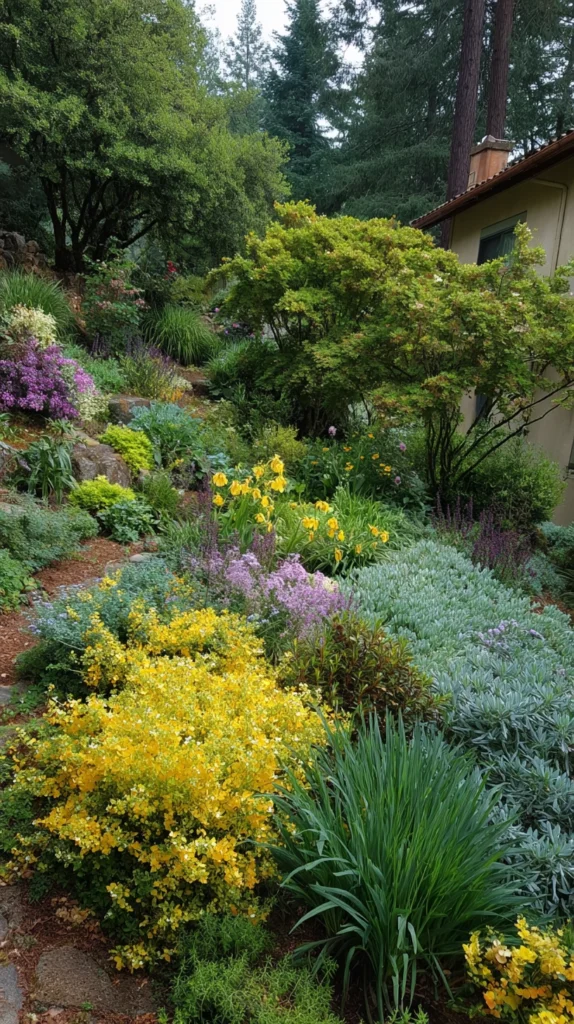
Establish complex support through varied plantings. Cultivate diverse species preventing monoculture, select complementary plants supporting varied pollinators, and appreciate how abundant diversity prevents limited support coldness. The diversity provides complexity. The varied species prevent predictability. The complementary approach prevents gaps. The sophisticated design elevates garden.
12. Organic Matter Integration Creating Soil Health
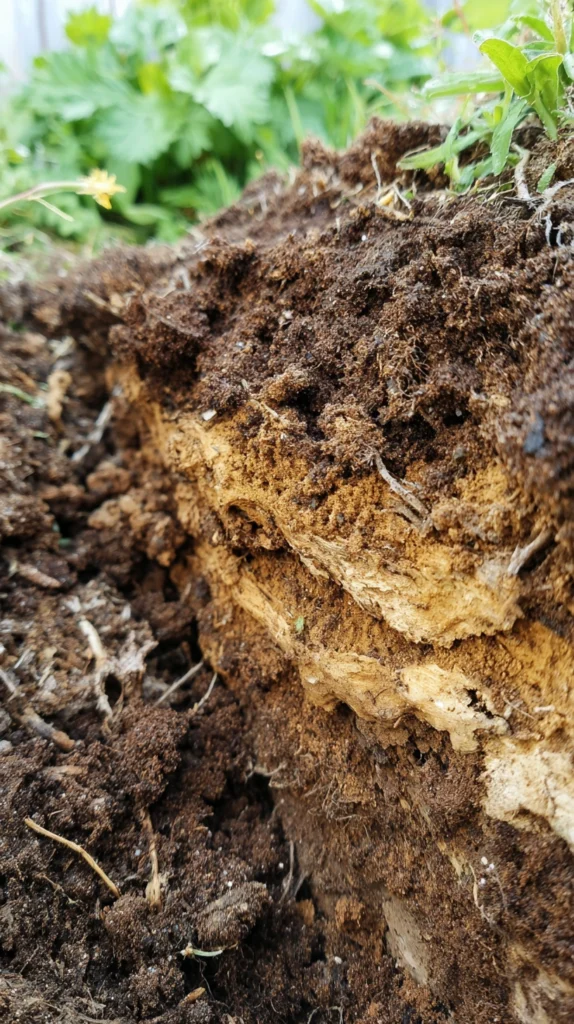
Develop foundational support through quality infrastructure. Incorporate compost and organic materials supporting soil ecosystem, position thoughtfully supporting plant health, and appreciate how healthy soil prevents nutrient coldness. The organic matter provides nutrition. The soil health supports plant vitality. The quality approach prevents chemical dependence. The sustainable practice elevates garden.
13. Comprehensive Pollinator Garden Creating a Complete Ecosystem
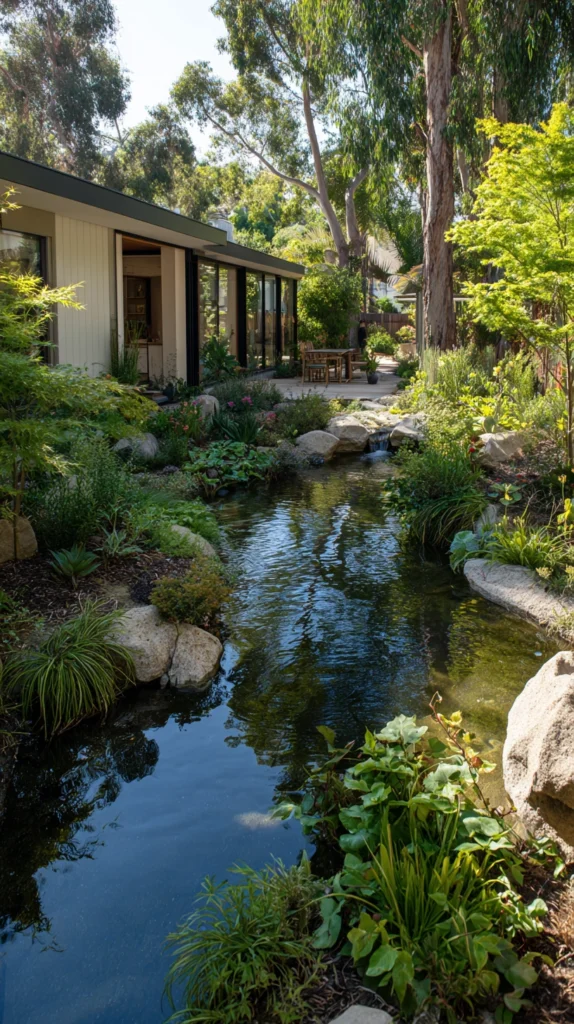
Design ultimate purposeful spaces through intentional, comprehensive planning. Combine wildflower meadows, tiered plantings, water features, native shrubs, flowering trees, bloom coordination, pesticide-free practice, specialized species, shelter, seed heads, diversity emphasis, organic matter.
And complete ecological curation, creating completely supportive pollinator gardens, maintain visual consistency throughout design, and appreciate how a comprehensive approach creates genuinely impactful ecological spaces.
The complete coordination creates an impression. The unified design communicates investment. The comprehensive approach demonstrates knowledge. The cohesive garden prevents disconnected coldness.
Successfully creating pollinator gardens requires native plant selections ensuring authentic ecosystem support, thoughtful spatial planning enabling diverse species, and comprehensive styling creating intentional presentations. Choose native species supporting local ecosystems. Organize diverse plantings supporting varied pollinators. Incorporate water and shelter supporting wellness.
Maintain sustainable practices, preventing harm. Support ecosystem health consistently. Most importantly, recognize that genuine pollinator gardens succeed through intentional, comprehensive design, with native plantings and ecological planning.
And sustainable practice combines, creating the kind of distinctive gardens that genuinely support environmental health, proving that pollinator gardens deserve serious design investment, establishing that thoughtfully designed ecological gardens create the kind of purposeful character that transcends purely ornamental coldness, demonstrating that when executed with native species, diverse plantings.
With comprehensive ecosystem support, pollinator gardens become transformative environmental features, establishing the kind of distinctive ecological character that genuinely improves biodiversity, creating the kind of beautiful, purposeful spaces that become cherished conservation destinations worthy of substantial creative investment, establishing gardens.
It authentically celebrates environmental responsibility and genuine ecological stewardship, enabling the kind of accessible ecological impact that genuinely improves quality of life through beautiful, purposeful pollinator garden design, supporting sustained biodiversity and authentic environmental contribution.