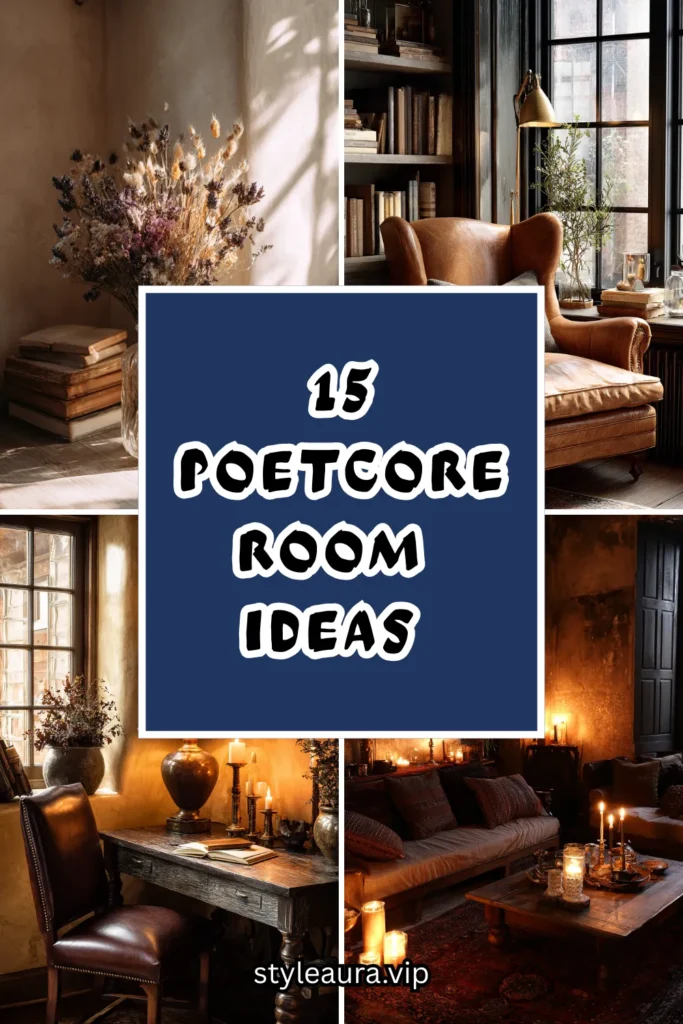
15 Poetcore Room Ideas for a Dreamy Literary Aesthetic
Poetcore draws on the romantic, slightly melancholic imagery of classic poetry and old literature — candlelight, handwritten letters, worn book spines, and soft, faded fabrics. It’s a quieter, more introspective aesthetic than most trend-driven room styles, built around the feeling of a well-loved study or an old attic reading nook rather than any single color or product.
Below are 15 ways to bring poetcore style into a room, from furniture choices to small styling details, with real numbers on cost and specifics so the space feels genuinely lived-in and literary rather than like a themed set.
Poetcore Style Elements
Core textures and materials:
- Aged paper, worn leather, soft cotton and linen
- Candlelight or warm, low lighting
- Handwriting, ink, and vintage stationery
- Faded florals and muted, dusty colors
Colors that fit the aesthetic:
- Cream, sepia, dusty rose, sage
- Deep burgundy or ink navy as accents
- Avoid bright white or anything neon
- Muted, slightly desaturated tones throughout
1. Add an Antique or Vintage Writing Desk
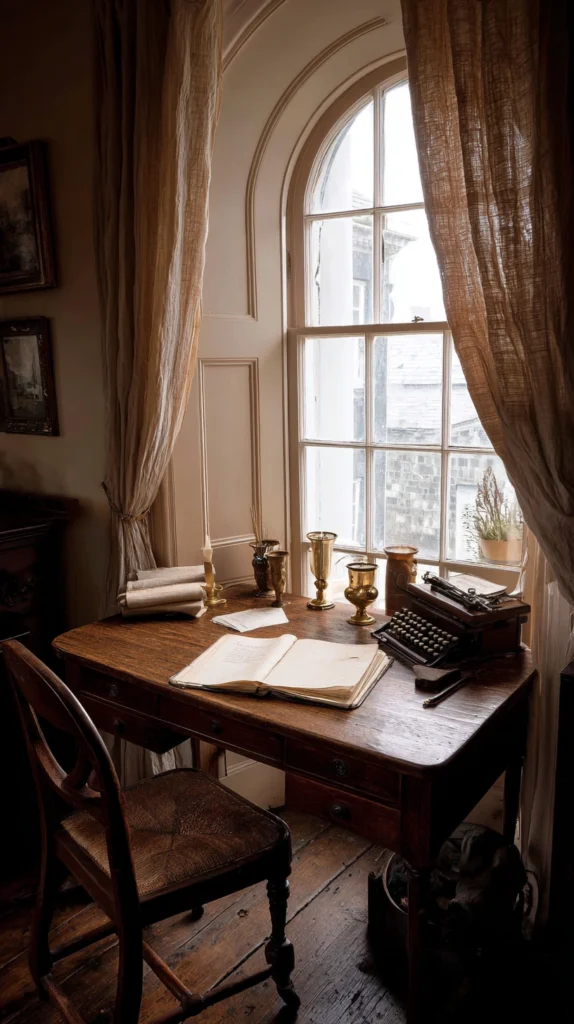
A small wood writing desk, ideally with visible age and some wear, becomes the natural focal point of a poetcore room, suggesting a space dedicated to reading, writing, and quiet reflection. Standard writing desks run 30-42 inches wide, small enough to fit into a bedroom corner or a dedicated reading nook.
Budget: $150-450 for a quality vintage or antique writing desk, sourced through estate sales, antique shops, or secondhand marketplaces. A slant-front or simple flat-top desk in a warm wood tone fits this aesthetic more naturally than a glossy, modern desk design.
Positioning the desk near a window provides natural light for reading and writing, while also creating a natural vignette that reinforces the room’s overall literary feeling. Adding a small stack of stationery, a fountain pen, and a worn journal on the desk surface completes the look without requiring significant additional investment.
This piece anchors the whole room’s aesthetic, so it’s worth prioritizing early in the space’s overall planning and styling.
2. Build a Collection of Well-Worn Books
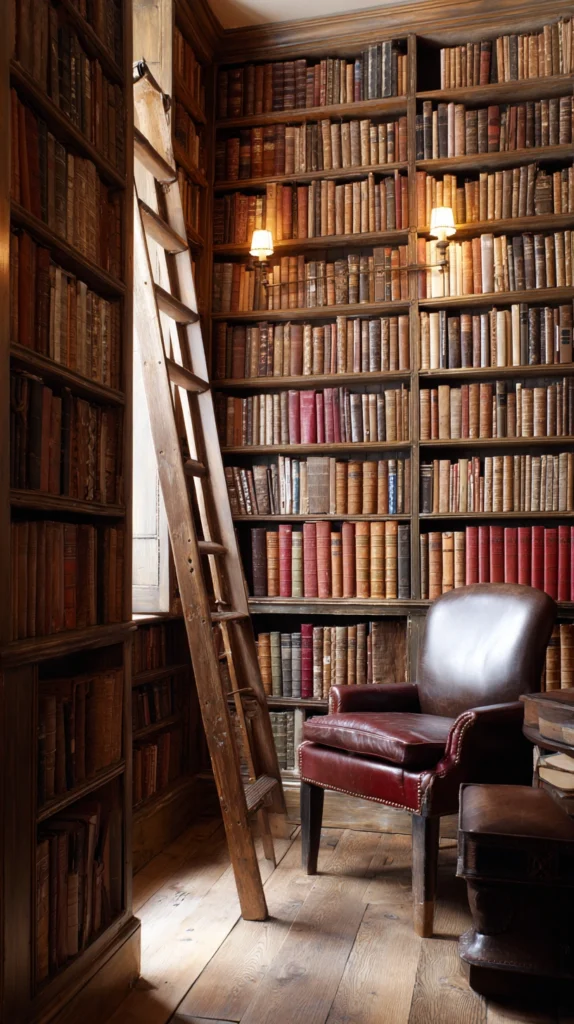
A personal library of poetry collections, classic novels, and worn hardcovers, displayed with genuine variation in size, binding, and condition, is the single most defining element of a poetcore space. Standard hardcover books run 6-9 inches tall, easily incorporated into shelving, stacks, or a bedside table.
Budget: $3-15 per book if sourcing secondhand from used bookstores, thrift shops, or estate sales, making this one of the more affordable ways to build authentic character into the room over time. Building the collection gradually, adding books as you find or read them, keeps the shelf feeling genuine rather than staged for a single photo.
Choosing editions with worn, slightly faded spines and visible signs of use, rather than pristine new copies, contributes significantly to the aesthetic’s aged, well-loved feeling. Stacking a few books horizontally on a nightstand or windowsill, rather than keeping everything upright on a shelf, is a classic styling technique that also makes for a more inviting, casual reading spot.
This is one of the lowest-cost ways to build genuine poetcore character, since these books can be read and enjoyed rather than serving as purely decorative props.
3. Use Candlelight as the Primary Evening Light Source
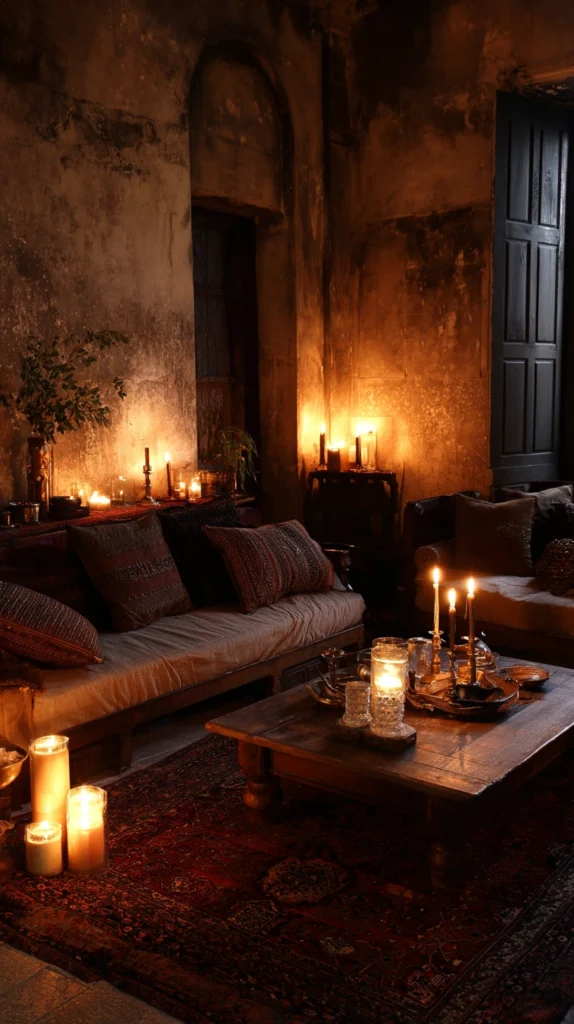
Candles, whether in simple taper holders or clustered pillar arrangements, bring the warm, flickering quality of light most associated with poetcore’s romantic, old-world atmosphere. Standard taper candles run 10-12 inches, while pillar candles range from 3-6 inches in diameter.
Budget: $20-50 for a starter collection of quality taper and pillar candles, plus $15-40 for a few simple brass or ceramic holders. Choosing unscented or lightly scented candles in warm tones (cream, ivory, soft amber) keeps the styling consistent with the room’s overall muted palette.
For safety and practicality, flameless LED candles with a realistic flicker effect are a good supplement or substitute for real candles, particularly for a bedside table or any spot where an open flame isn’t ideal for regular use. Grouping 3-5 candles of varying heights on a tray or mantel creates a more dramatic lighting moment than scattering single candles individually around the room.
This lighting choice does more to establish the room’s overall mood than almost any other single element on this list, since warm, flickering light fundamentally changes how every other object in the room reads in the evening.
4. Add Faded Floral or Botanical Textiles
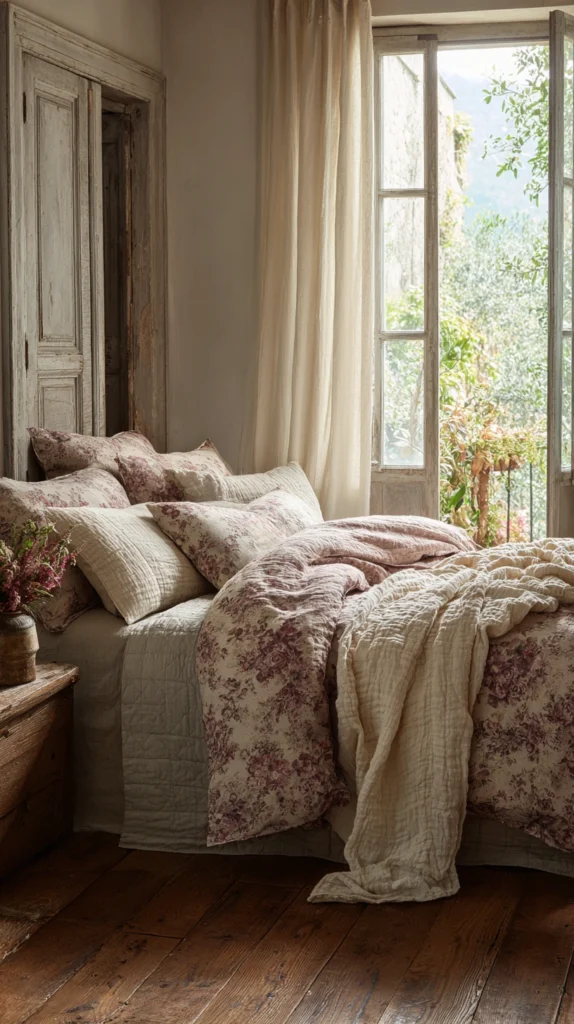
Bedding, curtains, or upholstery in a small-scale, slightly faded floral or botanical print evokes the pressed-flower, antique-book illustration quality central to poetcore’s visual language. Standard floral fabric runs $20-45 per yard for a quality cotton print.
Budget: $100-300 for a floral duvet cover set, or $150-350 for a pair of curtains in a similar print. Choosing a muted, dusty color palette within the floral print — sage, dusty rose, cream — rather than bright, saturated colors is essential to keeping the look feeling aged and literary rather than cheerful and modern.
Pairing a floral textile piece with plainer, solid-colored surfaces elsewhere in the room prevents the pattern from feeling overwhelming, letting it serve as a clear focal point rather than one of many competing prints. This textile choice works particularly well on bedding or a single accent chair, echoing the pressed botanical illustrations commonly found in older poetry and nature books.
Sourcing a genuinely vintage floral fabric, whether from an estate sale or a specialty fabric shop, often achieves a more convincingly aged color palette than a new reproduction print.
5. Display Pressed Flowers or Botanical Prints
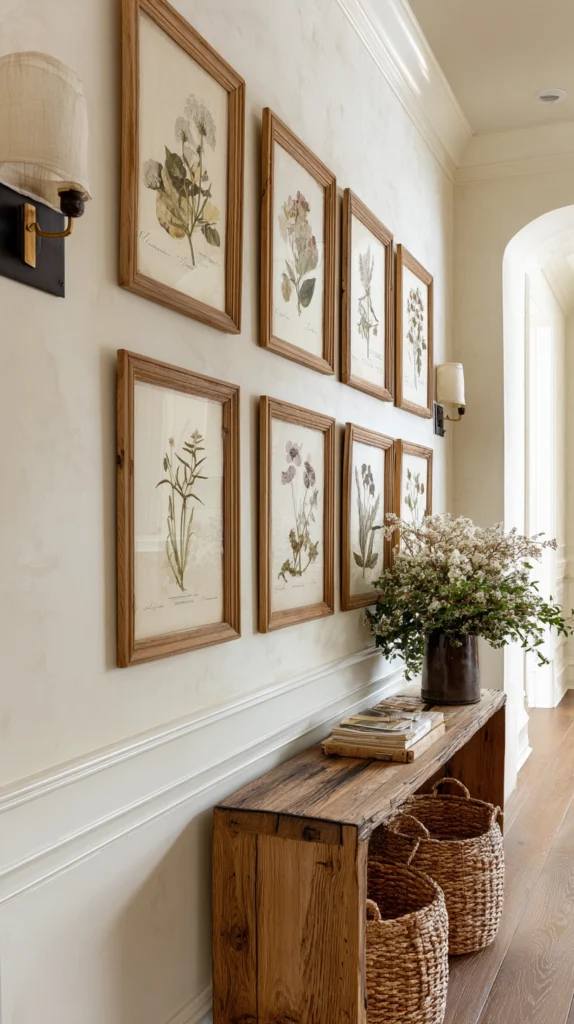
Pressed flowers, whether framed individually or grouped, along with vintage-style botanical illustration prints, reinforce the literary, naturalist quality found throughout classic poetry and old field journals. Standard framed pressed flower pieces run 5×7 to 8×10 inches, easily grouped in a small cluster on a wall or shelf.
Budget: $15-40 per framed pressed flower piece if purchasing pre-made, or under $10 in materials if pressing your own flowers at home. Pressing your own flowers, using a simple flower press or heavy books, is one of the more meaningful and affordable ways to build this element of the room over a season.
Botanical illustration reprints, sourced from public domain scientific texts or vintage book plates, are widely available and typically cost $10-30 per print depending on size and framing. Grouping 3-5 smaller pressed flower or botanical pieces together on a wall, rather than a single large piece, creates a more intimate, collected display that suits the aesthetic’s quieter, detail-oriented sensibility.
This is one of the more hands-on elements on this list, and actually pressing flowers from a garden or a meaningful bouquet adds genuine personal history to the finished display.
6. Add a Worn Leather Armchair or Reading Chair
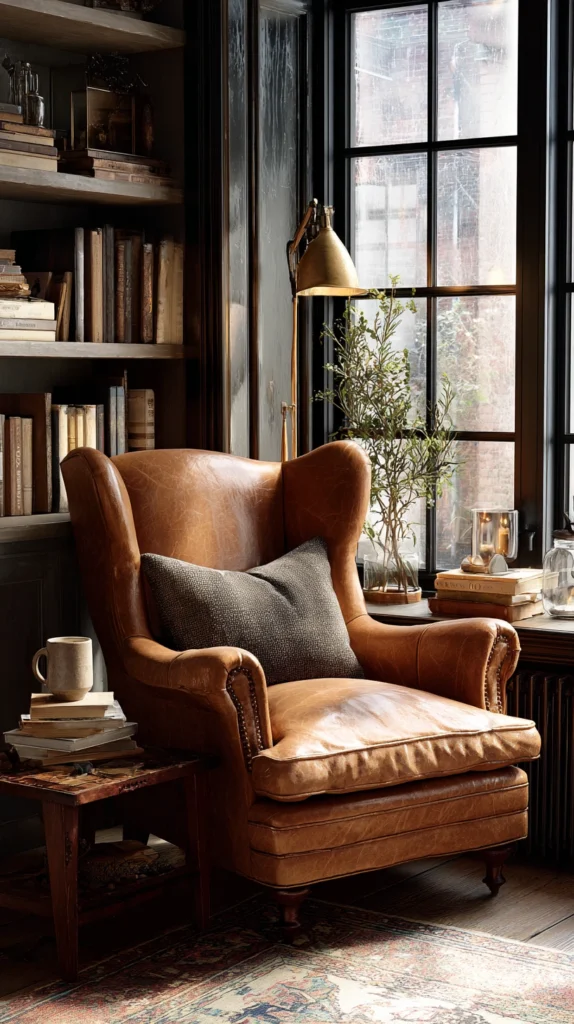
A leather armchair with visible age, creasing, and a softened patina provides both a functional reading spot and a strong anchor piece for the room’s overall literary character. Standard armchairs run 30-35 inches wide, sized for a comfortable reading corner.
Budget: $200-600 for a quality vintage or well-aged leather armchair, sourced through estate sales, antique shops, or secondhand marketplaces. A cognac or chestnut leather tone, rather than a bright or heavily distressed black leather, fits the aesthetic’s warm, aged color palette most naturally.
Positioning the chair near a window or a reading lamp, with a small side table nearby for a stack of books and a cup of tea, creates a complete reading nook rather than an isolated piece of furniture. Draping a soft wool or knit throw over one arm of the chair adds texture and suggests a space that’s genuinely used regularly, rather than staged purely for appearance.
This chair, alongside the writing desk described earlier, forms one of the two primary functional anchors most poetcore rooms are built around.
7. Use Vintage Typewriters as Decor or Function
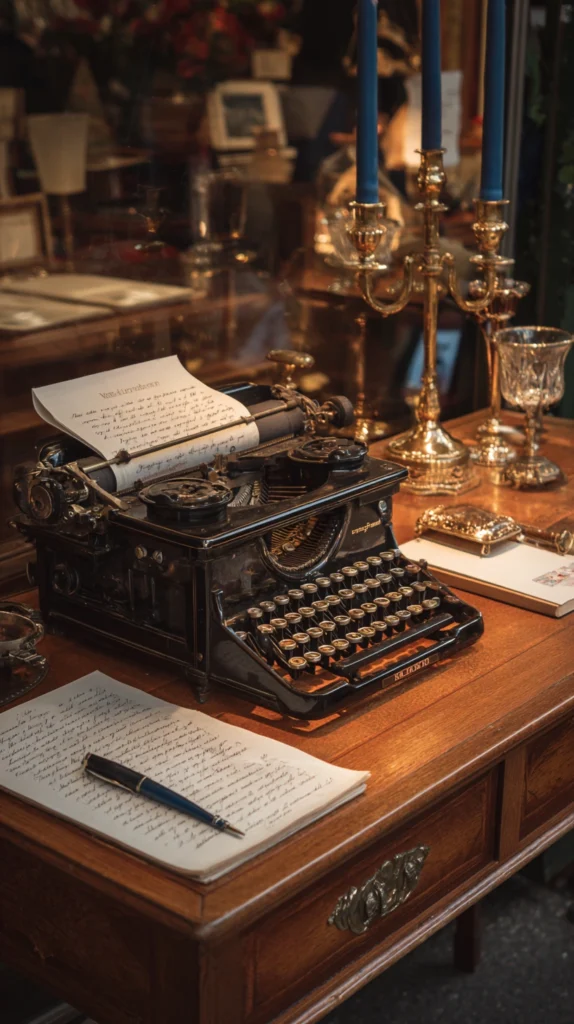
A vintage typewriter, whether fully functional or purely decorative, is one of the most immediately recognizable objects associated with the poetcore aesthetic, evoking handwritten manuscripts and old writing studios. Standard vintage typewriters run about 12-14 inches wide, easily displayed on a desk, shelf, or windowsill.
Budget: $40-150 for a decorative, non-functional vintage typewriter, or $150-350 for a fully restored working model. Purely decorative condition units are generally the more affordable and widely available option if the goal is visual character rather than actual typing use.
Positioning the typewriter on the writing desk, alongside a stack of paper and perhaps a half-finished “letter” styled into the roller, creates a small vignette that reinforces the room’s overall narrative. If the piece is a working model, it can genuinely be used for writing, adding an authentic, tactile experience that fits naturally with the aesthetic’s emphasis on old-fashioned creative practice.
This is a strong, singular statement piece, and one typewriter is generally enough — multiple typewriters in a single room can tip from evocative into overly thematic.
8. Add Dried or Muted-Toned Florals
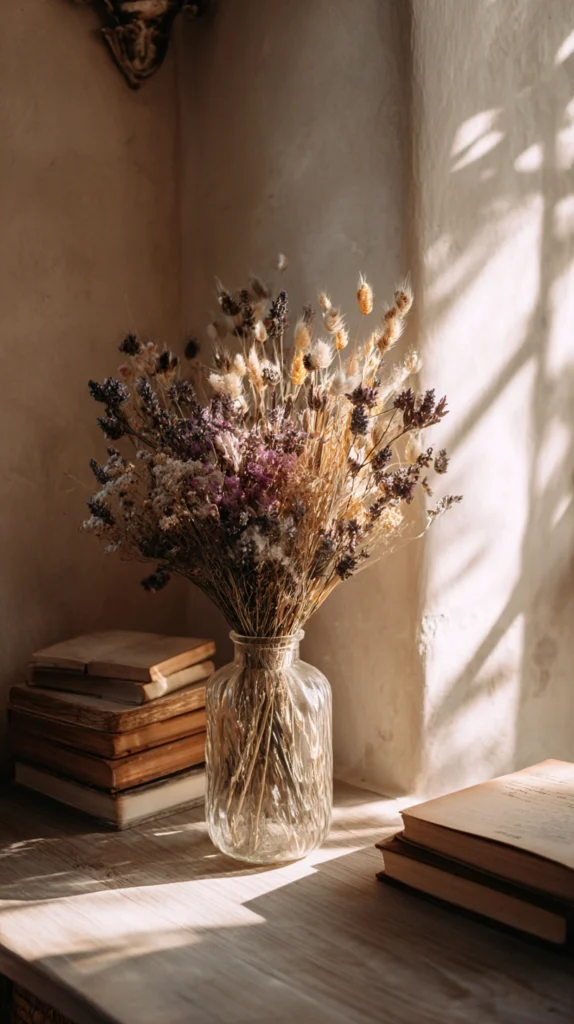
Dried flower arrangements, in muted tones like dusty rose, sage, and cream, bring the same aged, faded quality found throughout poetcore’s textile and paper elements into a three-dimensional floral display. Standard dried flower bouquets run 12-18 inches tall in a simple ceramic or glass vase.
Budget: $30-70 for a quality dried flower arrangement, or less if drying flowers yourself from a fresh bouquet using a simple hang-drying method. Choosing dried grasses, lavender, or baby’s breath alongside more traditional dried roses adds variation in texture without introducing brighter, more saturated colors.
This is a more permanent alternative to fresh flowers, both practically (no need for regular replacement) and aesthetically, since the naturally faded, slightly brittle quality of dried botanicals fits the aged, literary mood better than the fresh, saturated color of a live bouquet. Positioning a dried arrangement on the writing desk or a nearby shelf adds a natural, textural element that complements the room’s paper and leather materials.
Rotating the arrangement every few months, whether replacing it entirely or simply refreshing a few stems, keeps the display from becoming too dusty or faded beyond the intended aesthetic.
9. Use Sepia-Toned or Vintage Photography
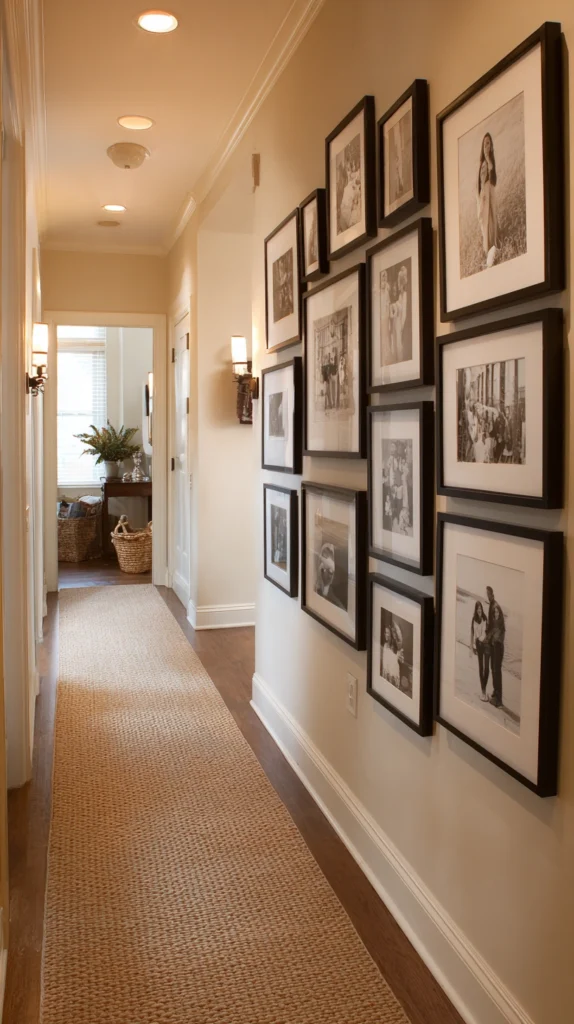
Framed sepia-toned photographs, whether genuine vintage family photos or reproduction prints in a similar style, add a sense of history and quiet nostalgia to the room’s walls. Standard framed photos run 5×7 to 8×10 inches, easily grouped in a small cluster or displayed individually on a shelf.
Budget: $20-60 for reproduction sepia-toned prints, or significantly less if using genuine personal family photographs printed in a similar tone. Choosing simple, understated frames in dark wood or aged brass, rather than ornate gilt frames, keeps the display feeling quiet and literary rather than overly formal.
Mixing a few sepia-toned photos with the pressed flowers and botanical prints described earlier creates a cohesive gallery wall that reinforces several elements of the aesthetic at once, rather than treating each element as a separate, disconnected addition. This is a particularly meaningful element if using actual personal or family photographs, since it adds genuine personal narrative to a room otherwise built around a more general aesthetic mood.
Arranging these photos in a slightly irregular, asymmetrical cluster, rather than a perfectly even grid, contributes to the sense that the collection grew naturally over time.
10. Add Soft, Muted Bedding Layers
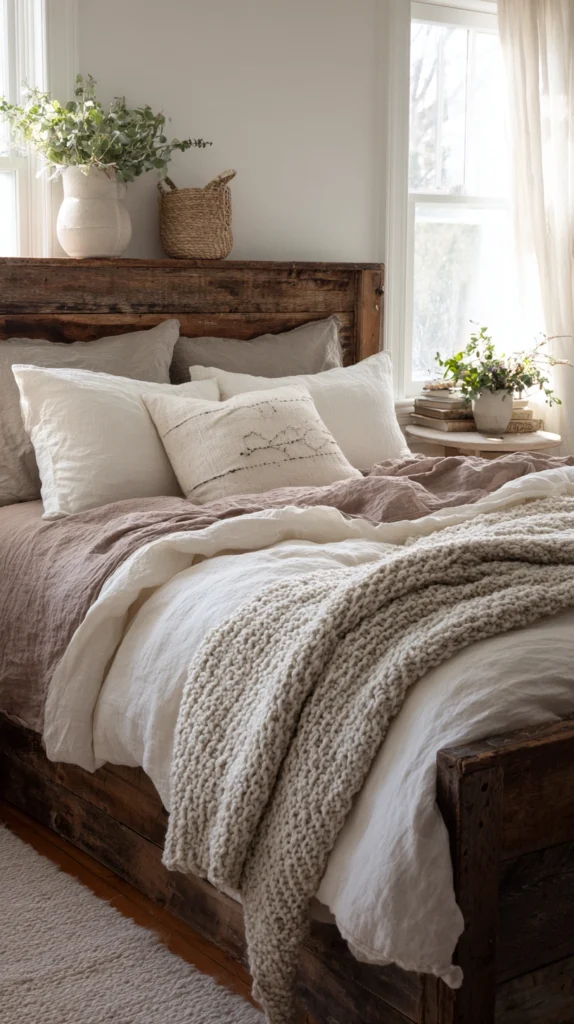
Bedding in layered, muted tones — a cream base sheet, a dusty rose or sage quilt, and a knit throw — brings the same soft, faded color palette found throughout the room into the bed itself. Standard bedding sets for a queen bed include a fitted sheet, flat sheet, duvet or quilt, and 2-4 pillows.
Budget: $150-350 for a full layered bedding set in muted, coordinating tones, built up gradually with individual pieces rather than a single matched set purchased all at once. Choosing natural fibers — cotton, linen, wool — over synthetic blends fits the aesthetic’s overall preference for genuine, textural materials.
Layering a quilted or textured coverlet over a simpler duvet, rather than using just one bedding layer, adds visual depth and a cozier, more lived-in quality to the bed. A small embroidered or lace-trimmed pillow, tucked among simpler solid pillows, adds a subtle handmade detail that echoes the room’s overall literary, old-world sensibility.
This is one of the more functional elements on this list, since good bedding gets used and appreciated daily rather than serving a purely decorative role.
11. Use Wax Seals and Vintage Stationery as Decor
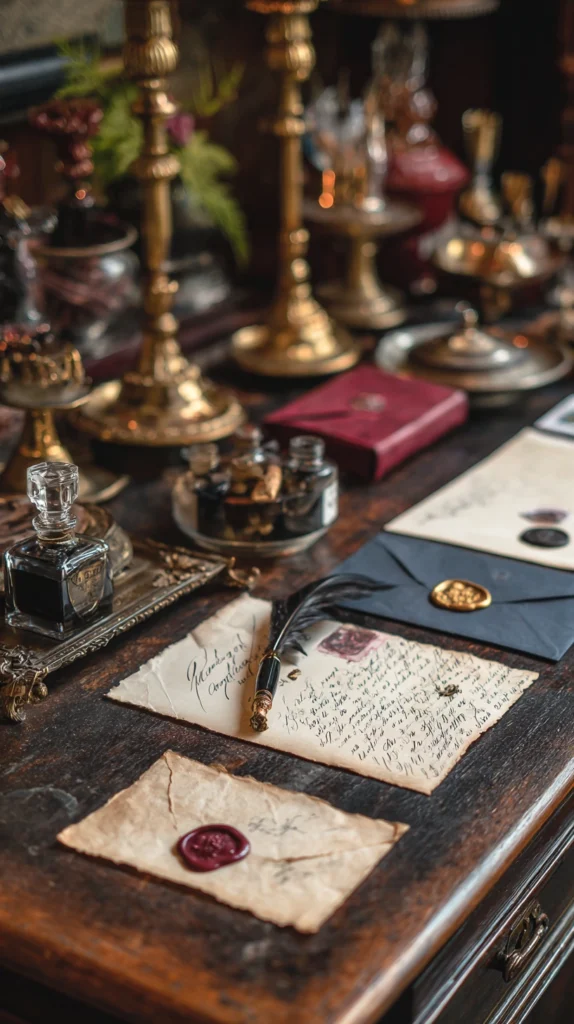
A small collection of wax seals, vintage-style stationery, and fountain pens, displayed on the writing desk or a nearby shelf, reinforces the room’s letter-writing, literary narrative in fine detail. Standard wax seal stamps run 1-1.5 inches in diameter, small enough to display in a simple tray or dish.
Budget: $20-50 for a quality wax seal stamp and wax sticks, plus $15-40 for a small stack of vintage-style stationery paper. These smaller objects are some of the most affordable ways to add authentic detail to the room’s overall narrative.
Actually using the wax seal and stationery for real letters, rather than keeping them purely as props, adds genuine function and personal meaning to what might otherwise be purely decorative objects. Displaying a small stack of folded, sealed “letters” on the desk, whether genuinely written or simply styled, completes the writing desk vignette described earlier in this list.
This is one of the most detail-oriented elements on this list, appealing especially to anyone who enjoys the tactile, handmade aspects of the aesthetic rather than just its visual appearance.
12. Add a Vintage Rug in Muted, Faded Tones
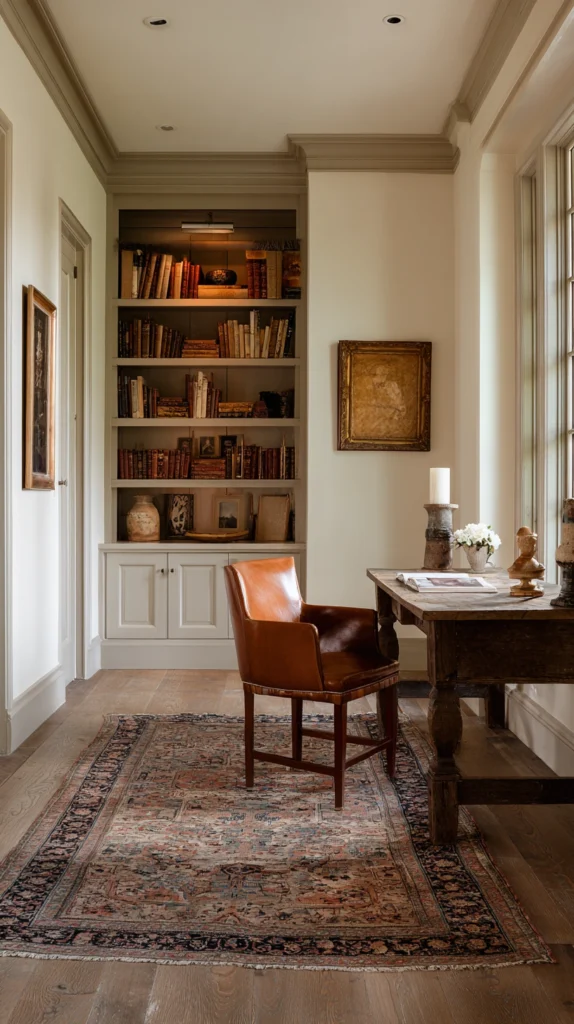
A worn-in looking Persian, floral, or braided rug in muted, faded colors adds softness underfoot while reinforcing the room’s overall aged, collected aesthetic. Standard area rugs for a bedroom or reading nook run 5×7 or 6×9 feet.
Budget: $100-300 for a quality vintage-style rug in muted tones, less if sourcing a genuinely secondhand vintage rug through an estate sale or antique shop. Choosing a rug with visible wear, particularly at the edges or in high-traffic areas, actually supports the aesthetic’s aged, well-loved quality rather than detracting from it.
A lower-pile, flatweave rug tends to fit the aesthetic’s overall quieter, more understated sensibility better than a plush, high-pile modern rug. Positioning the rug beneath the reading chair and writing desk area ties these two key functional zones of the room together visually.
This is one of the easier elements on this list to source secondhand, since older, worn rugs are often more affordable than new “vintage-style” reproductions of similar size and quality.
13. Use Ink, Quill, or Fountain Pen Displays
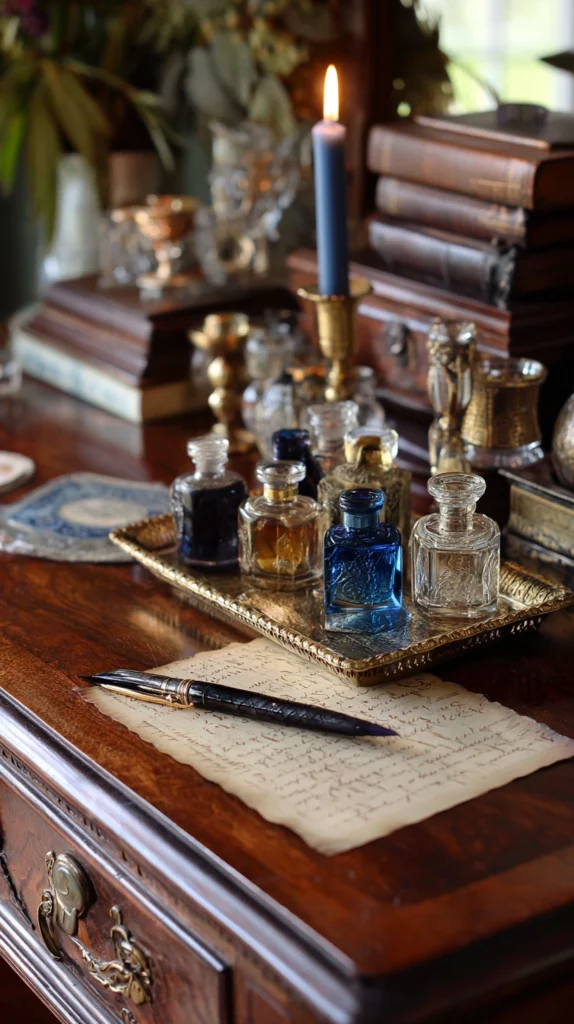
A small display of an ink bottle, a quill or vintage fountain pen, and a blotting pad on the writing desk completes the room’s central literary vignette with genuine, functional writing tools. Standard ink bottles run 2-3 inches tall, easily grouped with a pen tray or small dish.
Budget: $30-80 for a quality ink bottle, fountain pen, and small blotting pad set, sourced through stationery shops, antique stores, or online specialty retailers. Choosing a genuinely functional fountain pen, rather than a purely decorative prop, allows the piece to be used for actual writing, journaling, or letter-writing.
Positioning this small collection directly on the writing desk, alongside the typewriter and stationery described elsewhere on this list, creates a cohesive, detailed vignette rather than scattering these smaller objects throughout the room. A simple wood or brass pen tray keeps the smaller items organized and visually tidy rather than looking cluttered on the desk surface.
This is one of the more affordable, detail-oriented additions on this list, and it pairs naturally with an actual habit of journaling or letter-writing if that’s part of what draws you to this aesthetic in the first place.
14. Add Warm, Layered Lamp Lighting
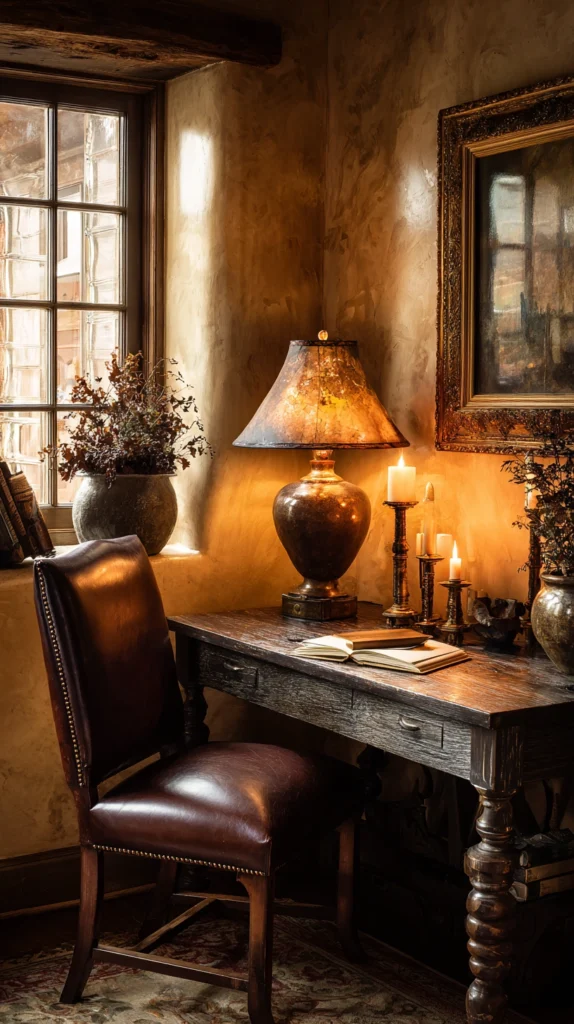
Beyond candlelight, warm-toned table and floor lamps with fabric or amber glass shades provide the soft, golden ambient lighting central to the poetcore mood, particularly important for evening reading and writing. Standard table lamps run 20-28 inches tall, sized appropriately for a desk or side table.
Budget: $60-180 for a quality vintage-style table lamp with a fabric or amber glass shade, depending on the specific style and material chosen. Warm white bulbs (2700-3000K color temperature) are essential here, since cool white or daylight bulbs undercut the warm, candlelit quality central to this aesthetic.
Positioning a lamp directly on the writing desk provides genuine task lighting for reading or writing in the evening, while a second lamp near the reading chair extends this warm lighting throughout the room’s other functional zone. A dimmer switch or a lamp with adjustable brightness settings allows the room to shift between brighter, functional light for daytime tasks and a softer, more atmospheric glow in the evening.
This lighting choice does as much as any single element on this list to establish the room’s overall mood, since the quality and warmth of the light affects how every other object and texture in the room actually reads once the sun goes down.
15. Layer in Vintage Maps or Literary Ephemera
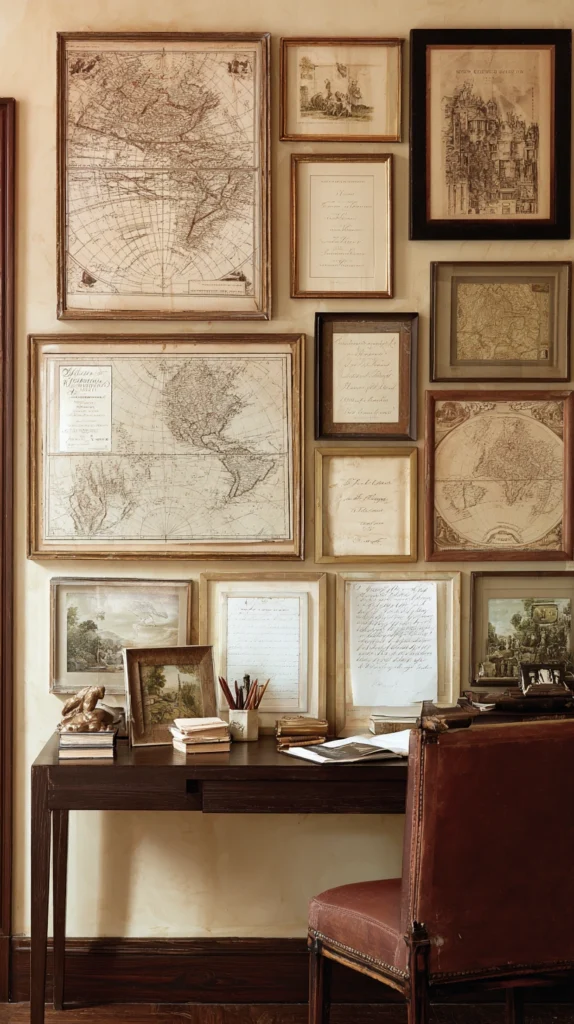
Vintage or reproduction maps, old book pages, or literary ephemera (ticket stubs, postcards, pressed bookmarks) displayed on a wall or within a small curated collection add a sense of travel, story, and accumulated personal history to the room. Standard framed maps or ephemera pieces run 8×10 to 16×20 inches depending on the specific item and framing choice.
Budget: $20-60 per framed piece for reproduction maps or literary ephemera, significantly less if sourcing genuine vintage pieces through thrift stores, estate sales, or used bookstores selling loose pages and postcards. Choosing pieces connected to specific books, places, or personal travel experiences adds more genuine meaning than purely decorative, unrelated ephemera.
A small cluster of these pieces, mixed with the sepia photography and pressed botanical prints described earlier, creates a rich, layered wall display that tells a more complete visual story than any single element could on its own. This is one of the more personal, narrative-driven additions on this list, since the specific maps, postcards, or ephemera chosen often reflect genuine interests, travels, or favorite books rather than a purely generic aesthetic choice.
This final layer of detail is often what separates a room that feels genuinely lived-in and literary from one that reads as simply following a trend, since the specific, personal choices behind each piece are what give the space real depth.
Quick Start Shopping List
This weekend, under $150:
- A few secondhand hardcover books: $30
- A small stack of vintage-style stationery: $20
- A set of taper candles and simple holders: $35
- A dried flower bouquet: $40
Budget-Friendly Version
Lowest-cost ways to start:
- Secondhand books from thrift stores and used bookstores
- Pressing your own flowers instead of buying framed pieces
- Flameless LED candles instead of a full candle collection
- Printing personal or public-domain photos in sepia tone
Success Indicators
- The room feels genuinely used, not staged for a single photo
- Warm lighting is the primary source of light in the evening
- At least one functional writing or reading spot anchors the room
- Guests describe the space as “cozy” or “literary” without prompting
- The collection of books, photos, and objects continues to grow naturally over time
Remember
Build the room around two functional anchors — a writing desk and a reading chair — rather than purely decorative styling, prioritize warm, layered lighting over any single bright overhead source, choose genuinely worn and secondhand books and objects over pristine new versions, keep the color palette muted and faded rather than bright or saturated, and let the room’s specific books, photos, and objects reflect your own personal interests rather than a purely generic aesthetic template.