13 Stealth Wealth Home Decor Ideas for a Quietly Expensive Look
Stealth wealth decor is about quality that speaks for itself rather than logos, trends, or anything that reads as trying too hard. It favors natural materials, muted colors, and restraint over statement pieces, and the whole point is that it shouldn’t look like it’s making a point at all.
Below are 13 ways to bring a quietly expensive look into a home, from material choices to smaller styling details, with real numbers on cost and specifics so the space reads as genuinely well-considered rather than performatively minimal.
Stealth Wealth Design Principles
What it favors:
- Natural materials (wood, stone, linen, wool)
- Muted, neutral color palettes
- Understated, well-made furniture
- Quality over visible quantity
What it avoids:
- Visible branding or logos
- Trend-driven colors or shapes
- Anything overly shiny, glossy, or “new”
- Matching furniture sets bought all at once
1. Choose Solid Wood Furniture Over Veneer
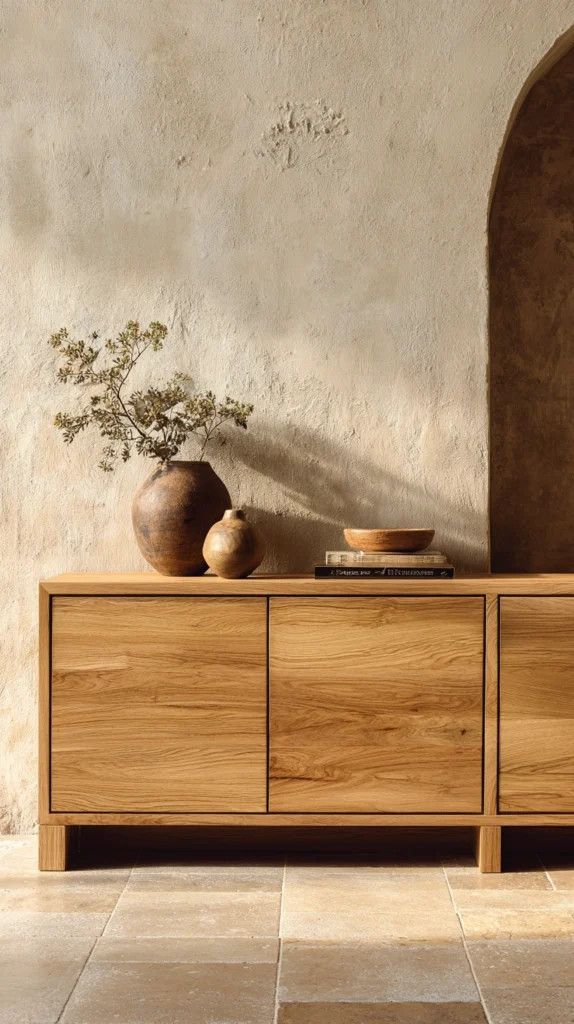
Solid wood furniture, even in simple, unadorned shapes, has a weight and texture that laminate or veneer furniture can’t replicate, and this material difference is one of the clearest signals of genuine quality in a room. Standard solid wood dressers and tables run noticeably heavier than their veneer counterparts of the same size.
Budget: $600-1,500 for a quality solid wood dresser or console table, compared to $200-500 for a similar-looking veneer piece. The price difference reflects genuine material and construction quality rather than brand markup.
Checking the underside or back of a piece before buying is one of the most reliable ways to confirm solid wood construction, since veneer furniture often reveals particleboard or MDF along edges and undersides that aren’t part of the visible finished surface. A slightly imperfect, simply finished solid wood piece is more in keeping with this aesthetic than a heavily lacquered or glossy finish, which tends to read as more mass-produced regardless of the actual material underneath.
Buying fewer, better pieces over time rather than furnishing a whole room at once from a single lower-cost source is central to how this look is actually built and maintained.
2. Use Linen Upholstery and Bedding Throughout
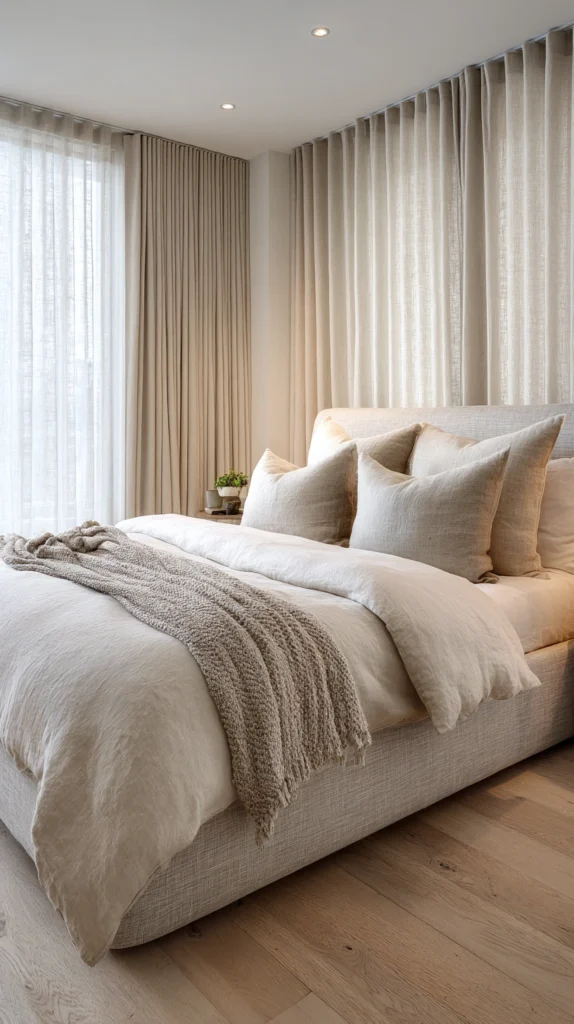
Linen’s slightly rumpled, matte texture is one of the most recognizable stealth wealth materials, appearing in bedding, curtains, and upholstery throughout a home that favors this aesthetic. Standard linen bedding sets run noticeably more expensive than cotton-polyester blends of similar thread count.
Budget: $150-350 for a quality linen duvet cover set, or $80-180 per yard for linen upholstery fabric if reupholstering furniture. Linen’s slightly wrinkled, lived-in texture is a feature rather than a flaw in this aesthetic, unlike a crisper cotton sateen that looks better perfectly pressed.
Choosing linen in soft, muted neutrals — oatmeal, sand, soft white — rather than bright or saturated colors keeps the material’s natural texture as the visual focus rather than competing with a bold color choice. This fabric also tends to soften and improve with washing over time, meaning a linen piece purchased today will look and feel even better in a few years, which fits naturally with this style’s preference for things that age well rather than needing frequent replacement.
Linen curtains, hung floor-to-ceiling with a simple, unfussy header style, are one of the most cost-effective ways to introduce this material at a larger visual scale throughout a room.
3. Add Handmade Ceramics Instead of Mass-Produced Decor
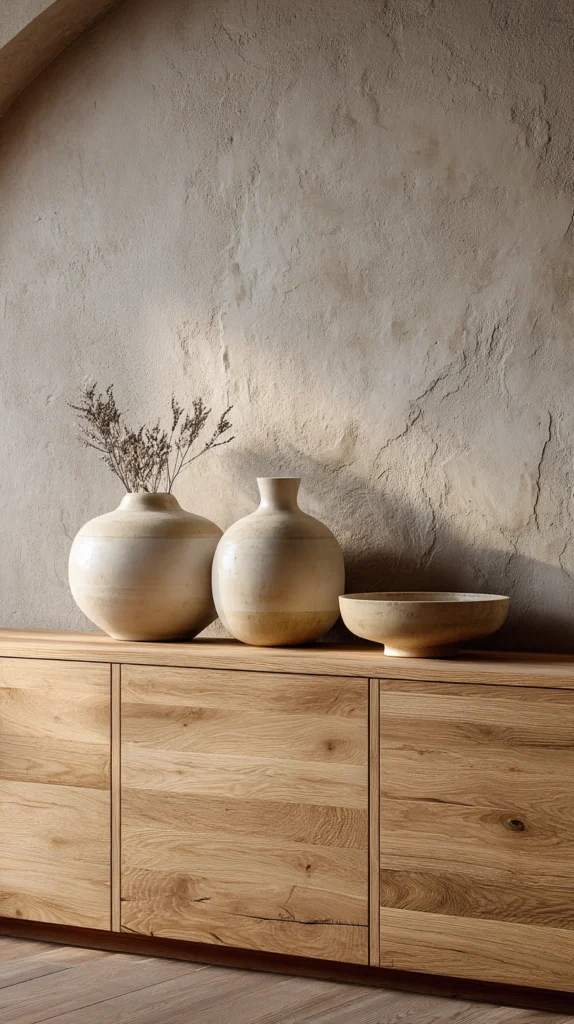
A small collection of handmade ceramic vases, bowls, or mugs, each with slight variation and imperfection, signals a considered, personal collection rather than a matched set purchased from a single retailer. Standard handmade ceramic pieces show visible throwing marks, slight asymmetry, or subtle glaze variation that mass-produced versions lack.
Budget: $30-100 per piece for quality handmade ceramics, sourced from independent potters, craft fairs, or small studio websites rather than large home goods retailers. Building this collection gradually, piece by piece, over months or years is part of what makes it read as genuine rather than staged.
Displaying these pieces with some negative space around them, rather than clustering many pieces together, lets each one be appreciated individually rather than blending into a general decorative mass. Choosing pieces in a similar tonal family — muted earth tones, soft neutrals — even when the specific glazes and shapes vary, keeps a mixed collection feeling cohesive rather than random.
This is one of the more accessible ways to build stealth wealth character into a home gradually, since individual pieces are often more affordable than large furniture investments while still carrying genuine handmade quality.
4. Choose a Neutral, Tonal Color Palette
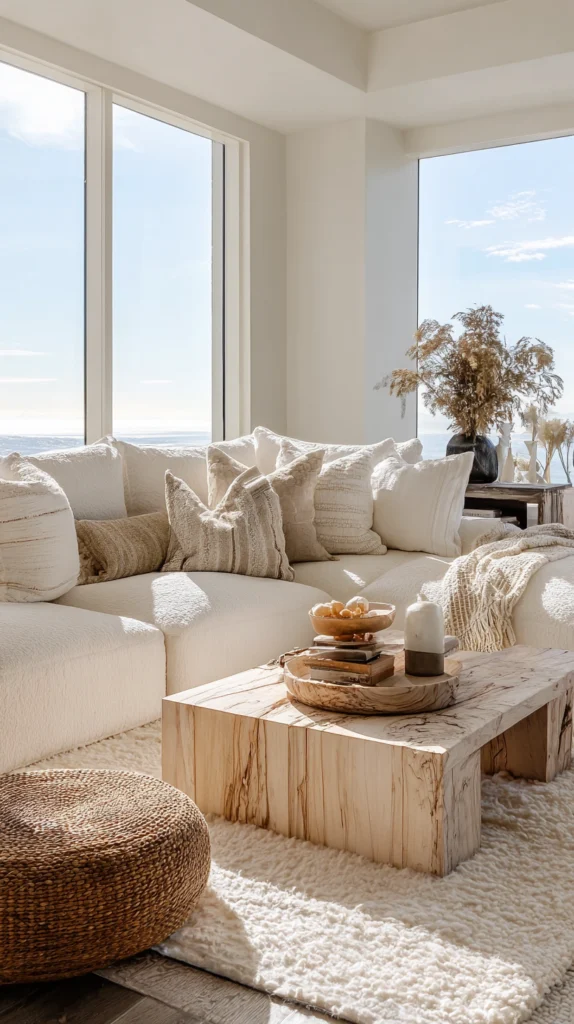
Rooms in cream, oatmeal, warm gray, and soft taupe, layered in slightly varying tones rather than a single flat color, create the calm, expensive-feeling backdrop associated with this aesthetic. A standard 12×10 room needs roughly 2 gallons of paint for walls alone.
Budget: $80-150 for quality paint across a standard bedroom or living room, similar in cost to any other paint project, though the color choice itself is what signals restraint rather than the price. Avoiding trend-driven colors that will look dated within a few years is part of what keeps this palette feeling timeless rather than tied to a specific decorating moment.
Layering several closely related neutral tones throughout a room — a slightly warmer wall color, a cooler-toned sofa, a warm wood floor — creates depth without introducing any single bold, attention-grabbing color. This tonal approach requires more careful color selection than simply picking one popular shade, since the goal is subtle variation rather than a single flat, matched look throughout the space.
Testing paint and fabric swatches together in the actual room, under real lighting, is worth the extra time here, since tonal palettes are more sensitive to slight color mismatches than a room built around bold contrast.
5. Invest in Quality Bath Towels and Linens
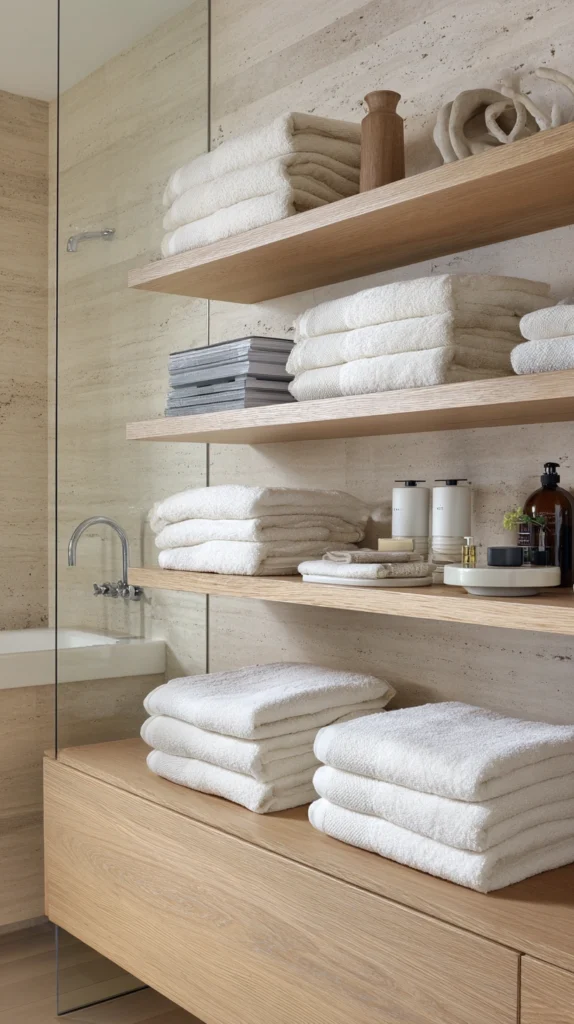
Thick, densely woven bath towels in a simple neutral color are a small but telling detail, since guests notice towel quality more than almost any other textile in a home. Standard quality towels run 600-900 GSM (grams per square meter), noticeably heavier and more absorbent than a standard 300-400 GSM towel.
Budget: $25-50 per bath towel for a quality, densely woven option, compared to $10-15 for a standard big-box store towel. This is a genuinely noticeable upgrade in daily use, not just visual styling, which is part of why it fits so naturally into this aesthetic.
Choosing towels in solid cream, white, or soft gray, rather than a patterned or brightly colored set, keeps the bathroom feeling calm and considered rather than decorated around a specific color scheme. Turkish cotton and combed cotton are both commonly used for high-quality towels in this weight range, and checking the specific fiber and weave rather than relying on marketing language helps confirm genuine quality before purchasing.
This upgrade also extends naturally to bath mats, robes, and washcloths, creating a consistent, elevated feel throughout the entire bathroom rather than just at the towel bar.
6. Use Brass or Unlacquered Metal Fixtures
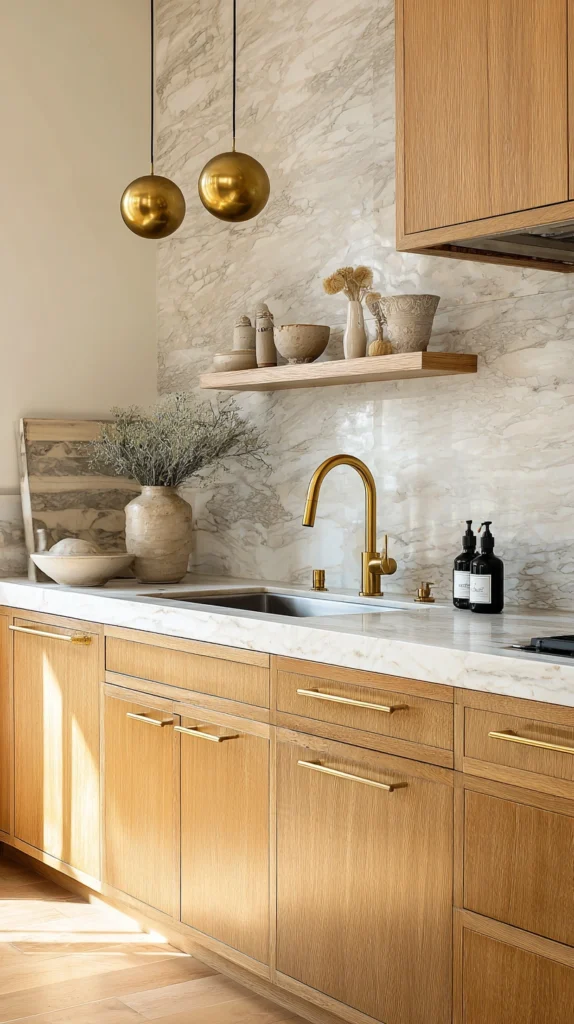
Unlacquered brass faucets, cabinet hardware, and light fixtures develop a natural, soft patina over time rather than staying artificially shiny, which is part of why this finish reads as more genuine than chrome or polished gold. Standard unlacquered brass fixtures cost somewhat more than standard chrome equivalents of similar quality.
Budget: $200-500 for an unlacquered brass kitchen or bathroom faucet, compared to $100-250 for a standard chrome faucet of similar build quality. The higher cost reflects both the material and the fact that unlacquered brass requires more specialized manufacturing than a standard chrome-plated fixture.
Allowing the brass to age naturally, rather than polishing it back to a bright shine, is central to this aesthetic, since the slowly developing patina is what signals genuine age and quality rather than a recent purchase. Keeping all the metal finishes throughout a room or the whole home consistent (all unlacquered brass, rather than mixing brass and chrome) creates a more considered, cohesive look.
This finish choice works particularly well paired with the natural wood and linen materials described elsewhere on this list, since all three age and soften over time in a complementary way.
7. Choose Wool Rugs Over Synthetic Options
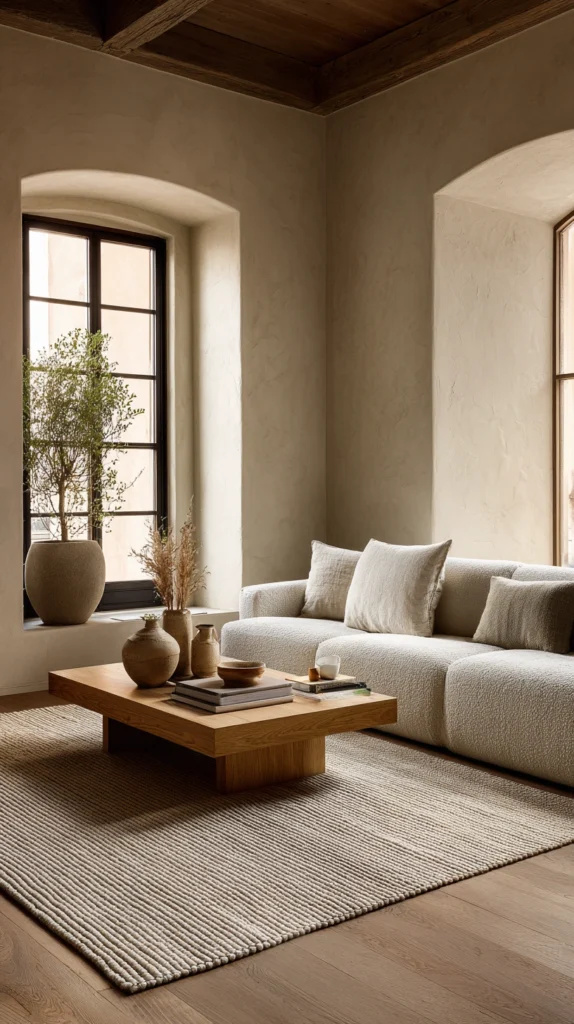
A dense, well-made wool rug, even in a simple solid color or subtle pattern, has a texture and durability that synthetic rugs can’t fully replicate, and this is often one of the first things people notice when walking barefoot across a room. Standard quality wool rugs run 8×10 feet for a living room, sized so furniture legs sit at least partially on the rug.
Budget: $400-1,200 for a quality wool rug in that size, compared to $150-350 for a similarly sized synthetic rug. Wool’s natural durability also means a quality rug often lasts significantly longer than a synthetic alternative, offsetting some of the higher upfront cost over time.
Choosing a simple, low-contrast pattern or a solid neutral tone, rather than a bold graphic design, keeps the rug feeling considered and timeless rather than tied to a specific decorating trend. A flatweave or low-pile wool rug tends to read as more understated than a plush, high-pile version, which can sometimes feel more like a statement piece than a quiet foundational element.
This is one of the larger investments on this list, but a quality rug also tends to be one of the most noticeable quality signals in a room, both visually and underfoot.
8. Add Fresh or High-Quality Faux Greenery
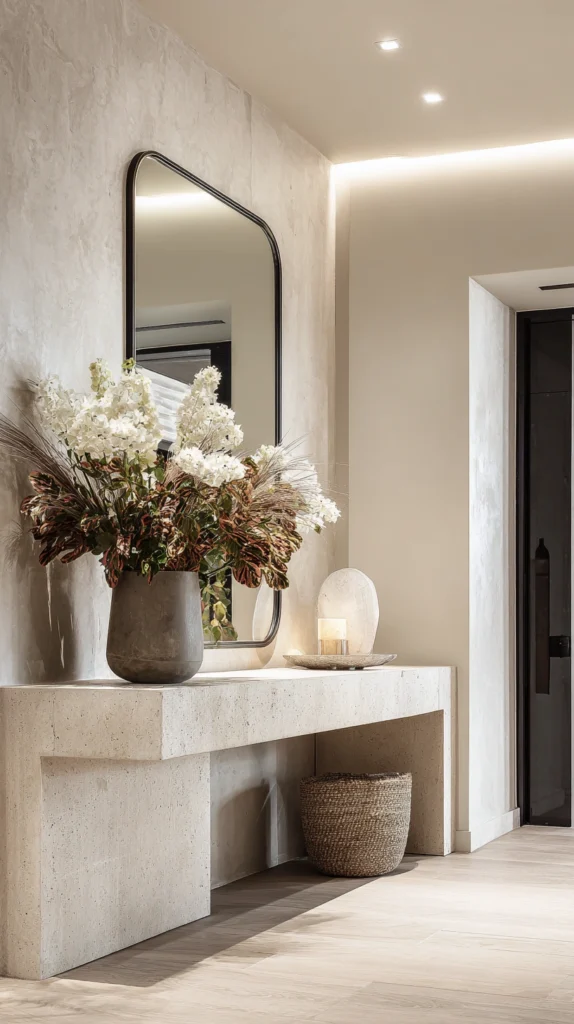
A few well-chosen, healthy plants (or genuinely convincing high-quality faux versions) add life and softness to a room without any of the loud, decorative planters or trendy plant stands that can undercut the understated aesthetic. Standard floor plants run 3-5 feet tall for a meaningful visual presence in a living room or entryway.
Budget: $40-150 per plant depending on size and variety, plus $30-80 for a simple, high-quality ceramic or woven planter. Avoiding brightly colored or overly decorative planters in favor of simple terracotta, stone, or woven baskets keeps the focus on the plant itself rather than its container.
A well-maintained plant, with healthy, unblemished leaves and no visible dust buildup, is itself a subtle signal of care and attention that fits naturally into this aesthetic. If opting for faux greenery, investing in a genuinely high-quality version with realistic texture and coloring is worth the extra cost over an obviously synthetic-looking plant, since a poor-quality fake plant undercuts the entire look far more than having no plant at all.
Choosing plant varieties with simple, elegant silhouettes — a fiddle leaf fig, an olive tree, a snake plant — tends to fit this aesthetic better than a busier, more textured or brightly flowering variety.
9. Display Books as Genuine, Well-Loved Objects
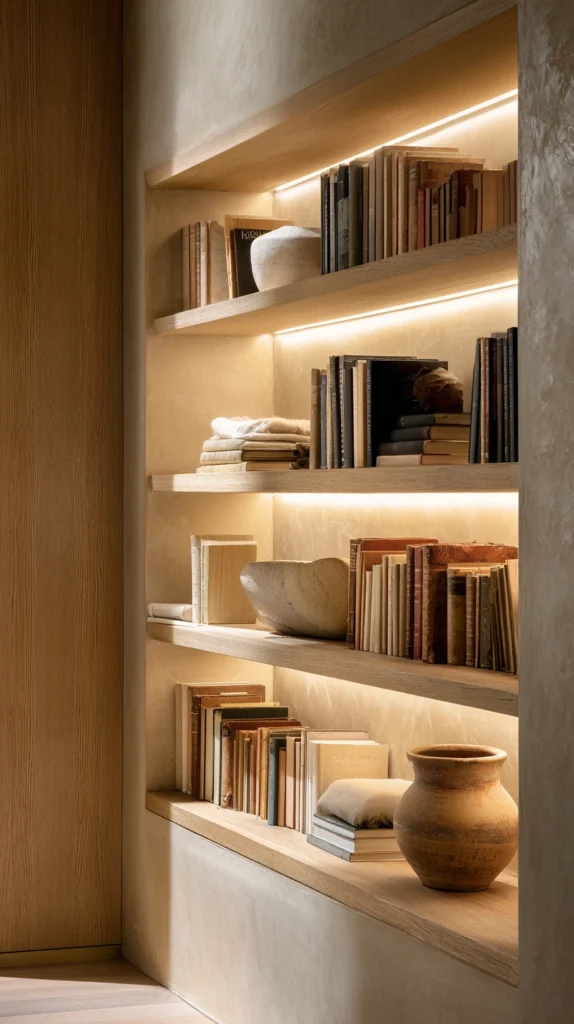
A personal library of books that actually get read, with worn spines and some variation in size and binding, signals genuine intellectual engagement rather than a purely decorative prop collection. Standard hardcover books run 6-9 inches tall, easily incorporated into shelving throughout a home.
Budget: $10-30 per book if buying new, or $3-15 if sourcing secondhand, making this one of the more affordable ways to add authentic character to a home over time. Organizing books by subject or personal reading history, rather than purely by color or size for visual effect, keeps the collection feeling genuine rather than staged.
Avoiding the trend of removing all dust jackets to display only spine colors, a common styling technique that can look staged and impersonal, is worth considering if the goal is authenticity over pure visual coordination. A shelf with some books stacked horizontally, some upright, and a few personal objects mixed in (a small photo, a paperweight) reads as more naturally lived-in than a perfectly uniform row of spines.
This is one of the lowest-cost ways on this list to add genuine character, since a real reading habit built over years naturally produces exactly the kind of collected, slightly imperfect look this aesthetic values.
10. Choose Understated Window Treatments
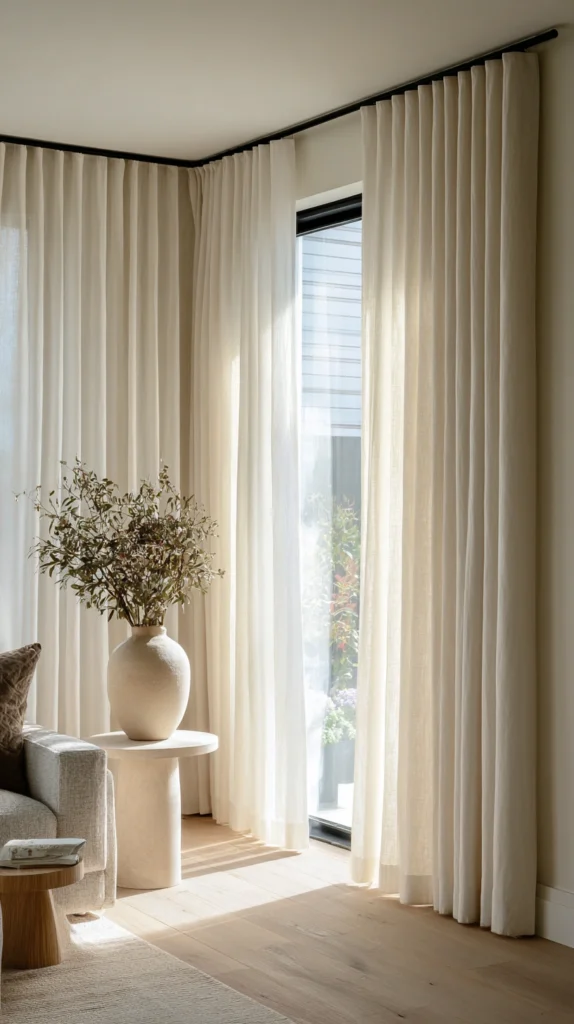
Simple, floor-length curtains in a solid neutral fabric, hung properly to the floor without pooling excessively, provide a quiet, considered backdrop rather than an attention-grabbing pattern or an obviously budget mini-blind. Standard curtain panels should extend from just above the window frame to the floor, sized to 1.5-2x the window width per pair.
Budget: $150-350 for a quality linen or heavy cotton curtain pair, significantly more than a basic polyester panel but noticeably better in both drape and longevity. Choosing a simple pleated or gathered header, rather than grommets or a very casual rod-pocket style, contributes to a more tailored, considered look.
Mounting curtain rods a few inches above the window frame and extending them slightly past the window’s edges makes the window appear larger and the curtains hang more fully when open, a small detail that meaningfully affects how finished the whole window treatment looks. Avoiding bold prints or trend-driven colors here keeps the curtains functioning as a quiet backdrop rather than a competing focal point in the room.
This is one of the more overlooked elements in a room’s overall feel, but window treatments affect the perceived quality of a space more than most people initially realize.
11. Use Real Stone or Wood Surfaces in Kitchens and Baths
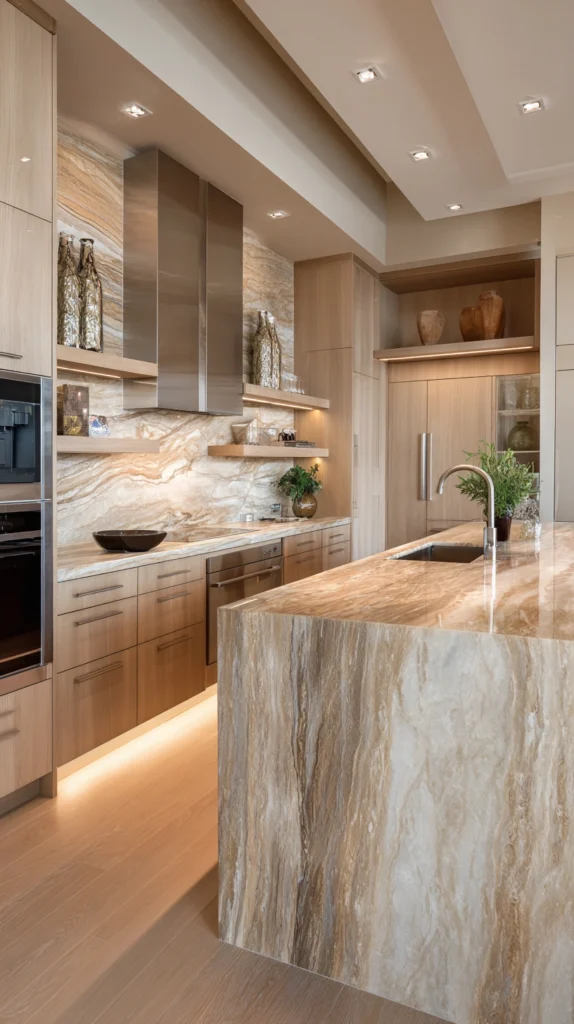
Natural stone countertops (marble, quartzite, soapstone) or solid wood surfaces bring a material authenticity that laminate or engineered alternatives can’t fully replicate, even when the visual pattern looks similar at first glance. Standard kitchen countertops need roughly 30-40 sq ft of material for a typical kitchen layout.
Budget: $60-150 per sq ft installed for natural stone, compared to $20-40 per sq ft for a quality laminate alternative. The difference in tactile quality, temperature, and long-term durability is significant, even though the upfront cost is considerably higher.
Choosing a natural stone with subtle, muted veining rather than a bold, high-contrast pattern keeps the surface feeling calm and considered rather than like a dramatic focal point. Sealing natural stone appropriately and understanding its specific maintenance needs (avoiding acidic cleaners on marble, for example) is part of the ongoing care this material requires in exchange for its long-term quality and appearance.
This is one of the larger investments on this list, typically undertaken during a kitchen or bathroom renovation rather than as a standalone weekend project, but it’s also one of the most noticeable quality markers in a home.
12. Keep Art Simple and Original Where Possible
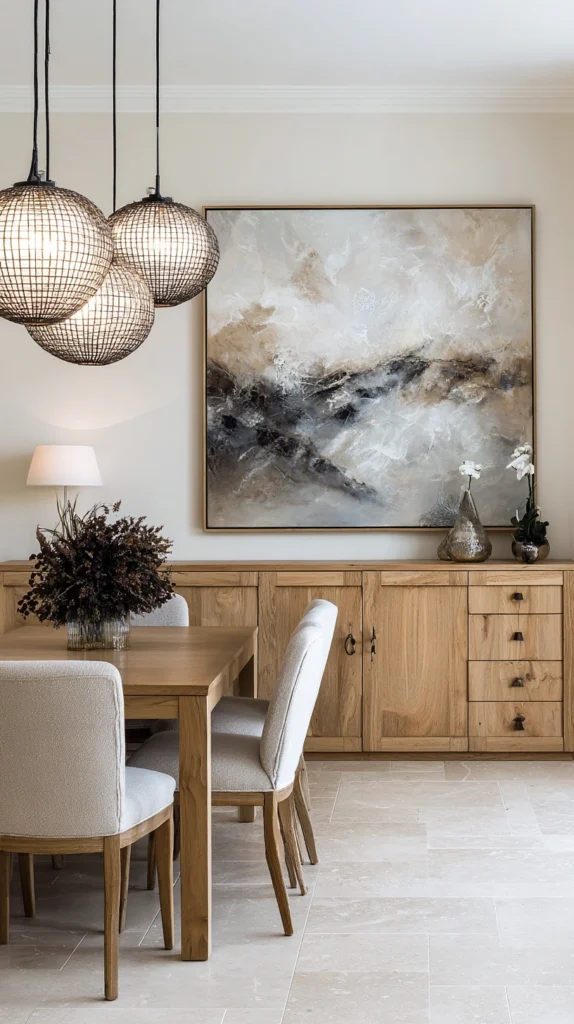
Original artwork, even smaller or more modest pieces from independent artists, reads as more considered and personal than mass-produced prints or trend-driven poster art. Standard smaller original artworks run 12×16 to 18×24 inches, easily incorporated into most wall spaces.
Budget: $100-500 for an original piece from an emerging or lesser-known artist, significantly more than a mass-produced print but far less than acquiring work from an established or well-known name. Supporting local artists through gallery shows, art fairs, or online marketplaces is one of the more accessible ways to build a genuine collection over time.
Choosing simple, well-made frames in a consistent material (wood or a matte metal finish) rather than ornate or mismatched framing keeps the overall wall display feeling cohesive even as the art itself varies in style and subject. Spacing artwork with generous surrounding wall space, rather than filling every available inch, allows each piece room to be genuinely appreciated rather than contributing to visual clutter.
If original art isn’t within budget yet, a well-chosen, high-quality print of an actual museum piece (rather than a trend-driven graphic poster) is a more in-keeping placeholder than most mass-market decorative art options.
13. Prioritize Fewer, Better Pieces Over Full Rooms at Once
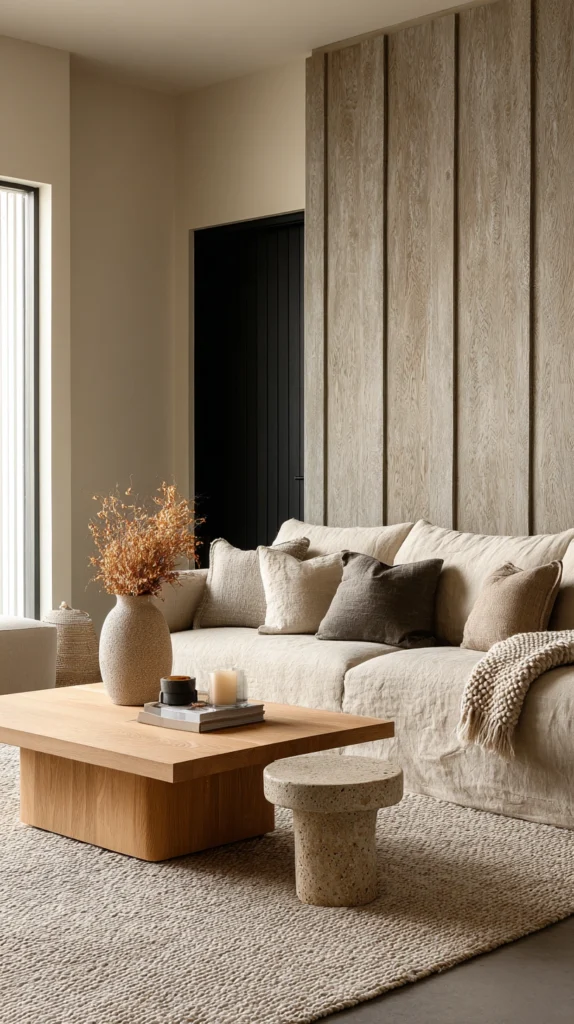
Perhaps the single most defining habit behind this whole aesthetic is buying slowly and selectively, choosing one genuinely good piece at a time rather than furnishing an entire room from a single retailer in one purchase. This applies to every category on this list, from furniture to textiles to decor.
Budget: this approach doesn’t have a fixed cost, but it does require patience, since a room built this way might take a year or more to fully come together rather than being complete after a single shopping trip. The resulting space, however, avoids the uniform, matched-set look that can undercut an otherwise well-chosen collection of pieces.
Setting a rough budget for one meaningful piece every few months, rather than a single large furniture budget spent all at once, is a practical way to build toward this aesthetic without needing significant upfront capital. This approach also naturally produces the slightly mismatched, collected-over-time look that’s difficult to fake when everything is purchased simultaneously from the same source.
This is ultimately the principle that ties every other idea on this list together, since stealth wealth decor is defined as much by the process of acquiring it as by any single material or color choice.
Quick Start Shopping List
This weekend, under $150:
- A quality linen pillow cover or two: $50
- One handmade ceramic piece: $50
- A secondhand hardcover book or two: $20
- A simple, well-made bath towel: $30
Budget-Friendly Version
Lowest-cost ways to start:
- Secondhand solid wood furniture instead of new
- One quality linen or wool textile piece at a time
- Handmade ceramics from local makers instead of retail decor
- A genuine personal book collection rather than staged shelf styling
Success Indicators
- Rooms feel calm and considered, not overly styled
- Materials feel genuinely good to the touch, not just visually similar
- Nothing in the space reads as an obvious trend or matched set
- Guests notice the quality without being able to name why
- The home continues to evolve slowly rather than feeling “finished” all at once
Remember
Prioritize genuine natural materials — wood, linen, wool, stone — over cheaper alternatives designed to look similar, choose a muted, tonal color palette over anything bold or trend-driven, keep metal finishes consistent throughout the home rather than mixing several different tones, build the space gradually with individually chosen pieces rather than furnishing rooms all at once from a single source, and remember that the quietest, least performative choices are usually the ones that read as most genuinely well-considered.