12 Wedding Grazing Table Ideas for Stylish Catering
A grazing table does more work per dollar than almost any other catering choice.
It’s food, decor, and a built-in mingling activity all at once. No plated dinner manages that combination on its own.
Guests pick at it all night instead of in one single pass. It photographs as a design element, not just a functional necessity.
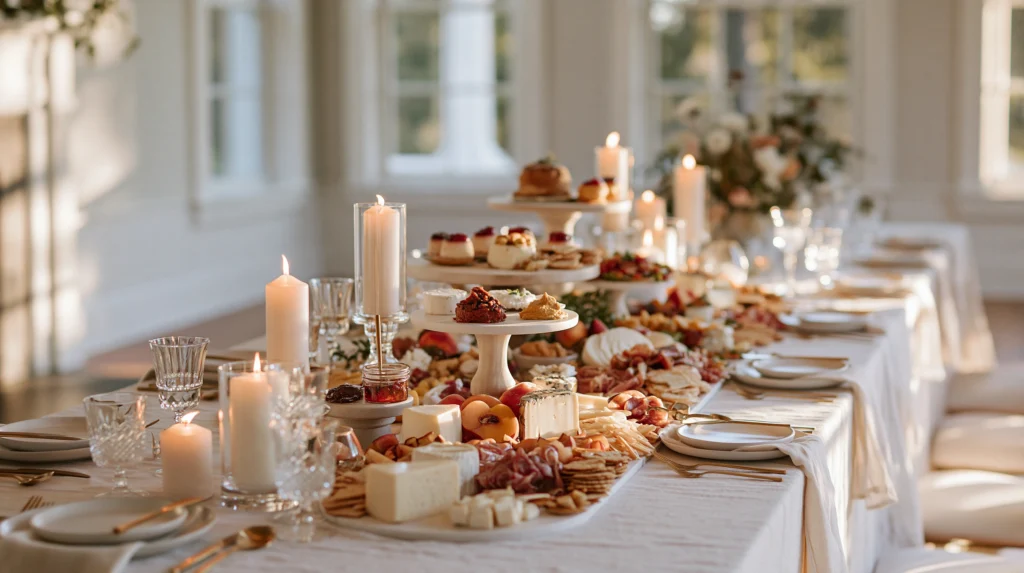
The catch: a mediocre grazing table looks mediocre immediately. There’s no menu card hiding a thin selection.
Here are 12 directions for building one that actually earns its place as a reception centerpiece.
1. The Full-Length Charcuterie and Cheese Spread
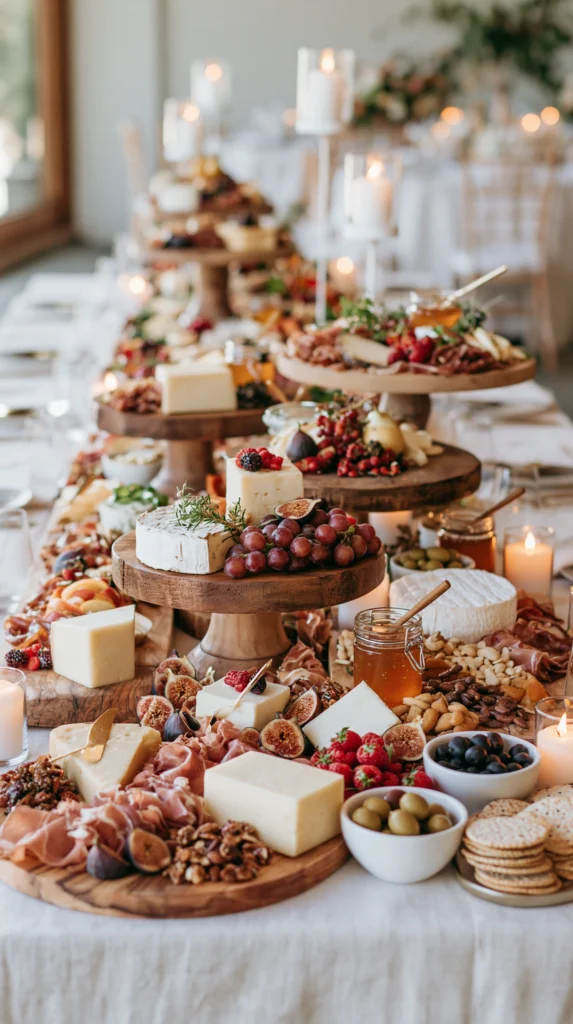
The classic version, still the most requested for good reason.
Core components:
- 3–5 cheese varieties spanning soft, hard, and blue styles
- 4–6 cured meats
- Olives, nuts, dried and fresh fruit
- Crackers and a few honey or jam accompaniments
Styling: Build directly on butcher paper over the table instead of a tablecloth. Layer ingredients using small risers or upside-down bowls hidden underneath for height variation.
Best for: Guest counts of 75+, where the table needs real length to look abundant.
Cost: $12–$18 per guest.
Watch for: Meat and cheese sweating in warm rooms — keep away from direct sun or heat vents.
2. The Mediterranean-Inspired Grazing Table
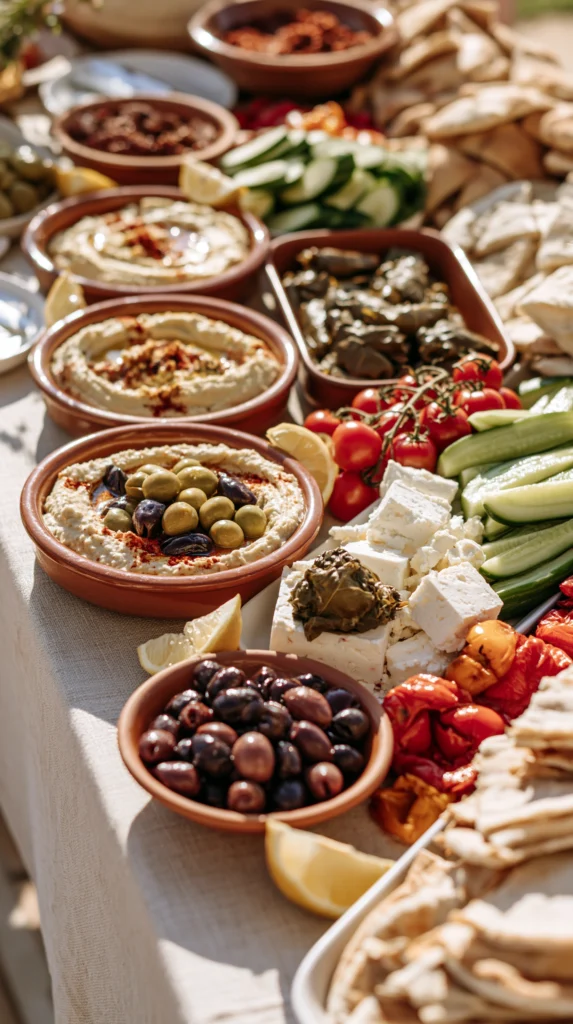
A lighter, brighter alternative to a traditional charcuterie-heavy spread.
Core components:
- 2–3 hummus varieties
- Marinated olives and artichokes, feta
- Warm pita and flatbread, stuffed grape leaves
- Fresh vegetables like cucumber and cherry tomatoes
Styling: Shallow terracotta bowls for dips, scattered fresh herbs and lemon halves for color.
Best for: Daytime or warm-weather receptions.
Cost: $9–$14 per guest.
Watch for: Warm pita drying out fast — bring out in smaller batches rather than all at once.
3. The Dessert-Only Grazing Table
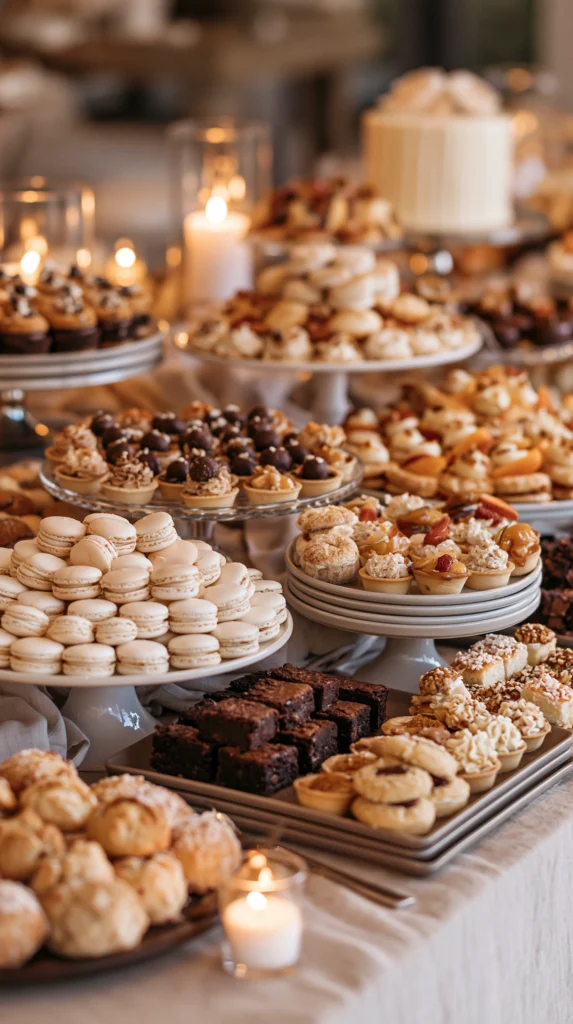
A fully sweet spread, replacing or supplementing a traditional cake.
Core components:
- 4–6 bite-sized dessert varieties
- A mix of chocolate and fruit-forward options
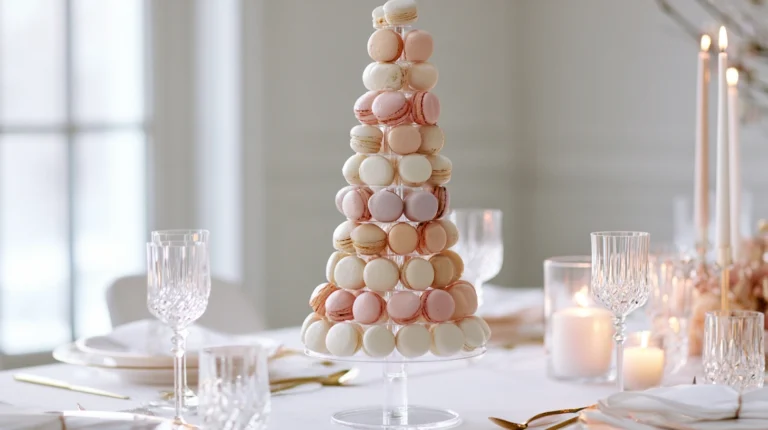
- One taller piece, like a small cake or macaron stack, for height
Styling: Group desserts by type. Use tiered stands and varied plate heights for visual layers.
Best for: Couples skipping or minimizing a traditional cake.
Cost: $6–$12 per guest.
Watch for: Frosting-based items melting outdoors — favor sturdier bakes in warm weather.
4. The Seasonal Harvest Table
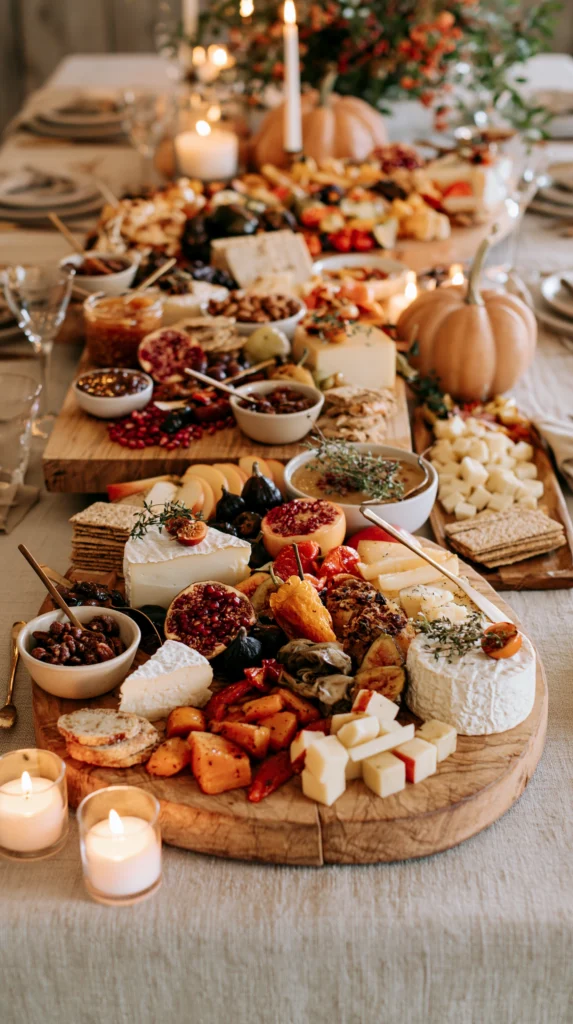
Built around whatever’s genuinely in season for your wedding date.
Core components:
- Season-specific fruits and vegetables
- A cheese selection matching the season’s flavor profile
- Honey, jam, or spiced nuts tied to the theme
Styling: Whole seasonal produce as visual anchors, like pumpkins in fall or berries in summer.
Best for: Couples wanting catering tied directly to their wedding season.
Cost: $10–$16 per guest.
Watch for: Sourcing true in-season produce early, since availability shifts fast close to the date.
5. The Late-Night Snack Table
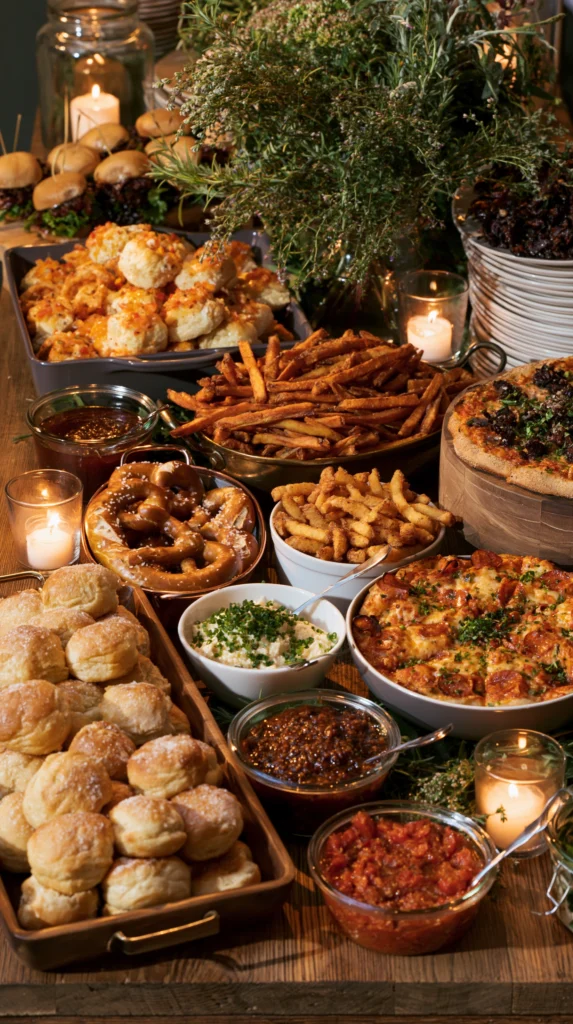
A smaller, secondary table revealed a few hours into the reception.
Core components:
- Sliders, mini pizzas, or pretzels
- Any leftover items from the earlier spread
Styling: Keep it casual and fun, signaling a shift in the evening’s energy.
Best for: Longer receptions with a clear dinner-to-dancing transition.
Cost: $7–$13 per guest, as a supplement to existing catering.
Watch for: Staffing — someone needs to actually reveal and refresh this table on cue.
6. The Build-Your-Own Grazing Board Bar
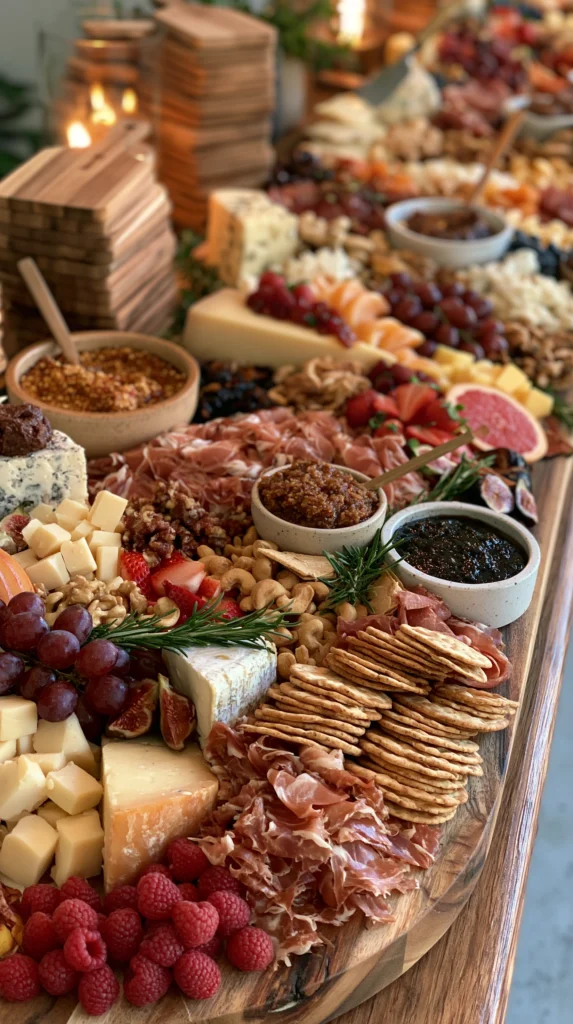
Guests assemble small individual boards from a central ingredient bar.
Core components:
- A central bar with cheeses, meats, crackers, accompaniments
- Small wood boards or plates for guests to build on
Styling: Organize ingredients into clearly labeled sections, like a topping bar.
Best for: Casual, interactive receptions and smaller guest counts.
Cost: $11–$17 per guest.
Watch for: Bottlenecks — spread ingredient stations wide enough that guests aren’t queuing.
7. The Vegan and Plant-Based Grazing Table
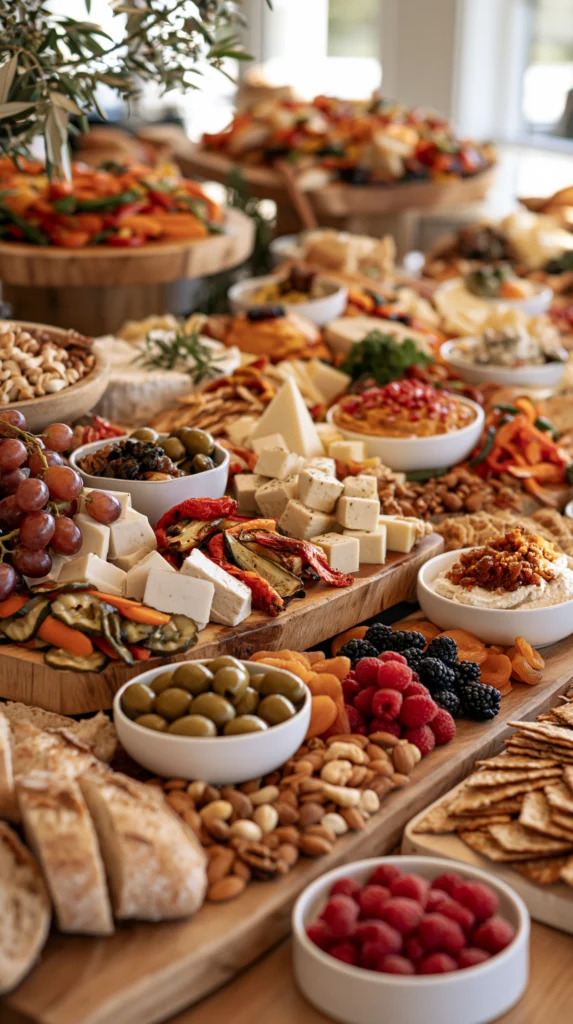
A fully plant-based spread that doesn’t read as an afterthought.
Core components:
- Plant-based cheese alternatives
- Hummus and dip varieties, marinated vegetables
- Fresh and dried fruit, nuts, crusty bread or crackers
Styling: Same layering and height techniques as a traditional charcuterie table.
Best for: Guest lists with significant vegan or plant-based representation.
Cost: $8–$14 per guest.
Watch for: Reading ingredient labels closely — some plant-based cheeses still contain trace dairy.
8. The Regional Cuisine Grazing Table
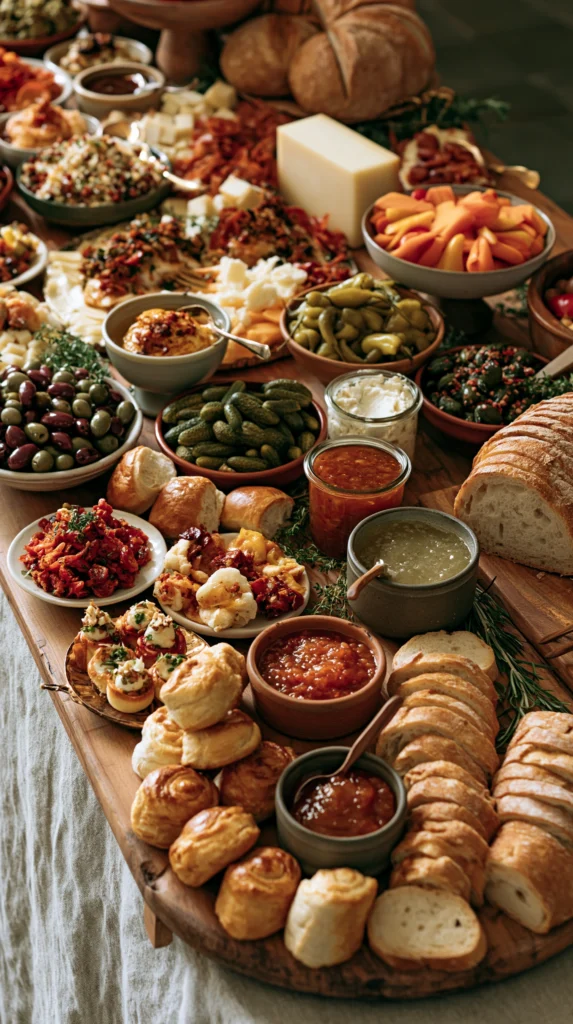
Built around a cultural or regional cuisine meaningful to the couple.
Core components:
- Varies by cuisine: empanadas and plantain chips for Latin American, dumplings and pickled vegetables for East Asian-inspired
Styling: Serving vessels and small decor elements authentic to the specific tradition.
Best for: Couples wanting catering to reflect heritage or shared history.
Cost: $10–$18 per guest.
Watch for: Sourcing specialty ingredients early, since regional items may need a specialty grocer or import order.
9. The Compact Tabletop Display for Small Weddings
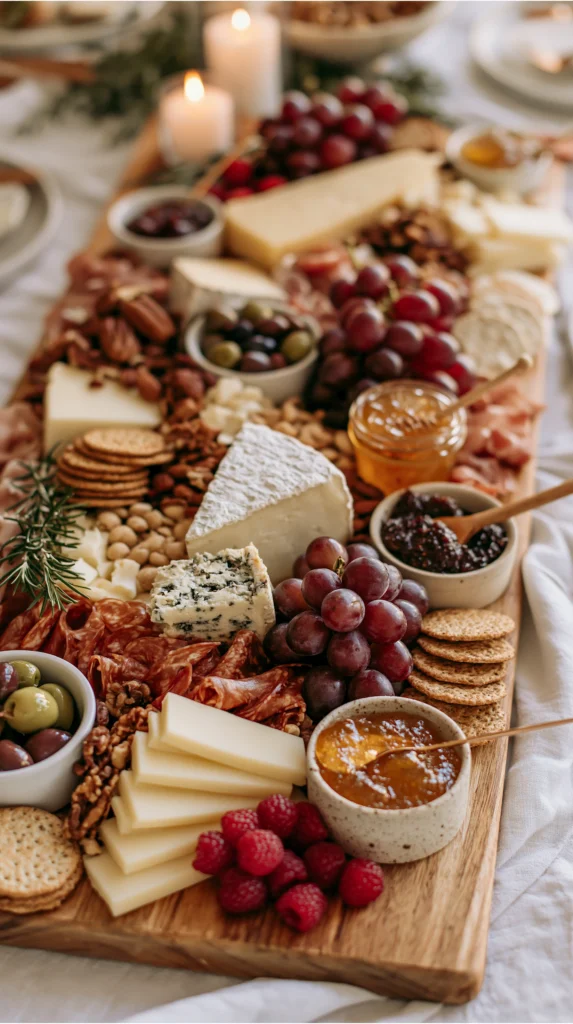
A scaled-down version for intimate weddings.
Core components:
- 2–3 cheeses, 2 cured meats
- A handful of accompaniments, sized for 20–40 guests
Styling: Same height and layering techniques, concentrated onto a single large wood board.
Best for: Elopements, micro-weddings, and receptions under 50 guests.
Cost: $10–$15 per guest.
Watch for: Under-filling — a small table still needs to look intentionally full, not sparse.
10. The Breakfast-for-Dinner Grazing Table
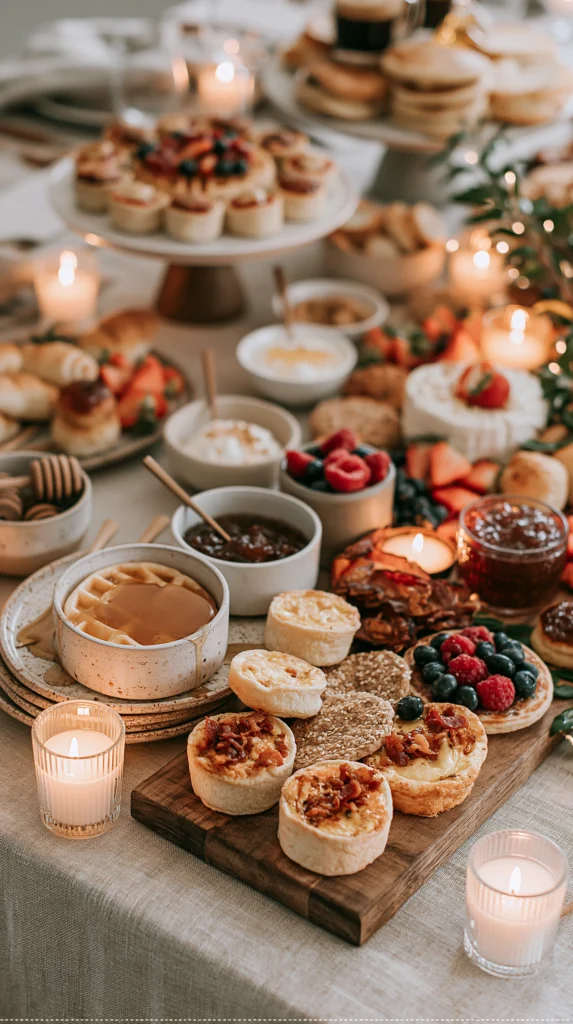
An unexpected, playful twist using breakfast foods at dinner time.
Core components:
- Mini pancakes or waffles, bacon, small quiches
- Fresh fruit, a coffee or mimosa station nearby
Styling: Warm, cozy elements like wood boards and linen napkins.
Best for: Couples with a genuine love of breakfast food.
Cost: $9–$15 per guest.
Watch for: Keeping hot items like mini quiches actually warm through a longer cocktail hour.
11. The Chocolate and Confection Grazing Table
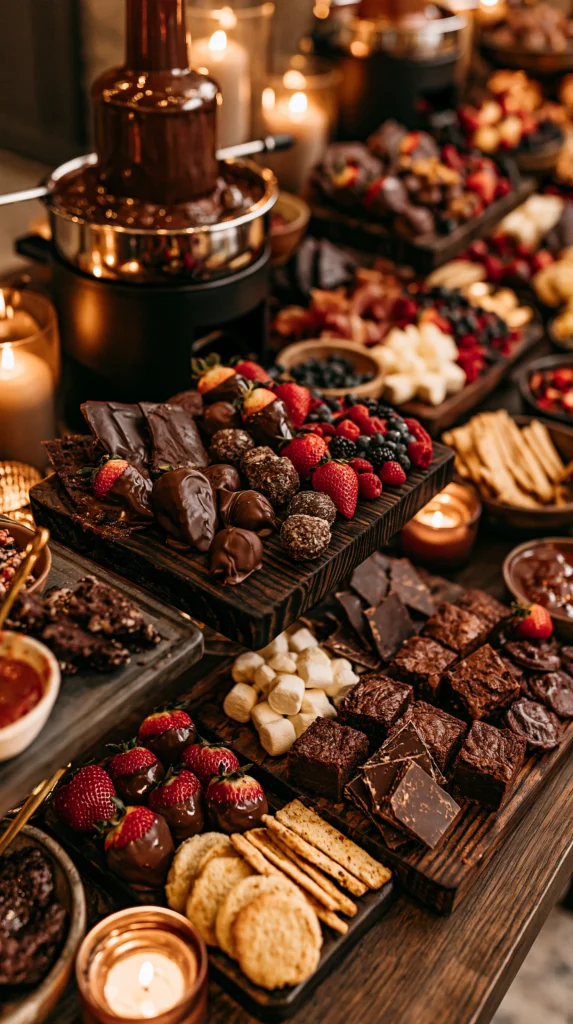
A rich, indulgent spread built around chocolate.
Core components:
- A chocolate fondue fountain or dipping station
- Assorted truffles, chocolate-covered fruit
- Fresh berries as a palate cleanser
Styling: Dark, rich linens or wood tones to keep chocolate the visual focus.
Best for: Evening receptions and couples with a shared love of chocolate.
Cost: $8–$16 per guest.
Watch for: Fondue fountains needing a dedicated attendant and a nearby outlet.
12. The Minimalist Modern Grazing Table
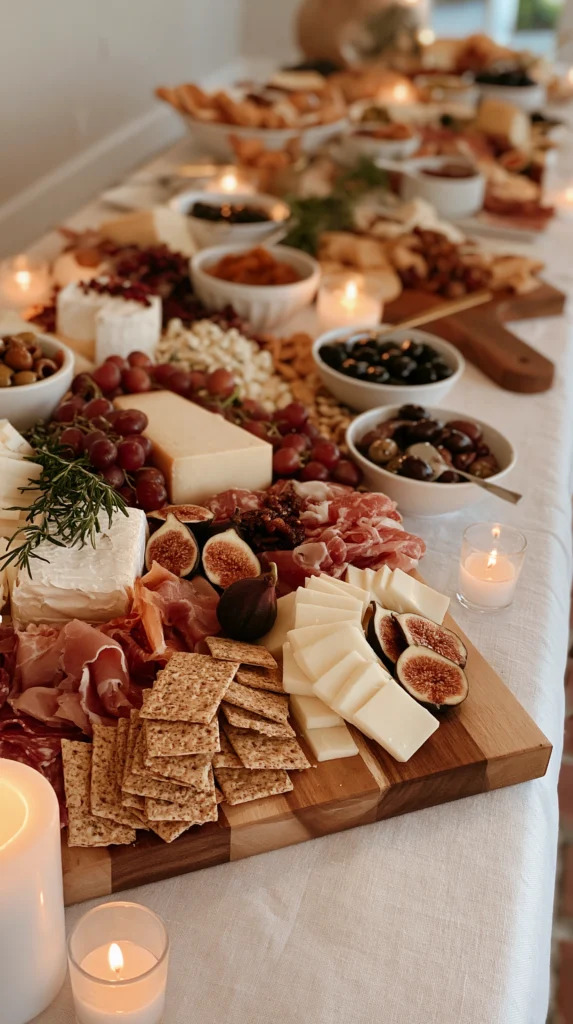
A pared-back, editorial version with intentional negative space.
Core components:
- 2–3 high-quality cheeses
- 1–2 cured meats
- A handful of carefully chosen accompaniments
Styling: Significant negative space between items, letting each one stand out.
Best for: Modern, minimalist wedding aesthetics.
Cost: $10–$18 per guest.
Budget Planning by Guest Count
Total spend scales differently than people expect, since smaller tables carry a higher per-guest cost.
- Under 50 guests: $500–$750 total, since smaller spreads still need enough variety to look intentional
- 75–100 guests: $900–$1,600 total, the range where per-guest cost starts to average out
- 150+ guests: $1,800–$2,700 total, where bulk ingredient pricing brings the per-guest cost back down
- Ask your caterer for a per-person breakdown in writing, not just a lump total, so you can see exactly where the budget is going
Timing the Table Around Your Reception Flow
When the table appears and disappears matters as much as what’s on it.
- Set up during cocktail hour so it’s ready the moment guests arrive from the ceremony
- Avoid placing it directly beside the bar, since it creates a bottleneck at the reception’s busiest early moment
- Break down or visibly refresh right before dinner service starts, so the table doesn’t compete with the main meal
- If running a late-night version too, keep at least a 2–3 hour gap between the two so neither feels redundant
Pairing Ideas Across the Same Reception
Several of these ideas work well combined rather than chosen in isolation.
- A charcuterie table for cocktail hour, paired with a late-night snack table, covers both ends of the evening
- A dessert-only table can run alongside a cake-cutting moment rather than replacing it entirely
- A seasonal harvest table pairs naturally with a regional cuisine table if the cuisine and season align
A table too short for the guest count reads as skimpy. Too long for a small count looks equally unintentional.
- Plan roughly 6–8 linear inches of table per guest for a standard spread
- Adjust up slightly for guest counts under 50, so the table doesn’t look sparse
- Walk your actual venue space before finalizing length, since paper math doesn’t always match the room
Working With a Caterer vs. Building It Yourself
Grazing tables sit in a middle ground between full-service catering and a DIY project.
- A caterer brings: food safety expertise, proper display equipment, and accurate quantity judgment
- DIY can save real money, particularly for smaller guest counts, but needs genuine planning around transport and timing
- A hybrid approach is increasingly common: caterer supplies ingredients, a friend or the couple handles final styling
Food Safety Basics for Extended Display
Grazing tables sit out for hours, so food safety deserves real attention.
- Keep dairy and meat items within safe temperature ranges using chilled trays or ice beneath platters
- Plan a refresh partway through if the table will be out more than 3–4 hours
- Confirm local health code requirements with your caterer or venue before finalizing display time
A grazing table works because it turns eating into something guests do all evening, not during one isolated meal window. That shift alone often makes a reception feel more relaxed than a traditional plated dinner allows.