14 Creative Backyard Bird Sanctuary Ideas on a Budget
My backyard used to have exactly one bird feeder, the cheap plastic kind from the hardware store, hung from a single fence post and forgotten most weeks until it ran empty. I saw maybe three sparrows a month.
I assumed a genuine bird sanctuary meant a significant investment, elaborate feeding stations, expensive native plant installations, professional water features. Every article I found on the topic seemed to start with a budget I did not have.
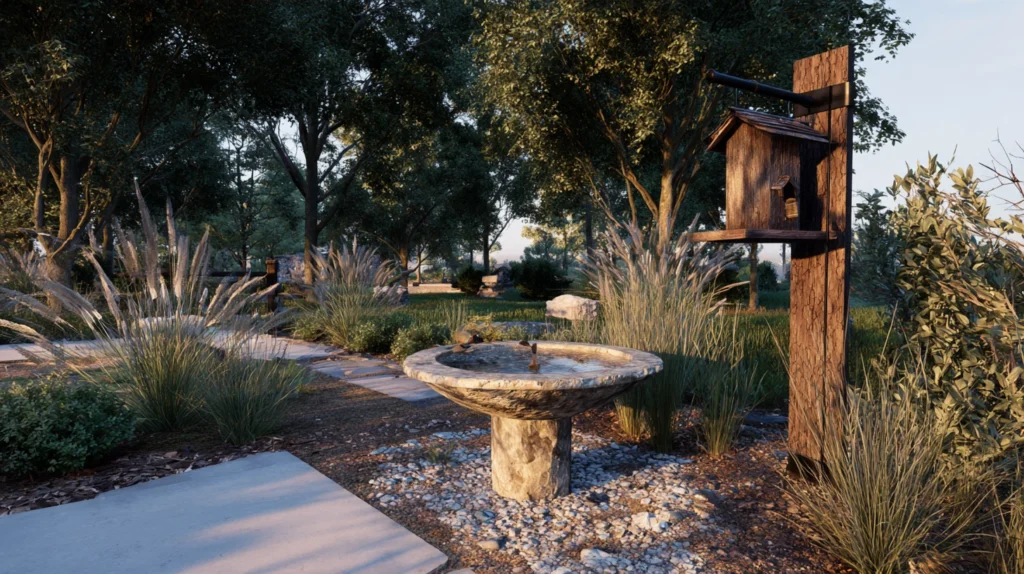
Then I actually looked into what birds require to consistently visit a yard: food, water, shelter, and nesting spots. None of those four things demand real money. They demand thought, and often, things I already had lying around or could source for free.
I added a shallow dish of water, planted three native shrubs from a fall plant sale, and left one brush pile in the back corner instead of hauling it away. Within a season, the yard had gone from three sparrows a month to a genuinely varied, active bird population, cardinals, chickadees, a woodpecker, all without spending anything close to what I had assumed was required.
Here are 14 ideas that turn any backyard into a genuine bird sanctuary without a significant budget.
Why Most Backyard Bird Efforts Fall Short
The common mistakes:
The feeder-only approach:
- A single bird feeder treated as the entire strategy for attracting birds
- No water source, no shelter, no nesting habitat addressing the other essential needs
- A yard that draws occasional visitors but never becomes a genuine, consistent habitat
- Missing the reality that food alone is only one of four core requirements birds actually need
The overly tidy yard:
- Every fallen branch, dead leaf, and seed head cleared away in the name of neatness
- A yard that looks maintained but offers birds almost nothing to actually use
- Missing the understanding that some genuine “messiness” is exactly what supports real bird activity
- Tidiness and habitat value often working directly against each other
The assumption that budget determines impact:
- A belief that meaningful bird habitat requires significant financial investment
- Expensive feeders and elaborate water features purchased before more foundational elements are addressed
- Money spent on decoration rather than on the actual functional requirements birds need most
- Missing the fact that native plants, water, and shelter, the highest-impact elements, are often the cheapest
What a successful budget bird sanctuary does:
Addresses all four core needs, not just food:
- Food, water, shelter, and nesting habitat all genuinely present, not just the most visible one
- Native plants prioritized over purchased feeders as the foundational strategy
- Some intentional “wildness” preserved rather than manicured away
- A sanctuary built through selection and restraint as much as through purchases
My revelation: The most effective bird habitat elements are frequently the cheapest ones. Native plants, a shallow water dish, and an unraked corner of the yard do more for actual bird activity than an expensive feeder ever will on its own.
1. The Native Plant Foundation
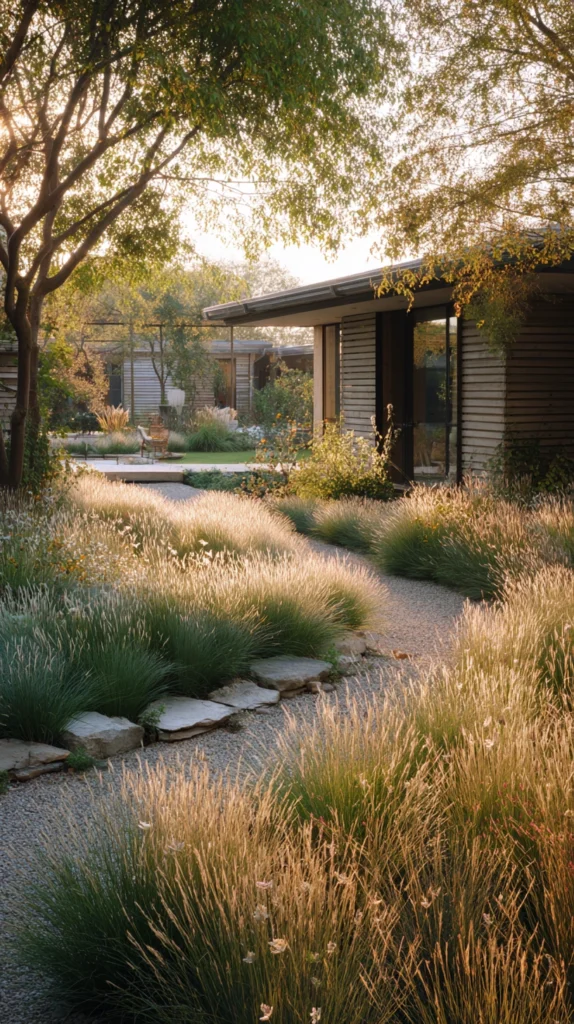
A planting scheme built primarily around plants native to the local region, providing genuine food, shelter, and nesting material that non-native ornamentals cannot match.
My non-native, low-value planting:
What I had:
- A yard planted almost entirely with ornamental, non-native shrubs and flowers chosen purely for appearance
- Very little actual bird activity despite plenty of greenery
- A missed opportunity to recognize that native plants specifically support local bird populations in ways imported species do not
The native plant discovery:
Why native plants outperform any purchased feeder for actual habitat value:
- Native plants host the specific insects local birds depend on for feeding their young, a relationship non-native plants rarely replicate
- Provide natural seed, berry, and nectar sources timed to match local bird migration and breeding cycles
- Often significantly cheaper than ornamental non-native alternatives, particularly when sourced through native plant sales or seed exchanges
- The single most foundational, highest-impact strategy for genuine bird habitat, outperforming any feeder-based approach alone
Choosing the right native plants:
Selection by function:
- Berry-producing shrubs, such as native viburnum, serviceberry, or elderberry, for direct food value
- Seed-producing perennials, like native coneflower, black-eyed Susan, and native sunflowers, left standing through fall and winter
- Flowering natives supporting the insect populations that feed nesting birds during breeding season
Sourcing native plants affordably:
Budget-friendly acquisition:
- Native plant society sales, frequently offering significantly discounted, locally appropriate species
- Seed exchanges and free seed-sharing programs through local gardening or native plant groups
- Dividing and transplanting from an established native planting, either your own or a neighbor’s, with permission
Cost:
- Native plant sale specimens (per plant): $3-10
- A foundational planting of 10-15 native plants: $30-150
My native plant foundation: Replacing three non-native ornamental shrubs with native serviceberry and elderberry, sourced through a fall native plant sale for under $40 total, brought more genuine bird activity to that corner of the yard within one season than the previous five years of purely ornamental planting combined.
Native Plant Tips
Research which specific native species are appropriate to your exact region:
Regional specificity:
- “Native” plants vary enormously by region, and a species native to one part of the country may be inappropriate or even invasive elsewhere
- Consult a local native plant society, extension office, or regional plant database for genuinely appropriate species
- This research step is essential before any planting begins, ensuring the effort actually supports local ecology as intended
- Local resources can also identify which native species specifically support the bird species present in your particular area
Leave seed heads and berries standing through fall and winter rather than deadheading:
Extended food value:
- The instinct to tidy spent flowers and seed heads removes exactly the food source birds depend on through colder months
- Leaving this material standing provides a genuine, ongoing food source well beyond the growing season
- This small change in maintenance habit costs nothing and significantly extends the planting’s actual habitat value
- Resume typical garden cleanup in early spring, after the bulk of the winter feeding season has passed
2. The Simple Shallow Water Dish
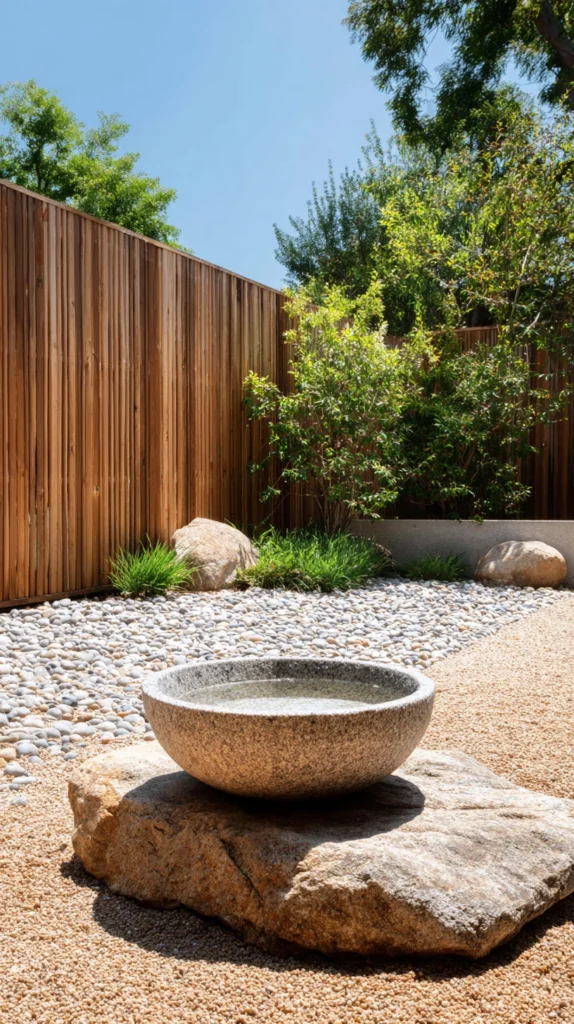
A shallow dish or saucer of water, requiring no purchase beyond an item likely already owned, providing a genuine water source for drinking and bathing.
My missing water source:
What was limiting bird visits:
- Feeders and some plantings in place, but no water source anywhere in the yard
- A missed opportunity for one of the four essential elements birds require, often the easiest and cheapest to provide
- Assuming a proper “bird bath” required a specific purchased product rather than simply any shallow, stable vessel
The shallow water dish solution:
Why water is often the single most attractive element for birds:
- Birds require water for both drinking and bathing, needs that exist year-round regardless of season
- A water source frequently attracts a wider variety of bird species than food alone, since not every bird visits feeders
- Achievable with genuinely no cost, using any shallow, stable dish or saucer already on hand
- One of the highest-impact, lowest-cost additions available for attracting consistent bird activity
Setting up the water dish:
Practical setup:
- Any shallow dish, saucer, or repurposed container, ideally no more than two to three inches deep at the center
- Positioned on the ground or slightly elevated on a stump, low table, or overturned pot
- A few flat stones placed in the water, providing safe footing and varied depth for different bird sizes
Maintaining the water source:
Keeping it genuinely useful:
- Refresh the water every one to two days, preventing stagnation and mosquito breeding
- Scrub the dish periodically with a stiff brush to prevent algae buildup
- Position in a partially shaded spot to slow evaporation and reduce algae growth
Cost:
- Existing shallow dish or saucer: $0
- New basic dish, if needed: $5-15
My shallow water dish: A simple terra cotta saucer, already owned and never used for its original purpose, placed on an overturned pot near the native plantings, brought species to the yard that had never once visited the existing feeder, proving that water alone drew activity food had not.
Water Dish Tips
Position the dish with a clear sightline for birds to spot approaching predators:
Safety consideration:
- Birds are naturally cautious around water sources, where they are more vulnerable to predators
- A dish positioned in the open, with some nearby shrub cover for quick retreat but clear visibility, feels safer to visiting birds
- This placement consideration significantly affects how consistently birds actually use the water source
- Avoid positioning directly beneath dense cover where a predator could approach unseen
Change the water frequently, especially during hot weather:
Health and safety maintenance:
- Stagnant water quickly becomes a mosquito breeding ground and a potential source of disease transmission among visiting birds
- Refreshing the water every one to two days, more frequently during hot weather, keeps the source genuinely safe and appealing
- This maintenance habit is simple but essential, more important than any other single aspect of the water feature’s upkeep
- A consistent refresh schedule, tied to an existing daily routine, makes this habit easier to maintain long-term
3. The Brush Pile Shelter
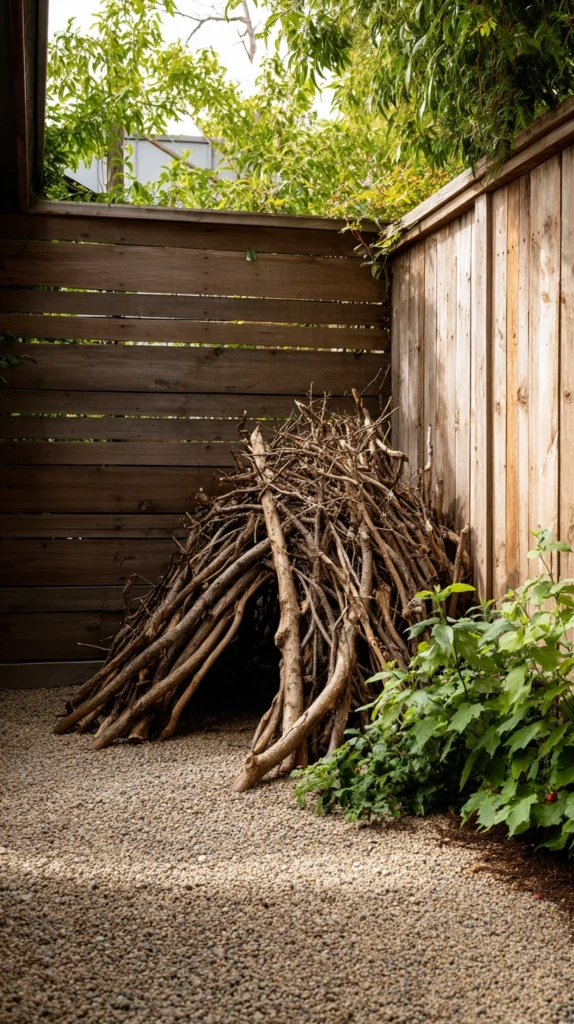
A simple pile of fallen branches, twigs, and yard debris, left intentionally in a corner of the yard as genuine shelter habitat.
My overly cleared yard:
What was working against bird activity:
- Every fallen branch and yard trimming immediately cleared away and disposed of
- A yard that looked tidy but offered virtually no shelter or hiding spots for visiting birds
- A missed opportunity to recognize that this “waste” material is actually valuable habitat, not just debris to remove
The brush pile solution:
Why intentional mess in one specific spot delivers genuine habitat value:
- Provides shelter from weather and predators, a core requirement many yards entirely fail to offer
- Small birds specifically favor dense brush for both temporary refuge and, in many cases, actual nesting sites
- Uses material that would otherwise require disposal, making this genuinely the least expensive habitat element available
- One of the most overlooked but highest-value additions for supporting a genuinely diverse bird population
Building the brush pile:
Construction approach:
- Larger branches at the base, creating structural gaps and tunnels
- Smaller twigs and branches layered on top, creating denser cover
- Positioned in an out-of-the-way corner of the yard, where its appearance is less of a concern
- Sized modestly at first, expanding gradually as more material becomes available through routine yard maintenance
Maintaining the pile over time:
Keeping it functional:
- Add new material periodically as it becomes available from pruning or storm debris
- Allow the pile to remain relatively undisturbed, since birds establish familiarity with a stable shelter location
- Avoid using treated or chemically sprayed wood in the pile’s construction
Cost:
- Free, using existing yard debris already generated through routine maintenance
My brush pile shelter: A modest pile of pruned branches in the back corner, built entirely from material that would have otherwise gone to yard waste collection, has become a consistent refuge for sparrows and wrens, species that rarely if ever visited the more open, exposed parts of the yard.
Brush Pile Tips
Position the pile in a location where its appearance genuinely will not bother household members:
Practical placement:
- A brush pile can look unkempt to eyes unfamiliar with its habitat value
- Positioning it in a back corner, behind existing shrubs, or in a less visually prominent area addresses this concern directly
- This placement consideration prevents the pile from becoming a source of household disagreement over yard appearance
- A modest, well-contained pile in an appropriate location delivers genuine value without significantly affecting the yard’s overall visual impression
Build with layered structure, larger branches at the base and smaller material on top:
Structural technique:
- A randomly thrown pile without intentional layering offers less genuine shelter value than one built with actual structure
- Larger branches at the base create the tunnels and gaps birds specifically use for shelter and protection
- This relatively simple construction technique significantly improves the pile’s actual habitat function
- A modest amount of intentional structure, even in an otherwise informal pile, meaningfully increases its value to visiting birds
4. The Repurposed Container Feeder
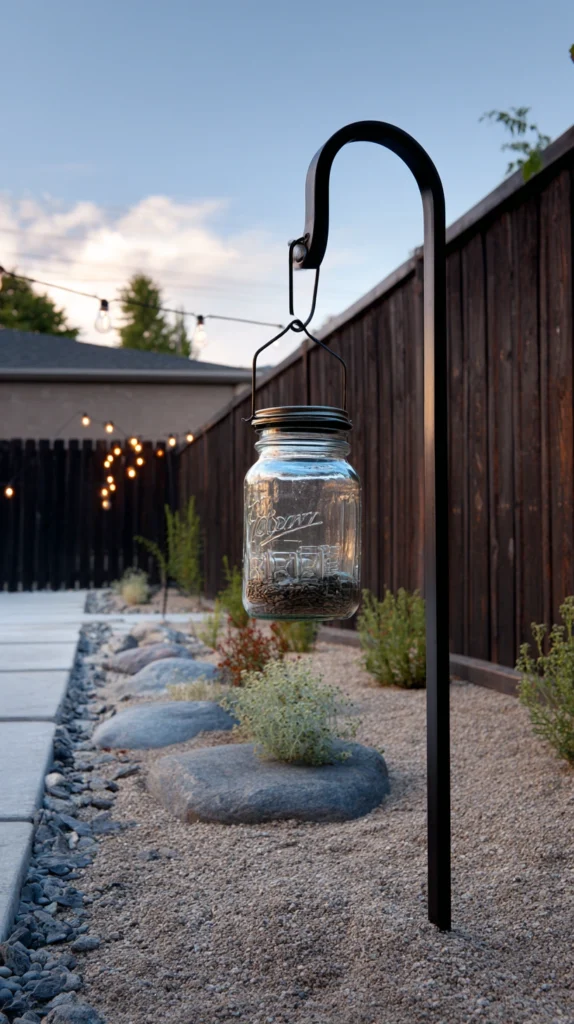
Bird feeders built from repurposed household items, milk jugs, mason jars, or wood scraps, rather than purchased feeder products.
My assumption that feeders required purchase:
What felt limiting:
- An assumption that meaningful bird feeding required buying a specific, often costly, feeder product
- Household items with genuine feeder potential discarded rather than repurposed
- A missed opportunity to build genuinely functional feeders at essentially no cost
The repurposed feeder solution:
Why homemade feeders work just as well as purchased ones:
- Birds respond to the food and accessible perching, not to the feeder’s brand or purchase price
- A wide range of household items can be adapted into genuinely functional feeders with minimal modification
- Significantly reduces the cost barrier often assumed necessary for meaningful bird feeding
- An accessible, often family-friendly project that delivers the same functional result as a store-bought alternative
Building repurposed feeders:
Project ideas using common materials:
- A milk jug feeder, with openings cut into the sides and a perch stick inserted below each opening
- A pinecone smeared with peanut butter and rolled in birdseed, hung directly from a branch
- A mason jar feeder, using a simple hanging wire hanger and a small dish attached beneath for seed access
- Suet cages made from repurposed mesh onion bags, filled with a simple homemade suet mixture
Positioning repurposed feeders:
Placement considerations:
- Hung from tree branches or a simple post, positioned with some nearby cover for birds to retreat to if startled
- Spaced apart if using multiple feeders, reducing competition and encouraging varied species visitation
- Positioned within view of a window for genuine enjoyment of the resulting bird activity
Cost:
- Essentially free, using household items already on hand
- Birdseed or suet ingredients: $5-15
My repurposed container feeder: A simple milk jug feeder, built in an afternoon with the kids using scissors and a marker for openings, has drawn just as consistent bird activity as any purchased feeder from a previous, more expensive attempt.
Repurposed Feeder Tips
Sand or smooth any cut edges to prevent injury to visiting birds:
Safety preparation:
- Cutting plastic or metal containers can leave sharp edges genuinely hazardous to birds perching or feeding
- A quick pass with sandpaper, or covering rough edges with tape, addresses this risk before the feeder is put into use
- This small preparation step is essential regardless of how simple or informal the repurposed feeder project is
- Inspect the finished feeder carefully for any remaining sharp points before hanging it in the yard
Clean repurposed feeders regularly, just as thoroughly as a purchased product would require:
Ongoing hygiene maintenance:
- A homemade feeder requires the same regular cleaning as any purchased alternative to prevent mold and disease spread
- Wash with a mild bleach solution periodically, rinsing thoroughly before refilling with fresh seed
- This maintenance requirement applies equally regardless of the feeder’s original cost or source material
- Establish the same cleaning schedule recommended for any bird feeder, typically every two weeks at minimum
5. The Dead Tree or Snag Retention
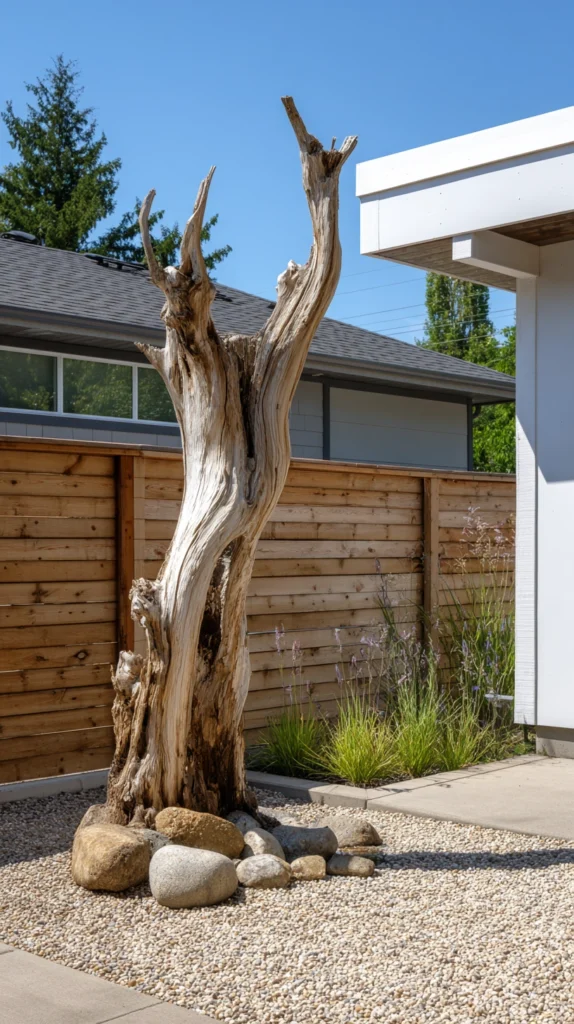
Leaving a dead or dying tree standing, rather than removing it, providing genuine nesting cavities and insect foraging habitat.
My instinct to remove dead wood:
What felt like standard practice:
- An assumption that any dead or declining tree should be promptly removed for tidiness and safety
- A missed opportunity to recognize the significant habitat value dead standing wood provides
- Removing exactly the kind of structure many cavity-nesting birds specifically depend on
The snag retention solution:
Why a dead tree left standing delivers exceptional habitat value:
- Provides natural cavities used by woodpeckers, chickadees, and numerous other cavity-nesting species
- Attracts wood-boring insects, providing a genuine food source foraged by woodpeckers and other insectivorous birds
- One of the single highest-value habitat features available, entirely free if a dead tree already exists in the yard
- Widely recognized among wildlife biologists as one of the most impactful, underappreciated backyard habitat elements
Assessing whether retention is appropriate:
Safety and practical considerations:
- Confirm the dead tree does not pose a genuine fall risk to structures, power lines, or frequently used areas
- A certified arborist can assess whether a specific dead tree is safe to retain in its current condition
- Consider retaining a shortened section, or “snag,” if the full tree height presents genuine safety concerns
Enhancing a retained snag:
Additional habitat value:
- Leave any existing natural cavities undisturbed, since these are actively used or will be used by cavity-nesting species
- Allow bark to remain in place where safely possible, since loose bark itself provides insect foraging habitat
- Position any additional bird houses nearby, complementing rather than replacing the snag’s natural cavities
Cost:
- Free if a suitable dead tree already exists on the property
- Arborist safety assessment, if needed: $75-200
My dead tree retention: Leaving a dying maple standing in the back corner of the yard, rather than following through on removal, has resulted in visible woodpecker activity within the first year, along with chickadees using an existing natural cavity for nesting the following spring.
Snag Retention Tips
Have a qualified arborist assess genuine safety before deciding to retain a dead tree:
Professional safety verification:
- Not every dead tree is safe to retain, particularly larger specimens near structures or frequently used areas
- A professional assessment specifically addresses fall risk, structural integrity, and appropriate retention height
- This verification is essential before committing to retention, given the genuine safety implications involved
- Follow the arborist’s specific recommendations, which may include reducing the tree’s height rather than full removal or full retention
Position any additional nesting boxes near, but not directly attached to, the retained snag:
Complementary habitat placement:
- Additional bird houses positioned nearby extend and complement the natural cavities the snag itself provides
- Avoid attaching additional structures directly to the snag if doing so would compromise its structural stability
- This nearby placement creates a concentrated, higher-value habitat zone within that specific area of the yard
- Consider the snag as the anchor of a broader habitat cluster rather than an isolated feature
6. The DIY Suet Feeder
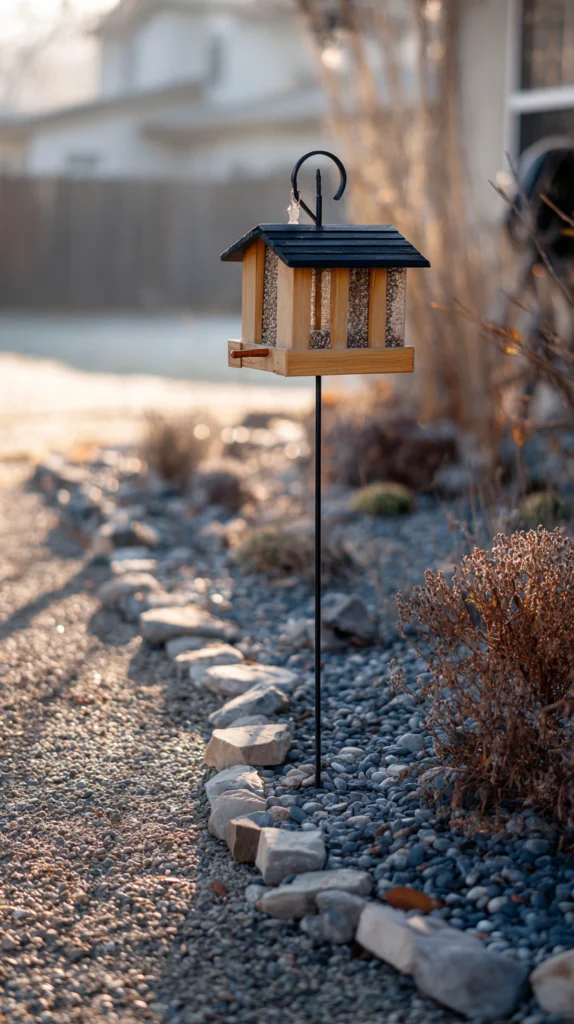
Homemade suet cakes, using rendered fat and seed, providing high-energy food particularly valuable during colder months.
My reliance on purchased seed alone:
What felt limited:
- Bird feeding relying entirely on purchased birdseed, missing the specific high-fat food source many species particularly need in winter
- A missed opportunity for a genuinely inexpensive, homemade food source using ingredients often already on hand
- Assuming suet specifically required purchasing pre-made commercial cakes at a notable premium
The DIY suet solution:
Why homemade suet delivers exceptional value:
- Provides a genuinely high-energy food source particularly valuable for birds during cold weather months
- Attracts species, particularly woodpeckers and nuthatches, that may visit less consistently for seed alone
- Made from rendered fat and simple pantry ingredients, often significantly cheaper than purchased commercial suet cakes
- A genuinely accessible DIY project requiring minimal specialized equipment or ingredients
Making homemade suet:
Basic recipe approach:
- Rendered beef fat or lard as the base, melted and combined with birdseed, cornmeal, and dried fruit
- Poured into a simple mold, such as a muffin tin or repurposed container, and allowed to cool and solidify
- Cut or unmolded into cake shapes sized to fit a standard or homemade suet cage
Feeding suet safely:
Practical considerations:
- Use a wire suet cage or repurposed mesh bag to hold the suet cake securely
- Position away from direct, intense sun exposure, which can cause the suet to melt and spoil more quickly
- Offer suet primarily during cooler months, since it can spoil more rapidly in significant summer heat
Cost:
- Rendered fat, seed, and mix-ins: $8-15 for multiple suet cakes
My homemade suet feeder: Rendering beef fat saved from cooking, combined with birdseed and dried cranberries, produced suet cakes that drew a downy woodpecker to the yard within the first week, a species the previous seed-only feeding approach had never once attracted.
DIY Suet Tips
Render the fat thoroughly to remove excess moisture before combining with other ingredients:
Preparation technique:
- Incompletely rendered fat can introduce excess moisture, leading to quicker spoilage of the finished suet cake
- Slowly melting the fat over low heat, straining out any solid impurities, produces a cleaner, longer-lasting base
- This preparation step matters significantly for the suet’s overall shelf life and quality once offered to birds
- Allow the rendered fat to cool slightly before combining with seed and other ingredients, preventing the mixture from separating
Offer suet primarily during cooler months to avoid spoilage in warm weather:
Seasonal timing consideration:
- Suet fat can melt and turn rancid relatively quickly in warm or hot weather conditions
- Reserve suet feeding primarily for fall through early spring, when temperatures naturally support the fat’s stability
- If offering suet during warmer months, choose a heat-resistant “no-melt” recipe variation or reduce quantities offered at one time
- This timing consideration prevents both wasted effort and the health risk spoiled suet could pose to visiting birds
7. The Dense Shrub Nesting Border
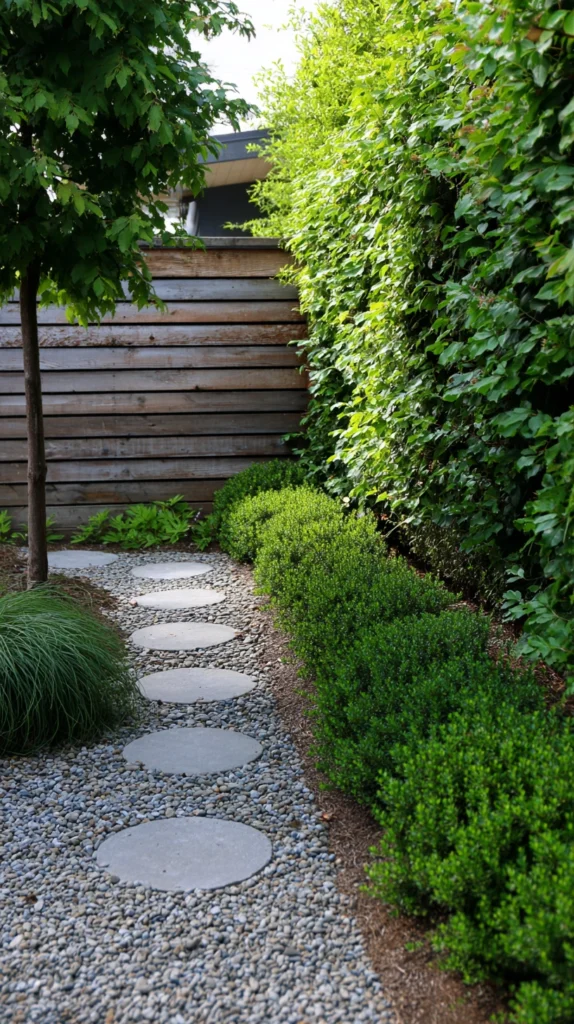
A border of dense, low-branching shrubs, planted specifically to provide the protected nesting habitat many common backyard bird species require.
My missing nesting habitat:
What was overlooked:
- Feeders and water in place, but no consideration given to where birds might actually nest within the yard
- A missed opportunity to recognize that feeding and watering birds does not automatically provide the shelter needed for successful nesting
- Existing shrubs, if present, often too sparse or high-branching to provide genuine nesting protection
The dense shrub border solution:
Why dense, low shrubs specifically support successful nesting:
- Many common backyard species, including cardinals and sparrows, specifically favor dense, low-branching shrubs for nest placement
- Provides concealment from predators during the vulnerable nesting and fledgling period
- A relatively affordable planting project, particularly when using smaller, budget-friendly nursery stock
- Directly supports the reproductive success of visiting bird populations, not just their feeding
Choosing the right shrubs:
Selection for nesting value:
- Native viburnum species, offering dense branching and berry production
- Native holly varieties, providing both dense cover and winter berries
- Elderberry, combining dense low growth with significant food value
- Avoid overly manicured, sparse pruning styles that reduce the dense cover nesting birds specifically seek
Planting for a genuine nesting border:
Layout considerations:
- Plant in a cluster or continuous border rather than isolated single specimens, creating a more substantial protected zone
- Position along a fence line or property edge, providing a natural, less disturbed nesting corridor
- Allow shrubs to grow with minimal pruning, maintaining the dense branching structure nesting birds require
Cost:
- Small nursery stock shrubs (per plant): $10-25
- A border of 6-10 shrubs: $60-250
My dense shrub nesting border: Planting a continuous row of native viburnum along the back fence line, left largely unpruned to maintain dense branching, resulted in a cardinal pair successfully nesting there the following spring, the first confirmed nesting activity anywhere in the yard since we moved in.
Nesting Border Tips
Resist heavy pruning that opens up the shrub’s interior branching structure:
Pruning restraint:
- Aggressive pruning aimed at a tidy, open form directly undermines the dense cover nesting birds specifically require
- Light, minimal pruning, focused only on genuinely necessary shaping, preserves the interior density birds need
- This restraint matters significantly more here than in ornamental shrub maintenance focused purely on appearance
- Communicate this specific pruning approach clearly if a landscaping service maintains other parts of the yard
Plant in a continuous border or cluster rather than isolated single specimens:
Layout for habitat value:
- Individual, widely spaced shrubs offer less genuine protected nesting habitat than a continuous, denser planting
- A connected border creates a more substantial protected corridor, genuinely more attractive to nesting birds
- This clustering consideration matters as much as the specific shrub species chosen for the border’s actual effectiveness
- Even a modest border of six to eight shrubs, planted in reasonable proximity, delivers meaningfully more habitat value than the same shrubs scattered individually
8. The Repurposed Nest Box
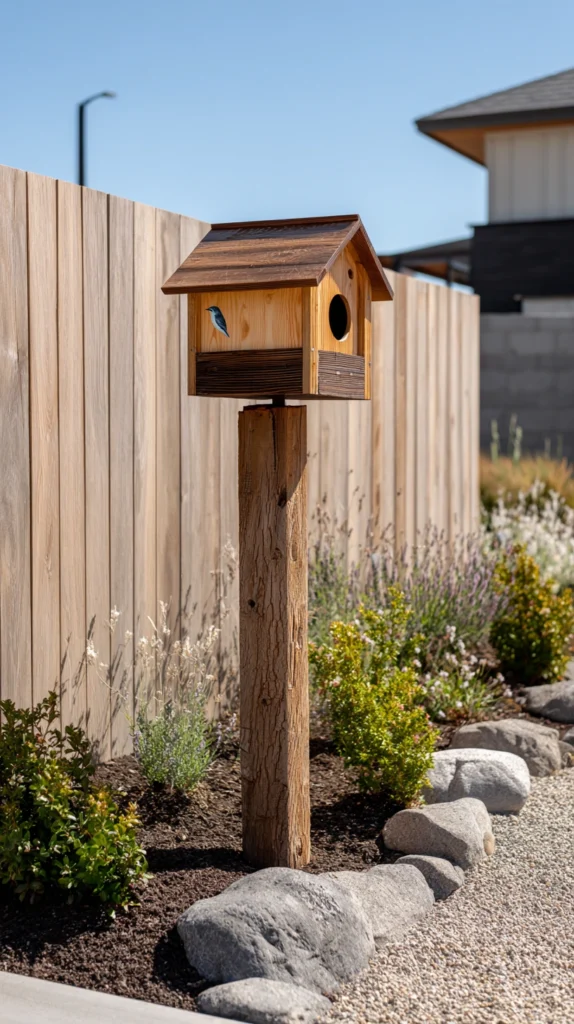
Simple birdhouses built from scrap wood or repurposed materials, providing artificial nesting cavities for cavity-nesting species.
My missing cavity nesting option:
What felt like a gap:
- Yards without mature dead trees or natural cavities, offering no nesting option for cavity-dependent species like chickadees and bluebirds
- An assumption that quality nest boxes required significant purchase cost
- A missed opportunity to build genuinely functional nest boxes from inexpensive or repurposed materials
The repurposed nest box solution:
Why homemade nest boxes deliver the same value as purchased alternatives:
- Cavity-nesting birds respond to appropriate box dimensions and placement, not to the box’s cost or purchase source
- Scrap wood, an old wooden box, or even a large section of PVC pipe can be adapted into a functional nest box
- Significantly reduces the cost barrier for supporting cavity-nesting species in yards lacking natural cavities
- A genuinely accessible building project, requiring only basic tools and readily available scrap materials
Building a basic nest box:
Construction fundamentals:
- Untreated wood, either scrap lumber or a repurposed wooden crate, avoiding any chemically treated material
- An entrance hole sized specifically to the target species, since hole diameter determines which birds can access the box
- Adequate ventilation and drainage, preventing moisture buildup inside the box
- A hinged or removable panel, allowing the box to be cleaned out between nesting seasons
Sizing for specific target species:
Matching dimensions to desired residents:
- A 1.25-inch entrance hole for chickadees and similar small species
- A 1.5-inch entrance hole for larger species like bluebirds
- Research specific dimensions for any particular target species before finalizing construction
Cost:
- Scrap wood and basic hardware: $0-15
- New untreated lumber, if scrap is unavailable: $10-25
My repurposed nest box: Built from leftover fence board scraps and sized specifically for chickadees, the box was occupied by a nesting pair within the first full season, delivering the same successful result as any commercially purchased nest box would have, at essentially no material cost.
Nest Box Tips
Use only untreated wood for any nest box construction:
Material safety requirement:
- Chemically treated lumber can introduce harmful substances into the enclosed nesting environment
- Confirm any wood used, whether new or repurposed, is genuinely untreated before use in nest box construction
- This safety consideration is non-negotiable regardless of how convenient a piece of treated scrap material might otherwise seem
- Weathered, naturally aged untreated wood is entirely appropriate and often preferred for a more natural-looking finished box
Include a removable panel for annual cleaning between nesting seasons:
Maintenance access requirement:
- Nest boxes require cleaning out old nesting material between seasons to remain genuinely usable and hygienic
- A hinged or simply removable side or top panel provides necessary access without requiring the box’s full disassembly
- This feature is essential for the box’s long-term function, not merely a convenient addition
- Clean the box in early spring, before the new nesting season typically begins, removing all old material
9. The Overwintering Seed Head Garden
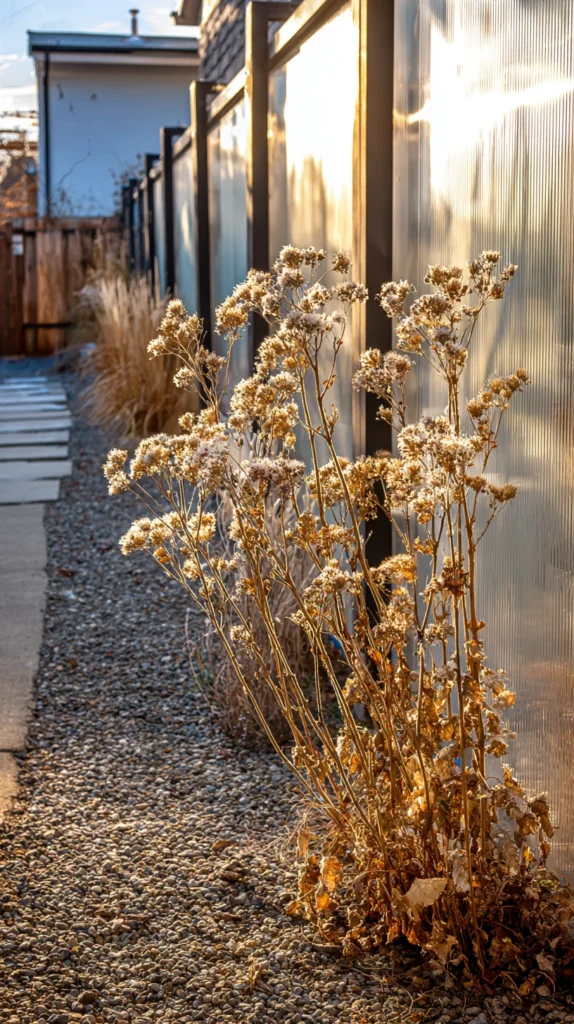
Perennial flower beds left unpruned and standing through fall and winter, providing an extended natural seed source during the leanest food months.
My tidy fall cleanup habit:
What was working against winter bird activity:
- A habit of cutting back and clearing all perennial flower beds each fall for a tidy winter appearance
- Removing exactly the seed heads that would otherwise provide crucial food through the colder months
- A missed opportunity to recognize that standard fall cleanup directly reduces the yard’s winter habitat value
The overwintering seed garden solution:
Why leaving seed heads standing matters so much for winter bird support:
- Provides a genuine, ongoing food source during months when natural food is otherwise scarce
- Costs literally nothing, since it involves not performing a task rather than any additional purchase or effort
- Many popular perennial flowers, coneflower, black-eyed Susan, native asters, produce seed heads specifically favored by finches and other seed-eating species
- One of the simplest, most immediately implementable changes available for improving a yard’s winter bird value
Adjusting the fall cleanup routine:
Practical approach:
- Leave perennial flower stalks and seed heads standing through fall and winter, rather than the traditional autumn cutback
- Delay any cleanup until early spring, after the primary winter feeding period has passed
- Choose perennial varieties specifically known for producing bird-favored seed heads when planning any new plantings
Balancing appearance with habitat value:
Addressing tidiness concerns:
- Standing seed heads can be positioned toward the back of a bed, with tidier evergreen structure toward the front
- Frost and light snow often add their own visual interest to standing seed heads, softening any concern about a “messy” winter appearance
- Communicate the specific habitat purpose to household members if the changed appearance raises questions
Cost:
- Free; achieved by adjusting an existing maintenance routine rather than any new expense
My overwintering seed head garden: Simply leaving the coneflower and black-eyed Susan beds standing through winter instead of the previous fall cutback brought a visible increase in finch activity through the coldest months, all from changing a habit rather than spending anything additional.
Seed Head Garden Tips
Choose perennial varieties known specifically for bird-favored seed production when planning new beds:
Strategic plant selection:
- Not all perennials produce equally valuable seed heads for bird feeding purposes
- Coneflower, black-eyed Susan, native sunflowers, and asters are specifically well-regarded for their winter seed value
- Prioritizing these varieties in any new perennial planting maximizes the eventual winter habitat benefit
- This consideration can guide future plant purchases even if existing beds are not immediately changed
Delay spring cleanup until new growth has genuinely begun emerging:
Timing for maximum benefit:
- Cutting back seed heads too early in spring removes food value during a period when it may still be needed
- Waiting until new growth is visibly emerging signals that the seed heads have served their full winter purpose
- This timing adjustment extends the habitat value slightly further into the season than an earlier cleanup would allow
- Balance this timing against any specific regional guidance about pest or disease management that might affect the ideal cleanup schedule
10. The Puddling Station for Mud-Nesting Birds
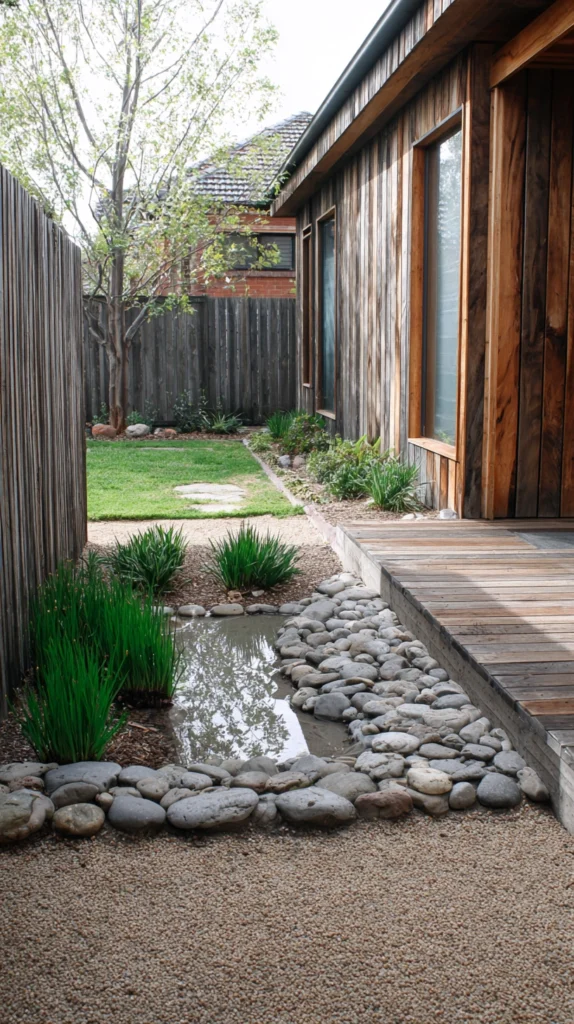
A small, shallow area of exposed mud, maintained specifically for species like robins and swallows that use mud as nesting material.
My missing specialized nesting resource:
What was overlooked:
- Standard water and shelter provisions in place, but nothing addressing the specific mud requirement certain species need for nest construction
- A missed opportunity for a genuinely simple, low-cost addition supporting a very specific but important habitat need
- Assuming all bird nesting needs were addressed by general shelter and water alone
The puddling station solution:
Why mud specifically matters for certain bird species:
- Robins, swallows, and several other common species use mud as a primary nest-building material, mixing it with grass and other fibers
- A yard entirely covered in grass, mulch, or hardscape may offer no accessible mud source during nest-building season
- An extremely simple, low-cost addition addressing a specific need most general habitat advice overlooks entirely
- Particularly valuable during dry spring conditions, when naturally occurring mud may be scarce
Creating a puddling station:
Simple setup approach:
- A shallow depression in an out-of-the-way garden corner, kept consistently damp during nesting season
- Alternatively, a shallow dish or tray filled with a mix of soil and water, maintained at a mud-like consistency
- Positioned near, but not directly within, other nesting and shelter habitat areas
Maintaining the mud source:
Keeping it functional through nesting season:
- Add water regularly, particularly during dry spells, to maintain a workable mud consistency
- Position in at least partial shade to slow drying between watering
- Most actively needed during spring nest-building season, requiring less attention outside that window
Cost:
- Free, using existing yard soil and water
My puddling station: A small, consistently dampened patch of soil in the corner of the vegetable garden, maintained through the spring nesting season, has visibly drawn robins collecting material, a specific behavior I had never previously noticed anywhere else in the yard.
Puddling Station Tips
Position the station in an out-of-the-way corner where its appearance will not create tidiness concerns:
Practical placement:
- A visibly muddy patch in a prominent part of the yard can raise the same aesthetic concerns as a brush pile
- Positioning the puddling station in a less visually prominent corner, similar to the brush pile placement strategy, addresses this practical consideration
- This placement decision allows the feature to deliver its habitat value without becoming a source of household friction over yard appearance
- A relatively small, contained area is sufficient; the puddling station does not need to occupy significant space
Maintain the mud source most actively during the specific spring nest-building period:
Seasonal timing focus:
- The puddling station delivers its greatest value during the specific window when birds are actively constructing nests
- Concentrate watering and maintenance effort during this spring period, when the need is most acute
- Reduced attention outside this window is entirely appropriate, since the specific mud-nesting need is primarily seasonal
- This timing focus makes the maintenance commitment manageable rather than a year-round obligation
11. The Layered Habitat Zones
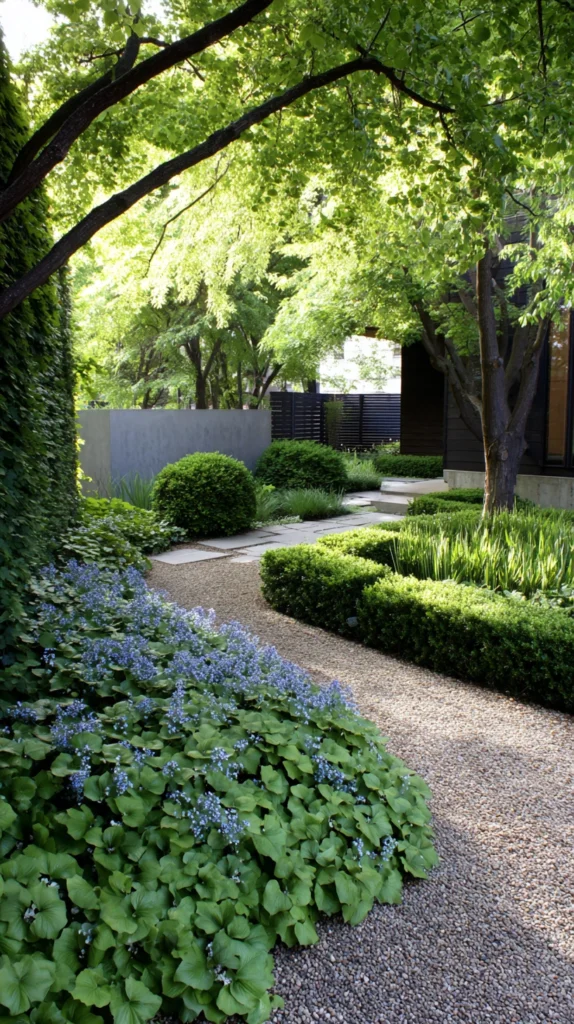
Organizing the yard into distinct habitat layers, ground cover, low shrub, and tree canopy, mirroring the natural forest structure many bird species evolved alongside.
My single-layer, flat habitat:
What was limiting overall diversity:
- A yard offering primarily one habitat layer, typically open lawn with scattered individual plants
- Missing the layered structure, ground cover through canopy, that supports the greatest diversity of bird species and behaviors
- A missed opportunity to organize existing and planned plantings around this specific, high-value structural principle
The layered habitat solution:
Why layered structure supports significantly more bird diversity than a flat yard:
- Different bird species specifically favor different habitat layers, ground-feeding species, shrub-nesting species, and canopy-dwelling species all require distinct structural zones
- A yard offering all three layers supports meaningfully more overall bird diversity than one offering only lawn and isolated specimen plants
- Mirrors the natural forest edge structure many common backyard bird species evolved specifically to use
- A reorganizing principle more than a specific purchase, achievable by thoughtfully arranging existing and future plantings
Building the three layers:
Structuring the habitat:
- Ground layer: native groundcover, leaf litter left in place, and low perennials supporting ground-feeding species
- Shrub layer: the dense native shrub border discussed earlier, supporting nesting and mid-level foraging
- Canopy layer: existing or newly planted trees, providing the highest nesting sites and broader territorial structure
Implementing gradually:
A realistic approach to building layered habitat:
- Assess which layers already exist in the yard and which are genuinely missing
- Prioritize adding the most absent layer first, often the shrub layer in yards with only lawn and scattered trees
- Allow the structure to develop gradually over several seasons, rather than attempting a complete transformation at once
Cost:
- Varies based on what layers are already present; often achievable by reorganizing existing plants alongside modest additional plantings
My layered habitat zones: Recognizing that the yard had mature trees and open lawn but almost no shrub layer, adding the native viburnum border specifically filled that missing middle layer, and the resulting increase in overall bird diversity, not just quantity, was noticeable within the first full year.
Layered Habitat Tips
Assess which specific layer is most absent before planning any new additions:
Diagnostic approach:
- Many yards already have at least one layer, often either open lawn or mature trees, well established
- Identifying the genuinely missing layer, most commonly the shrub or ground cover layer, focuses new effort where it will deliver the most benefit
- This assessment prevents redundant investment in layers already reasonably well represented
- Walk the yard specifically evaluating ground cover, shrub density, and canopy coverage as three distinct considerations
Allow the layered structure to develop gradually rather than attempting an immediate full transformation:
Realistic timeline expectations:
- A fully mature, layered habitat structure takes multiple seasons to develop, particularly for the shrub and canopy layers
- Prioritizing and planting the most critically missing layer first, then building outward over subsequent seasons, is both more affordable and more realistic
- This gradual approach also allows observing how bird activity responds to each addition before committing further resources
- Patience with this gradual development ultimately produces a more genuinely established, higher-value habitat than a rushed, all-at-once approach
12. The Reduced Pesticide and Chemical Commitment
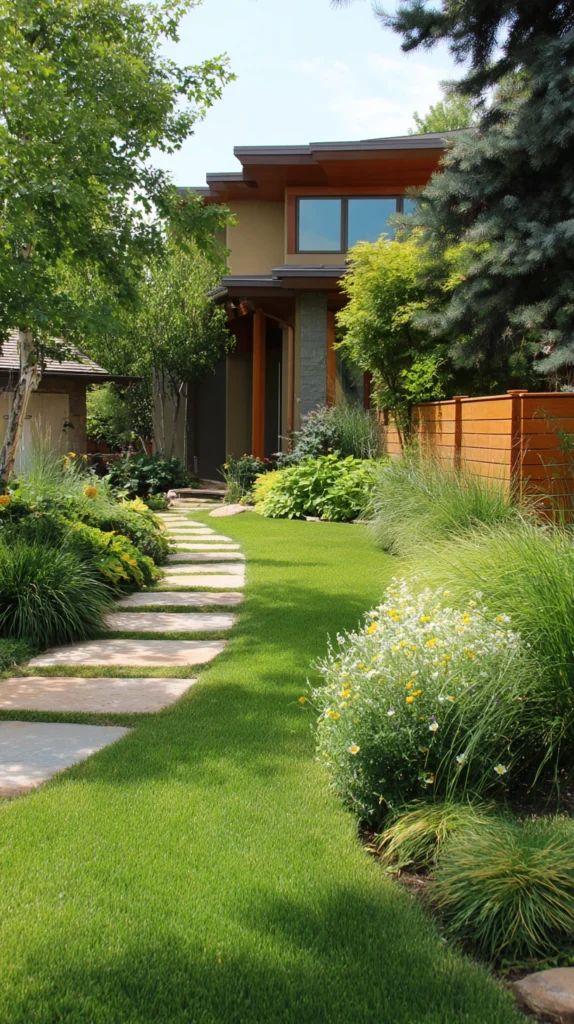
A firm commitment to avoiding pesticides, herbicides, and chemical lawn treatments throughout the yard, protecting the insect populations birds depend on.
My unexamined chemical lawn care routine:
What was working directly against the sanctuary’s goals:
- Continued use of standard lawn chemical treatments, pesticides, or herbicides, without considering their effect on the broader habitat effort
- A significant undermining of every other habitat element being carefully built, since chemical treatments reduce the insect populations birds specifically depend on for feeding young
- A missed opportunity to recognize that this single behavioral change costs nothing and may be the most important decision affecting the sanctuary’s actual success
The reduced chemical solution:
Why this commitment matters more than almost any single physical addition:
- Pesticides directly reduce the insect populations that the vast majority of backyard bird species depend on, especially during breeding season when protein-rich insects are essential for feeding nestlings
- Herbicide use can eliminate the “weeds” that are often, in fact, valuable native or naturalized plants supporting insects and seed production
- This commitment costs nothing to implement, and often saves money previously spent on chemical treatments
- Frequently the single most important factor determining whether a yard can support genuine breeding bird success, not just casual visits
Making the commitment practical:
Transitioning away from chemical treatments:
- Accept a slightly less uniformly manicured lawn appearance as part of this broader commitment
- Address specific pest problems with targeted, non-chemical methods rather than broad preventive spraying
- Communicate this commitment clearly if a lawn care service currently treats the property
Addressing common concerns:
Working through the transition:
- A lawn transitioning away from chemical treatment may show more clover or other flowering “weeds,” which themselves support pollinators and, indirectly, birds
- Consider this transition as one component of the broader sanctuary effort, communicated to neighbors if visible from shared sightlines
- Gradual transition, rather than an abrupt stop, may ease both the lawn’s adjustment and any household concerns about appearance
Cost:
- Often results in savings, given the elimination of previous chemical treatment purchases
My reduced chemical commitment: Stopping the previous quarterly pesticide treatment freed up both budget and, more importantly, allowed the insect population that had been suppressed for years to genuinely recover, a change directly reflected in a noticeable increase in successful nesting activity the following spring.
Reduced Chemical Tips
Communicate this commitment clearly if a lawn care service currently treats the property:
Practical implementation:
- A standing lawn care contract may include routine chemical treatment unless specifically adjusted
- A direct conversation with the service provider, requesting organic or chemical-free treatment options, addresses this practical barrier
- This communication step is essential for the commitment to actually take effect if a third-party service manages any part of the yard
- Confirm the specific alternative methods the service will use, ensuring they genuinely align with the sanctuary’s broader goals
Address specific pest problems with targeted methods rather than broad preventive spraying:
Practical pest management approach:
- Genuine pest problems may still occasionally require some intervention, but broad, preventive chemical spraying is rarely necessary
- Targeted approaches, hand removal, specific non-chemical treatments, or simply tolerating a manageable level of insect presence, address real problems without undermining the broader habitat goal
- This targeted approach balances practical yard maintenance needs against the sanctuary’s core purpose
- Research specific non-chemical solutions for any particular pest concern before defaulting to broad chemical treatment
13. The Grit and Mineral Supplement Station
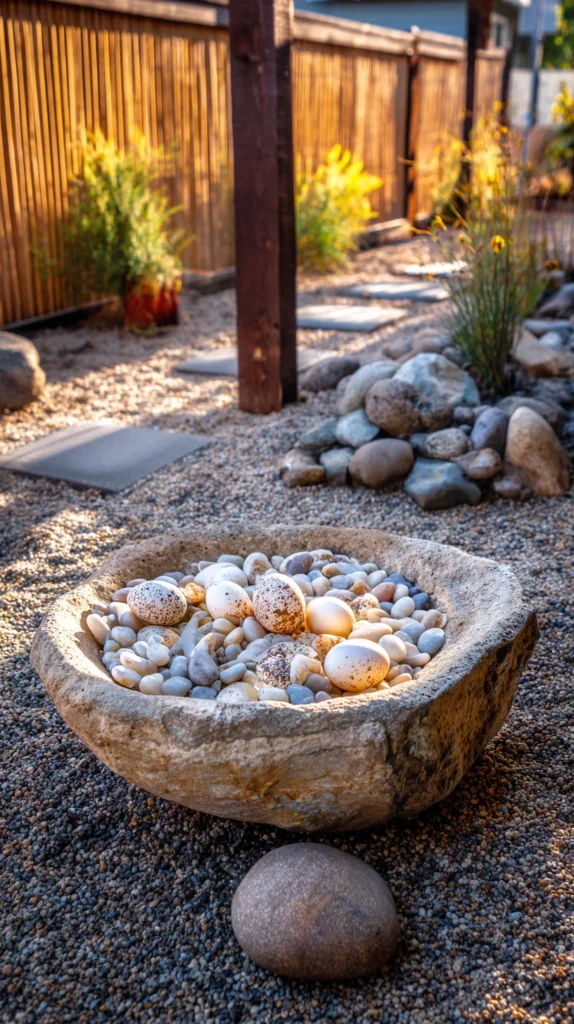
A small dish of coarse sand or crushed eggshell, providing grit that birds require to digest seeds effectively.
My overlooked digestive need:
What was missing:
- Feeding stations offering seed, but nothing addressing the grit birds specifically require to physically digest that seed
- A missed opportunity for a genuinely simple, often free addition supporting the actual function of everything else being offered
- Assuming that food alone was sufficient without considering this often-overlooked digestive requirement
The grit station solution:
Why grit matters for the effectiveness of every other feeding effort:
- Birds lack teeth and rely on grit, held in their gizzard, to physically grind and digest seeds
- Without adequate grit access, birds may struggle to fully process the very food being provided through feeders
- An extremely simple, often free addition using coarse sand or crushed eggshell already available around most households
- Complements and genuinely improves the effectiveness of every other feeding effort already in place
Setting up a grit station:
Simple implementation:
- Coarse sand, offered in a small shallow dish near existing feeding areas
- Crushed eggshell, baked briefly to sanitize, then crushed into small pieces and offered similarly
- Positioned near, but separate from, seed feeders, avoiding contamination of the actual food supply
Sourcing grit materials:
Low-cost or free options:
- Coarse builder’s sand, often available in small quantities at minimal cost
- Eggshells saved from regular household cooking, cleaned and baked to eliminate any bacteria before offering
- Crushed oyster shell, sometimes available inexpensively through feed or garden supply stores
Cost:
- Often free, using saved eggshells or minimal-cost sand
My grit and mineral supplement station: Offering baked, crushed eggshell in a small dish near the existing feeders cost nothing beyond saving shells already being discarded, and it has become a consistently visited addition, particularly by female birds during breeding season when calcium needs specifically increase.
Grit Station Tips
Bake eggshells briefly before crushing to eliminate any bacterial contamination:
Safety preparation:
- Raw eggshells can carry salmonella or other bacteria potentially harmful if offered to birds without proper preparation
- Baking shells at a low temperature for a short period effectively sanitizes them before use
- This preparation step is simple but should not be skipped, given the genuine health consideration involved
- Crush the baked shells into small, manageable pieces after they have cooled completely
Position the grit station separately from seed feeders to avoid contamination:
Practical separation:
- Mixing grit directly into seed feeders can create an unappealing or genuinely unusable combination
- A separate, nearby dish keeps both the seed and the grit accessible without compromising either
- This separation also makes it easier to monitor and refresh each element according to its own specific needs
- Position both elements within reasonable proximity, supporting the natural feeding behavior of visiting birds
14. The Seasonal Observation and Adjustment Journal
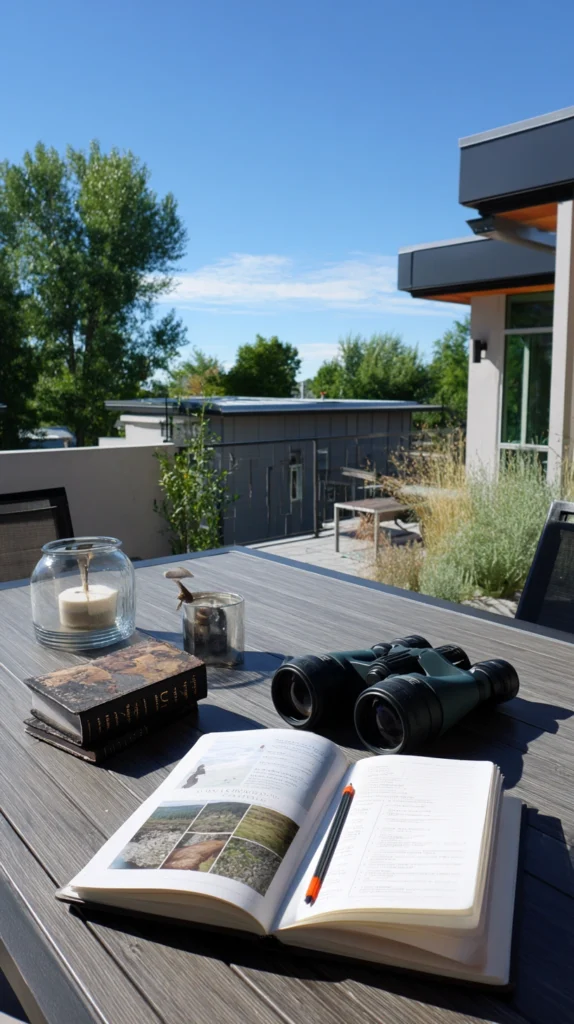
A simple record of bird species observed, feeding patterns, and seasonal changes, used to inform ongoing, increasingly targeted habitat adjustments.
My unobserved, unadjusted approach:
What was limiting long-term improvement:
- Habitat elements added without any systematic observation of what was actually working or attracting specific species
- A missed opportunity to use direct, free observation to guide increasingly effective future decisions
- Continuing the same general approach year after year without genuinely learning from what the yard’s specific bird activity was actually showing
The observation journal solution:
Why systematic observation delivers ongoing, compounding value:
- Reveals which specific habitat elements are genuinely working and which may need adjustment
- Costs nothing beyond time and attention, yet provides genuinely valuable, yard-specific information no general advice can replicate
- Supports increasingly targeted, effective decisions over time, since general bird habitat advice cannot account for a specific yard’s unique conditions
- Often becomes a genuinely rewarding practice in its own right, deepening engagement with the sanctuary project overall
Building the observation practice:
Simple journaling approach:
- A basic notebook or simple spreadsheet, recording species observed, approximate dates, and specific behaviors noted
- Regular, brief observation sessions, even five or ten minutes, rather than requiring extensive dedicated time
- Noting which specific feeders, plants, or water sources draw the most consistent activity
Using observations to guide adjustments:
Applying what is learned:
- Identify which native plants are genuinely most visited, informing future planting priorities
- Note any species notably absent despite habitat efforts, prompting research into what specific additional element might be missing
- Track seasonal patterns, informing when specific habitat elements, like suet or the puddling station, deliver the most value
Cost:
- Free, requiring only a notebook or simple digital record
My observation journal: Tracking which specific plants and feeders drew the most consistent activity over one full year revealed that the native serviceberry was drawing significantly more diverse activity than any purchased feeder, directly informing the decision to expand native plantings the following season rather than investing further in additional feeders.
Observation Journal Tips
Keep the observation process simple enough to genuinely sustain over time:
Sustainability of the habit:
- An overly elaborate tracking system can become burdensome and get abandoned relatively quickly
- A simple, low-effort format, brief notes rather than extensive detailed records, is far more likely to actually continue over months and years
- This simplicity is what allows the observation practice to deliver its full long-term value
- Choose whatever format, paper notebook, phone notes, or simple app, feels most naturally sustainable for actual ongoing use
Use observations specifically to guide future budget and effort toward what is genuinely working:
Applying data to decisions
- The most valuable outcome of systematic observation is more targeted, effective future investment of both time and any available budget
- Regularly review accumulated observations, specifically asking which elements are drawing the most activity and which seem underused
- This data-informed approach ensures ongoing effort builds on genuine evidence from the specific yard, rather than general assumptions
- Revisit and adjust the overall sanctuary plan periodically based on what these accumulated observations actually reveal
Choosing Your Bird Sanctuary Elements
By Priority
The four essential needs first:
- Native plant foundation (idea 1): food and shelter combined
- Simple shallow water dish (idea 2): the most attractive, lowest-cost element
- Brush pile shelter (idea 3): genuine protection and refuge
- Dense shrub nesting border (idea 7): protected nesting habitat
Supplementary feeding:
- Repurposed container feeder (idea 4): functional feeding at no cost
- DIY suet feeder (idea 6): high-energy winter support
- Grit and mineral supplement station (idea 13): supporting effective digestion
Specialized and advanced additions:
- Dead tree or snag retention (idea 5): exceptional cavity-nesting value
- Repurposed nest box (idea 8): artificial cavities where natural ones are absent
- Puddling station for mud-nesting birds (idea 10): a specific, overlooked need
By Effort Level
Lowest effort:
- Simple shallow water dish (idea 2)
- Overwintering seed head garden (idea 9)
- Reduced pesticide and chemical commitment (idea 12)
- Seasonal observation and adjustment journal (idea 14)
Medium effort:
- Brush pile shelter (idea 3)
- Repurposed container feeder (idea 4)
- Grit and mineral supplement station (idea 13)
- Puddling station for mud-nesting birds (idea 10)
Higher commitment:
- Native plant foundation (idea 1)
- Dense shrub nesting border (idea 7)
- Repurposed nest box (idea 8)
- Dead tree or snag retention (idea 5)
- Layered habitat zones (idea 11)
By Budget
Free or nearly free:
- Simple shallow water dish (idea 2)
- Brush pile shelter (idea 3)
- Overwintering seed head garden (idea 9)
- Reduced pesticide and chemical commitment (idea 12)
- Puddling station for mud-nesting birds (idea 10)
- Grit and mineral supplement station (idea 13)
- Seasonal observation and adjustment journal (idea 14)
Under $50:
- Repurposed container feeder (idea 4)
- DIY suet feeder (idea 6)
- Repurposed nest box (idea 8)
$50-200:
- Native plant foundation, starter planting (idea 1)
- Dense shrub nesting border, partial (idea 7)
$200+:
- Full native plant foundation and layered habitat development (idea 1, idea 11)
- Dead tree or snag retention, if professional assessment is needed (idea 5)
Maintenance Through the Seasons
Spring:
- Clean out nest boxes before the new nesting season begins
- Maintain the puddling station actively during peak nest-building activity
Summer:
- Refresh water sources more frequently during hot, dry conditions
- Monitor native plantings for the insect activity supporting nesting success
Fall:
- Resist the urge to cut back seed heads; leave them standing for winter food value
- Add fallen branches to the brush pile as they become available through routine yard maintenance
Winter:
- Offer suet more actively during the coldest months
- Continue providing water, using a heated dish or regular refreshing if freezing is a concern
My Complete Budget Bird Sanctuary Journey
What I built across two years:
Year one ($75):
- Native plant foundation, shallow water dish, and brush pile shelter
- Learned that the highest-impact elements were consistently the cheapest ones
Year two ($60):
- Dense shrub nesting border and repurposed nest box
- Reduced chemical commitment and started the observation journal
- Learned that removing harmful practices mattered as much as adding new positive ones
Total investment: $135 across two years Most important lesson: Genuine bird habitat depends far more on addressing core needs, food, water, shelter, and nesting, than on any purchased product Single highest-impact change across both years: The simple shallow water dish, for the lowest cost and most immediate, consistent increase in visiting species diversity
Getting Started This Weekend
Start with what costs nothing.
This weekend:
Step 1 — Set out a shallow water dish:
- Use an existing dish or saucer already on hand
- This single addition often delivers the fastest, most noticeable increase in bird activity
Step 2 — Start a brush pile in an out-of-the-way corner:
- Use existing yard debris rather than purchasing anything new
- This addition provides genuine shelter at zero material cost
Step 3 — Commit to leaving one bed of seed heads standing through the coming winter:
- Skip the usual fall cutback on at least one perennial bed
- This change costs nothing and directly extends the yard’s winter food value
Step 4 — Research native plants appropriate to your specific region:
- Identify a local native plant society, sale, or seed exchange
- This research prepares for the highest-impact, most foundational addition to plan for the coming season
My recommendation:
Start with a water dish and a brush pile, then plan for native plants:
- Both immediate additions cost nothing and can be implemented within a single weekend
- Both address genuine core needs rather than purely decorative additions
- This foundation naturally leads toward the native planting that delivers the most significant, lasting habitat value
Watch the yard over the following weeks and note what changes in bird activity before planning what comes next.
Now go build the bird sanctuary that finally gives your yard genuine life, without needing genuine money to do it.
Quick Summary
The 14 budget bird sanctuary ideas:
The four essential needs:
- Native plant foundation (idea 1): food and shelter combined, the single most foundational strategy
- Simple shallow water dish (idea 2): the lowest-cost, highest-impact single addition
- Brush pile shelter (idea 3): genuine protection built from free yard debris
- Dense shrub nesting border (idea 7): protected space for successful nesting
Feeding and nutrition:
- Repurposed container feeder (idea 4): functional feeding without any purchase
- DIY suet feeder (idea 6): high-energy support through the coldest months
- Grit and mineral supplement station (idea 13): supporting effective digestion of existing food
- Overwintering seed head garden (idea 9): extended natural food through a simple habit change
Shelter and nesting:
- Dead tree or snag retention (idea 5): exceptional value from an already-present resource
- Repurposed nest box (idea 8): artificial cavities built at minimal cost
- Puddling station for mud-nesting birds (idea 10): a specific, often-overlooked material need
Strategy and improvement:
- Layered habitat zones (idea 11): organizing existing elements for maximum diversity
- Reduced pesticide and chemical commitment (idea 12): protecting the insect base every other effort depends on
- Seasonal observation and adjustment journal (idea 14): free, ongoing, increasingly targeted improvement
The universal budget bird sanctuary rules:
Always:
- Address all four core needs, food, water, shelter, and nesting habitat, not just feeding alone
- Prioritize native plants over purchased feeders as the foundational strategy
- Leave some intentional wildness, brush piles, standing seed heads, in the yard
- Eliminate or significantly reduce chemical treatments protecting the insect base birds depend on
Never:
- Assume meaningful bird habitat requires significant financial investment
- Rely on feeders alone while ignoring water, shelter, and nesting needs entirely
- Clear away every fallen branch and seed head in the name of tidiness
- Continue routine chemical lawn treatment without considering its effect on the broader habitat effort
Common mistakes:
- Treating a single bird feeder as a complete sanctuary strategy
- Assuming purchased products always outperform free, repurposed, or native alternatives
- Maintaining an overly tidy yard that inadvertently removes genuine habitat value
- Overlooking specific needs like grit and mud that general feeding advice rarely addresses
- Failing to observe and adjust based on what a specific yard’s actual bird activity reveals over time
Remember: the highest-impact bird habitat elements are frequently the cheapest ones, native plants and water consistently outperform purchased feeders alone, some intentional wildness is exactly what genuine habitat requires, reducing chemical use protects the insect base every other effort ultimately depends on, and the best budget bird sanctuary is the one built through genuine understanding of what birds actually need, not through how much money was spent trying to attract them.