9 Retirement Home Decorating Ideas for a Downsized Space
The hardest part of moving into a smaller space is rarely the square footage itself.
It’s deciding which forty years of accumulated belongings actually deserve a spot in the next chapter, and which ones don’t.
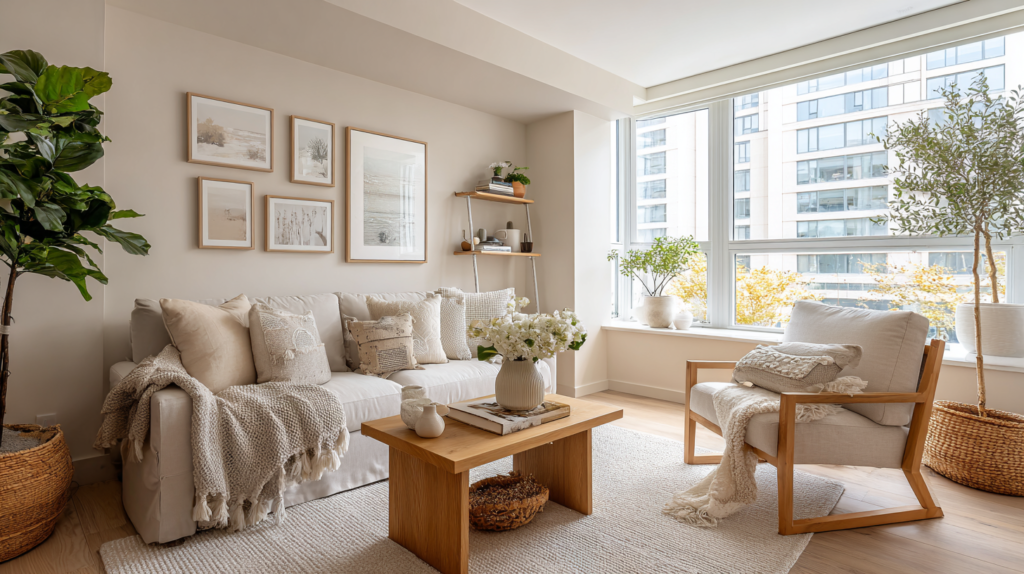
Most people assume downsizing means the new place will feel smaller in every sense, less personal, less full of life, just less.
It doesn’t have to work that way. A smaller footprint, decorated with real intention, can feel more complete than a much larger house ever did.
Here are 9 ways to make a downsized space feel like a genuine home, not a compromise.
Why a smaller space actually rewards more careful decorating, not less
Every square foot matters more, which means every decision gets to be a good one.
- A smaller home simply can’t hold everything from a previous house, forcing a genuinely useful edit rather than an arbitrary one
- Fewer, better-chosen pieces tend to feel more curated and personal than a house filled with decades of accumulated stuff
- The editing process itself, done thoughtfully, often becomes a meaningful way to revisit and honor a lifetime of memories
Once the space is edited down to what truly matters, decorating the rest becomes considerably easier.
1. Choose a Handful of Meaningful Pieces Instead of Trying to Fit Everything
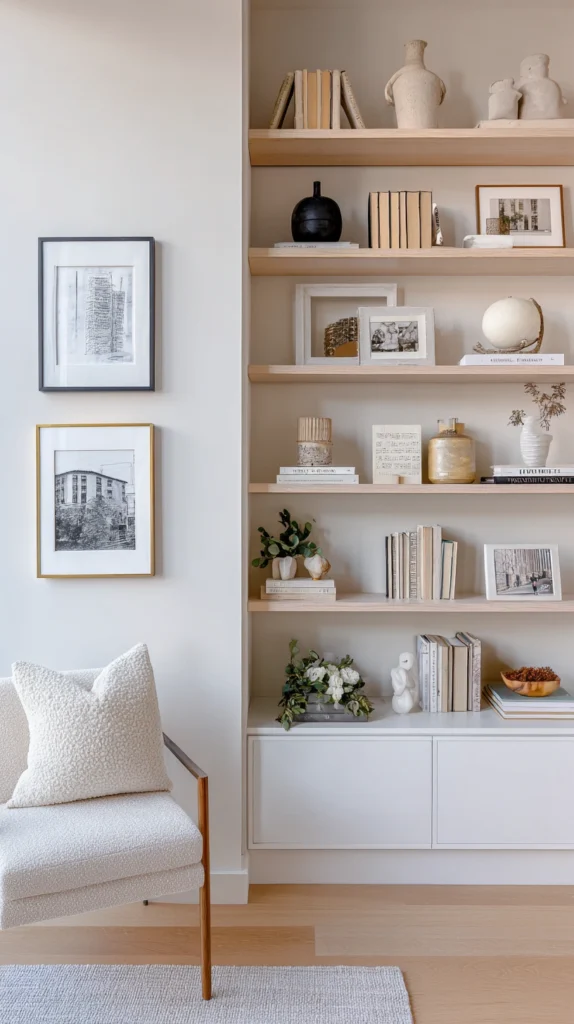
Editing a lifetime of belongings down to what actually matters most.
Build it:
- A short list made in advance of the five to ten objects that carry the most genuine sentimental or practical value
- Everything else sorted into categories for family members, donation, or sale well before the actual move
- The chosen pieces given prominent, deliberate placement in the new space rather than crowded in wherever they fit
Why a smaller, curated collection often feels more meaningful than a full house of belongings:
- Objects displayed with intention get noticed and appreciated daily, rather than blending into a crowded room the way they might have in a larger house
- The editing process itself gives family members and the person moving a chance to revisit memories attached to each item
- It prevents the new space from feeling immediately overwhelmed on move-in day, which matters considerably for the emotional adjustment to come
Cost breakdown: Free, since this is primarily a sorting and decision-making process rather than a purchase.
2. Prioritize a Comfortable, Well-Lit Reading or Hobby Chair
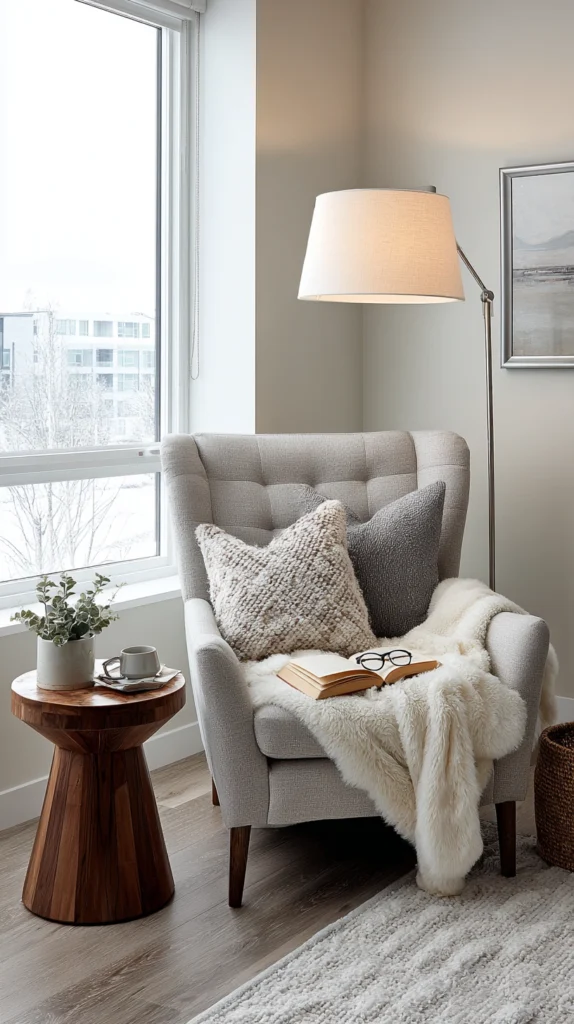
One genuinely excellent seat instead of a full living room set that won’t fit.
Build it:
- A single high-quality armchair, chosen specifically for proper back and arm support rather than style alone
- A dedicated floor or table lamp positioned beside it, angled to avoid glare for reading or handwork
- A small side table within easy reach for glasses, a book, or a cup of tea
Why one truly comfortable chair matters more than a full matching furniture set:
- In a smaller space, this single chair often becomes the spot where the most time is actually spent each day
- Proper lighting and back support matter increasingly as comfort needs change, making this a genuinely practical priority, not just a style choice
- It’s a far better use of a limited furniture budget than spreading the same money across several lower-quality pieces
Cost breakdown: A quality armchair with proper support runs $300 to $800 depending on materials and construction.
3. Use Multi-Functional Furniture to Maximize a Smaller Footprint
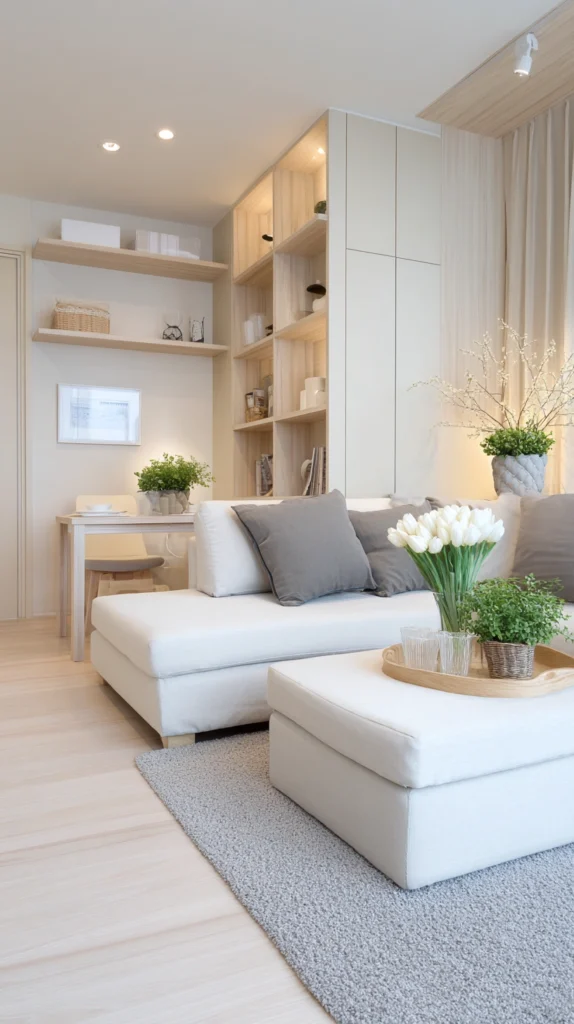
Furniture chosen for more than one job at a time.
Build it:
- An ottoman with hidden interior storage, doubling as both a footrest and a place for blankets or off-season items
- A console table that extends into a full dining surface when guests visit
- A daybed in a spare room that also functions as a couch during the day and a real bed for overnight guests
Why multi-functional pieces matter more in a downsized home than a larger one:
- Every piece of furniture has to earn its footprint in a way that simply wasn’t necessary in a bigger house
- It allows the smaller space to still comfortably accommodate visiting family without needing a dedicated guest room
- It reduces the total number of furniture pieces needed overall, simplifying both the move and the ongoing upkeep
Cost breakdown: Multi-functional furniture pieces run $150 to $500 depending on the specific item and quality.
4. Display Family Photos in One Curated Gallery Rather Than Scattered Frames
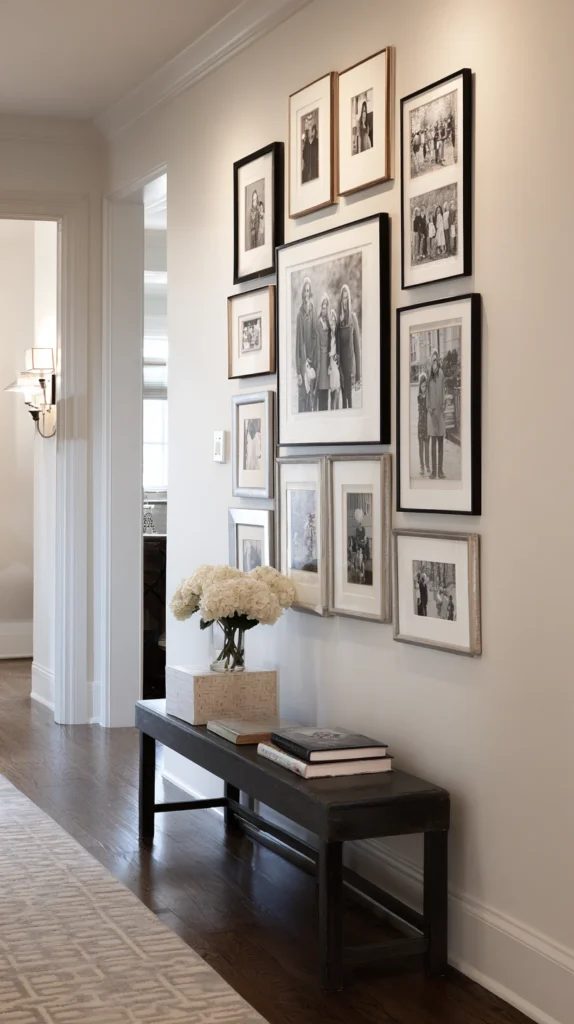
Consolidating photos into a single intentional display instead of every surface.
Build it:
- One dedicated wall or shelf chosen specifically for a gallery of family photos, spanning different decades and generations
- Frames coordinated in a consistent finish, even if the photos themselves vary in age and format
- Older, smaller photos scanned and reprinted at a consistent size if the originals vary too widely to display cohesively
Why one curated gallery works better than photos spread across every surface:
- It keeps the rest of the smaller home’s surfaces clear and functional, rather than crowded with frames competing for the same limited space
- A single, well-organized display often ends up more meaningful and more looked-at than photos scattered where they eventually become invisible background clutter
- It gives visiting grandchildren or family members one clear spot to revisit shared history together
Cost breakdown: Coordinated frames and reprinting older photos runs $50 to $150 depending on the number of images included.
5. Choose a Light, Reflective Color Palette to Maximize Perceived Space
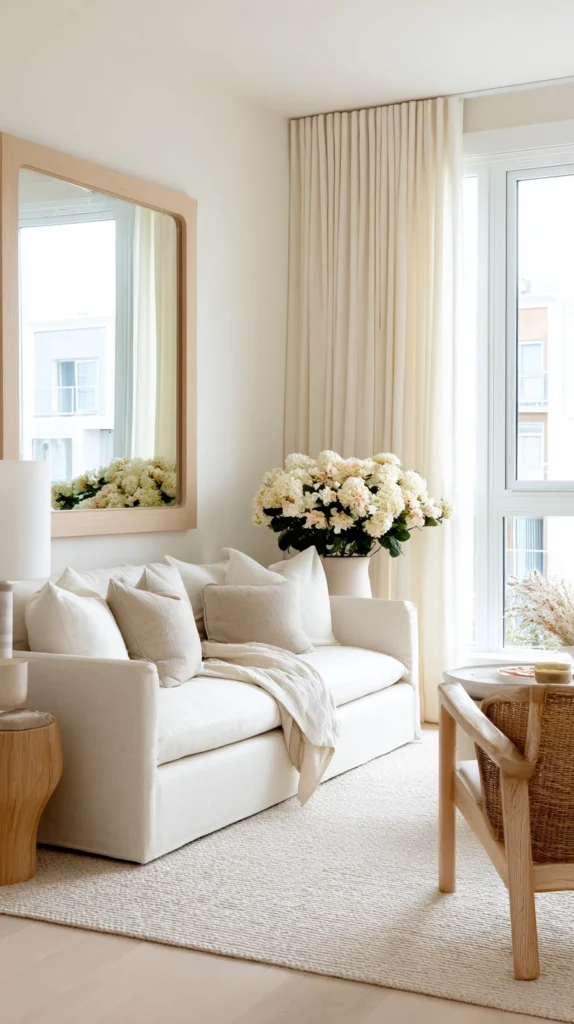
Using color and light strategically in a smaller footprint.
Build it:
- Walls painted in a soft, warm white or light neutral tone throughout the main living areas
- Mirrors positioned to reflect natural light and views, effectively expanding the perceived size of smaller rooms
- Furniture kept in lighter wood tones or upholstery rather than heavy, dark pieces that can visually shrink a room
Why light and color matter more in a downsized space than they did in a larger house:
- A lighter palette genuinely makes small rooms feel more open and less cramped, which becomes especially important in a full-time single-level living situation
- Reflected natural light also has real, documented benefits for mood, particularly important during a major life transition like downsizing
- It’s a relatively low-cost update that meaningfully changes how the whole home feels, regardless of the actual square footage
Cost breakdown: Repainting the main living areas in a light neutral tone runs $200 to $500 depending on the home’s total size.
6. Prioritize Easy-Access Storage Over Maximum Storage Volume
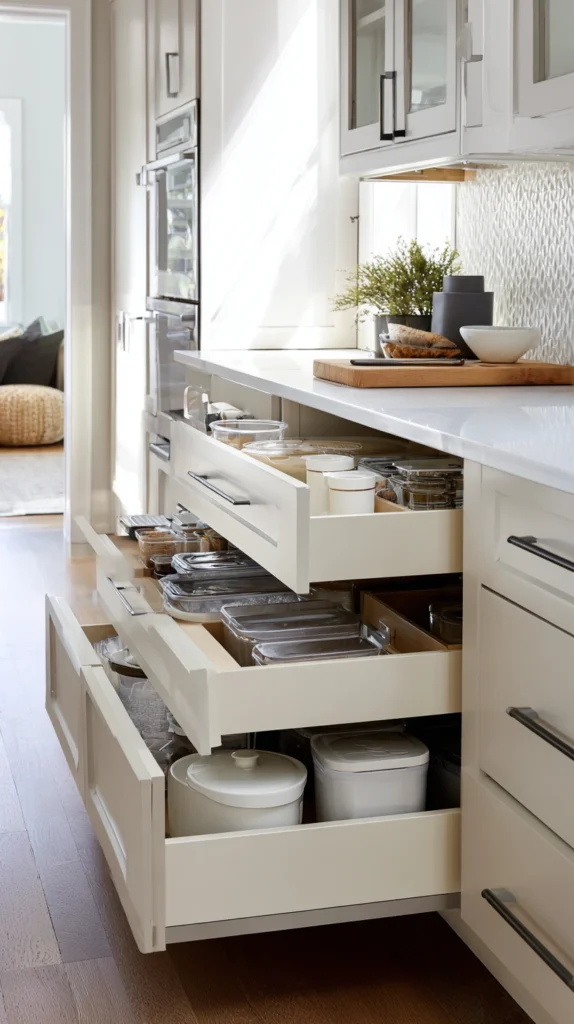
Choosing storage solutions built around ease of use, not just capacity.
Build it:
- Pull-out shelving and lower cabinet drawers rather than deep cabinets requiring bending or reaching
- Frequently used items stored at waist to shoulder height, with less-used seasonal items relegated to higher or lower spots
- Clear or labeled bins used consistently, making it easy to find things without needing to dig through multiple containers
Why accessible storage matters more than sheer storage volume in this specific life stage:
- Physical ease of reaching and using storage becomes an increasingly important practical consideration, not just a convenience
- Well-organized, accessible storage reduces daily frustration far more than simply having more overall cabinet space
- It supports genuine independence and safety, reducing the need to climb or over-reach for everyday items
Cost breakdown: Pull-out shelving inserts and organizational bins run $50 to $200 depending on the number of cabinets updated.
7. Create One Small, Dedicated Space for a Continued Hobby
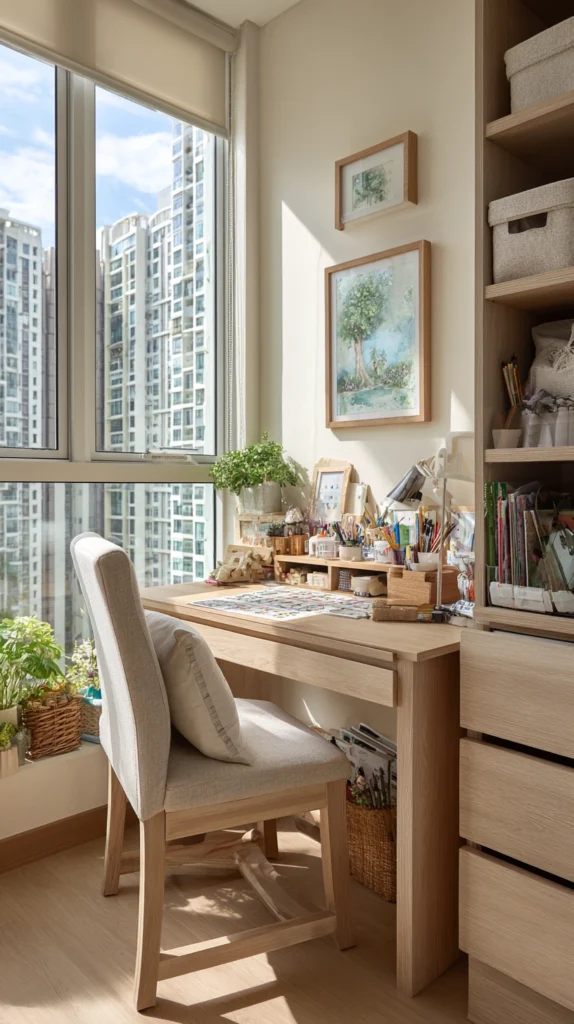
Making room for an activity that still matters, even in a smaller footprint.
Build it:
- A compact desk or table set up specifically for painting, sewing, puzzles, or whatever hobby remains genuinely important
- Supplies organized into a nearby cart or set of drawers, keeping the hobby contained rather than sprawling across the home
- Positioned near a window or good light source, since many hobbies benefit significantly from strong natural light
Why preserving space for a hobby matters as much as any purely functional room:
- Downsizing often understandably focuses on function first, but continued engagement in a beloved hobby genuinely supports quality of life
- A small, dedicated space signals that the hobby is still a priority, rather than something quietly given up in the process of moving
- It gives the smaller home a genuine sense of ongoing purpose and routine, not just a place to store belongings and sleep
Cost breakdown: A small hobby desk and organizational cart run $100 to $300 depending on the specific setup needed.
8. Incorporate Familiar Textiles From the Previous Home
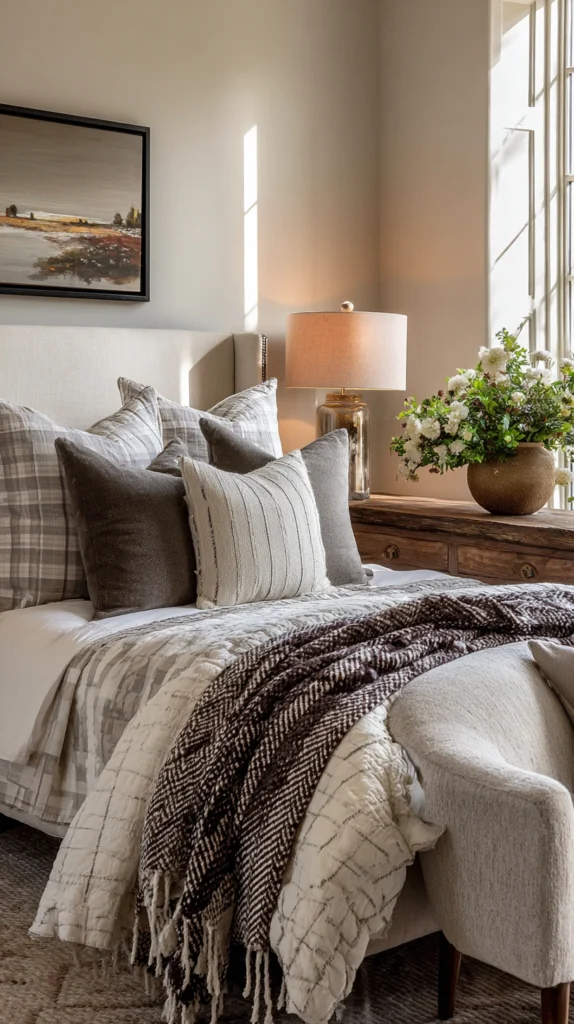
Carrying forward comfort and memory through fabric rather than furniture.
Build it:
- A favorite quilt, throw, or set of curtains from the previous home incorporated into the new space, even if the rest of the furniture is new
- Reupholstering a single beloved chair in updated fabric rather than replacing the piece entirely
- Familiar textiles positioned somewhere visible and used daily, like the bed or the main seating area, rather than stored away
Why familiar fabric carries more emotional weight than people initially expect:
- Textiles often hold scent, texture, and visual memory in a way that’s harder to replace than furniture or decor objects
- Keeping just one or two familiar textile pieces can meaningfully ease the emotional transition into an otherwise entirely new space
- It’s a relatively low-cost way to preserve genuine continuity between the previous home and the new one
Cost breakdown: Reupholstering a single favorite chair runs $200 to $500 depending on fabric choice and chair size.
9. Add Fresh Greenery Sized Appropriately for the Space
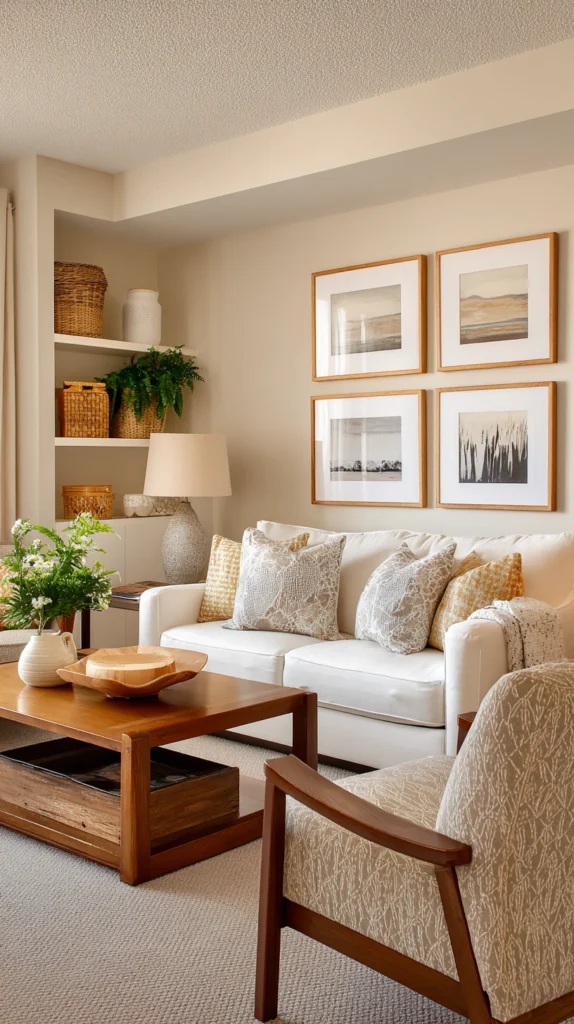
Living plants scaled to fit rather than overwhelm a smaller footprint.
Build it:
- A few small to medium potted plants, chosen for low maintenance and suited to the home’s actual available light
- Positioned on windowsills or small tables rather than requiring dedicated floor space a downsized home may not have
- Low-maintenance varieties like pothos or succulents prioritized if daily care needs to stay simple
Why appropriately scaled greenery matters in a downsized home specifically:
- Living plants bring genuine life and warmth into a smaller space without requiring the floor footprint a larger plant collection would need
- Choosing lower-maintenance varieties respects that daily care routines may look different than they did in a previous, larger home with more outdoor gardening space
- It’s an affordable, easily adjustable way to keep the new space feeling vibrant and cared for from the very first week
Cost breakdown: A few small, low-maintenance potted plants run $15 to $40 total.
Getting started this weekend
You don’t need every decision made before the new space starts feeling like home.
- Start with the editing process, choosing the handful of pieces that matter most before anything else gets decided
- Add the comfortable chair and photo gallery once the core belongings are settled into place
- Save larger updates like storage retrofits or a full repaint for a dedicated second phase after the initial move is behind you
The homes that feel most settled after a move like this tend to get there by keeping fewer things, chosen more carefully, not by trying to preserve everything at once.
Budget reality
A downsized home can be decorated thoughtfully at almost any budget level.
- Free: Editing belongings down to meaningful pieces, choosing which textiles to carry forward
- Under $100: Fresh greenery, organizational bins for storage
- $100-400: Reupholstering a favorite chair, hobby desk setup, coordinated photo gallery
- $400+: A quality reading chair, full room repaint, pull-out storage retrofits
Most of what makes the space feel like home comes from thoughtful editing and a few meaningful pieces, not the total amount spent.
What actually makes a downsized home feel complete
It was never really about how much square footage the new place has.
It’s the one chair that’s genuinely comfortable enough to spend real time in, the photo gallery that finally gives decades of memories one clear place to live, the familiar quilt that makes an unfamiliar room feel like it belongs to the same life as before.
Start with what truly matters, let go of what doesn’t, and the smaller space tends to feel like exactly enough.