14 Pastel Decor Ideas That Feel Soft and Airy
There is a particular quality of light in a room decorated in pastels that no other palette can replicate. It is not the brightness of a white room or the warmth of a neutral one — it is something quieter and more atmospheric than either. Pastels absorb and soften the light that enters a space, returning it to the room in a slightly altered form — warmer, cooler, or more colourful depending on the tone — and creating an environment that feels genuinely restful in a way that more saturated colours rarely achieve.
The challenge with pastel decorating is avoiding the twee. Pastels used without conviction or without enough tonal variation can tip into a sweetness that feels more nursery than considered interior. The antidote is always the same — depth, contrast, and the confidence to use each pastel tone generously rather than tentatively. A pastel room that commits to its palette, layers its tones thoughtfully, and introduces enough natural texture to warm the scheme is one of the most quietly beautiful interiors available at any budget.
1. The All-Pastel Living Room
Budget: $200 – $1,000
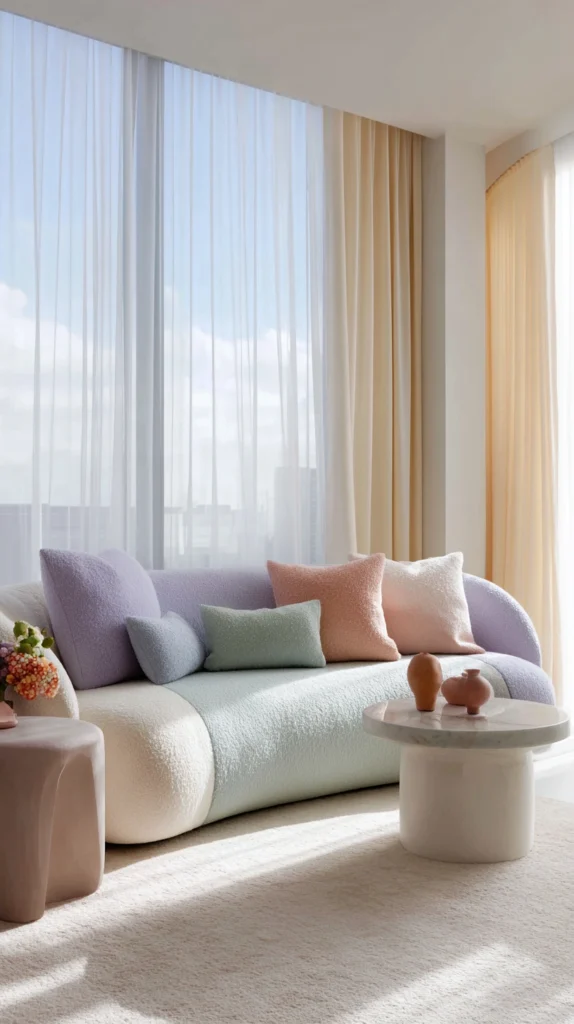
A living room in which every surface — walls, upholstery, textiles, and accessories — contributes to a layered pastel palette creates an interior of extraordinary softness and cohesion. The key is to use multiple pastel tones rather than a single one — pale sage, dusty blush, soft lavender, and warm cream layered together create a room with tonal depth and visual complexity, while a single pastel used alone creates a room that reads as flat and one-dimensional regardless of how beautiful the individual colour might be.
Paint the walls in the softest, most neutral tone of the palette — pale sage or warm cream — and introduce the stronger pastel tones through upholstery, cushions, curtains, and accessories. A blush linen sofa, lavender velvet cushions, sage green curtains, and dusty blue ceramics create a layered pastel scheme in which each tone is distinct but every tone belongs to the same quiet, harmonious family.
Styling tip: Introduce one element of genuine depth into an all-pastel living room — a deep sage cushion, a rich dusty rose throw, a terracotta plant pot — that is distinctly darker than the rest of the palette. Without at least one element of relative depth, a fully pastel room can feel slightly insubstantial — the deeper tone provides the visual anchor that gives the lighter tones around it something to lean against.
2. Pastel Linen Bedding Layers
Budget: $80 – $350
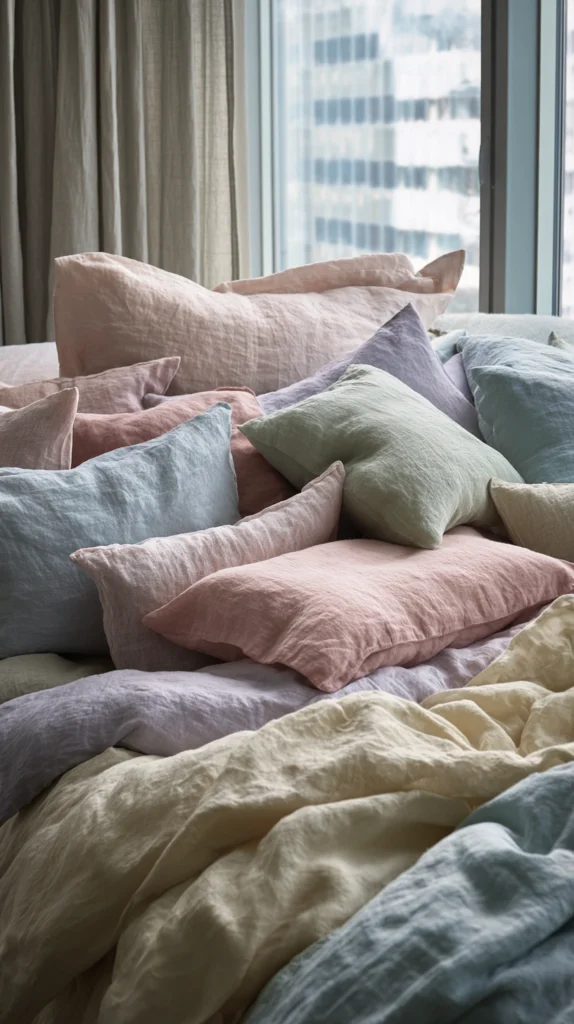
A bed dressed in layered pastel linen — blush pink duvet cover, pale blue pillowcases, sage green euro shams, lavender linen throw — creates a sleeping space of extraordinary softness that looks as though the colours evolved naturally rather than being chosen deliberately. Washed linen in pastel tones has a quality that no other fabric in any other colour replicates — the natural slub of the weave and the slightly irregular surface of washed linen gives pastel colours a depth and texture that flat cotton cannot provide.
The beauty of pastel linen bedding layering is that the colours do not need to match — they need to belong to the same tonal family. Blush, dusty rose, pale mauve, and soft lavender are all in the same warm-pastel family and layer together naturally. Pale blue, soft sage, mint, and warm grey belong to the cool-pastel family. Mixing tones from one consistent family produces the harmonious, effortless layering effect that makes a pastel bed so visually appealing.
Styling tip: Wash all pastel linen bedding together before first use — the colours soften slightly in the first wash and any slight variations in dye lot between different pieces even out after washing, making the overall combination look more naturally harmonious and less obviously assembled from individual purchases.
3. Pastel Kitchen Accessories and Ceramics
Budget: $40 – $200
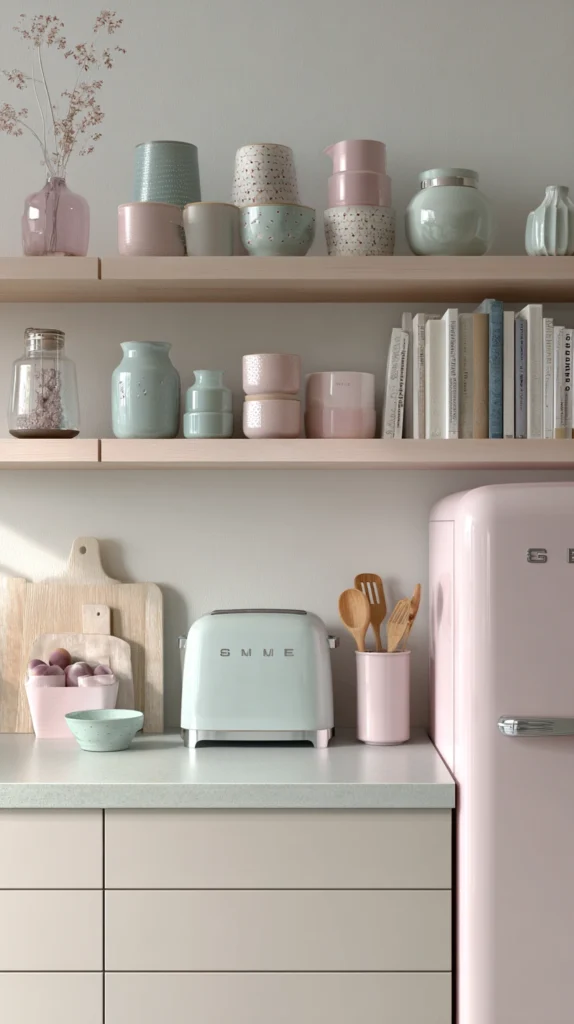
A kitchen refreshed with a coordinated collection of pastel accessories — mint green storage jars, pale blue ceramic mixing bowls, blush pink kettle, lavender tea towels, sage green measuring cups — creates a workspace with a gentle, domestic warmth that both white and bold-coloured kitchens lack. The pastel kitchen accessory palette works because the soft tones are quiet enough not to compete with the food preparation that is the kitchen’s primary function while being warm and colourful enough to give the space genuine character and personality.
Build the collection gradually, starting with the most visible and most frequently used items — storage jars, kettle, toaster — and adding smaller accessories over time. A kitchen where the three or four most prominent appliances and accessories share a pastel colour family reads as coordinated and considered even if the smaller pieces are mismatched. Start with the large pieces and the small ones will follow naturally.
Styling tip: Arrange pastel kitchen accessories in groups by function rather than by colour — all the storage together, all the small appliances together, all the prep tools together. Functional grouping creates natural visual order that makes the pastel palette read as a design decision rather than a collection of similarly coloured objects scattered across the worktop without organisation.
4. The Pastel Gallery Wall
Budget: $50 – $250
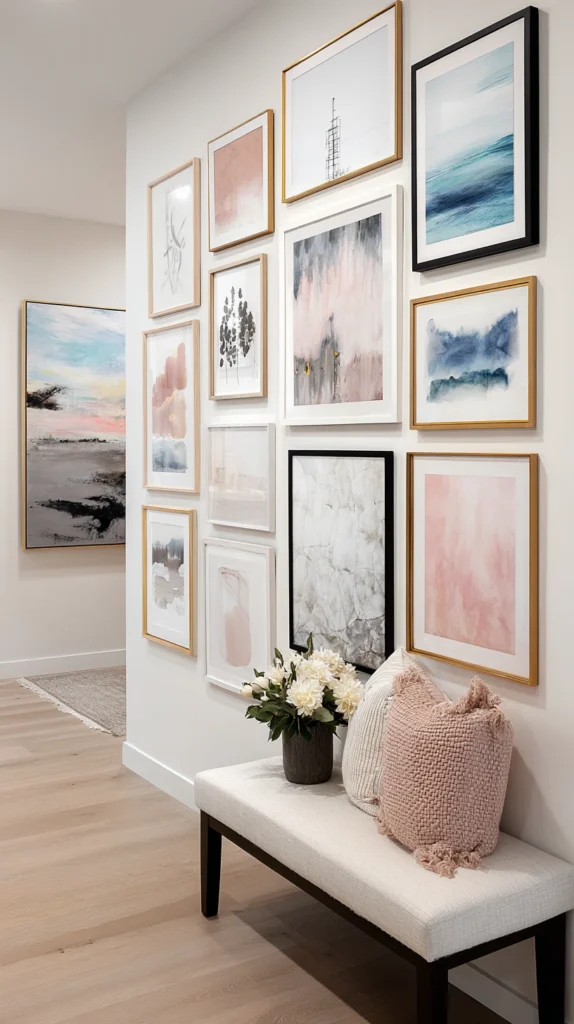
A gallery wall composed of prints in pastel tones — watercolour botanicals, soft abstract washes, pastel-toned photography, hand-lettered prints in blush and sage — framed in natural timber, white painted wood, or pale rattan frames creates a display of gentle colour and visual warmth that suits bedrooms, living rooms, and entryways with equal ease. The pastel colour palette in the prints creates a wall that is colourful without being loud and personal without being overwhelming.
Source pastel prints from independent illustrators on online marketplaces — Etsy and equivalent platforms offer thousands of high-quality digital downloads at $3–$15 each that can be printed at home or at a local print shop for a further $2–$8 per print. The total cost of a six to eight print gallery wall from independent artists is $30–$80 — less than a single commercially produced print of equivalent quality and with significantly more character and originality.
Styling tip: Include at least two prints in each gallery wall arrangement that share a specific pastel tone — two prints that both use dusty blue, two that both use pale sage, two that both contain warm blush — so the eye finds connections between pieces and the wall reads as a composed arrangement rather than a collection of individually chosen images that happen to share a general palette.
5. Pastel Painted Furniture
Budget: $20 – $150
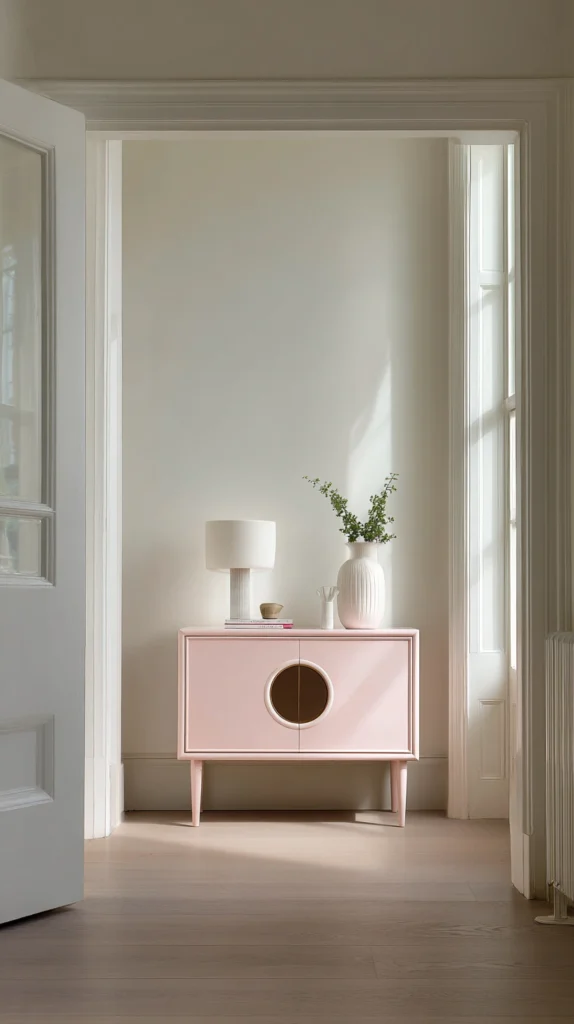
A piece of furniture painted in a pastel tone — a sage green chest of drawers, a dusty blue bedside cabinet, a blush pink armchair, a pale lavender bookcase — becomes the colour anchor of a room and the element around which the rest of the palette develops. Painting a piece of furniture in a pastel tone is one of the most affordable and most transformative single changes available in interior decorating — a $30 tin of chalk paint and an afternoon’s work turns a plain wooden piece into a character-defining feature.
Chalk paint in pastel tones is the most forgiving and most suitable paint type for furniture — it adheres to most surfaces without priming, dries to a beautifully soft, flat finish that suits the gentle character of pastel tones, and can be waxed or sealed for durability. Annie Sloan, Frenchic, and Rust-Oleum all produce excellent chalk paints in a wide range of pastel tones at $15–$30 per tin.
Styling tip: Paint only one significant piece of furniture in a pastel tone per room rather than painting multiple pieces in different pastel tones simultaneously. One painted piece in a room full of natural wood, white, or neutral upholstered furniture reads as a deliberate colour accent of genuine beauty. Multiple painted pieces in different pastel tones in the same room can look busy and uncoordinated — the single coloured piece has more impact precisely because it stands alone.
6. Pastel Curtains and Window Treatments
Budget: $60 – $300
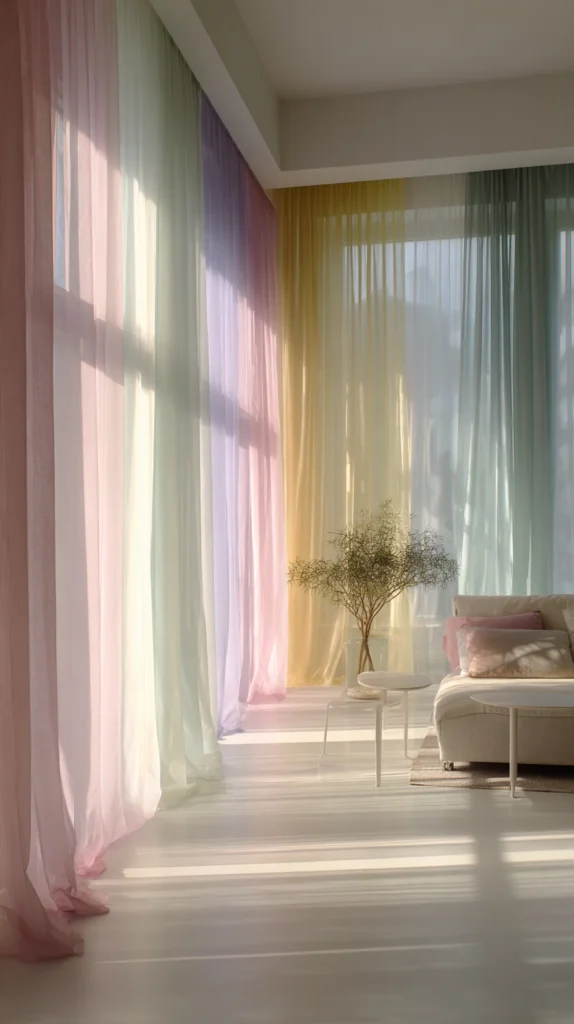
Pastel curtains — in blush linen, pale sage cotton, dusty blue velvet, or soft lavender voile — are one of the most effective ways to introduce the pastel palette into a room because they occupy a large surface area, they interact directly with the natural light entering the space, and they frame the view out of the window in a way that tints and softens the incoming light with their own colour. A room with pale sage linen curtains in morning light has a quality of greenish warmth that changes the entire character of the space.
Unlined linen or cotton curtains in pastel tones are the most light-responsive option — the natural light passes through the fabric and takes on the tint of the curtain colour, creating a soft, coloured light in the room that thicker, lined curtains cannot produce. Lined curtains in pastel tones block more light and provide better insulation but lose the light-transmitting quality that makes unlined pastel curtains so atmospherically beautiful.
Styling tip: Hang pastel curtains as high as possible — fixing the curtain pole at ceiling height or within 10 centimetres of the ceiling rather than immediately above the window frame. Ceiling-height curtains make windows appear taller, ceilings appear higher, and the curtain fabric appears more generous and more elegant than the same curtains hung low above the window. The additional fabric required for ceiling-height hanging costs relatively little and produces a significantly more refined result.
7. The Pastel Bathroom
Budget: $80 – $500
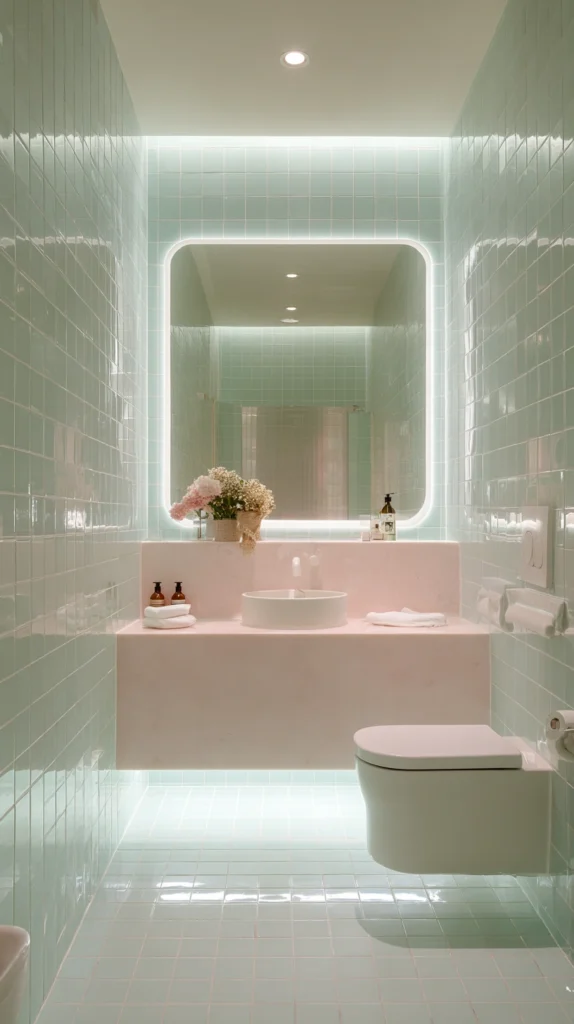
A pastel bathroom — pale mint green tiles, blush pink towels, dusty blue walls, soft lavender accessories — creates one of the most serene and most sensory domestic spaces available. The bathroom is the room where pastel colours work with the greatest naturalness — the connection between soft colour and the calming rituals of bathing, the way pastel tiles look in the quality of light that typically enters a bathroom window, and the particular warmth that soft-coloured surfaces radiate in a small, enclosed, warm space all make the bathroom the ideal room for a pastel palette.
Pastel metro tiles in pale green, blush, duck egg blue, or soft grey cost $15–$40 per square metre and create a bathroom surface of genuine beauty and period character. Pastel painted walls in a moisture-resistant eggshell or bathroom-specific paint cost $20–$40 per tin. The combination of pastel tiles on one surface and pastel paint on the remaining walls — in slightly different tones from the same colour family — creates a layered, considered bathroom with a spa-like quality.
Styling tip: Use white grout rather than colour-matched grout in a pastel tiled bathroom. White grout between pastel tiles creates a clean, crisp grid that emphasises the tile colour and the geometry of the tile layout. Colour-matched grout merges the tiles into a flat, undifferentiated surface that loses both the individual character of the tile colour and the graphic quality of the joint pattern.
8. Pastel Outdoor Furniture and Cushions
Budget: $60 – $300
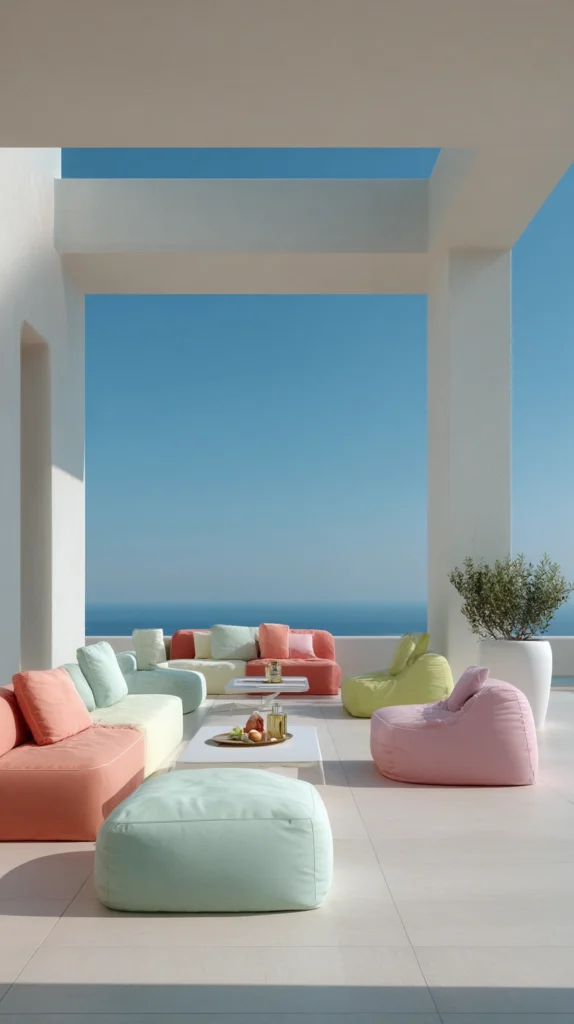
Pastel outdoor furniture — powder-coated sage green metal chairs, pale blue painted timber benches, blush pink rattan loveseat — or plain outdoor furniture dressed with pastel cushions and textiles creates a garden or terrace space with a gentle, romantic quality that bold-coloured or purely natural outdoor furniture rarely achieves. Pastel outdoor spaces look particularly beautiful in the soft light of early morning and late afternoon when the quality of natural light is itself pastel-like in its warmth and diffusion.
Powder-coated metal garden furniture in pastel tones is the most durable outdoor option — the powder coating protects the metal from corrosion and UV degradation, and the pastel tones in powder coat finishes hold their colour significantly better than painted timber in exposed outdoor conditions. Sage green, dusty blue, and soft terracotta are all available in standard powder coat finishes and suit the outdoor environment particularly well.
Styling tip: Combine pastel outdoor furniture with natural material accessories — jute or sisal outdoor rugs, terracotta plant pots, woven rattan side tables — rather than with other synthetic or manufactured outdoor accessories. The natural materials warm the pastel palette and connect the outdoor furniture to the garden environment in a way that purely manufactured accessories cannot achieve.
9. The Pastel Maximalist Bedroom
Budget: $200 – $800
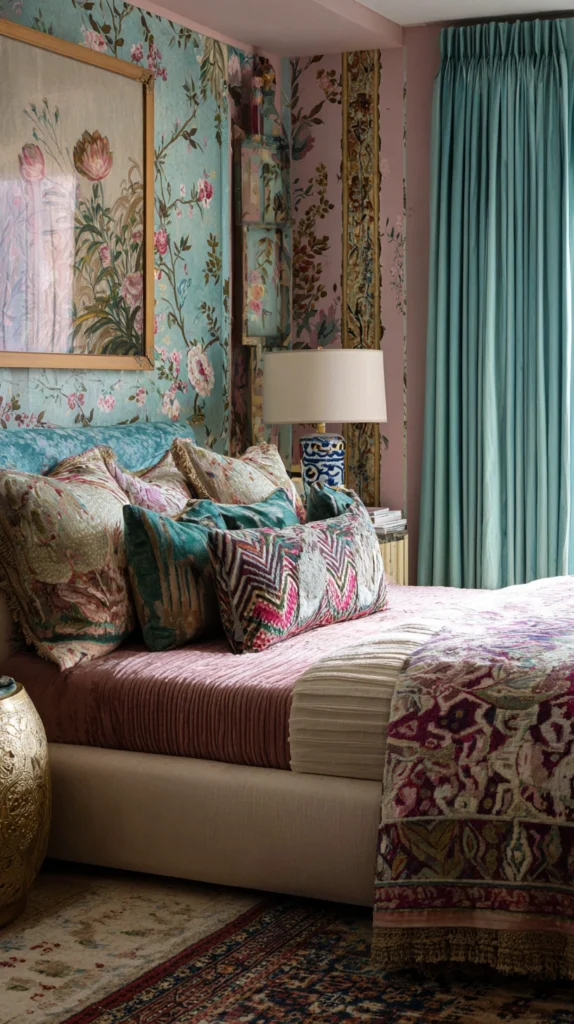
A bedroom that uses the pastel palette with maximalist abundance — every surface contributing a different soft tone, pattern layered over pattern in the same tonal family, textiles at every level from ceiling to floor — creates an interior of extraordinary softness and richness that is unlike any other decorating style. Floral wallpaper in blush and sage on all four walls. Layered pastel bedding in three or four tones. Pastel velvet curtains pooling on the floor. Botanical prints in pastel frames on every available wall space. The maximalist pastel bedroom is unapologetically abundant and entirely confident in its softness.
The structure that prevents pastel maximalism from becoming chaotic is tonal consistency — every element, however busy its pattern or generous its scale, should contain only tones from within the same pastel family. A maximalist bedroom in the warm pastel family — blush, peach, dusty rose, warm cream — works because every element belongs to the same tonal world. The moment a cool pastel or a saturated colour enters the scheme, the coherence of the maximalist arrangement begins to dissolve.
Styling tip: Choose a floral or botanical wallpaper as the anchor of a maximalist pastel bedroom and use its colour palette as the brief for every subsequent decision in the room. The wallpaper that sets the palette also sets the permission for every other element — if the wallpaper contains blush, sage, and cream, those are the three tones available for every textile, every frame, and every accessory in the room. The wallpaper does the curating; everything else simply follows its lead.
10. Pastel Vases and Ceramic Collections
Budget: $30 – $180
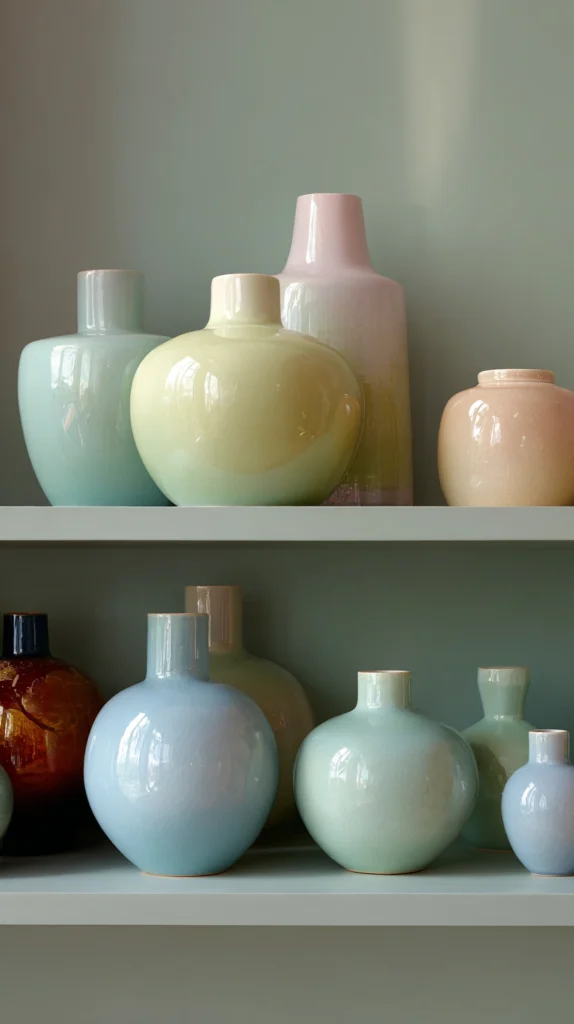
A collection of pastel ceramic vases and vessels — sage green stoneware, blush glazed earthenware, pale blue slip-cast porcelain, dusty lavender ceramic — grouped on a windowsill, a shelf, or a dining table creates a surface display of gentle colour and craft warmth that suits every room and every interior style. The variations in glaze tone and ceramic texture within a pastel collection create visual richness from a quiet palette — no two handmade ceramic pieces are identical, and the slight variations between pieces give the collection a collected, personal quality.
Group pastel ceramics by height rather than by colour — the tallest pieces at the back, medium in the middle, small at the front — with the colour distributed naturally throughout the arrangement rather than grouped by tone. A height-organised arrangement with distributed colour creates visual depth and compositional flow; a colour-grouped arrangement can look like the pieces have been sorted for storage rather than displayed for pleasure.
Styling tip: Leave some vases empty in any ceramic collection display. A group of ceramic vessels in which all are filled with flowers looks like a flower arrangement with vessels; a group in which some are empty and some contain flowers looks like a considered collection in which the vessels are as significant as their contents. The empty vessel communicates that the ceramic object itself is worth looking at — which, in a good pastel ceramic collection, it always is.
11. Pastel Children’s Room
Budget: $100 – $500
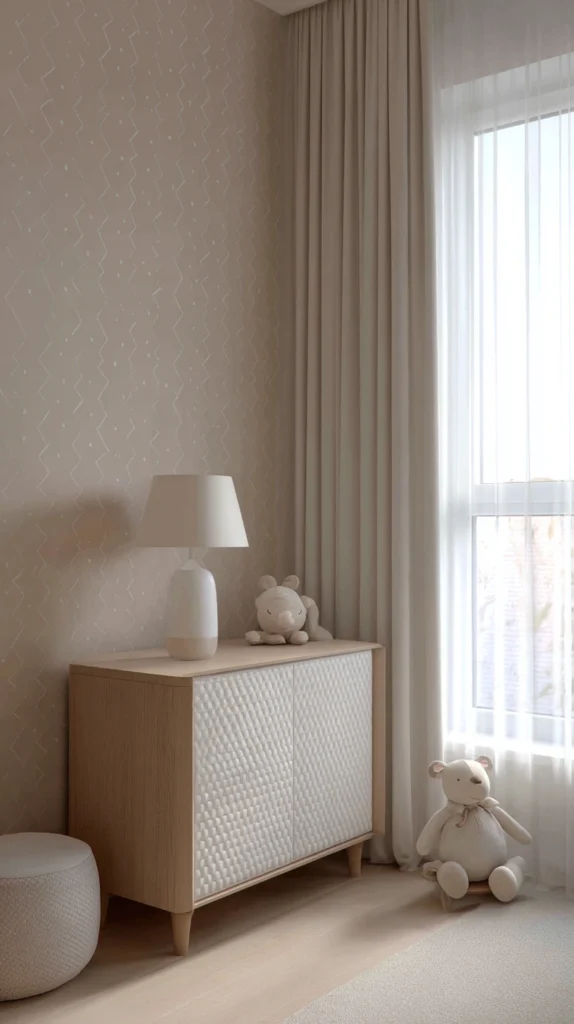
A child’s bedroom decorated in a considered pastel palette — rather than the conventional primary colours or the character-branded bedding that most children’s rooms default to — creates a space that is genuinely restful for sleep, beautiful as a room rather than simply functional as a children’s space, and flexible enough to evolve with the child’s tastes over several years without requiring complete redecoration. Soft sage walls, blush linen bedding, pale blue painted furniture, and natural timber toys and accessories create a child’s room of genuine beauty.
The pastel children’s room works best when it avoids overtly childlike decoration in favour of simple, beautiful things in soft colours — a cloud mobile in natural cotton, a soft woven rug in cream and blush, a low bookcase painted in pale sage with books arranged by spine colour, a simple cotton canopy above the bed in the softest possible blush. The room that feels genuinely beautiful to a child is one that treats them as a person with aesthetic sensibility rather than a demographic with licensed character preferences.
Styling tip: Paint the ceiling of a pastel children’s room in the palest possible tint of the dominant wall colour rather than white. A ceiling that shares a tonal connection with the walls creates a fully enveloped, soft-coloured environment that is more restful and more cocoon-like than a white ceiling above coloured walls — the colour envelopment is what gives the room its quality of gentle, peaceful softness.
12. The Pastel Home Office
Budget: $80 – $400
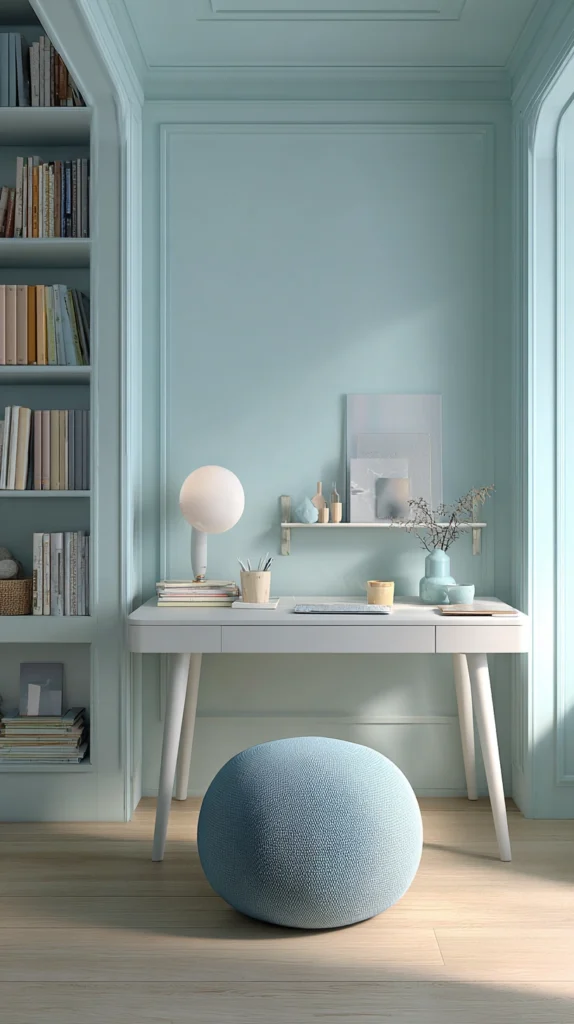
A home office decorated in a pastel palette — pale sage walls, blush linen desk chair, dusty blue accessories, pastel art prints above the desk — creates a workspace with a calm, focused quality that bold colours and stark white both struggle to achieve. Research consistently suggests that soft, cool-toned pastel environments — particularly soft blue and soft green — support concentration and reduce the visual fatigue that prolonged desk work produces. The pastel home office is not simply aesthetically pleasant — it is genuinely better to work in.
Sage green is the most universally effective pastel tone for a home office — it is simultaneously calming and energising, works with natural timber desk surfaces and warm white walls, and creates a connection to the natural world that improves mood and focus in an enclosed interior space. Pair with natural timber desk accessories, white ceramic organisers, and green or blush potted plants for a workspace that feels both considered and genuinely pleasant to spend time in.
Styling tip: Keep the desk surface itself clear of decorative objects and limit accessories to functional items only — in a pastel home office, the walls and the soft furnishings provide the decorative interest and the desk surface should be a clean, uncluttered working plane. A beautifully decorated room with a cluttered desk always reads as the cluttered desk — keep the working surface clear and the pastel environment around it does all the decorative work without distraction.
13. Pastel Table Setting and Entertaining
Budget: $50 – $250
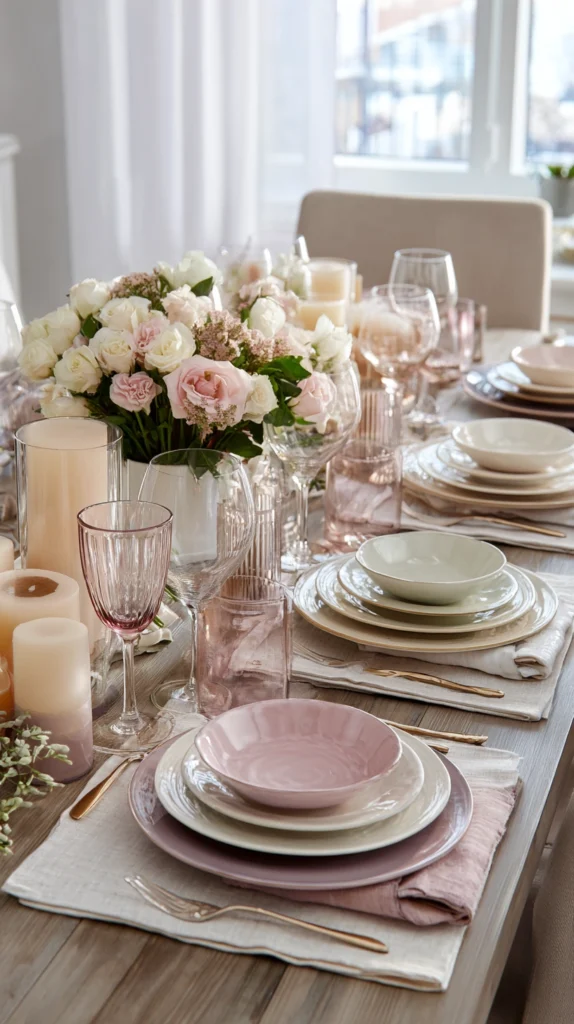
A dining table set for entertaining in a pastel palette — blush linen tablecloth, pale sage dinner plates, soft blue glassware, dusty pink napkins, pastel taper candles in lavender and blush, and a central arrangement of soft-toned garden flowers — creates a table of extraordinary gentleness and beauty that suits a spring lunch as naturally as a summer dinner party. The pastel table setting is simultaneously more interesting than an all-white table and more restful than a boldly coloured one — it creates an environment in which the food, the flowers, and the conversation are the focus rather than the tableware.
Mix pastel tones freely across the table setting rather than restricting each element to a single colour — blush plates beside sage napkins beside pale blue glasses beside lavender candles creates a table that looks like a watercolour painting in three dimensions. The pastel tones are sufficiently related in their softness that they harmonise naturally even when no two pieces share the same specific colour.
Styling tip: Use unscented pastel taper candles rather than pillar candles or tea lights for a pastel table setting — the tall, slim form of a taper candle suits the gentle elegance of the pastel palette and creates a vertical element that lifts the eye above the table surface. Choose candles in two complementary pastel tones — blush and lavender, sage and cream, pale blue and white — and alternate them along the table length for a simple, beautiful rhythm of colour and light.
14. The Pastel Entryway
Budget: $60 – $300
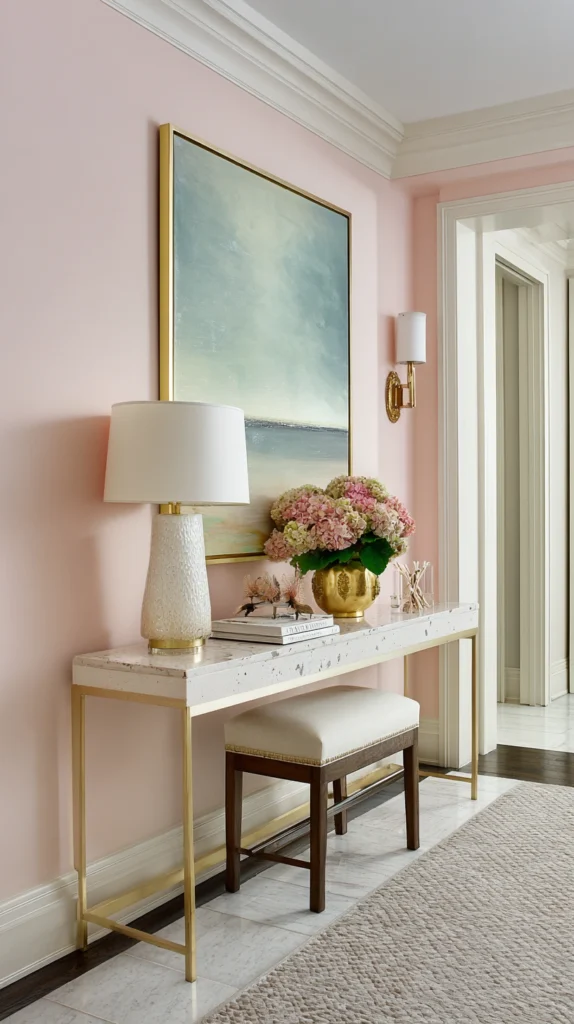
A pastel entryway — dusty blue walls, blush linen curtain across the coat cupboard, pale sage painted console table, soft watercolour prints in natural frames, and a cream and blush woven rug underfoot — creates the gentlest and most welcoming first impression a home can offer. The pastel palette in an entryway communicates warmth, care, and a quality of domestic beauty that a neutral or white entryway lacks, and it introduces the tonal family of the home’s interior palette to visitors before they have seen any other room.
The entryway rug is the most important single element in a pastel entryway — it is the first surface encountered underfoot, it sets the tonal warmth of the space more immediately than any wall colour, and it anchors every other element in the scheme around its own colour palette. Choose the rug first and build the entryway palette from the tones it contains — the wall colour, the console colour, and the print palette should all be drawn from the colours already present in the rug.
Styling tip: Place a single potted plant with pale or variegated foliage — a white-variegated pothos, a pale green fern, a dusty sage succulent — on the entryway console as the living element of the pastel scheme. A plant in a pastel entryway reinforces the connection between the soft interior palette and the natural world outside the front door and brings a quality of life and freshness to the space that no decorative object, however beautiful, can replicate.
Pastel decorating at its best is not timid — it is precise. The difference between a pastel room that feels beautifully soft and one that feels washed-out and indeterminate is the confidence with which the palette is applied. Use each tone generously enough to read clearly, layer enough different tones to create depth, and introduce enough natural texture to warm the scheme throughout. Do those three things with conviction and the pastel interior becomes one of the most quietly extraordinary decorating choices available — a room that holds light differently from any other and feels genuinely, uncomplicatedly pleasant to be in.