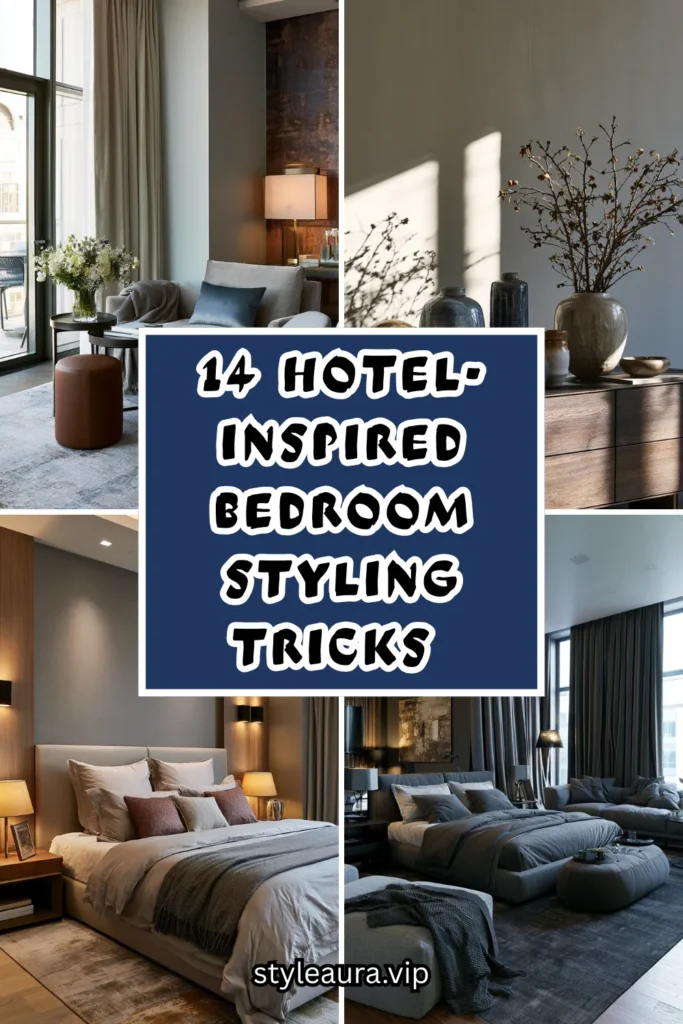
14 Hotel-Inspired Bedroom Styling Tricks Designers Always Use
Hotel bedrooms represent deliberately engineered environments where professional designers prioritize comfort, visual harmony, and the kind of serene functionality that makes guests feel genuinely cared for despite temporary occupancy, creating spaces that many people prefer to their own bedrooms precisely because of these intentional design decisions.
These hospitality spaces provide proven templates for residential bedroom design where years of guest feedback and design iteration have refined what genuinely works for human comfort and aesthetic satisfaction.
Strategic hotel-inspired bedroom styling incorporating professional-quality bedding, intentional lighting design, careful furniture arrangement, and considered accessories creates the kind of sophisticated, comfortable spaces that make daily routines feel like genuine retreats rather than purely functional sleeping areas.
Understanding which hotel design principles translate successfully to home settings, how to achieve professional-quality appearances through achievable investments, and what constitutes genuine luxury versus expensive excess ensures bedroom improvements deliver lasting beauty and genuine comfort.
These fourteen hotel-inspired styling tricks demonstrate practical approaches that professional designers consistently implement, each proving that accessible design strategies create the kind of refined bedroom character that makes spaces feel intentionally designed rather than casually assembled.
1. Invest in Quality Bedding as the Primary Focus
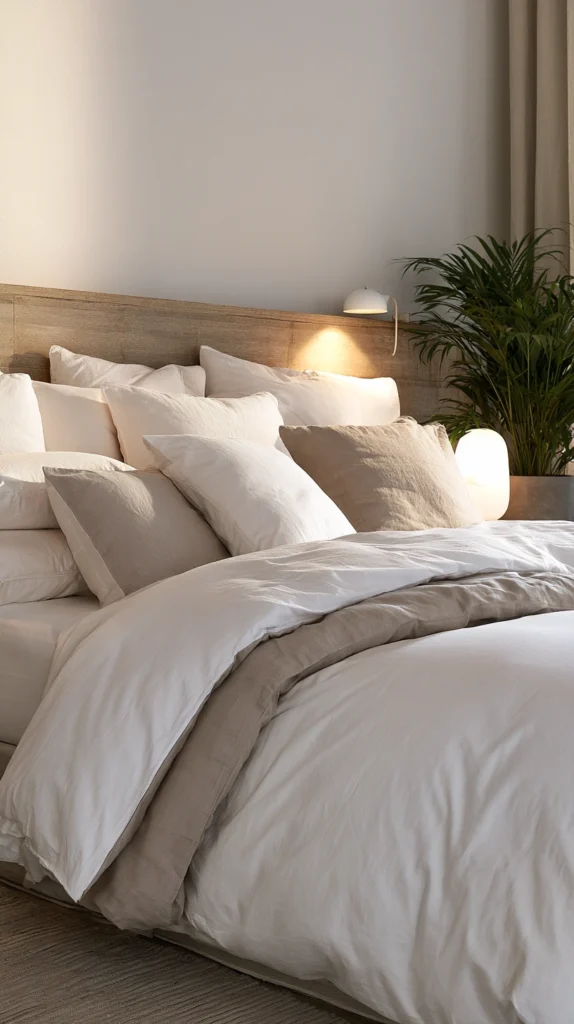
Create immediate luxury through substantial investment in quality sheets, duvets, and pillows, establishing the bed as the room’s undisputed focal point and primary comfort source. Hotels invest in high thread count Egyptian cotton sheets, quality down or down-alternative duvets, and numerous supportive pillows because guests notice bedding quality above almost everything else.
Choose sheets with thread counts between 400 and 600, select substantial duvets providing genuine warmth, and invest in quality pillows supporting both comfort and aesthetics. The quality of the bed affects every night spent in the bedroom while improving sleep quality and psychological comfort. The bedding investment delivers measurable daily benefits justifying substantial costs.
2. Layer Multiple Lighting Sources for Flexibility
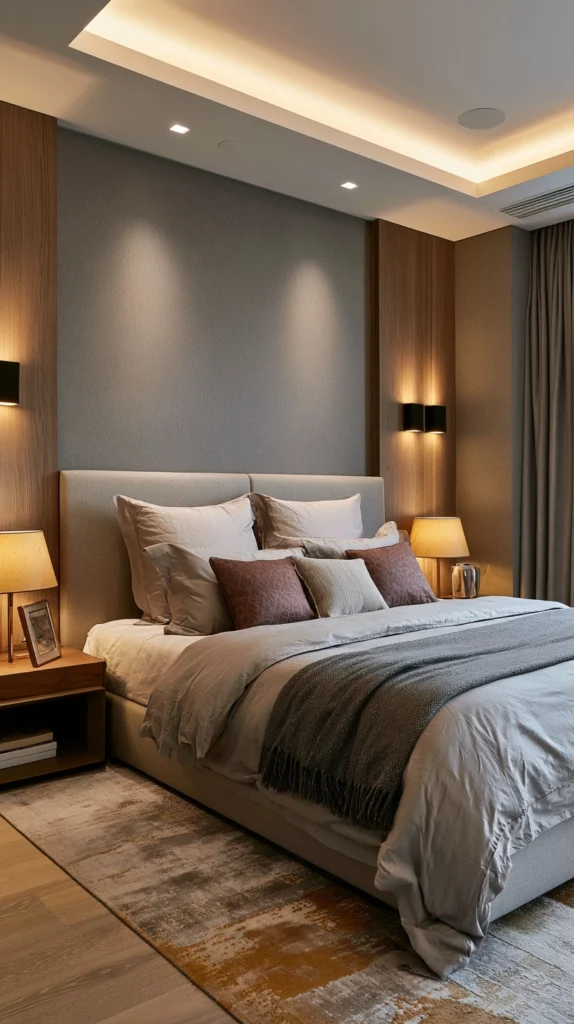
Create versatility through deliberately layered lighting, including overhead ambient fixtures, task lighting for reading, and decorative accent lighting, establishing flexibility for varied moods and activities.
Install dimmer switches allowing brightness adjustment from bright functional to soft ambient, position reading lights on nightstands providing focused illumination, and add accent lighting, including sconces or table lamps, creating visual interest.
The layered approach allows customization, adapting lighting to activities from morning preparation through evening relaxation. Professional hotels provide light flexibility, understanding that single fixed lighting rarely suits varied needs.
3. Ensure Adequate Nightstands with Substantial Surface Area
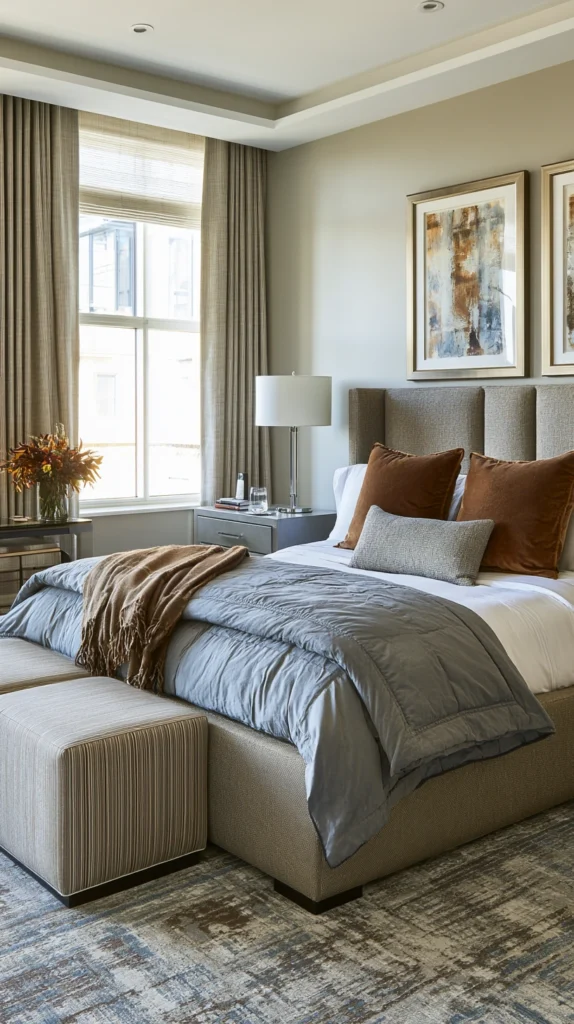
Provide functional beauty through quality nightstands offering adequate surface area for lamps, books, water glasses, and personal items, establishing functional comfort that casual bedroom design often neglects. Choose nightstands sized appropriately for intended use, ensure adequate height matching bed height for comfort, and select styles complementing overall design.
The substantial surfaces prevent the cluttered appearance that undersized nightstands create while providing genuine functionality. Professional hotels prioritize nightstand quality, understanding that guests appreciate surfaces supporting their personal items and activities.
4. Create a Cohesive Color Palette with Neutral Foundation
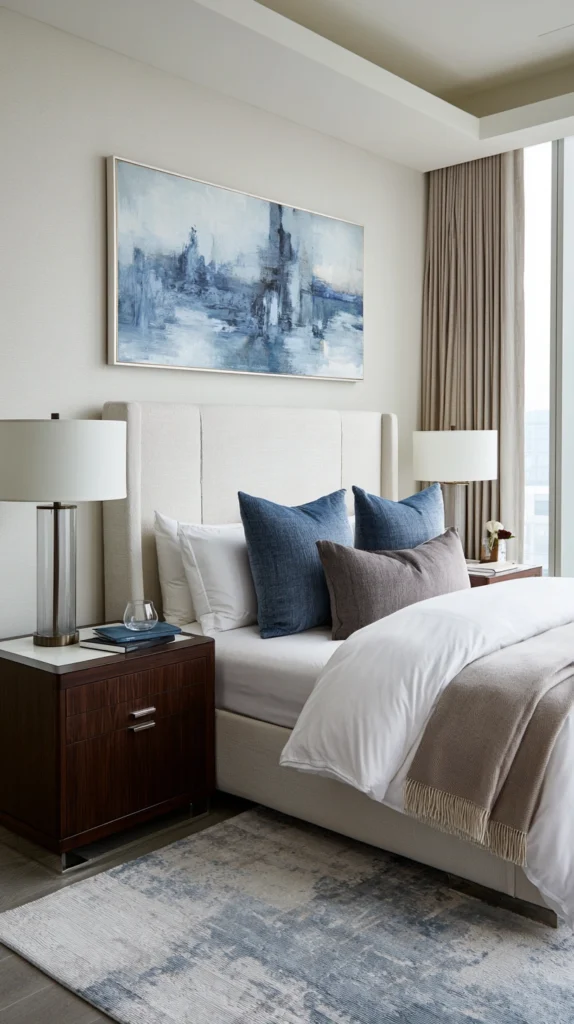
Establish visual harmony through restrained color schemes using neutral foundations, allowing personalization through accessories rather than overwhelming architectural choices. Paint walls in soft whites, warm beiges, or gentle grays, providing calm backdrops supporting sleep and relaxation.
Choose one or two accent colors introduced through textiles and accessories, maintaining flexibility for updates. The neutral foundation creates timeless character while allowing personality expression, preventing the dated appearance that overly trendy color creates. Hotel designers prioritize neutral foundations understanding broad appeal and flexibility over bold architectural color.
5. Use High-Quality Throw Pillows for Visual Interest
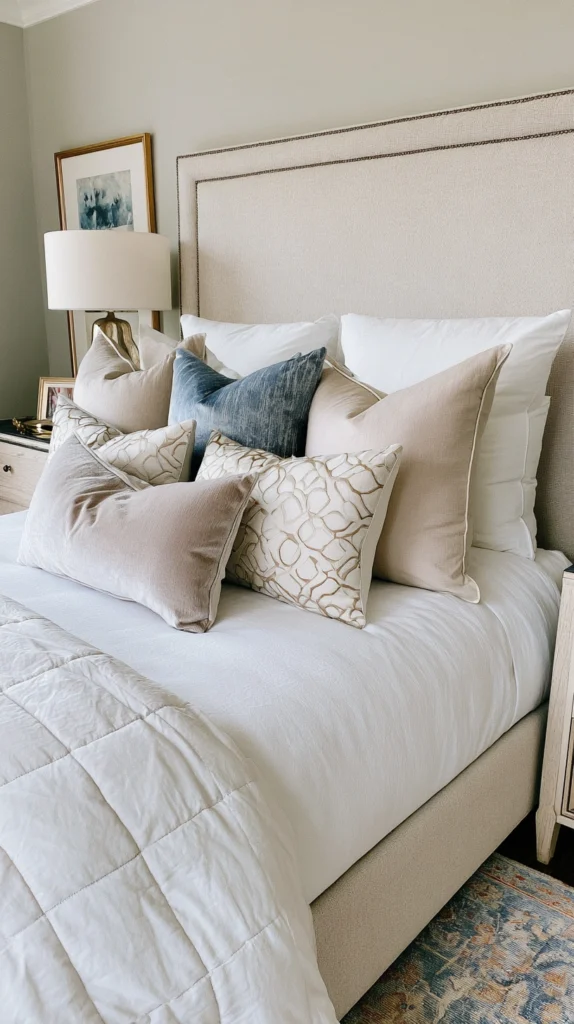
Add sophistication through carefully selected throw pillows, establishing visual richness while remaining functional comfort elements. Hotels use varied pillow sizes and textures, creating layered visual interest, choose quality fabrics including linens and velvets, and arrange them thoughtfully, creating balanced compositions.
The pillow variety adds textural dimension while the quality materials communicate luxury. The careful arrangement prevents the random appearance that hastily placed pillows create, instead demonstrating intentional styling.
6. Position Furniture to Create Natural Conversation Areas
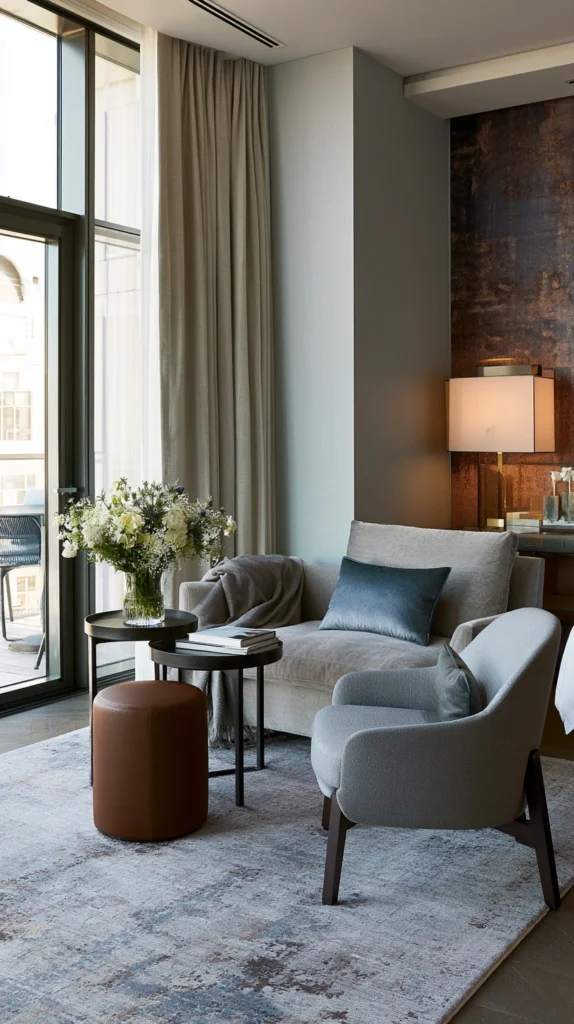
Arrange seating establishing functional conversation zones despite the bedroom scale, establishing the kind of intimate gathering spaces that hotels create even in small rooms. Position chairs angled toward windows or create small conversation groupings, avoid pushing all furniture against walls, creating unused interior space, and create purpose-defined zones.
The intentional arrangement creates usable space that furniture-free centers do not provide. Professional designers position furniture functionally rather than purely for traffic flow.
7. Incorporate a Quality Upholstered Headboard
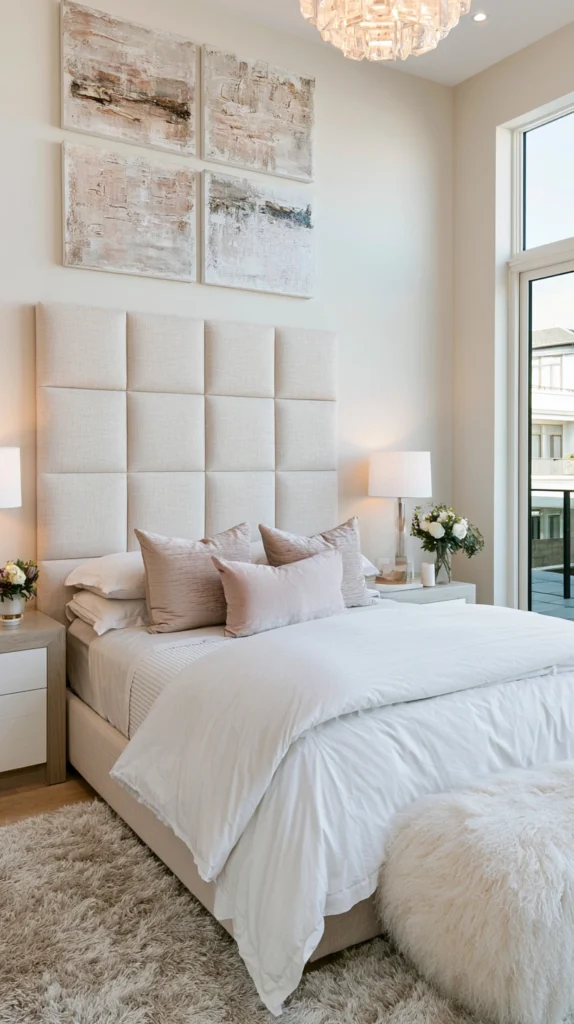
Establish visual anchoring through substantial upholstered headboards creating the kind of furniture-quality presence that distinguishes designed bedrooms from basic bedroom setups. Choose headboards in quality fabrics including linen or velvet, select styles complementing overall aesthetics from classic to contemporary, and size appropriately for bed scale.
The substantial headboard creates immediate visual interest while providing practical comfort for reading in bed. Hotels invest in quality headboards, understanding their visual and functional importance as prominent bedroom elements.
8. Add Area Rugs Defining and Softening Spaces
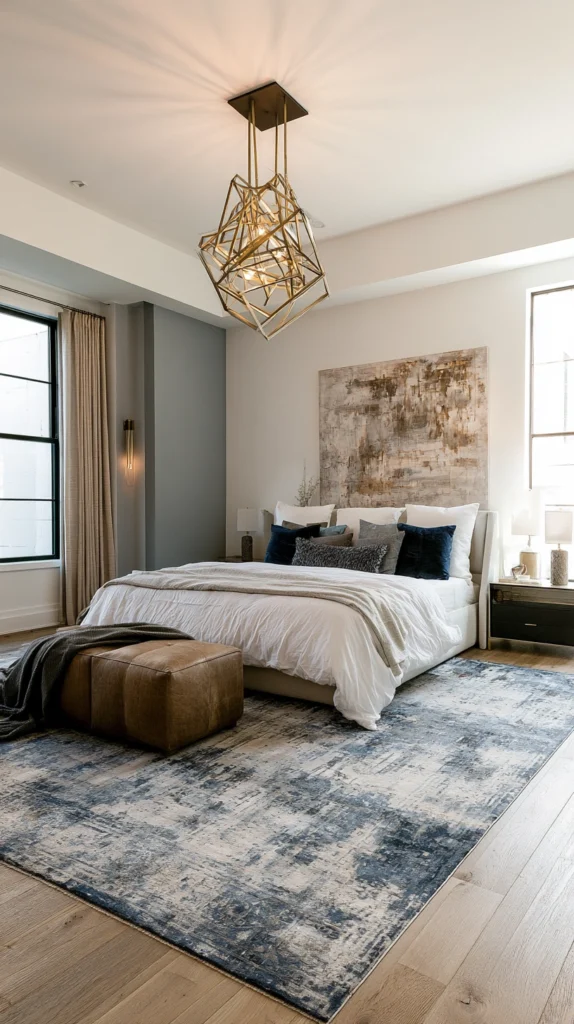
Create warmth and definition through strategically placed area rugs establishing visual zones while adding softness and comfort to hard flooring. Layer rugs at bed bases providing softness underfoot, choose sizes appropriate for room scale, and select colors and patterns complementing overall design.
The textile softness adds warmth while the visual definition establishes proportional relationship to furniture. Professional designers use rugs to anchor spaces and add visual richness beyond flooring alone.
9. Install Blackout Curtains with Decorative Overlay
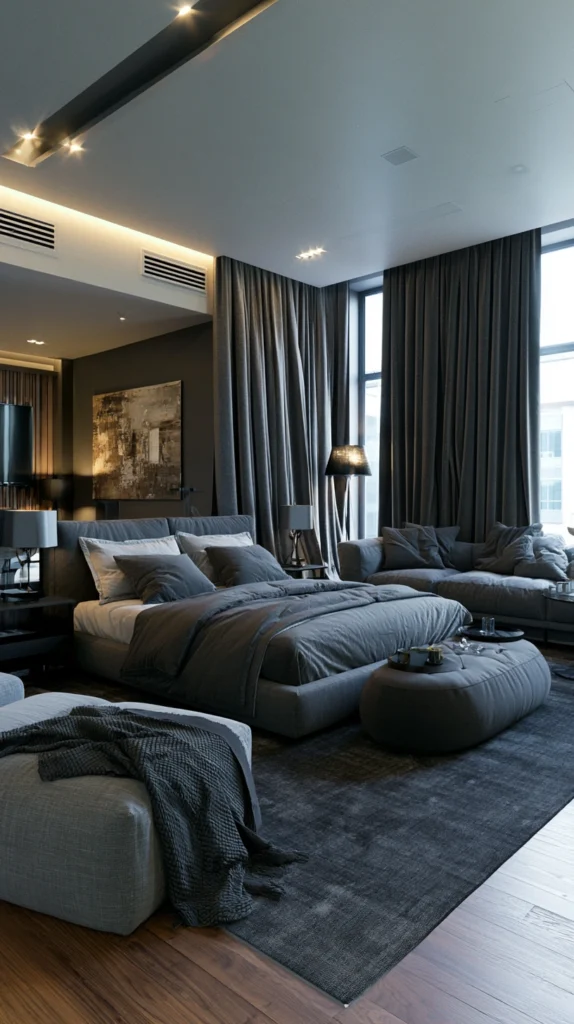
Provide functionality and aesthetics through blackout lining with decorative overlay fabrics, establishing the kind of light control that hotels prioritize for genuine sleep quality. Choose decorative curtain fabrics suitable for visible display, ensure blackout lining provides complete darkness, eliminating light pollution, and select styles complementing overall design.
The functional quality supports genuine sleep while the visible fabric provides aesthetic contribution. Hotels understand that darkness significantly improves sleep quality, justifying blackout investment alongside aesthetic design.
10. Create a Dedicated Seating Vignette
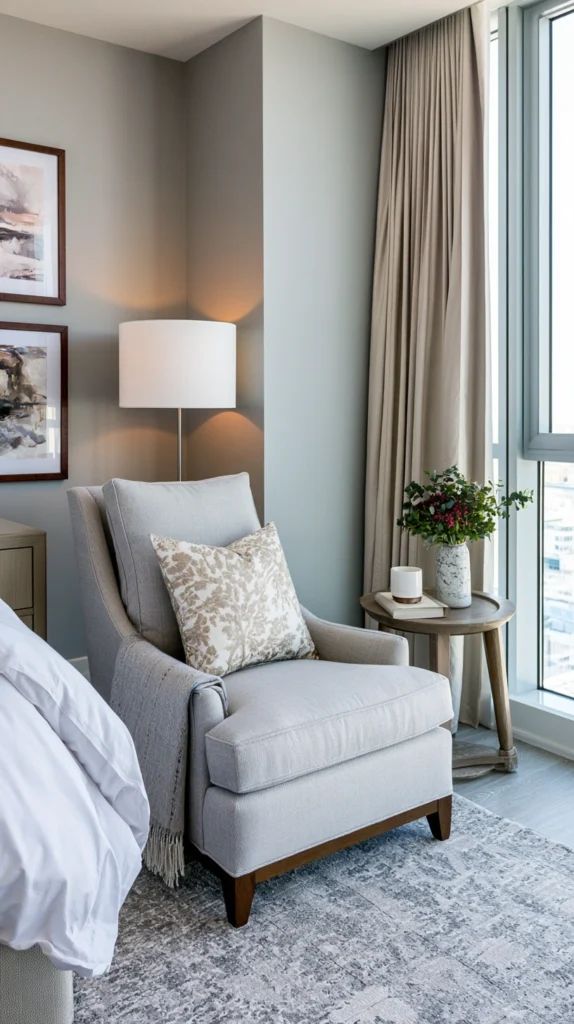
Establish functionality and visual interest through small seating areas, creating intimate spaces for reading, relaxation, or morning coffee. Position comfortable chairs near windows capturing natural light, add small side tables providing surfaces for beverages and books, and incorporate soft lighting for ambiance.
The dedicated seating area creates purposeful space beyond the bed, establishing multifunctional bedrooms. Hotel designers create seating opportunities, understanding guests appreciate spaces for varied activities beyond sleeping.
11. Use Artwork as Major Design Statement
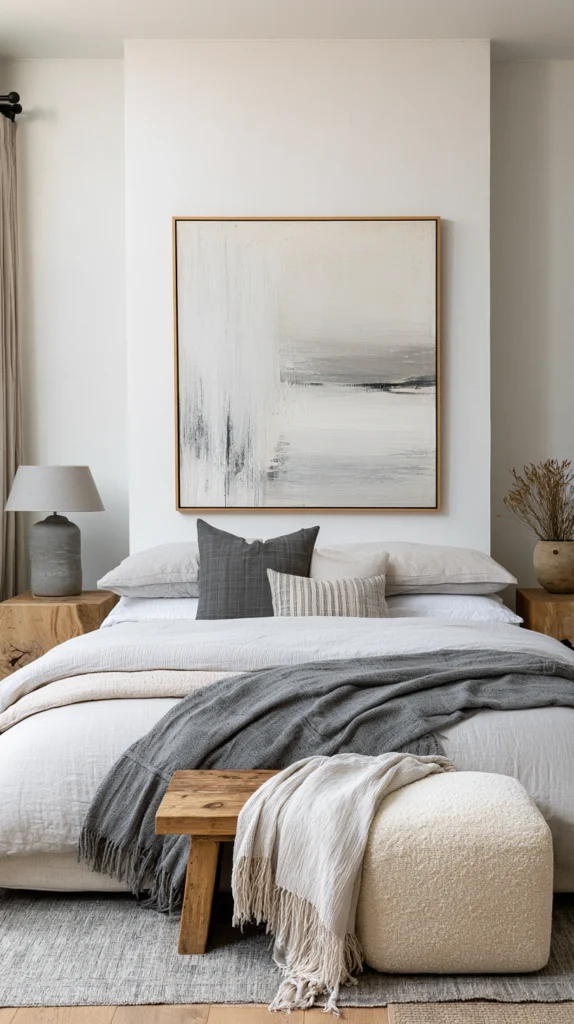
Create visual focus through carefully selected artwork, establishing design character and personal expression without overwhelming spaces. Choose substantial pieces warranting focal positions, hang at appropriate heights for viewing comfort, and select imagery complementing the overall aesthetic.
The artwork establishes design intention while the substantial scale prevents insignificant appearance. Professional designers prioritize artwork as a major design elements rather than minor accessory, establishing clear design direction.
12. Ensure Adequate Task Lighting for Functionality
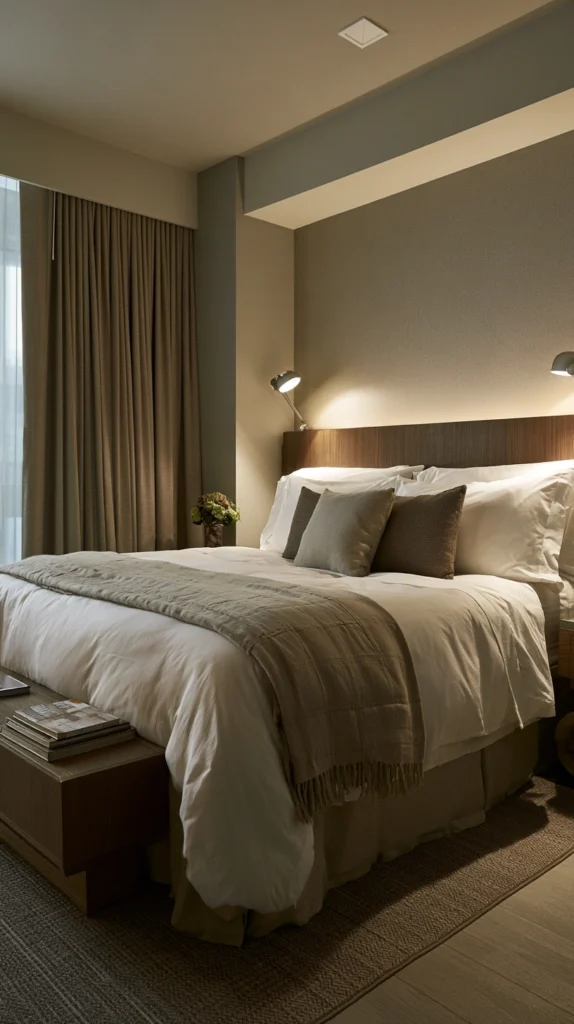
Provide practical illumination through reading lights positioned appropriately for comfort establishing the kind of thoughtful functional design that distinguishes hotel bedrooms. Install adjustable wall sconces flanking beds providing focused reading light, position table lamps on nightstands for supplemental illumination, and ensure switches positioned conveniently.
The functional lighting supports actual activities making bedrooms genuinely livable rather than purely decorative. Hotels prioritize task lighting understanding guests need focused illumination for reading and other activities.
13. Incorporate Fresh Flowers or Living Plants
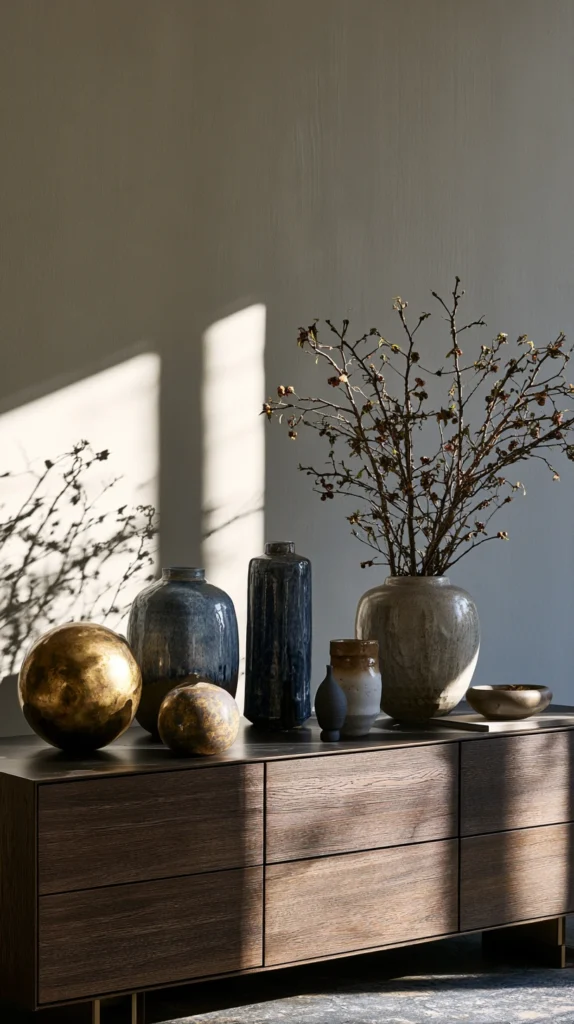
Add life and beauty through fresh flowers or quality houseplants establishing the kind of organic presence that distinguishes designed spaces from sterile environments. Include fresh flowers in attractive vessels creating natural beauty and pleasant fragrance, add potted plants creating visual interest and air-quality benefits, and refresh regularly maintaining aesthetic quality.
The living elements add welcome dimension while the careful presentation communicates attention to detail. Professional designers consistently incorporate botanical elements understanding their psychological and aesthetic benefits.
14. Maintain Meticulous Organization and Styling Discipline
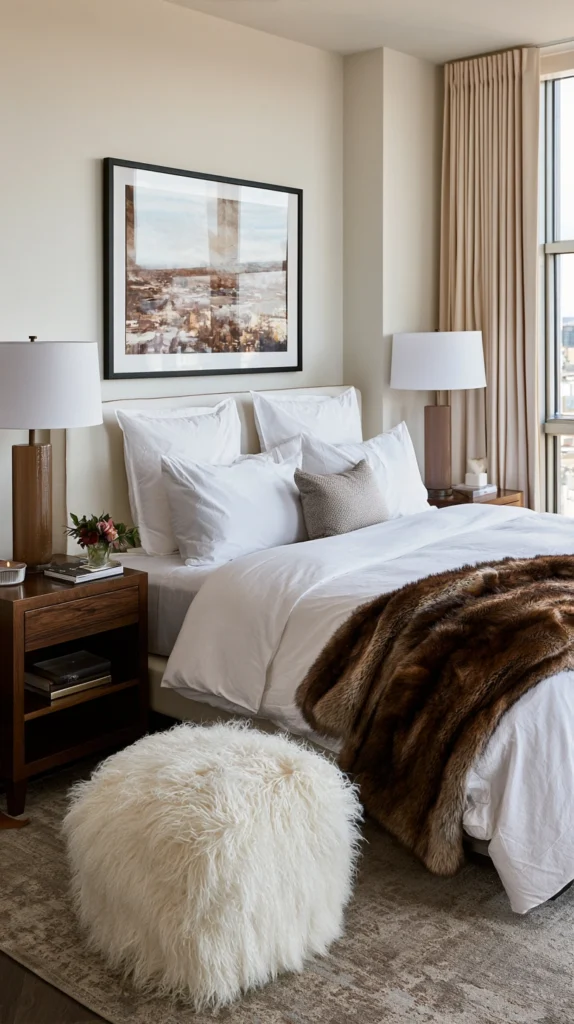
Achieve professional polish through consistent organization ensuring bedrooms maintain styled appearance despite daily use establishing the kind of design coherence that distinguishes truly designed spaces. Keep surfaces relatively clear displaying only intentional objects, organize visible items aesthetically, and maintain consistent styling preventing accumulated clutter.
The disciplined approach maintains the design quality achieved through initial styling preventing deterioration through careless use. Hotels achieve their polished appearance through rigorous maintenance and organization discipline that residential bedrooms require equally.
Successfully creating hotel-inspired bedrooms requires prioritizing actual comfort and functionality alongside aesthetic appeal, understanding that beautiful impractical spaces fail as genuine bedrooms, investing substantially in quality basics like bedding and furniture, justifying expenditure through daily use and longevity, and maintaining design discipline, preventing the gradual deterioration that inconsistent styling creates.
Balance visual richness with restful simplicity, preventing visual overstimulation despite the designed character. Ensure adequate storage containing clutter that undermines aesthetic quality. Edit regularly, removing items not contributing to intentional design.
Maintain consistency, preventing the casual accumulation that defeats the design purpose. Most importantly, recognize that hotel-inspired design succeeds through commitment to both aesthetics and functionality.
Where professional designers balance beautiful surroundings with genuine comfort and usability, proving that the most successful bedroom design delivers both visual sophistication and practical livability, creating spaces where aesthetically designed character enhances rather than complicates daily living, making bedrooms genuinely luxurious through both beauty and comfort, justifying the intentional effort required to achieve and maintain hotel-quality design in residential settings.