13 Denver Kitchen Ideas That Are Warm, Earthy, and Quietly Expensive Looking
Denver kitchens occupy a specific design position that no other American city’s residential interiors quite replicate — the intersection of mountain material warmth, western craft tradition, and a contemporary design intelligence that has developed rapidly and distinctively as the city has grown into one of the most creatively ambitious residential design markets in the country.
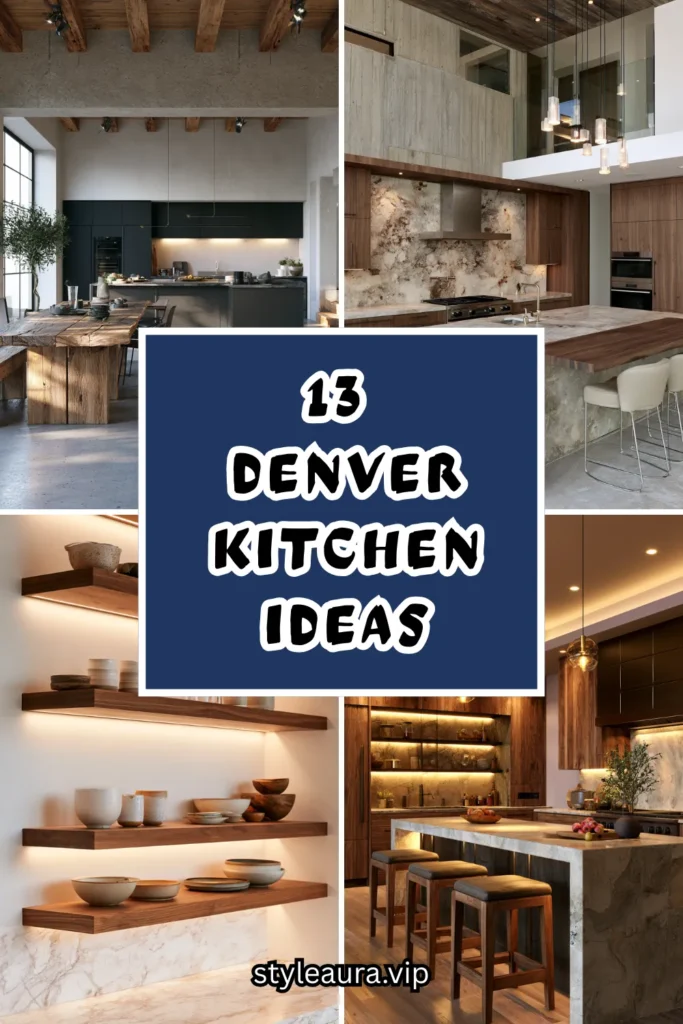
The Denver kitchen at its best is not trying to be a New York kitchen or a Los Angeles kitchen — it is entirely and confidently itself, drawing from the specific geological character of the Colorado landscape, the honest material traditions of the Rocky Mountain region, and the particular quality of warm, grounded, unpretentious sophistication that defines the city’s design identity most completely.
Warm, earthy, and quietly expensive looking: these three qualities are not in tension in the Denver kitchen — they are the same quality expressed at three different levels of description. These thirteen ideas demonstrate exactly how to achieve all three simultaneously.
1. Use Walnut Cabinetry as the Kitchen’s Primary Material Statement
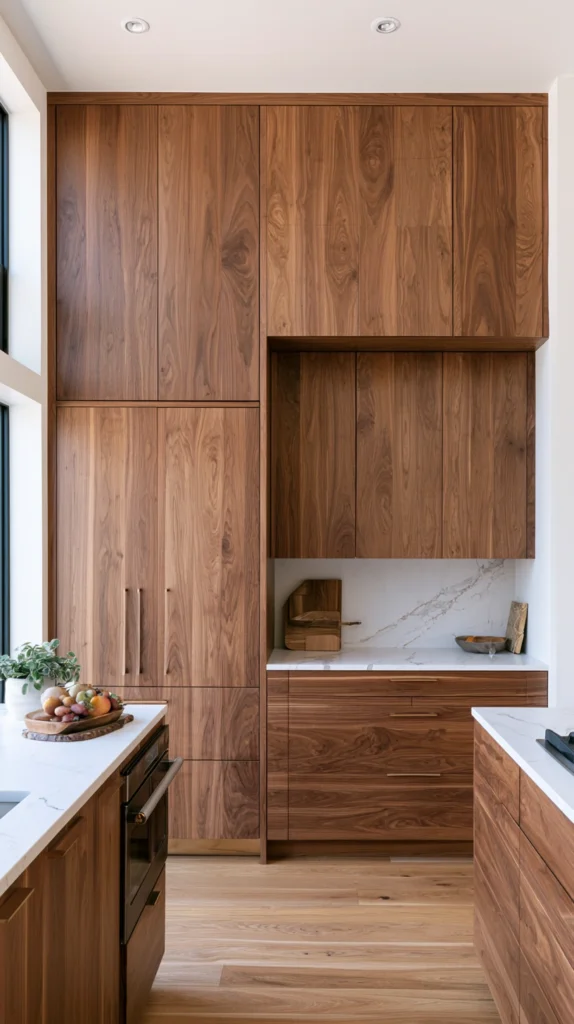
Walnut — its deep, warm, chocolate-toned grain connecting the Denver kitchen to the specific warmth of Colorado’s forest timber tradition, its surface developing a more beautiful character with age rather than deteriorating, and its combination of genuine material luxury and honest craft origin placing it precisely in the quiet-expensive zone that Denver kitchens occupy most naturally — is the cabinet material that most completely and most authentically expresses the warm, earthy Denver kitchen aesthetic.
Flat-front walnut cabinet doors in a natural or lightly oiled finish, their grain reading clearly across the full cabinet face without the interruption of decorative detail or applied moulding, create the kitchen’s primary surface of material warmth and genuine visual richness.
Pair with a countertop in a warm-toned stone — Colorado quartzite, honed Calacatta with warm veining, or a concrete surface in a honey-grey tone — and the walnut and stone combination creates the Denver kitchen’s most characteristic and most quietly luxurious material pairing.
2. Choose Colorado Stone for the Countertop and Backsplash
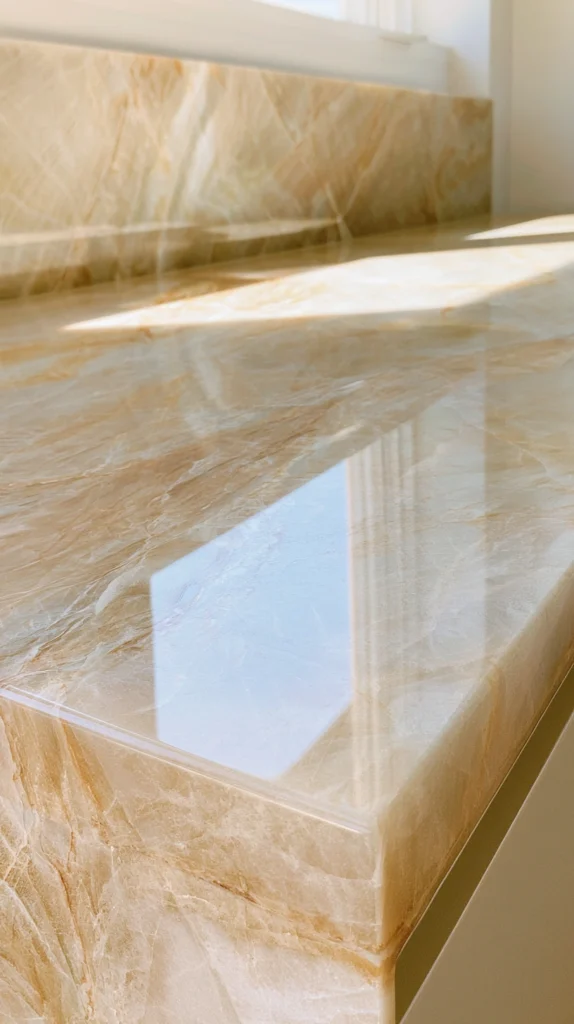
A countertop in Colorado quartzite or locally sourced sandstone — its warm, slightly varied surface connecting the kitchen to the specific geological character of the Rocky Mountain landscape visible beyond the kitchen window — creates the earthy material authenticity that distinguishes the genuinely Denver kitchen from one that simply uses warm materials without geographical specificity or material honesty.
The continuous slab backsplash in the same stone as the countertop — running from counter height to the underside of the upper cabinets in a single uninterrupted material surface — is the quietly expensive detail that elevates the kitchen’s material quality most completely, its continuous stone surface eliminating the grout lines and the material transitions of a conventional tiled backsplash and replacing them with the geological presence of a single piece of genuine natural stone.
3. Install Open Shelving in Natural Timber
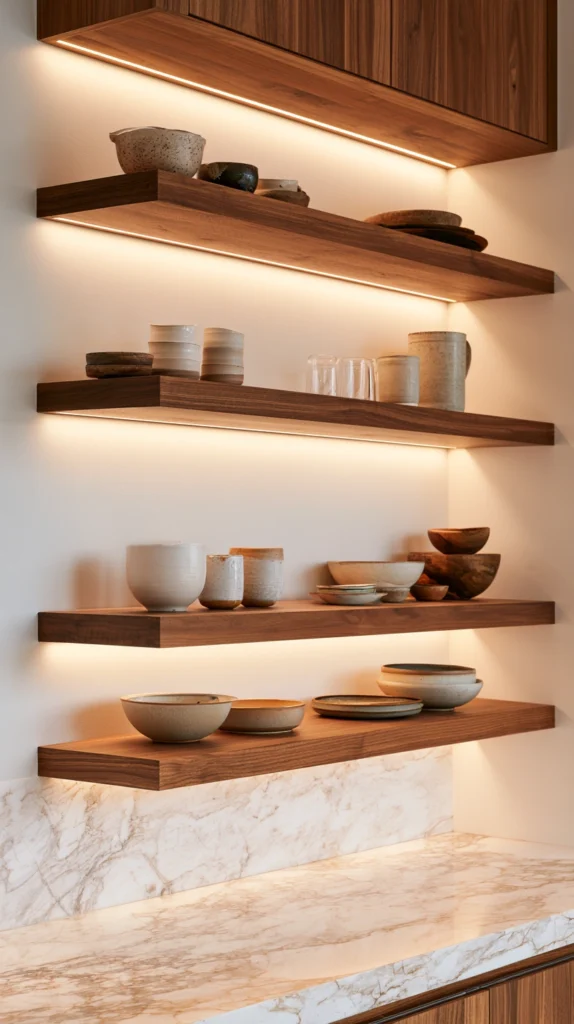
Open shelving in the same walnut or a complementary warm timber species — replacing the upper cabinets on one or two walls of the kitchen, their surfaces carrying the everyday objects of a genuinely used kitchen displayed with the editorial care that open shelving demands — creates the warm, layered, lived-in quality that distinguishes the Denver kitchen’s earthy aesthetic from the sterile, closed-cabinet kitchens of purely contemporary design.
The open shelf in a Denver kitchen carries ceramic vessels in warm earth tones, quality glassware that catches the kitchen’s natural light, small plants and fresh herbs that connect the cooking space to the natural world, and the honest display of the objects that the kitchen actually uses rather than the curated collection of purely decorative pieces.
Style with genuine restraint — three to five objects per shelf at most — and allow the timber’s warmth and the objects’ material quality to create the quiet luxury of a kitchen that is beautiful because of what is present, not despite what is absent.
4. Add a Concrete or Stone Range Hood as the Kitchen’s Focal Point
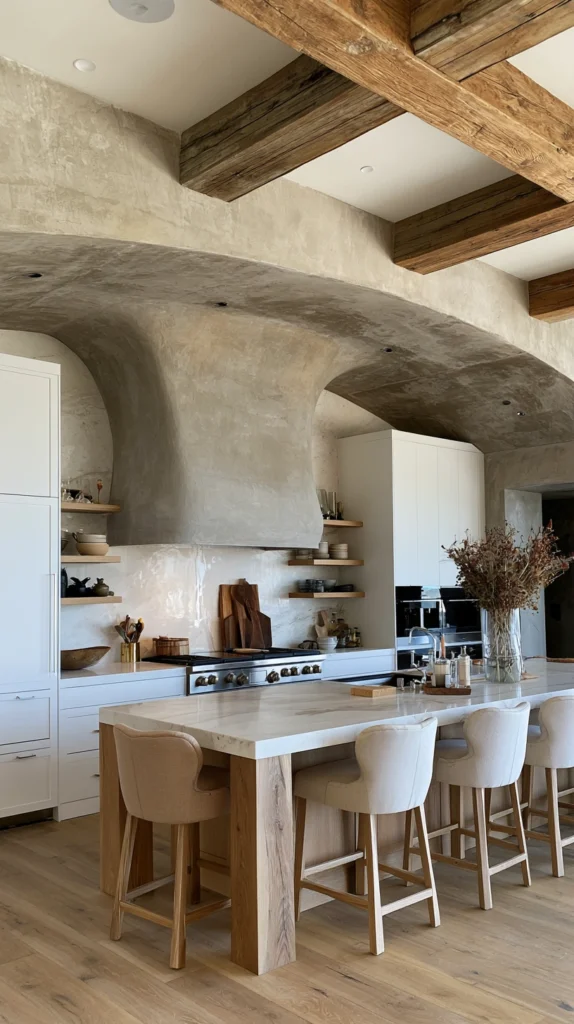
The range hood in a Denver kitchen — the element that occupies the most prominent position above the cooking surface and commands the visual centre of the kitchen’s primary wall — should be specified with the same material ambition and the same craft quality applied to every other element in the space, its form and its material creating the architectural focal point that anchors the kitchen’s warm, earthy palette with genuine structural authority.
A hand-formed concrete hood in a warm grey tone — its slightly textured surface absorbing the kitchen’s warm light rather than reflecting it, its organic profile sitting between the geometric precision of a manufactured hood and the entirely irregular form of a hand-plastered surround — is the Denver kitchen range hood that reads most completely as quietly expensive, most authentically earthy, and most genuinely designed for the specific aesthetic identity of the kitchen it serves.
5. Use Unlacquered Brass Hardware Throughout
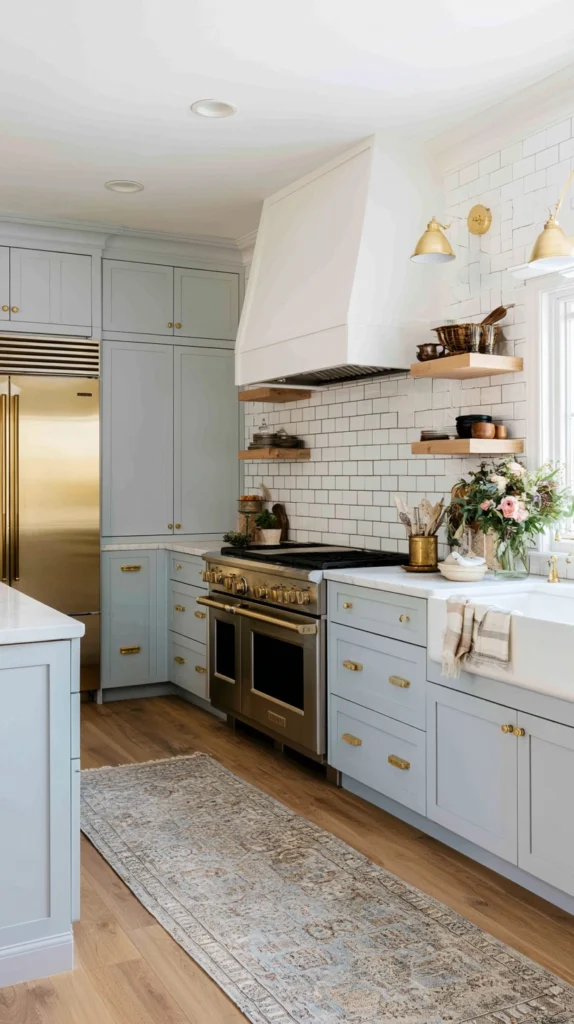
Unlacquered brass hardware — its warm gold tone developing naturally over time in the kitchen’s humid, active environment, darkening at the points of most frequent contact and developing the particular warm, aged quality that lacquered brass permanently prevents — is the hardware finish that contributes the most warmth, the most material character, and the most genuine quiet luxury to the Denver kitchen’s earthy palette.
The unlacquered brass tap above a concrete or stone sink. The simple bar pulls on the walnut cabinet doors. The pendant light fixtures above the island in the same warm metal tone. The hardware’s consistency across every metal element in the kitchen creates the unified material language that distinguishes a designed kitchen from an assembled one — the quality that most directly and most pervasively communicates the quiet expense of genuine design intention applied to every detail.
6. Install Radiant Heated Concrete or Stone Floors
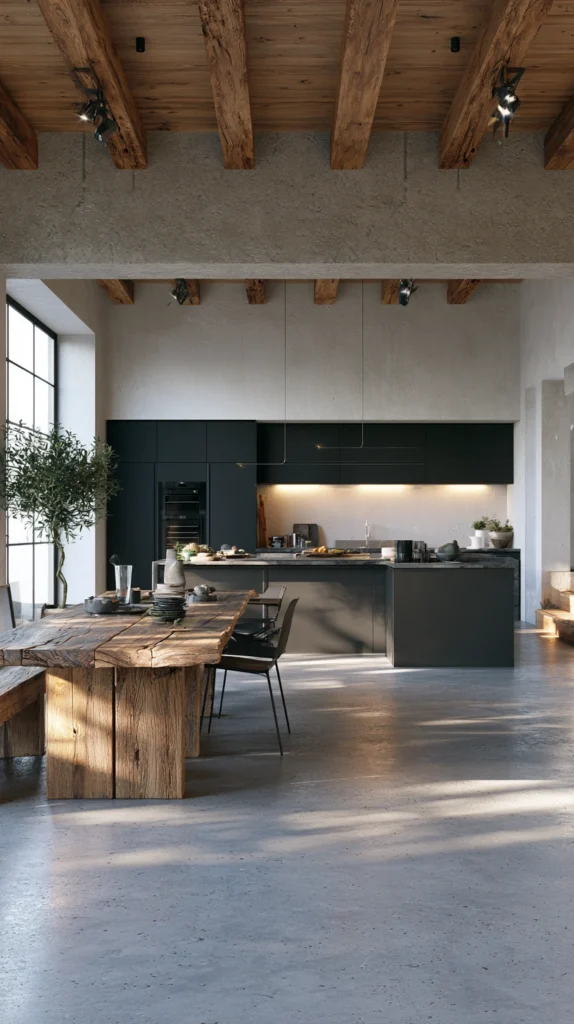
Polished concrete or large-format natural stone floors — their cool grey or warm buff surface heated from below by a radiant heating system that makes them genuinely comfortable underfoot through the Denver winter.
Create the kitchen floor that is simultaneously the most materially honest, the most aesthetically appropriate to the warm earthy aesthetic, and the most practically comfortable for the Colorado climate that demands genuine warmth from the floor surface for six months of every year.
The radiant heated concrete floor is the quietly expensive kitchen detail that is invisible in its specification and immediately apparent in its daily use — the kitchen floor that is warm underfoot on a January morning at altitude is the floor that makes the kitchen genuinely extraordinary to be in rather than simply beautiful to look at.
7. Choose Deep, Earthy Cabinet Colours for Lower Units
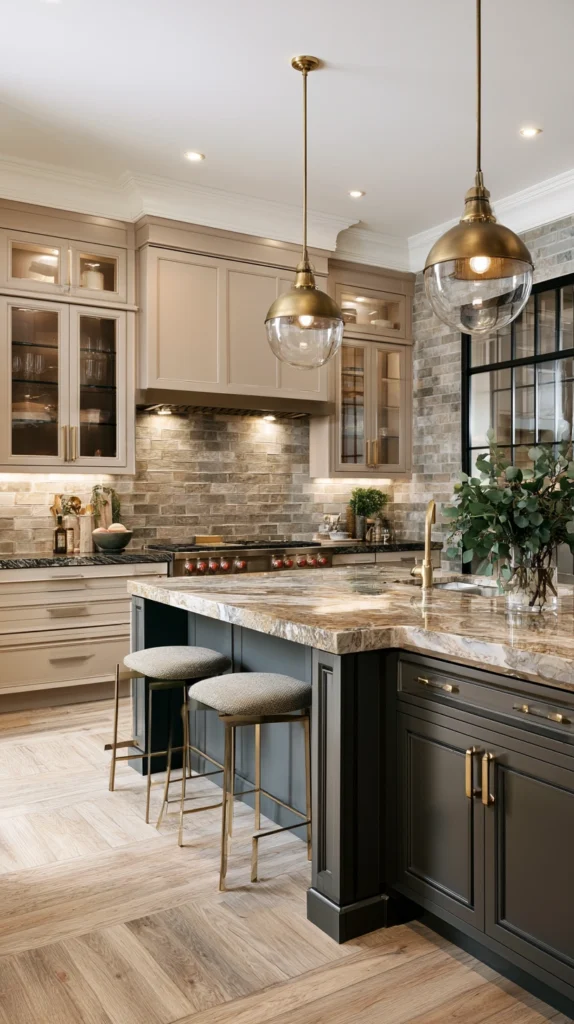
If the kitchen design uses a two-tone cabinet approach — upper units in a lighter material or lighter colour, lower units in a deeper, more saturated tone — the lower cabinet colour in a Denver kitchen should be drawn from the specific earthy palette of the Colorado landscape: a deep warm charcoal that references exposed granite, a rich forest green that references the ponderosa pine of the high country, a deep terracotta that references the red rock formations of the Colorado Plateau, or a warm, slightly brown-toned navy that references the specific quality of Colorado sky at altitude after dark.
These colours provide the kitchen’s primary colour depth and its most direct geographical reference, their saturation creating the visual weight that grounds the kitchen’s overall composition and their warmth maintaining the earthy quality that defines the Denver aesthetic most completely.
8. Create a Generous Kitchen Island in a Contrasting Material
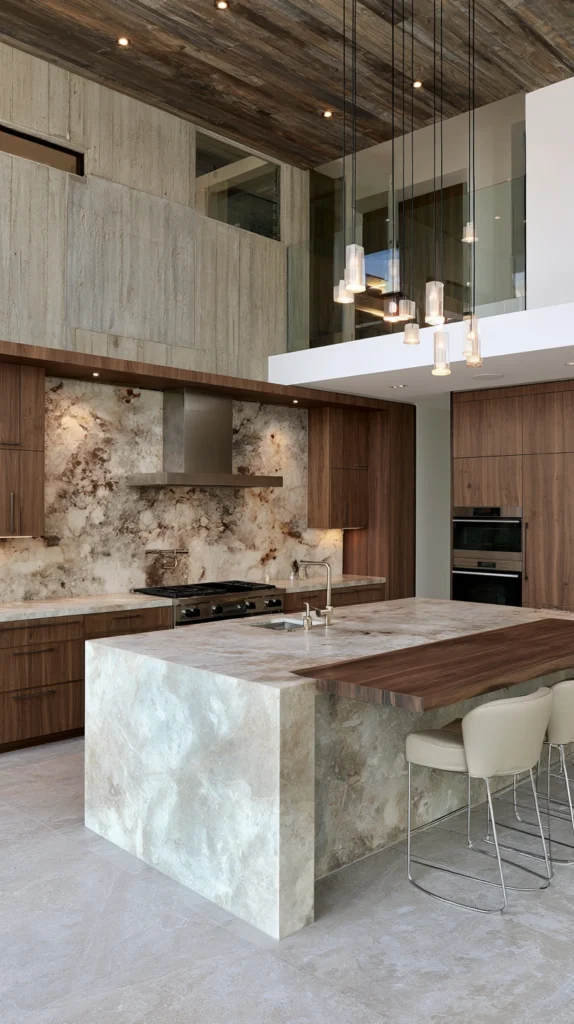
A kitchen island specified in a material that contrasts with the perimeter cabinetry — a concrete or stone island surface against walnut perimeter cabinets, a butcher block island top against stone-surfaced surrounding counters, or a Corten steel-clad island base against a warm-toned timber cabinet surround — creates the Denver kitchen’s most architecturally distinctive and most quietly expensive looking element, the island reading as the kitchen’s material centrepiece and social heart simultaneously.
The contrasting island material should be chosen from the same warm, earthy palette as the surrounding kitchen — no cool white marble islands in a warm walnut kitchen, no dark slate islands in a honey-toned timber space — but should be sufficiently distinct in its surface quality, its colour depth, or its material character to read clearly as a different and deliberately chosen material statement.
9. Incorporate Reclaimed Timber Ceiling Beams
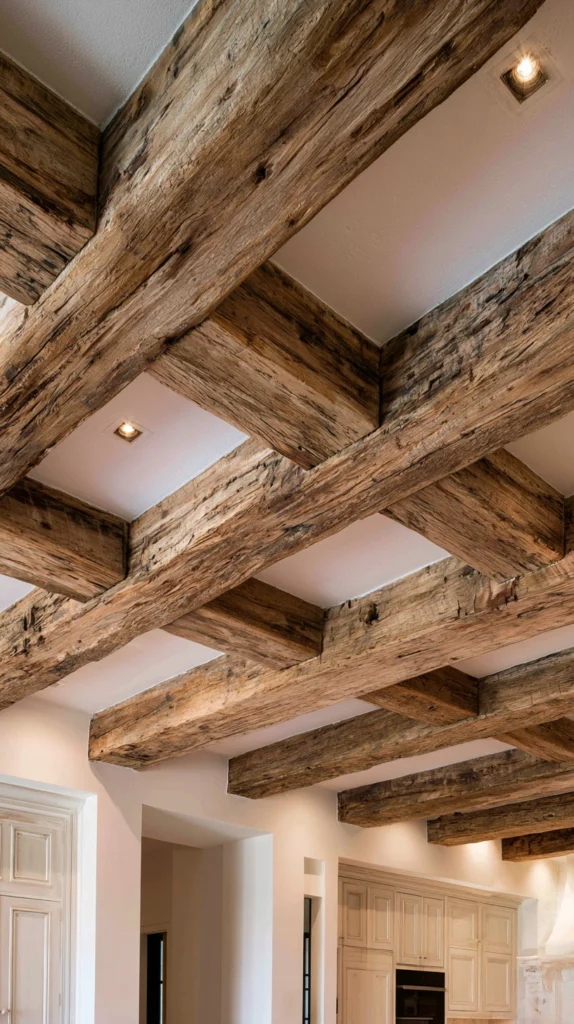
Exposed ceiling beams in reclaimed Colorado timber — their weathered, slightly silver-grey surface and their visible nail holes and surface marks carrying the evidence of previous use in a Denver or Colorado building of genuine age and genuine history — create the overhead element that most powerfully and most authentically connects the Denver kitchen to the material tradition of the Rocky Mountain region.
The reclaimed timber beam is the kitchen detail most associated with the quiet expense of a kitchen designed with genuine craft knowledge and genuine material specificity — the beam that is clearly genuine reclaimed timber from a specific regional source rather than a manufactured beam product designed to simulate reclaimed character without possessing it.
10. Add a Farmhouse Sink in Fireclay or Concrete
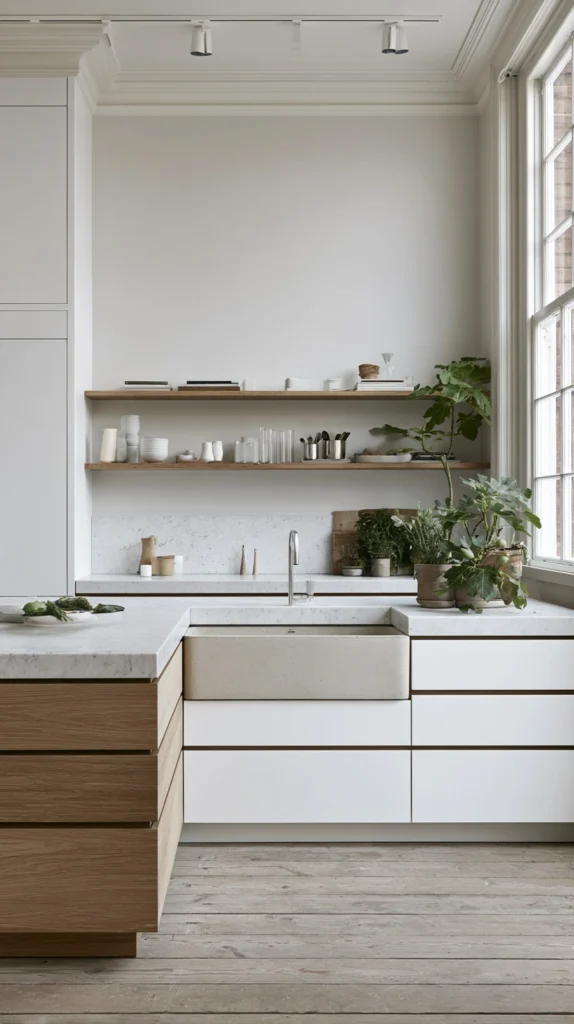
A farmhouse sink — its generous apron front, its deep basin, and its honest utilitarian material character connecting the Denver kitchen to the working kitchen tradition of the western American farmhouse — in fireclay or hand-formed concrete creates the kitchen’s most practically used and most visually present single fitting with a quality of material warmth and craft authenticity that the standard undermount or overmount sink never approaches.
The fireclay farmhouse sink in a warm white or the palest warm cream sits in the kitchen’s warm earthy palette with a naturalness and a rightness that reads as genuinely at home in the Denver kitchen context — its material honest, its form generous, and its daily use frequent and genuine in a kitchen designed around the specific quality of warm, earthy, quietly expensive practicality.
11. Install Task Lighting Under Cabinets and Above the Island
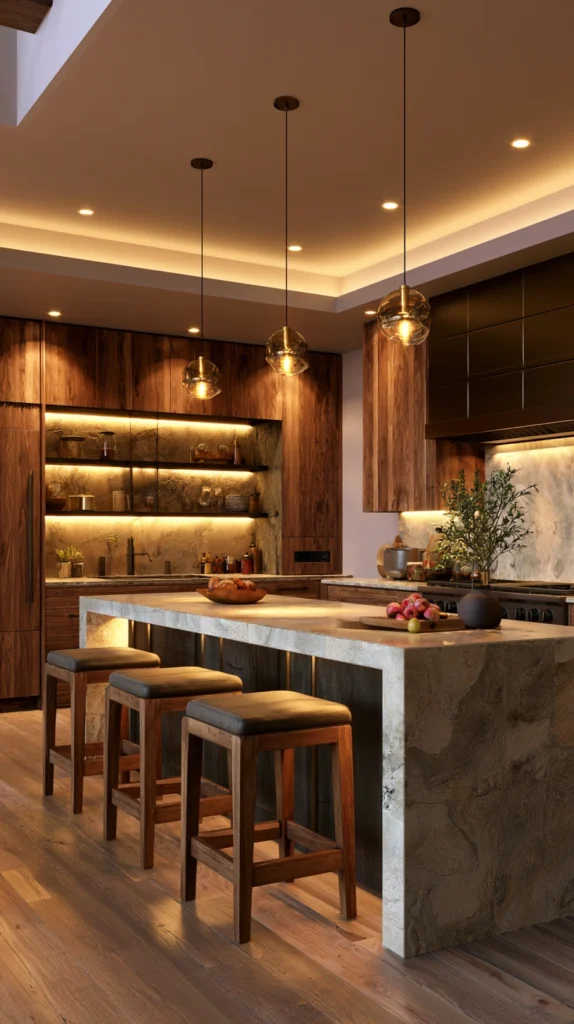
The lighting scheme in a Denver kitchen should be specified with the same warmth, the same layered intelligence, and the same commitment to the 2200K to 2700K colour temperature range that the bedroom and the living room receive .
Because the warm, earthy palette of the Denver kitchen reads at its most beautiful in warm artificial light and at its flattest and most institutional in cool white light that flattens the timber grain, dulls the stone’s colour, and removes the warmth from the brass hardware’s surface. Under-cabinet LED strip lighting in a warm colour temperature that illuminates the countertop surface and activates the backsplash material.
A pair or trio of warm-toned pendants above the island in the same unlacquered brass as the tap and the cabinet hardware. The lighting scheme that creates the warm, amber-adjacent quality of a Denver kitchen in the evening is the scheme that makes the kitchen look the most quietly expensive and the most genuinely beautiful.
12. Use Locally Made Ceramic Objects and Pottery
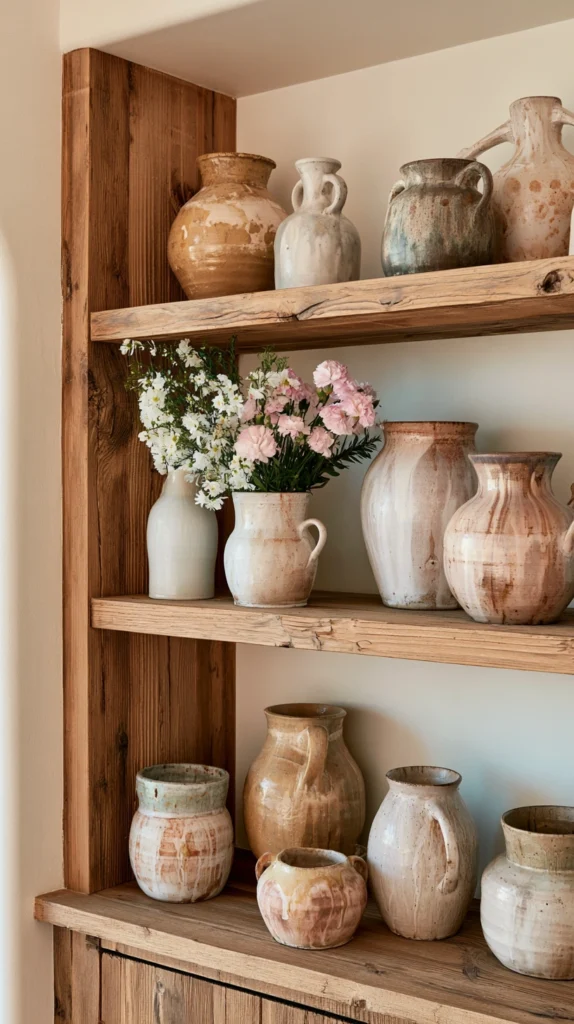
The decorative objects in a Denver kitchen should carry the specific creative identity of the Colorado craft community — the hand-thrown ceramic bowls of a Denver studio potter, the simple stoneware mugs from a Boulder ceramics maker, the irregular hand-pressed tile from a Colorado ceramics studio used as a single feature element in an otherwise stone backsplash.
These objects connect the kitchen to the place it inhabits with a specificity and a material authenticity that imported decorative objects, however beautiful, cannot provide with the same quality of genuine regional belonging.
A collection of three hand-thrown ceramic vessels in warm earth tones on the open shelf — terracotta, warm grey, and the particular dusty sage of a Colorado high country plant — is the kitchen display that most completely and most beautifully expresses the warm, earthy, quietly expensive Denver kitchen aesthetic in its decorative dimension.
13. Design for the Colorado Lifestyle Rather Than Pure Aesthetics
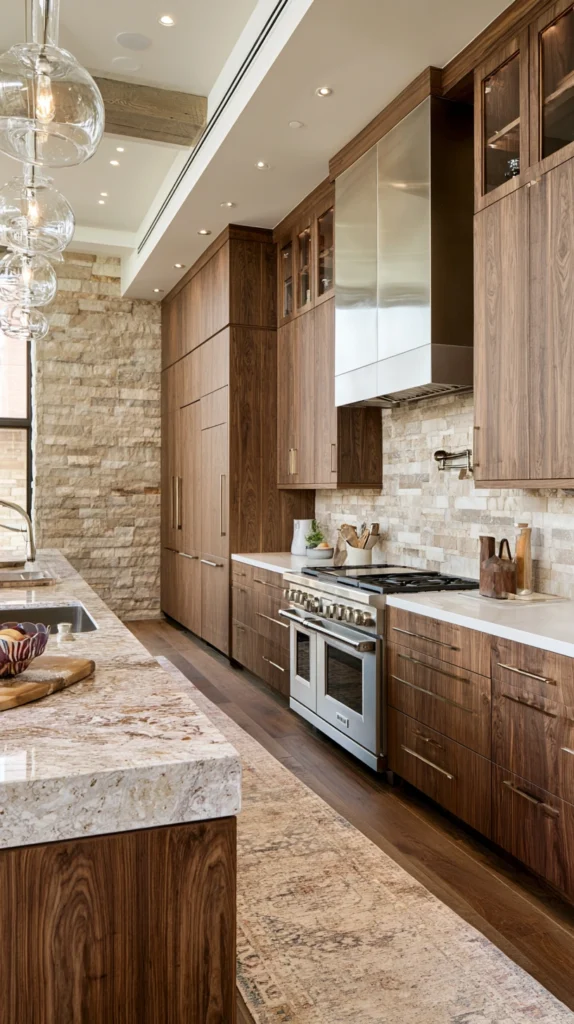
The Denver kitchen that is most genuinely warm, most genuinely earthy, and most quietly expensive-looking is ultimately the one designed around the specific way that Denver people actually use their kitchens.
The serious home cooking of a city that takes food genuinely seriously, the frequent casual entertaining of a social culture built around genuine hospitality, the morning coffee ritual of a city that begins its days outdoors and requires a kitchen that supports the transition between the outdoor morning and the indoor cooking day with grace and genuine warmth. Storage for the camping equipment that coexists with the kitchen equipment in the active Colorado household.
A genuine preparation surface of adequate size for the serious cooking that the Denver kitchen’s quality of specification invites and deserves. An island sized for the gathering that happens around it rather than the formal dining that happens elsewhere. The Denver kitchen designed for the real Colorado life is always the most beautiful — because its quiet expense is genuine rather than aspirational, and its warmth is lived rather than displayed.
Final Thoughts: Building the Denver Kitchen With Geographical Honesty
The Denver kitchen that achieves the warm, earthy, quietly expensive quality that defines the city’s best residential interiors is built from materials that belong to the Colorado landscape, craft objects that carry the specific creative identity of the regional community, and design decisions made with honest attention to the specific way that Denver people live rather than the generic aspirations of a kitchen designed without geographical or cultural specificity.
Use the local stone, the regional timber, the honest concrete, and the unlacquered brass that develops its own character in the specific conditions of a Colorado kitchen. Commission the ceramic objects from the Denver maker whose work engages honestly with the earth tones of the Rocky Mountain environment.
Design the kitchen for the life being lived in it rather than the life being aspired to. The Denver kitchen built from these principles is always the most warm, most earthy, and most quietly expensive looking of all — because its quality is genuine rather than performed, and genuine quality is always, immediately, and unmistakably visible.