15 Non-Toxic, Pet-Friendly Plants That Grow in Low Light
The intersection of pet ownership and houseplant enthusiasm is a relationship that has caused a disproportionate amount of unnecessary anxiety in an otherwise joyful area of domestic life.
The plant lover who shares their home with cats, dogs, or other companion animals has been told, often and with considerable alarm, that the desire to fill the home with living greenery and the responsibility of keeping a beloved pet safe from harm are fundamentally incompatible aspirations — that the beautiful plant and the cherished pet cannot peacefully coexist in the same domestic space without constant vigilance, constant anxiety, and the constant threat of a veterinary emergency precipitated by a curious nose or an exploratory paw.
This anxiety, while not entirely without foundation given the genuine toxicity of certain popular houseplants to domestic animals, is vastly overstated.
The range of genuinely beautiful, genuinely low-light tolerant, and genuinely non-toxic houseplants available to the pet-owning plant enthusiast is both wider and more ornamentally extraordinary than the cautionary discourse around pet-safe planting typically acknowledges. Here are 15 non-toxic, pet-friendly plants that grow in low light — and that prove, with complete botanical authority, that the safe home and the beautiful home have always been the same home.
1. Calathea (Prayer Plant Family)
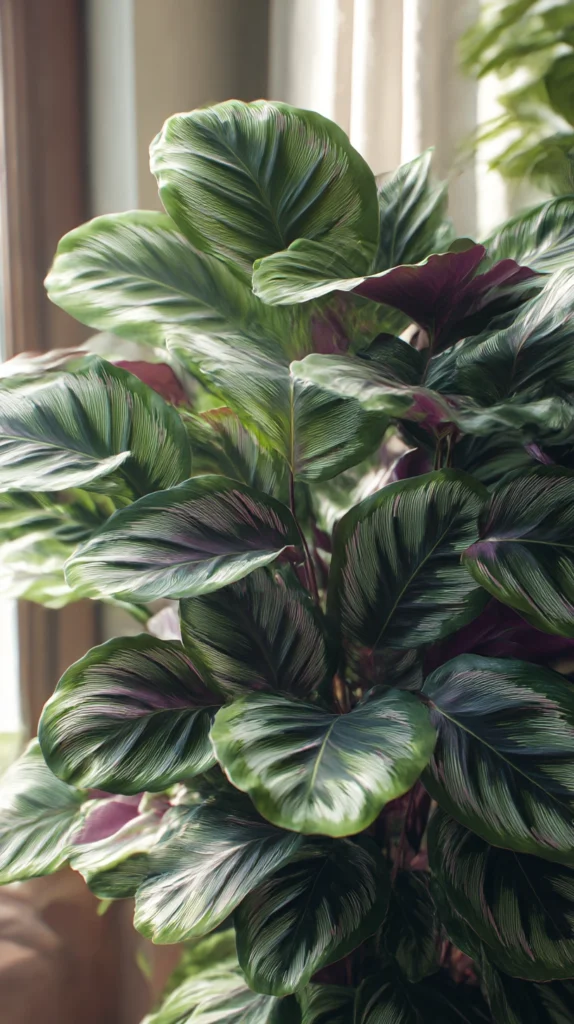
The calathea family — a genus of extraordinary botanical complexity and extraordinary ornamental richness that includes the zebra plant, the rattlesnake plant, the peacock plant, and dozens of other species and cultivars of equally extraordinary foliage beauty — is the low-light, pet-safe houseplant of most complete and most immediately arresting visual impact.
The leaves of calatheas are among the most intricately patterned and most strikingly colored of any foliage plant available for interior cultivation — deep greens overlaid with silver, purple, and cream in patterns of such extraordinary precision and such apparent artistic intentionality that they look designed rather than grown.
The plant folds its leaves upward in the evening in the specific movement that gives the prayer plant family its common name, and opens them again each morning in a daily botanical performance of quiet, continuous, completely extraordinary natural beauty. Keep the soil consistently moist and provide high humidity for best results.
2. Spider Plant (Chlorophytum comosum)
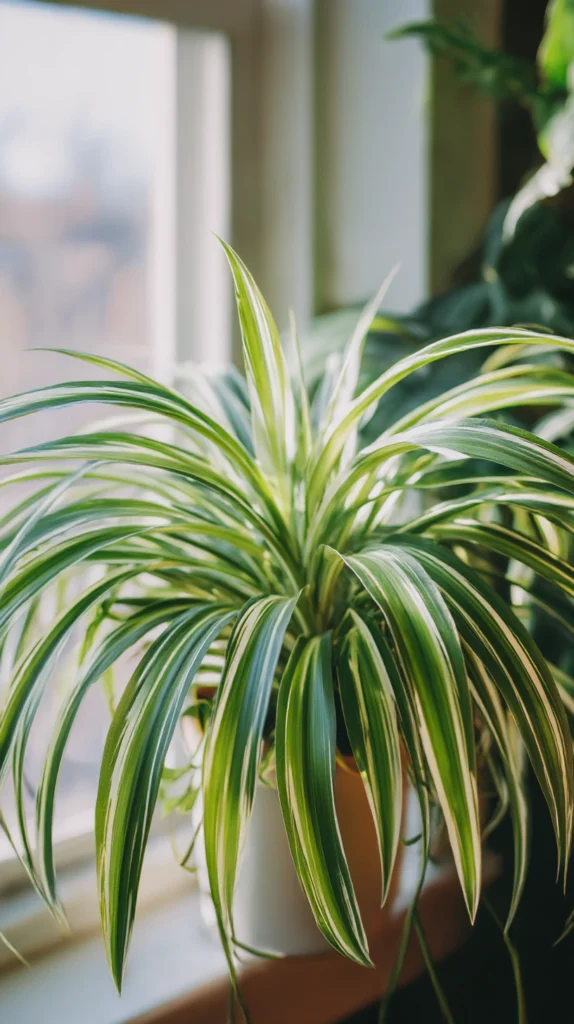
The spider plant is the most forgiving, the most adaptable, and the most reliably pet-safe of all low-light houseplants — a plant of such extraordinary constitutional robustness and such genuine ornamental generosity that it rewards even the most inconsistent and the most inattentive of care regimes with a continuous production of attractive arching foliage and an increasing abundance of the dangling plantlets on long runners that give the plant its common name and that can be rooted in water to produce new plants of complete botanical independence.
The spider plant’s variegated varieties — the central cream stripe on a background of fresh green, or the green-margined cream-centered reverse variegation — are among the most cheerful and most reliably attractive foliage displays available in a pet-safe, low-light tolerant houseplant, and the plant’s complete non-toxicity to cats and dogs makes it the most completely anxiety-free choice on this list.
3. Boston Fern (Nephrolepis exaltata)
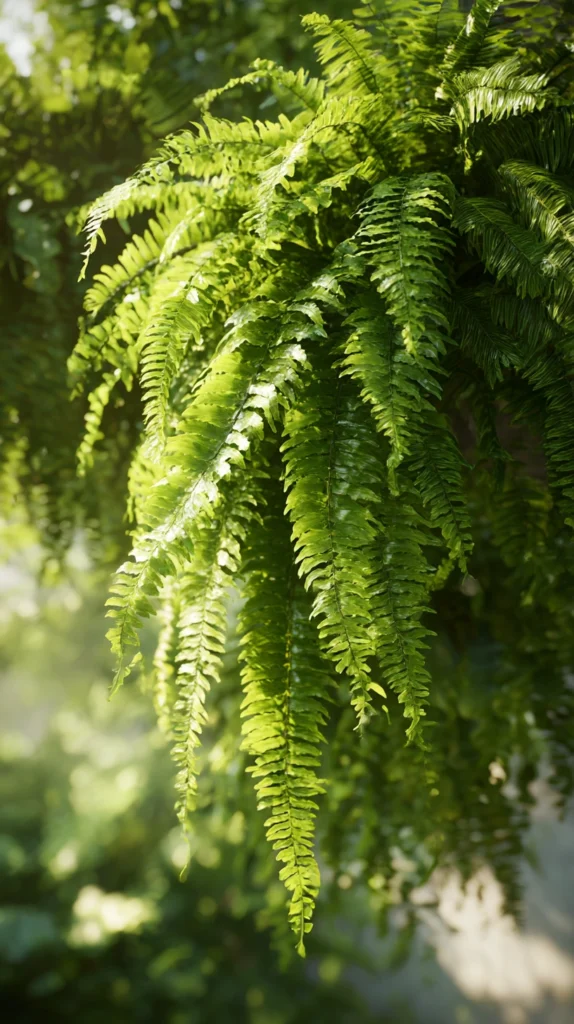
The Boston fern is the pet-safe low-light plant of most dramatic and most lushly botanical visual impact — its long, arching fronds of densely pinnate bright green foliage creating the specific quality of abundant, cascading, tropical-feeling greenery that makes a hanging basket or a high shelf position feel genuinely extraordinary in a way that most compact foliage plants cannot approach.
Boston ferns require consistently moist conditions and appreciate the higher humidity that regular misting, a pebble tray of water, or a bathroom or kitchen position provides, but in return for this relatively modest care commitment they provide a continuously beautiful and completely pet-safe display of genuine botanical magnificence that confirms their status as one of the most reliably rewarding of all the houseplants on this list.
4. Peperomia
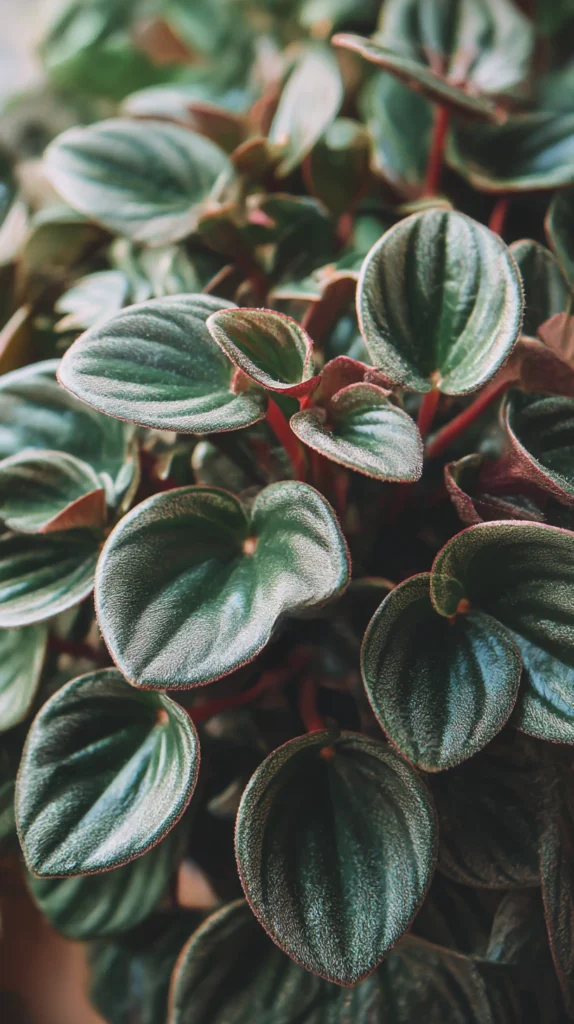
The peperomia family — a vast and extraordinarily varied genus of several hundred species whose collective range of foliage form, foliage texture, and foliage color exceeds that of almost any other houseplant genus available for interior cultivation — is the low-light, pet-safe plant collector’s most productive and most genuinely inexhaustible source of botanical variety and botanical beauty.
From the thick, succulent-like leaves of the watermelon peperomia, striped in the specific green and silver pattern that gives it its common name, to the deeply corrugated, rich burgundy surface of Peperomia caperata, to the trailing, small-leaved, completely charming Peperomia prostrata with its individual leaves marked like miniature turtle shells in silver on green, the peperomia genus provides a lifetime of collecting and growing pleasure within the safe, low-light boundaries of the pet-friendly home.
5. Haworthia
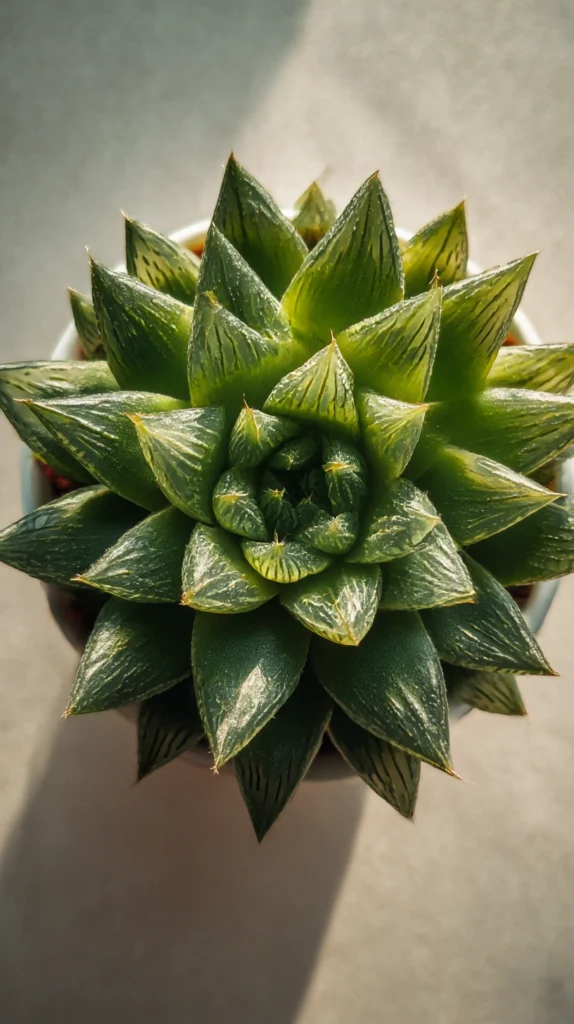
Haworthia is the pet-safe succulent — the answer to the plant enthusiast who loves the compact, architectural, water-efficient qualities of succulent plants but who keeps cats or dogs that might investigate the many succulent species that are toxic to domestic animals. Haworthias are rosette-forming succulents of considerable architectural elegance, their thick, often translucent-tipped leaves arranged in tight spirals of geometric precision that create small, perfectly formed botanical sculptures of genuine ornamental presence.
They tolerate low light better than most succulents — adapting to the indirect light of an interior position with a resilience that their sun-loving cousins cannot match — and require watering only when the soil has dried completely, making them the most forgiving of all the low-maintenance options on this list.
6. Parlor Palm (Chamaedorea elegans)
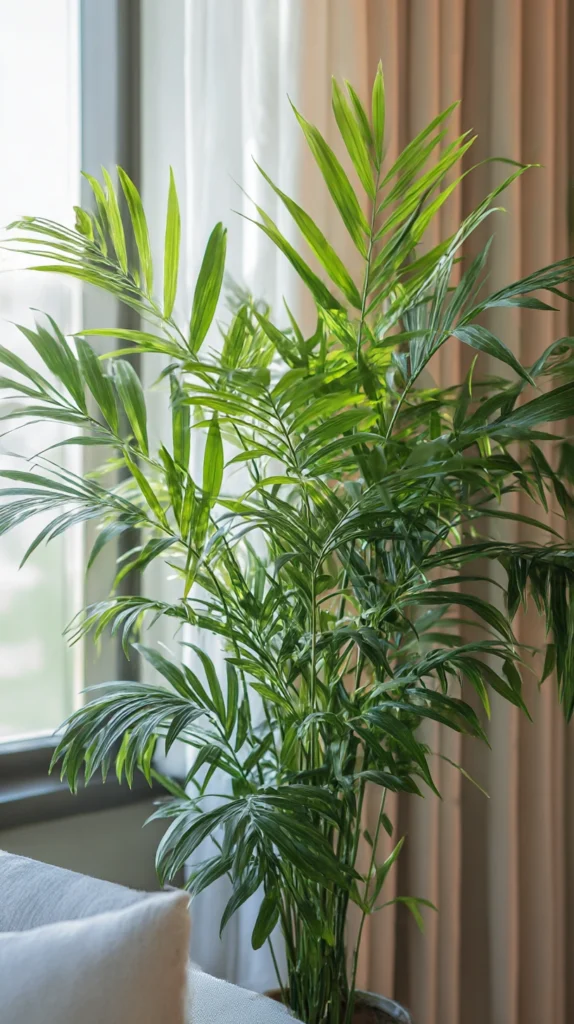
The parlor palm is the pet-safe houseplant of most complete tropical atmosphere and most genuine architectural presence — a small, graceful palm of considerable ornamental elegance whose slender, cane-like stems and arching, pinnate fronds of deep, glossy green create the specific quality of indoor tropical garden beauty that no other small palm available for interior cultivation quite replicates.
The parlor palm tolerates low light with genuine equanimity, adapting to interior conditions of limited natural light with the same botanical resilience it has demonstrated in the dappled shade of its native Mexican forest understory, and asks of its keeper nothing beyond consistent moisture, occasional feeding during the growing season, and the simple pleasure of regular appreciation.
7. Air Plants (Tillandsia)
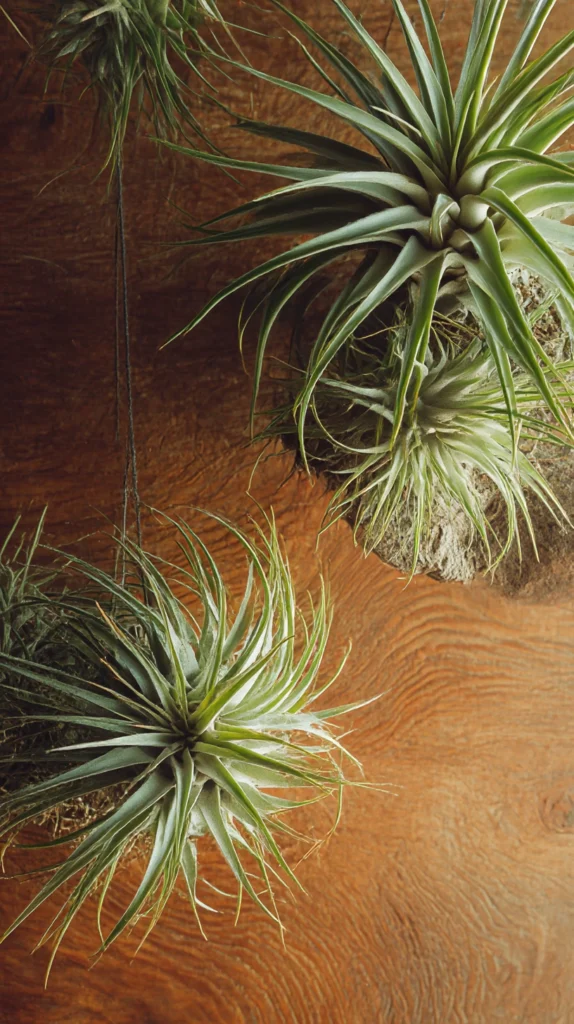
Tillandsia — the air plants of the bromeliad family that require no soil whatsoever, absorbing the moisture and the nutrients they need entirely through the specialized scales on their leaf surfaces from the surrounding air — are the pet-safe, low-light houseplants of most complete and most genuinely extraordinary botanical novelty.
They can be positioned on any surface, mounted on any object, and arranged in any configuration that the decorator’s imagination suggests, completely unconstrained by the requirement for a pot and a growing medium that governs the positioning of every other plant on this list.
Mist them two or three times weekly, soak them in water for an hour every one to two weeks, ensure they dry completely within four hours of any watering, and allow them to demonstrate the specific, completely extraordinary botanical self-sufficiency of a plant that has evolved to live on nothing but air, light, and occasional moisture.
8. Bamboo Palm (Chamaedorea seifrizii)
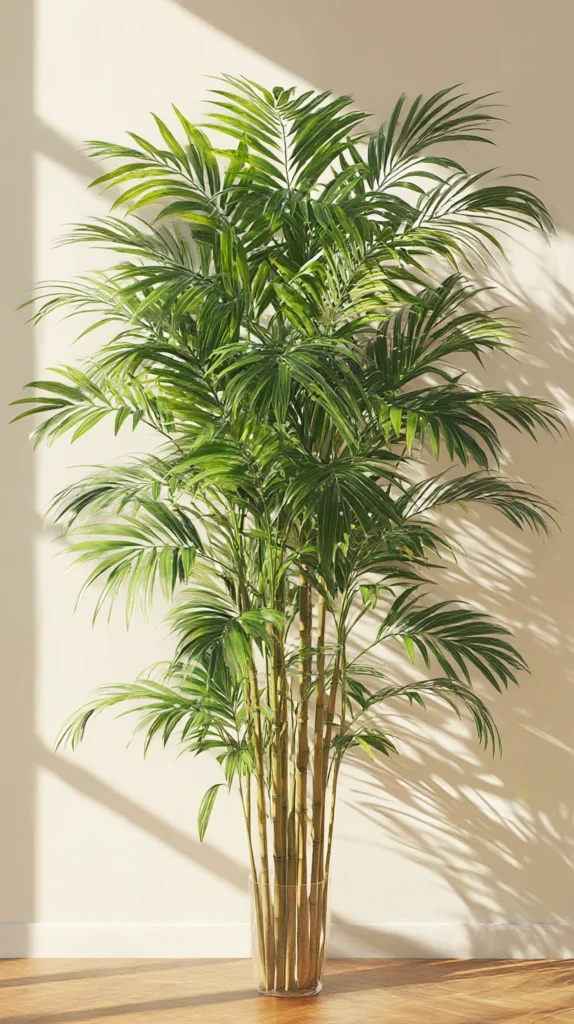
The bamboo palm is the larger, more architecturally ambitious cousin of the parlor palm — a pet-safe, low-light tolerant palm of genuine statement scale that brings the specific quality of indoor tropical garden atmosphere to any room with the spatial generosity to accommodate its fuller, more expansive form.
Bamboo palms are among the most effective natural air purifiers identified in interior plant studies, removing formaldehyde, benzene, and trichloroethylene from the interior atmosphere with a thoroughness that adds a practical environmental benefit to their considerable ornamental value.
They grow slowly and reward patient cultivation with an increasingly beautiful and increasingly architecturally impressive presence that makes them one of the most genuinely worthwhile long-term investments available in the pet-safe, low-light houseplant category.
9. Cast Iron Plant (Aspidistra elatior)
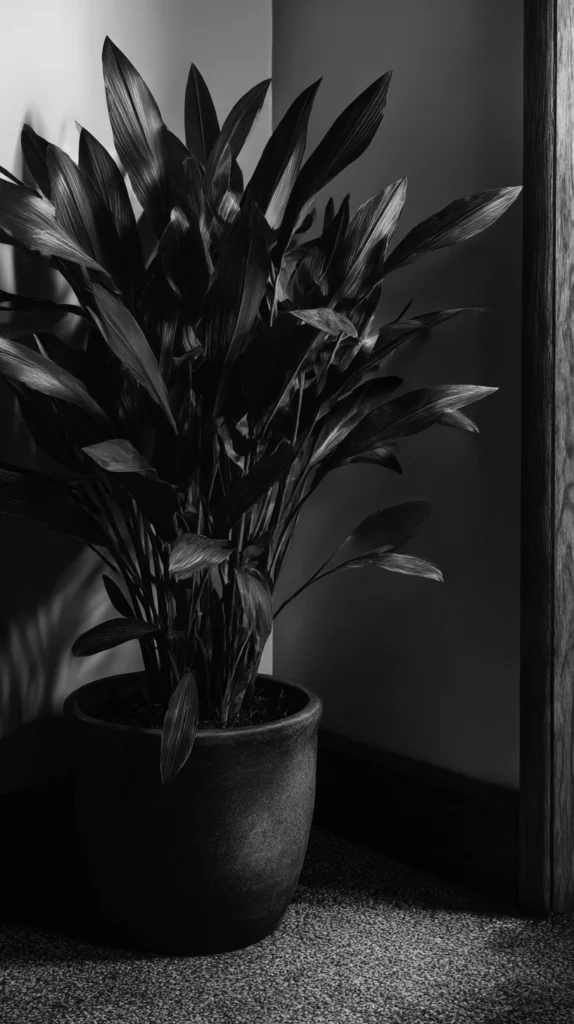
The cast iron plant earns its common name with complete botanical honesty — it is, without serious qualification or significant competition, the toughest, the most constitutionally robust, and the most genuinely indestructible of all the houseplants on this list, capable of surviving conditions of light deprivation, temperature fluctuation, irregular watering, and general neglect that would comprehensively destroy every other plant in the interior garden.
Its deep, glossy, strap-like leaves of deep bottle green create a display of considerable ornamental presence and considerable botanical gravitas — not the flashy, high-impact beauty of the calathea or the tropical drama of the palm, but a quiet, steady, completely assured elegance that improves the interior environment of every room it inhabits with the specific quality of a plant that has nothing to prove and nothing to fear.
10. Areca Palm (Dypsis lutescens)
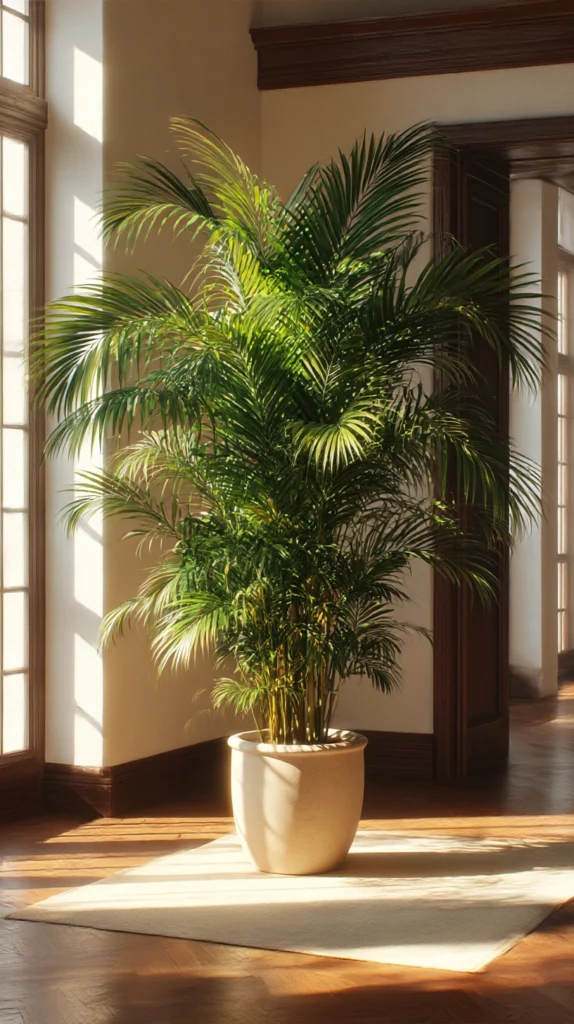
The areca palm is the pet-safe houseplant of most complete and most immediately impactful tropical statement — its multiple cane stems each bearing long, arching fronds of bright, fresh green creating the fullest, most abundant, and most genuinely tropical indoor palm display available in any non-toxic species suitable for interior cultivation.
The areca palm grows to a considerable indoor height of one to two metres in a domestic setting, making it one of the most architecturally significant plants on this list and one of the most transformative in terms of its effect on the spatial character and the botanical atmosphere of the room it inhabits. It prefers bright indirect light but tolerates the lower light levels of interior positions with genuine botanical adaptability.
11. Friendship Plant (Pilea involucrata)
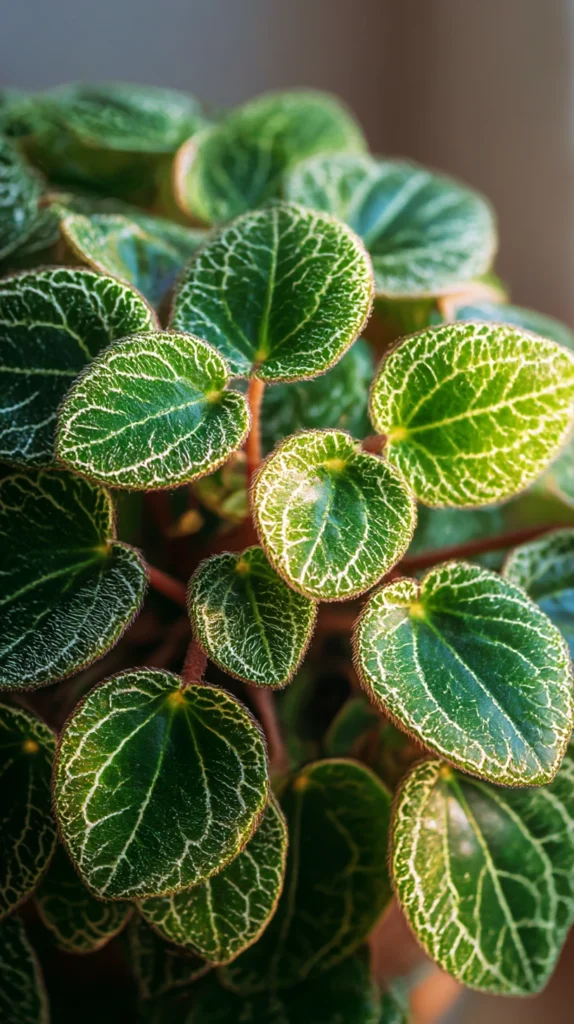
The friendship plant is the pet-safe, low-light houseplant of most complete tactile and visual complexity — its leaves of deeply textured, bronze-green and silver surface creating a foliage display of extraordinary sensory richness that rewards close inspection with the specific quality of botanical intricacy that makes a plant genuinely fascinating rather than merely attractive.
It is compact, trailing, and entirely manageable in the smallest interior space, producing a continuous display of attractive foliage and occasional small flowers of modest but genuine ornamental value throughout the growing season.
The friendship plant propagates with the extraordinary generosity that gives it its common name — rooting readily from stem cuttings taken at any point during the growing season and given to friends, family, and fellow plant enthusiasts with the specific pleasure of a gift that grows.
12. Polka Dot Plant (Hypoestes phyllostachya)
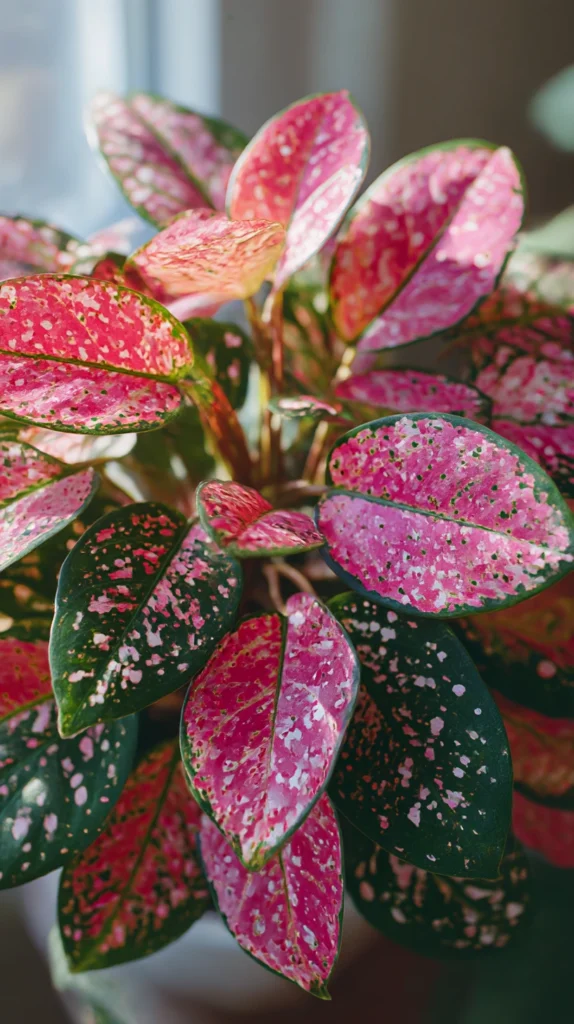
The polka dot plant is the pet-safe low-light houseplant of most playful and most immediately joyful visual impact — its leaves splashed, spotted, and marbled in combinations of pink, red, white, and the deepest possible green in patterns of such exuberant botanical randomness that no two leaves are quite identical and the overall effect of the plant in full growth is one of completely irresistible chromatic cheerfulness.
It prefers bright indirect light for the most intensely colored foliage display but tolerates the lower light conditions of interior positions with reasonable botanical good grace, though the spotting and the color intensity diminish somewhat in reduced light. Pinch back the growing tips regularly to maintain the compact, bushy habit that displays the extraordinary foliage to its best ornamental advantage.
13. Swedish Ivy (Plectranthus australis)
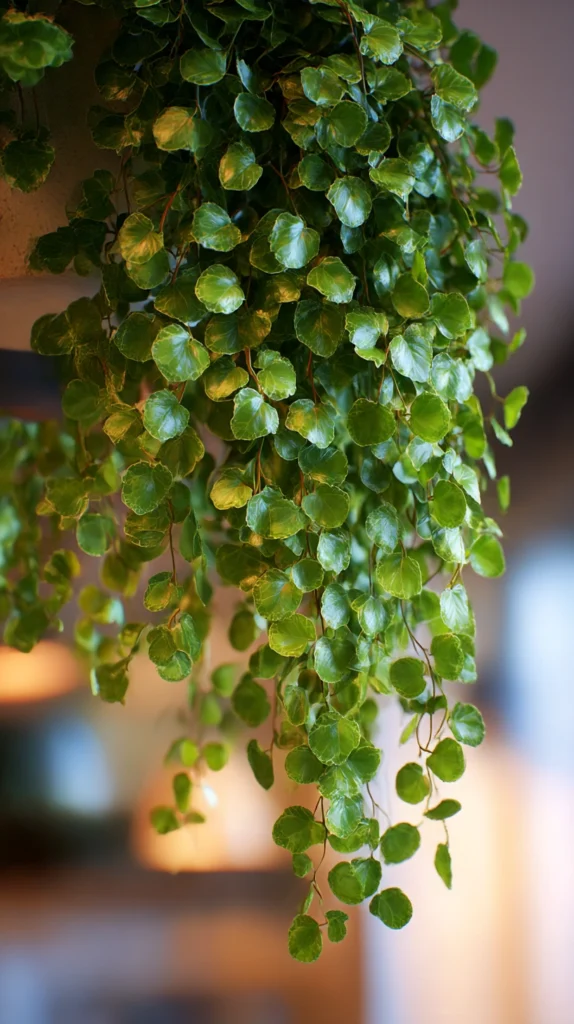
Swedish ivy is the pet-safe, low-light trailing plant of most reliably beautiful and most completely carefree ornamental performance — its rounded, scallop-edged leaves of bright, glossy green producing a cascading display of such complete, continuous, completely unstudied botanical grace that it makes any hanging basket, any high shelf, or any elevated surface it occupies look immediately and effortlessly more beautiful.
It is extraordinarily tolerant of irregular watering, of low humidity, and of the reduced light levels of interior positions far from the natural light source, and rewards this considerable constitutional tolerance with a continuous, year-round display of attractive foliage that requires nothing beyond occasional trimming to maintain the full, cascading habit that makes it one of the most ornamentally satisfying of all the trailing houseplants available in the pet-safe category.
14. Chinese Money Plant (Pilea peperomioides)
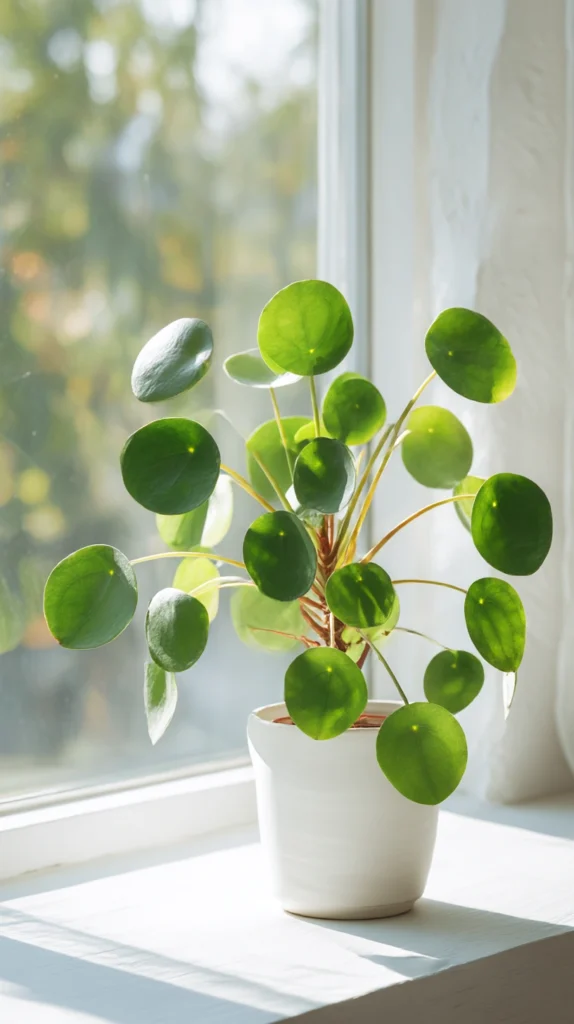
The Chinese money plant is the pet-safe, low-light houseplant of most complete contemporary design appeal — its perfectly circular, pancake-flat leaves on long individual petioles creating the specific botanical geometry of a plant that looks designed for the modern interior rather than evolved in a Chinese forest understory, and that photographs with such extraordinary graphic clarity that it has become one of the most widely shared and most enthusiastically collected of all contemporary houseplants.
It produces offsets — baby plants that emerge from the root system and can be separated and potted individually — with a botanical generosity that makes a single plant the founding specimen of an ever-expanding collection distributed among the plant enthusiast’s entire social network.
15. Staghorn Fern (Platycerium)
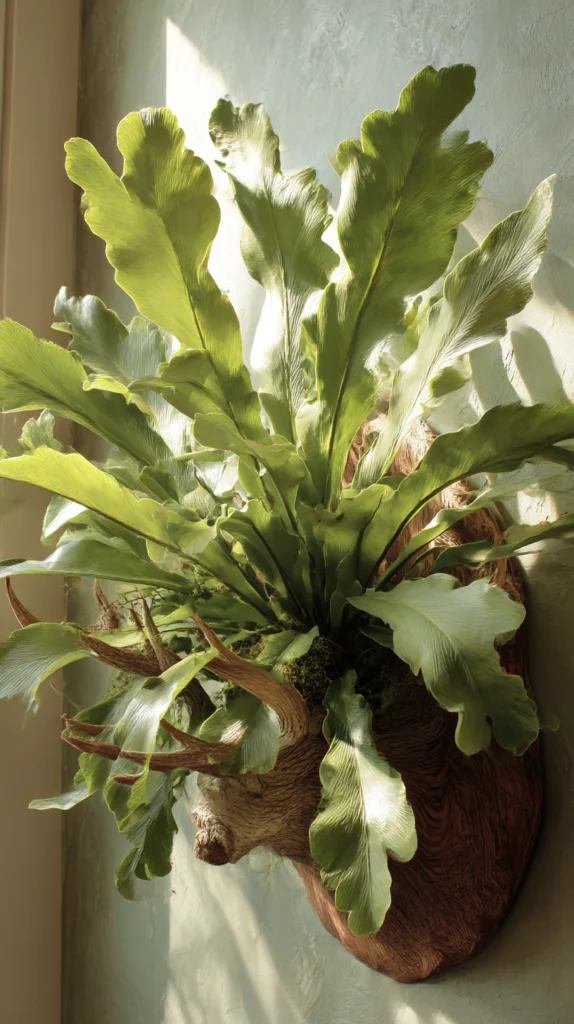
The staghorn fern is the pet-safe, low-light houseplant of most completely extraordinary and most genuinely unforgettable botanical form — its distinctive bifurcated fronds, resembling the antlers of the animal that gives it its common name, creating a living sculpture of such complete, dramatic, and genuinely remarkable natural beauty that it functions simultaneously as a living plant and as a work of botanical art of the first decorative order.
Staghorn ferns are most beautifully displayed mounted on a timber board or a piece of natural cork bark hung on the wall, where their architectural fronds can be appreciated in their full, dramatic, completely extraordinary extent — making them the one plant on this list that brings the interior garden and the interior art collection into a single, completely extraordinary, and completely pet-safe botanical expression.
A home filled with beautiful, thriving, genuinely non-toxic plants is not a compromise between the love of the botanical and the responsibility of pet ownership — it is the complete, harmonious, and entirely achievable expression of both.
Choose from this list with genuine knowledge of your home’s specific light conditions and your pet’s specific habits, plant with genuine care and genuine long-term intention, and allow the interior garden you create to grow, season by season, into the most beautiful and most completely safe botanical environment that your home, your plants, and your beloved animals share together.