15 Multicolor Bedroom Color Schemes
The multicolor bedroom is one of interior design’s most misunderstood creative territories. The fear of combining multiple colors in a single room leads most people toward the safe restraint of the two-tone palette or the neutral with a single accent color, missing the specific richness and the genuine personal expressiveness of the room that uses color with genuine confidence and genuine generosity.

The multicolor bedroom’s specific quality, when it is executed with real design intelligence, is the warmth and complexity of an environment that reflects the full range of a personality rather than the edited, cautious version of it.
The key to the successful multicolor bedroom is not the absence of rules but the understanding of which rules create the harmony that makes multiple colors feel composed rather than chaotic. Here are fifteen multicolor bedroom color schemes that demonstrate the full range of approaches available to the confident color-embracing bedroom designer.
1. Terracotta, Sage Green, and Warm Cream
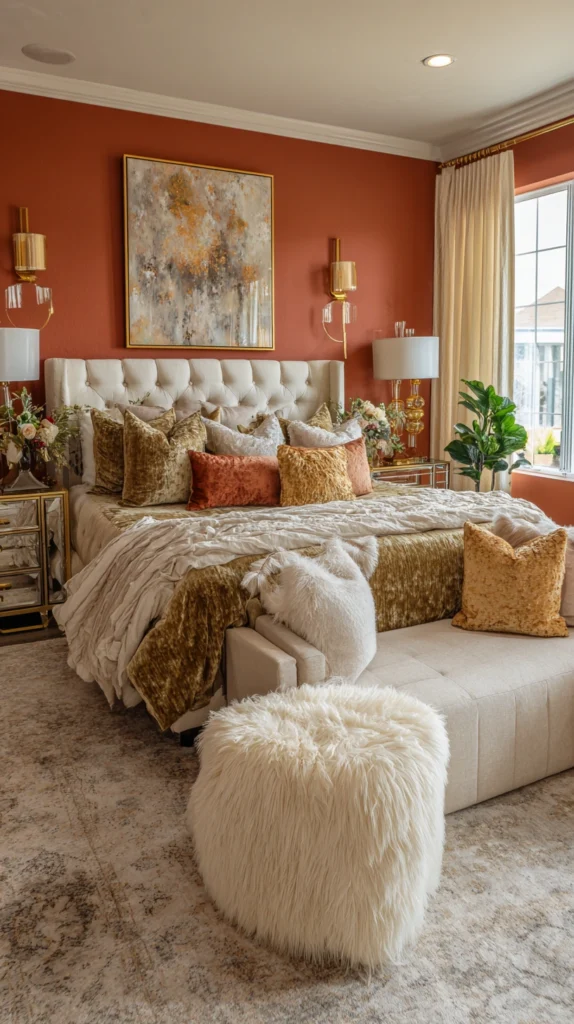
The combination of terracotta walls, sage green textiles, and warm cream woodwork creates the multicolor bedroom of the most organic and most naturally harmonious character. These three colors exist in relationship to each other in the natural world, the warm clay earth, the green of the growing plant, and the pale tone of dried grass, and this natural origin creates their inherent compositional harmony.
Apply the terracotta to the walls and the ceiling for the fully enveloping warmth of the color-drenched approach. Introduce the sage green through the bedlinen, the cushions, and the throw. Reserve the warm cream for the woodwork, the curtains, and the larger furniture pieces that create the pale ground against which both the terracotta and the sage green are most clearly seen.
2. Navy, Burnt Orange, and Gold
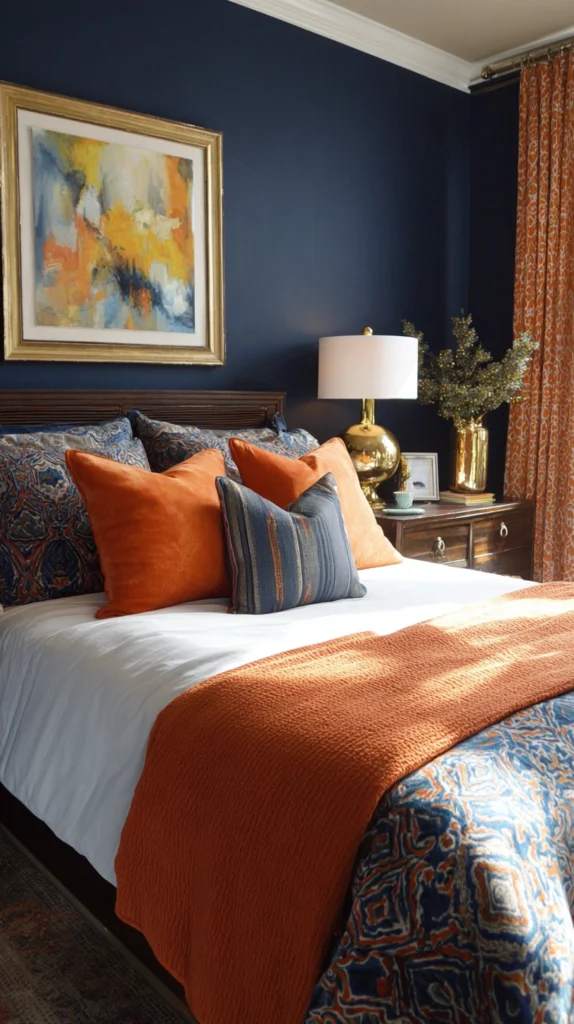
The combination of navy walls, burnt orange accents, and gold metallic details creates the multicolor bedroom of most dramatic chromatic contrast and most jewel-like visual richness.
Navy and burnt orange are complementary colors whose opposition on the color wheel creates the specific vibrancy of the complementary color relationship that the analogous color scheme cannot approach in terms of chromatic energy.
Introduce the gold through the hardware, the picture frames, the lamp bases, and the mirror frame rather than through large areas of gold-toned textile. The metallic quality of the gold creates the third element’s bridging function between the deep navy and the warm orange, relating to both colors through its warm, reflective tone.
3. Dusty Rose, Warm Grey, and Antique White
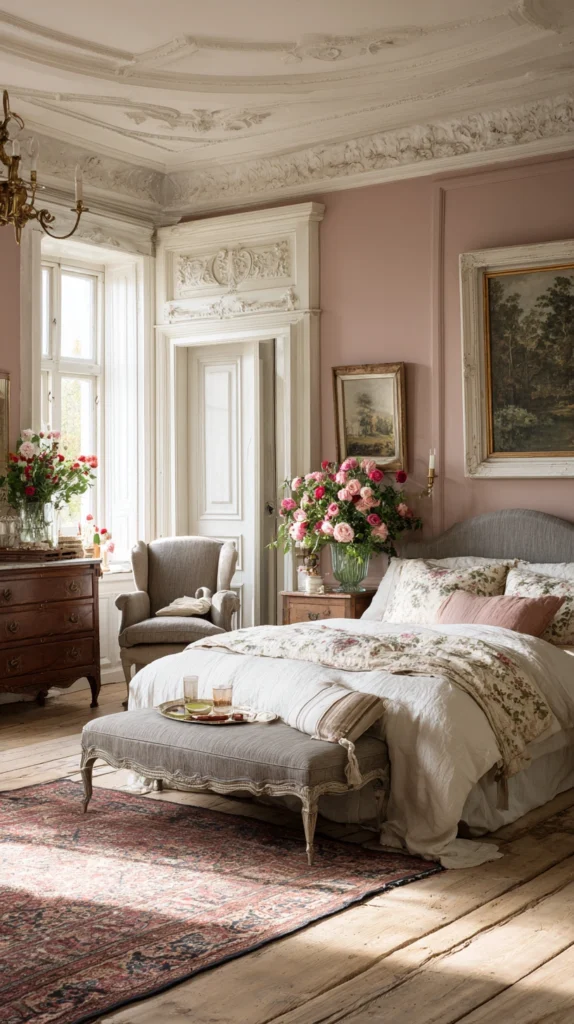
The combination of dusty rose walls, warm grey upholstery, and antique white woodwork creates the multicolor bedroom of the most sophisticated feminine character. The dusty rose’s desaturated quality prevents the pink from reading as sweet or infantile, and the warm grey’s presence creates the grounding note that the pink alone cannot provide.
Choose the antique white for the larger furniture pieces, the wardrobe, the dresser, and the bedside tables, creating the pale, aged-quality ground that relates to both the dusty rose and the warm grey with the warm neutrality of a tone that shares the undertones of both surrounding colors.
4. Forest Green, Deep Burgundy, and Warm Brass
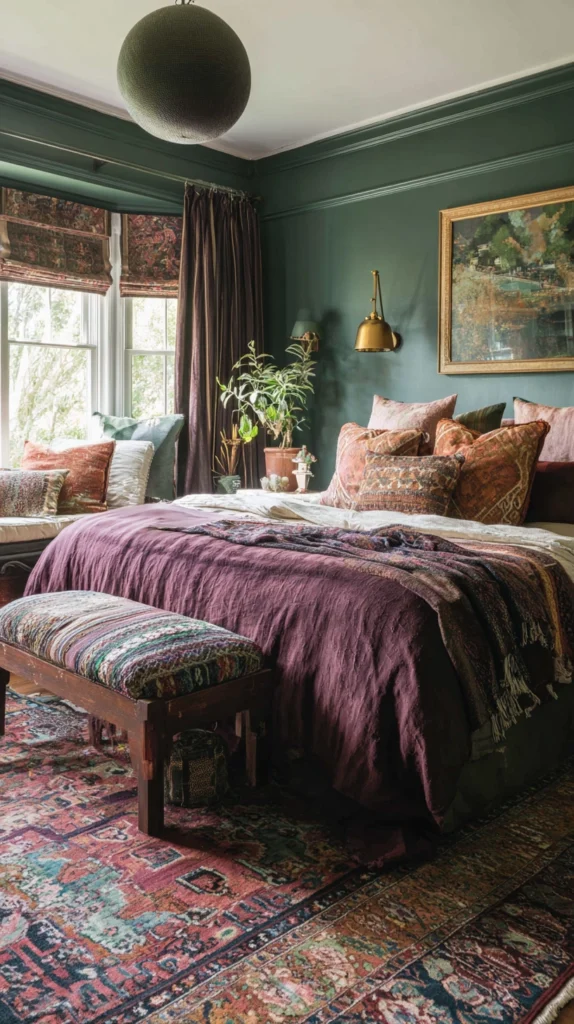
The combination of forest green walls, deep burgundy textiles, and warm brass fixtures creates the multicolor bedroom of the most richly layered and most deeply atmospheric character.
Both the forest green and the deep burgundy are saturated, complex colors that carry significant visual weight, and their combination requires the discipline of the consistent warm brass metallic to create the unifying thread that holds the two dominant colors in compositional relationship.
Limit the burgundy to the textiles and the soft furnishings rather than applying it to any wall surface. The combination of two saturated wall colors in a bedroom creates the overwhelming quality of chromatic excess that the walls in one color and the textiles in the contrasting color successfully avoids.
5. Cobalt Blue, Warm White, and Natural Timber
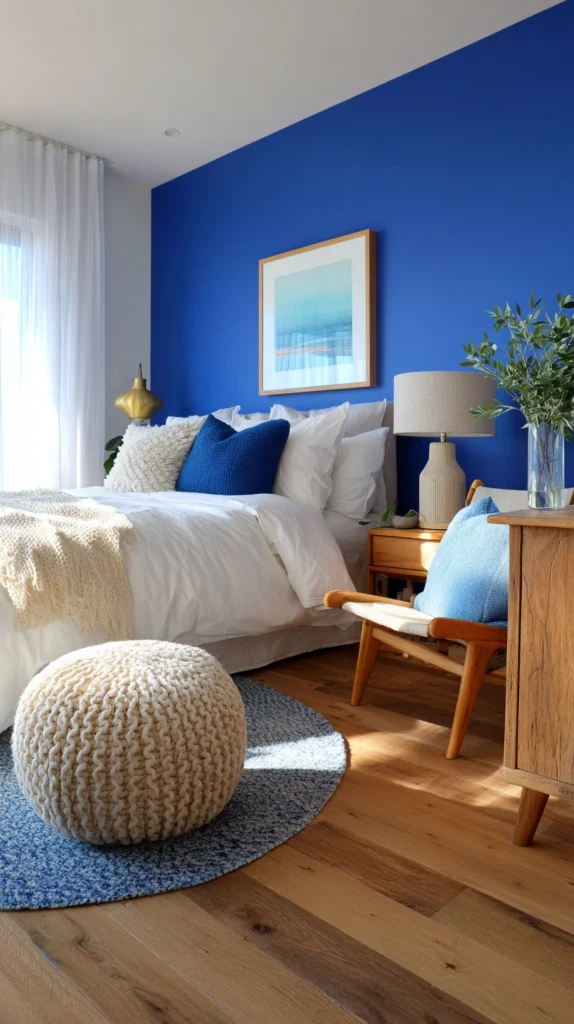
The combination of cobalt blue on the feature wall, warm white on the remaining three walls, and natural timber in the flooring and the furniture creates the multicolor bedroom of the most energizing and most contemporary character. The cobalt blue’s specific saturation creates the chromatic statement of maximum confidence without the overwhelm of the four-wall cobalt application.
The natural timber’s warm, organic quality creates the essential grounding element that prevents the cobalt and white combination from feeling cold or clinical. The timber floor, the bedside table, and the wardrobe doors in natural oak create the warmth that the blue and white scheme requires for the bedroom’s specific function as a restorative sleeping environment.
6. Warm Ochre, Deep Teal, and Cream
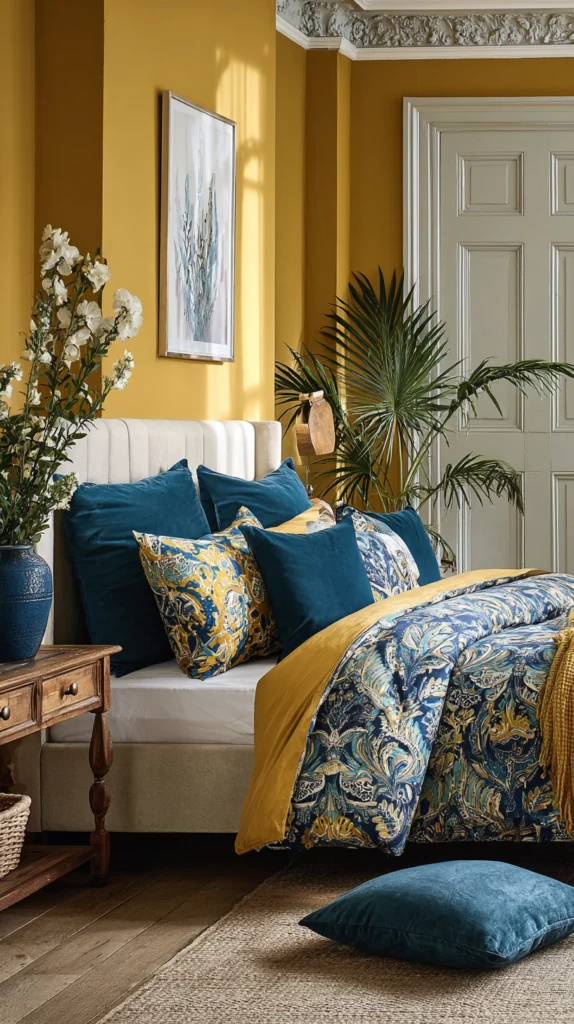
The combination of warm ochre walls, deep teal textiles, and cream upholstery creates the multicolor bedroom of the most warmly exotic and most richly complex character. Ochre and teal are not complementary colors in the strict color theory sense, but their combination creates the specific tension of two richly saturated colors from opposite sides of the warm and cool divide that creates the bedroom’s most visually dynamic chromatic relationship.
Introduce the cream through the bedlinen and the curtains as the lightest, most neutral element of the three-color scheme. The cream’s pale warmth creates the visual breathing space that the combination of two saturated colors requires to prevent the bedroom’s chromatic environment from feeling oppressive rather than richly enveloping.
7. Blush Pink, Charcoal, and Gold
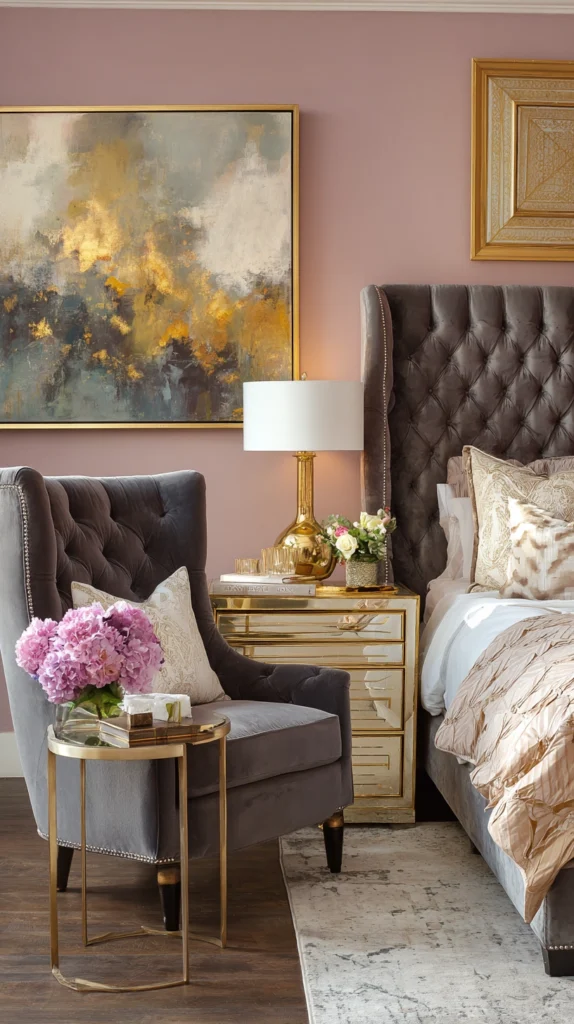
The combination of blush pink walls, charcoal upholstery, and gold metallic accents creates the multicolor bedroom of the most glamorous and most confidently contemporary character.
The charcoal’s depth creates the grounding contrast that the blush pink’s delicacy requires for the chromatic balance of the scheme, and the gold metallic creates the third element’s specific quality of warmth and reflective richness that elevates the combination from the merely pretty to the genuinely sophisticated.
Choose a blush pink of adequate warmth to relate naturally to the gold’s warm metallic tone. A blush with cool, grey undertones creates the discord of a pink that fights the gold’s warmth rather than harmonizing with it. A blush with warm, salmon-toned undertones creates the natural harmony of two warm tones in their specific registers of pink and gold.
8. Sage Green, Warm Terracotta, and Natural Linen
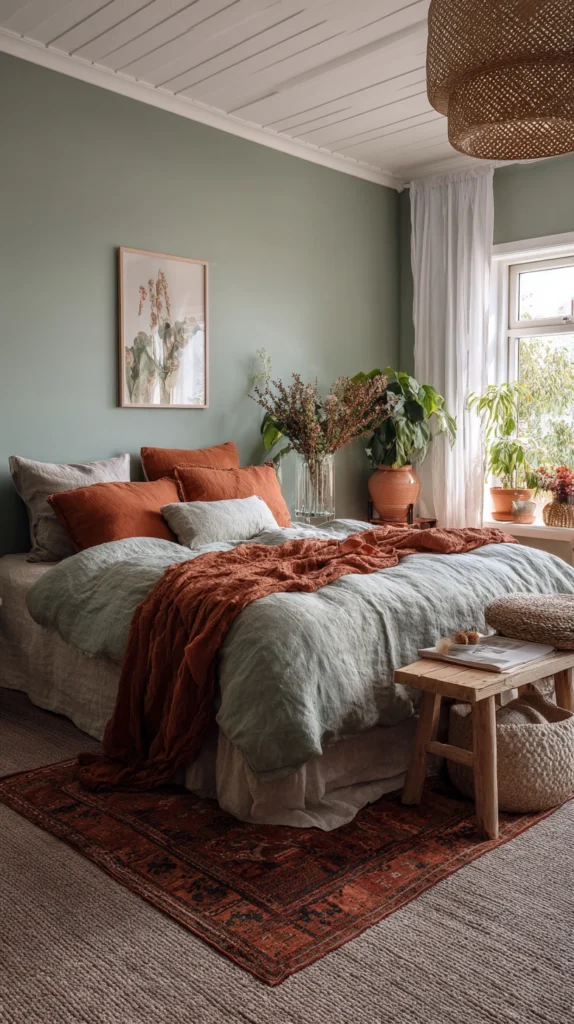
The combination of sage green walls, warm terracotta accents, and natural linen textiles creates the multicolor bedroom of the most botanically organic and most naturally warm character.
All three elements of this color scheme exist within the warm half of the color wheel, creating the analogous harmony of colors that share the same fundamental warmth without the chromatic tension of the complementary color relationship.
Use the natural linen as the primary textile throughout, in the bedlinen, the curtains, and the upholstered chair, creating the consistent warm neutral ground that allows both the sage green and the terracotta to read clearly without competing with each other for dominance within the bedroom’s visual field.
9. Deep Plum, Warm Gold, and Ivory
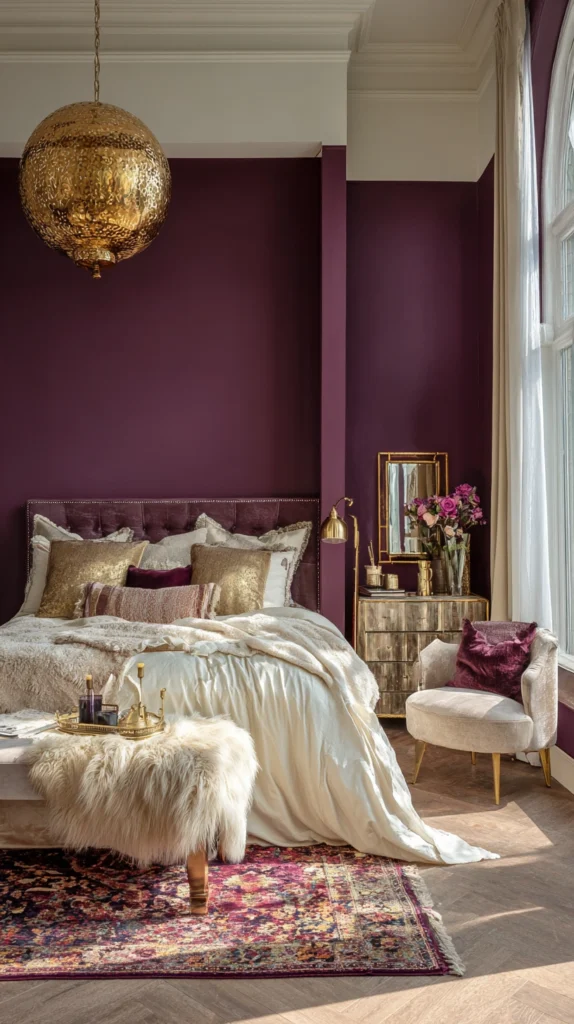
The combination of deep plum on the feature wall, warm gold in the accessories and the hardware, and ivory in the bedlinen and the woodwork creates the multicolor bedroom of most richly regal and most dramatically jewel-toned character.
The plum’s depth and complexity creates the bedroom’s most enveloping and most dramatically saturated wall color, and the warm gold’s metallic warmth creates the accent of maximum richness against the deep purple ground.
Limit the plum to a single feature wall rather than applying it to all four walls. The deep purple-red of the plum is the most visually powerful color available in the bedroom palette, and its application to all four walls and the ceiling creates the chromatic intensity of the fully color-drenched approach that only the most committed color enthusiast will find comfortable as a daily sleeping environment.
10. Sky Blue, Warm Sand, and Coral
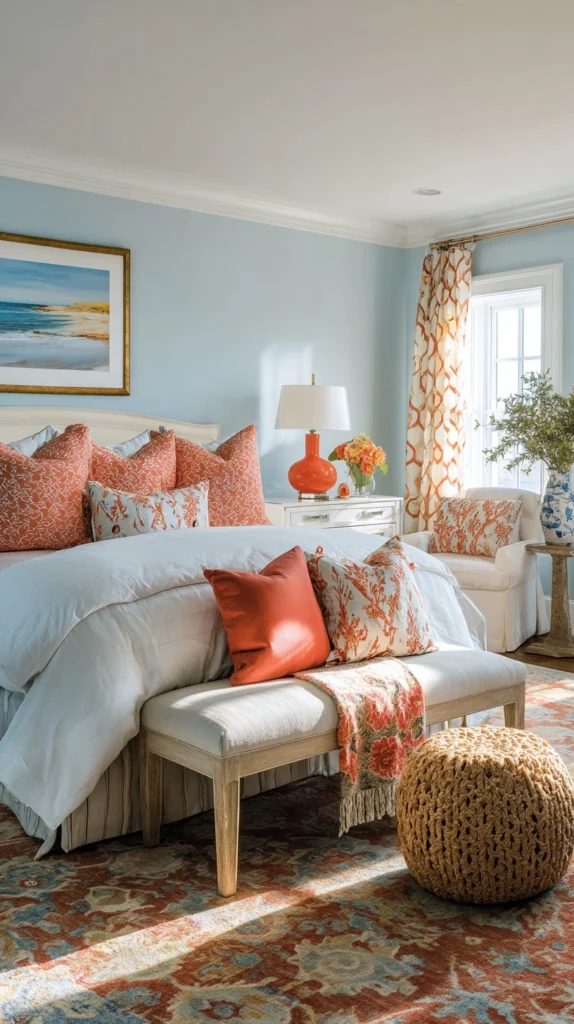
The combination of sky blue walls, warm sand textiles, and coral accents creates the multicolor bedroom of most holiday-like and most cheerfully warm character. The sky blue creates the aerial quality of lightness and space.
The warm sand grounds the blue with the earthly warmth of the beach landscape reference. The coral accent creates the sunset note that completes the coastal color story with the specific warmth of the warm evening light on the water’s surface.
Use the coral sparingly as the accent color rather than as a significant area color within the scheme. A coral cushion, a coral throw, and a coral-toned ceramic lamp base create the accent’s presence without the dominance that the larger area coral application would create within the blue and sand scheme’s already warm and present chromatic environment.
11. Warm White, Natural Oak, and Dusty Lavender
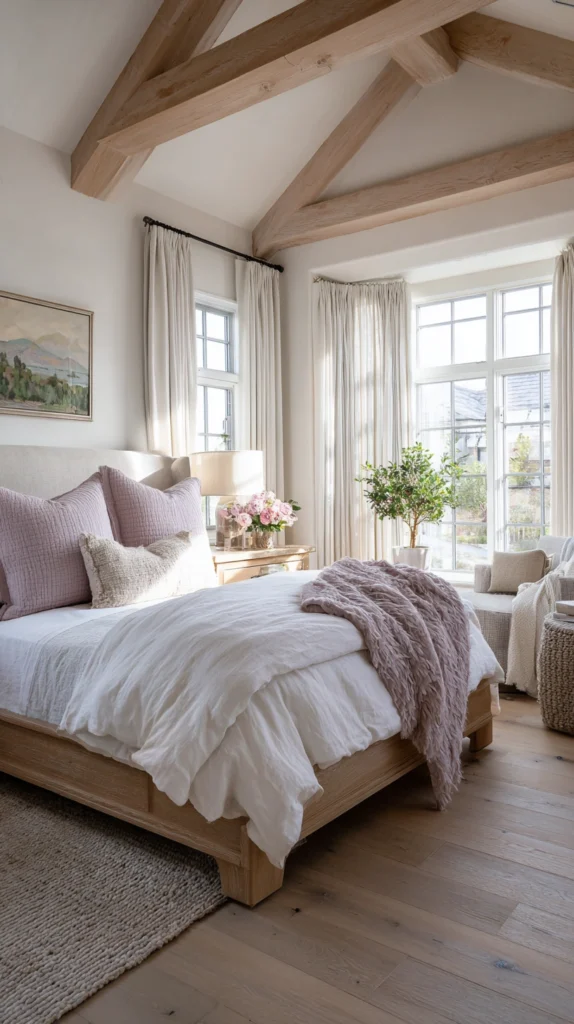
The combination of warm white walls, natural oak furniture and flooring, and dusty lavender textiles creates the multicolor bedroom of the most serenely calming and most gently sophisticated character.
The warm white and the natural oak create the bedroom’s dominant neutral ground of complete material warmth, and the dusty lavender introduces the color note of gentle chromatic presence without disrupting the scheme’s prevailing quality of restful, warm neutrality.
The dusty lavender’s specific tone should be genuinely dusty, sufficiently desaturated to read as a sophisticated near-neutral rather than as a clearly assertive purple.
The lavender that reads as the sophisticated pale purple in the paint tin is the correct choice. The lavender that reads as clearly and assertively purple creates a bedroom of stronger chromatic presence than the warm neutral scheme can comfortably absorb.
12. Black, Warm White, and Mustard Yellow
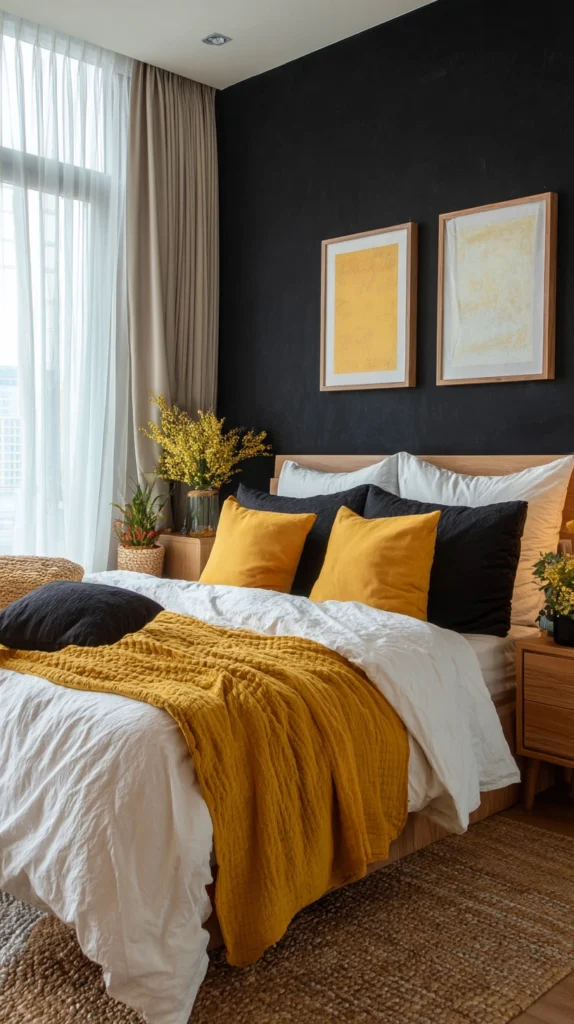
The combination of black on the feature wall, warm white on the remaining walls and the ceiling, and mustard yellow in the textiles and accessories creates the multicolor bedroom of the most graphically bold and most energetically contemporary character.
The black and white creates the high-contrast graphic ground, and the mustard yellow introduces the warm color note that prevents the monochromatic scheme from feeling cold or commercial.
Choose a warm black rather than a cool, blue-toned black for the feature wall application. The warm black’s slight brown undertone creates the relationship with the mustard yellow’s warmth that the cool black’s blue undertone disrupts. The warm black and the mustard yellow share the fundamental warmth that creates their chromatic harmony within the black and white graphic ground.
13. Warm Peach, Sage, and Warm Timber
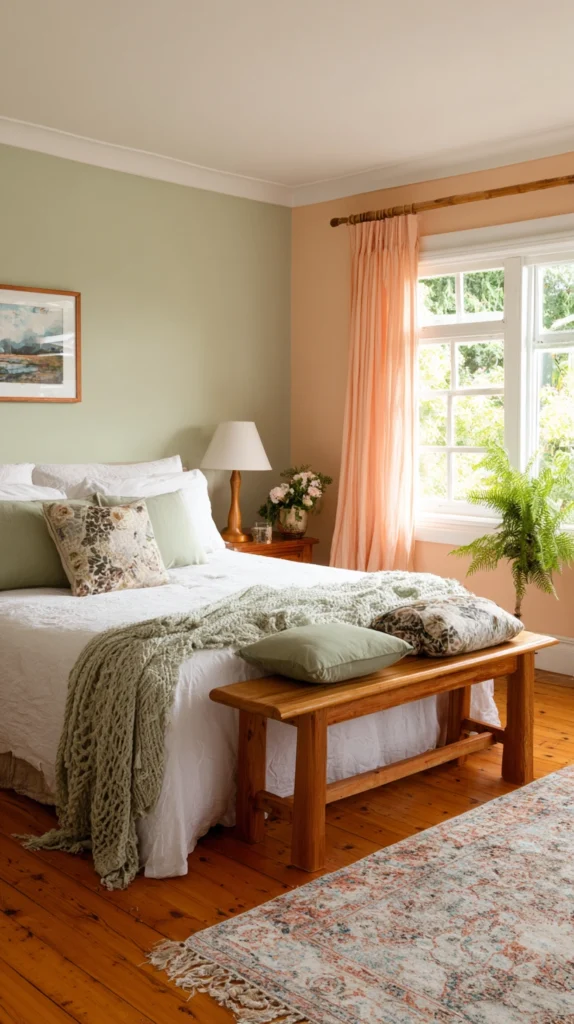
The combination of warm peach walls, sage green soft furnishings, and warm timber furniture creates the multicolor bedroom of the most gently sun-warmed and most organically comfortable character. The peach and the sage are both desaturated, warm-leaning colors that exist within the natural palette of the garden in its most softly beautiful seasonal expression.
Apply the warm peach to all four walls and the ceiling for the complete chromatic warmth of the color-drenched bedroom whose enveloping quality suits the bedroom’s specific function as the home’s most restorative and most personally intimate space. The color-drenched peach bedroom creates the specific quality of being within warm light rather than simply looking at it.
14. Deep Navy, Warm Copper, and Cream
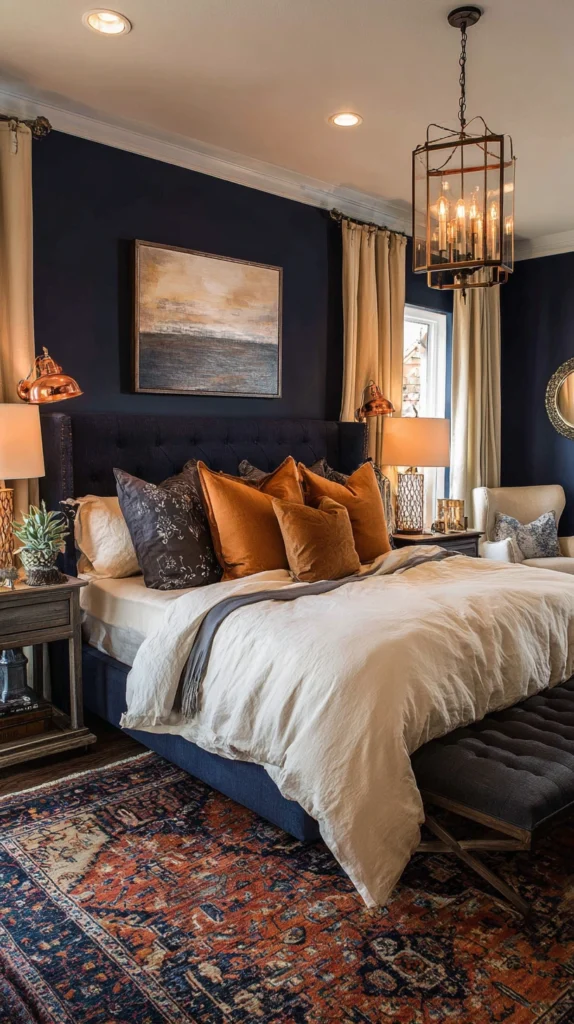
The combination of deep navy walls, warm copper fixtures and accessories, and cream bedlinen and curtains creates the multicolor bedroom of the most richly nautical and most warmly sophisticated character.
The navy’s depth creates the bedroom’s most enveloping nighttime quality, and the warm copper’s metallic warmth creates the specific atmospheric richness of the candlelit room translated into the bedroom’s permanent decorative palette.
Choose copper accessories of adequate size and visual presence for the impact the color scheme requires. Small copper accessories in a deep navy room disappear into the surrounding darkness without the visual prominence that the color scheme’s third element requires to function as a genuine compositional presence rather than a barely perceptible decorative detail.
15. Design the Multicolor Bedroom Around Genuine Personal Preference
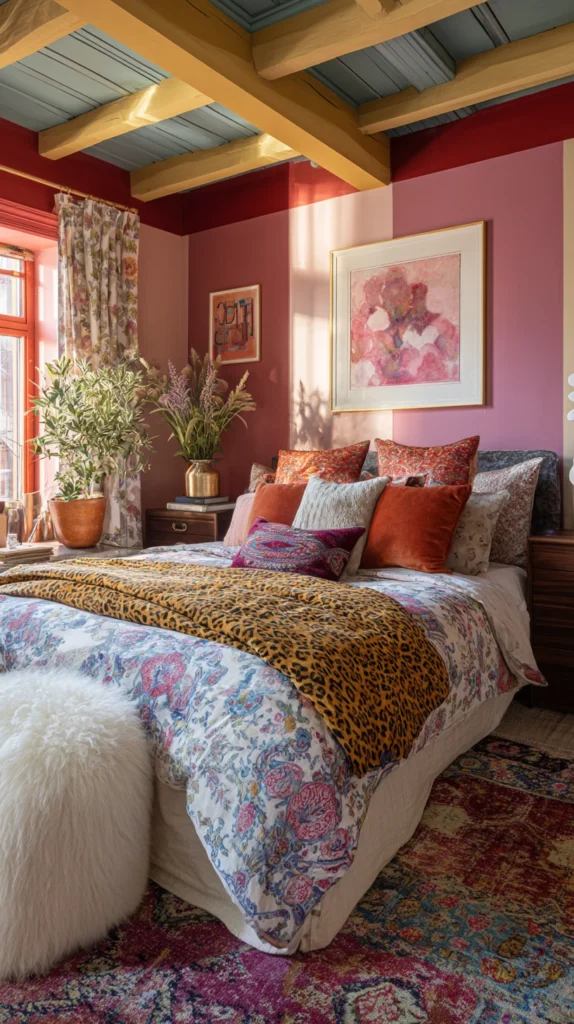
The final and most important multicolor bedroom principle is the commitment to designing the color scheme around genuine personal color preference rather than the trend-validated palette of the design publication.
The bedroom is the home’s most intimate and most personal space, and its color scheme should reflect the specific colors that create the specific emotional and sensory quality that the individual household member finds most restorative and most genuinely comfortable.
The multicolor bedroom that reflects genuine personal color preference creates the sleeping environment of most authentic personal warmth. The multicolor bedroom that reflects the trend palette of the current design moment creates the sleeping environment of fashionable correctness whose relationship to the specific person’s genuine color experience may be entirely coincidental. Choose the colors that genuinely move and genuinely comfort the specific person who will sleep within them every night, and the multicolor bedroom will achieve the quality of personal rightness that no trend-perfect palette can guarantee.