14 Mad Hatter Tea Party Ideas
There is a particular kind of party that gives its host complete and joyful permission to ignore every conventional decorating rule simultaneously. No single colour palette. No matching tableware. No restrained centrepiece. No logical food names. The Mad Hatter’s tea party is the one occasion where more is not too much, where mismatched is the point, and where the guest who arrives in the most excessive hat is doing exactly the right thing. The source material has already written the brief: a long table set for many, occupied by few, at a time that is always tea time, presided over by a host who is magnificently and productively mad.
Done with genuine commitment to its own absurdity, a Mad Hatter tea party is one of the most visually spectacular and most atmospherically complete party formats available — for children and adults equally, for birthdays and garden parties and baby showers and hen parties and any other occasion that deserves something more memorable than a standard gathering.
The fourteen ideas below cover every element of the Mad Hatter’s tea party from the first teacup to the final riddle.
1. The Deliberately Mismatched Table
Budget: $30 – $200
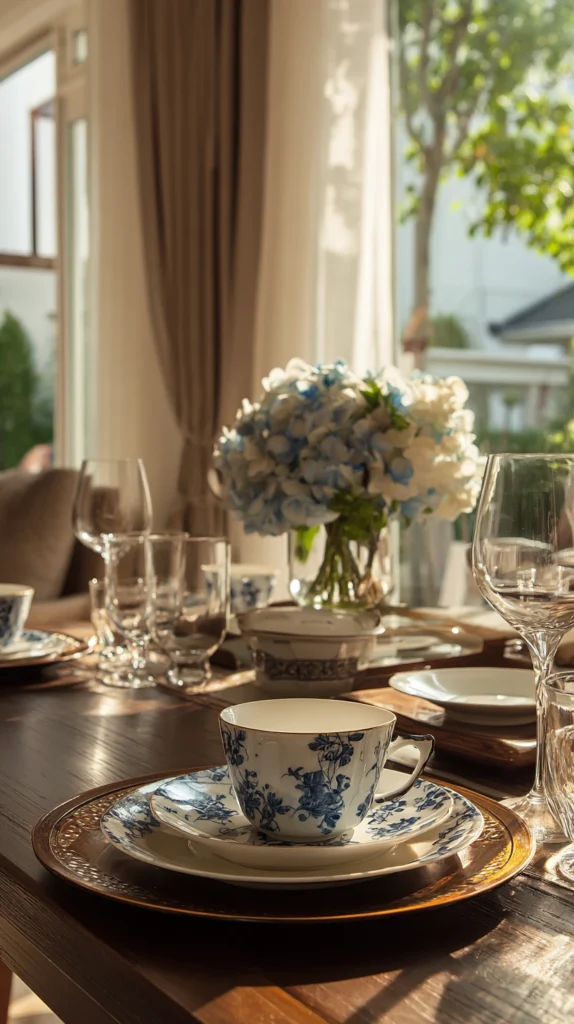
The Mad Hatter’s table is set with every china pattern simultaneously — blue and white willow beside pink roses beside gold-rimmed beside polka dot — and that deliberate mismatch is not a limitation of the budget but the entire aesthetic philosophy of the event.
Mismatched teacups, saucers, and plates from charity shops cost $0.50 – $2 each. A collection of thirty to forty pieces fills a long table generously for $15 – $80 in total. Layered mismatched tablecloths — florals over stripes over gingham — cost nothing if sourced from existing household linen.
Styling tip: Group the mismatched china by height rather than by pattern — tall teapots at the back, medium teacups in the middle, low saucers at the front — so that the table has visual structure despite its pattern chaos. Structure and chaos in equal measure is the correct register for the Hatter’s table.
2. The Teacup Tower Centrepiece
Budget: $20 – $100
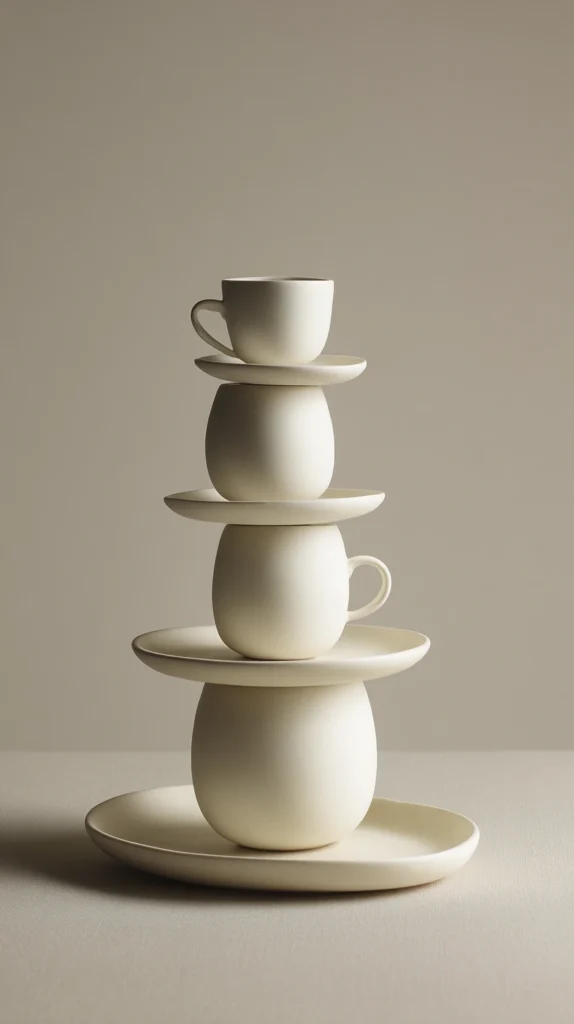
A tower of teacups stacked at an impossible height — cups balanced on saucers balanced on cups, reaching upward from the table centre — is the Mad Hatter’s most iconic decorative moment and the one that every guest photographs first.
Six to eight mismatched teacups and saucers stacked alternately cost $3 – $16 from charity shops. A small dot of museum putty between each cup and saucer — $3 – $8 for a pack — stabilises the tower without permanent adhesion. A miniature teapot perched at the summit, appearing to pour a stream of yellow ribbon “tea” downward through the tower, costs $5 – $20 and completes the installation.
Styling tip: Build multiple towers of varying heights across the table rather than a single central one. Three towers — tall, medium, and short — distributed across the table length read as a landscape rather than a single prop and give the table the inhabited, long-running-tea-party quality that one centrepiece alone cannot produce.
3. The Hat Decorating Station
Budget: $30 – $120
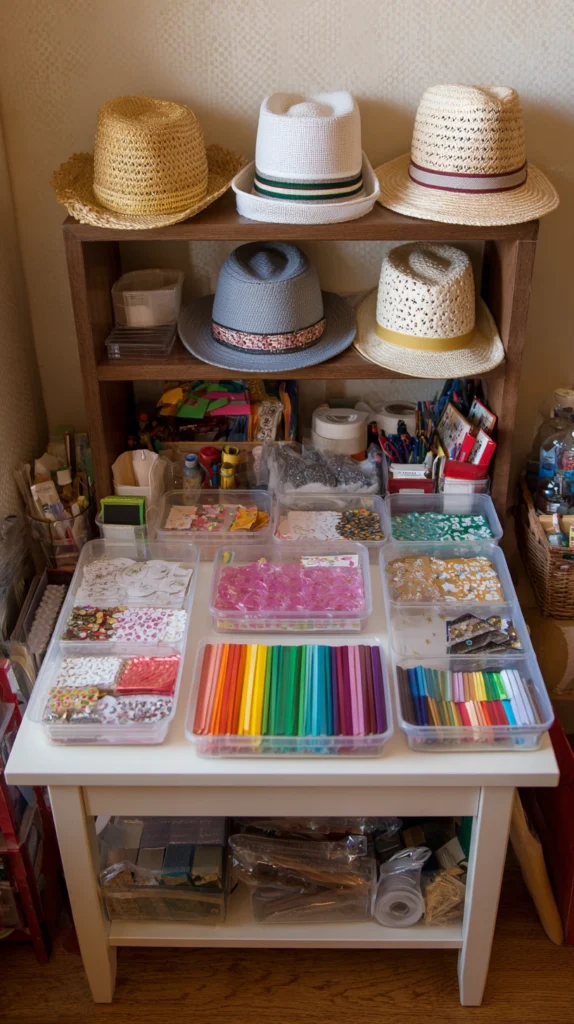
A craft station where every guest decorates their own Mad Hatter top hat — covering a plain card hat blank with fabric scraps, ribbon, feathers, playing card offcuts, clock face prints, buttons, and bows — is the party’s wearable element and its most individually expressive activity.
Plain card top hat blanks cost $2 – $4 each from a craft supplier. Decoration materials — fabric scraps, ribbon, feathers, buttons, playing card pieces, and printed clock faces — cost $15 – $30 for a shared station quantity. A glue gun per four guests is the most effective adhesion tool for the variety of materials involved.
Styling tip: Include one outrageously excessive reference hat — built before the party to demonstrate the maximum possible commitment to the aesthetic — displayed at the station as the target rather than the ceiling. Guests who see the most excessive possible version of the hat invariably produce more interesting and more committed results than guests working without a model of what full Wonderland dedication looks like.
4. The Eat Me and Drink Me Food Menu
Budget: $50 – $250
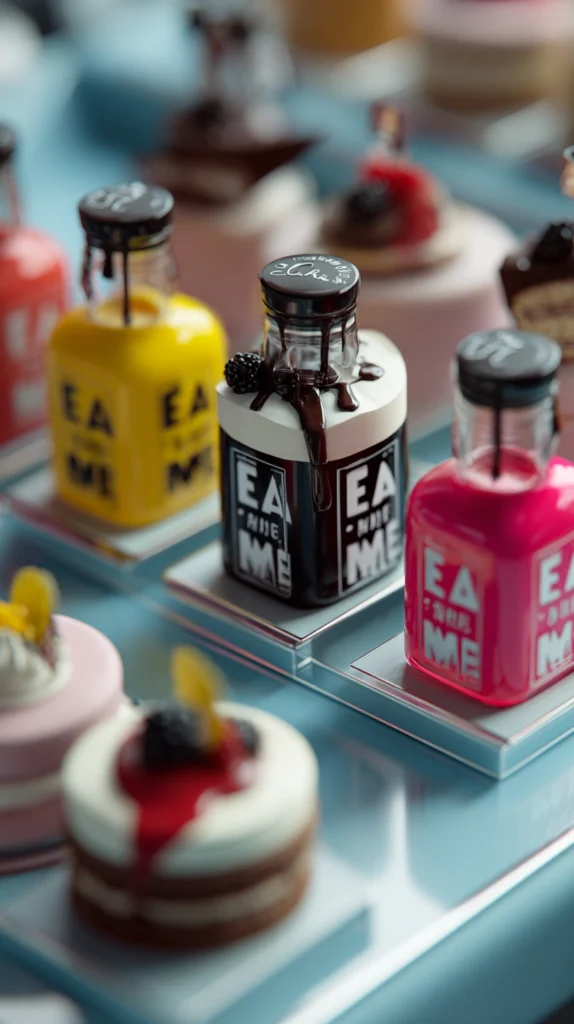
Every food and drink item at a Mad Hatter tea party should be labelled in the language of Wonderland — not because the food itself needs to be unusual but because the naming transforms the ordinary into the extraordinary with nothing more than a luggage tag and a piece of string.
Eat Me Cakes — small iced fairy cakes with the words piped in icing. Drink Me Potion — pink lemonade in small sealed bottles. Off With Their Heads Sandwiches — finger sandwiches with the crusts removed in a single decisive cut. Cheshire Cat Grins — crescent-shaped shortbread. The Mad Hatter’s Very Strong Tea — a spiced chai served in mismatched cups. Food ingredients for twelve guests cost $50 – $120. Labels and tags printed at home add $5 – $10.
Styling tip: Include one dish that appears to be something it is not — a “teacup” made from a chocolate cupcake with a white chocolate handle, a “rock” that is actually a chocolate truffle, a “mushroom” built from a meringue. One item of food deception is the table’s white rabbit — the element that makes every guest look twice.
5. The Playing Card Decoration Suite
Budget: $15 – $60
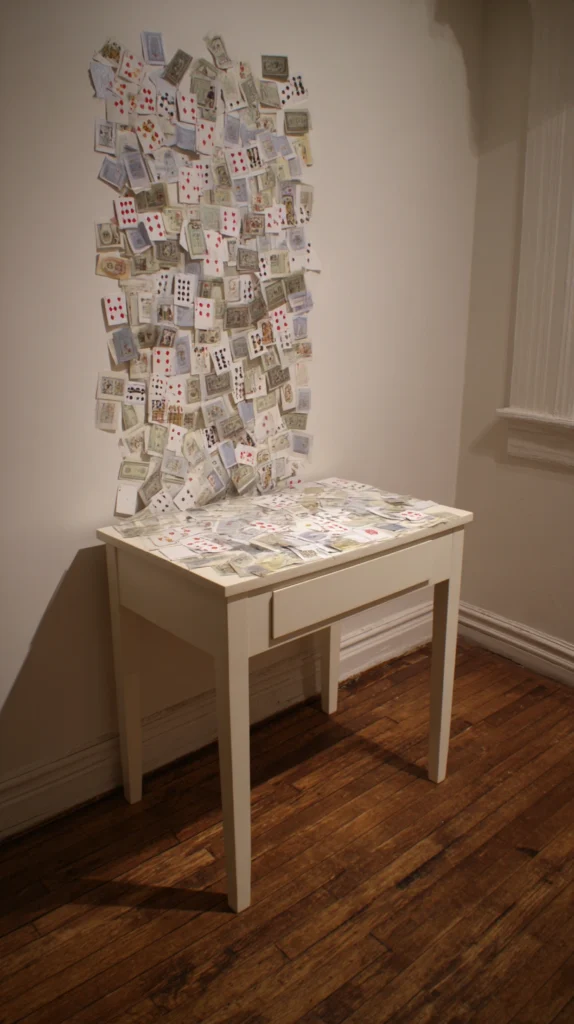
Playing cards — scattered across the table surface, pinned to the walls in a cascade of falling suits, suspended from the ceiling on fishing line, used as place cards, tucked into flower arrangements, and leaning against every teacup — are the Mad Hatter’s most versatile and most affordable decorative material.
Standard playing card packs cost $2 – $5 each. Six packs provide enough material for a full room decoration at a total cost of $12 – $30. Cards pinned to a wall in a diagonal cascade — the visual of cards flying through the air — require only the cards, some adhesive strips, and ten minutes of arrangement.
Styling tip: Mix multiple card pack designs — standard red and blue decks alongside novelty illustrated packs and vintage-style art deco packs — for a wall cascade that has visual variety rather than the flat uniformity of a single deck repeated. The mixed cascade reads as a genuine Wonderland shower of cards. The single-deck version reads as a pattern.
6. The Pocket Watch and Clock Obsession
Budget: $20 – $100
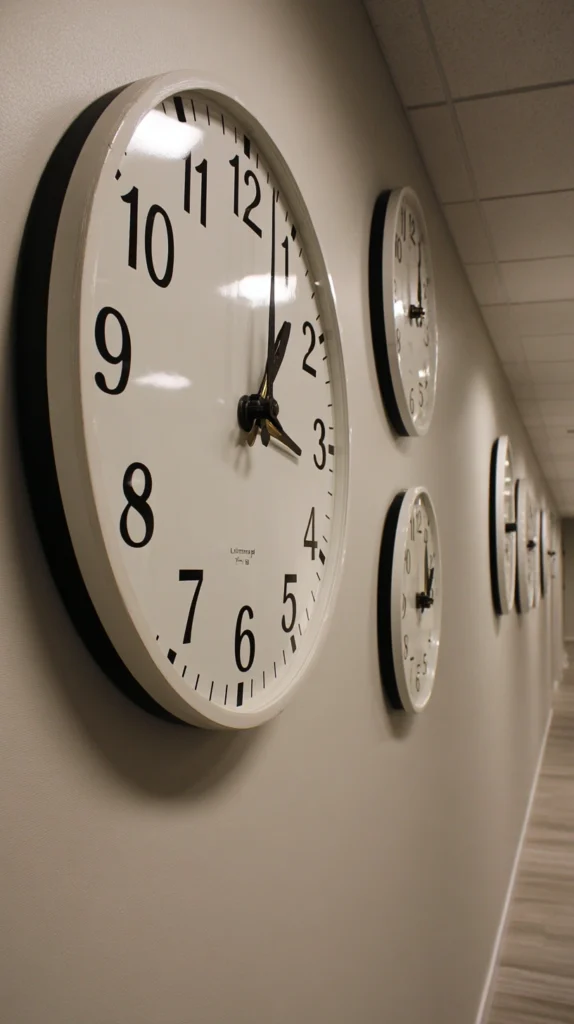
Clocks and pocket watches — the Mad Hatter’s particular obsession and the White Rabbit’s defining accessory — appear throughout the party space at every scale. A large clock face on the wall stopped at six o’clock. Pocket watch props scattered across the table. Clock face prints used as place mats. A count of broken or stopped clocks accumulated on the mantelpiece.
Plastic pocket watch props cost $2 – $5 each from costume suppliers. Printed clock face place mats — downloaded free and printed at home — cost pennies each. A large decorative wall clock stopped at six — already owned or purchased for $10 – $30 — is the room’s most immediately readable Wonderland reference.
Styling tip: Stop every clock in the party space at six o’clock before guests arrive — the time at which the Hatter’s clock stopped and tea time became permanent. Guests who notice the consistency of stopped clocks across multiple timepieces register it as a deliberate detail of genuine commitment rather than an incidental prop, and genuine commitment is what separates a themed party from a decorated one.
7. The Unbirthday Celebration Element
Budget: $10 – $40
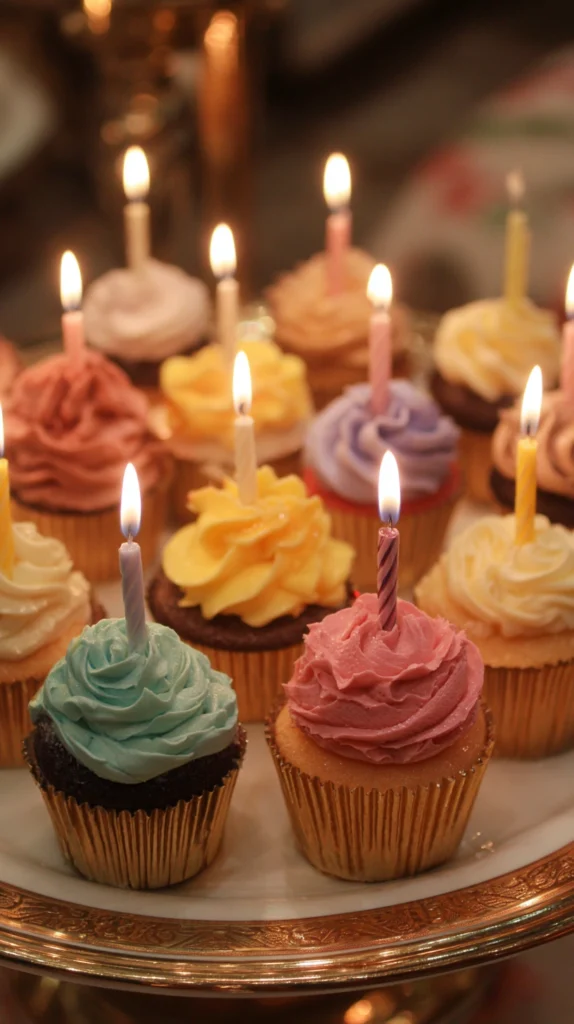
The unbirthday is the Mad Hatter’s great philosophical contribution to party culture — the observation that there are 364 unbirthdays to every birthday, and that all of them deserve cake. At a Mad Hatter tea party, every guest celebrates their unbirthday whether the event has a specific birthday at its centre or not.
Small individual unbirthday cupcakes — one per guest, each with a single candle — cost $15 – $30 in ingredients for a batch of twelve. Printed unbirthday certificates — downloaded and personalised at home for each guest’s name — cost pennies each and are the party’s most Wonderland-appropriate take-home document. An unbirthday song — sung to each guest individually in the style of the film — is free and takes thirty seconds per guest.
Styling tip: Present the unbirthday cupcakes one at a time to each guest individually rather than distributing them simultaneously. Each guest’s individual presentation — the candle lit, the song sung, the certificate produced — takes ninety seconds and produces a moment of focused collective attention that a simultaneous distribution cannot generate. Ninety seconds of genuine ceremony per guest is worth considerably more than the cupcake itself.
8. The Wonderland Riddle Place Cards
Budget: $5 – $20
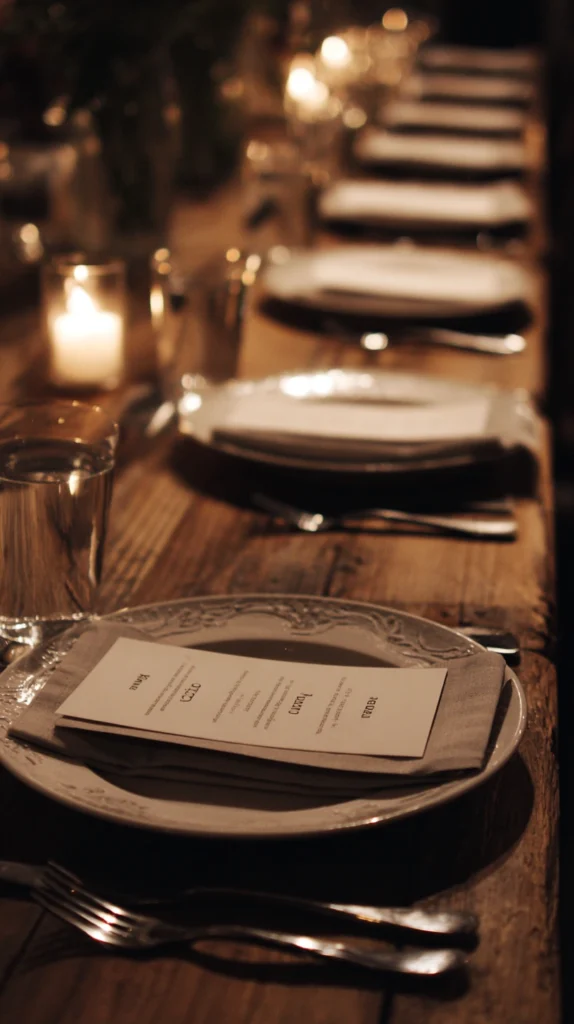
Rather than standard name place cards, each guest’s seat is marked with a riddle — written in the style of the Mad Hatter or the Cheshire Cat — whose answer, when solved, reveals the guest’s assigned seat through a final instruction.
Riddle place cards printed on aged or tea-stained card — brewed tea applied with a brush before printing produces the aged effect — cost $5 – $15 for a full set of twelve. Each riddle is specific to its guest — referencing something about them personally that the Hatter would find fascinating or peculiar — which transforms a functional seating device into a personal and genuinely funny welcome.
Styling tip: Make one riddle genuinely, helplessly unsolvable in conventional logic — a riddle whose answer only makes sense in Wonderland — and assign it to the guest most likely to enjoy the frustration. The one unsolvable riddle produces more conversation at the table than any of the solvable ones and sets the tone for the kind of afternoon it is going to be.
9. The Teapot Floral Arrangement
Budget: $20 – $100
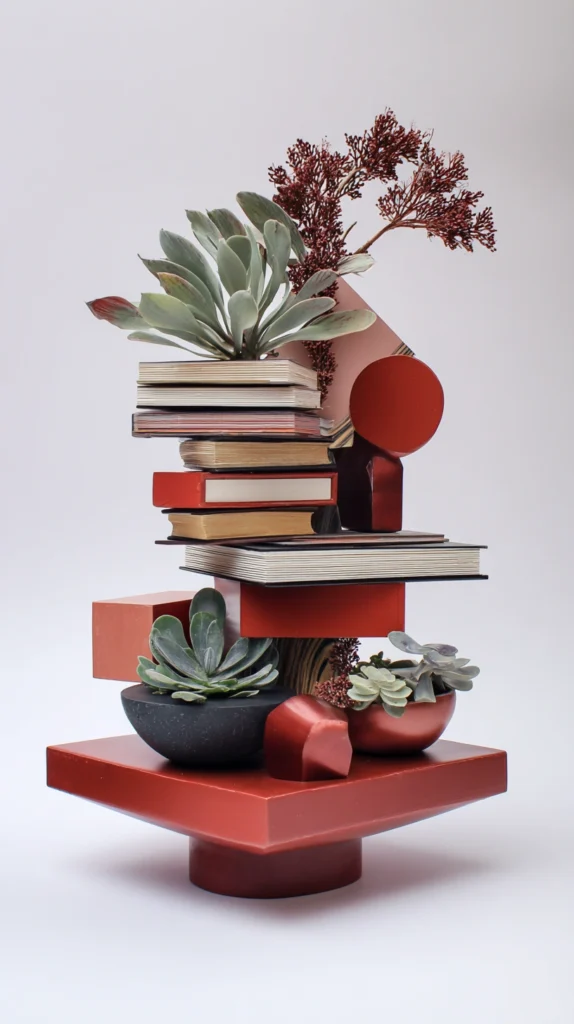
Flowers arranged in teapots rather than vases — a different variety in each pot, a different teapot at each table position, some tall and overflowing and some small and precise — give the table its botanical element in the most Wonderland-appropriate vessel available.
Mismatched teapots from charity shops cost $2 – $8 each. Seasonal flowers arranged loosely — roses, sweet peas, ranunculus, and trailing greenery — cost $8 – $20 per bunch. Three to four teapots of varying sizes arranged along the centre of the table, combined with the teacup towers and the playing card scatter, create a table surface that is densely layered without being cluttered — the correct distinction being that everything on the table has been placed with intention even when the overall effect is deliberately chaotic.
Styling tip: Leave the lids off all the teapot vases and place one flower stem across the opening of each pot as though it arrived by accident rather than arrangement. The slightly off-centre, slightly accidental quality of the stem across the opening is more Wonderland than a formal upright arrangement and takes five seconds to achieve.
10. The Mad Hatter Cocktail and Mocktail Bar
Budget: $30 – $150
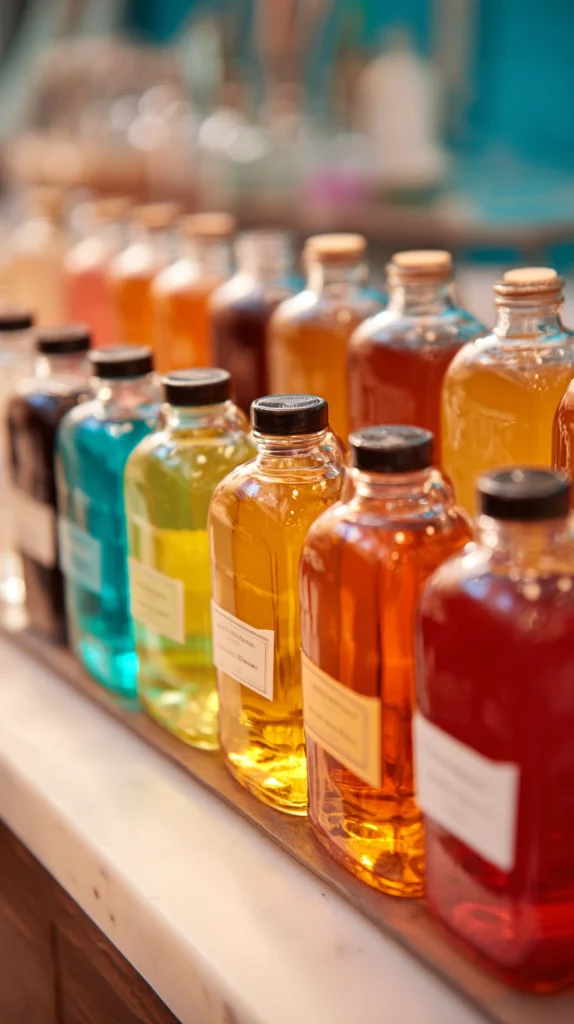
A drinks bar styled as the Hatter’s potion cabinet — small labelled bottles of flavoured drinks, a large glass dispenser of colour-changing butterfly pea flower punch, a selection of teas served in mismatched pots, and a sign reading “We’re All Mad Here” above the display — gives the party its drinks moment as a designed installation rather than a practical necessity.
Butterfly pea flower tea — $8 – $20 for a bag — produces a vivid blue punch that shifts to purple with citrus and pink with additional acid, making every poured glass a slightly different colour. Small labelled potion bottles — $1 – $2 each — hold individual portions of flavoured lemonade or fruit juice. A gin or vodka-based cocktail version for adult parties adds a Wonderland spirit — literally — to the display for the cost of the spirit.
Styling tip: Label every drink with a description that is entirely accurate about everything except the taste — “Blue on Tuesdays, Purple on Thursdays, Currently Undecided” for the butterfly pea punch. Guests who read the label before drinking engage with the drink differently and more actively than guests who simply pour. The label costs a pen and thirty seconds.
11. The Cheshire Cat Disappearing Game
Budget: $5 – $30
A Cheshire Cat disappearing game — in which one guest is designated the Cheshire Cat and must disappear from view without being caught in the act, appearing and disappearing around the party space, with other guests trying to catch the moment of disappearance — gives the party a continuous, low-structure game that runs alongside the tea party rather than interrupting it.
A Cheshire Cat ear headband — $5 – $15 — marks the designated Cat. The only rule is that the Cat must be somewhere visible when anyone looks, and somewhere invisible a moment later. The game produces no winners and no losers, only the particular satisfaction of a game whose rules are precisely as logical as everything else in Wonderland.
Styling tip: Change the designated Cat every fifteen minutes by passing the ear headband to a new guest — chosen by the current Cat in a whispered instruction rather than a public announcement. The secret selection adds the conspiratorial quality that the Cheshire Cat’s appearances always carry and maintains the game’s energy throughout the afternoon without requiring any host management.
12. The Mad Hatter Photo Corner
Budget: $25 – $120
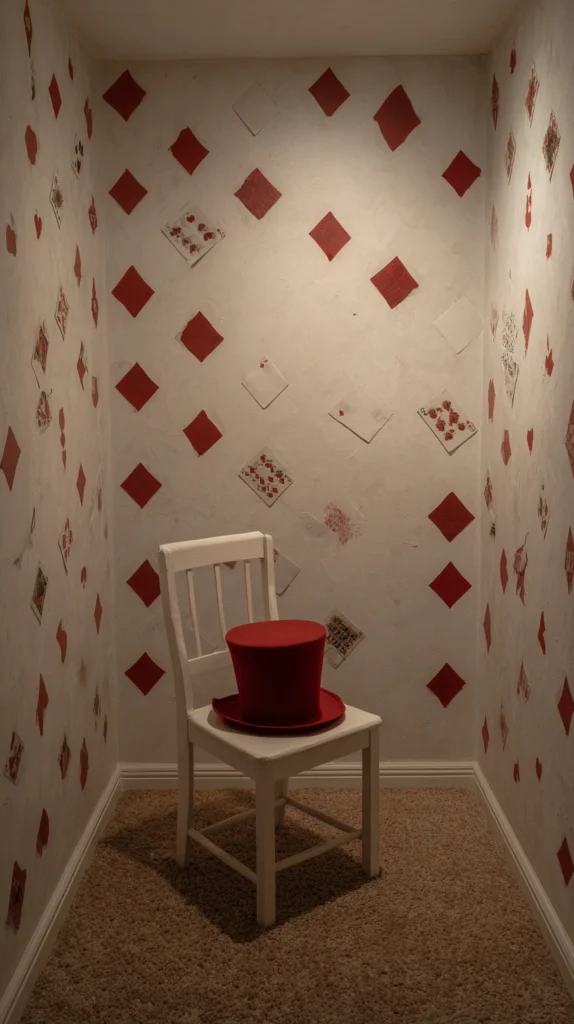
A photo corner — a backdrop of oversized playing cards arranged in a wall cascade, with a selection of character props including the Hatter’s top hat, White Rabbit ears, a Queen of Hearts crown, an oversized prop teacup, and a Cheshire Cat smile on a stick — gives the party its most consistently used installation.
An oversized prop teacup made from cardboard and painted — $10 – $20 in materials — is the corner’s most immediately recognisable element. Character hat props cost $15 – $35 purchased. A playing card wall backdrop — standard cards printed at A3 scale and arranged in a falling cascade — costs $15 – $30 in printing. A ring light on a small tripod — $20 – $50 — ensures consistent illumination regardless of room light conditions.
Styling tip: Hang a framed mirror within the photo corner at face height with the words “You’re entirely bonkers. But I’ll tell you a secret — all the best people are” printed across the top in a Wonderland font. A mirror that offers the guest a reflection and a quotation simultaneously produces a more personally engaged photograph than a static backdrop alone.
13. The Tea Tasting Activity
Budget: $20 – $80
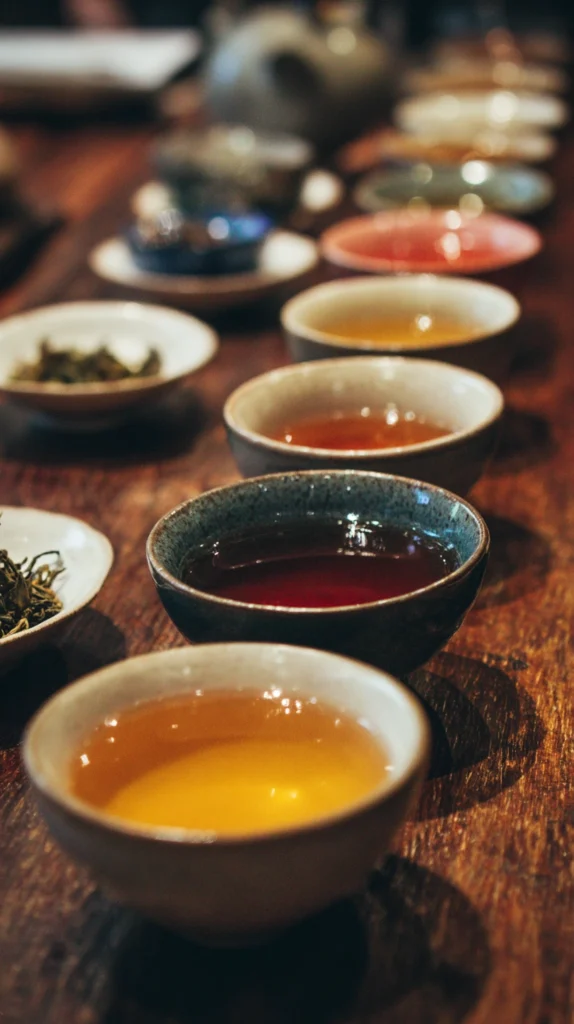
A structured tea tasting — five or six different teas served in sequence in mismatched cups, each identified only by a Wonderland name rather than its actual variety, with guests recording their guesses on a small tasting card — gives the party an adult-appropriate activity with genuine sensory engagement and genuine competitive potential.
A selection of six distinct teas — Earl Grey, Lapsang Souchong, chamomile, peppermint, green, and masala chai — cost $15 – $40 for sample quantities. Tasting cards printed at home — one per guest, listing six Wonderland tea names for guests to match to the cups — cost pennies each. Small prizes for the guest who correctly identifies the most teas — $5 – $15 for a set of Wonderland-themed tokens — complete the activity.
Styling tip: Serve the teas in the most mismatched possible sequence — the most delicate after the most robust, the sweetest after the most astringent — rather than in a logical progression from light to strong. The Hatter would never serve tea in a sensible order, and a tasting sequence that confuses the palate is considerably more faithful to the source material than one that respects it.
14. The Final Riddle Party Bag
Budget: $4 – $12 per guest
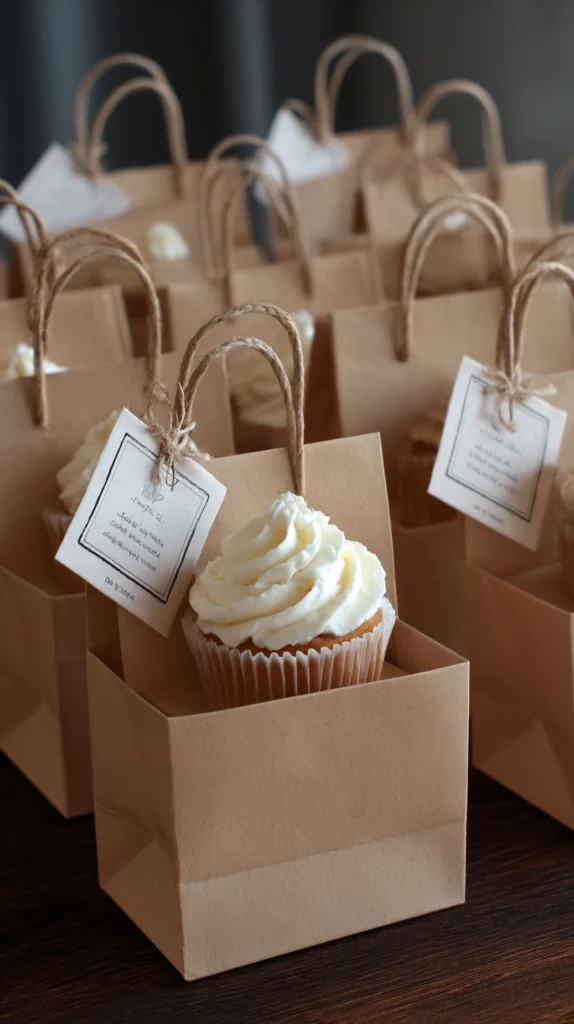
A party bag sealed with a wax stamp and labelled “Do Not Open Until You Are Quite Sure You Are Real” — containing a small Wonderland book or quote card, a miniature teacup, a decorated hat from the craft station, an unbirthday certificate, and a final sealed envelope containing one last riddle from the Cheshire Cat — is the Mad Hatter tea party’s send-off gift and its last word on the afternoon.
A kraft paper bag per guest costs $0.50 – $1. A miniature teacup — $1 – $3 each from a craft or homeware supplier — is the bag’s anchor object. A small Wonderland quote card — printed at home — costs pennies. The Cheshire Cat final riddle envelope — $0.10 – $0.20 each — contains a question whose answer the guest discovers only by looking inward rather than outward, in the style of the Cat’s most characteristically unhelpful helpfulness.
Styling tip: Write a different final riddle for each guest — one specific to a quality or a quirk that the host knows about them personally — rather than a single generic riddle for every bag. Twelve personalised riddles take thirty minutes to write before the party and produce twelve guests who open their envelopes in the car and feel, for the duration of reading their specific riddle, that the Cheshire Cat was watching them particularly closely all afternoon.
Whatever combination of these fourteen ideas makes it to the table, the principle beneath all of them is the same one the Mad Hatter has always understood: the best tea party is the one that has been going so long that all the rules have been forgotten, and what remains is simply the pleasure of the table, the tea, and the company.
Stack the cups higher. Mismatch everything. Label the food incorrectly. Stop all the clocks at six.
It is always tea time. Make the most of it.