15 Japandi Summer Decor Ideas for a Peaceful Home
Japandi is the design philosophy that feels most specifically and most completely suited to summer — the intersection of Japanese minimalism and Scandinavian warmth creating a domestic aesthetic of extraordinary calm, genuine material honesty, and the particular quality of considered, unhurried beauty that the slower pace of summer living most powerfully rewards.

Where maximalist summer decor celebrates abundance and color, the Japandi summer home celebrates restraint, natural material quality, and the profound beauty of a space that contains exactly what it needs and nothing more.
The Japandi summer home is not austere. It is edited. The distinction is fundamental — austerity removes warmth, while editing reveals it. Every object in a Japandi summer interior has been chosen with genuine intention, every material selected for its authentic natural beauty, and every surface treated with the respect that honest, organic materials deserve.
The result is a home of complete, settled calm — a domestic environment that the summer season inhabits with extraordinary natural grace.
Here are 15 Japandi summer decor ideas for a genuinely peaceful home.
1. Neutral Linen Throughout Every Room
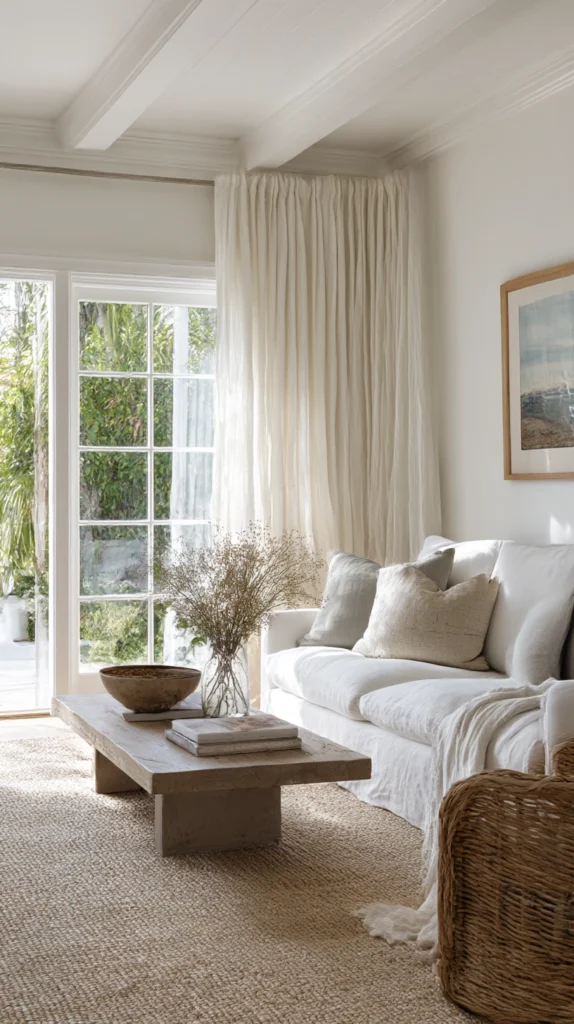
Natural linen in warm neutral tones — undyed, warm ivory, and soft oat — used consistently throughout every room of the Japandi summer home creates a textile palette of complete tonal coherence and genuine organic warmth.
Linen is the definitive Japandi summer textile — its natural fiber variation, its matte warmth, its complete absence of artificiality, and the way it softens and improves with every wash creating a domestic textile environment of genuine, authentic beauty that synthetic alternatives cannot approach.
Pro Tip: Layer multiple weights of natural linen throughout the Japandi summer home — lightweight linen curtains alongside medium-weight linen cushion covers alongside heavier linen upholstery — for a textile palette of genuine textural depth and considerable visual richness. Multiple linen weights within the same neutral tone create the layered, nuanced quality that distinguishes a genuinely considered Japandi interior from a simply neutral one.
2. Wabi-Sabi Ceramic Vessels
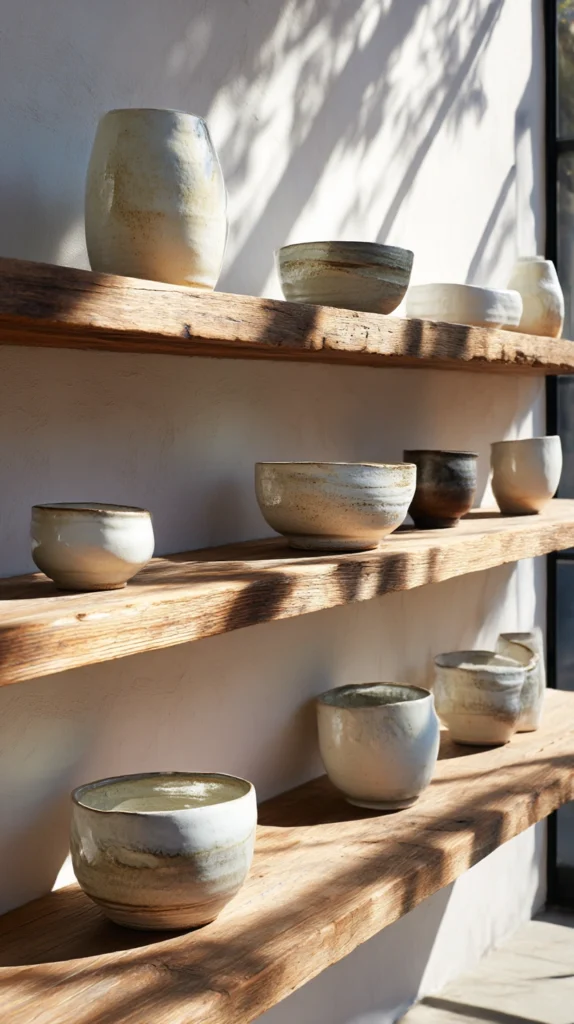
Handmade ceramic vessels in warm neutral tones — bowls, vases, and vessels with the slight irregularities, the natural glaze variations, and the honest imperfections of genuine hand-thrown pottery — positioned throughout the Japandi summer home create a material presence of extraordinary warmth and genuine artisan beauty.
The wabi-sabi aesthetic celebrates the beauty of imperfection — the slight asymmetry of a hand-thrown bowl, the natural variation in a wood-ash glaze, and the fingerprint marks left in the clay communicating a quality of genuine human making that machine-produced alternatives entirely lack.
Pro Tip: Display wabi-sabi ceramic vessels singly or in groups of two or three rather than in large collections — the individual beauty of each handmade piece most clearly visible and most genuinely appreciated when given adequate space and visual breathing room. A single beautiful hand-thrown bowl on a bare timber shelf creates a moment of genuine Japandi beauty. The same bowl surrounded by multiple other objects creates visual competition that reduces the quiet impact of the individual piece.
3. Low Furniture for a Grounded Aesthetic
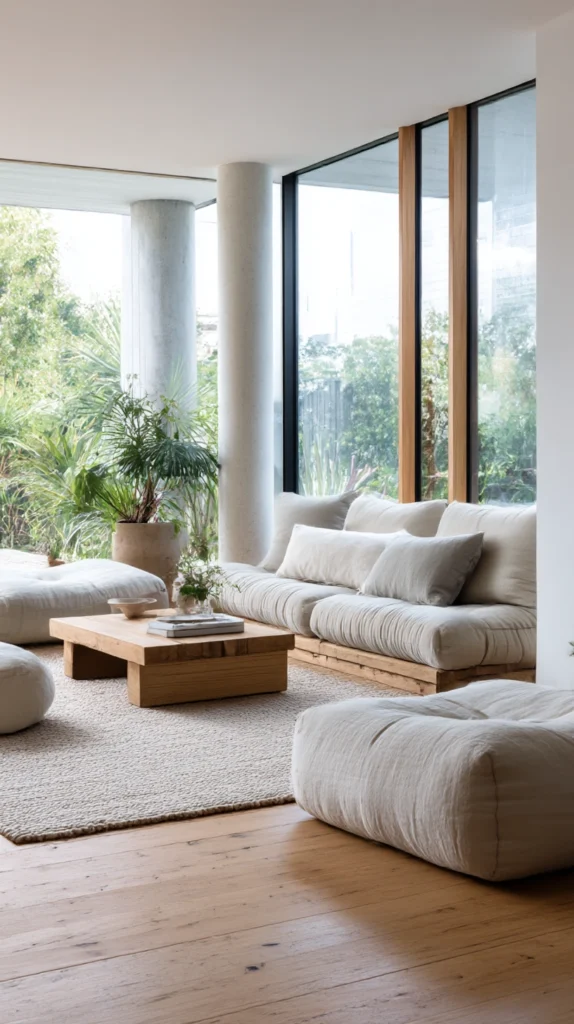
Low furniture — floor-level cushioned seating, low timber platform beds, low coffee tables at floor or near-floor height — creates a Japandi summer interior of complete groundedness and genuine physical connection to the natural floor plane. Low furniture has a quality of settled, unhurried calm — the body positioned closer to the ground creating a more relaxed, more genuinely restful posture than the conventional seated height of standard Western domestic furniture. In summer the low Japandi interior feels cool, spacious, and completely at ease.
Pro Tip: Choose low furniture in solid natural timber — oak, ash, or walnut in clean simple forms without decorative detail — for a Japandi summer interior of genuine material quality and complete design honesty. Low furniture in natural solid timber creates a floor-level interior of genuine warmth and considerable visual beauty. Low furniture in manufactured board materials with timber veneer creates a visually similar result with none of the genuine material authenticity that the Japandi aesthetic specifically values and specifically requires.
4. A Single Statement Branch or Botanical Element
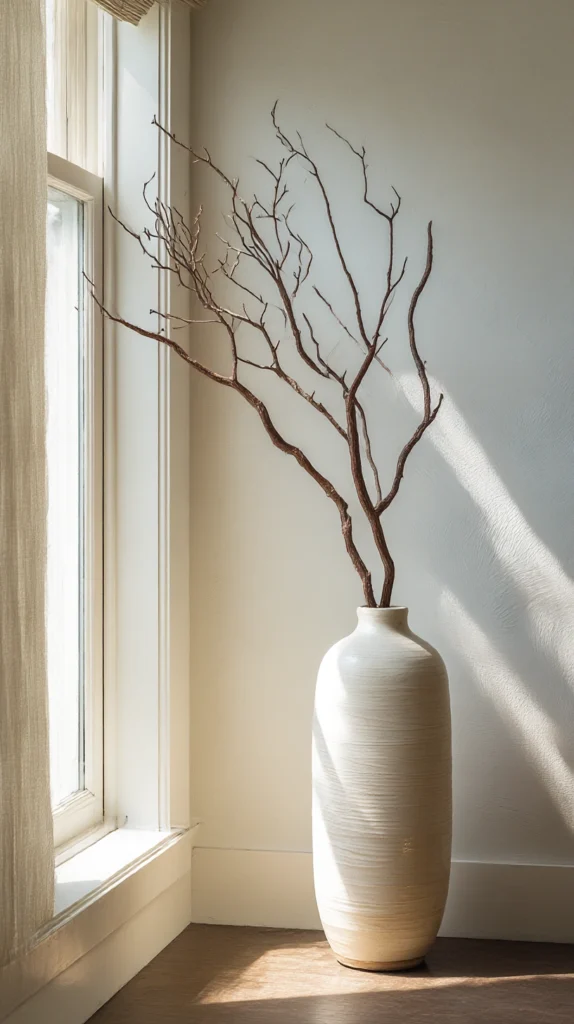
A single large branch — a sculptural dried branch, a stem of blossom, or a single architectural leaf — positioned in a tall simple ceramic vessel creates the most specifically Japandi and most completely considered botanical statement available in any summer interior. The single botanical element references the Japanese art of ikebana — the practice of flower arrangement that treats each individual stem as a complete, sufficient design statement requiring no supplementary elements for its full beauty to be expressed.
Pro Tip: Change the single Japandi botanical statement weekly throughout the summer season — visiting the garden, the hedgerow, or the florist for a new branch, stem, or leaf each week for a home botanical statement that remains genuinely fresh, genuinely seasonal, and genuinely connected to the specific botanical abundance of each particular week of the summer. A weekly botanical change creates a subtle domestic rhythm of seasonal awareness and genuine natural attention.
5. Natural Timber Throughout
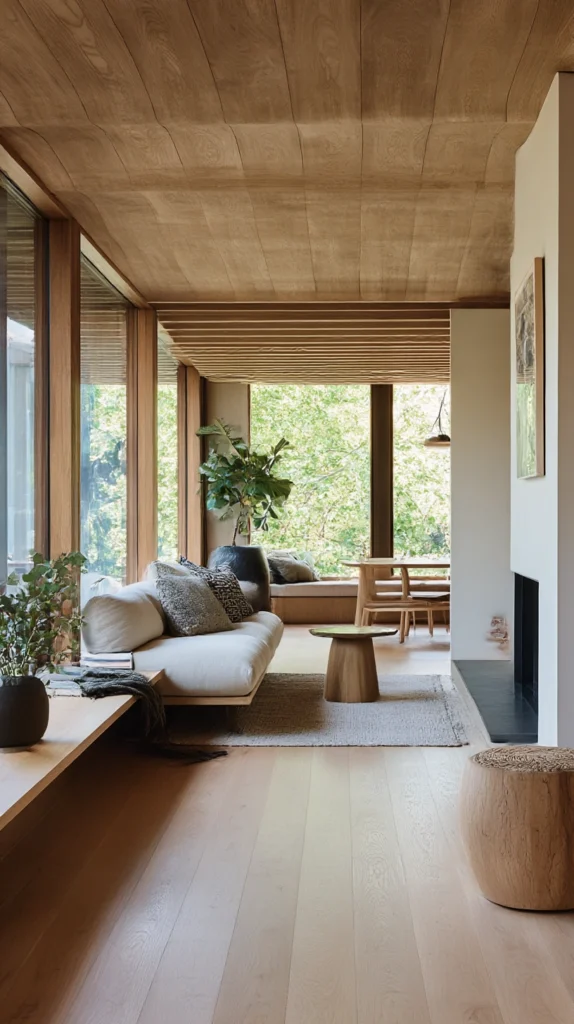
Natural timber — warm oak floors, a simple solid timber dining table, timber shelving of clean unadorned form, and timber accessories in warm natural tones — used consistently throughout the Japandi summer home creates an interior of genuine material warmth and complete organic coherence. Timber is the material that sits at the heart of both Japanese and Scandinavian domestic design traditions — its warmth, its grain variation, its natural imperfection, and the way it develops character through use creating a domestic material of genuine, lasting, everyday beauty.
Pro Tip: Oil natural timber surfaces in the Japandi summer home with a food-safe natural oil — linseed, tung, or hardwax oil — rather than a film-forming lacquer or varnish for a timber surface that maintains its natural tactile warmth and continues to develop its beautiful patina through use. Film-forming finishes create a plastic-like surface layer that seals the timber from touch and prevents the natural aging process that gives well-used timber its most beautiful and most genuinely character-rich quality.
6. Shoji-Inspired Window Treatments
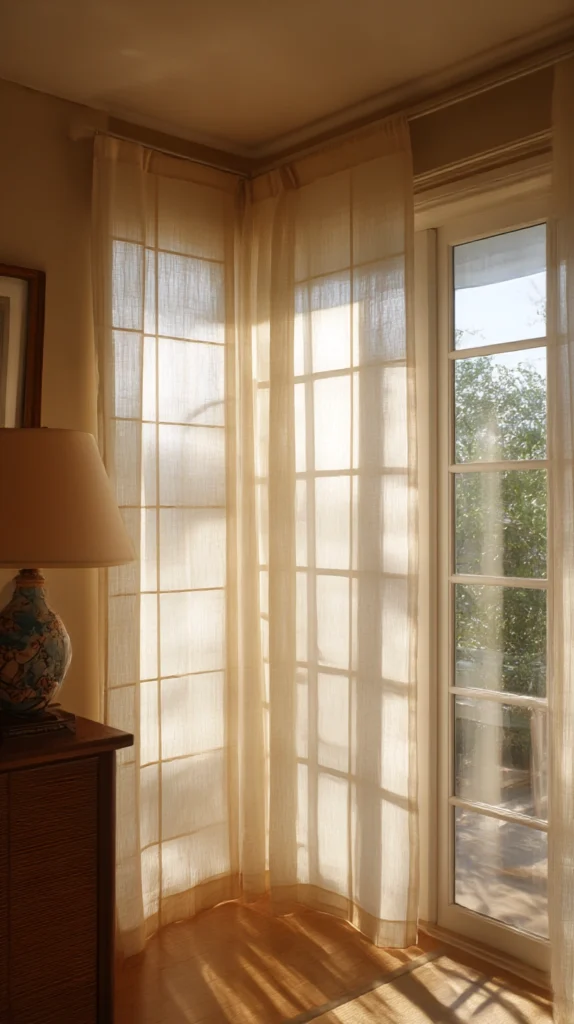
Shoji screen-inspired window treatments — translucent white or natural linen roller blinds, rice paper panels, or simple linen curtains in a clean unadorned format — filter the summer light into a soft, even, diffused illumination of extraordinary calm and genuine beauty. The shoji screen is one of the most beautiful and most functionally elegant window treatments ever devised — the translucent panel allowing light to enter while obscuring direct views, creating a quality of enclosed, softly lit interior calm that no opaque window treatment can replicate.
Pro Tip: Choose window treatments in a warm rather than cool white for shoji-inspired Japandi summer windows — the slight warmth of natural rice paper, natural linen, or warm ivory fabric filtering the summer light into a quality of honeyed, gentle illumination rather than the slightly clinical brightness of cool white translucent panels. Warm filtered summer light in the Japandi home creates the most beautiful and the most genuinely calming indoor light environment of the season.
7. Decluttered, Breathing Surfaces
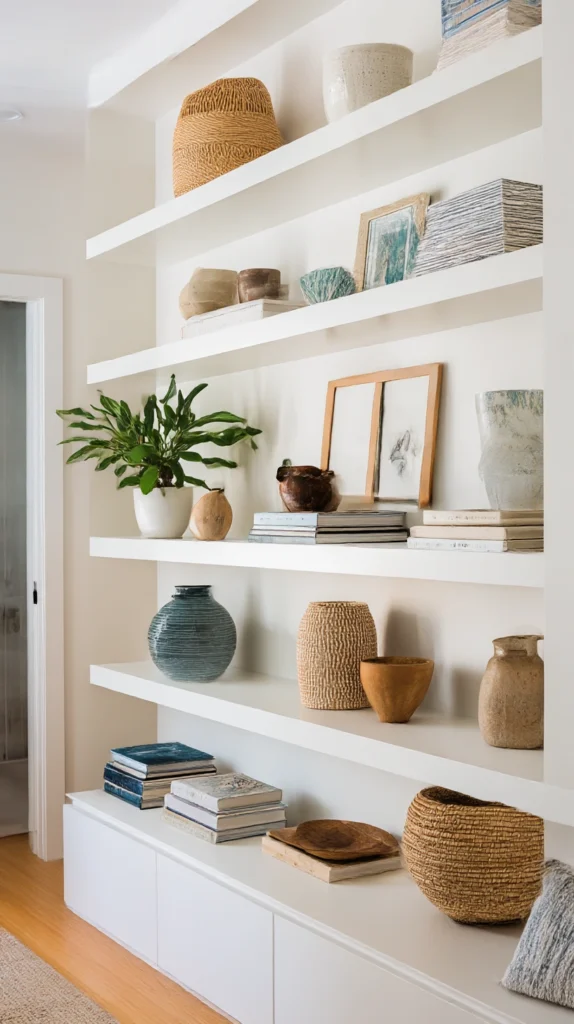
Every horizontal surface in the Japandi summer home — the dining table, the kitchen counter, the bathroom shelf, the bedroom side table — kept clear of everything except one or two deliberately chosen, genuinely beautiful objects creates a domestic environment of extraordinary visual calm and genuine mental spaciousness.
The Japandi principle of the breathing surface — a surface that has been deliberately emptied rather than casually filled — creates a home of remarkable psychological clarity and genuine daily peace.
Pro Tip: Adopt the Japandi practice of weekly surface editing — spending ten minutes each Sunday removing from every surface in the home every object that has arrived there without deliberate placement. A weekly surface edit maintains the breathing quality of the Japandi interior throughout the summer season — preventing the natural accumulation of objects on horizontal surfaces that gradually converts a genuinely calm Japandi interior into an ordinary cluttered one.
8. Organic Cotton and Natural Fiber Bedding
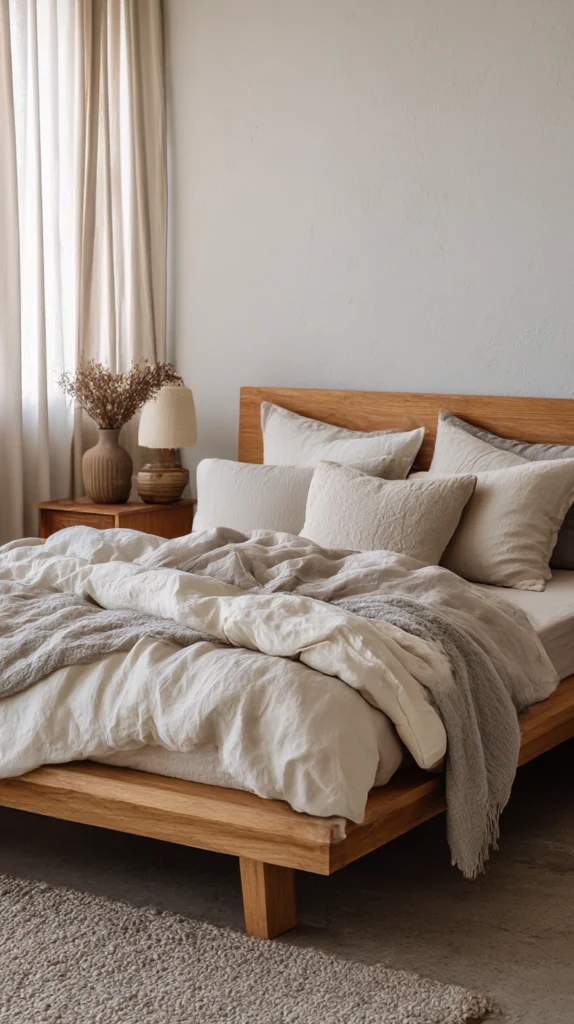
A Japandi summer bedroom dressed with organic cotton bedding in warm natural tones — soft white, warm oat, and the palest grey — layered with a lightweight natural wool or cotton blanket creates a sleeping space of genuine material purity and complete restful beauty.
The Japandi bedroom makes no decorative statement beyond the quality of the materials it contains — the beauty of the room emerging entirely from the warmth of the natural timber bed frame, the texture of the organic cotton bedding, and the quality of the complete, considered simplicity of the space.
Pro Tip: Choose organic cotton bedding with a thread count of 200 to 300 for the most genuinely comfortable Japandi summer sleep experience — the medium thread count creating a fabric of sufficient weight to feel substantial and considered while remaining genuinely breathable and genuinely cool in the warmth of the summer season.
Very high thread count cotton bedding — above 400 — can feel slightly heavy and slightly warm for summer use in a Japandi bedroom where the quality of the sleep environment is as carefully considered as the visual quality of the space.
9. Indoor Zen Garden or Sand Tray
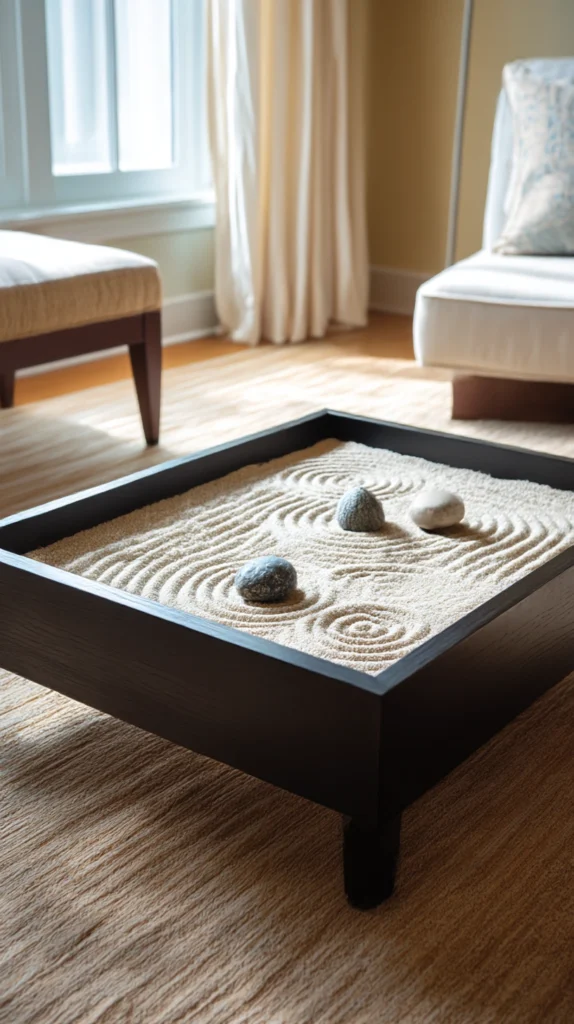
A small indoor zen garden — a shallow timber or ceramic tray filled with fine white or pale grey sand, a few smooth river stones, and a small wooden rake for creating patterns — positioned on a low surface in the Japandi summer living room creates a meditative decorative element of genuine functional value and considerable visual beauty.
The act of raking patterns in the sand is itself a form of mindfulness practice — the simple, repetitive movement creating the quality of focused, present attention that the Japandi philosophy values as deeply as any aesthetic quality.
Pro Tip: Position the indoor zen garden where natural summer light falls directly across the raked sand surface — the low-angle light revealing the depth and the shadow of the raked patterns in a way that creates a small but genuinely extraordinary moment of natural beauty within the domestic interior. The interplay of summer light and the raked sand surface changes throughout the day as the angle and quality of the light shifts — creating a meditative domestic object of subtle, continuous, living beauty.
10. Neutral Color Palette with One Warm Accent
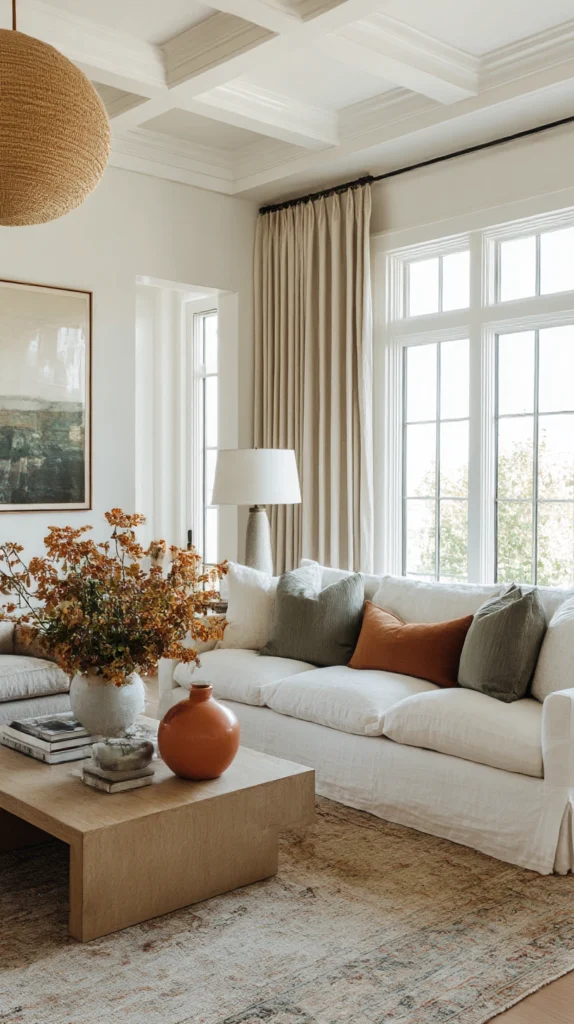
A complete Japandi summer home palette of warm neutrals — soft white, warm sand, oat, pale timber, and natural linen — with a single warm accent introduced in one deliberate color — a terracotta cushion on the linen sofa, a single sage green ceramic on the timber shelf, or a warm blush throw on the bedroom chair — creates a home of complete tonal harmony and genuine, considered color confidence. The single accent in a Japandi interior is not a decoration — it is a decision, and the difference between the two is the entire difference between a Japandi interior and a simply neutral one.
Pro Tip: Choose the Japandi summer color accent in a tone drawn directly from the natural world visible through the home’s windows — the terracotta of the garden path, the sage green of the garden hedging, or the warm sand of a nearby beach — for an accent color of genuine landscape coherence and complete natural authenticity. A color accent drawn from the specific visible landscape creates the most profound and most genuinely Japandi connection between the interior and the exterior natural world.
11. Bamboo and Natural Material Accessories
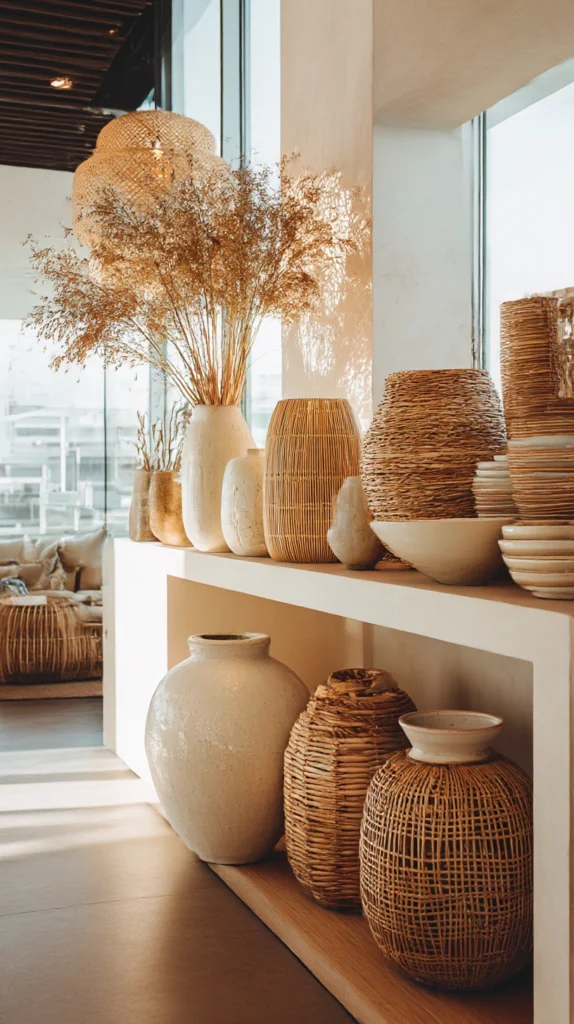
Bamboo accessories — a bamboo serving tray, a bamboo lamp shade, a bamboo storage basket, a bamboo bath mat — alongside other natural material objects in rattan, natural stone, and unglazed ceramic creates a Japandi summer home of complete natural material coherence and genuine organic warmth.
Bamboo has a particular quality of clean, pale, almost luminous natural beauty that suits the Japandi summer aesthetic with complete ease — its warm honey tone, its structural elegance, and its genuine sustainable credentials creating a material of both aesthetic and ethical appropriateness for the considered Japandi home.
Pro Tip: Choose bamboo accessories in a natural unfinished tone rather than stained, painted, or heavily lacquered alternatives for a Japandi home of genuine material honesty. Natural bamboo in its warm honey tone sits harmoniously within the neutral natural material palette of the Japandi interior. Stained or lacquered bamboo introduces an artificial quality that works against the genuine material authenticity that the Japandi aesthetic specifically values and specifically requires as a foundation of its complete domestic beauty.
12. Futon or Floor Bed for Summer Sleeping
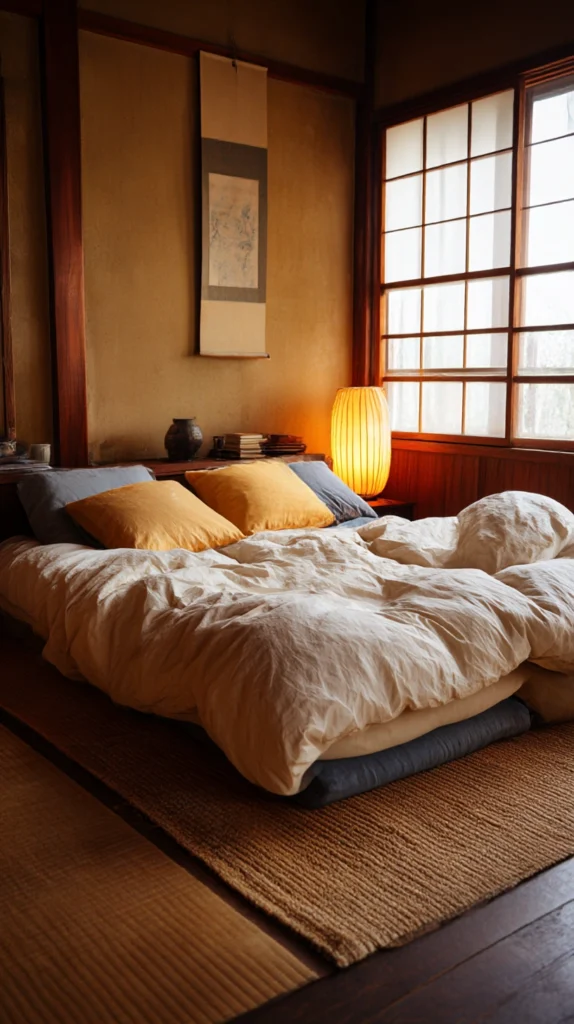
A futon or a low platform bed positioned close to the ground — the traditional Japanese sleeping arrangement translated into the Japandi summer bedroom — creates a sleeping space of extraordinary grounded calm and genuine physical connection to the cool, smooth surface of the timber floor. Sleeping close to the ground in summer has a genuine practical quality — the floor level of a room is consistently cooler than the upper air — alongside the profound psychological quality of a sleeping position of complete, earthed stability and calm.
Pro Tip: Place the Japandi summer futon or low platform bed on a natural tatami mat or a woven seagrass mat for an additional layer of natural material beauty and genuine Japanese domestic tradition. A tatami or seagrass mat beneath the futon creates a defined sleeping zone of natural material warmth, adds a gentle botanical fragrance to the sleeping environment, and provides a slightly cushioned, slightly insulating layer between the futon and the hard floor surface beneath.
13. Negative Space as a Design Element
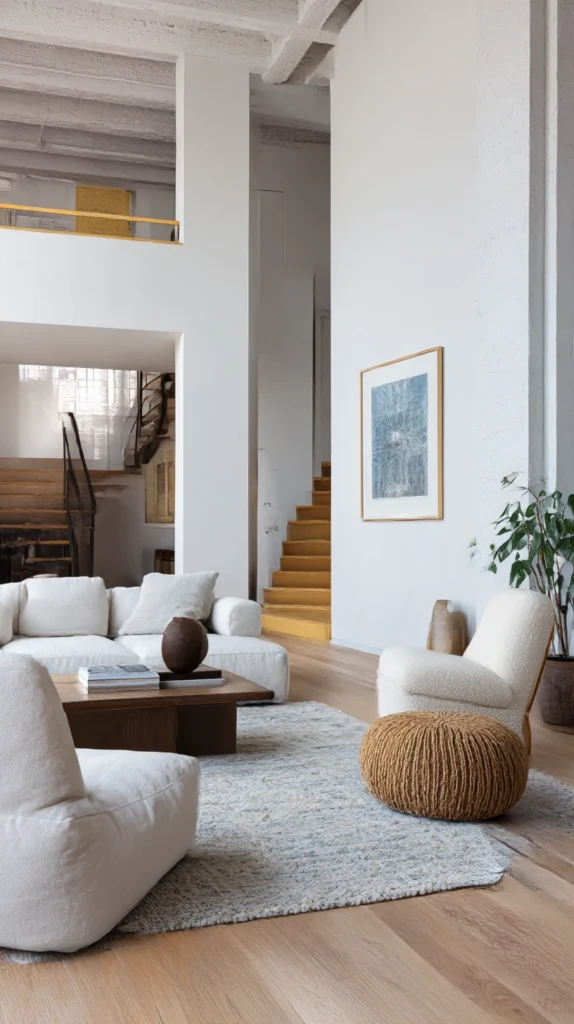
Negative space — the deliberately empty wall, the completely bare corner, the unoccupied shelf — used as a genuine, considered design element within the Japandi summer home creates a domestic environment of extraordinary visual spaciousness and genuine psychological peace. In Japandi design, empty space is not an absence of decoration — it is the decoration.
The unpainted wall beside the single artwork makes the artwork more beautiful. The bare corner beside the single plant makes the plant more present. The empty shelf beside the single ceramic makes the ceramic more significant.
Pro Tip: Resist the recurring domestic impulse to fill every empty space with an object — recognizing the deliberate empty space as the most considered and most valuable element of the Japandi interior rather than as a gap requiring remediation.
The empty wall, the bare corner, and the clear surface communicate genuine design confidence and genuine Japandi philosophy. Filling every available space communicates anxiety rather than intention — and the difference between these two qualities of mind is visible immediately in the domestic interior they create.
14. Morning Light Ritual Space
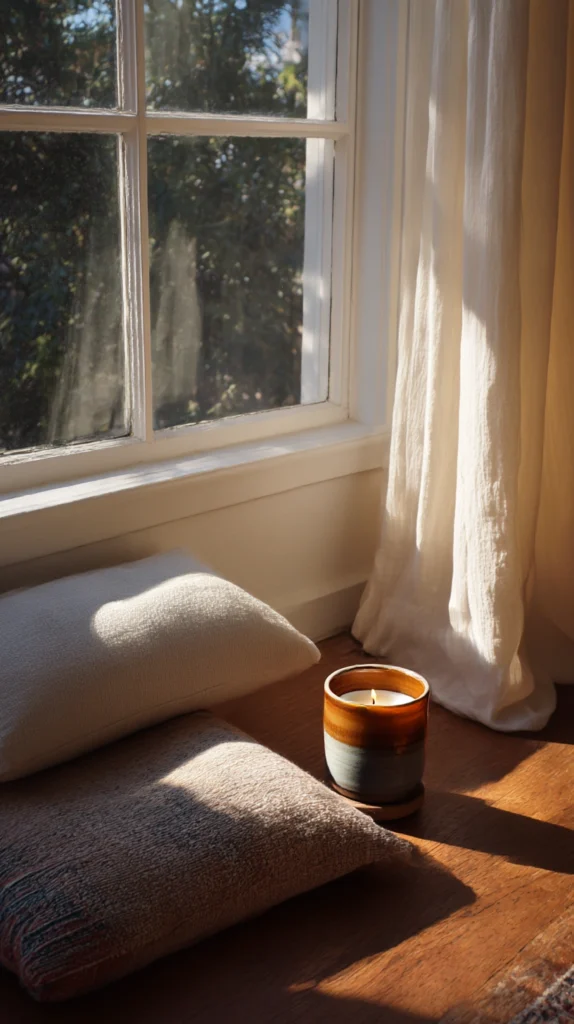
A dedicated morning light ritual space — a simple floor cushion positioned at the window that receives the first summer morning light, with a low table holding a single candle, a small handmade ceramic tea bowl, and nothing else — creates a Japandi summer domestic feature of extraordinary daily value and complete meditative beauty.
The morning light ritual space is the most specifically and most completely Japandi element of the summer home — the practice of sitting quietly in the first light of the summer morning, drinking tea from a beautiful handmade bowl, creating the quality of present, unhurried awareness that the entire Japandi philosophy is ultimately designed to support and to sustain.
Pro Tip: Maintain the morning light ritual space in complete readiness throughout the summer season — the cushion clean and positioned, the candle fresh and centered, the tea bowl clean and waiting — so that the ritual can begin without any preparatory activity that interrupts the quality of quiet morning awareness that the space is designed to create. A ritual space that requires setting up before use creates a small but genuine barrier to daily practice. A ritual space perpetually ready creates an invitation that is impossible to resist on any summer morning of sufficient clarity and genuine intention.
15. Natural Fragrance Without Synthetic Scent
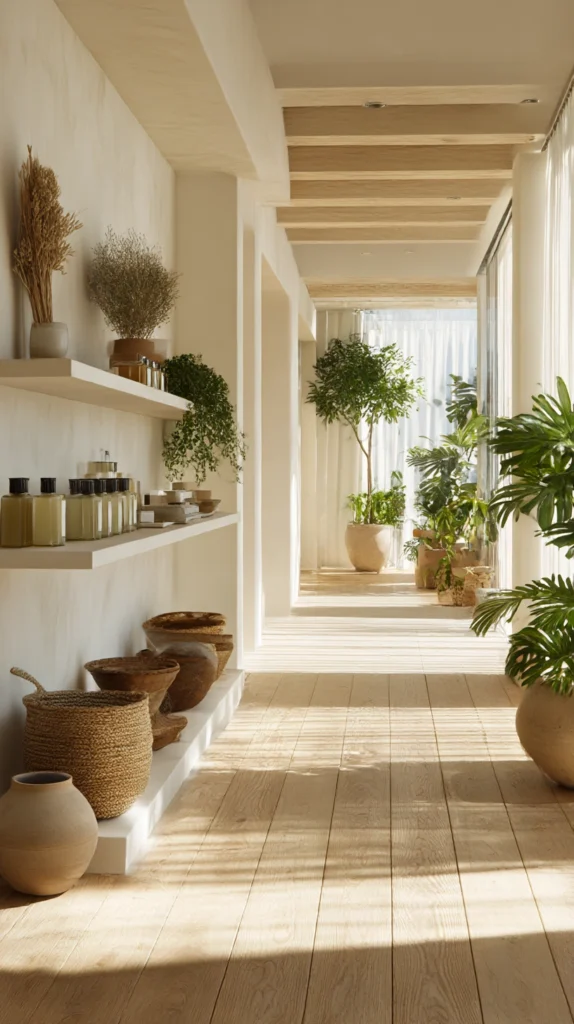
Natural fragrance throughout the Japandi summer home — fresh cedar wood, dried cypress, natural beeswax candles, a small bowl of dried hinoki wood chips, and the genuine natural fragrance of outdoor air entering through open windows — creates a domestic olfactory environment of complete, genuine organic quality.
The Japandi home rejects synthetic fragrance entirely — the artificial complexity of manufactured scent incompatible with the genuine, simple, honest sensory world that the Japandi philosophy creates in every other dimension of the domestic interior.
Pro Tip: Place small dishes of dried cedar, hinoki, or sandalwood chips in the corners of the main rooms of the Japandi summer home for a natural fragrance of extraordinary gentle warmth and genuine botanical authenticity.
Natural wood chips release their fragrance slowly and consistently without any heat or diffusion mechanism — creating the most understated, the most genuinely natural, and the most completely Japandi home fragrance experience available throughout the entire summer season.
Japandi Summer Is the Art of Enough
The Japandi summer home succeeds not by adding more but by committing fully to the beauty of less — the single botanical statement, the breathing surface, the morning light ritual, and the genuine natural material that together create a domestic environment of extraordinary peace and complete, settled summer beauty.
It is the art of enough — the recognition that a home containing exactly what it needs, treated with genuine care and genuine material respect, is always more beautiful, more calming, and more genuinely pleasurable to live within than any home that contains more. Create it with patience. Tend it with genuine attention. And discover that the most peaceful summer home is always the most considered one.