15 Home Greenhouse Ideas for Year-Round Growing
Most home greenhouses get built once, used hard through spring and summer, and then left empty from October through March. A few seed trays in April, a burst of tomatoes by July, and then the structure sits there all winter doing nothing but holding garden tools.
That pattern wastes the one piece of garden infrastructure actually capable of growing something every single month of the year. A greenhouse built and managed correctly isn’t a seasonal extension of the outdoor garden — it’s a separate growing environment entirely, one that can produce food and flowers through the exact months an open garden can’t.
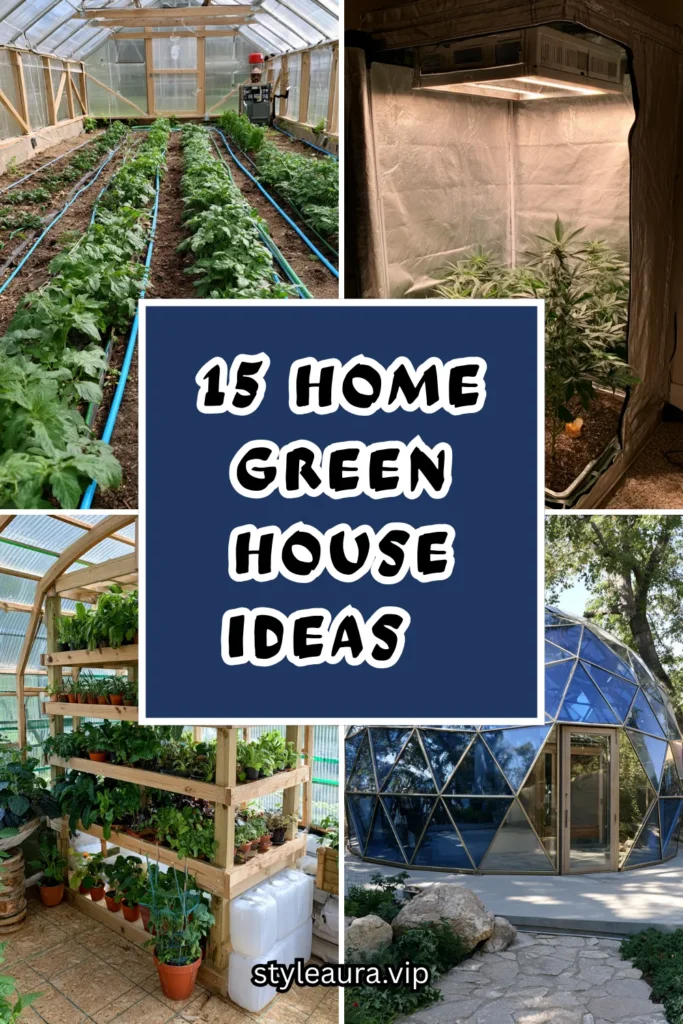
A greenhouse that grows year-round is not the same structure as one used only for spring seed-starting, just left up longer. It’s a different kind of project — one built around real temperature control, supplemental light through the darkest months, and a layout designed for the structure’s own microclimate rather than borrowed straight from an outdoor garden bed. Get those pieces right, and a single greenhouse can replace what would otherwise be four separate seasonal gardens.
Here are 15 ideas for building and running a home greenhouse that actually produces something in every season, not just the easy ones.
Why Year-Round Greenhouse Growing Plays by Different Rules Than Seasonal Use
The rules are not the same for every way a greenhouse gets used:
Seasonal Greenhouse Use Advantages:
- Simple, low-cost setup, since the structure only needs to handle mild spring and summer conditions
- Minimal need for supplemental heating or lighting, since the growing window matches the easiest months of the year
- Lower year-round commitment, with the structure largely dormant for half the year
The seasonal-use comparison: convenience over capacity
Year-Round Greenhouse Advantages:
- Genuine food and flower production through the exact months an outdoor garden goes fully dormant
- A controlled microclimate that doesn’t depend on whatever the weather happens to be doing outside
- A return on the structure’s cost that compounds across every month of use, not just a few
The key insight:
- Seasonal greenhouse use rewards a simple, low-investment structure
- Year-round greenhouse use rewards real systems — heating, light, ventilation — working together deliberately
- These are different growing projects, not the same greenhouse simply left standing through winter
The Climate Control Reality
The most important number in year-round greenhouse growing:
The temperature swing:
- A greenhouse without active climate control can swing from well below freezing at night to dangerously hot during a sunny winter afternoon, sometimes within the same 24 hours
- Most common food crops need a minimum night temperature, often in the 45–55°F range, to keep growing rather than simply surviving
- Know this number — it governs every heating, insulation, and ventilation decision on this list
The “control before crop choice” calculation:
- What can be grown in a greenhouse in December is determined almost entirely by what climate systems are already in place, not by ambition alone
- A greenhouse with reliable heat and supplemental light can grow far more in winter than one relying on solar gain and good intentions
- Work backward from the climate control actually installed, then choose winter crops realistically suited to what that system can maintain
Most year-round greenhouses are built in layers, not all at once:
- The structure and siting decisions come first, since they’re the hardest and most expensive to change later
- The climate control systems — heating, ventilation, insulation — come next, since they determine what’s actually possible inside
- The growing systems themselves — beds, shelving, irrigation — come last, built to fit whatever climate the earlier layers have already established
1. The Attached Lean-To Greenhouse (Borrowing Heat From the House Itself)
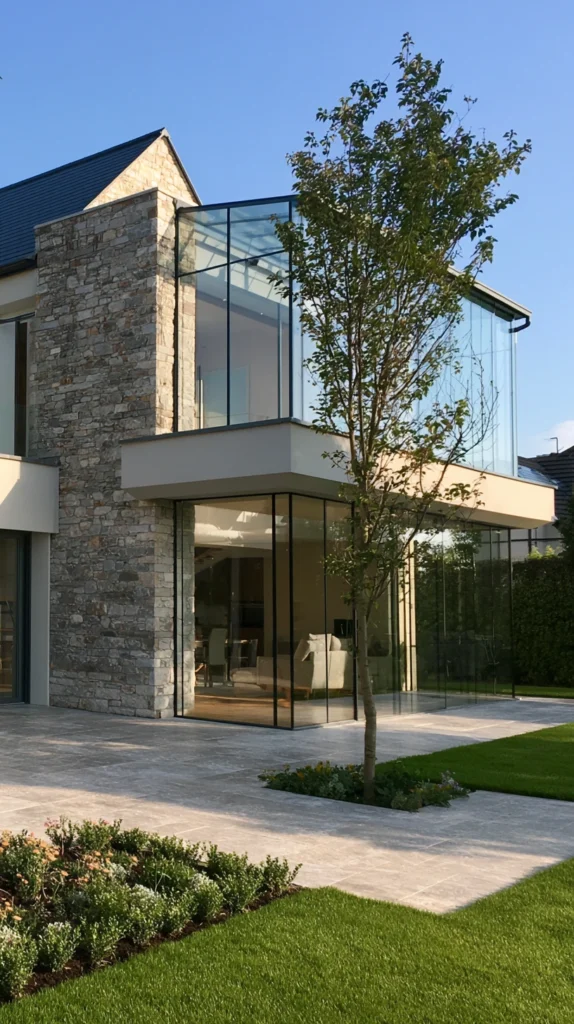
A greenhouse built directly against an existing exterior wall, often south-facing, sharing one wall with the house — the structure type that gets a genuine head start on winter heating before a single system is even installed.
Why an attached structure solves part of the climate problem before it begins
- The shared-wall heat advantage: a lean-to greenhouse benefits from radiant heat passing through the house’s exterior wall, which a freestanding structure never receives
- The easier utility access it provides: running power, water, and even a heating line is considerably simpler when the structure is already attached to the house’s existing systems
- The lower material cost: building only three new walls instead of four, while using the house itself as the fourth, reduces both material and labor costs compared to a freestanding build
The options
- A traditional lean-to with a sloped glass or polycarbonate roof, the most classic version of this structure type
- A window-mounted greenhouse box, a smaller-scale version attached directly to a single window rather than a full wall
- A sunroom-style attached greenhouse, blurring the line between greenhouse and living space, often with a more finished interior
- A lean-to built against a garage or shed wall, for households without a south-facing house wall available
The practical execution
- Site the structure against a south-facing wall wherever possible, to maximize the amount of direct winter sun the structure receives
- Confirm the shared wall can handle the added moisture a greenhouse introduces, since prolonged humidity against an exterior wall can be a problem if it isn’t properly sealed
- Plan door and window placement carefully, since an attached structure often has only two or three sides available for venting rather than four
Cost breakdown
- DIY lean-to kit, small size: $800–2,500
- Professionally built lean-to, larger size: $4,000–10,000+
- Total: $800–10,000+, depending on size and whether it’s a kit or custom build
2. The Freestanding Polycarbonate Greenhouse (The Most Versatile Year-Round Structure)
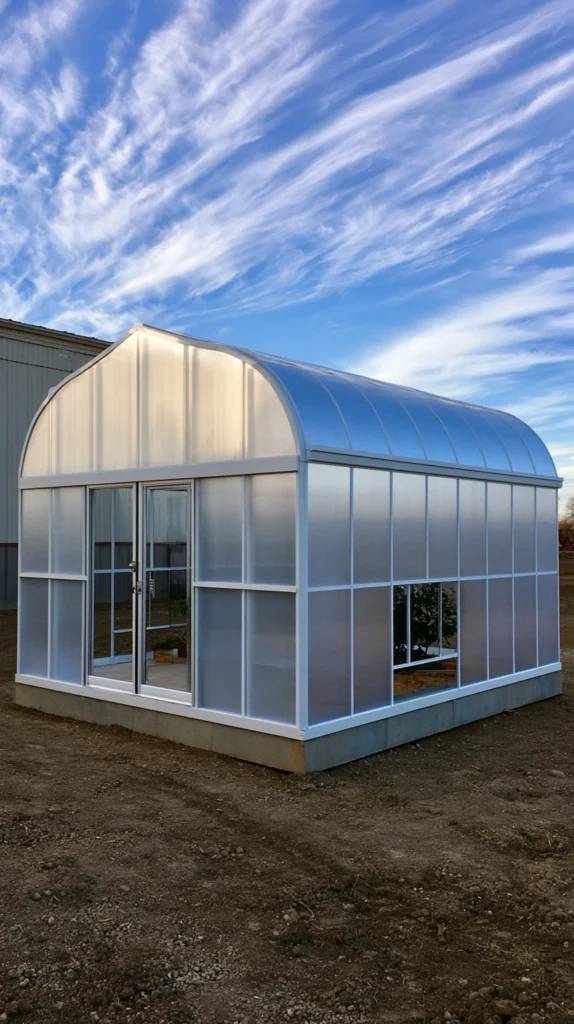
A standalone greenhouse with twin-wall polycarbonate panels rather than single-pane glass — the structure type most commonly recommended for genuine year-round use, given its balance of light transmission and insulation.
Why polycarbonate specifically matters for year-round growing
- The insulation value over glass: twin-wall polycarbonate traps a layer of insulating air between its two panel layers, retaining significantly more heat than single-pane glass in the same structure
- The durability advantage: polycarbonate resists hail, impact, and the kind of damage that can crack or shatter glass, an important consideration for a structure expected to function reliably through winter storms
- The diffused-light benefit: polycarbonate scatters light more evenly than clear glass, reducing the risk of leaf scorch on plants positioned directly under the most intense summer sun
The options
- An 8mm or 10mm twin-wall polycarbonate greenhouse, the standard thickness for genuine four-season use
- A 16mm or 25mm multi-wall panel option, for colder climates needing maximum insulation value
- A hybrid structure, with polycarbonate walls and a clear glass or polycarbonate roof for different light needs at different heights
- A modular polycarbonate kit, allowing the structure to be expanded later as growing needs increase
The practical execution
- Choose panel thickness based on the coldest realistic winter low in the local climate, not just the average temperature
- Site on a level, well-drained foundation, since standing water around the structure’s base undermines both the foundation and the climate control inside
- Seal all panel seams and the foundation perimeter carefully during installation, since small gaps lose a disproportionate amount of heat over a full winter
Cost breakdown
- Small polycarbonate greenhouse kit (6×8 ft): $600–1,500
- Mid-size kit (8×12 ft): $1,500–3,500
- Larger or professionally installed structure: $4,000–10,000+
- Total: $600–10,000+, depending on size
3. The Geodesic Dome Greenhouse (Structural Strength for Extreme Climates)
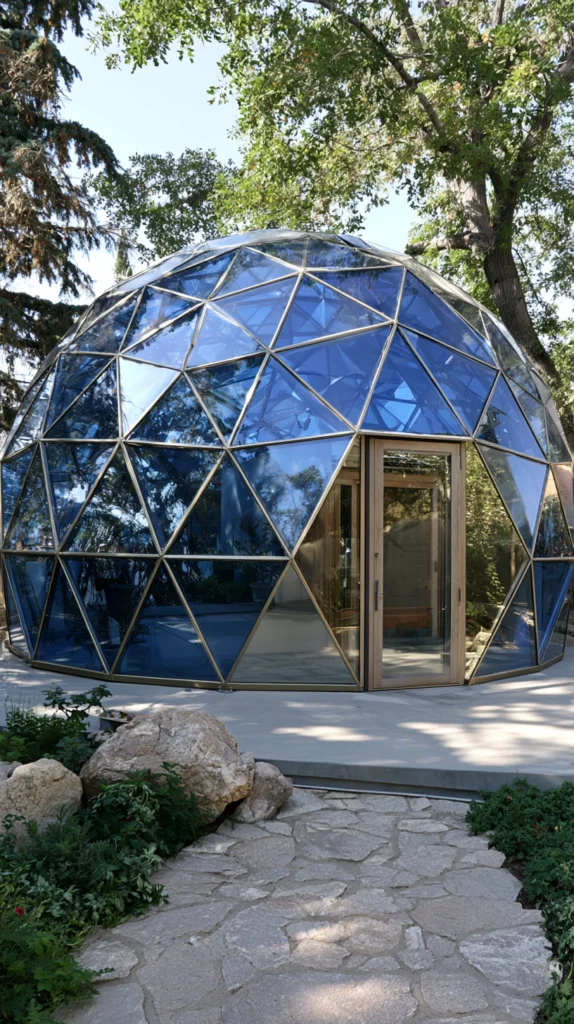
A dome-shaped greenhouse built from triangulated panel sections — the structure type best suited to climates with heavy snow load or strong wind, where a standard rectangular greenhouse faces real structural risk.
Why a dome shape solves problems a rectangular structure can’t
- The structural strength of triangulation: a geodesic dome distributes weight and wind load more evenly than a flat-walled structure, making it inherently more resistant to snow accumulation and high wind
- The reduced surface-area-to-volume ratio: a dome has less exterior surface relative to its interior growing space than a rectangular structure of similar volume, which translates to less heat loss per square foot of growing area
- The even light distribution: a dome’s curved surface scatters light from multiple angles throughout the day, reducing the harsh directional shadows a flat-walled structure can create
The options
- A small geodesic dome kit, suited to a backyard-scale growing operation
- A larger dome, for a more serious year-round production setup
- A dome with a raised foundation wall, adding stability and a small amount of additional below-grade insulation
- A dome paired with interior shelving designed specifically for the curved wall geometry, maximizing usable growing space within the unconventional shape
The practical execution
- Confirm local building codes and any permitting requirements before construction, since a dome’s unconventional shape sometimes raises questions a standard rectangular structure wouldn’t
- Plan interior layout carefully around the dome’s curved walls, since standard rectangular shelving and bed layouts don’t always fit efficiently
- Budget more time for assembly than a standard kit greenhouse, since the triangulated panel system is more labor-intensive to put together correctly
Cost breakdown
- Small dome kit: $1,500–4,000
- Larger dome kit: $5,000–15,000+
- Total: $1,500–15,000+, depending on size
4. The Raised Bed Interior Layout (Soil-Based Growing With Real Drainage Control)
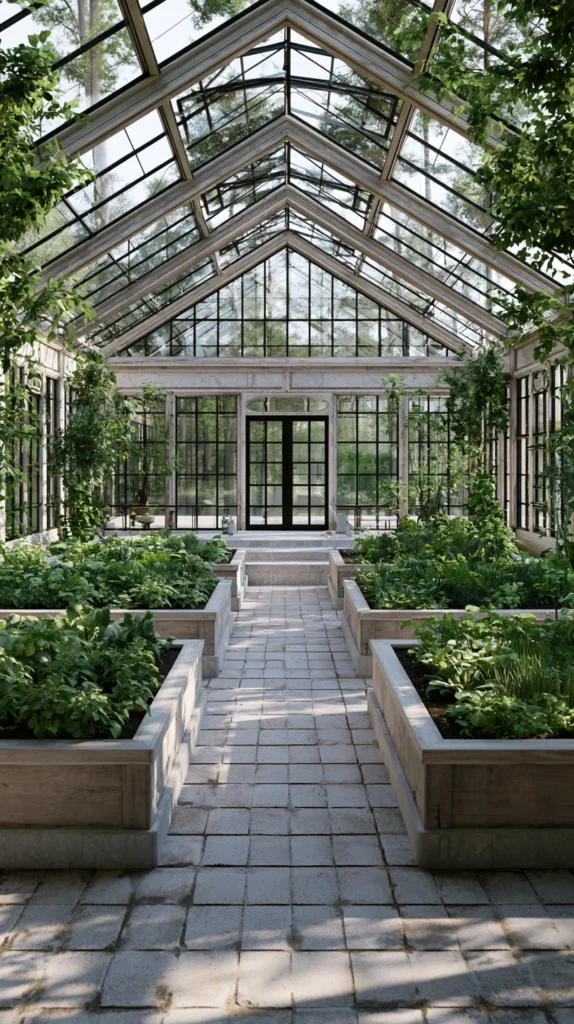
Raised growing beds built inside the greenhouse, filled with a controlled soil mix, rather than planting directly into the ground beneath the structure — the layout choice that gives year-round growing more consistent results than in-ground planting alone.
Why raised beds matter more inside a greenhouse than outside one
- The drainage control it provides: a greenhouse traps humidity, and a raised bed with proper drainage prevents the waterlogged soil conditions that develop more easily in an enclosed structure than in an open garden
- The soil quality consistency: a controlled soil mix in a raised bed avoids whatever compaction, drainage issues, or pest pressure exists in the native soil directly beneath the greenhouse’s footprint
- The accessibility benefit: raised beds reduce the bending and kneeling required for daily greenhouse tasks, which matters more in a structure used through every season, including the coldest months when comfort working inside matters most
The options
- Wooden raised beds, the most common and most customizable option for greenhouse interiors
- Metal or galvanized raised beds, more durable in a consistently humid environment than untreated wood
- Built-in beds along the structure’s perimeter, maximizing usable floor space in the center for walking paths
- Tiered or stepped beds, for greenhouses prioritizing vertical growing space alongside the raised bed footprint
The practical execution
- Fill with a soil mix specifically blended for raised bed use, rather than native soil alone, for better long-term structure and drainage
- Leave clear, sufficiently wide paths between beds for comfortable year-round access, especially important once bulkier winter layers and tools are part of the routine
- Position beds to take advantage of the structure’s best light, reserving shadier or less consistently lit areas for shelving or storage instead
Cost breakdown
- Wooden raised bed kit, per bed: $60–150
- Soil and amendments to fill: $30–80 per bed
- Total: $90–230 per bed, with cost scaling by the number of beds built
5. The Supplemental Heating System (The Single Most Important Investment for Winter Growing)
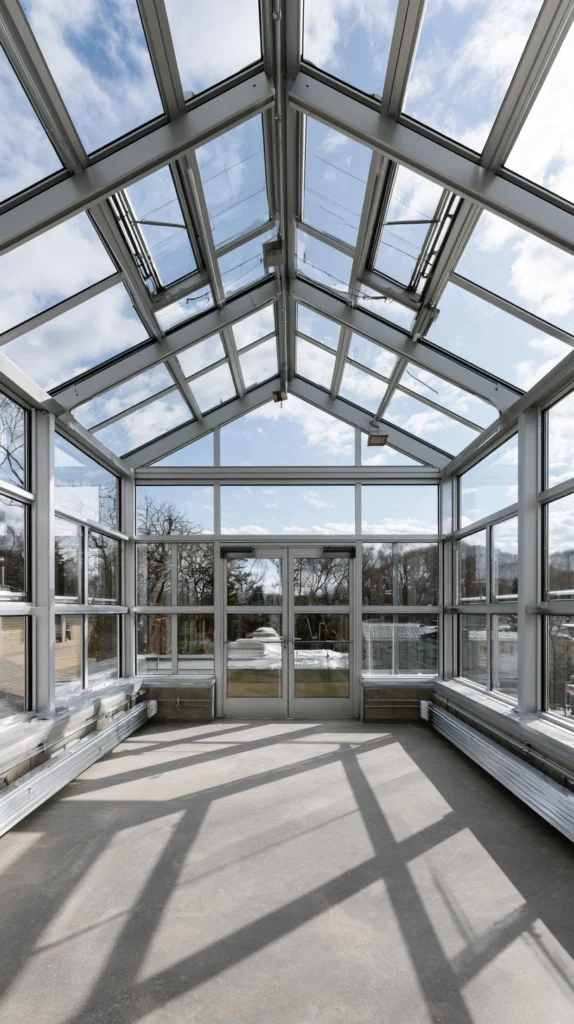
A dedicated heating system — electric, propane, or radiant — sized specifically to the greenhouse’s volume and the coldest expected outdoor temperature, the single piece of equipment most directly responsible for whether winter growing is realistic at all.
Why heating is the foundation every other winter decision depends on
- The non-negotiable requirement it represents: without supplemental heat, most food crops simply stop growing, or die outright, once nighttime temperatures drop below freezing inside an unheated structure
- The sizing stakes: an undersized heater struggles to maintain temperature during the coldest nights of the year, exactly when reliable heat matters most
- The energy cost consideration: heating represents the largest ongoing operating cost of a year-round greenhouse, making the choice of heating method as important as the choice to heat at all
The options
- An electric greenhouse heater with a built-in thermostat, the most common choice for small to mid-size structures
- A propane or natural gas heater, often more cost-effective for larger structures or colder climates, requiring proper ventilation
- Radiant floor heating, installed beneath raised beds or walking paths, providing more even heat distribution than a single point-source heater
- A combination of a primary heater and a backup unit, protecting against equipment failure during the coldest, most critical nights
The practical execution
- Size the heater to the greenhouse’s actual cubic footage and the coldest realistic overnight low, not just the average winter temperature
- Install a reliable thermostat and consider a backup alarm system that alerts if temperatures drop below a critical threshold during an unattended cold night
- Combine heating with the insulation and sealing work covered elsewhere on this list, since a well-sealed structure requires significantly less heating capacity to maintain the same internal temperature
Cost breakdown
- Electric greenhouse heater: $80–250
- Propane heater, larger structure: $150–500
- Radiant floor heating system, installed: $500–2,000
- Total: $80–2,000+, depending on structure size and method
6. The Ventilation and Cooling System (Managing the Other Half of the Temperature Problem)
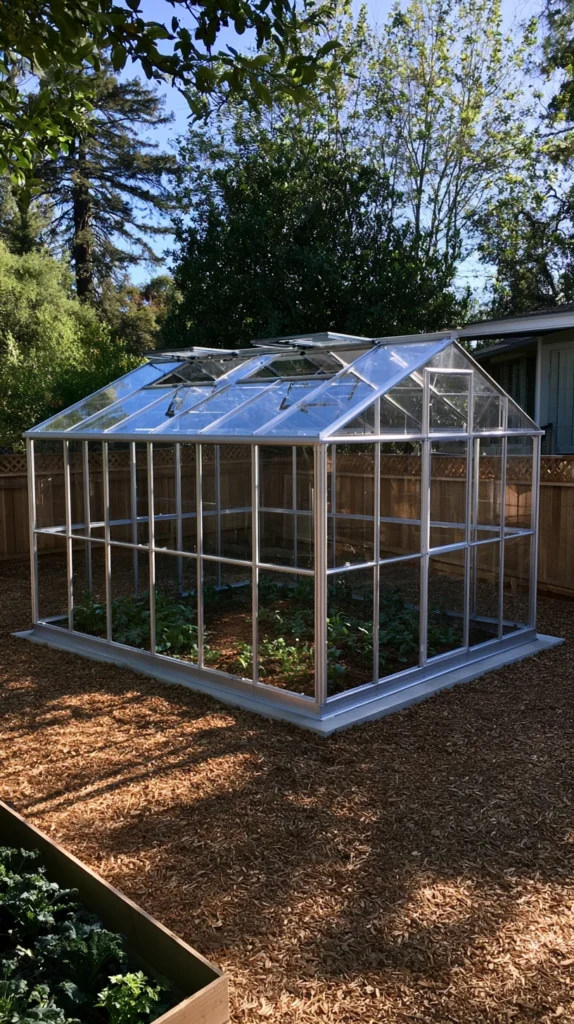
Roof vents, side vents, and exhaust fans, often automated with temperature-triggered openers, working together to prevent the greenhouse from overheating on sunny days even in the middle of winter.
Why ventilation matters just as much as heating in a year-round structure
- The counterintuitive winter overheating risk: a well-sealed, well-insulated greenhouse can overheat dangerously on a sunny winter afternoon even when it’s freezing outside, since the same insulation trapping heat at night traps it during the day too
- The humidity management function: ventilation also controls the moisture buildup that comes from watering, soil evaporation, and plant transpiration inside an enclosed structure, reducing disease and mold risk
- The automation value: temperature swings inside a greenhouse can happen faster than a person can manually respond to, making automated vent openers one of the most practically important pieces of equipment on this list
The options
- Automatic roof vent openers, using a wax-cylinder mechanism that expands and opens vents without any electricity required
- Electric exhaust fans with a thermostat control, for active air exchange rather than passive venting alone
- Side louver vents, paired with roof vents for a full cross-ventilation airflow pattern
- A circulation fan, running continuously at low speed to keep air moving and prevent stagnant pockets of humid air around plants
The practical execution
- Install vents on both the roof and at least one side wall, since vertical airflow (roof venting) and horizontal airflow (side venting) solve different parts of the temperature and humidity problem
- Set automatic vent openers to trigger at a temperature that accounts for the greenhouse’s specific solar gain pattern, rather than using a generic default setting
- Check and maintain vent mechanisms seasonally, since a stuck or malfunctioning vent can cause serious overheating on the one sunny afternoon nobody happens to check on the greenhouse
Cost breakdown
- Automatic wax-cylinder vent opener, per vent: $30–60
- Electric exhaust fan with thermostat: $80–200
- Circulation fan: $30–70
- Total: $140–330 for a basic ventilation system
7. The Shade Cloth System (Protecting Summer Crops From the Greenhouse’s Own Intensity)
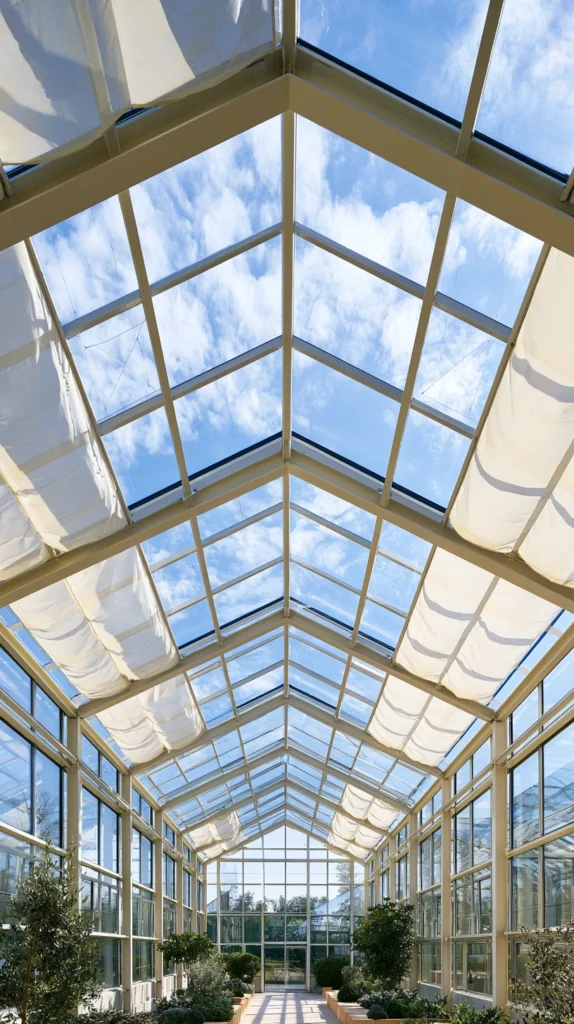
A removable or retractable shade cloth, installed over the roof or along the sunniest wall, reducing the intensity of direct summer sun inside the structure — the system that prevents a greenhouse from becoming too hot to use during its easiest growing season.
Why a structure built for winter warmth needs a summer counterbalance
- The over-correction risk a well-insulated greenhouse creates: a structure built and sealed well enough to handle winter cold can become genuinely too hot for many crops during peak summer sun
- The crop-protection function: shade cloth prevents leaf scorch and heat stress on crops that thrive in spring and fall but struggle once summer’s direct sun becomes too intense inside an enclosed structure
- The flexible, removable nature of the solution: unlike permanent structural shading, cloth-based shading can be added and removed as the seasons change, keeping the structure’s winter light transmission fully intact when shading isn’t needed
The options
- A percentage-rated shade cloth, available in varying levels of light reduction depending on the crops being grown
- A retractable shade system, allowing shade to be deployed and retracted without fully removing the material each season
- Interior shade cloth, hung beneath the roof structure rather than over the exterior, slightly easier to install but marginally less effective at heat reduction
- A seasonal exterior shade cloth, installed each spring and removed each fall, timed to the structure’s actual sun exposure pattern
The practical execution
- Choose a shade percentage matched to the specific crops being grown during the shaded months, since heavy shade-lovers and sun-tolerant crops have very different needs
- Install with secure attachment points capable of handling wind, since a poorly secured shade cloth can tear loose during a summer storm
- Remove or retract shade cloth before the season’s light naturally begins to decrease in fall, to avoid unnecessarily reducing the light available as days shorten anyway
Cost breakdown
- Shade cloth, sized to a small to mid-size greenhouse: $30–80
- Retractable shade system, materials and basic installation: $150–400
- Total: $30–400, depending on the system chosen
8. The Insulation Upgrade (Bubble Wrap, Double-Wall Panels, and Foundation Sealing)
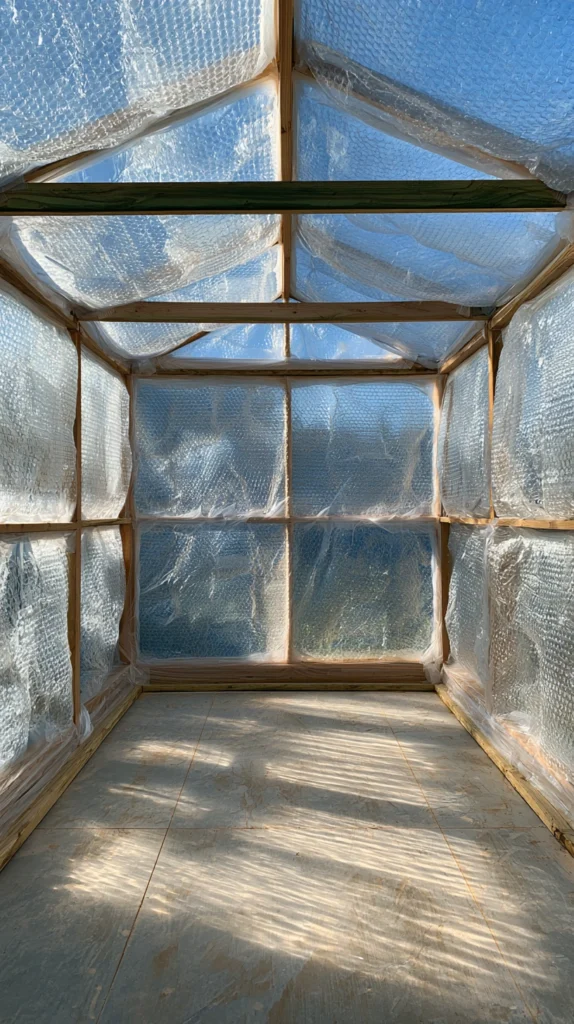
A combination of interior bubble insulation, upgraded wall panels, and foundation perimeter sealing — the layer that reduces how hard the heating system from Idea #5 has to work to maintain a stable winter temperature.
Why insulation is a multiplier on every other system, not a standalone fix
- The heating-cost reduction it provides directly: every degree of heat retained through better insulation is heat the supplemental heating system doesn’t have to generate, directly reducing operating costs through the coldest months
- The temperature-stability benefit: better insulation reduces the speed and severity of temperature swings, which matters as much for plant health as the average temperature itself
- The retrofit-friendly nature of the project: unlike heating or structural choices, insulation can often be added to an already-built greenhouse without major construction
The options
- Bubble insulation film, applied to the interior of glass or single-wall polycarbonate panels, trapping an extra insulating air layer
- Double or triple-wall polycarbonate panel upgrades, replacing thinner original panels with higher insulation-value versions
- Foundation perimeter insulation, addressing the often-overlooked heat loss that happens at ground level around the structure’s base
- A thermal curtain or interior cover, deployed at night and retracted during the day, adding a removable insulating layer specifically for the coldest overnight hours
The practical execution
- Apply bubble insulation specifically to north-facing or least-sun-exposed panels first, where the insulation trade-off against light transmission matters least
- Seal any gaps around doors, vents, and panel seams with weatherstripping or caulk, since small unsealed gaps account for a disproportionate amount of total heat loss
- Reserve the most light-transmissive, least-insulated panels for the south-facing or highest-light areas, balancing insulation needs against the light requirements of whatever’s growing closest to them
Cost breakdown
- Bubble insulation film, enough for a small to mid-size greenhouse: $30–70
- Weatherstripping and sealing materials: $20–40
- Thermal curtain system: $80–250
- Total: $50–360, depending on which layers are added
9. The Supplemental Grow Light System (Replacing What Winter’s Short Days Take Away)
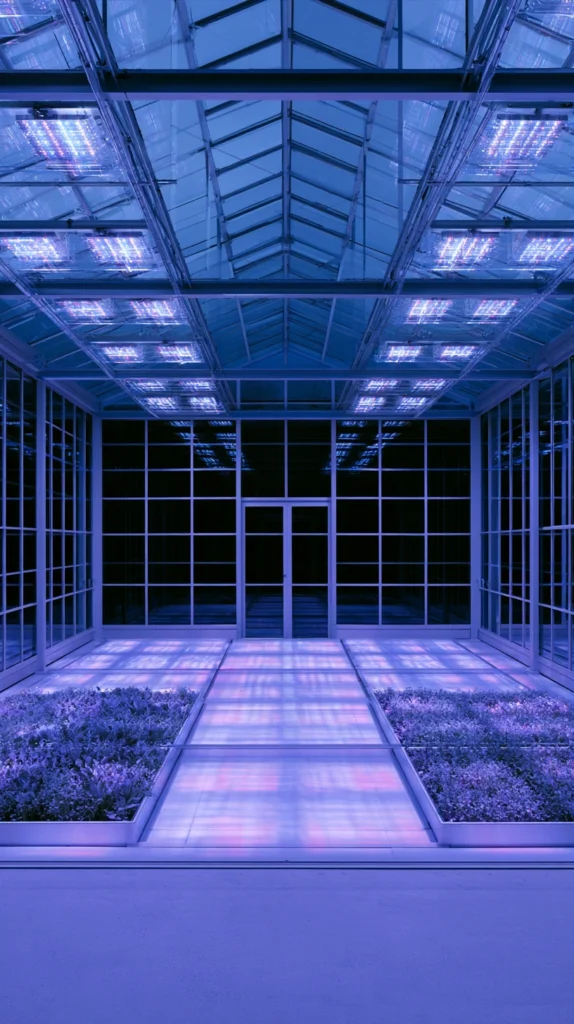
LED or fluorescent grow lights, positioned over beds or shelving, extending the usable light hours during the shortest days of the year — the system that addresses the one winter limitation insulation and heating alone can’t solve.
Why heat and light are two completely separate problems
- The light-duration reality heating doesn’t fix: even a perfectly heated greenhouse only receives as many daylight hours as the season provides, and winter’s short days limit photosynthesis regardless of how warm the interior is kept
- The crop-specific stakes: many fruiting and flowering plants need a minimum number of daily light hours to produce well, a threshold winter daylight alone often doesn’t reach
- The energy-efficiency advantage of modern LED options: full-spectrum LED grow lights use significantly less power than older fluorescent or HID systems, making supplemental winter lighting more affordable to run than it once was
The options
- Full-spectrum LED grow light panels, mounted above beds or shelving, suited to most general winter growing needs
- Supplemental lights on a timer, extending natural daylight hours by a fixed amount each morning and evening rather than running continuously
- Targeted clip-on or strip lights, for smaller growing areas or specific high-value crops rather than lighting the entire structure
- Red-and-blue spectrum LED lights, tuned specifically to wavelengths plants use most efficiently, for a more targeted but less naturally-lit appearance
The practical execution
- Position lights at a consistent height above the canopy of whatever’s growing beneath them, adjusting as plants grow rather than leaving lights fixed at a single height all season
- Use a timer to extend daylight hours predictably, rather than running lights inconsistently, since plants respond to a reliable light schedule more favorably than an erratic one
- Choose light intensity and spectrum appropriate to the specific crops being grown under them, since leafy greens and fruiting crops have meaningfully different light requirements
Cost breakdown
- LED grow light panel, single unit: $40–120
- A full setup for a small to mid-size greenhouse (3–4 panels): $150–450
- Timer: $15–30
- Total: $165–480
10. The Rainwater Collection System (Reducing Both Cost and Water Stress on Plants)
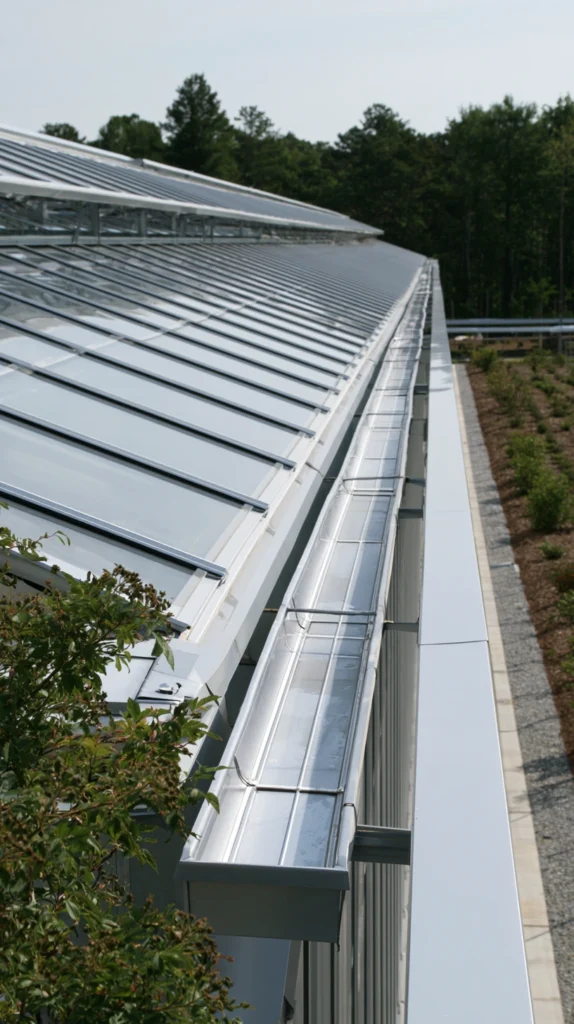
A rain barrel or larger collection tank, connected to the greenhouse’s roof gutter system, storing rainwater for use in watering — the system that reduces both the ongoing cost and the water-quality inconsistency of relying entirely on a municipal or well supply.
Why water source matters more in a year-round structure
- The volume a year-round greenhouse actually uses: a structure in active production through every season uses considerably more water over a year than one only watered through a few spring and summer months
- The water-quality benefit rainwater provides: rainwater is naturally soft and free of the chlorine, fluoride, and mineral content that can build up in soil over time from consistent tap water use
- The practical resilience it adds: a stored water supply provides a buffer during any period when the primary water source is interrupted, whether from a well issue, a municipal outage, or simply forgetting to check the irrigation system
The options
- A single rain barrel, connected to a gutter downspout, the simplest and lowest-cost entry point
- A larger cistern or tank system, for greenhouses with higher water demand or longer dry stretches between rain events
- A first-flush diverter, redirecting the initial, debris-heavy roof runoff away from the storage tank for cleaner collected water
- A gravity-fed or pump-assisted distribution system, connecting the collected water directly to an irrigation setup like Idea #14
The practical execution
- Position the collection barrel or tank at the lowest point the gutter system naturally drains to, minimizing the need for a pump in a gravity-fed setup
- Cover or screen the storage container to prevent mosquito breeding and debris accumulation
- Insulate or plan for seasonal draining of the system in climates where the collected water itself could freeze and damage the storage container or connected piping
Cost breakdown
- Single rain barrel with gutter diverter kit: $60–150
- Larger cistern system: $300–800
- Total: $60–800, depending on scale
11. The Potting Bench and Workstation (A Dedicated Space for the Work, Not Just the Growing)
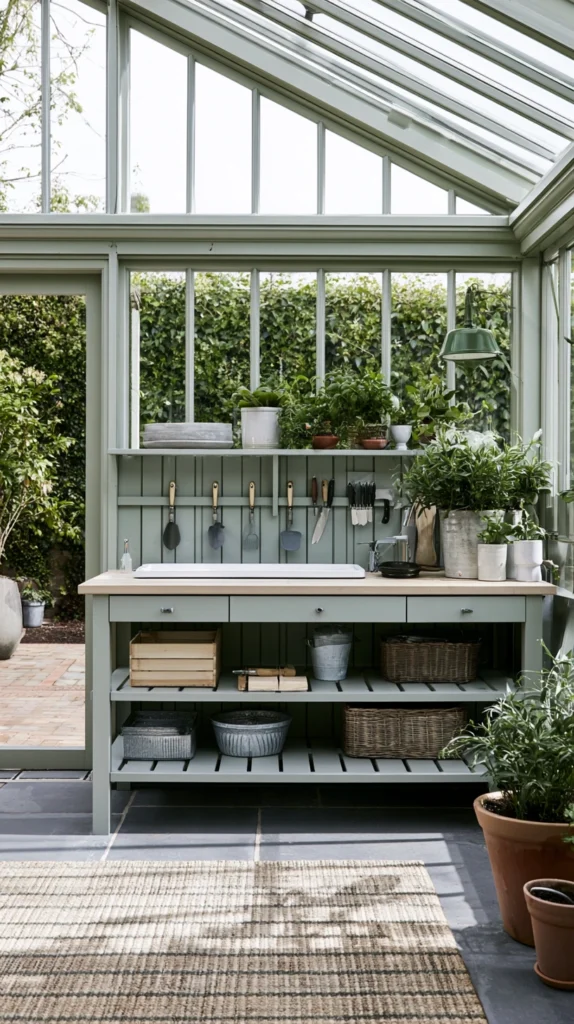
A dedicated potting bench, often with built-in storage for soil, tools, and pots, positioned near the greenhouse entrance — the workstation that makes the actual daily and seasonal work of running the greenhouse meaningfully easier.
Why a workstation deserves its own planning, separate from the growing space
- The efficiency it adds to repetitive tasks: transplanting, potting up, and seed-starting all happen far more easily at a dedicated, properly sized surface than improvised on the floor or a growing bed’s edge
- The organization it brings to greenhouse-specific supplies: soil, pots, labels, and tools accumulate quickly in an active greenhouse, and a dedicated storage spot keeps that accumulation contained rather than spreading across every available surface
- The comfort factor in winter specifically: a workstation positioned thoughtfully relative to the heating system makes the coldest-weather greenhouse tasks more bearable, which matters for whether winter maintenance actually happens consistently
The options
- A simple wooden potting bench, with an open shelf below for soil bags and pots
- A bench with built-in bins or drawers, for more organized tool and supply storage
- A stainless steel or weatherproof bench, more durable in the greenhouse’s consistently humid environment than untreated wood
- A bench with a built-in sink or water connection, for a more complete workstation that doesn’t require carrying water from elsewhere
The practical execution
- Position near the entrance, both for convenience and to keep the bulk of potting mess contained close to the door rather than spread throughout the growing space
- Choose a work surface height comfortable for standing work over an extended period, since potting and transplanting sessions often run long
- Add a small drying rack or shelf above the bench for hanging tools or drying harvested herbs, making efficient use of vertical space above the work surface
Cost breakdown
- Simple wooden potting bench: $80–200
- Bench with built-in storage: $150–400
- Total: $80–400
12. The Vertical Growing and Shelving System (Maximizing Square Footage in a Fixed Footprint)
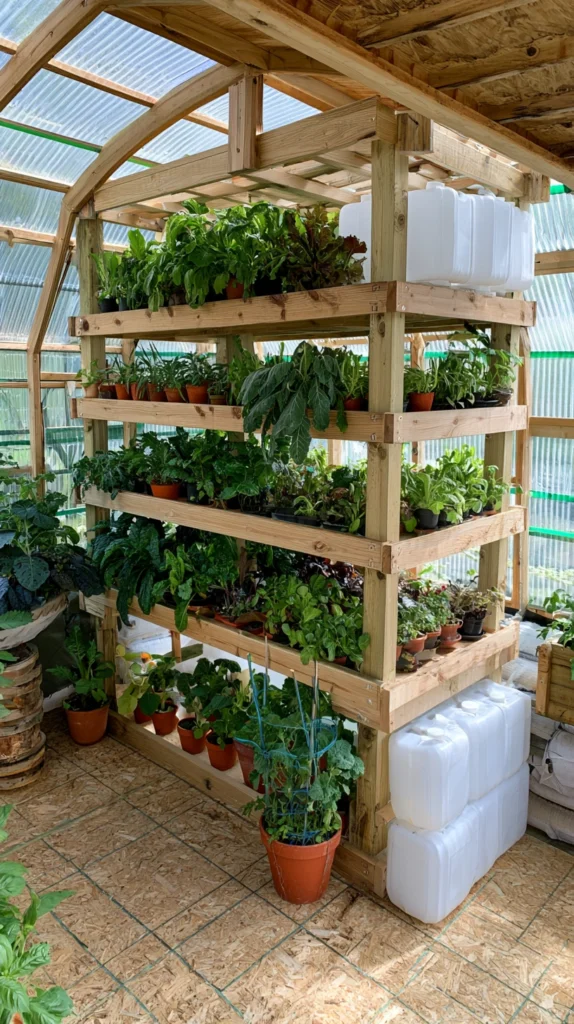
Tiered shelving or vertical growing towers, used to multiply the usable growing surface within the greenhouse’s fixed floor area — the system that lets a smaller structure produce closer to what a larger one could.
Why vertical space matters more in a greenhouse than in an outdoor garden
- The fixed-footprint reality: unlike an outdoor garden, which can often simply expand into more ground, a greenhouse’s footprint is fixed once built, making vertical space the only real path to more total growing capacity
- The light-stratification opportunity it creates: different shelf heights receive different light intensities throughout the day, allowing shade-tolerant and sun-loving plants to be positioned at the height each prefers within the same structure
- The crop diversification it enables: vertical systems allow a wider variety of crops to be grown simultaneously, since not every plant needs to compete for the same ground-level bed space
The options
- Tiered wire or wood shelving, for seed trays, potted herbs, and smaller crops
- A vertical hydroponic tower, for leafy greens grown without soil, particularly space-efficient for winter growing under supplemental light
- Hanging baskets suspended from the structure’s roof framework, adding a growing layer above the shelving and beds entirely
- A wall-mounted pocket planter system, for herbs or smaller plants along an otherwise underused vertical wall surface
The practical execution
- Position the tallest shelving or towers where they won’t cast significant shade over lower beds that need direct light
- Choose shelving materials rated for a consistently humid environment, since wood shelving in particular needs a sealed or weather-resistant finish to hold up long-term
- Balance vertical growing density against airflow, since overly packed shelving can create stagnant, humid pockets that increase disease risk
Cost breakdown
- Tiered wire shelving unit: $50–120
- Vertical hydroponic tower: $150–400
- Hanging basket hardware: $20–50
- Total: $50–400, depending on the system chosen
13. The Thermal Mass Water Barrels (Passive Temperature Regulation Without Running a Single Watt)
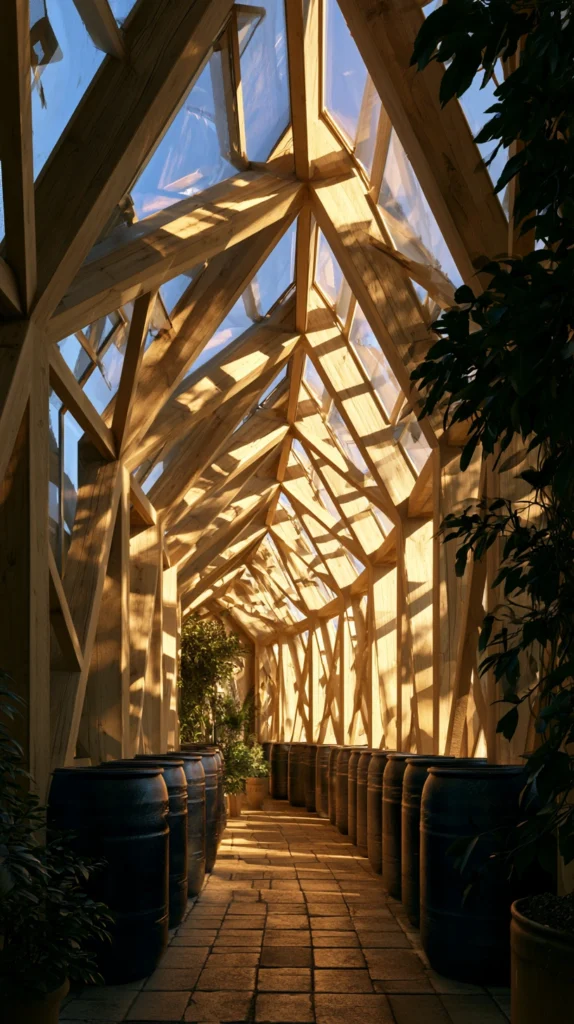
Dark-colored water barrels or tanks, placed inside the greenhouse to absorb heat during the day and release it slowly overnight — the passive heating supplement that reduces reliance on active heating equipment without using any electricity or fuel.
Why thermal mass works alongside active heating rather than replacing it
- The free, passive heat storage it provides: water absorbs and holds significantly more heat than air, and dark-colored containers absorb daytime solar heat efficiently, releasing it gradually as the greenhouse cools overnight
- The reduced active heating cost: a greenhouse with adequate thermal mass requires less supplemental heat to maintain a stable overnight temperature, directly reducing the energy costs from Idea #5’s heating system
- The dual-purpose function some setups provide: water barrels used for thermal mass can sometimes also serve as part of the rainwater storage system from Idea #10, combining two functions in one piece of equipment
The options
- Dark-colored plastic or metal water barrels, the most common and lowest-cost thermal mass option
- A row of barrels along the greenhouse’s north wall, positioned to absorb maximum sun exposure throughout the day
- A larger water tank, providing proportionally more thermal mass for a bigger structure
- Painted or wrapped barrels in black or another dark, heat-absorbing color, maximizing the heat absorption of whatever container is used
The practical execution
- Position barrels where they receive direct sun for as much of the day as possible, typically along the sunniest interior wall
- Use enough total water volume relative to the greenhouse’s size, since an undersized thermal mass provides only a marginal benefit
- Combine with, rather than substitute for, active heating in colder climates, since thermal mass alone is rarely sufficient to maintain safe temperatures through the coldest nights of winter
Cost breakdown
- Water barrels, each: $15–40
- A row of 4–6 barrels: $60–240
- Total: $60–240
14. The Automated Drip Irrigation System (Consistent Watering Without Daily Manual Effort)
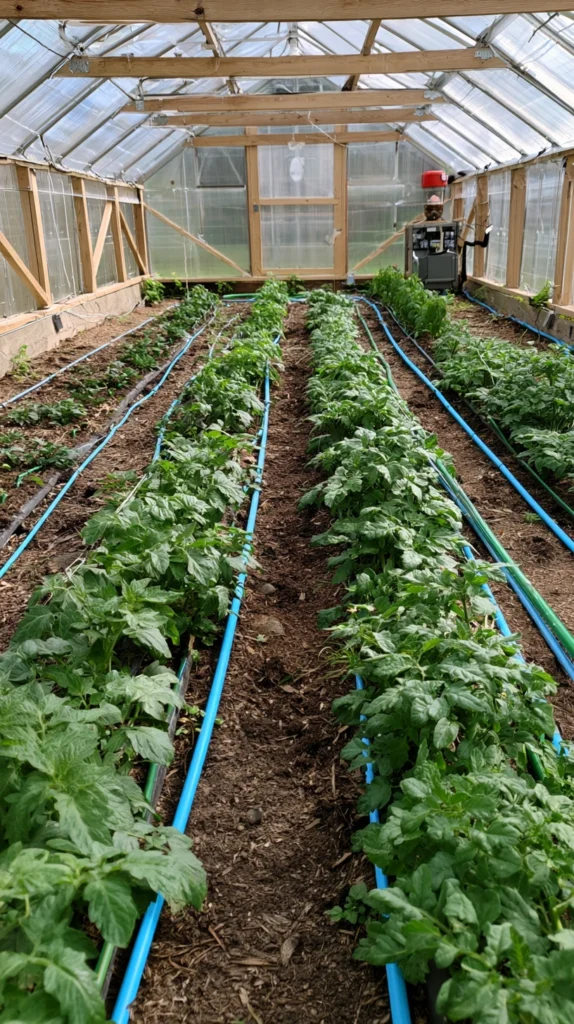
A drip irrigation system on a timer, delivering water directly to each bed or container — the system that keeps watering consistent through every season, including the months when manually tending the greenhouse daily is least appealing.
Why automated watering matters more in a year-round structure than a seasonal one
- The consistency a year-round structure demands: a greenhouse in active production through every month needs reliable watering year-round, including stretches when daily visits become harder to maintain, like the coldest weeks of winter
- The water-use efficiency it provides over manual watering: drip irrigation delivers water directly to the root zone with minimal evaporation loss, more efficient than overhead watering in an already humid, enclosed structure
- The disease-prevention benefit: drip irrigation keeps foliage dry, reducing the fungal and mold issues that overhead watering can encourage in a consistently humid greenhouse environment
The options
- A basic drip line kit with a timer, connected directly to an outdoor spigot or the rainwater system from Idea #10
- A zoned system, with separate timed lines for beds with different watering needs
- A soil moisture sensor paired with the timer, watering based on actual soil conditions rather than a fixed schedule alone
- A battery-powered timer, for greenhouses without a convenient electrical outlet near the water source
The practical execution
- Map out the greenhouse’s actual bed and container layout before purchasing a kit, since drip systems are most efficient when planned for the specific layout rather than retrofitted loosely afterward
- Set watering schedules seasonally, since plants need considerably less water during slower winter growth than during peak summer production
- Check emitters periodically for clogging, particularly if using rainwater, which can carry more sediment than a filtered municipal supply
Cost breakdown
- Basic drip irrigation kit with timer: $40–100
- A zoned system for a larger greenhouse: $100–250
- Total: $40–250
15. The Pest and Disease Management System (Screening, Beneficial Insects, and Sanitation)
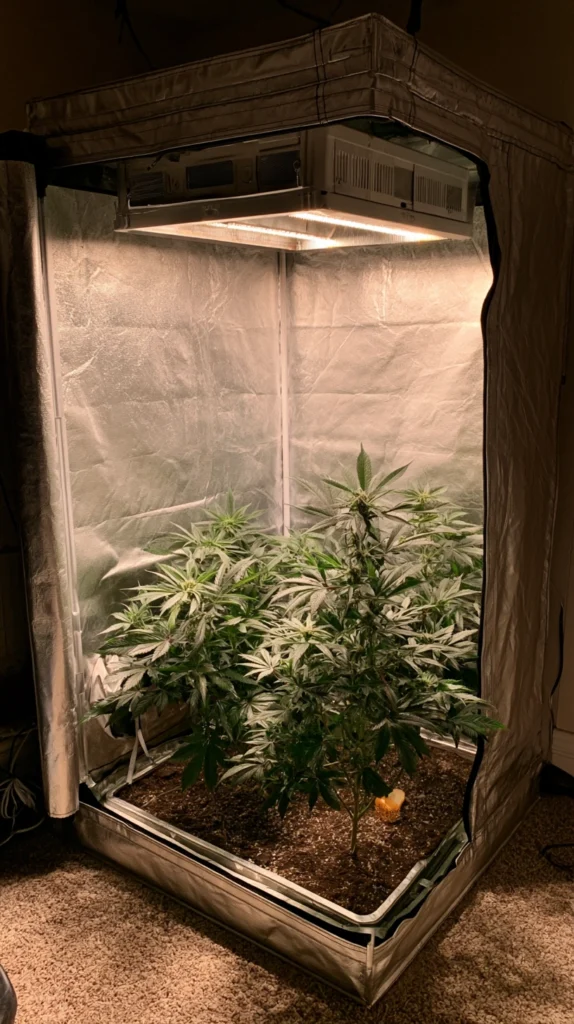
Screened vents, a stock of beneficial insects, and a consistent sanitation routine — the system that prevents an enclosed, year-round growing environment from becoming an equally enclosed, year-round pest and disease problem.
Why pest management is more urgent in a greenhouse than in an outdoor garden
- The enclosed-environment risk it addresses directly: a greenhouse’s consistent warmth and humidity, the same conditions that make winter growing possible, also make it an ideal environment for many common pests and fungal diseases to thrive unchecked
- The absence of natural predator balance: an outdoor garden has a natural ecosystem of predator insects keeping pest populations in check; an enclosed greenhouse doesn’t, unless that balance is deliberately introduced
- The compounding risk over a full year of use: a pest or disease issue that might resolve on its own outdoors, given a change in weather, can persist and worsen indefinitely in a stable, enclosed greenhouse environment without active management
The options
- Insect screening on all vents and openings, preventing larger pests from entering while still allowing airflow
- Beneficial insects, such as ladybugs or predatory mites, introduced deliberately to control common greenhouse pests like aphids and spider mites
- Sticky traps, hung throughout the structure for both monitoring and reducing flying pest populations
- A regular sanitation routine, including removing dead plant material promptly and cleaning surfaces between growing cycles
The practical execution
- Install fine mesh screening on every vent and opening during construction or as a retrofit, since pests can enter through surprisingly small gaps once the structure is otherwise sealed
- Introduce beneficial insects proactively, before a pest population becomes established, rather than as a reactive measure after an infestation is already visible
- Inspect plants regularly, ideally during the same visit as watering, so problems are caught early rather than after they’ve spread through the whole structure
Cost breakdown
- Insect screening, materials for vents and openings: $30–70
- Beneficial insects, per application: $15–40
- Sticky traps, a pack: $10–20
- Total: $55–130 for an initial setup, with beneficial insects often needing periodic reapplication
The screened vent quietly doing its job at the edge of the structure: the least visible system on this entire list, and the one most responsible for whether everything else on it actually survives the year.
The Year-Round Greenhouse Roadmap
The work, sequenced:
Phase One (the structure):
- The attached lean-to greenhouse (#1) or the freestanding polycarbonate greenhouse (#2) or the geodesic dome greenhouse (#3) — choose one
- The insulation upgrade (#8)
Phase Two (the climate control systems):
- The supplemental heating system (#5)
- The ventilation and cooling system (#6)
- The shade cloth system (#7)
- The supplemental grow light system (#9)
Phase Three (the growing infrastructure):
- The raised bed interior layout (#4)
- The vertical growing and shelving system (#12)
- The automated drip irrigation system (#14)
- The thermal mass water barrels (#13)
Phase Four (the supporting systems):
- The rainwater collection system (#10)
- The potting bench and workstation (#11)
- The pest and disease management system (#15)
Getting Started This Weekend
The immediate-impact greenhouse upgrade:
One weekend, three changes, for an already-built greenhouse:
- Apply bubble insulation to the least-sunny panels (Idea #8)
- Add a row of dark water barrels along the sunniest wall (Idea #13)
- Install screening on any open vents (Idea #15)
Total cost: $145–340. Time: an afternoon. The structure will hold temperature more consistently by the very next cold night, without a single new piece of equipment plugged in.
The structural investment (the next big project):
The supplemental heating system (Idea #5) is the single most important investment for anyone serious about genuine year-round production. Once reliable heat is in place, every other system on this list — the lighting, the irrigation, the raised beds — has a stable environment to actually work within, rather than fighting uncontrolled winter temperature swings on top of everything else.
What a true year-round greenhouse provides that a seasonal one can’t:
The production that doesn’t stop when the outdoor garden does:
- A heating system keeping growth active through the coldest months of the year
- Supplemental lighting replacing what winter’s short days take away
- A structure producing twelve months of return rather than four or five
The stability that protects everything growing inside it:
- Ventilation preventing the overheating a well-insulated structure can otherwise cause on a sunny winter day
- Thermal mass smoothing out the temperature swings active heating alone has to work harder to manage
- Screening and beneficial insects keeping a controlled environment from becoming an uncontrolled pest problem
The efficiency that makes a fixed footprint produce more than it should be able to:
- Vertical shelving multiplying usable growing space within the same four walls
- Drip irrigation keeping every bed watered consistently without a daily manual routine
- A potting bench making the actual maintenance work sustainable through every season, not just the easy ones
A greenhouse left dormant from October to March was never actually finished, just temporarily abandoned for the hardest months of the year. The systems that make winter growing possible aren’t an upgrade to a summer structure; they’re the difference between a greenhouse and a slightly warmer garden shed.
The heater running quietly through the coldest night of the year is doing the same essential job the watering system did in July. The greenhouse that’s still producing in February is the one that was actually built for all twelve months, not just the easy ones.