15 Chic Garden Concepts to Elevate Your Outdoor Space
There is a particular pleasure that comes from stepping into a garden that has been thoughtfully designed. Not necessarily a grand estate garden with manicured topiary and marble fountains, but any outdoor space — however modest — where someone has made deliberate, considered choices about what grows, what sits, what flows, and what breathes.
A well-conceived garden does not happen by accident. It is the result of intention: a clear aesthetic vision applied with patience, curiosity, and a genuine love of the outdoors.
Garden design has evolved considerably in recent years. The old model — lawn in the centre, borders around the edge, a shed in the corner — has given way to something far more interesting.
Today’s most inspiring gardens borrow from landscape architecture, interior design, and environmental thinking in equal measure. They treat the outdoor space not as an afterthought to the home but as a continuation of it — another room, with its own atmosphere, its own furniture, its own sense of purpose.
Here are 15 chic garden concepts to inspire your next outdoor transformation, whatever your space, your climate, or your level of horticultural experience.
1. The Courtyard Garden
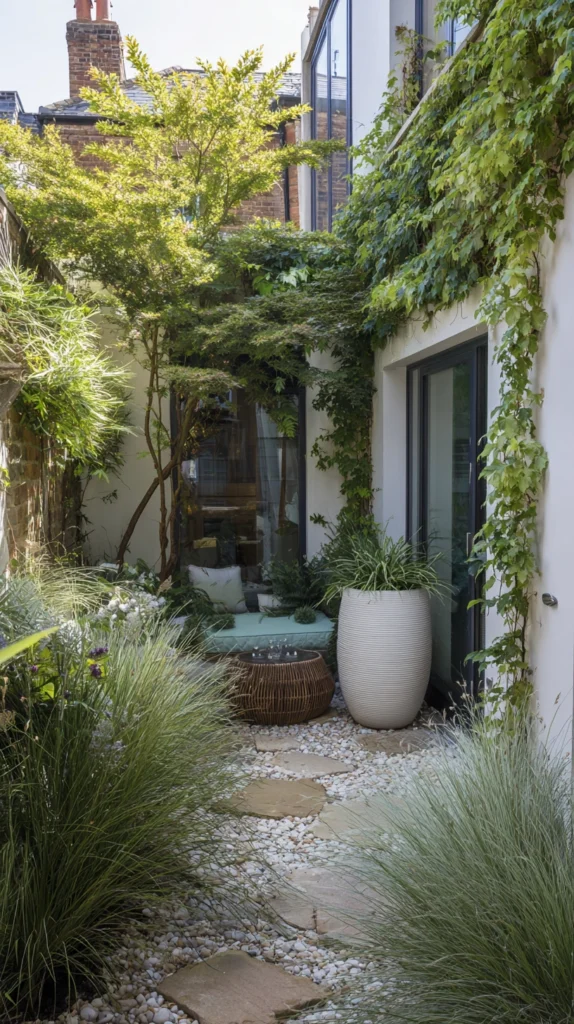
Courtyard gardens — enclosed, intimate, and architecturally defined — are among the most satisfying outdoor spaces to design. Bounded by walls or fencing on all sides, they create a sense of seclusion and shelter that larger, more open gardens often lack.
The key to a successful courtyard garden is verticality: climbing plants trained up the walls, tall grasses in oversized pots, and layered planting that draws the eye upward. Add a central water feature and a single statement tree, and the courtyard becomes a place of genuine calm.
2. The Gravel Garden
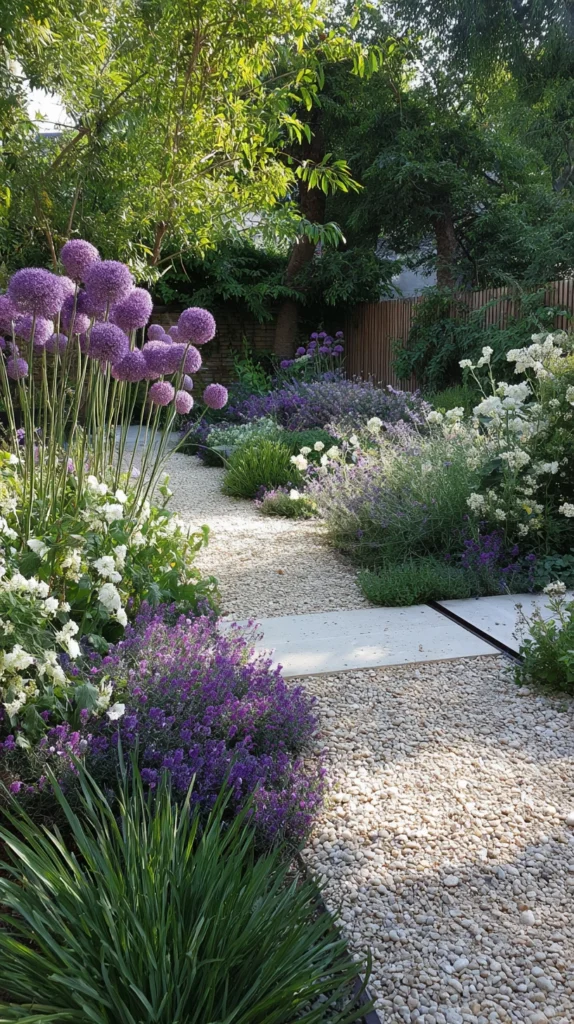
Gravel gardens are having a well-deserved moment, and it is not difficult to understand why. They are low-maintenance, extraordinarily beautiful, and deeply adaptable to a wide range of planting styles.
A well-designed gravel garden uses the stone not as a background but as a design element in its own right — raked into patterns, contrasted against dark steel edging, and planted through with architectural species such as lavender, salvia, and ornamental alliums. The result is something between a Mediterranean terrace and a contemporary landscape installation.
3. The Walled Kitchen Garden
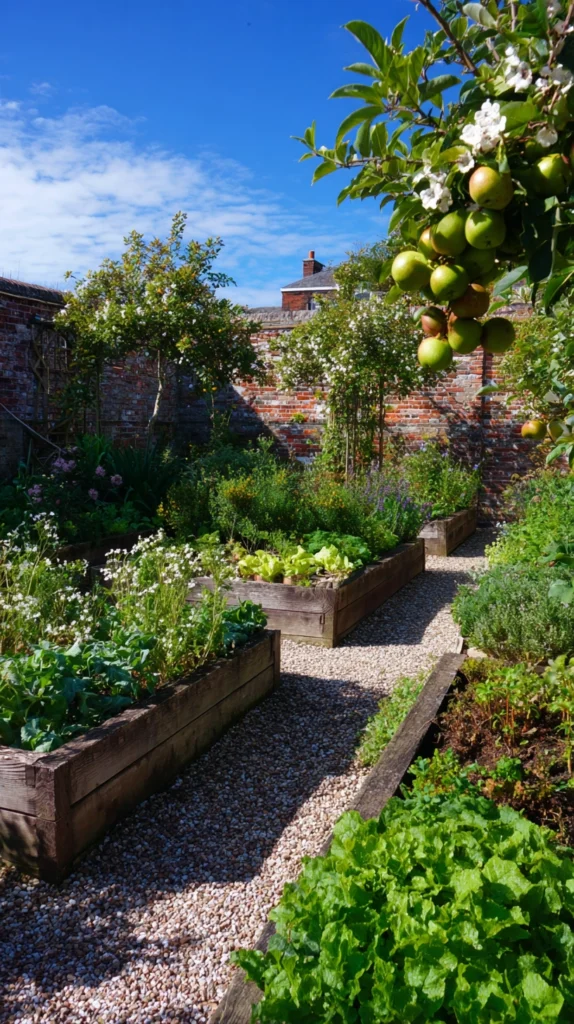
The kitchen garden — a dedicated space for growing vegetables, herbs, and fruit — is one of the oldest garden traditions in existence, and one of the most rewarding to revive.
A walled kitchen garden, with its raised timber beds arranged in a formal grid, espaliered fruit trees against warm brick walls, and gravel paths dividing the productive from the ornamental, is a thing of considerable beauty. It is also profoundly practical. Few things connect you to the rhythm of the seasons quite as effectively as growing your own food.
4. The Japanese-Inspired Garden
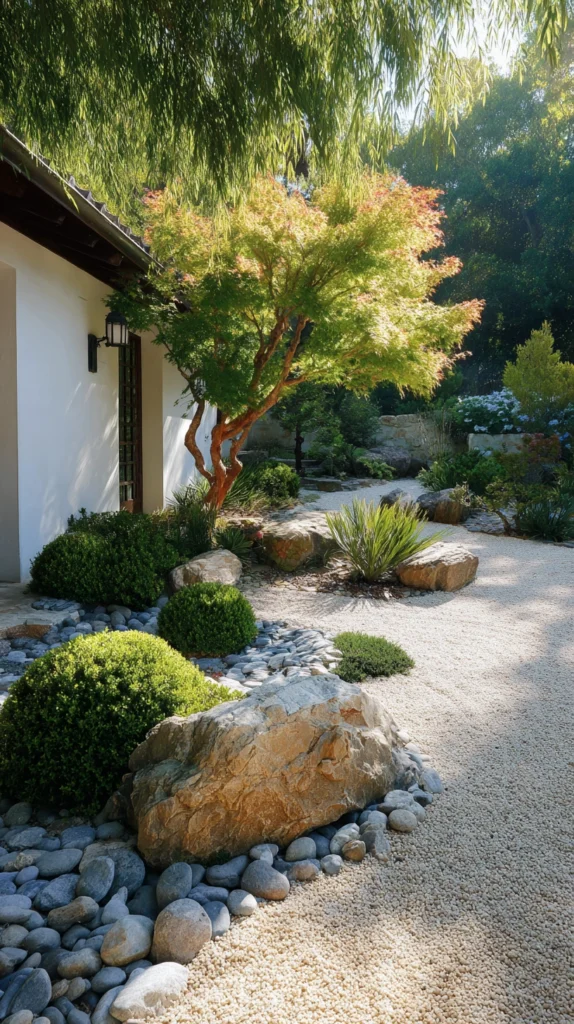
Japanese garden design operates according to a set of principles — balance, restraint, symbolism, and the careful orchestration of natural materials — that produce spaces of extraordinary serenity.
A Japanese-inspired garden does not require authenticity so much as sensitivity: raked gravel or decomposed granite suggesting water, carefully placed rocks of varying scale, clipped azaleas or cloud-pruned box creating organic sculptural form, and a single maple providing seasonal colour and movement. The philosophy is one of profound editing — of removing everything that does not need to be there.
5. The Wildflower Meadow
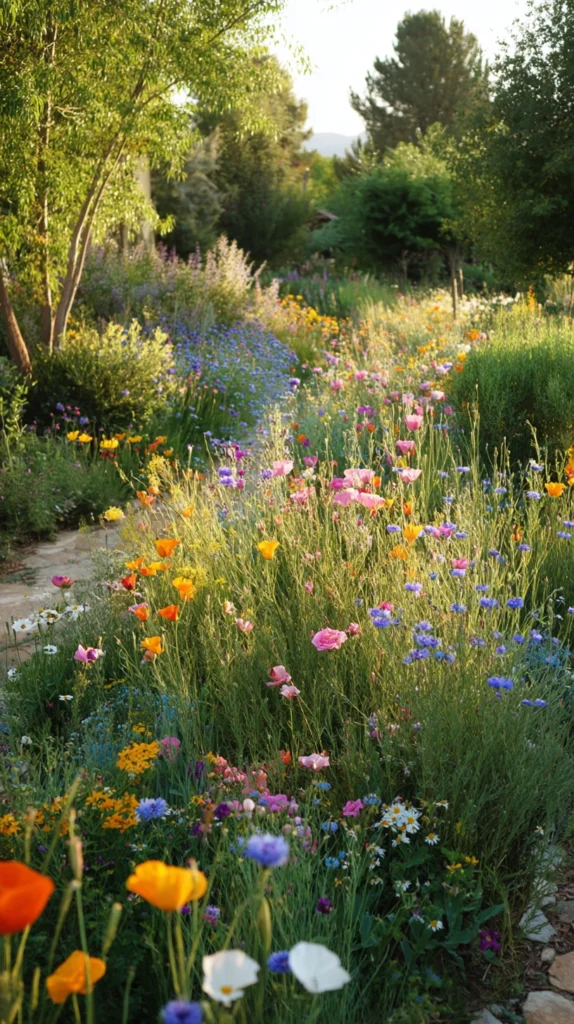
Against the backdrop of increasing environmental awareness, the wildflower meadow has emerged as one of the most significant garden concepts of recent years.
Replacing a conventional lawn with a meadow of native wildflowers — cornflowers, poppies, ox-eye daisies, wild scabious — creates a garden that is not only breathtakingly beautiful but actively beneficial to local pollinators and wildlife.
The meadow requires mowing just once or twice a year, making it one of the lowest-maintenance garden concepts available, and one of the most visually dynamic as it shifts through the seasons.
6. The Outdoor Room
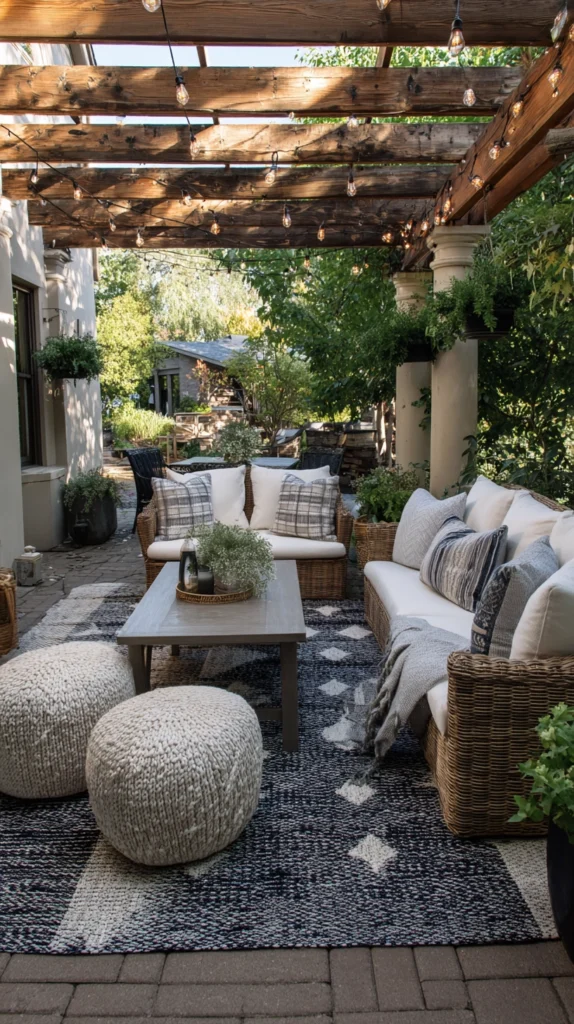
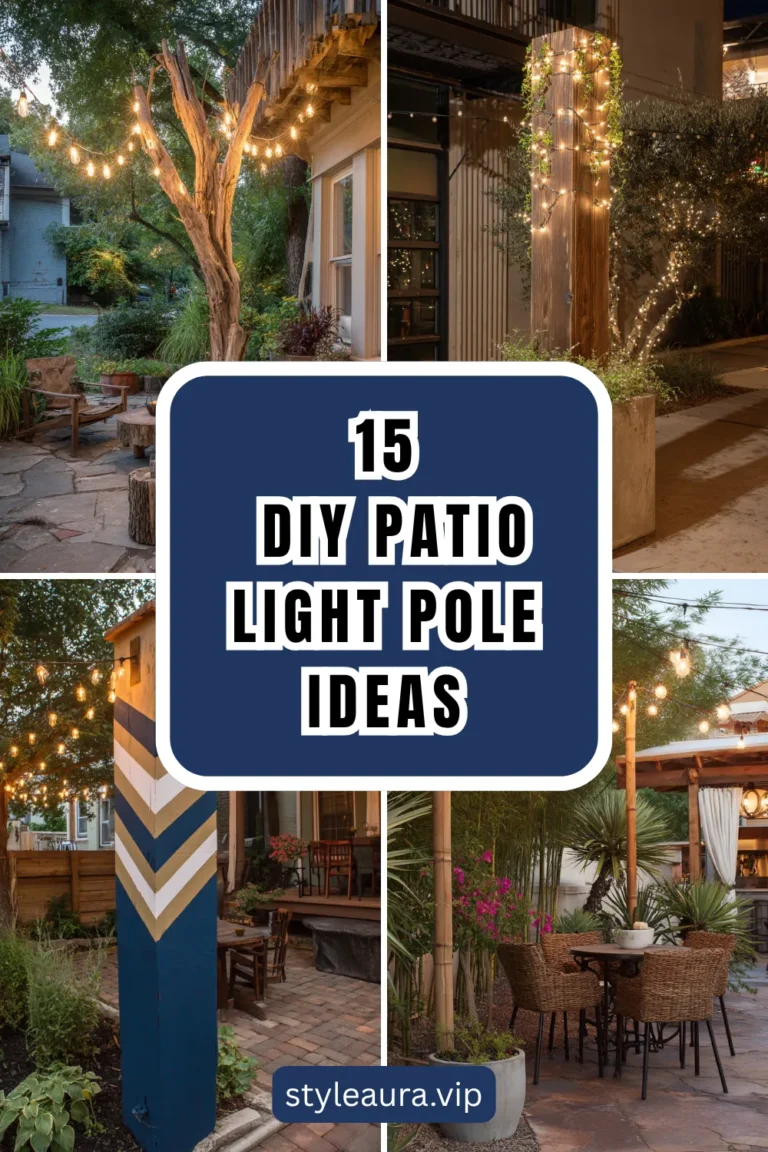
The outdoor room concept treats the garden as a literal extension of the home’s interior — a fully furnished, properly considered living space that happens to be open to the sky. This means investing in quality outdoor furniture, proper weatherproof rugs, pendant lighting strung between trees or beneath a pergola, and cushions and throws designed for outdoor use.
It means thinking about the space in terms of zones: a dining area, a lounge area, perhaps a reading corner. The outdoor room blurs the boundary between inside and outside in the most effortlessly elegant way.
7. The Tropical Garden
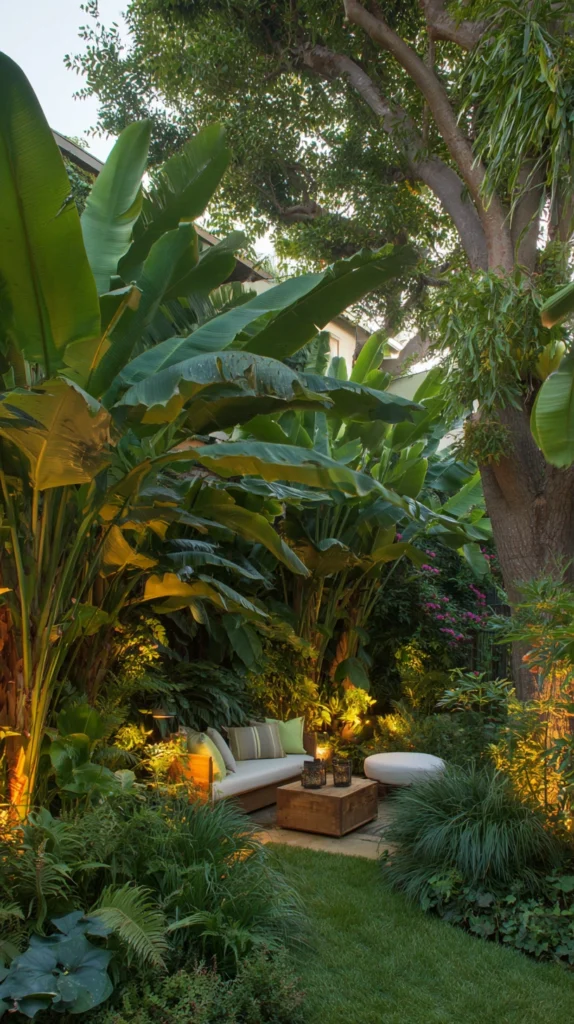
For gardens in warmer climates — or for those willing to protect tender plants through cooler months — the tropical garden offers a level of lushness and drama that is difficult to achieve by any other means.
Large-leafed cannas, gingers, bananas, and tree ferns create an immersive, jungle-like density that makes even a small urban garden feel like an entirely different world. Layer the planting from ground level to canopy, add lighting among the foliage for evening atmosphere, and the effect is genuinely transportive.
8. The Monochromatic Planting Scheme
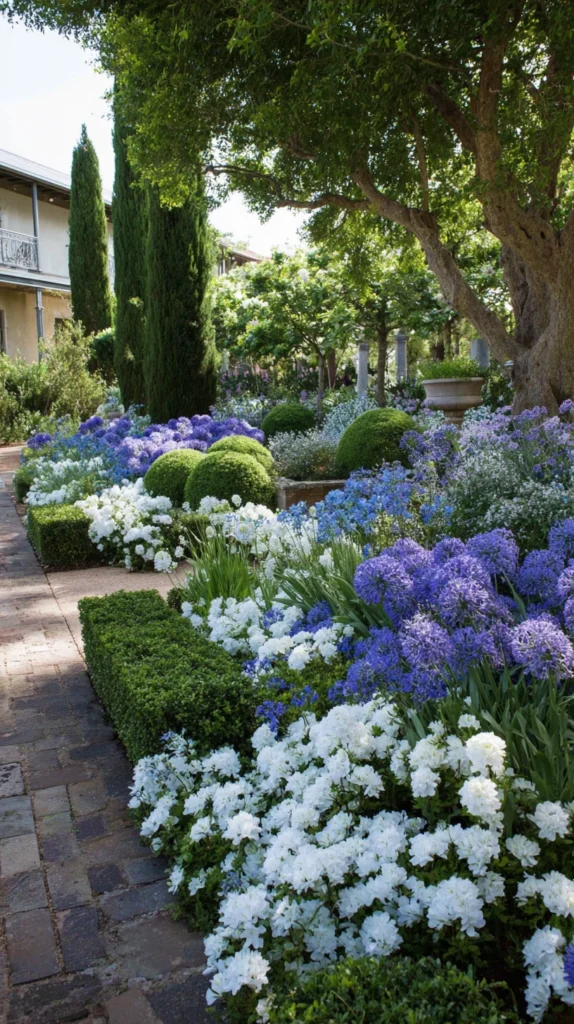
Choosing a single colour and committing to it throughout the garden is a design move that requires confidence but delivers remarkable results. An all-white garden — in the tradition of Vita Sackville-West’s famous White Garden at Sissinghurst — feels luminous and ethereal, particularly in the evening light.
An all-blue garden, planted with agapanthus, delphiniums, salvia, and nepeta, has a calming, meditative quality unlike any other colour combination. The discipline of working within a single palette forces a level of considered planting design that multi-coloured gardens rarely achieve.
9. The Rooftop Garden
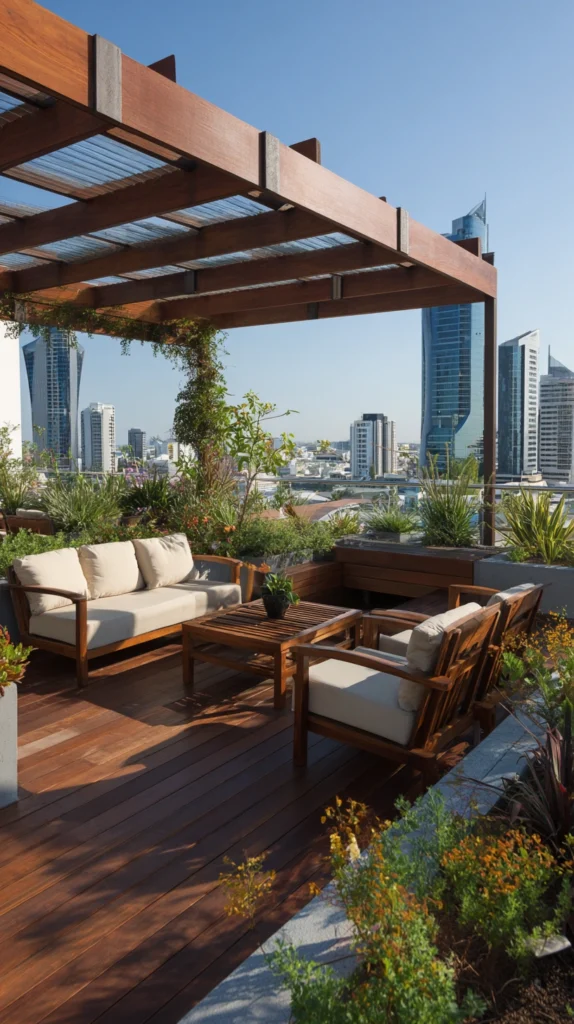
Urban living has generated one of the most creative garden typologies of the modern era: the rooftop garden.
Elevated above the city, exposed to wind and light in equal measure, the rooftop garden requires specific design thinking — lightweight growing media, wind-tolerant planting, robust furniture anchored against gusts — but offers rewards that ground-level gardens simply cannot match: panoramic views, extraordinary light, and a sense of being genuinely above the world.
Design it with raised planters, timber decking, and a pergola for shade, and the rooftop becomes the best room in the building.
10. The Sunken Garden
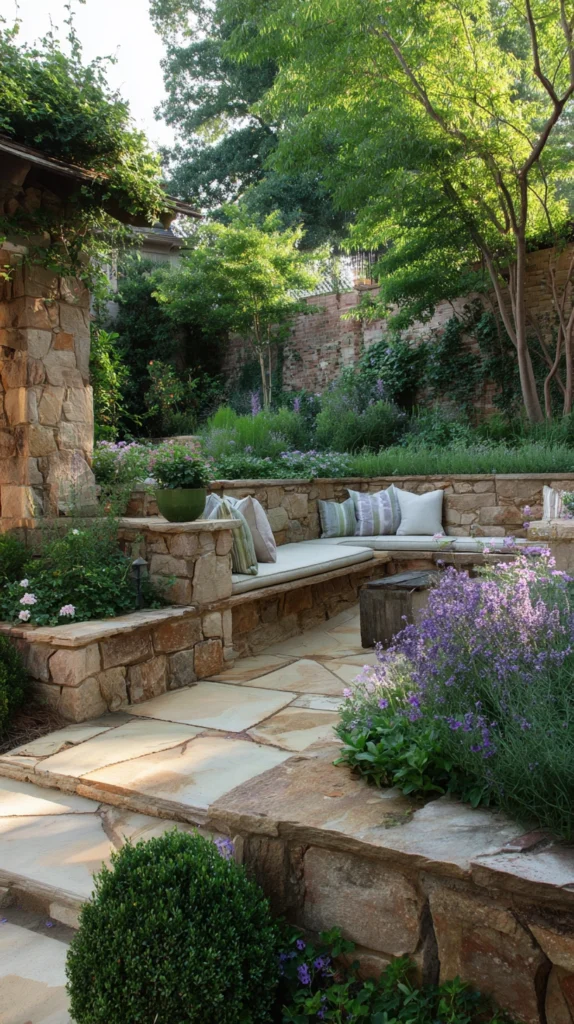
A sunken garden — one where the planting area sits below the level of the surrounding terrace or lawn — creates a sense of discovery and enclosure that is architecturally compelling. The visitor descends into the garden rather than walking across it, and the shift in level immediately changes the quality of the experience.
Sunken gardens work particularly well in formal designs, where geometric beds and clipped hedging reinforce the architectural intention of the space. They also offer excellent shelter from wind, creating a surprisingly warm microclimate that extends the growing season.
11. The Sculpture Garden
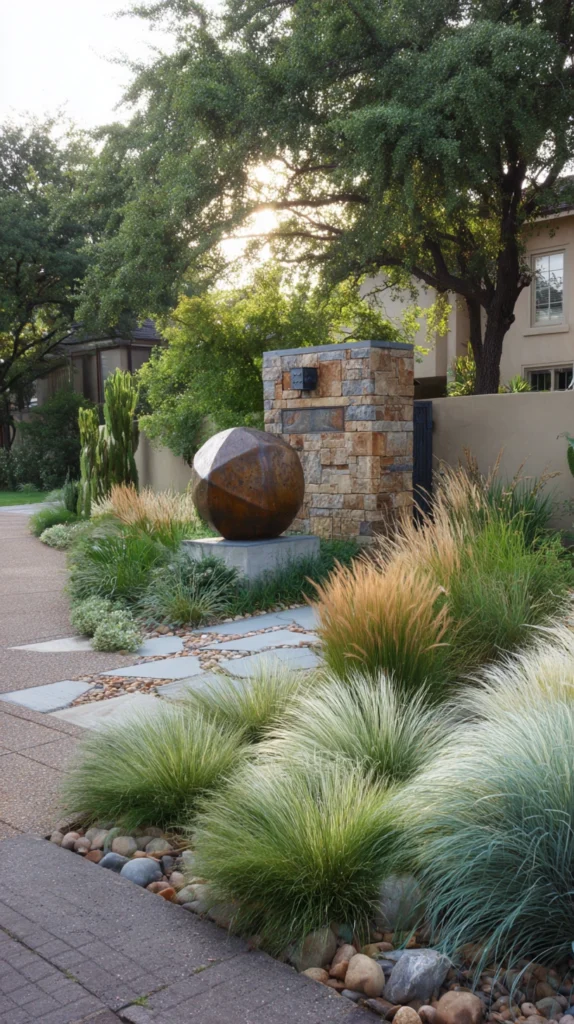
Art and horticulture have a long and productive relationship, and the sculpture garden — where carefully chosen artworks are positioned among the planting as deliberate, considered focal points — is one of the most rewarding expressions of that relationship. A sculpture need not be large or expensive to be effective.
A single ceramic vessel, a hand-carved stone sphere, or a rusted steel abstract form positioned at the end of a path or emerging from a bed of grasses creates a moment of pause and meaning that no plant alone can manufacture.
12. The Edible Landscape
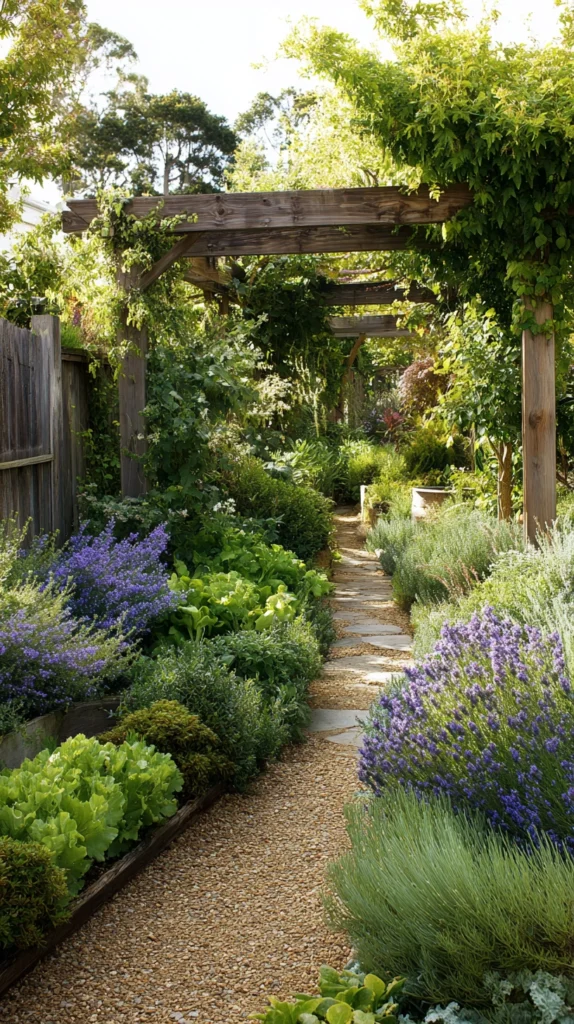
The edible landscape takes the principles of the kitchen garden and applies them to the entire outdoor space — dissolving the traditional distinction between ornamental and productive planting. Blueberry bushes replace box hedging.
Climbing beans are trained up obelisks where roses once grew. Raised herb beds double as fragrant borders along the path. The result is a garden that is beautiful in the conventional sense while simultaneously yielding something to eat — a profoundly satisfying combination that makes every visit to the garden purposeful.
13. The Naturalistic Perennial Garden
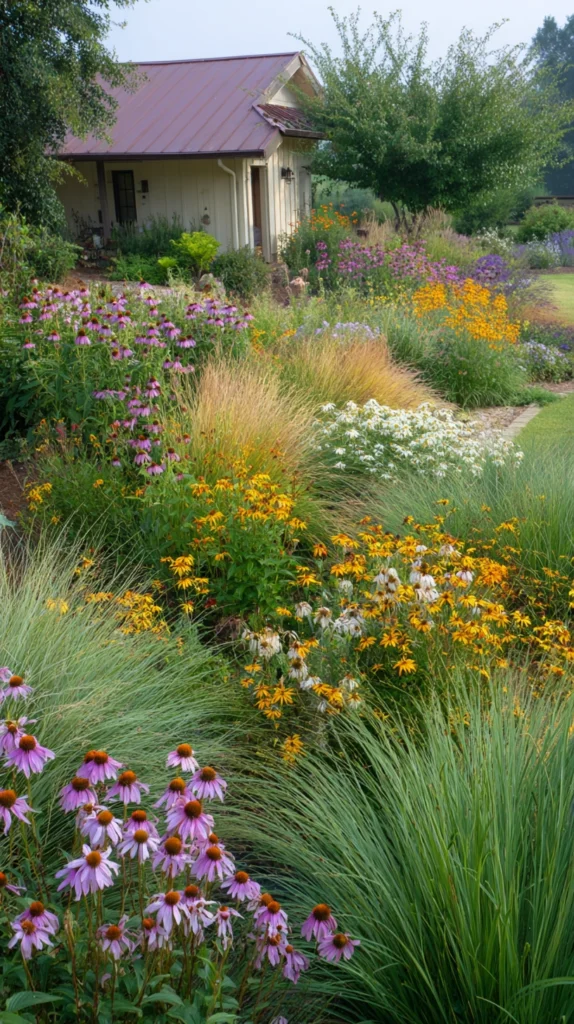
Inspired by the influential work of designers such as Piet Oudolf, the naturalistic perennial garden embraces the full lifecycle of plants — including their winter skeletons — as a source of beauty. Dense, layered plantings of grasses, echinacea, rudbeckia, persicaria, and fennel create a garden that moves with the wind, changes with the seasons, and looks completely different in January than it does in July.
This style of gardening requires a shift in perspective — an acceptance that brown seed heads and collapsed stems are not failures but features — but rewards that shift with a garden of extraordinary depth and authenticity.
14. The Potager Garden
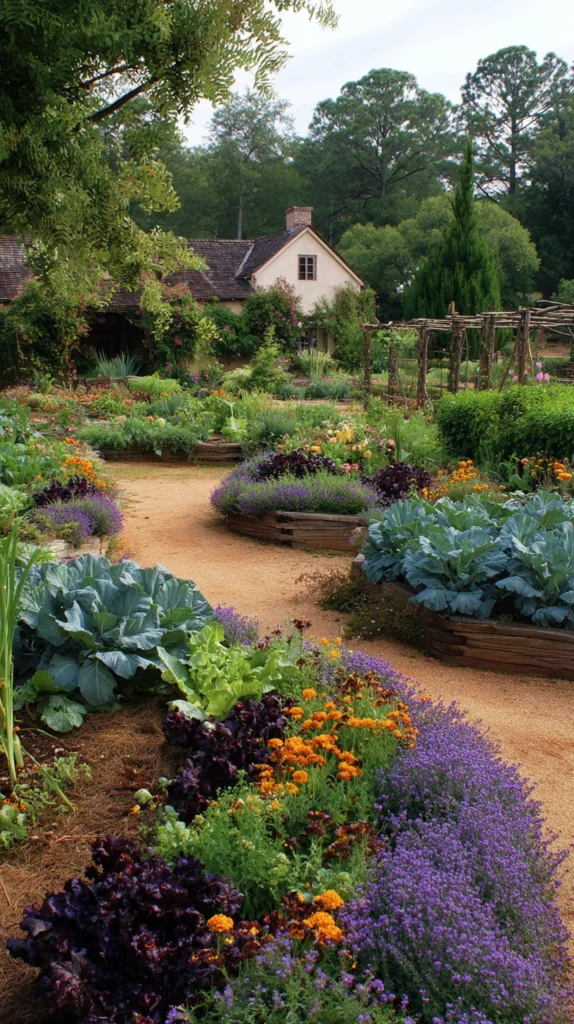
The potager is the French tradition of the ornamental kitchen garden — a space where productive planting is arranged with as much attention to visual composition as to agricultural logic.
Vegetables are chosen partly for their decorative qualities: purple kale for its architectural form, rainbow chard for its vivid stems, climbing nasturtiums for their sprawling warmth of colour. Paths are edged with low lavender or box, and the whole is enclosed within a simple timber or iron fence. The potager is the garden that proves, definitively, that utility and beauty are not opposing forces.
15. The Zen Minimalist Garden
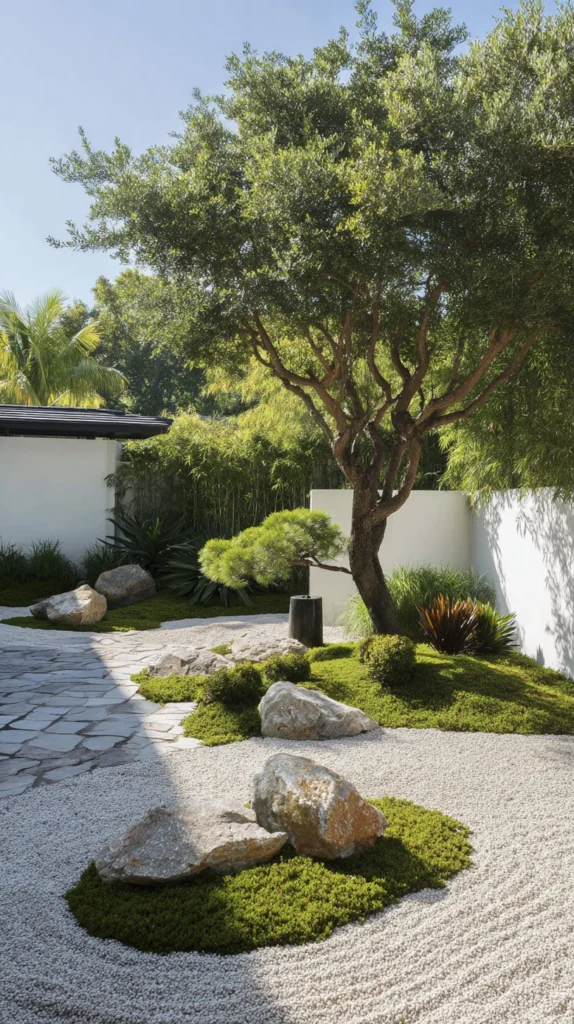
Where the wildflower meadow embraces abundance and the tropical garden celebrates excess, the zen minimalist garden operates at the opposite extreme — and is no less beautiful for it.
Bare gravel, one or two carefully selected stones, a single specimen tree, and perhaps a low cushion of moss: these are the ingredients of a garden that asks nothing of you except that you slow down and pay attention. In an age of overstimulation, the minimalist garden offers something genuinely precious — silence, stillness, and the profound satisfaction of space that has been reduced to its absolute essence.
Final Thoughts
The best gardens are not the most elaborate or the most expensive — they are the most honest. They reflect the personality of the people who made them, respond to the character of the landscape around them, and change gracefully with the passing of the seasons.
Whether you are drawn to the productive satisfaction of a kitchen garden, the meditative calm of a gravel courtyard, or the painterly drama of a wildflower meadow, the most important first step is always the same: decide what you want your garden to make you feel, and let that feeling guide every decision that follows.
The garden, like all great designs, begins not with plants or paving or furniture, but with a clear and considered vision of the life you want to live within it.