13 Sensory Room Ideas for Adults Who Need a Calm Space
Adult sensory rooms represent the ultimate therapeutic environment where intentional sensory design establishes the kind of sanctuary spaces supporting genuine nervous system regulation, stress relief, and psychological recovery essential for authentic wellbeing.
These thoughtfully designed installations prove that sensory support deserves serious design investment, establishing dedicated environments where comprehensive sensory integration, atmospheric calm, and therapeutic design create genuinely transformative spaces enabling daily access to healing practice.
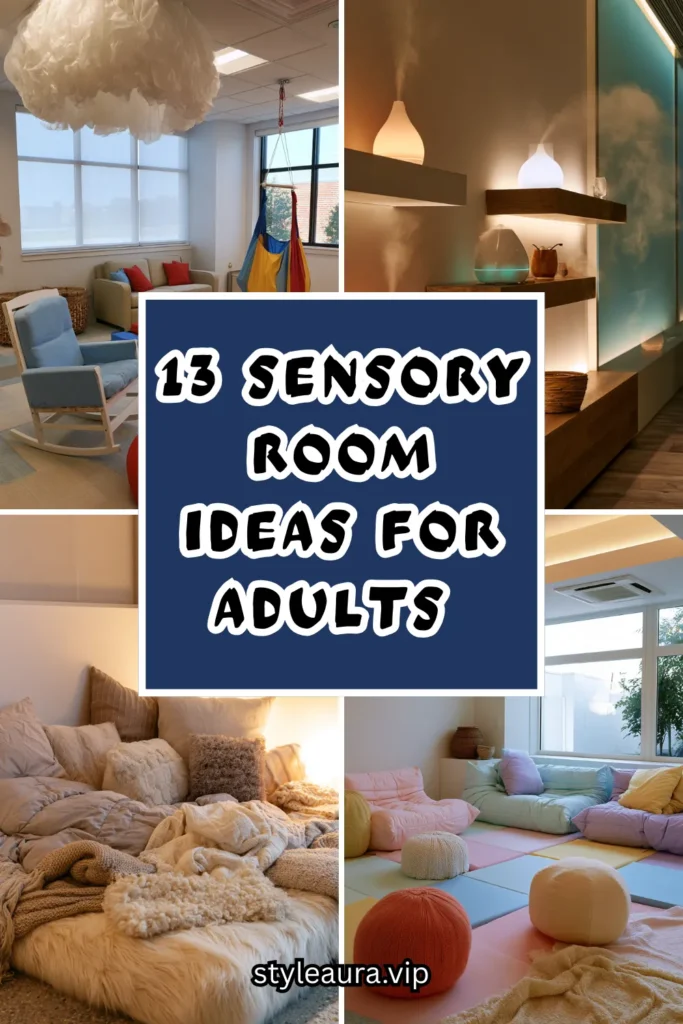
Strategic sensory room design incorporating multisensory elements engaging sight, sound, touch, and smell, controlled stimulation preventing overwhelming excess, and comprehensive integration establishing complete sensory experiences creates the kind of distinctive sanctuary spaces that genuinely support adults navigating stress, anxiety, or sensory sensitivities.
Understanding which sensory elements suit specific needs, how to balance varied stimuli preventing overwhelming excess, and what constitutes authentic sensory design ensures wellness investments deliver lasting health benefits and genuine satisfaction.
These thirteen sensory room ideas demonstrate practical approaches from foundational atmospheric design through comprehensive sensory integration, each proving that thoughtfully designed sensory spaces create the kind of health-supporting sanctuaries worth substantial investment.
1. Soft Ambient Lighting with Color Customization Creating Atmospheric Comfort
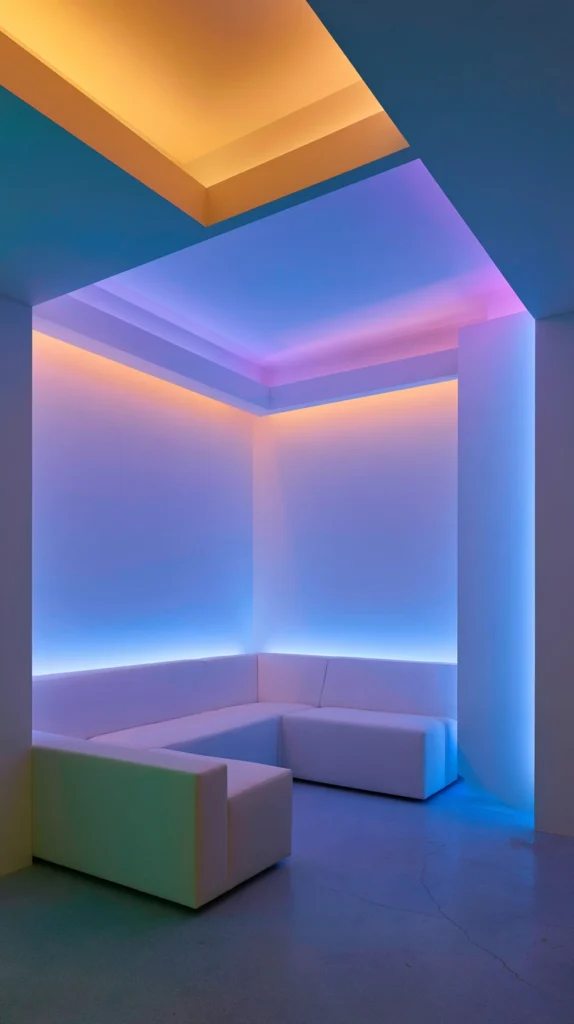
Establish therapeutic illumination through warm, adjustable lighting supporting emotional regulation.
Install dimmers and color-changing LEDs enabling easy customization, select warm color temperatures creating psychological comfort, and position fixtures strategically, creating varied, soothing zones.
- The customizable lighting effortlessly supports shifting emotional needs.
- The warm quality completely prevents harsh, institutional glare.
- The adjustable control enables deep environmental personalization.
- The therapeutic approach supports a fast path to genuine calm.
2. Weighted Blankets and Tactile Elements Creating Physical Grounding

Introduce comforting tactile experiences through quality weighted items supporting nervous system regulation.
Provide substantial weighted blankets or lap pads, add tactile elements with varied textures like faux fur or smooth river stones, and position them invitingly to encourage genuine use.
- The weighted items provide deep, immediate physical grounding.
- The tactile variety supports safe, quiet sensory exploration.
- The comfortable approach encourages extended, relaxing occupation.
- The therapeutic pressure actively supports nervous system regulation.
3. Sound Masking with Nature Soundscapes Creating Auditory Calm
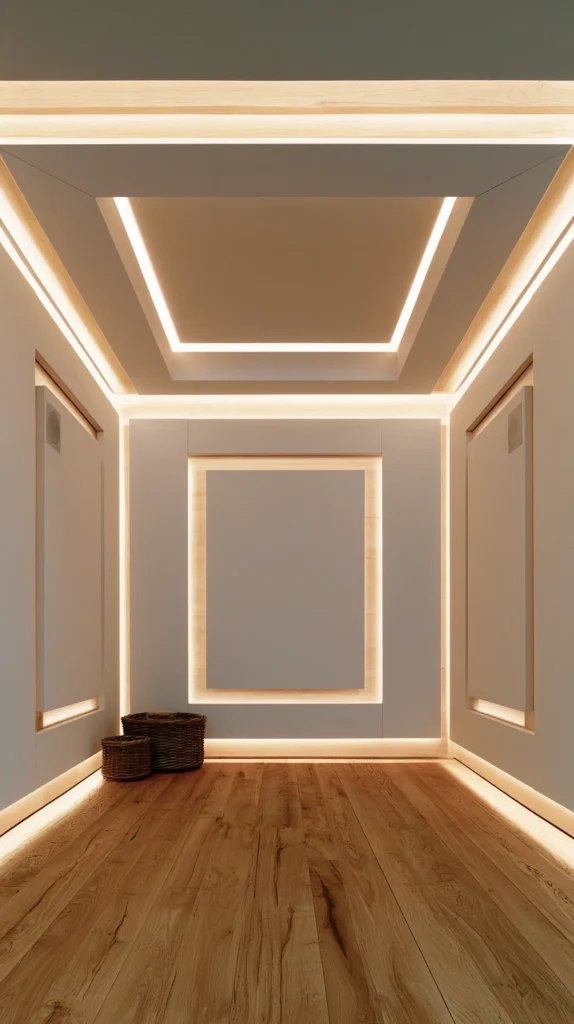
Establish soothing soundscapes through carefully selected audio supporting relaxation and focus.
Install high-quality speakers enabling varied sound options, program running water, rain, or gentle pink noise, and enable precise volume control supporting your immediate preferences.
- The quality audio directly supports mental wellbeing.
- The varied sound profiles easily accommodate specific sensory needs.
- The volume control enables strict personalization.
- The auditory support creates a protective cocoon of calm.
4. Aromatherapy with Therapeutic Scents Creating Olfactory Wellness
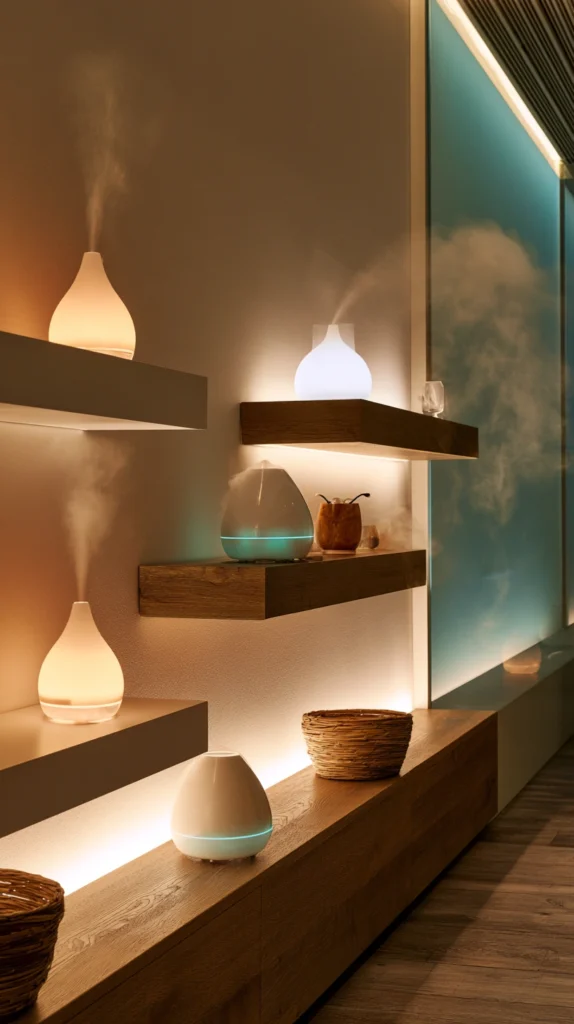
Incorporate fragrance supporting emotional regulation and sensory grounding.
Install low-profile diffusers enabling scent customization, select therapeutic essential oils like bergamot or ylang-ylang supporting specific calming intentions, and appreciate how fragrance completes a multisensory experience.
- The aromatherapy elegantly supports emotional wellness.
- The customizable scents comfortably accommodate personal preferences.
- The olfactory element adds a deep, primitive layer of therapeutic depth.
- The refined addition significantly enhances the room’s grounding experience.
5. Soft Seating Arrangements Creating Comfort Zones
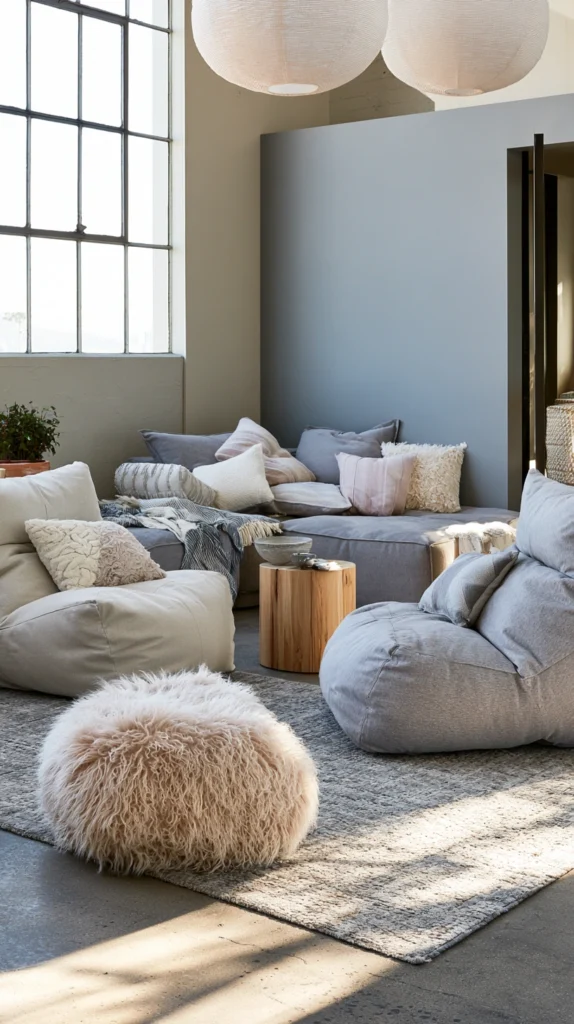
Establish comfortable resting spaces through quality seating supporting extended occupation.
Include substantial, low-profile chairs or bean bags with deep ergonomic support, add plush cushions and blankets for physical comfort, and position them invitingly to encourage decompression.
- The comfortable seating provides genuine, full-body comfort.
- The proper physical support prevents physical muscle strain.
- The inviting arrangement actively encourages actual daily use.
- The thoughtful inclusion supports long-term mental wellbeing.
6. Textured Wall Surfaces Creating Tactile Interest
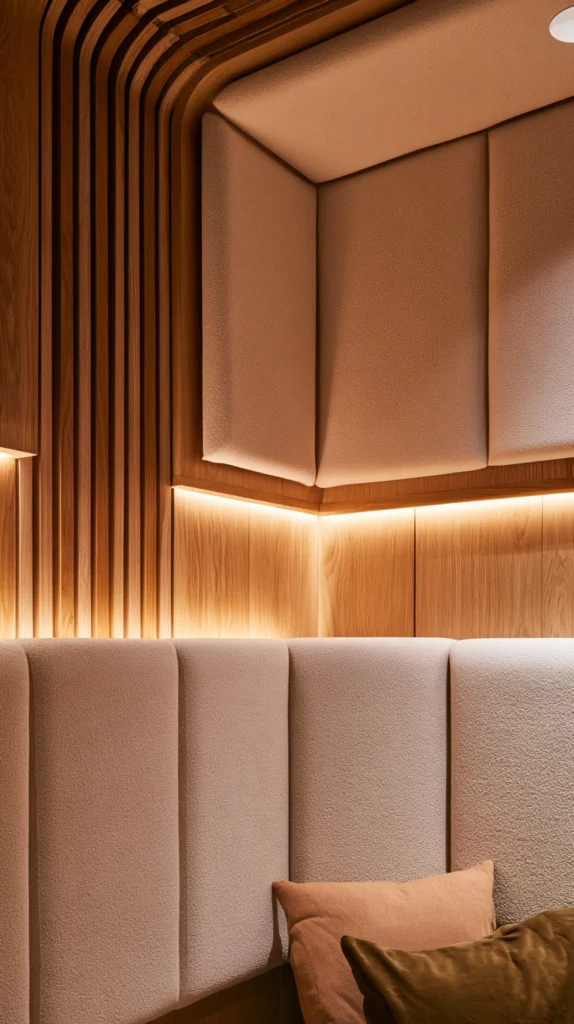
Introduce sensory-rich walls through varied textured finishes engaging the tactile sensation.
Install soft acoustic fabric panels, heavy grasscloth wallpaper, or wooden slat walls enabling gentle tactile exploration, positioning them safely to enable comfortable physical interaction.
- The textured surfaces gently support passive tactile exploration.
- The varied textures create safe, quiet physical engagement.
- The safe positioning enables intuitive, comfortable interaction.
- The sensory richness actively aids in active grounding and regulation.
7. Visual Interest Through Kaleidoscope or Fiber Optic Elements Creating Meditative Focus
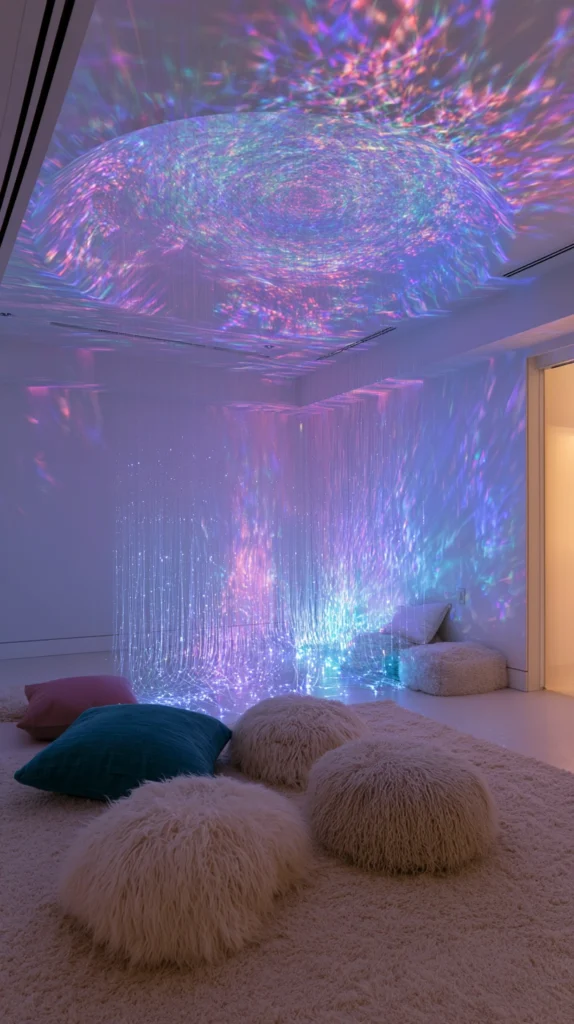
Establish mesmerizing visual elements supporting focused meditation and stress relief.
Install premium fiber optic light strands, incorporate smooth kaleidoscope wall projections, and position them prominently to enable relaxed, open-eyed contemplation.
- The visual elements beautifully support passive meditation.
- The gentle light movement creates rhythmic visual engagement.
- The mesmerizing quality successfully reduces external racing thoughts.
- The sensory element supports deep, passive psychological rest.
8. Temperature Control Creating Physical Comfort
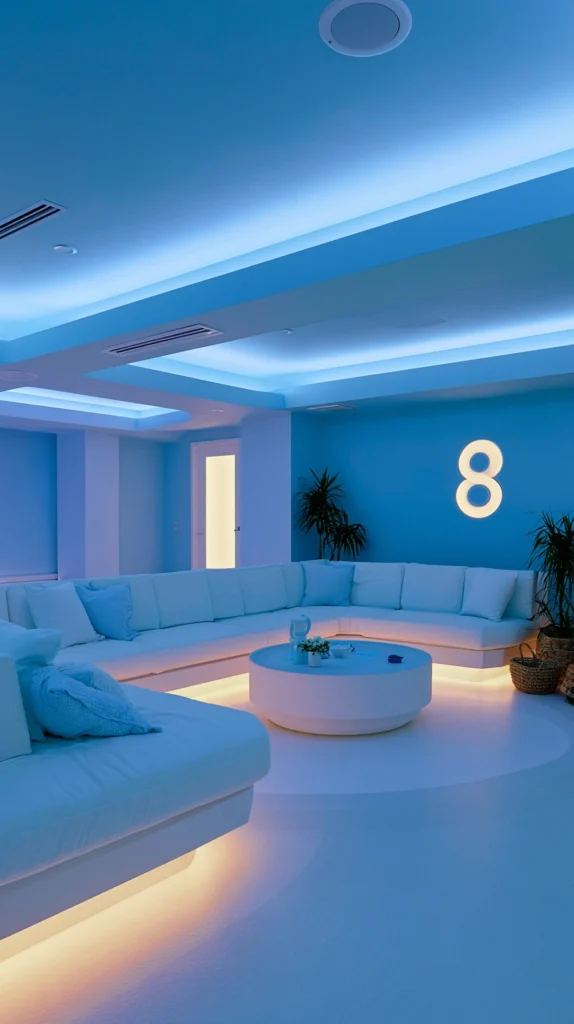
Establish consistent physical comfort through proper climate management supporting extended sensory sessions.
Install precise, localized temperature control, enable customization supporting your thermal preferences, and appreciate how consistent warmth prevents physical bracing or discomfort.
- The temperature control ensures deep physical comfort.
- The consistent conditions reliably support muscle relaxation.
- The customizable approach enables absolute thermal personalization.
- The physical support actively encourages extended room use.
9. Soft Floor Surfaces Creating Safe Tactile Foundation
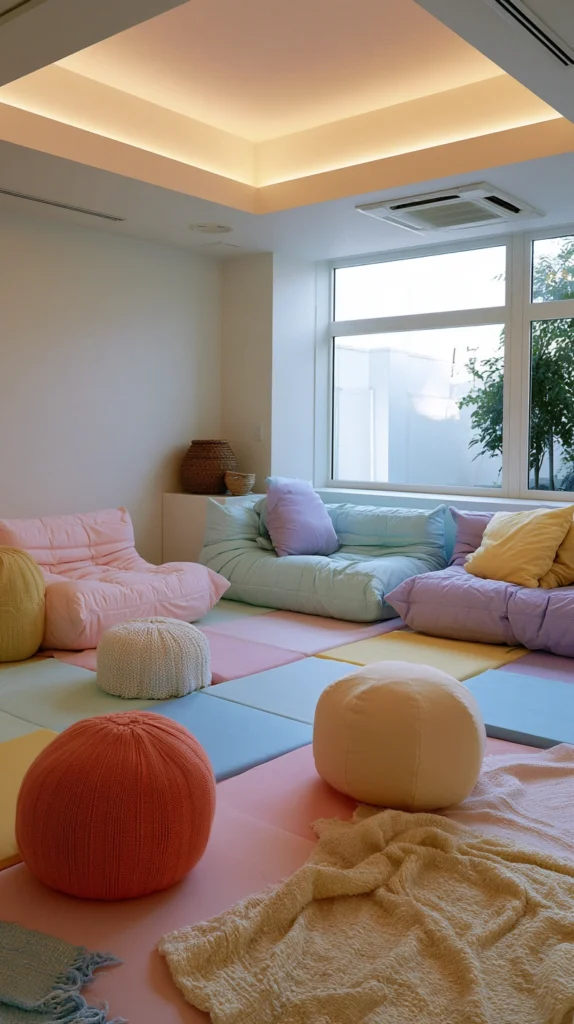
Develop a sensory-rich flooring layout through quality cushioned surfaces engaging the tactile sense.
Install thick memory foam mats, high-pile area rugs, or padded flooring, select soft natural fibers, and appreciate how a comfortable foundation supports sitting, stretching, or lying down.
- The soft flooring provides deep, immediate grounding comfort.
- The tactile richness creates safe engagement for bare feet.
- The safe, plush surface entirely prevents physical discomfort.
- The sensory foundation establishes an inviting wellness base.
10. Reduced Visual Complexity Creating Mental Calm
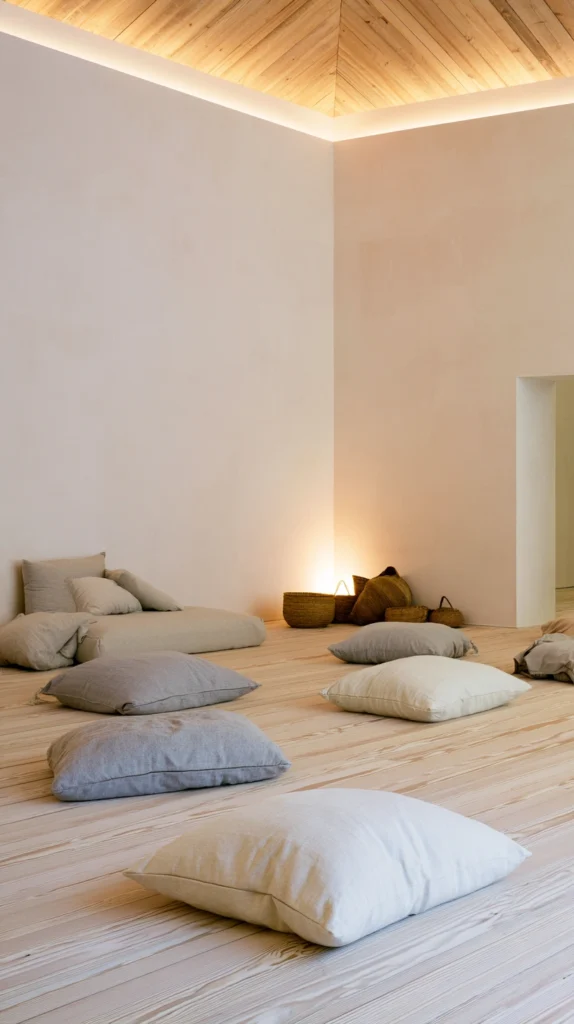
Establish psychological calm through intentional minimalism preventing visual overwhelm.
Maintain clean, organized spaces, limit competing visual stimulation, and use soft, desaturated colors to create total visual serenity.
- The reduced complexity entirely prevents cognitive overwhelm.
- The organized approach creates instant mental calm.
- The soft aesthetic gently supports optical relaxation.
- The intentional restraint enables genuine internal focus.
11. Isolated Quiet Environment Creating Auditory Protection
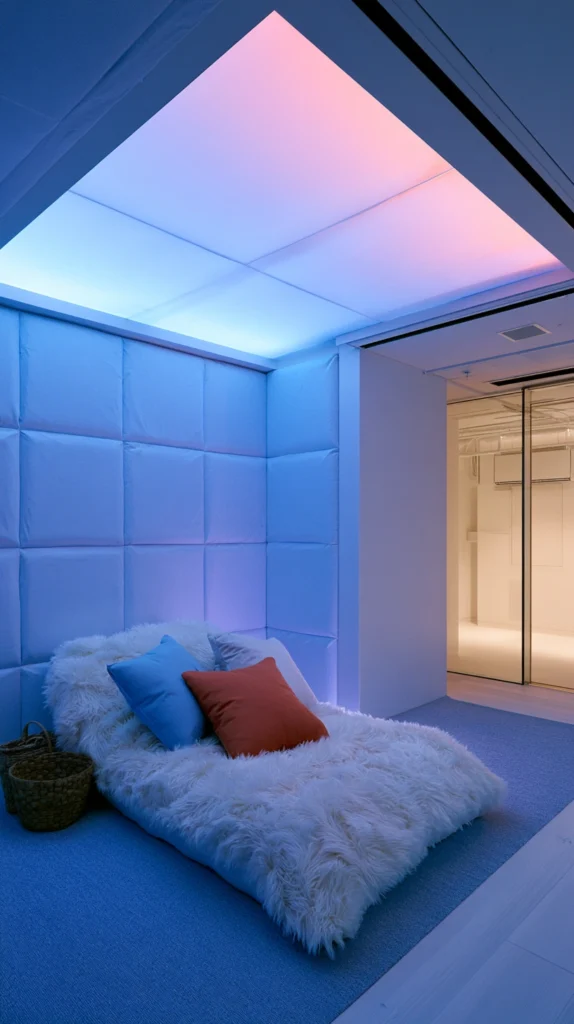
Establish true silence through proper soundproofing supporting auditory regulation.
Install quality acoustic treatments, seal door leaks, preventing external household noise from penetrating the space, and create a genuinely quiet sensory sanctuary.
- The soundproofing provides crucial protection from auditory triggers.
- The isolated environment enables deeper meditative focus.
- The quiet space supports genuine, unbothered calm.
- The acoustic treatment prevents sudden household disruptions.
12. Movement and Balance Elements Creating Physical Engagement
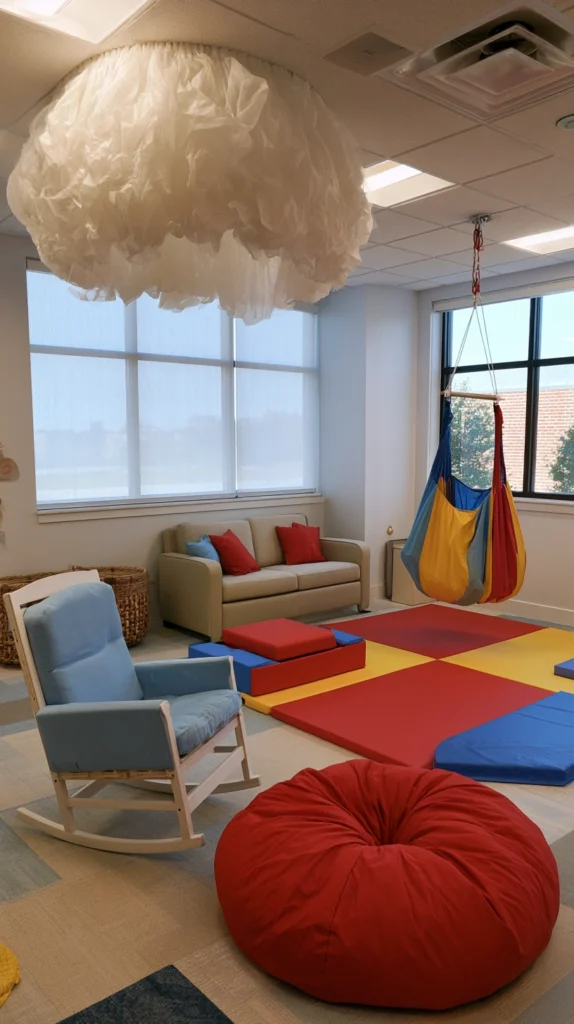
Introduce proprioceptive and vestibular stimulation through quality movement options supporting physical regulation.
Include gentle rocking chairs, balance boards, or a ceiling-mounted sensory swing, positioning items safely to enable comfortable physical exploration.
- The movement elements support intuitive physical regulation.
- The balance options encourage mindful, grounding exploration.
- The safe positioning enables comfortable, unhurried use.
- The physical engagement helps discharge residual nervous energy.
13. Personalized Sensory Preferences Display Creating Custom Experience
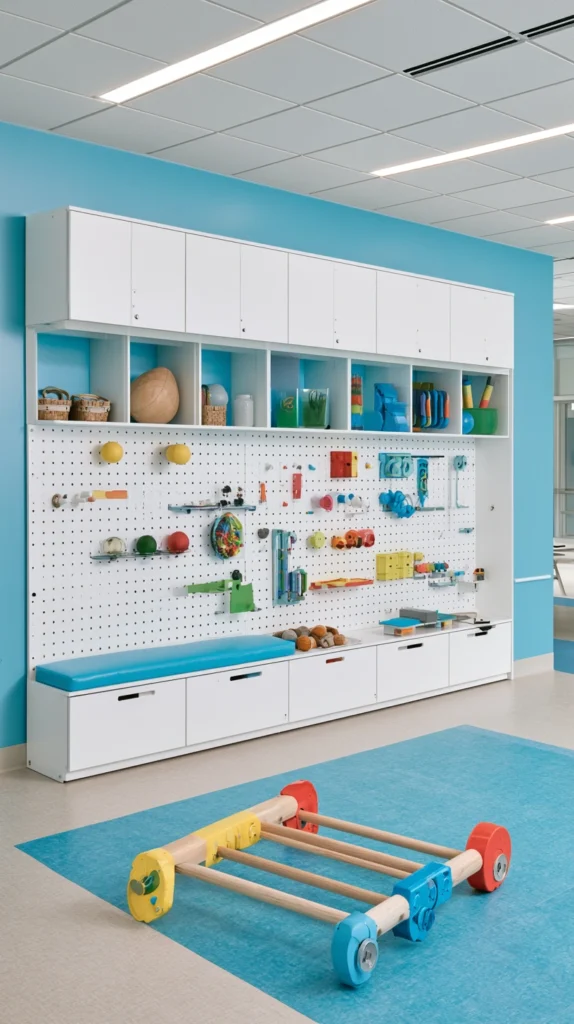
Establish genuinely personalized spaces through accommodation of your individual sensory preferences.
Enable customizable storage cubbies or interchangeable sensory bins supporting varied needs, and position items to support your personal comfort.
- The personalization ensures absolute clinical and personal relevance.
- The customizable options beautifully accommodate shifting daily needs.
- The individual focus entirely prevents a generic, sterile approach.
- The authentic integration supports long-term emotional resilience.
Decompressing the Nervous System via Strategic Design
Successfully creating sensory rooms for adults requires a comprehensive understanding of individual sensory needs, balanced stimulation preventing overwhelming excess, and comprehensive integration establishing genuinely therapeutic environments.
Assess specific sensory needs before design planning. Balance varied sensory elements preventing overstimulation. Ensure all elements remain accessible and safe. Create an organization supporting easy customization. Maintain consistent maintenance preserving therapeutic quality.
Most importantly, recognize that genuine sensory rooms succeed through intentional, personalized design where comprehensive sensory integration, atmospheric calm, and therapeutic planning combine, creating the kind of genuinely supportive spaces that enable authentic regulation. This design standard proves that sensory support deserves a serious design investment, establishing that thoughtfully designed sensory spaces create a therapeutic character that genuinely enhances wellbeing.
When executed with a deep understanding of sensory needs, quality elements, and comprehensive integration, sensory rooms become transformative wellness destinations. This deliberate methodology builds a genuine sanctuary character that supports authentic nervous system regulation.
Ultimately, these home additions shape beautiful, therapeutic spaces that become indispensable daily wellness practice locations, allowing your home to authentically support adult sensory wellness, psychological recovery, and emotional resilience for an improved quality of life.