13 Hobbitcore Camper Interior Ideas
My camper’s interior always read as generic outdoor gear storage with a bed attached, all gray plastic trim and the same beige upholstery every RV seems to ship with, nothing that felt like an actual cozy little dwelling on wheels.
Then I started leaning into the hobbitcore aesthetic specifically, round shapes, warm wood, mismatched pottery, and a general sense of a small, lived-in burrow rather than a sleek modern tiny home, and the camper finally feels like somewhere worth crawling into at the end of a hiking day.
1. Round or Arched Cabinet Door Inserts
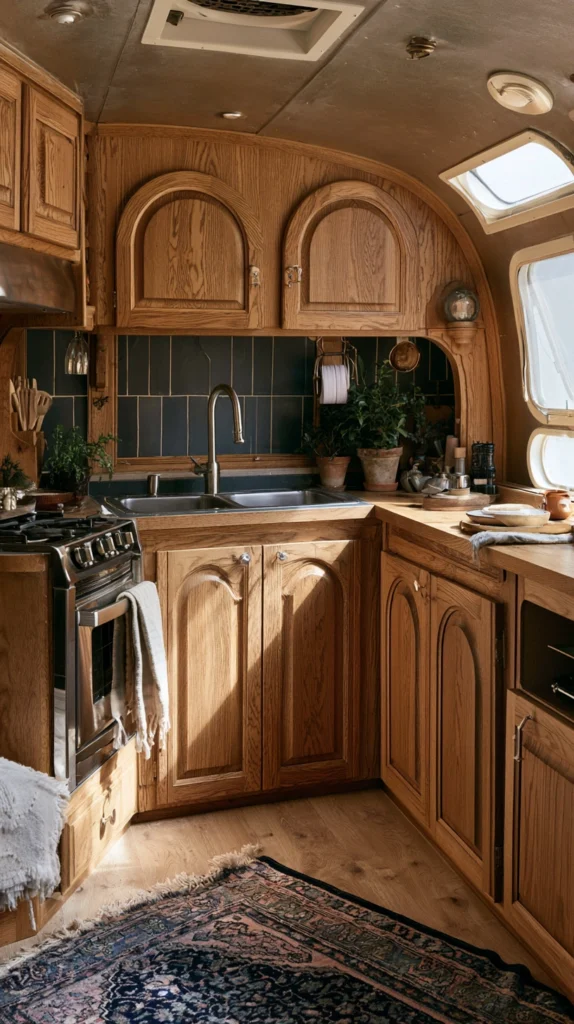
Hobbitcore leans heavily on curved architecture, the rounded doors and windows associated with burrow-style dwellings. Adding a simple arched wood overlay to existing flat cabinet doors, even just on one or two, introduces that signature curved silhouette without any structural rebuild. Budget: $40-80 for a few cut wood overlays from a local woodworker or craft supplier.
Start with just the doors nearest the entry, since that’s the first thing anyone sees stepping inside.
2. A Patchwork Quilt in Place of Factory Bedding
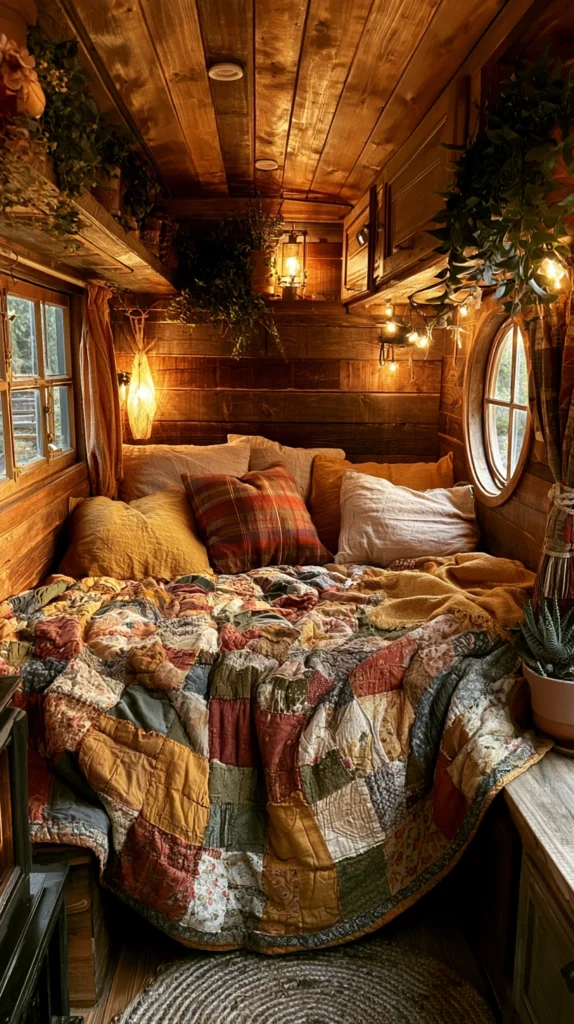
Factory camper bedding is almost always a flat, single-pattern set. A genuine patchwork quilt, ideally one with some age and mismatched fabric scraps, brings the handmade, gathered-over-time quality central to the whole aesthetic. Budget: $40-90 for a secondhand quilt from a thrift store or estate sale.
Choose a quilt with visible hand-stitching rather than a machine-quilted reproduction for a more authentic worn-in look.
3. Mismatched Pottery Mugs Hung on Hooks
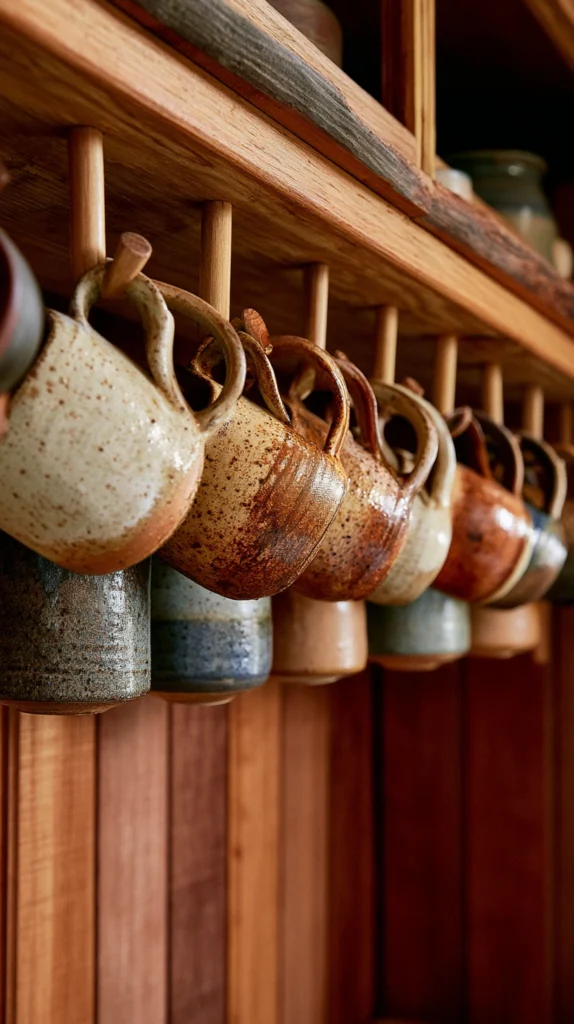
A row of small wood hooks holding several different ceramic mugs, none matching, replaces the uniform glassware set most campers come with and gives the kitchen area a collected, homey feel rather than a stocked one. Budget: $20-40 for a set of hooks and a few secondhand mugs.
Vary the glaze colors but keep them in a similar warm earth-tone range so the mismatch still feels cohesive.
4. A Small Round Window Decal or Stained Glass Cling
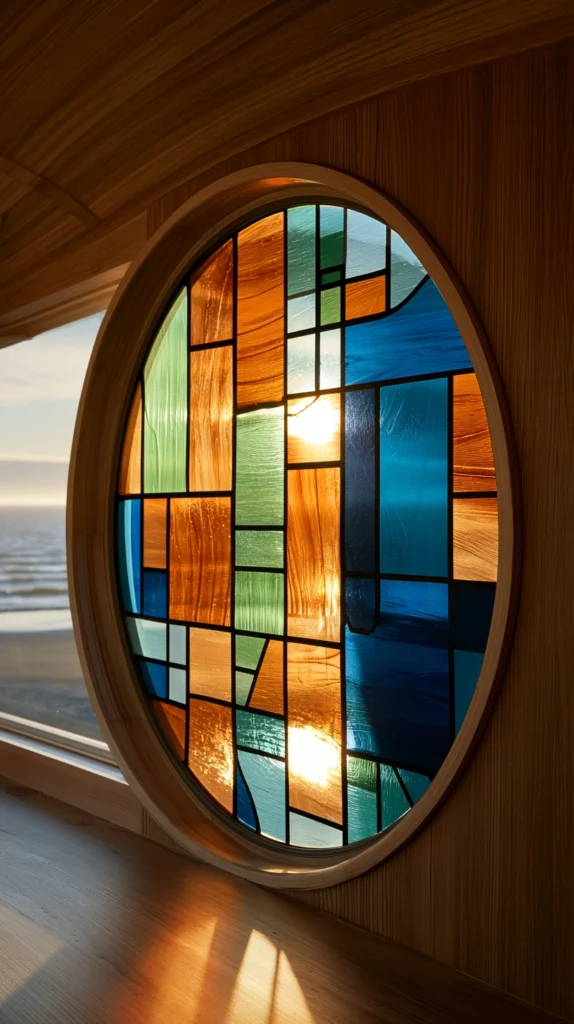
Camper windows are almost always rectangular, which works against the rounded hobbitcore look. A round decorative cling, or a small stained-glass-effect film applied to one corner of an existing window, introduces a circular shape without any actual window replacement. Budget: $15-30 for a removable decorative cling.
Apply it to a smaller, less frequently opened window first, since these stick more reliably than ones handled often.
5. Dried Herb Bundles Hanging From the Ceiling
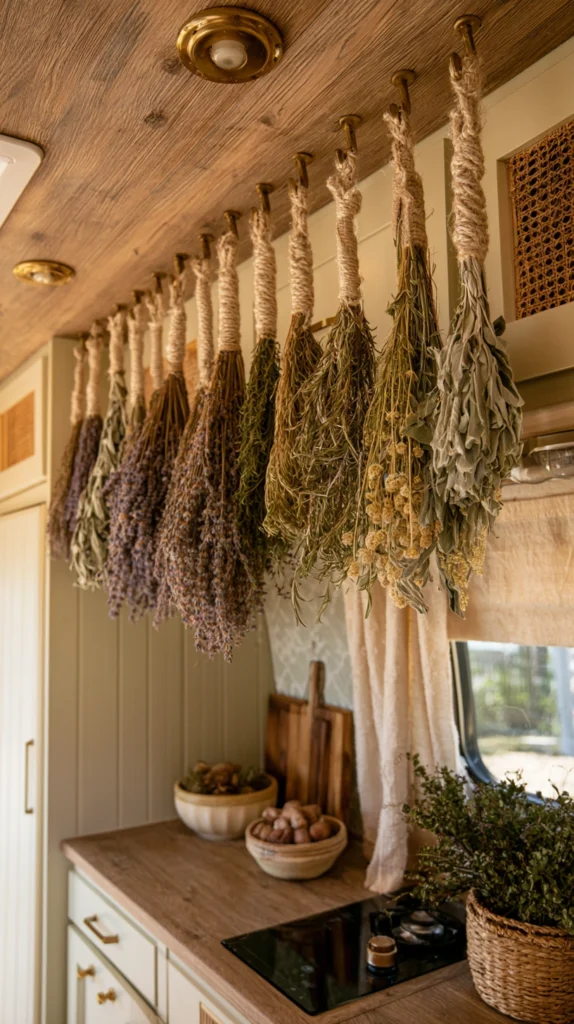
Bundles of dried lavender, sage, or rosemary, hung upside down from a ceiling hook near the kitchen area, are a classic cottage and burrow-dwelling visual shorthand, and they also keep the camper smelling genuinely pleasant. Budget: $10-20 for a few dried herb bundles.
Hang them away from direct dryer vent or stove heat, since both dry out the bundles faster than normal.
6. A Small Wood-Burning or Flame-Effect Stove Element
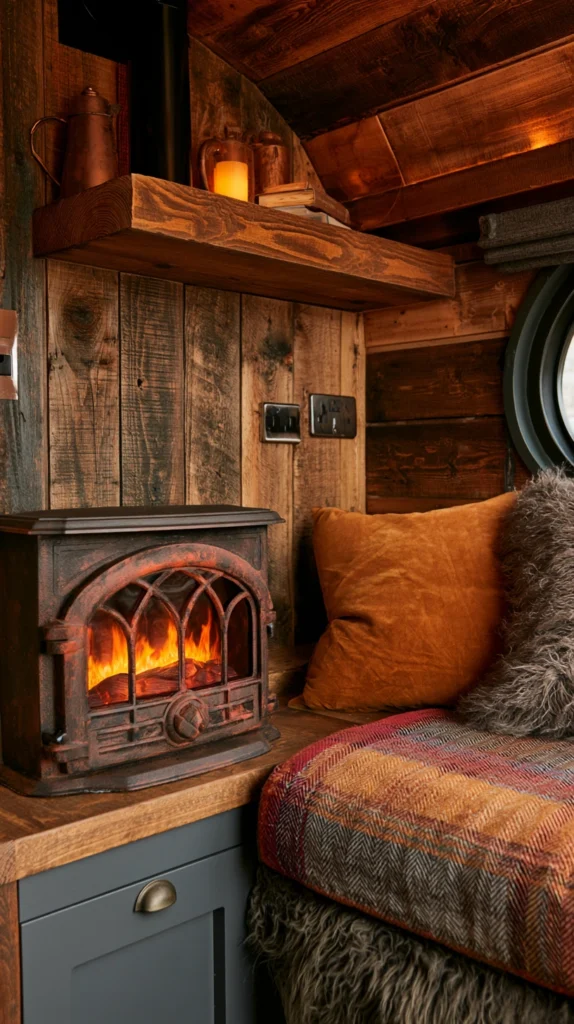
A miniature flame-effect stove, even a small battery-powered version with a glass front, evokes the hearth that anchors most burrow-style interiors in film and illustration. This is purely atmospheric rather than a genuine heat source in most camper setups. Budget: $30-60 for a small flame-effect unit.
Position it somewhere visible from the main seating area, since the visual focal point matters more here than the heat output.
7. Replace Plastic Drawer Pulls With Wood or Iron Hardware
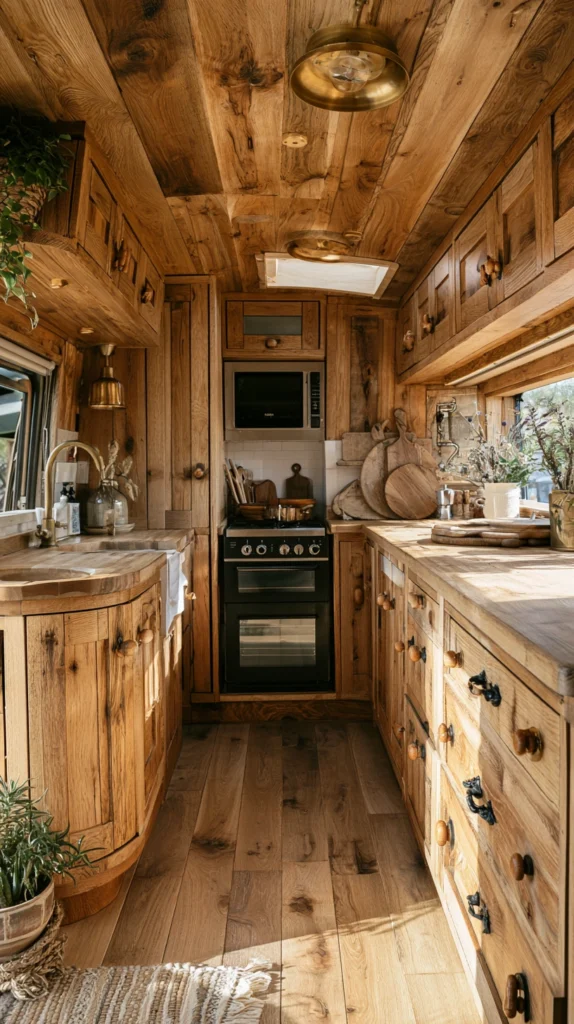
Stock camper hardware is almost universally plastic or brushed aluminum, both of which work against the rustic warmth this aesthetic depends on. Swapping every pull and knob for a turned wood or hand-forged iron version changes the whole kitchen and storage area’s character for a relatively small cost. Budget: $30-60 for a full set of replacement hardware.
Measure existing screw spacing before ordering, since pulls and knobs don’t always share the same hole spacing as what’s currently installed.
8. A Round Braided Rug Underfoot
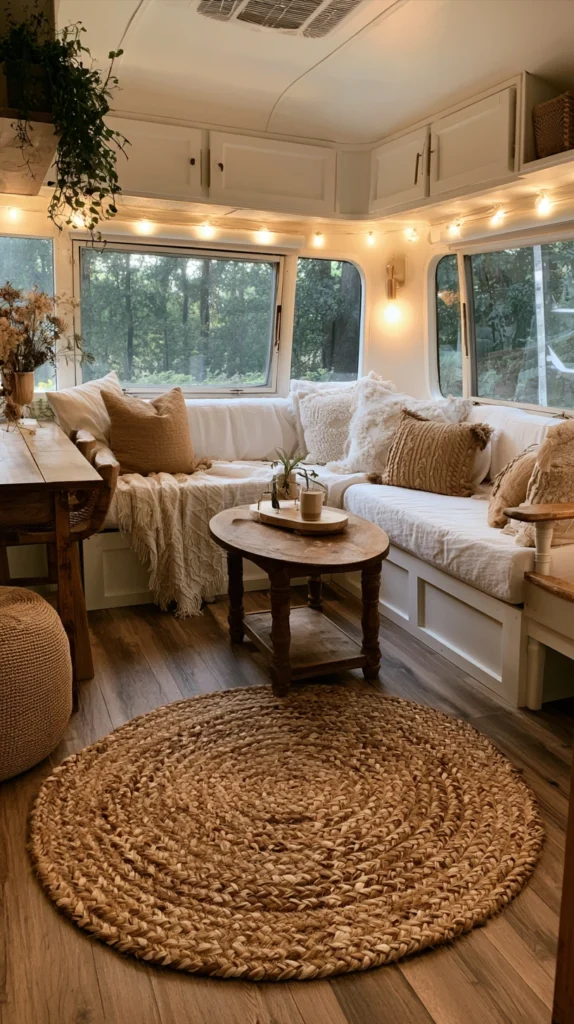
A small round braided or woven rug, placed in the main living area, reinforces the circular shape theme at floor level and adds genuine texture against the camper’s typically flat vinyl flooring. Budget: $30-50 for a small round braided rug.
Choose a washable, low-pile option specifically, since a thick braided rug can trap dirt tracked in from outside.
9. Forage-Inspired Wall Art
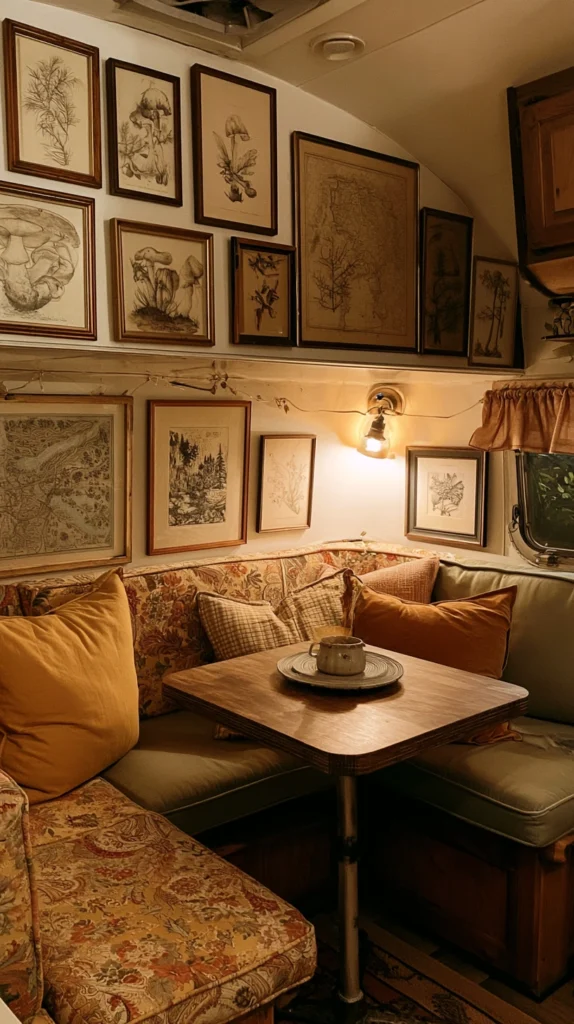
Simple botanical or mushroom illustrations, framed modestly and hung in small clusters, suit the cottage-and-forest visual language this aesthetic draws from far better than generic landscape photography. Budget: $20-40 for a small set of printed illustrations and basic frames.
Keep the frames small and the wall space they occupy limited, since camper walls rarely have room for anything large-scale.
10. A Curtain in Place of a Cabinet Door
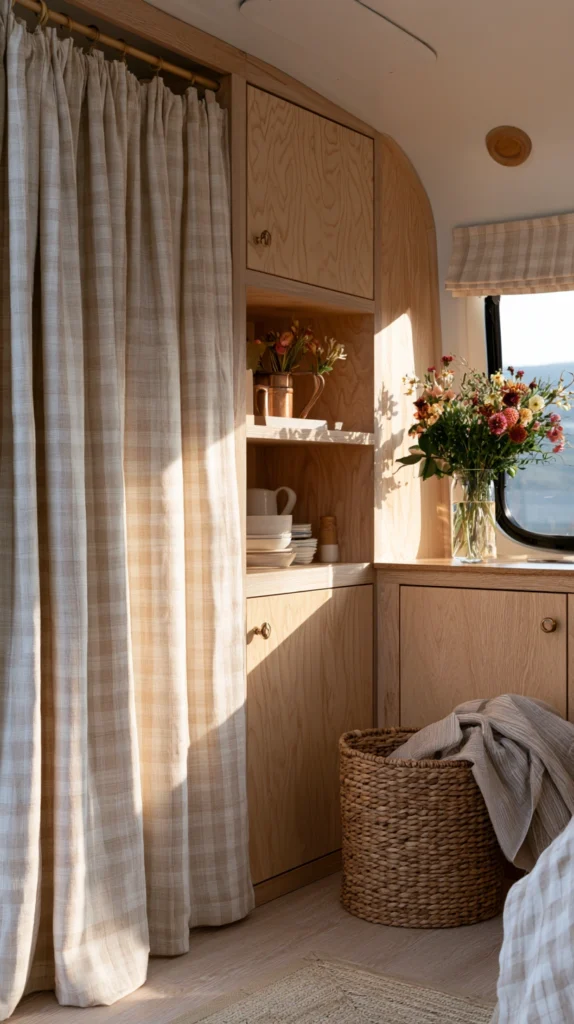
Removing one or two flat cabinet doors entirely and replacing them with a simple gathered fabric curtain on a small tension rod gives that section of storage a softer, more cottage-pantry look than uniform cabinetry allows. Budget: $15-25 for fabric and a small tension rod.
Choose a sturdy cotton or linen blend rather than anything sheer, since the fabric needs to actually hide what’s stored behind it.
11. A Small Brass Oil Lamp as a Secondary Light Source
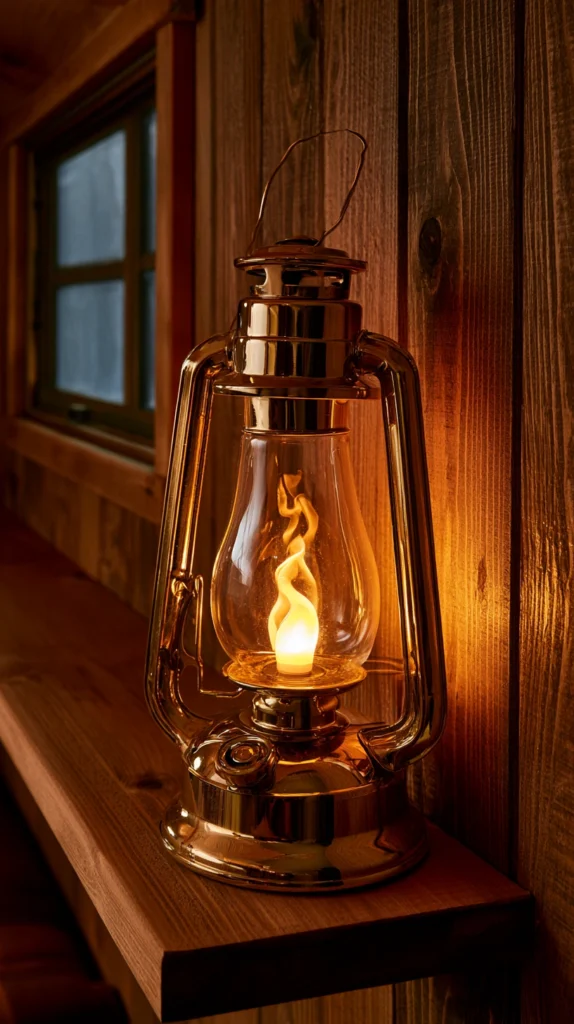
Beyond the camper’s built-in lighting, a small brass oil lamp, or a battery-powered version styled to look like one, adds the warm, slightly flickering light associated with a burrow interior in a way no standard LED fixture replicates. Budget: $20-35 for a battery-powered flame-effect lamp styled as an oil lamp.
Choose the battery version specifically if the camper will be used by anyone unfamiliar with managing an actual open flame indoors.
12. A Small Collection of Acorns, Pinecones, and Moss in a Wood Bowl
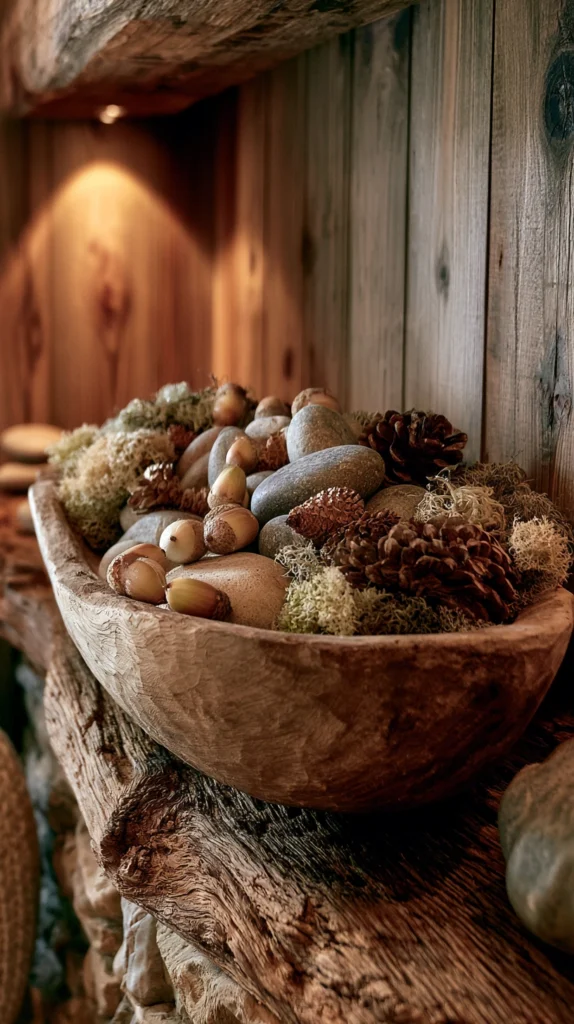
A simple wood bowl, filled with foraged acorns, small pinecones, and a bit of dried moss, brings the forest floor indoors in the same understated way a windowsill herb garden brings the kitchen garden indoors. Budget: free if foraged locally, or $10-15 for a similar pre-packaged set.
Let foraged material dry out fully for at least a week before bringing it inside, since fresh moss and acorns can carry moisture and small insects.
13. A Fully Combined Hobbitcore Camper Refresh
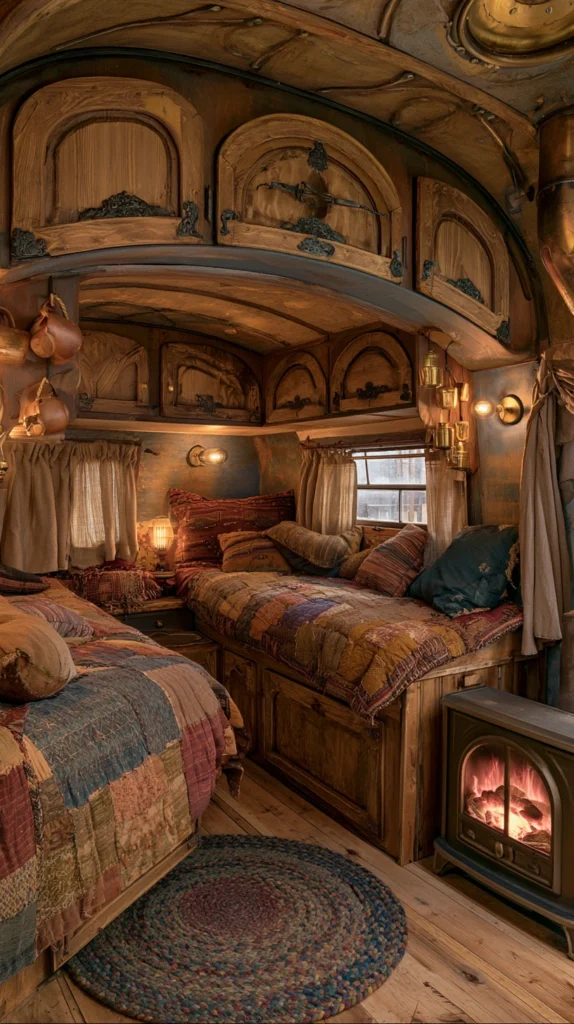
Combining the round cabinet overlays, a patchwork quilt, mismatched pottery, warm wood hardware, and a round rug into one complete interior shift turns the camper from generic RV styling into a genuinely cohesive small burrow on wheels. The key is consistency: round shapes, warm wood, mismatched-but-coordinated ceramics, and dim, flickering light repeated throughout rather than one single themed object standing alone. Budget: $150-350 to combine most of the ideas above into one full refresh.
Build it gradually across a few trips rather than all at once, since a genuinely collected, lived-in look benefits from not looking too perfectly finished on day one.
Choosing Your Approach
For a quick weekend update: swap the hardware (idea 7), add the round rug (idea 8), and hang a few dried herb bundles (idea 5).
For a bigger single change: the round cabinet door overlays (idea 1) or replacing a cabinet door with a curtain (idea 10) shift the whole kitchen’s character at once.
For the full transformation: combine several ideas using idea 13’s approach, and let it develop over multiple trips rather than one shopping spree.
The whole aesthetic depends on warmth and roundness showing up in more than one place at once. A single hobbit-style mug on an otherwise sleek modern camper interior reads as one quirky object, not a themed space, so the repetition across cabinets, light, textiles, and hardware is what actually sells the look.