10 Empty Nester Bedroom Refresh Ideas After the Kids Leave
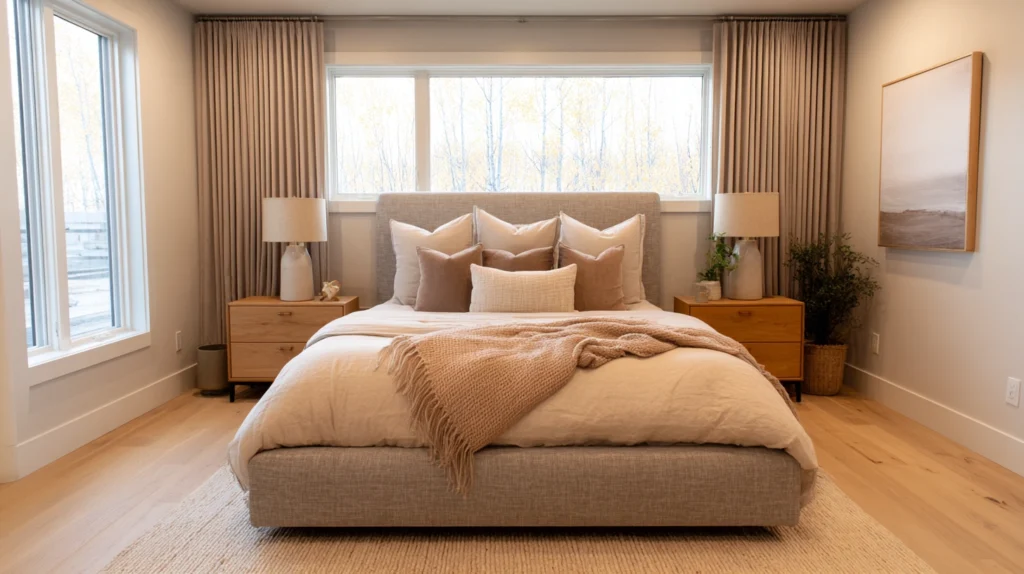
The door stays open now. Nobody’s coming home late needing the bathroom light left on, nobody’s stumbling in from a room down the hall.
That quiet is exactly what makes an empty nest feel like an empty nest, and it’s also the reason so many people go years without changing a single thing about their own bedroom once the kids move out.
The room that’s been “just where we sleep” for two decades finally has room to be something more than that.
Here are 10 ways to refresh that space now that it’s genuinely just for the people who actually live there.
Why this specific refresh tends to get delayed for years
There’s rarely one triggering event, just a slow realization that the room never changed to match the life actually happening in it.
- A bedroom decorated around raising kids often stayed practical and durable long after that practicality stopped being necessary
- Many couples realize they’ve been sleeping in a room still arranged around a decade-old routine that no longer applies
- The transition itself, not just the empty room, is often what finally motivates people to make changes they’d quietly wanted for years
Once the room reflects where life actually is now, it tends to feel considerably more restful than it did before.
1. Upgrade to a Larger or More Comfortable Bed
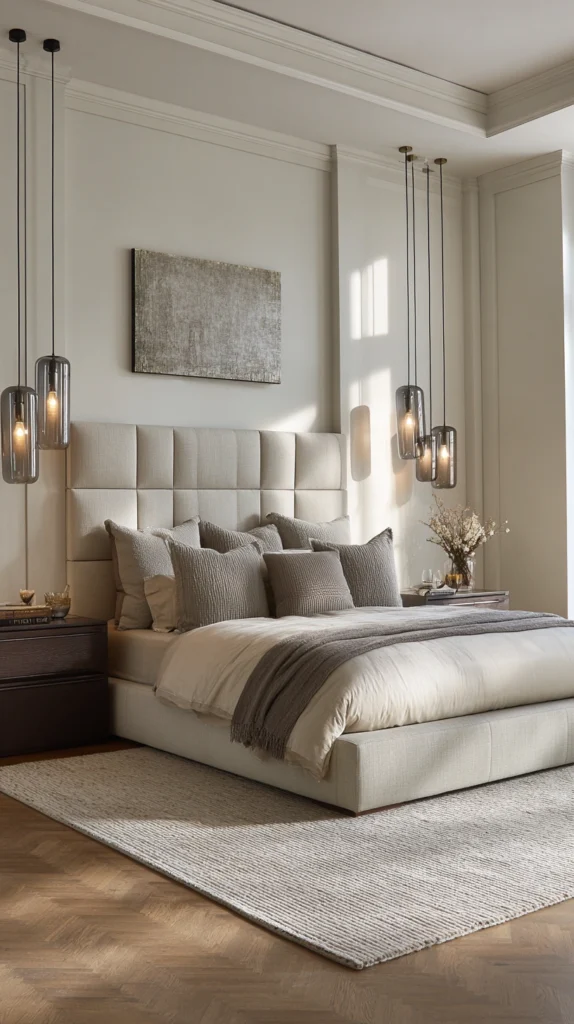
Reassessing whether the current bed still actually fits.
Build it:
- A larger mattress size, like moving from a queen to a king, if the room’s footprint can accommodate it
- A genuinely higher-quality mattress, since the previous one may have been chosen years ago around a tighter household budget
- New pillows and a supportive base, addressing any back or sleep issues that have developed over the years
Why the bed itself deserves reconsideration at this specific life stage:
- Many couples kept a smaller bed for years simply because a larger one wasn’t practical alongside other household priorities
- Sleep quality tends to become an increasingly important factor as people age, making this a genuinely practical upgrade, not just a style choice
- It’s often the single highest-impact change available, since the bed is both the room’s largest object and where the most time is actually spent
Cost breakdown: A quality queen or king mattress runs $800 to $2,000 depending on materials and construction.
2. Repaint in a Color That Reflects Current Taste, Not a Decade-Old Choice
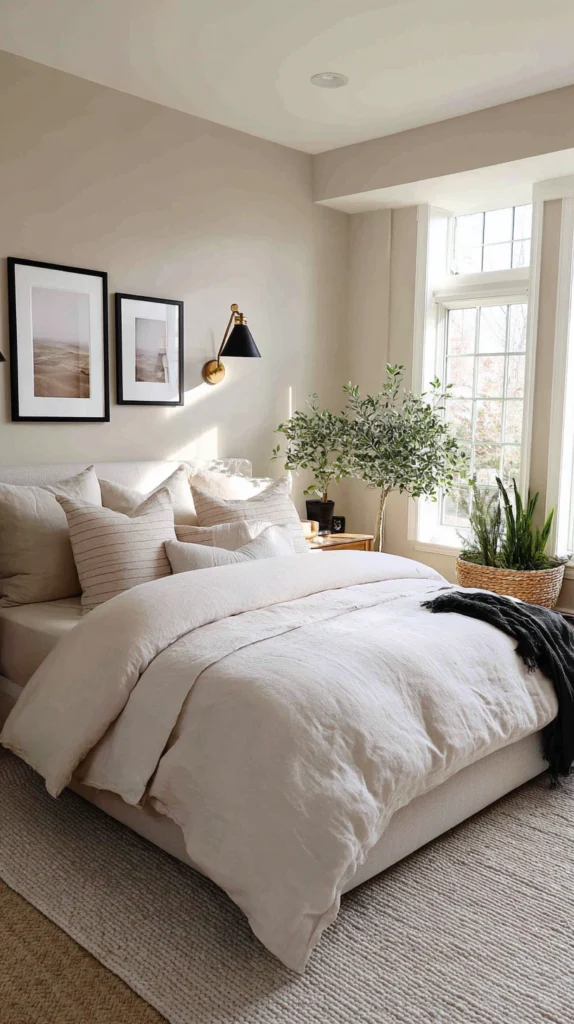
Refreshing a wall color that may have been chosen with an entirely different life stage in mind.
Build it:
- A color genuinely chosen by both partners now, rather than whatever practical, stain-hiding neutral was picked years earlier
- Deeper, richer tones considered as genuine options, since a bedroom no longer needs to accommodate the same practical wear and tear
- Paint tested on the actual wall at different times of day before committing, since natural light patterns may have shifted if trees or nearby construction have changed since the color was last chosen
Why the wall color often needs revisiting more than people initially realize:
- Many practical family-era color choices were made for durability and resale neutrality rather than genuine personal preference
- A bedroom repaint is one of the most affordable ways to signal a genuine shift into this new phase of the home’s life
- It’s an opportunity to finally choose a color based purely on what both partners actually like now, without competing considerations
Cost breakdown: Repainting a bedroom runs $150 to $350 depending on room size and whether it’s professionally done.
3. Convert a Nearby Kid’s Room Into a Reading Nook or Sitting Area
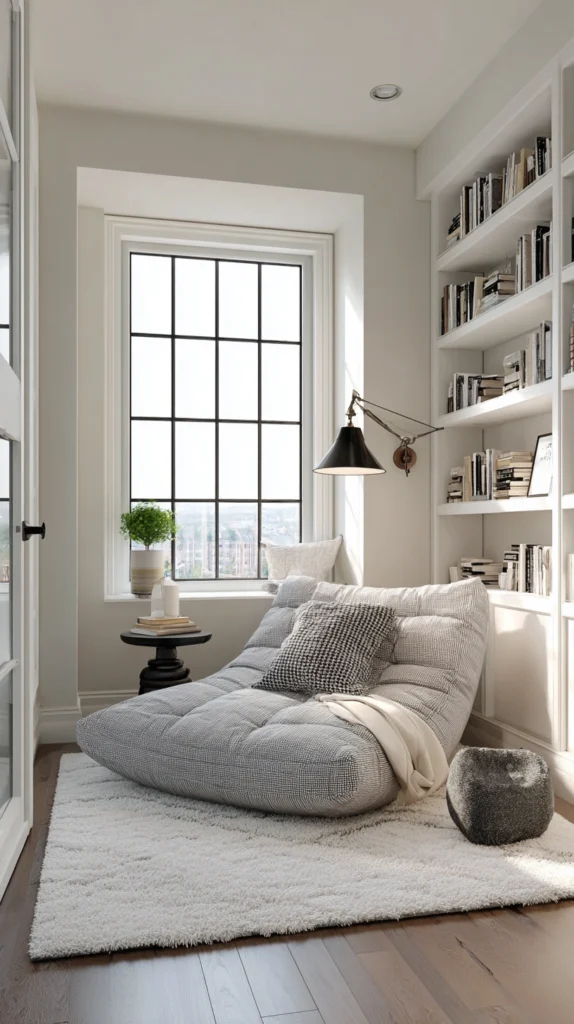
Extending the bedroom’s function into newly available adjacent space.
Build it:
- A comfortable chair, small bookshelf, and a reading lamp set up in a now-empty adjacent bedroom
- The room’s function shifted intentionally from storage or a guest room default into a genuinely used daily space
- A door left open between the two rooms if proximity allows, effectively expanding the primary bedroom’s usable footprint
Why an adjacent room deserves a genuine new purpose rather than becoming general storage:
- A newly empty bedroom often defaults to storage or guest use by inertia rather than intention, missing an opportunity for real daily value
- A reading nook or sitting area just steps from the primary bedroom creates a natural extension of a couple’s private space
- It gives the now-larger footprint of the home a genuine reason to feel expansive rather than just emptier
Cost breakdown: A reading nook setup in a converted room runs $200 to $600 depending on furniture chosen.
4. Replace Worn or Purely Practical Furniture With Genuine Investment Pieces
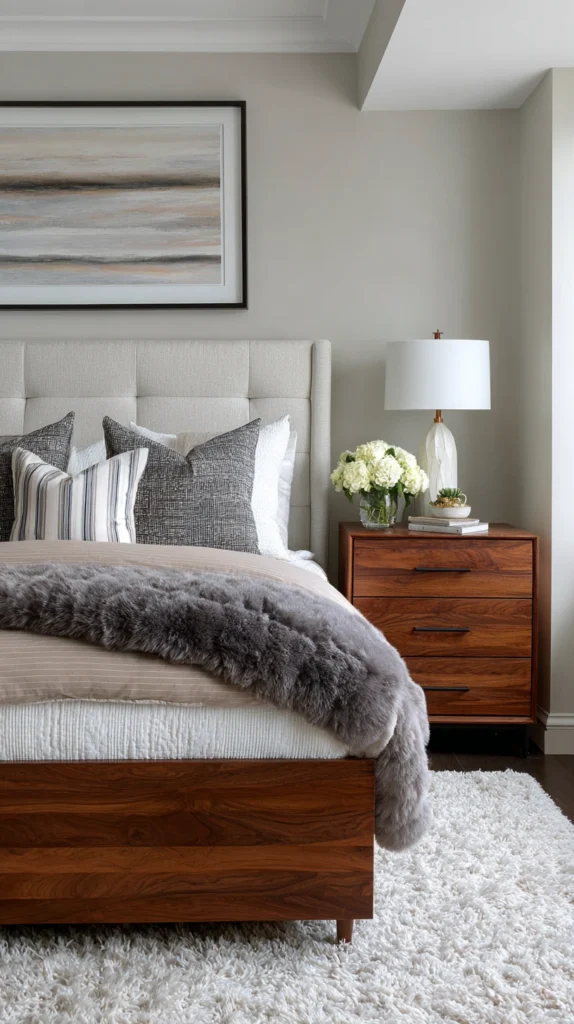
Upgrading furniture that was chosen for durability over the years, not lasting quality.
Build it:
- A quality dresser or nightstand set replacing furniture originally chosen to survive a busy, kid-filled household
- Materials selected for genuine longevity and personal style rather than the most practical, easy-to-clean option available at the time
- Older furniture donated, sold, or repurposed elsewhere in the house rather than simply replaced without any further use
Why furniture upgrades matter more now than they might have during the parenting years:
- Furniture chosen years ago often prioritized durability against kids and daily wear over genuine personal taste
- This life stage frequently comes with more disposable income and less daily physical wear on furniture, making a genuine investment piece more practical than it may have been previously
- It’s an opportunity to finally furnish the room based on what’s actually wanted, rather than what could withstand the busiest years of family life
Cost breakdown: A quality dresser and nightstand set runs $800 to $2,000 depending on material and craftsmanship.
5. Add Blackout Curtains and Improved Sound Insulation
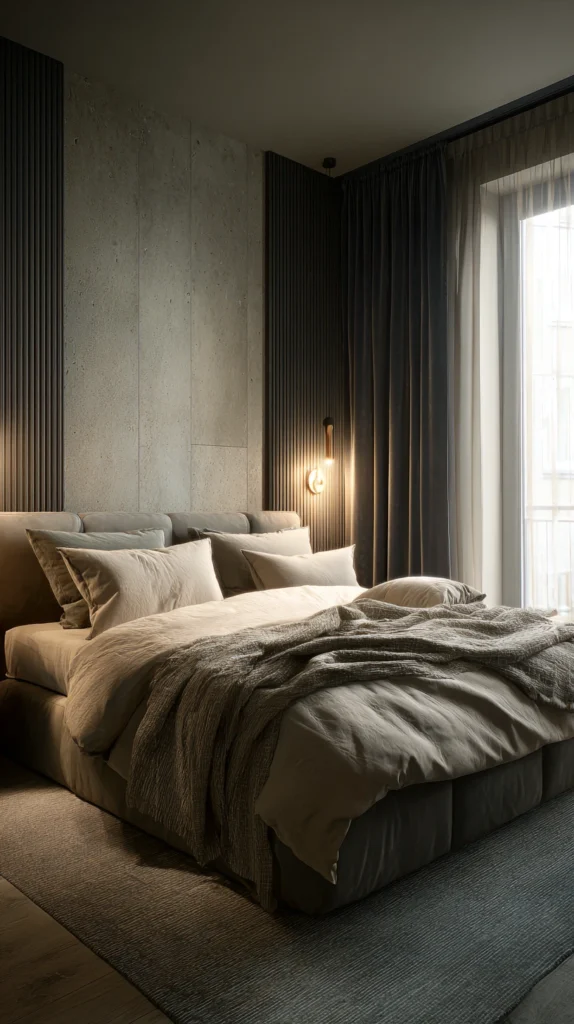
Addressing sleep quality now that the household’s daily rhythm has changed.
Build it:
- Blackout curtains installed to allow for later mornings or more flexible sleep schedules than a family routine previously allowed
- A white noise machine added if outside sound has become more noticeable in a quieter house
- Door and window weatherstripping checked and updated if drafts or outside noise have become more noticeable over the years
Why sleep environment upgrades matter more at this specific stage:
- A household with kids often built its schedule around their routines, and a couple’s own sleep needs may not have been fully prioritized until now
- Improved sleep quality has real documented benefits, making this a genuinely practical upgrade rather than a purely aesthetic one
- It’s a relatively affordable set of changes that can meaningfully improve daily quality of life going forward
Cost breakdown: Blackout curtains and a white noise machine run $80 to $180 combined.
6. Create a Dedicated Space for a Long-Delayed Hobby
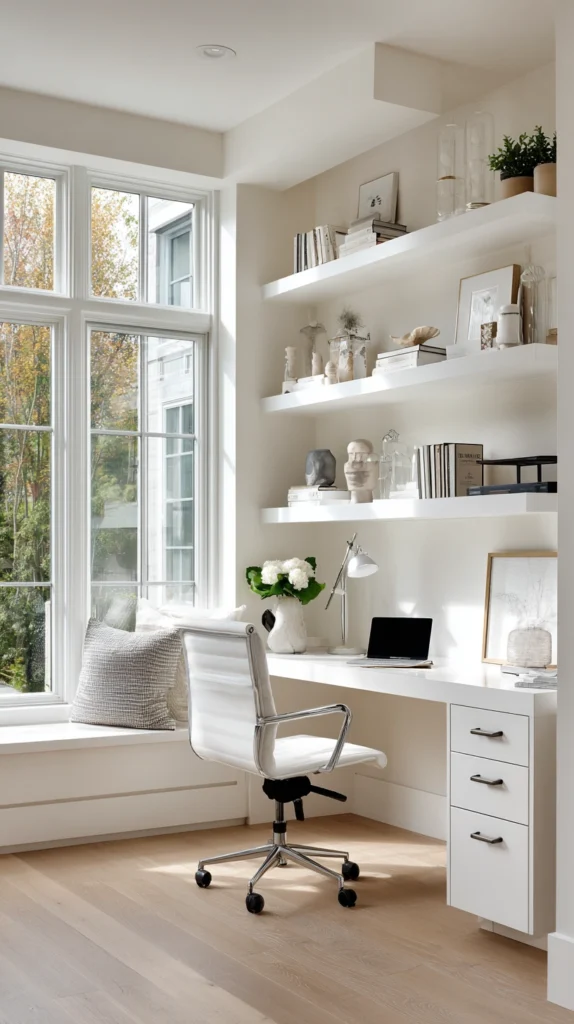
Making room for something that got pushed aside during the busiest parenting years.
Build it:
- A corner of the bedroom or an adjacent room set up specifically for a hobby that was previously deprioritized, like painting, writing, or an instrument
- Supplies organized into a dedicated cart, shelf, or drawer rather than scattered temporarily whenever there’s a spare moment
- Positioned near good natural light or a window, since many hobbies benefit significantly from strong daylight
Why this specific life stage is the right moment to finally make room for this:
- Many hobbies get quietly set aside during the most demanding parenting years, often without any specific decision to stop
- A dedicated space signals genuine ongoing commitment to the hobby, rather than it remaining an occasional, half-finished activity
- It gives the newly available time and space real, tangible purpose beyond simply being emptier than before
Cost breakdown: A dedicated hobby corner setup runs $100 to $300 depending on the specific supplies and furniture needed.
7. Update Lighting to Support a More Relaxed Evening Routine
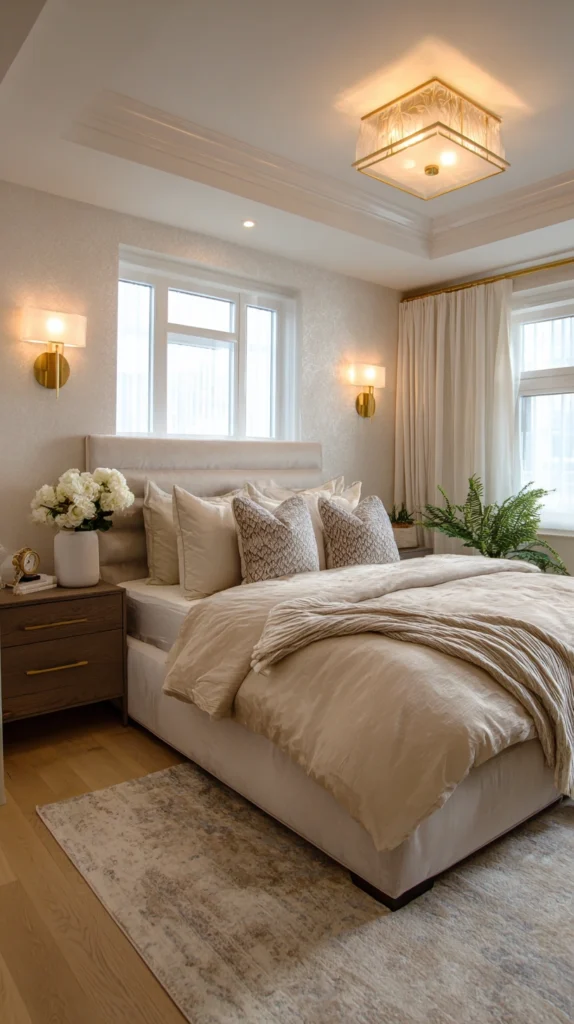
Shifting away from the practical, bright lighting a busy family schedule often required.
Build it:
- Warm-toned bulbs replacing cooler, more functional lighting throughout the room
- A dimmer switch added if the budget and wiring allow, giving genuine control over the room’s evening atmosphere
- A pair of table lamps added for reading in bed, rather than relying solely on a single overhead fixture
Why lighting deserves specific attention during this refresh:
- Bright, functional lighting often made sense during years of managing a busy household, but no longer needs to be the room’s default
- Warmer, layered lighting supports the more relaxed, unhurried evening routine many couples finally have room for
- It’s a relatively low-cost change that meaningfully shifts the room’s overall mood without requiring larger furniture decisions
Cost breakdown: New lamps and warm-toned bulbs run $60 to $150 depending on quantity and quality.
8. Remove or Relocate Items That No Longer Serve the Room’s New Purpose
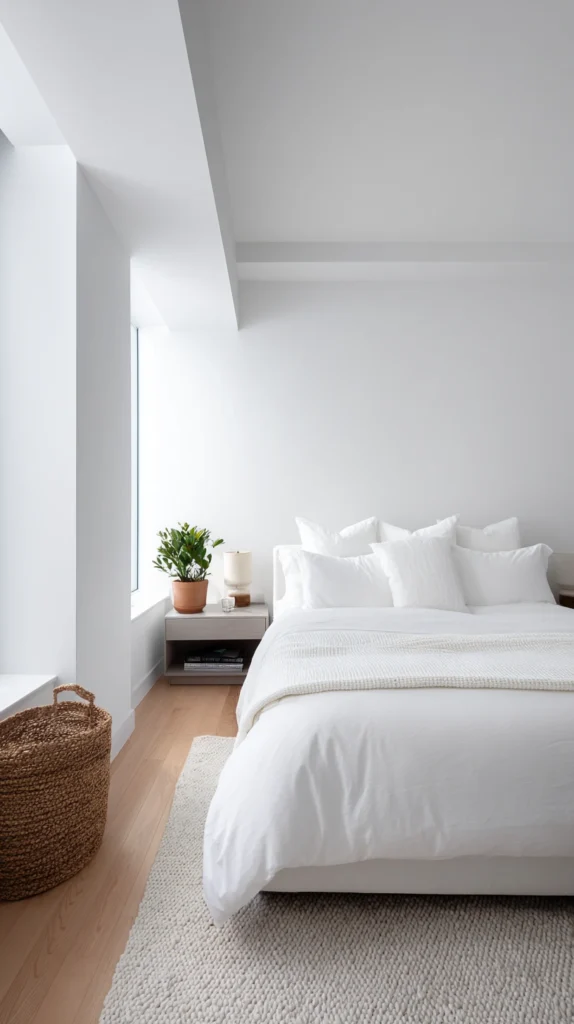
Clearing out what accumulated in the room simply because it was convenient, not because it belonged there.
Build it:
- A full walkthrough identifying items that migrated into the bedroom over the years purely out of convenience, like folded laundry storage or kids’ overflow items
- Genuinely useful items relocated to a more appropriate spot elsewhere in the now-larger available house
- Only items that directly support rest, relaxation, or the room’s actual current use kept within the space going forward
Why this decluttering step matters as much as any new purchase:
- A room can accumulate years of miscellaneous, convenience-driven clutter without anyone consciously deciding to keep any single item
- Clearing this out often makes the room feel meaningfully larger and calmer without spending anything on new furniture at all
- It’s a necessary first step before any other refresh, since new pieces added to an already cluttered room won’t have the same impact
Cost breakdown: Free, since this only requires sorting and relocating existing items.
9. Introduce Fresh Textiles That Reflect Current, Not Past, Taste
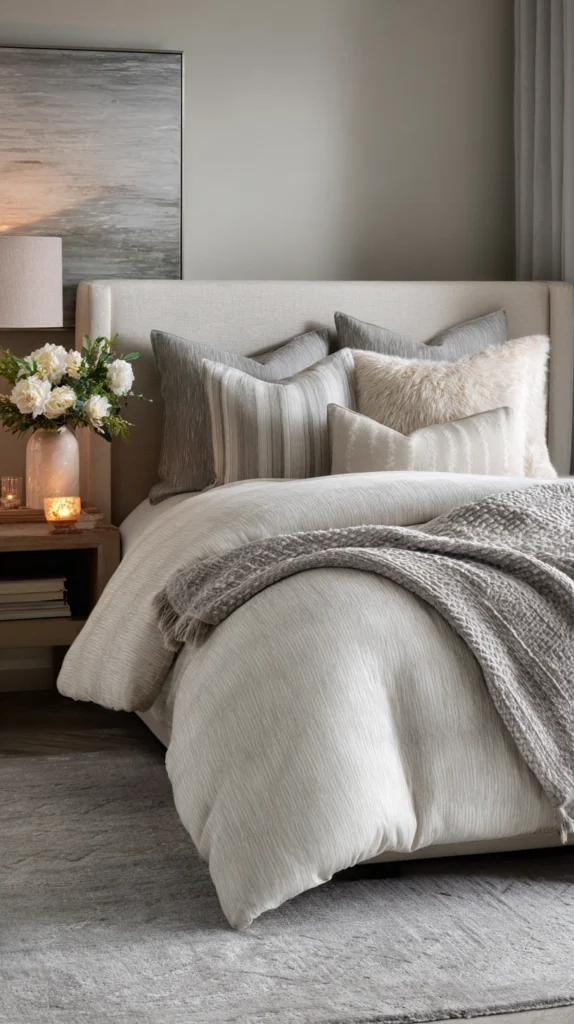
Updating bedding and soft furnishings that may not have changed in years.
Build it:
- A new duvet cover, sheet set, and throw pillows chosen specifically for current taste rather than whatever practical, stain-resistant fabric was purchased years earlier
- Genuinely higher-quality materials considered, like linen or a higher thread count cotton, now that daily wear and tear concerns have lessened
- Seasonal textile rotation reintroduced if it fell away during the busiest parenting years, refreshing the room’s feeling throughout the year
Why textiles are one of the easiest and most impactful updates available:
- Bedding often goes years without a genuine style refresh, simply replaced with a similar practical option each time it wears out
- It’s one of the least expensive ways to make the whole room feel meaningfully updated without touching furniture or paint
- Higher-quality materials, now more practical without a house full of active kids, genuinely improve daily comfort as well as appearance
Cost breakdown: A new quality bedding and pillow refresh runs $150 to $350 depending on material choice.
10. Add a Small Seating Area for Morning Coffee or Evening Conversation
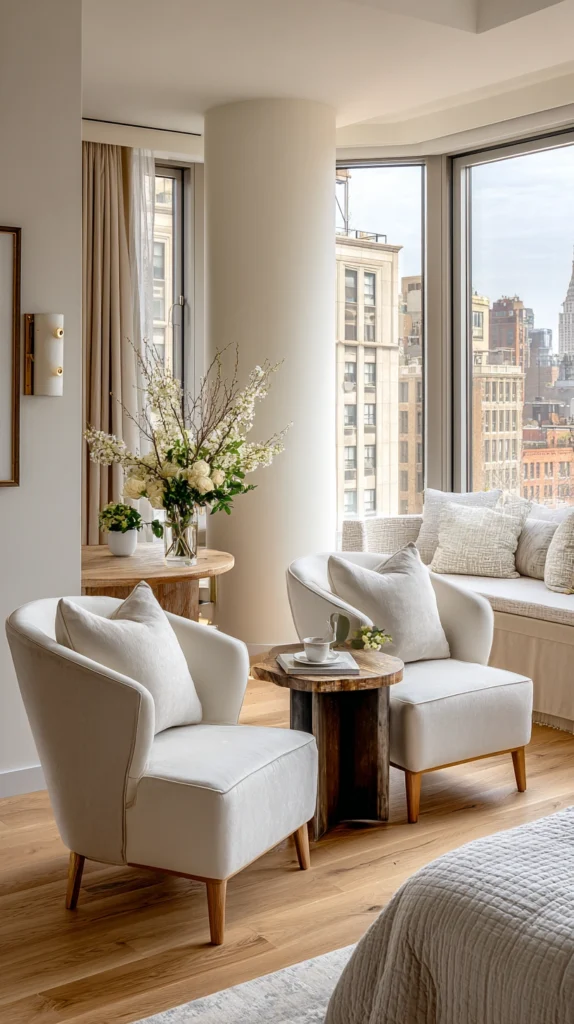
Creating a spot in the room built purely for the two people who live there now.
Build it:
- Two small chairs or a loveseat positioned near a window, sized to fit within the room’s existing footprint without crowding the bed
- A small side table between the seats for morning coffee or a shared evening drink
- Positioned to take advantage of the best available natural light or a pleasant outdoor view
Why a dedicated seating area matters more now than it might have before:
- A room previously optimized purely for sleep and quick daily routines can now support a slower, more intentional use of the space
- It gives a couple a genuine spot within their own private bedroom to talk, read, or simply sit together, separate from the shared living areas of the house
- It reflects the room’s new reality, that it belongs entirely to the two people who live there, without needing to double as anything else
Cost breakdown: Two small accent chairs and a side table run $300 to $700 depending on furniture quality.
Getting started this weekend
You don’t need to overhaul the whole room before it starts feeling like it belongs to this new stage of life.
- Start by decluttering everything that migrated into the room out of convenience over the years
- Add fresh textiles and updated lighting once the space is genuinely cleared
- Save larger investments like a new bed or full furniture replacement for a dedicated second phase
The couples who find this refresh most satisfying tend to treat it less like redecorating and more like finally finishing a room that’s been waiting years to catch up to their actual life.
Budget reality
An empty nester bedroom refresh can happen gradually across almost any budget.
- Free: Decluttering, relocating convenience items to other parts of the house
- Under $200: Blackout curtains, lighting updates, a hobby corner setup
- $200-800: Fresh bedding and textiles, a repaint, a small seating area
- $800+: A new mattress, quality furniture replacement, converting an adjacent room into a sitting nook
Most of the meaningful change comes from finally addressing what the room actually needs now, not the total size of the investment.
What actually makes this refresh feel significant
It was never really about how many new pieces get added to the room.
It’s the mattress finally upgraded after years of putting it off, the extra bedroom next door turned into a place to actually sit and read, the color on the walls chosen because someone genuinely likes it now, not because it hid stains well a decade ago.
Start by clearing out what no longer belongs, then let the room finally catch up to the life actually being lived in it.