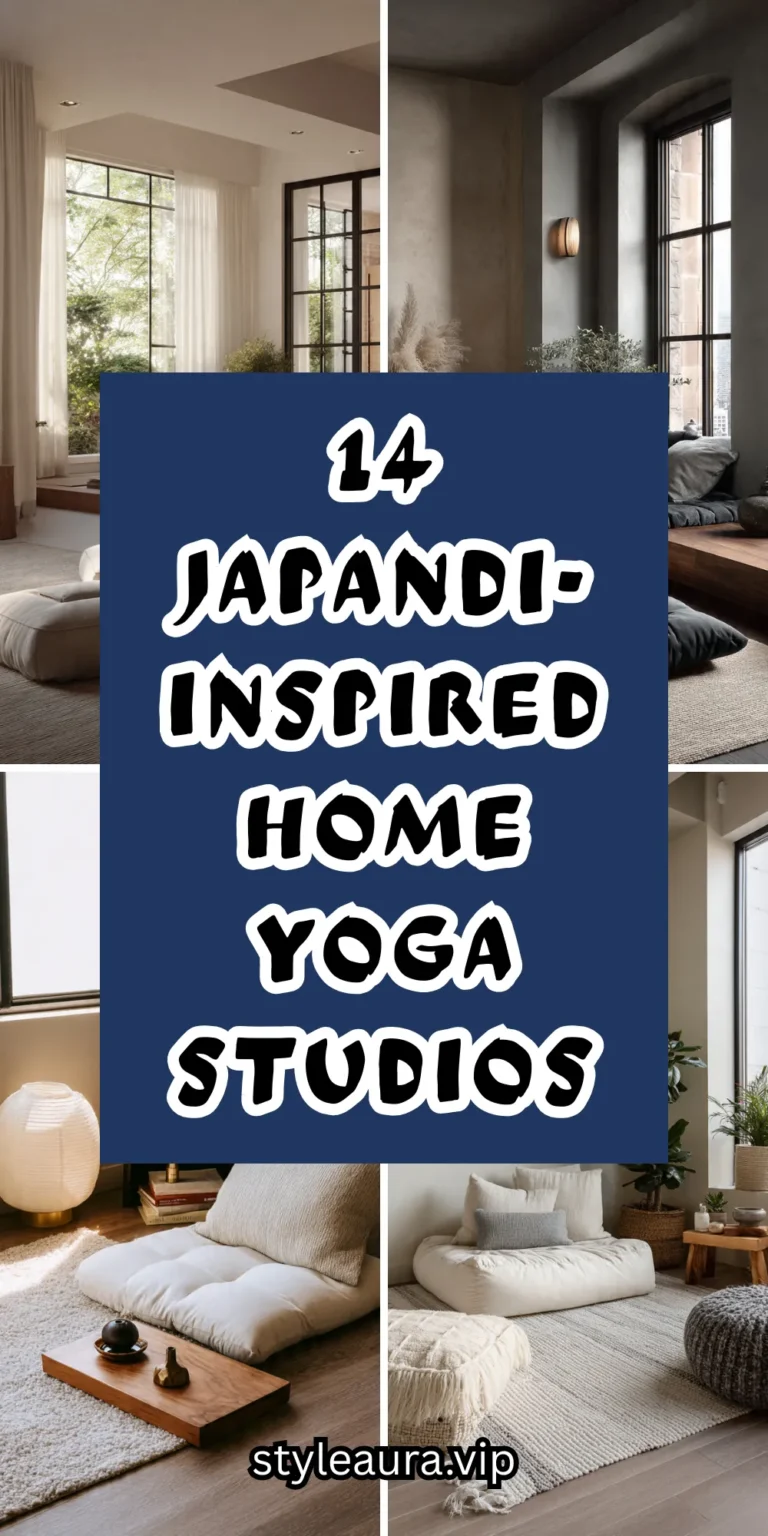
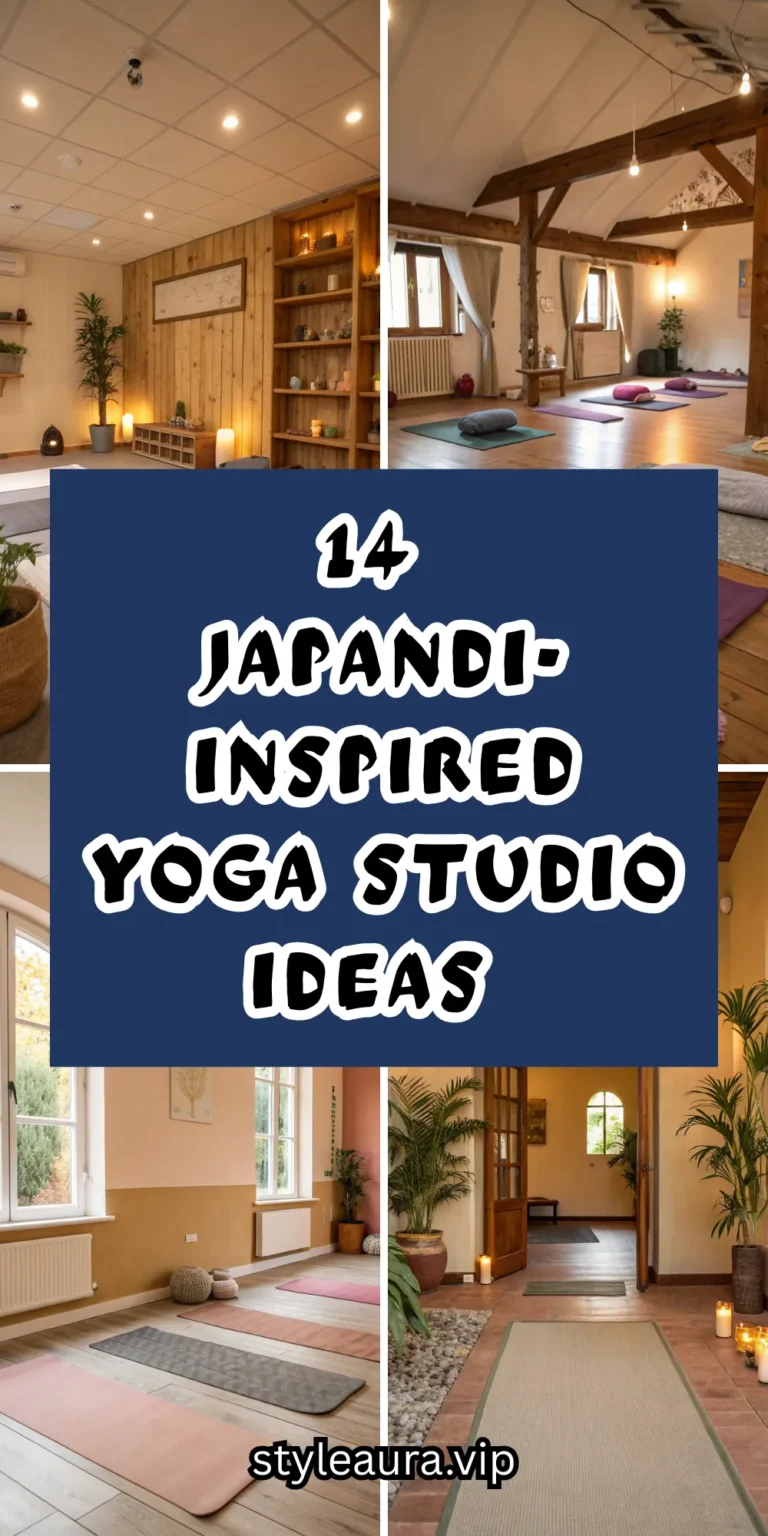
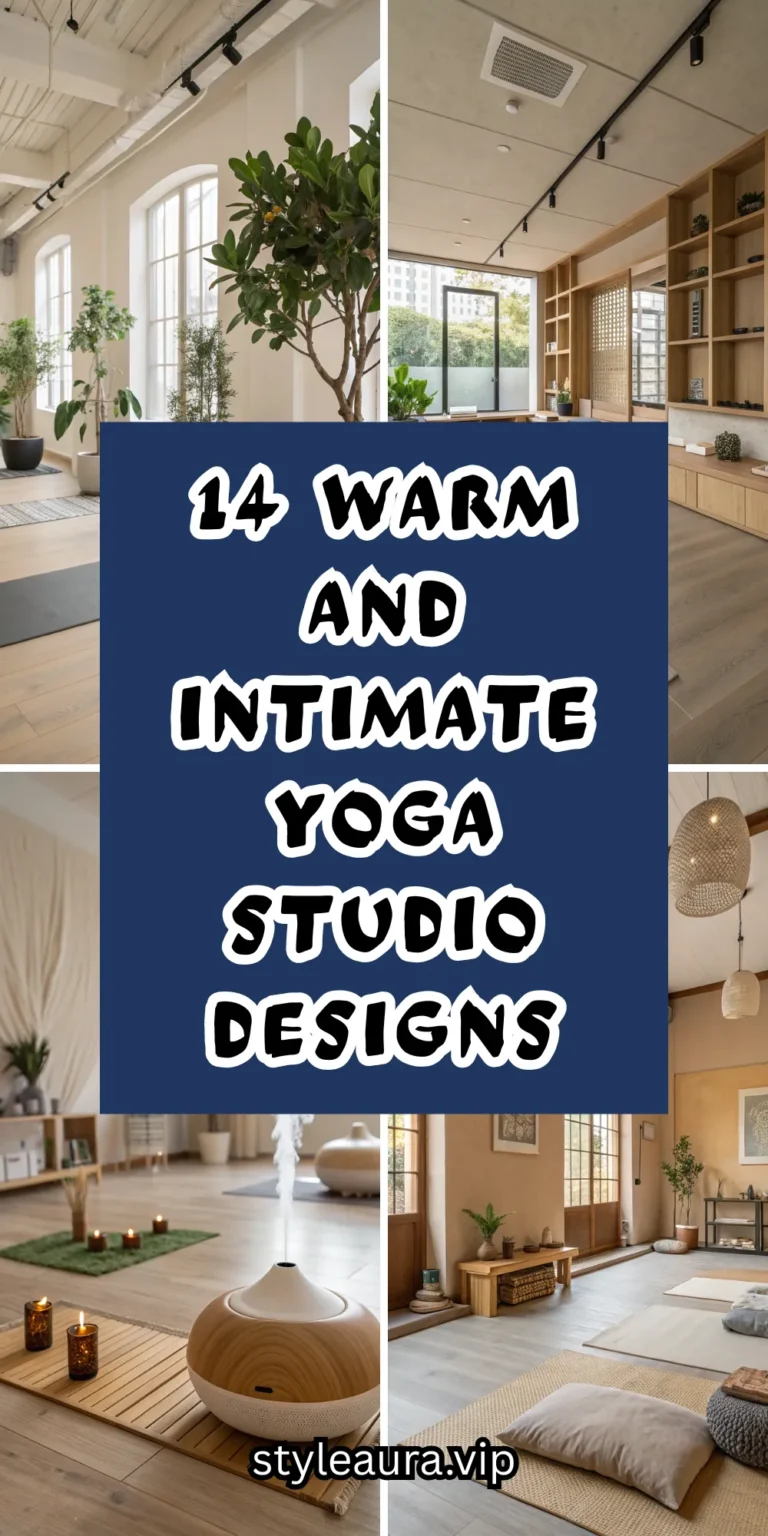
14 Zen Meditation Space Ideas for Stillness
Creating a Zen meditation space is about cultivating an atmosphere where stillness feels natural and effortless. Rooted in simplicity, balance, and mindful intention, Zen-inspired spaces help quiet the mind and invite deep presence.
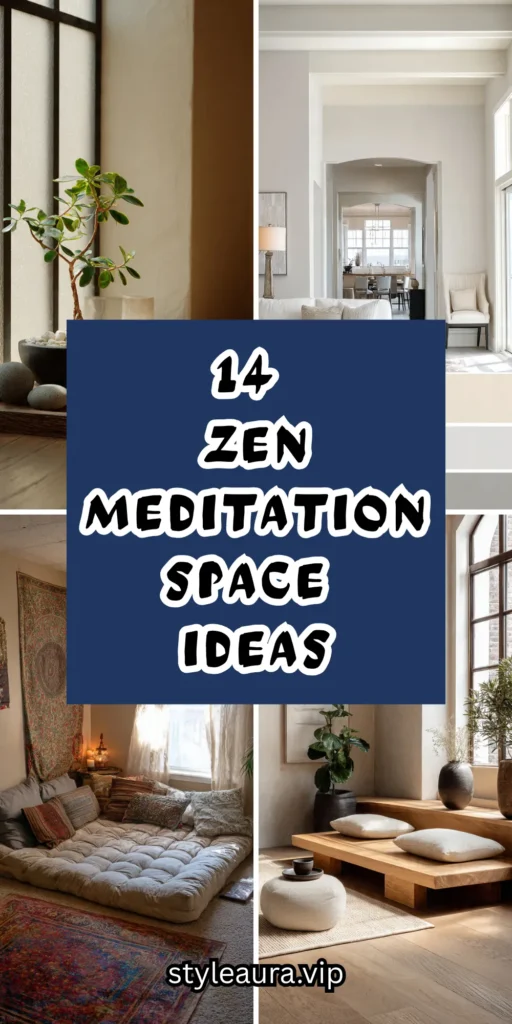
Even in small homes or busy environments, these fourteen Zen meditation space ideas can guide you toward a sanctuary designed for calm, clarity, and inner stillness.
1. Minimalist Floor-Seated Sanctuary
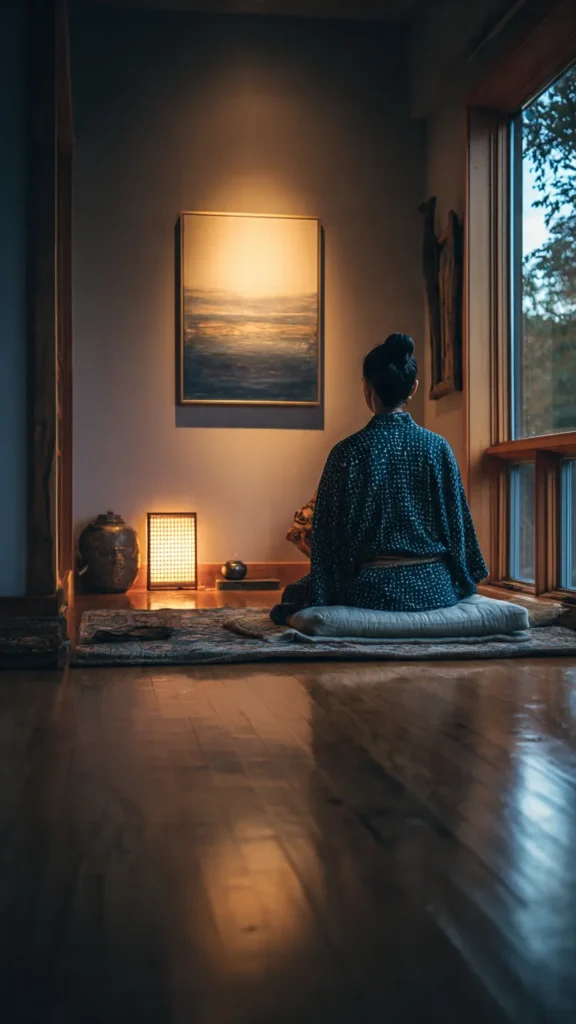
A Zen meditation space begins with simplicity. A floor-seated setup using a cushion or zabuton keeps the focus grounded and uncluttered.
The benefit is improved posture awareness and a strong sense of connection to the earth. Implementation involves removing furniture and keeping only essential meditation props. Ideal for traditional Zen or mindfulness practices. A drawback may be discomfort for beginners. Pro tip: choose a supportive cushion and add a folded blanket for extra comfort.
2. Neutral Color Silence Zone
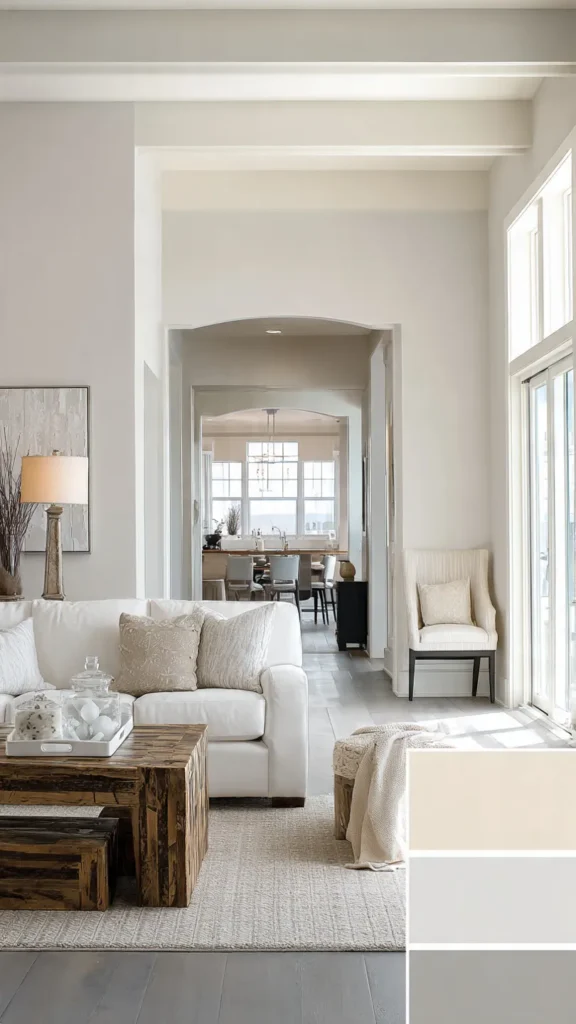
Neutral tones like soft white, stone, sand, and warm grey create visual quiet. These colors reduce stimulation and support mental clarity.
The benefit is a calm, distraction-free environment. Apply neutrals to walls, flooring, and textiles. Ideal for those sensitive to color. The risk is the space feeling flat. Pro tip: introduce subtle texture through natural fabrics or plaster finishes.
3. Natural Light Stillness Space

A meditation space bathed in natural light feels open and serene. Gentle daylight supports alert calmness rather than drowsiness.
Benefits include improved mood and a stronger connection to natural rhythms. Place your cushion near a window and filter light with sheer curtains. Ideal for daytime meditation. Limited privacy can be a challenge. Pro tip: use frosted window film to maintain softness and seclusion.
4. Tatami-Inspired Zen Corner

Tatami mats or tatami-style flooring instantly evoke traditional Zen aesthetics. Their texture and warmth promote grounding.
Benefits include comfort and authenticity. Implement it with tatami mats or woven grass rugs. Ideal for small corners or dedicated meditation rooms. Maintenance may require care. Pro tip: keep footwear out of the space to preserve cleanliness and intention.
5. Soft Shadow Candlelit Room

Candlelight introduces gentle movement and warmth without overwhelming the senses.
Benefits include deeper relaxation and reduced mental chatter. Use candles in safe holders or LED alternatives. Ideal for evening meditation. Insufficient light may affect posture awareness. Pro tip: combine candlelight with a dim wall light for balance.
6. Nature-Focused Zen Space

Zen philosophy honors nature. Incorporating stones, plants, or water elements enhances grounding and stillness.
Benefits include emotional balance and sensory calm. Add a single plant, smooth stones, or a small water bowl. Ideal for stress reduction. Overuse can be distracting. Pro tip: choose one natural element and let it be the focal point.
7. Hidden Storage Serenity Room

Clutter disrupts stillness. Hidden storage keeps meditation tools accessible but out of sight.
Benefits include mental clarity and visual calm. Use closed cabinets, drawers, or fabric-covered boxes. Ideal for multi-use rooms. Installation effort may be required. Pro tip: store only meditation-related items in this space.
8. Monastic-Inspired Bare Room

A monastic-style meditation space embraces near-emptiness. White walls, bare floors, and minimal props create profound simplicity.
Benefits include heightened awareness and focus. Ideal for advanced practitioners or those seeking deep stillness. The downside is a lack of warmth for some. Pro tip: soften the space with a single natural element like wood or linen.
9. Sound-Softened Quiet Zone
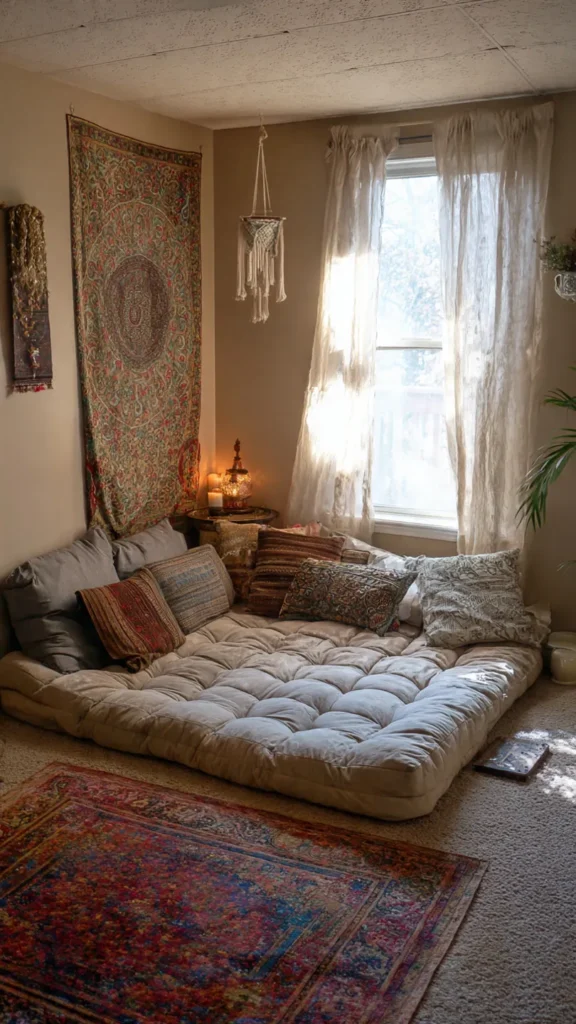
Stillness is supported by gentle acoustics. Soft surfaces absorb echoes and external noise.
Benefits include easier concentration and relaxation. Add rugs, wall hangings, or fabric panels. Ideal for apartments or urban homes. Too much softness can dull energy. Pro tip: balance soft materials with firm, clean lines.
10. Window-Facing Meditation Seat
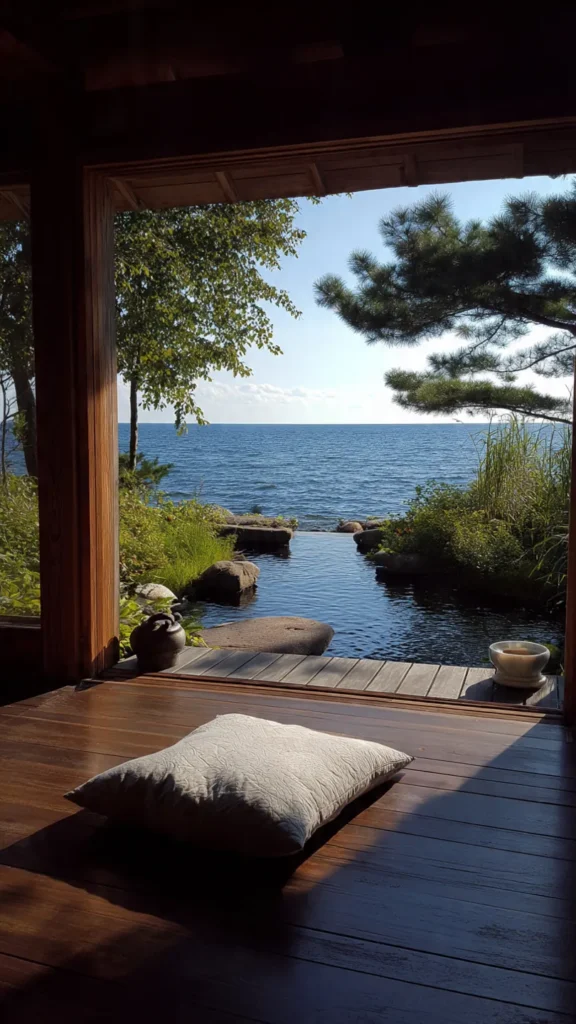
Facing a simple, uncluttered view helps settle the mind. Nature views are especially effective.
Benefits include effortless focus and reduced internal chatter. Position your cushion toward a garden, sky, or tree. Ideal for contemplative practices. Distractions outside may occur. Pro tip: choose a view with minimal movement.
11. Earth-Toned Grounding Space
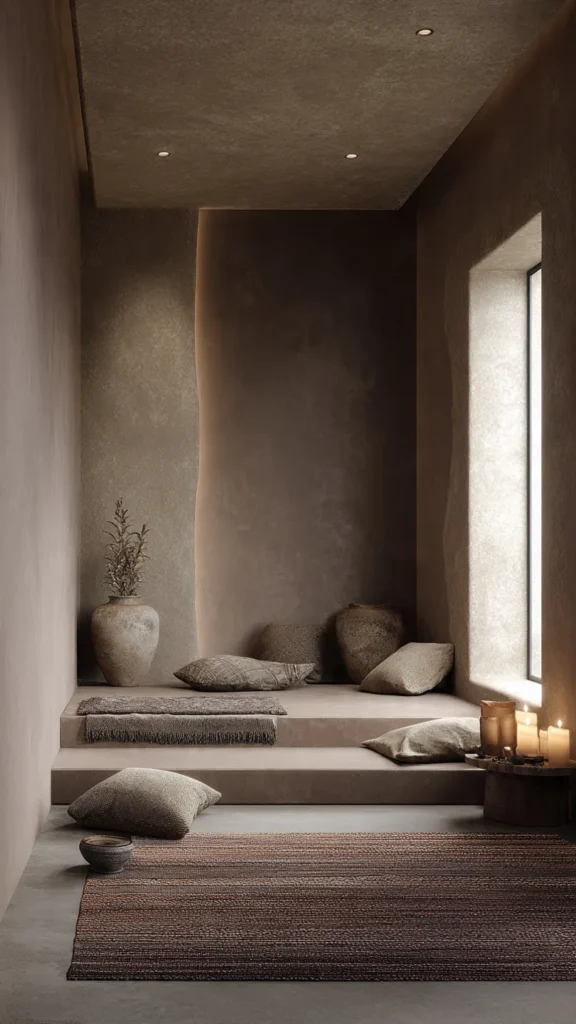
Earthy hues like clay, taupe, and muted brown create a cocoon-like sense of safety.
Benefits include emotional grounding and stability. Apply these tones to walls or textiles. Ideal for anxiety-reducing meditation. Dark tones may shrink the space. Pro tip: keep ceilings and floors lighter to maintain balance.
12. Incense and Scent Ritual Space

Subtle scent can signal the mind to slow down. Traditional incense aligns closely with Zen rituals.
Benefits include sensory grounding and ritual consistency. Use natural incense or essential oils sparingly. Ideal for establishing routine. Overuse can become distracting. Pro tip: choose one familiar scent and use it only during meditation.
13. Low-Profile Wooden Elements
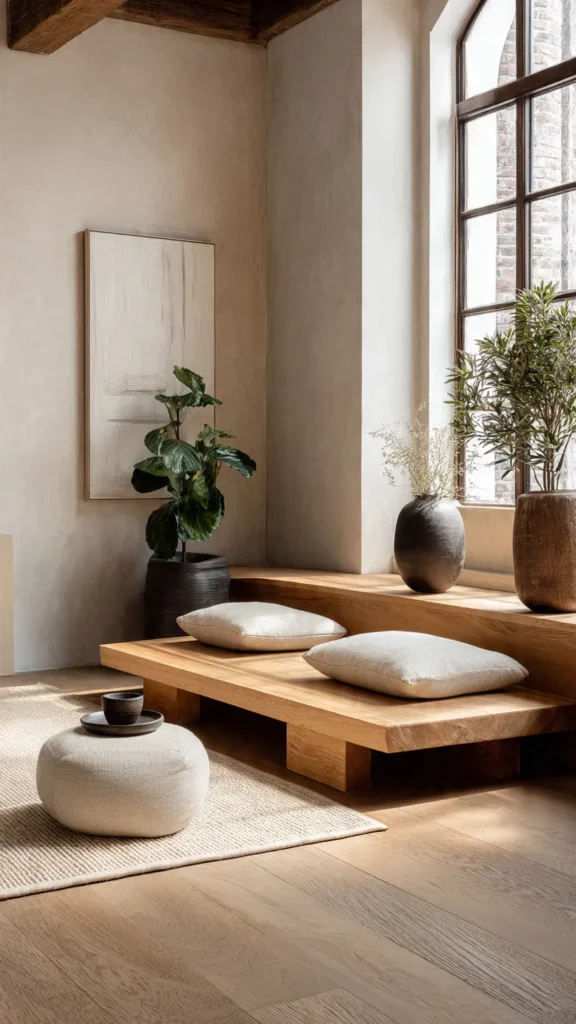
Low wooden benches, platforms, or trays add warmth while maintaining simplicity.
Benefits include natural texture and visual balance. Use light or medium-toned wood with clean lines. Ideal for Japandi or Zen-inspired homes. Too much wood can feel heavy. Pro tip: keep wooden elements low to the ground to encourage grounded energy.
14. Dedicated Stillness-Only Space
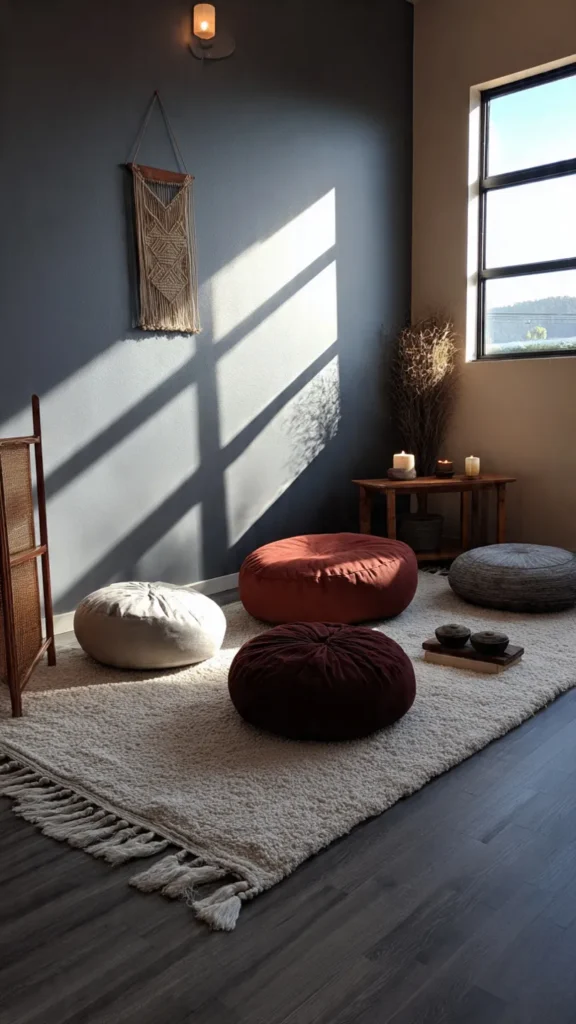
The most powerful Zen meditation spaces are reserved solely for stillness. Avoid using the area for work, exercise, or storage.
Benefits include strong mental association with calm and presence. Ideal for building a consistent meditation habit. Space limitations can be challenging. Pro tip: even a small corner can feel sacred if it’s used only for meditation.
A Zen meditation space doesn’t rely on size or decoration, but on intention, simplicity, and mindful choices. By focusing on quiet design, natural elements, and purposeful restraint, you can create a sanctuary that gently guides you toward stillness, clarity, and inner peace every time you sit.