15 Stunning Ideas to Save Gardening Space
Small gardens and limited outdoor spaces present unique challenges for gardening enthusiasts who dream of abundant plantings but face the reality of constrained square footage.
The solution lies not in sacrificing your gardening ambitions but in embracing creative space-saving techniques that maximize every available inch while maintaining beauty and productivity. Vertical growing, intensive planting methods, and multi-functional design approaches allow you to cultivate impressive gardens in surprisingly compact areas.
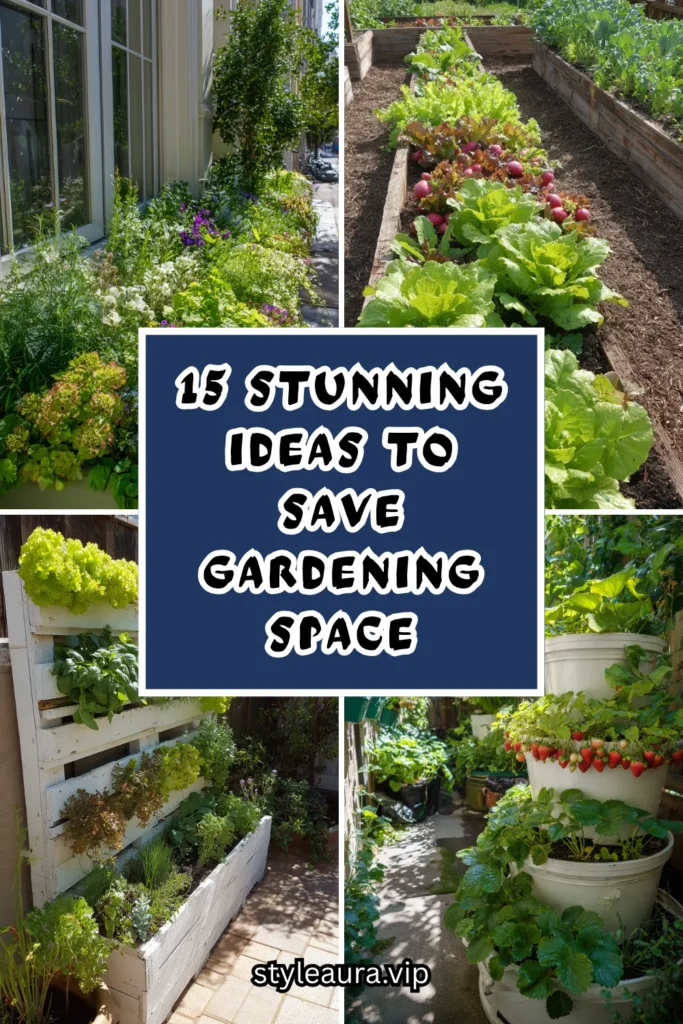
These innovative strategies prove that garden size doesn’t determine success, harvest abundance, or aesthetic impact. These 15 stunning space-saving ideas demonstrate how thoughtful planning and clever techniques transform even the smallest patches into thriving, productive, beautiful gardens that rival their larger counterparts.
1. Vertical Tower Gardens
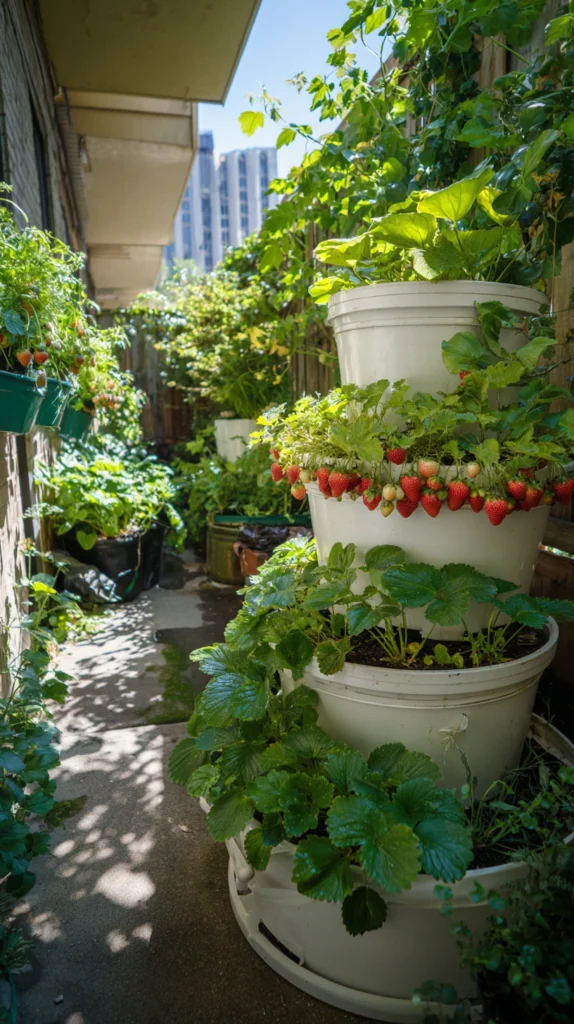
Install vertical tower planting systems that stack multiple growing levels in compact footprints, multiplying your planting capacity while occupying minimal ground space. Choose commercial tower systems with built-in irrigation or build DIY versions using stacked pots, PVC pipes with holes, or repurposed materials.
Plant strawberries, herbs, lettuce, and other compact crops in the openings, creating productive columns that can fit on balconies, patios, or tiny yards. Position towers to receive adequate sunlight while their vertical orientation provides growing space for dozens of plants in areas where traditional beds would hold only a few.
2. Espalier Fruit Trees
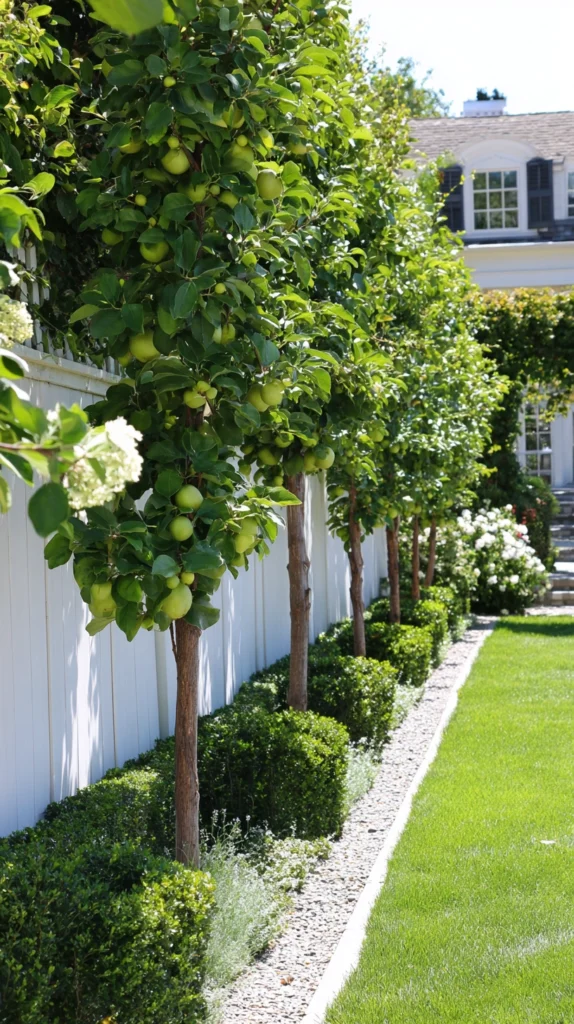
Train fruit trees to grow flat against fences, walls, or trellises using espalier techniques that reduce trees to two-dimensional forms requiring minimal depth. This ancient method creates living fences that produce full-sized fruit while occupying only 12-18 inches of space front to back.
Choose naturally compact varieties or dwarf rootstocks, then prune and train branches into formal patterns like candelabras, fans, or Belgian fences.The sculptural forms provide ornamental beauty year-round while delivering harvests from spaces where traditional orchard trees would never fit.
3. Hanging Basket Gardens
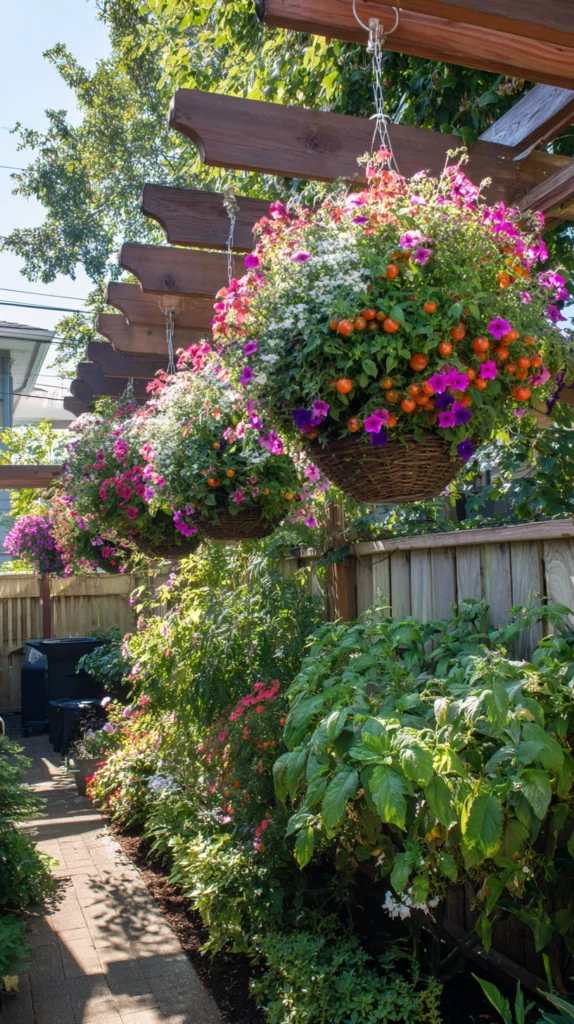
Maximize overhead space by suspending multiple hanging baskets from porch ceilings, pergola beams, or specialized stands creating aerial gardens above ground-level plantings. Fill baskets with trailing flowers, compact vegetables like cherry tomatoes, or cascading herbs creating productive and beautiful suspended gardens. Layer baskets at different heights ensure lower plants still receive adequate light while creating dimensional displays utilizing air space effectively. Include self-watering basket systems or drip irrigation making maintenance manageable even when baskets hang beyond easy reach.
4. Tiered Raised Bed Systems
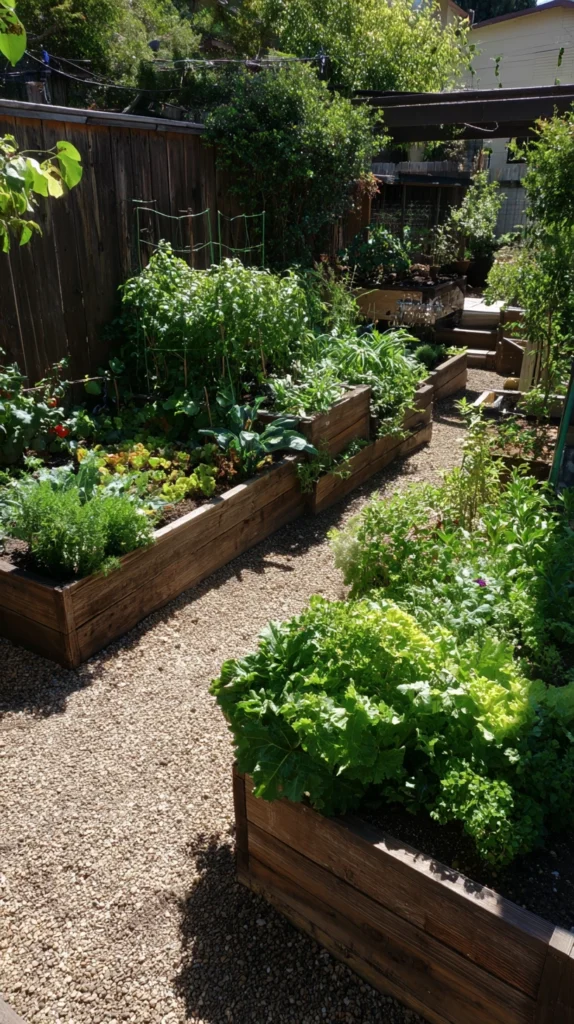
Build stepped or tiered raised bed arrangements that create multiple planting levels on slopes or in compact areas where single-level beds wouldn’t provide adequate space. Design each tier 12-18 inches high stepping back from the level below, creating terraced gardens with excellent drainage and accessibility from all sides.
Plant taller crops on upper tiers preventing them from shading lower plantings, while reserving lower beds for shade-tolerant vegetables or flowers. The tiered design maximizes planting area while adding architectural interest and solving drainage issues on sloped properties.
5. Living Wall Pocket Systems
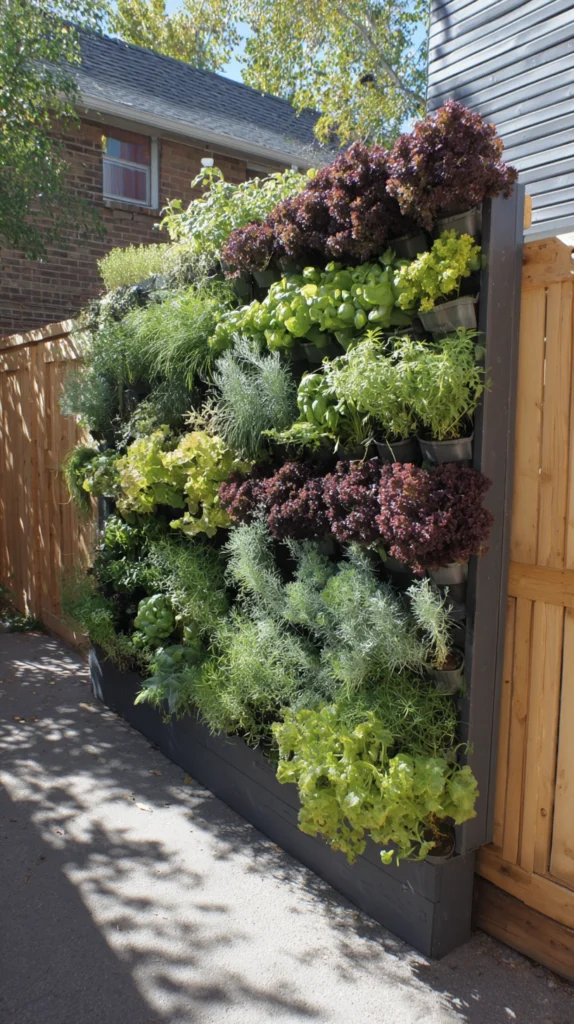
Install fabric or plastic pocket planters on vertical surfaces creating living walls filled with herbs, succulents, lettuces, or flowers growing in individual compartments. Mount pocket systems on fences, exterior walls, or freestanding frames, filling each pocket with quality potting soil and appropriate plants for the light conditions.
Design with irrigation systems or plan regular hand-watering maintaining moisture in the limited soil volume each pocket contains. The modular nature allows easy plant rotation, seasonal changes, and artistic arrangements creating both productive and decorative vertical gardens.
6. Trellis and Climbing Support
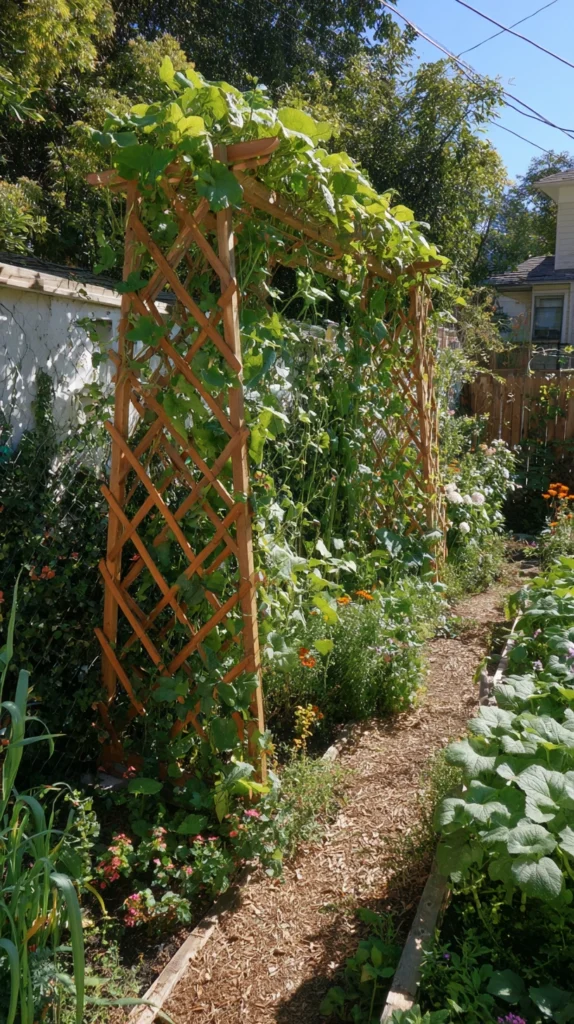
Redirect vining plants upward using sturdy trellises, arbors, or netting supports that convert horizontal sprawlers into vertical growers saving tremendous ground space. Train cucumbers, pole beans, peas, squash, and indeterminate tomatoes onto supports creating productive vertical gardens rather than space-consuming ground beds.
Build attractive trellis structures using wood, metal, or bamboo that function as garden architecture even when plants aren’t actively growing. Position trellises carefully ensuring they don’t shade sun-loving plants while maximizing the vertical growing potential in your limited space.
7. Succession Planting Strategy
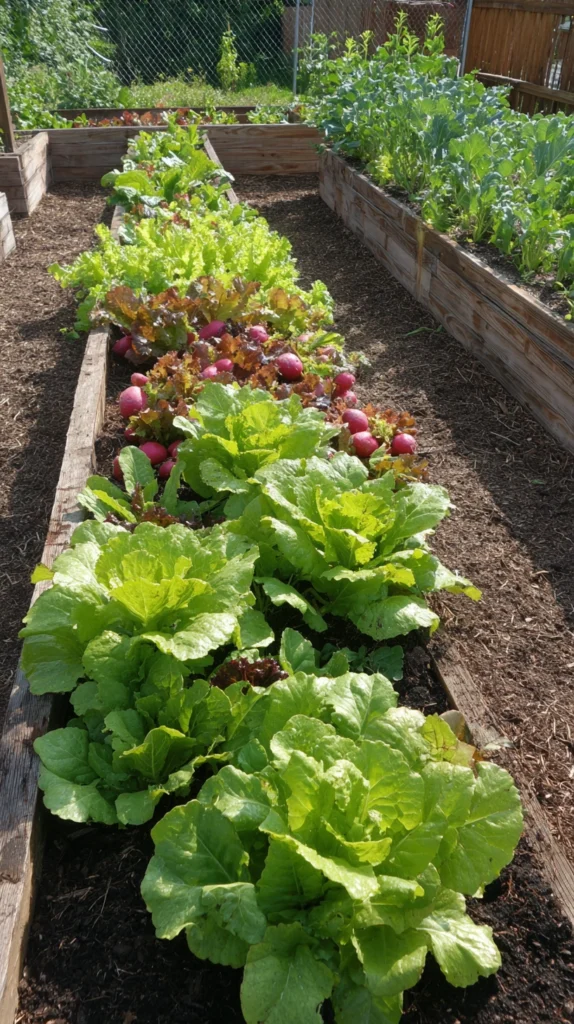
Maximize productivity by succession planting quick-growing crops every 2-3 weeks ensuring continuous harvests from the same bed throughout the season rather than single plantings. Harvest early spring crops like lettuce or radishes then immediately replant the space with summer vegetables, followed by fall crops extending productivity.
Interplant fast-growing crops between slower-maturing plants, harvesting quick growers before the larger plants need the space. This intensive approach keeps every square inch actively producing rather than leaving areas empty between plantings.
8. Container Garden Collections
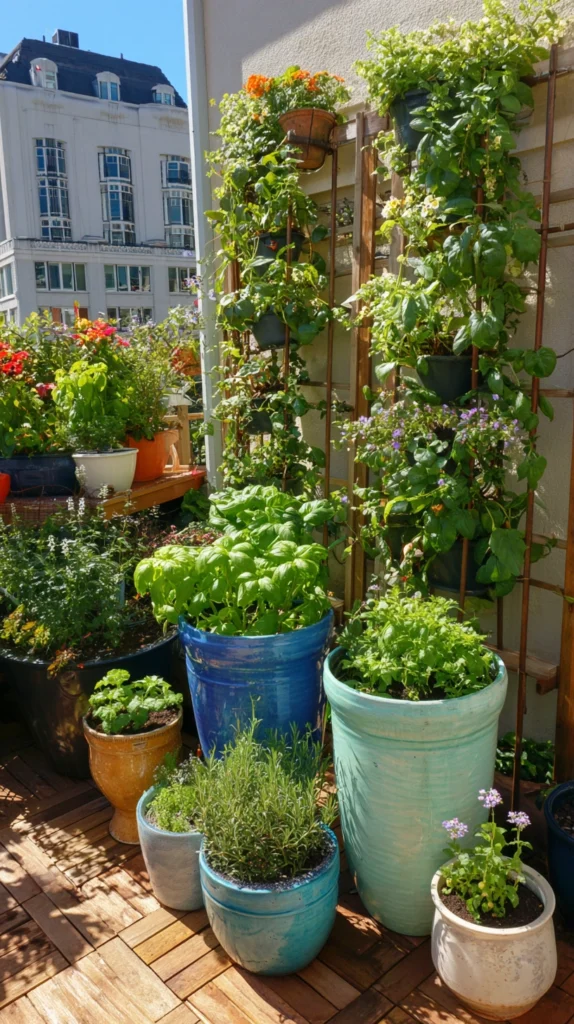
Utilize containers of all sizes creating flexible gardens that can be arranged, rearranged, and moved to follow sun patterns or accommodate changing needs. Group containers of varying heights create dimensional displays while each pot hosts different plants suited to its size and soil volume.
Plant vertically even in containers by adding small trellises or obelisks supporting climbing varieties that grow upward rather than outward. The portability allows moving containers to optimize growing conditions, bringing tender plants indoors during cold weather, or rearranging displays for aesthetic purposes.
9. Intensive Square Foot Gardening
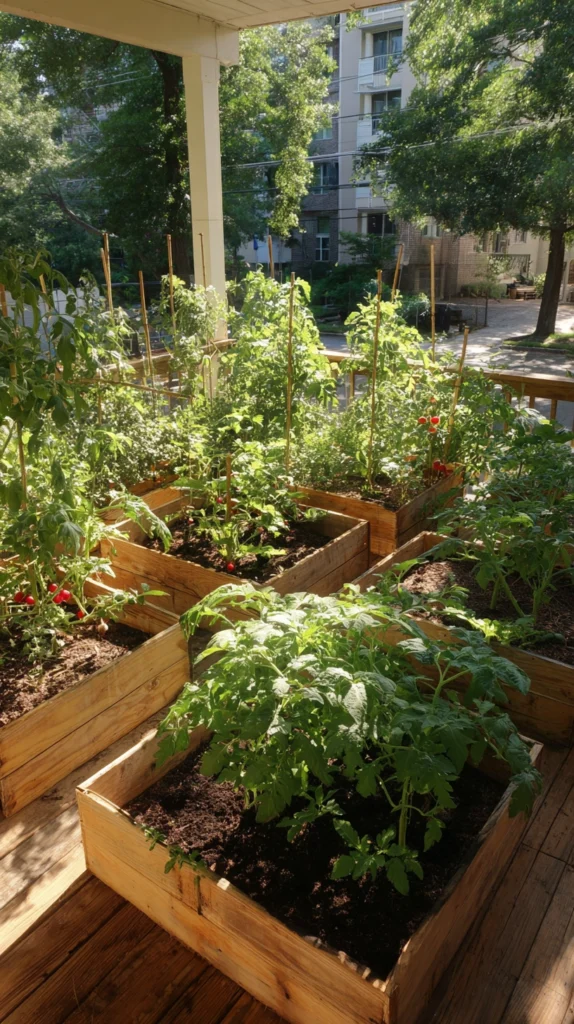
Adopt square foot gardening methods dividing beds into one-foot squares and planting specific quantities of each crop per square based on mature plant size. This precise spacing maximizes productivity while minimizing wasted space, with large plants like tomatoes getting full squares while small crops like radishes share squares.
Build raised beds exactly 4×4 feet making all planting areas accessible from the sides without stepping in beds and compacting soil. The organized approach makes planning simple while ensuring every inch produces maximum yields in minimum space.
10. Companion Planting Combinations
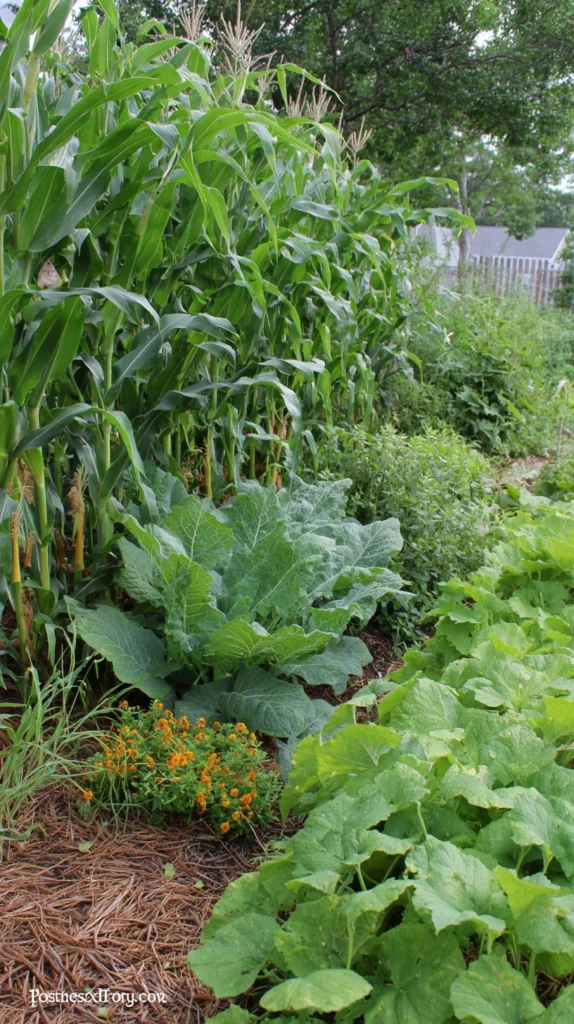
Increase efficiency through companion planting where compatible plants share space benefiting each other through pest control, pollination support, or efficient space use. Plant the “three sisters” combination of corn providing climbing support for beans while squash shades the ground preventing weeds and moisture loss.
Interplant quick-maturing crops like lettuce between slow growers like broccoli, harvesting the lettuce before the larger plants need the space. Layer plant heights with tall crops creating shade for heat-sensitive plants below, utilizing vertical space efficiently.
11. Railing and Fence Planters
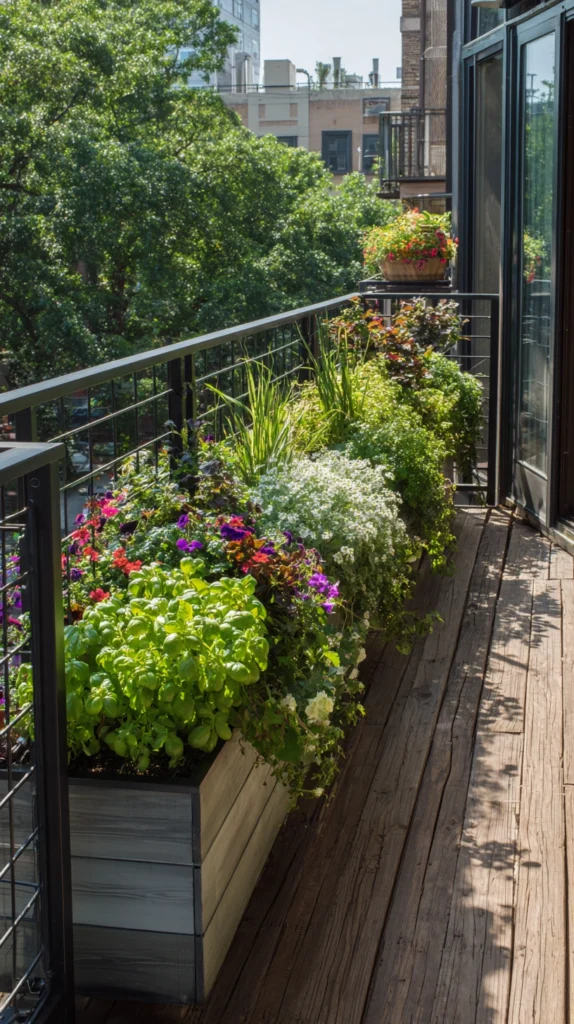
Attach planters directly to deck railings, fence tops, or balcony edges creating garden space where none previously existed without consuming floor area. Choose specialized railing planters designed to hook securely over horizontal surfaces, or build custom boxes mounted to vertical fence surfaces.
Plant herbs, flowers, or compact vegetables in these elevated beds where they receive excellent light and air circulation. The raised position often provides better drainage while making harvesting and maintenance more comfortable without bending or kneeling.
12. Salad Table Gardens
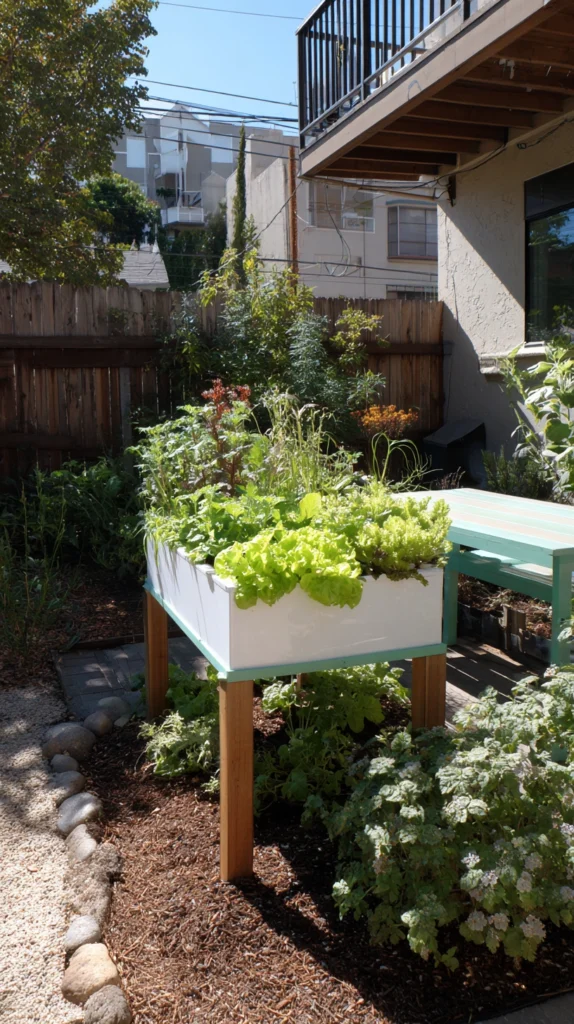
Construct or purchase elevated table-height planting beds bringing gardens to waist level eliminating bending while creating accessible growing areas underneath. Build tables at comfortable working height with drainage provisions, filling the shallow bed areas with quality soil for growing salad greens, herbs, or flowers.
Utilize the space beneath tables for shade-tolerant plants, storage of gardening supplies, or even seating creating multi-functional garden furniture. The elevated design suits older gardeners, those with mobility limitations, or anyone wanting more comfortable garden access.
13. Window Box Maximization
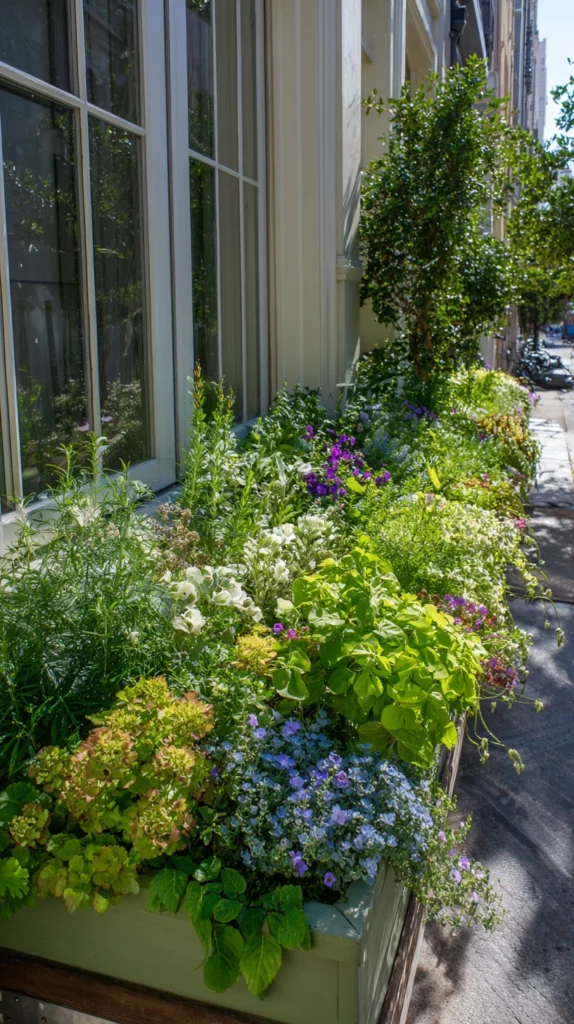
Install window boxes on every available window, both exterior and interior, creating multiple small growing areas that collectively provide significant planting space. Fill exterior boxes with flowers, herbs, or trailing plants creating curb appeal while producing useful crops or cutting flowers.
Use interior window boxes for starting seeds, growing microgreens, or cultivating houseplants bringing gardening indoors year-round. The multiple small spaces add up to substantial growing area while enhancing your home’s appearance from both inside and outside.
14. Intercropping and Underplanting
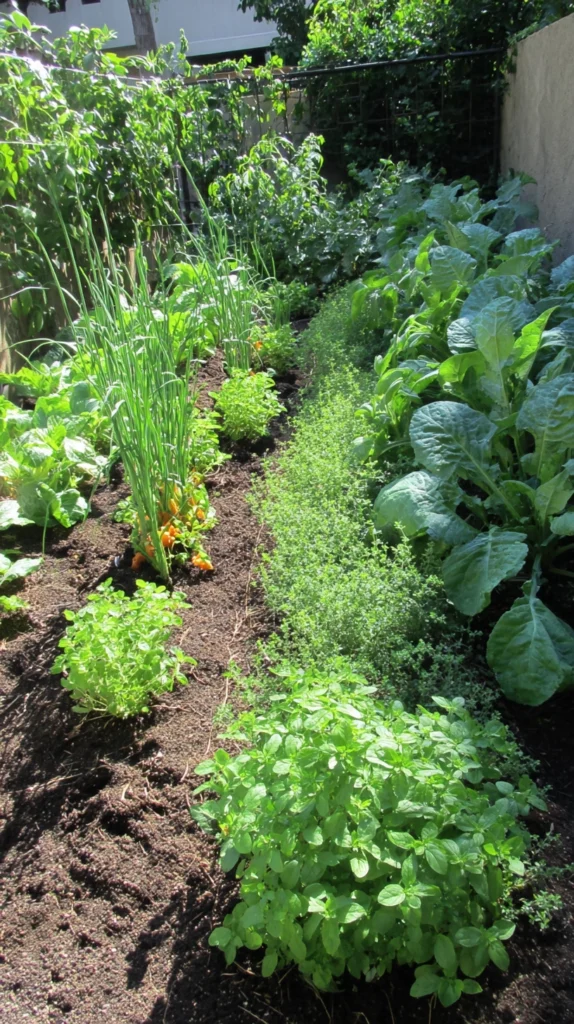
Practice intercropping by planting compatible crops in the same bed rather than dedicating entire areas to single crops, maximizing diversity and space efficiency. Grow low-growing groundcovers like thyme or creeping oregano beneath taller plants utilizing the shaded ground layer effectively.
Plant quick-maturing crops between rows of slower vegetables, harvesting the fast growers before the main crop needs full space. This intensive approach requires careful planning ensuring plants don’t compete for nutrients, water, or light while increasing overall productivity per square foot.
15. Pallet Garden Conversions
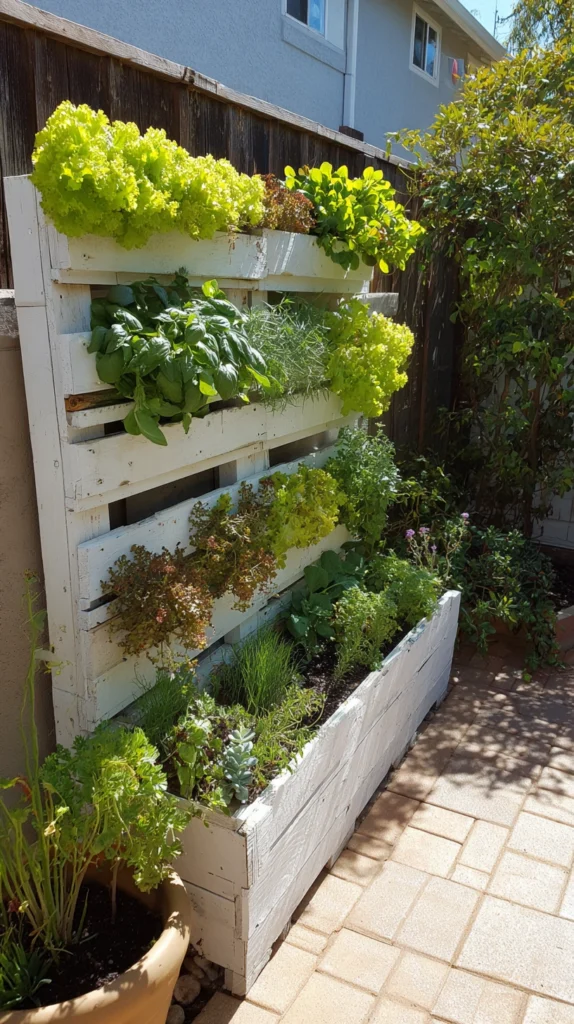
Repurpose wooden shipping pallets into vertical gardens by standing them upright, adding landscape fabric backing, filling with soil, and planting in the slat openings. Sand and paint or stain pallets creating attractive vertical planters that lean against walls or fences occupying minimal space.
Plant herbs, succulents, lettuce, or flowers in the openings creating living walls from free or inexpensive recycled materials. The vertical orientation provides substantial planting area in the footprint of a single pallet, perfect for small urban gardens or balconies.
Maximizing Your Garden Space
Successfully implementing space-saving techniques requires understanding your specific growing conditions including light exposure, water access, and structural supports available for vertical growing. Invest in quality soil and proper drainage since intensive planting in limited spaces demands optimal growing conditions supporting concentrated plantings.
Maintain gardens carefully through regular watering, feeding, and pest monitoring as intensive methods create situations where problems can spread quickly through closely spaced plants.
Plan carefully before planting ensuring you’re choosing appropriate crops and varieties specifically suited to small-space growing rather than standard garden varieties requiring more room. Most importantly, start small with one or two techniques perfecting your approach before expanding, building skills and confidence that lead to increasingly productive compact gardens.