15 Spring Mantel Decor Ideas for a Seasonal Refresh
As winter’s chill gives way to warmer days and nature awakens with fresh blooms, your fireplace mantel presents the perfect canvas for celebrating the season’s renewal. The mantel serves as a natural focal point in your living space, making it an ideal location to showcase spring’s vibrant energy and lighter aesthetic.
Whether your style leans toward traditional elegance, farmhouse charm, or modern minimalism, refreshing your mantel for spring creates an instant transformation that brightens your entire room.

Spring mantel decorating offers the opportunity to embrace softer colors, natural elements, and the sense of optimism that comes with longer days and blooming gardens.
From lush floral arrangements to subtle nods to the season’s palette, these fifteen ideas will help you create a mantel display that captures spring’s essence while reflecting your personal style. The beauty of mantel decor lies in its flexibility—you can go bold with dramatic arrangements or keep things understated with just a few carefully chosen pieces.
1. Fresh Flower Abundance

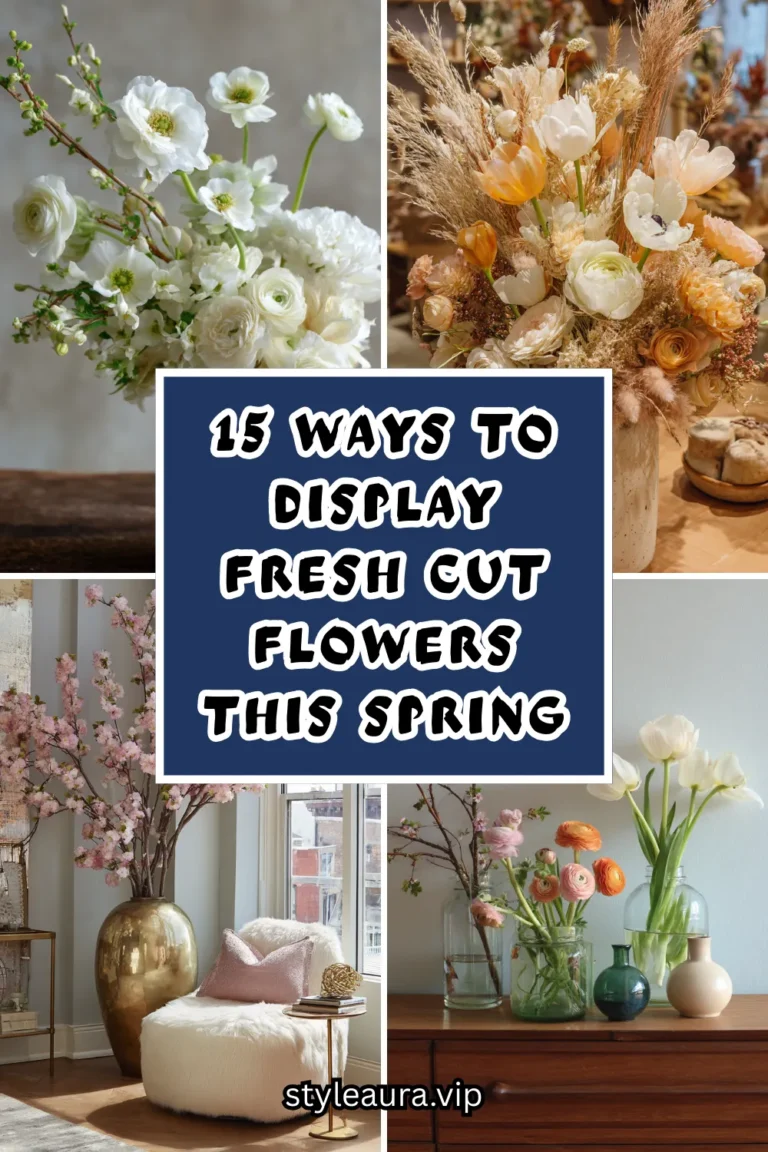
Nothing announces spring quite like an abundant display of fresh flowers on your mantel. Create a lush arrangement using seasonal blooms like tulips, daffodils, ranunculus, peonies, and cherry blossoms. Use multiple vessels of varying heights rather than a single centerpiece to create visual interest and movement across the mantel’s length.
Mix ceramic pitchers, glass vases, and vintage bottles for an collected-over-time aesthetic that feels personal and inviting. Choose flowers in a cohesive color palette—soft pinks and whites for romance, bright yellows and oranges for energy, or a mix of pastels for traditional spring sweetness.
Change the water every few days and trim stems to extend the life of your display. While fresh flowers require maintenance, their natural beauty and delicate fragrance create an unmatched spring ambiance that brings the outdoors in.
2. Layered Greenery Garland
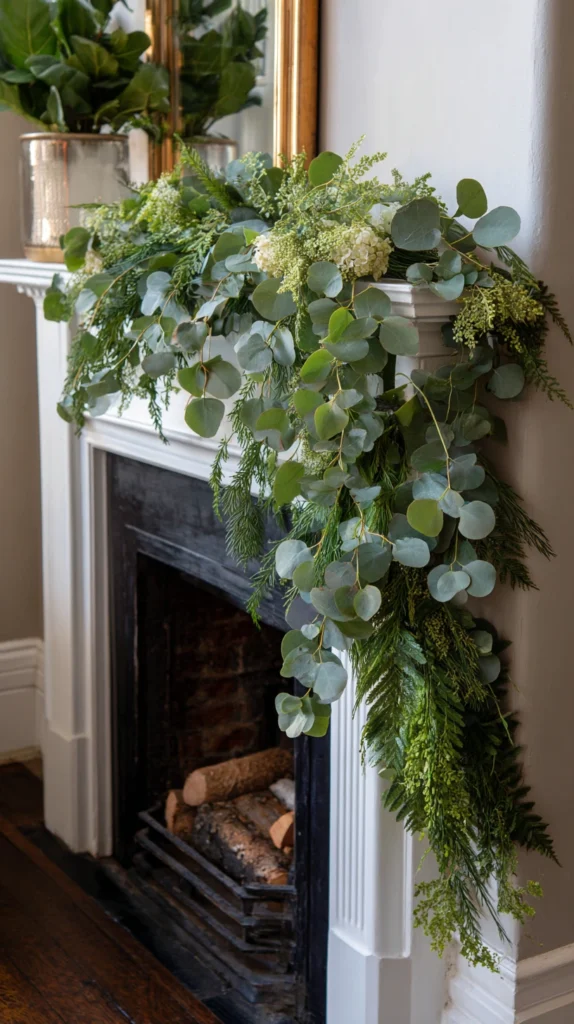
Drape your mantel with a lush garland made from eucalyptus, ivy, ferns, or a combination of mixed greenery. This foundation piece creates immediate spring freshness while providing a base layer you can build upon with additional decorative elements. Fresh greenery offers superior texture and movement compared to artificial alternatives, though high-quality faux garland works well for longer-lasting displays.
Secure the garland along the mantel’s front edge, allowing it to drape naturally with some pieces cascading downward. Weave in flowering branches like forsythia or flowering quince for pops of color, or add sprigs of lavender for subtle fragrance. The organic, asymmetrical nature of greenery garland creates a relaxed, garden-inspired look that serves as the perfect backdrop for candles, art, or decorative objects placed throughout the arrangement.
3. Soft Pastel Palette

Embrace spring’s traditional color story by designing your mantel around soft pastels—blush pink, robin’s egg blue, butter yellow, mint green, and lavender. This approach creates a serene, sophisticated display that feels fresh without being overly themed. Use pastel-colored candles in varying heights, display ceramic or glass objects in coordinating hues, and incorporate artwork or prints featuring spring’s gentle tones.
The key to successful pastel decor lies in balancing the sweetness with grounding elements. Incorporate natural wood tones, crisp white accents, or touches of metallics to prevent the display from feeling too saccharine. This color palette works beautifully in traditional, cottage, and romantic interior styles, creating a cohesive look that complements rather than overwhelms your existing decor.
4. Farmhouse Simplicity
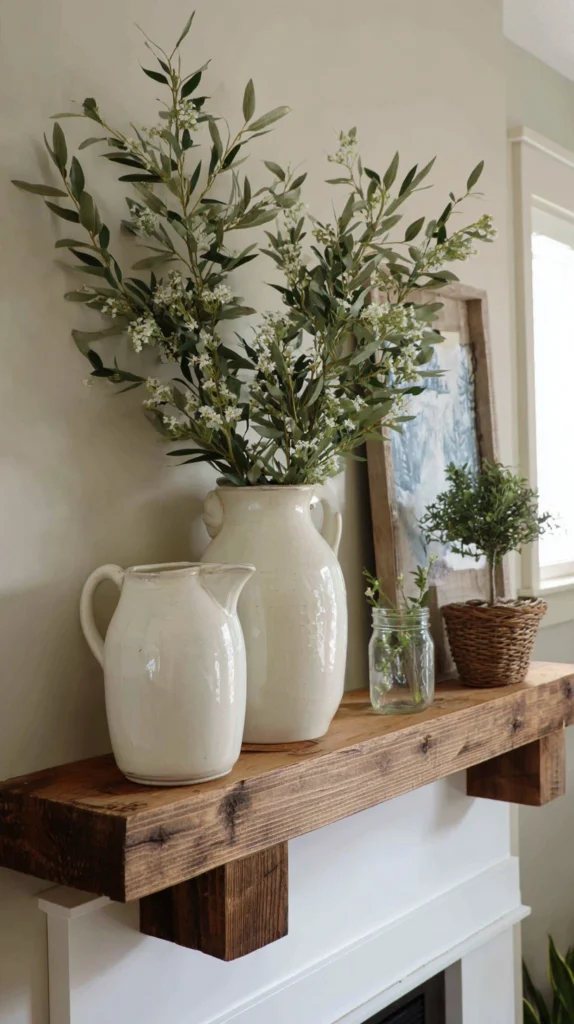
Channel farmhouse style with a pared-down spring mantel that emphasizes natural materials and vintage charm. Start with a weathered wood sign featuring spring sentiments or botanical illustrations as your anchor piece. Flank it with galvanized metal containers filled with fresh or faux stems, incorporate vintage milk bottles, and add white ceramic pitchers or enamelware.
Keep the color palette neutral with whites, creams, soft greens, and natural wood tones. The farmhouse aesthetic celebrates simplicity and functionality, so avoid overcrowding the space. Instead, choose fewer pieces with more impact, allowing each element room to breathe. Add texture through burlap ribbons, cotton stems, or a simple eucalyptus wreath leaned casually against the wall rather than hung formally.
5. Statement Mirror with Flanking Arrangements

Use your mantel’s existing mirror or artwork as the focal point, then create symmetrical arrangements on either side for classic, balanced appeal. This traditional approach works in formal living rooms and creates a polished, intentional look. Place matching urns, vases, or planters filled with identical floral arrangements at each end of the mantel.
The symmetry creates visual calm and order while the spring florals add seasonal relevance. Choose flowers that complement your mirror’s frame—bright blooms for ornate gold frames, understated stems for simple modern mirrors. Add matching candlesticks between the arrangements and your central mirror for additional layers. This formula never fails and suits those who prefer time-tested decorating principles over trend-driven designs.
6. Botanical Print Gallery

Create a mini gallery wall effect on your mantel by layering botanical prints, pressed flower frames, or vintage garden illustrations. Lean framed pieces against the wall in varying sizes, overlapping them slightly for a collected, curated appearance. This approach brings spring’s beauty through artistic interpretation rather than literal florals.
Mix frame styles and sizes for an eclectic look, or keep them uniform for a more structured display. Include actual pressed flowers in floating frames, vintage seed packets, or botanical watercolors. Add small potted plants or bud vases with single stems in front of the framed art to bridge the gap between two-dimensional artwork and three-dimensional objects. This literary, garden-inspired approach suits book lovers and those drawn to botanical aesthetics.
7. Nest and Bird Theme

Celebrate spring’s association with nesting birds by incorporating nest-themed elements into your mantel decor. Display decorative bird nests with speckled eggs (real or faux), position ceramic or carved bird figurines throughout the arrangement, and include branches or flowering stems that suggest natural habitats.
This theme works beautifully in neutral palettes with moss green, taupe, cream, and soft blue accents. Add delicate robin’s eggs in a shallow bowl, incorporate feathers tucked into arrangements, or display vintage birdcage as a unique vessel for flowers. The nest and bird motif feels quintessentially spring while maintaining sophistication when executed with restraint and quality pieces rather than overly literal or craft-store kitsch.
8. Herb Garden Display

Bring the kitchen garden to your living room by styling your mantel with potted herbs in decorative containers. Plant basil, thyme, rosemary, mint, and parsley in coordinating pots and arrange them across your mantel for a display that’s both beautiful and functional. The varied textures and fresh green colors create visual interest while the natural fragrance refreshes your space.
This practical approach works especially well in kitchens with fireplace mantels but translates beautifully to any room. Use vintage tins, ceramic crocks, or terra cotta pots depending on your style. Add small garden markers or labels for charm, and position the herbs where they’ll receive adequate light. Snip from your mantel garden when cooking, and watch as the plants bush out and become fuller throughout the season.
9. Monochromatic Green Layers
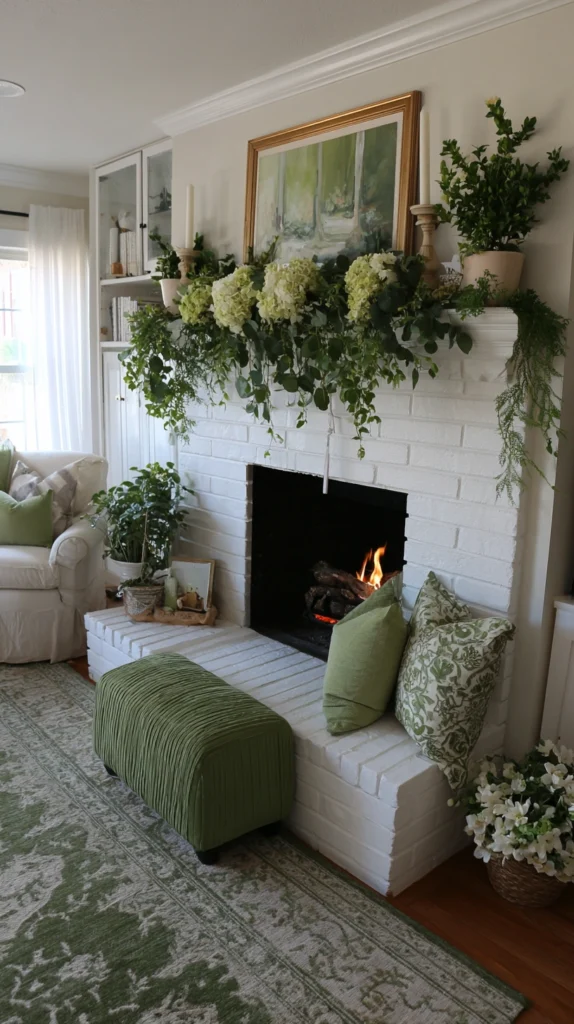
Create a sophisticated, modern spring mantel by working exclusively in various shades of green. Layer different green tones and textures—deep forest ferns, bright lime-green stems, sage eucalyptus, and pale pistachio ceramics. This approach feels fresh and spring-appropriate while maintaining elegance through its restrained palette.
Include both matte and glossy finishes for depth, vary the scale from delicate vines to bold tropical leaves, and mix natural elements with green-glazed pottery or glass. The monochromatic approach prevents the display from feeling busy while still delivering visual interest through tonal variation and textural contrast. This works beautifully in contemporary, transitional, and even traditional spaces seeking a more updated spring look.
10. Vintage Garden Collection

Curate a mantel display featuring vintage garden-related items collected from antique shops, estate sales, or family heirlooms. Arrange old watering cans, vintage garden tools with worn wooden handles, antique seed boxes, weathered terra cotta pots, and aged botanical books. These pieces tell a story while celebrating spring’s gardening traditions.
The patina and history of vintage pieces add character and depth that new items simply cannot replicate. Fill vintage containers with fresh flowers or trailing greenery, stack antique garden books and top them with a small potted plant, or display old seed packets in a rustic frame. This approach suits cottage, farmhouse, and eclectic interiors where personality and collected charm matter more than matching sets.
11. Sculptural Branches and Blooms

Make a dramatic statement with tall, sculptural branches displayed in substantial floor vases positioned at either end of your mantel. Choose flowering branches like cherry, dogwood, or magnolia for maximum spring impact, or use curly willow, forsythia, or quince branches. Their height and architectural form create instant drama while maintaining organic elegance.
This approach works particularly well with minimalist mantels where a few powerful pieces create more impact than numerous small objects. The vertical lines draw the eye upward, emphasizing ceiling height and creating grandeur. Keep the rest of the mantel relatively unadorned to allow the branches their moment—perhaps just a few small votives or a simple rectangular mirror to reflect the branches’ beauty.
12. Ombre Color Transition

Create visual movement by arranging your spring mantel with an ombre color effect that gradually transitions from one hue to another. Start with deep plum on one end, transition through pink and peach, and finish with pale yellow on the opposite end. Use flowers, candles, books, and decorative objects in coordinating colors to create the gradient.
This artistic approach adds dynamic energy to your mantle while showcasing color theory in action. The ombre effect works with any spring color palette—blues transitioning to greens, or pinks fading to whites.
This technique requires more pieces and careful planning but delivers a show-stopping result that feels both cohesive and visually interesting. It particularly suits creative spaces and modern interiors.
13. Rustic Wooden Elements
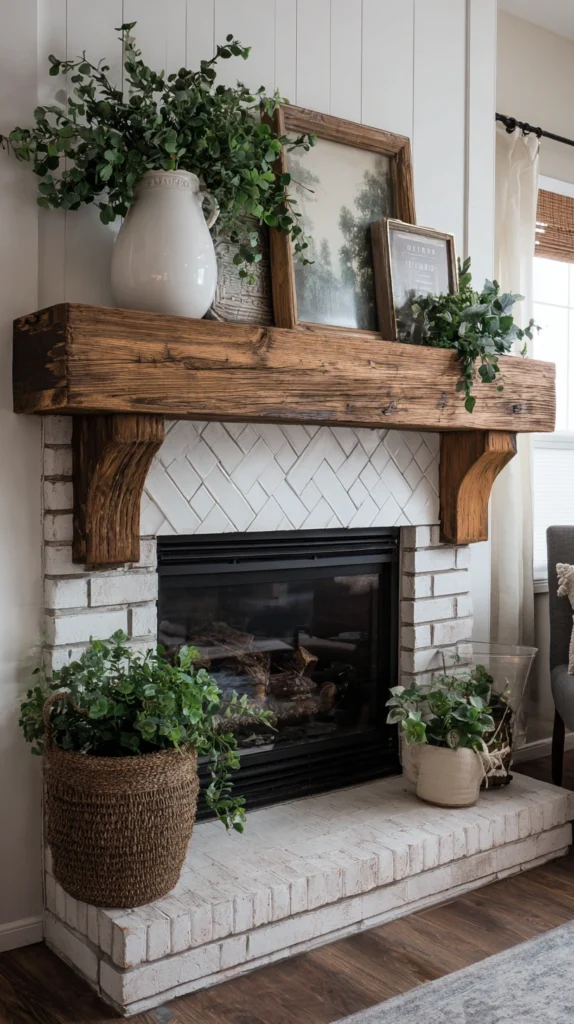
Ground your spring mantel with natural wood elements that add warmth and texture while complementing lighter, airier spring additions. Use a reclaimed wood beam as a mantel scarf, display wooden dough bowls filled with flowers or moss balls, incorporate driftwood pieces, or lean weathered shutters against the wall as architectural interest.
The raw, organic quality of wood provides a substantial foundation that prevents spring decor from feeling too delicate or precious.
Pair wooden elements with white ceramics, fresh greenery, and soft linens for a balanced look that feels both grounded and seasonal. This approach works beautifully in cabins, lake houses, and rustic-modern interiors where natural materials take center stage.
14. Terrarium and Glass Cloches

Display spring’s delicate beauty under glass cloches or within terrariums arranged across your mantel. These protective domes create miniature garden vignettes while adding varied heights and transparent layers to your composition.
Place moss, small flowering plants, decorative eggs, or single perfect blooms under individual cloches.
The glass creates a vintage, collected aesthetic while protecting delicate items from dust and damage. Mix cloche sizes and shapes for visual interest, and elevate some on stacks of books or wooden pedestals to create varied heights.
This approach suits Victorian, cottage, and romantic interiors where preserved beauty and careful curation define the style. Terrariums with succulents or air plants offer a modern twist on this concept.
15. Candle Garden Illumination

Create ambiance by styling your mantel as a candle garden with multiple candles in varying heights surrounded by spring florals and greenery. Use pillar candles in glass hurricanes for safety, mix in taper candles in elegant candlesticks, and add tea lights in small vessels throughout. Weave fresh or faux flowers and greenery around the candles to create an illuminated spring garden effect.
This approach transforms your mantel into an enchanting focal point, especially beautiful in the evening when candles are lit. Choose candles in spring colors—soft pink, pale yellow, mint green, or classic ivory—to complement your floral choices.
The combination of flickering light and natural elements creates a romantic, welcoming atmosphere perfect for spring gatherings. Always practice candle safety by keeping flames away from flammable materials and never leaving burning candles unattended.
Styling Principles for Mantel Success
Regardless of which specific spring theme you choose, certain design principles ensure your mantel looks professionally styled rather than cluttered or haphazard. Start by choosing a focal point—this might be a mirror, artwork, wreath, or large floral arrangement—and build your design around it. This anchor piece provides direction and prevents the display from feeling random.
Layer objects at different depths on your mantle rather than lining everything up along the front edge. Place some items against the wall, others mid-mantel, and a few near the front to create dimensional interest. Vary heights by using books, risers, or pedestals to elevate some pieces while keeping others at mantel level. This vertical variation prevents a flat, one-dimensional appearance.
Work in odd numbers when possible—groups of three or five items feel more natural and visually pleasing than pairs or even numbers. However, symmetrical flanking arrangements on either side of a central focal point remains a timeless exception to this rule and works beautifully in traditional settings.
Practical Considerations
Before you begin decorating, clean your mantel thoroughly and consider your fireplace usage. If you still use your fireplace in early spring, choose heat-resistant materials and keep flammable items well away from the firebox opening. Secure tall or heavy items so they won’t topple, especially if you have pets or small children.
Consider scale carefully—your mantel decor should feel proportionate to both the mantel itself and the room’s size. A tiny mantel gets overwhelmed by large arrangements, while a substantial mantel looks sparse with diminutive decor. Step back frequently as you style to view the arrangement from seating areas and doorways where you’ll most often see it.