15 Split-Level Home Ideas That Maximize Every Inch
The split-level home occupies a specific and frequently misunderstood position in residential architecture. It is neither the single-storey home whose entire program occupies a single horizontal plane, nor the conventional two-storey home whose floors stack directly above each other in a simple vertical relationship.
It is the home organized around a series of intermediate levels, each offset from the adjacent level by a half-storey or a partial flight of stairs, creating a spatial sequence of connected but distinct horizontal planes that follow the natural topography of a sloped site or create an artificial topography of spatial variety on a flat one.
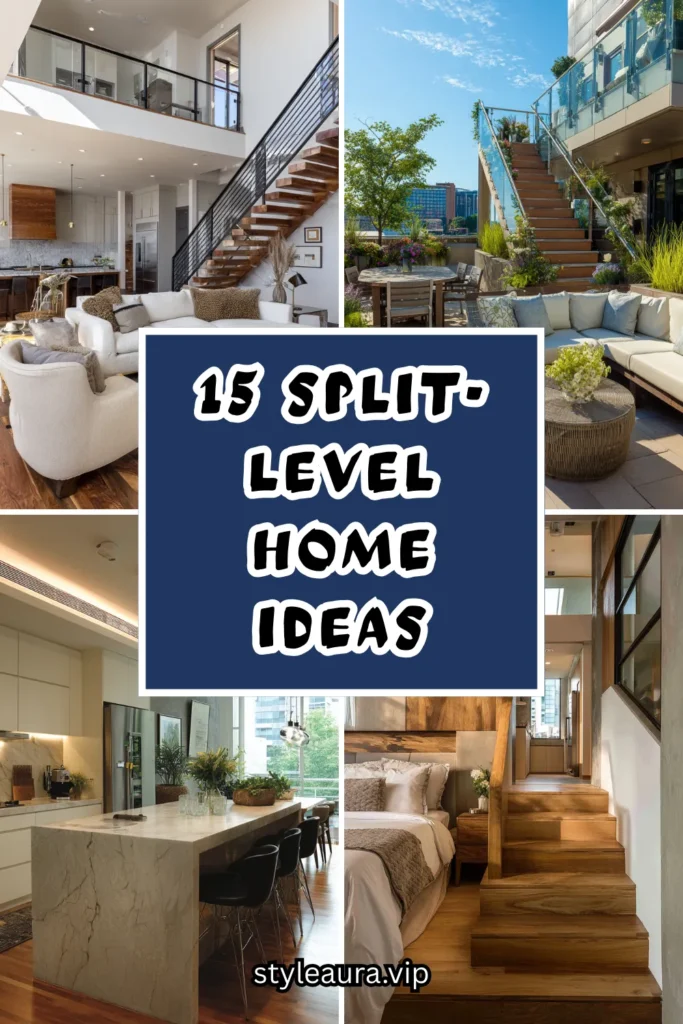
The split-level’s specific spatial qualities, its multiple levels of varying ceiling height, its visual connections between levels across the half-storey offset, and its capacity to organize different household functions at different elevations within a single, spatially connected volume, make it one of the most spatially interesting and most practically useful residential forms available.
Its reputation for difficulty, the split-level that feels choppy and disconnected rather than fluid and spatially generous, the split-level where the level changes create barriers rather than opportunities, comes from the misapplication of conventional single-level design thinking to a form that requires its own specific design logic.
The split-level home that works beautifully is not the result of applying standard room layouts to a stepped plan. It is the result of understanding the split-level’s specific spatial opportunities and designing every element of the home to exploit those opportunities with genuine intelligence and genuine ambition.
The ideas collected here address every aspect of the split-level home’s design, from the organization of the level changes themselves to the specific furniture, material, and lighting decisions that make each level feel connected to the whole while maintaining its own distinct character. Here are fifteen ideas for maximizing every inch of the split-level home’s extraordinary spatial potential.
1. Use the Level Change to Define Functional Zones
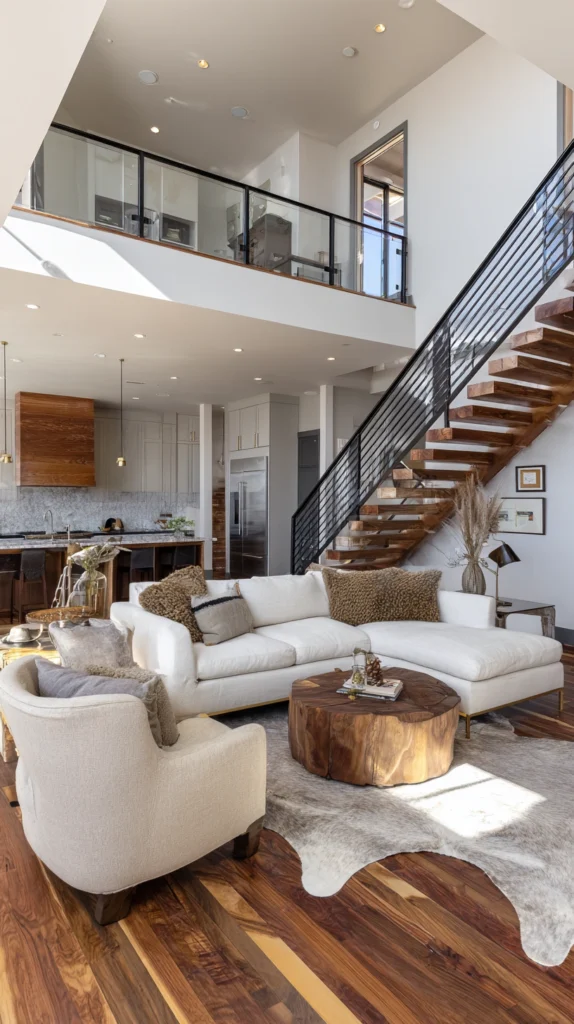
The split-level home’s most fundamental spatial opportunity is the use of the level change itself as the primary zone-defining element, creating the distinction between the home’s different functional areas through the architectural means of elevation rather than through walls, partitions, or changes of floor material.
The living area on one level, the dining area a half-flight up, the kitchen a half-flight above that creates a spatial organization of complete clarity and complete openness simultaneously.
Each level’s specific elevation creates a distinct functional identity without the visual closure of a wall. The lower level’s relative enclosure creates the more intimate, more private quality suited to the relaxed living room function. The upper level’s relative openness and overview creates the more active, more social quality suited to the kitchen and dining function.
The visual connection between levels across the half-storey offset is one of the split-level’s most distinctive spatial qualities. The ability to see from one level to another, to call across the level change and maintain the social connection of an open plan while enjoying the spatial distinction of separate levels, creates a domestic spatial experience unavailable in any other residential form.
Design each level’s functional program with specific attention to the acoustic relationship with the adjacent levels. The television sound from the lower living level should not disrupt conversation at the upper dining level. The kitchen’s activity sounds should not dominate the lower level’s quieter functions. Acoustic management between split-level zones is the spatial benefit’s primary practical qualification.
2. Design the Staircase as an Architectural Feature
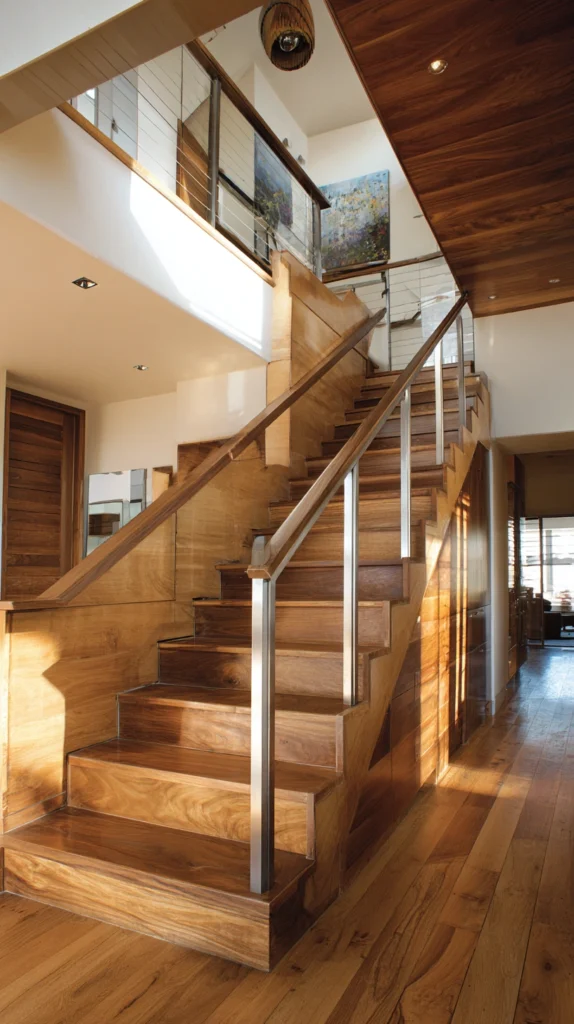
The staircases connecting the split-level home’s multiple levels are not simply circulation elements. They are the architectural features that most powerfully communicate the home’s spatial character and whose specific design quality determines whether the level changes feel like generous spatial transitions or awkward interruptions of the home’s flow.
A staircase of genuine design quality, with treads of adequate width and depth, a handrail of beautiful material and confident profile, and the specific proportional relationship between riser height and tread depth that creates the comfortable climbing rhythm of a well-designed stair, transforms the level change from a functional necessity into a spatial pleasure.
The staircase’s material should be chosen for its relationship to the home’s wider material palette rather than as an independent selection. A timber staircase in the same species as the floor creates the material continuity of a single, unified horizontal surface that rises through the home’s levels. A steel and glass staircase in an otherwise timber and stone home creates the deliberate material contrast of a designed object placed within a material context.
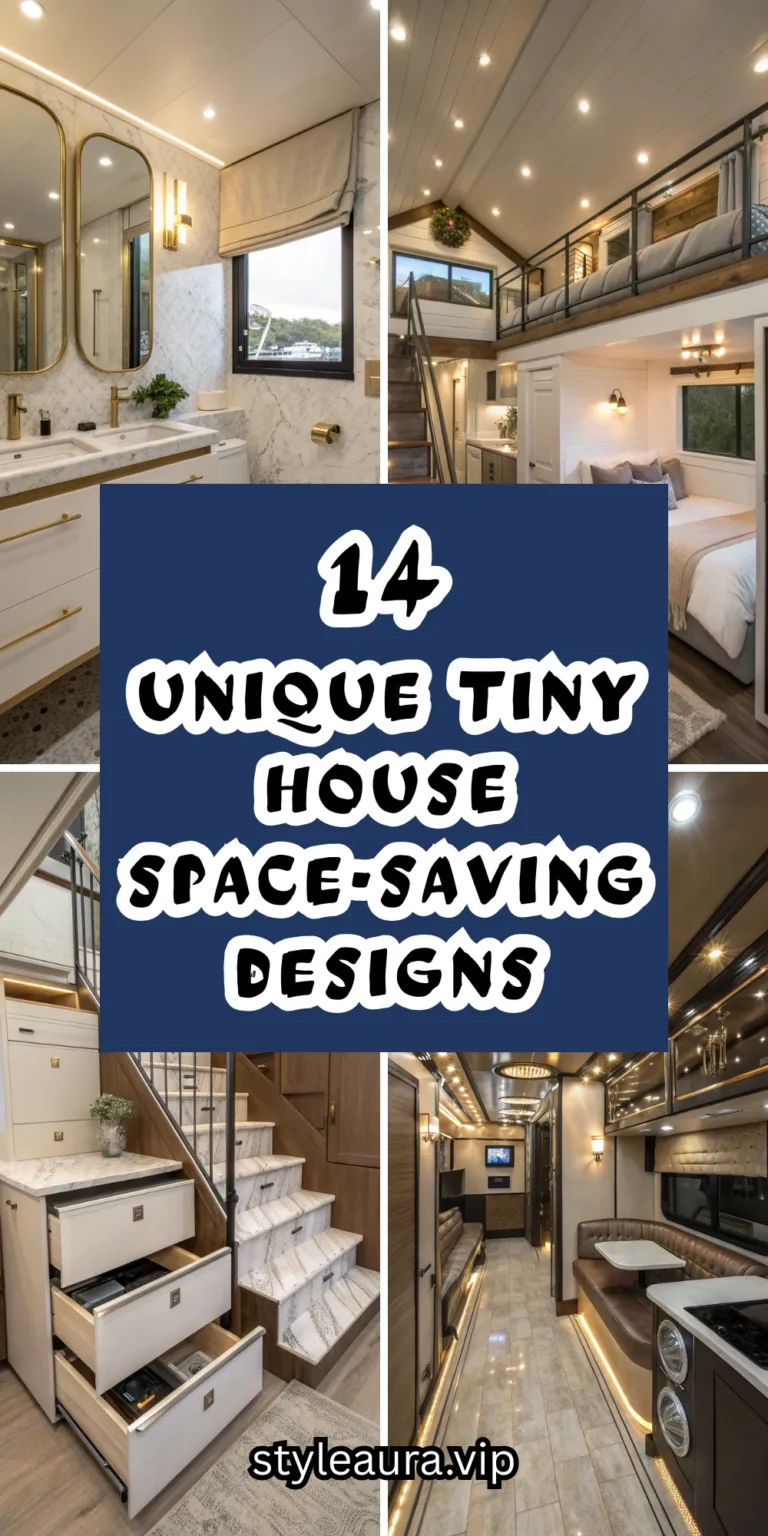
Storage integrated into the staircase’s structure, drawers built into the risers, shelving built into the wall beside the stair’s rise, or a cabinet built into the half-storey void beneath the stair’s upper flight, creates a circulation element of complete spatial efficiency that serves both the movement and the storage functions simultaneously.
3. Create Double-Height Volumes at Key Locations
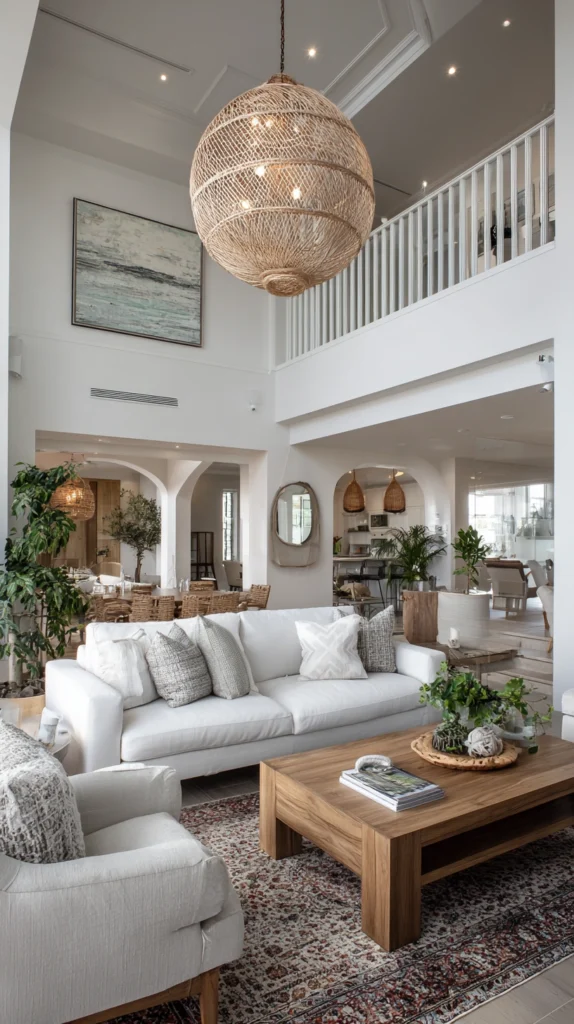
The split-level home’s multiple levels create the structural conditions for double-height volumes at the points where two adjacent levels share a common void, and these double-height volumes are the spatial features that most powerfully communicate the split-level’s generous, multi-dimensional spatial character.
A double-height void above the living room, created by the opening of the upper floor’s edge at the level change, floods the lower level with light from the upper level’s windows and creates a vertical spatial experience that the standard single-height room cannot approach. The visual connection between the lower seating area and the upper landing or mezzanine creates the spatial drama of a room that is simultaneously intimate at its seated scale and generous at its full vertical dimension.
The double-height volume’s acoustic qualities require specific management. The hard surfaces of a tall, open void create reverberation that makes both levels noisier than their equivalent single-height rooms. Acoustic treatment through the introduction of soft surfaces, generous textile provision, and the absorption of sound energy at multiple levels within the void, manages this reverberation without compromising the spatial generosity of the double-height volume.
Hang a statement light fitting within the double-height void, a pendant or a chandelier of adequate scale for the volume’s generous vertical dimension, at a height that creates the correct visual relationship with the lower level’s seating area.
A light fitting hung too high in a double-height void disappears into the upper volume. A light fitting hung at the correct mid-height creates the spatial anchor that the double-height void’s generous emptiness requires.
4. Build Storage Into Every Level Transition
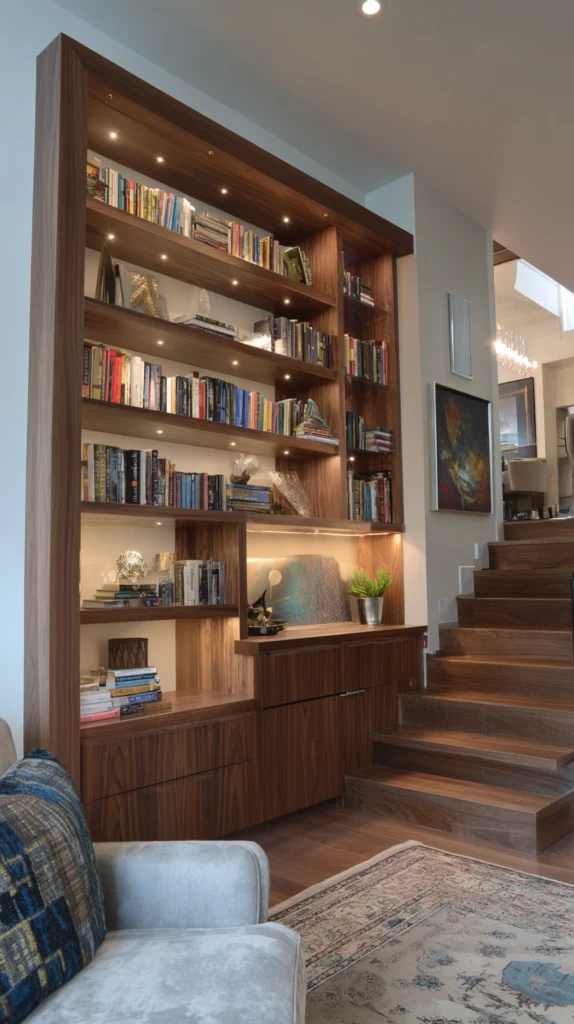
The half-storey void created at every level transition in the split-level home, the space beneath the raised floor level and above the lowered ceiling of the adjacent space, is one of the home’s most valuable and most consistently underused storage opportunities. Building storage into this transitional space creates the split-level home’s most spatially intelligent hideaway solution.
The under-level storage can be accessed from the staircase landing, from the lower level’s ceiling height space as a series of overhead cabinets, or from a dedicated access point built into the level transition’s face wall. The access method should be chosen for the specific storage items the space will hold. Seasonal items requiring infrequent access suit the overhead cabinet approach. Daily use items suit the staircase landing access.
The face wall of the level transition, the half-height wall that marks the boundary between the lower level’s floor and the upper level’s floor, is the split-level home’s most characteristic architectural feature and its most underused decorating surface. A bookcase built into this face wall, its shelves filling the full height of the half-storey offset, creates a library feature that uses the transition wall’s depth and height with complete spatial efficiency.
Lighting built into the level transition’s face wall or under the upper level’s floor overhang creates the warm, architectural illumination of a surface-lit feature that the split-level’s specific geometry makes uniquely possible. LED strip lighting concealed in a reveal at the underside of the upper floor’s edge creates a horizontal band of warm light that defines the level transition’s architectural line with precision and warmth.
5. Use the Upper Level for the Master Bedroom Suite
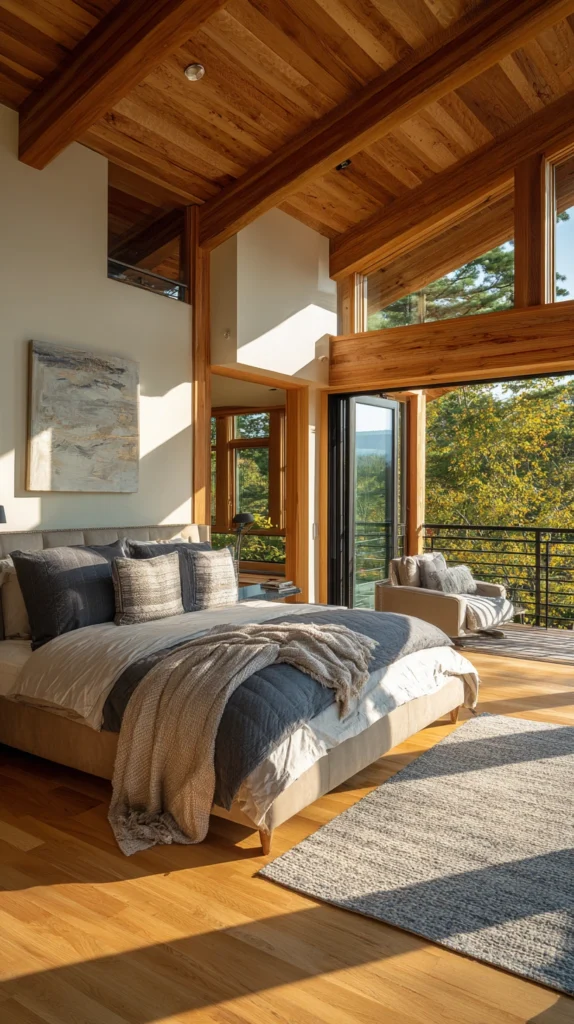
The split-level home’s highest level, its greatest physical separation from the home’s main living and social areas, is the natural location for the master bedroom suite.
The elevation creates the physical distance from the household’s activity that the sleeping space’s privacy and quiet require, without the full-storey separation that a conventional two-storey home creates between the ground floor living areas and the upper floor bedrooms.
The master bedroom’s position at the split-level’s highest point also creates the best views available in the home, looking out over the lower levels of the site’s natural topography or the surrounding neighborhood from the elevated vantage point that the upper level provides. The view from the master bedroom is one of the split-level home’s specific lifestyle advantages that the conventional single-storey home cannot offer.
A private bathroom en-suite within the master bedroom level, carved from the upper level’s floor area and accessed directly from the bedroom without passing through any shared circulation space, creates the complete privacy and the full self-contained quality of the master suite that the split-level’s upper level most naturally accommodates.
A small private terrace or balcony accessed from the master bedroom level, using the roof of the level below as its floor structure, creates an outdoor private space directly connected to the sleeping area that is one of the split-level home’s most generous and most personally valued specific spatial opportunities.
6. Position the Kitchen at the Home’s Social Hub Level
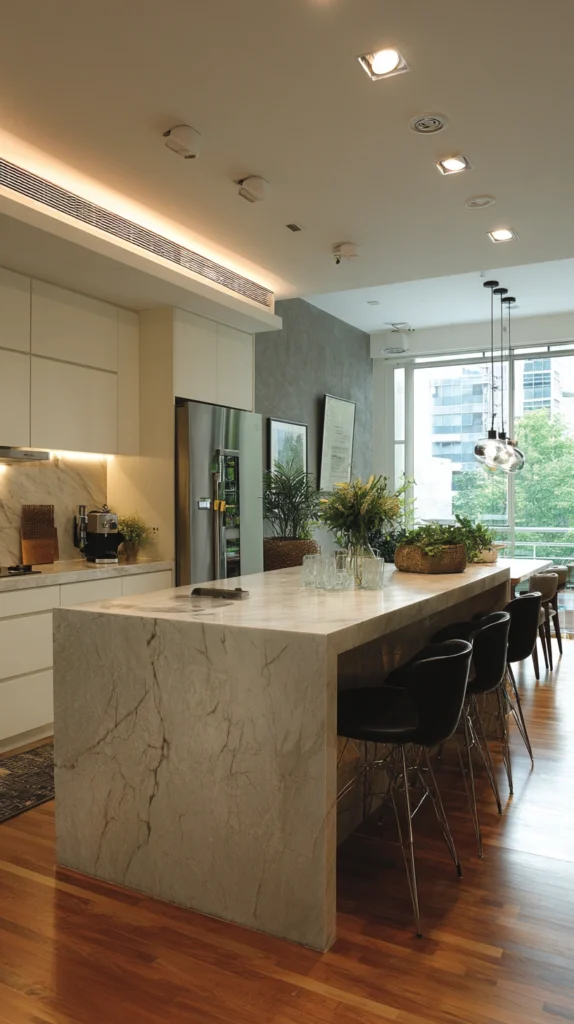
The kitchen’s position within the split-level home’s organizational hierarchy is the most important single planning decision available, and the kitchen positioned at the intermediate level, the level that has the most visual and physical connection to both the levels above and below it, creates the home’s social hub from which the household’s activity radiates in both vertical directions.
The intermediate level kitchen can see down to the lower living area and up to the upper bedroom or study level, creating the supervision and social connection that the family home specifically requires. The cook at the kitchen bench is part of the social life of both adjacent levels simultaneously, a quality of connected independence that the enclosed kitchen of the conventional floor plan cannot provide.
The kitchen at the intermediate level should be designed as an open plan space that flows directly into the adjacent dining area on the same level, creating the kitchen and dining zone at the home’s center that the split-level’s spatial organization most naturally supports. The combined kitchen and dining area at the intermediate level becomes the gravitational center around which the home’s daily life organizes itself.
The kitchen’s material and design should reflect its position as the home’s most socially prominent functional space. The quality of the cabinetry, the countertop material, the lighting, and the fitting-out of the kitchen at the split-level’s intermediate hub level should be the home’s highest material specification, because it is the space that is most continuously seen and most continuously used by every member of the household.
7. Design the Lower Level as a Private Retreat
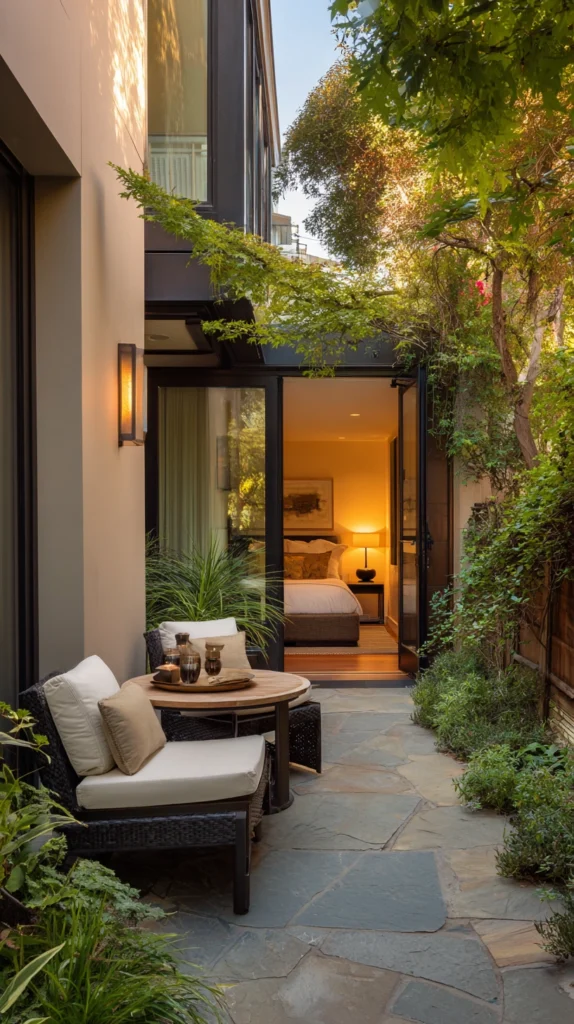
The split-level home’s lowest level, its most enclosed and most acoustically private zone, is the natural location for the functions that most benefit from separation from the household’s main activity. A study, a media room, a home gym, a guest suite, or a teenager’s bedroom all find their most appropriate home at the split-level’s lower level where the elevation creates the separation that these functions require.
The lower level’s acoustic isolation from the upper levels is one of its most practically valuable qualities. The half-storey of floor and ceiling construction between the lower level and the main living areas above creates a sound attenuation that the open plan cannot approach, making the lower level the appropriate location for the television, the music system, or any other sound-generating activity that would disrupt the household’s quieter functions if placed in the main living areas.
The lower level’s natural light provision requires specific design attention. Being the lowest point in the home’s spatial sequence, the lower level receives the least direct sunlight of any level, and its design should maximize every available natural light source through the strategic positioning of windows, the use of light-reflective surface finishes, and the provision of artificial lighting of sufficient quality to compensate for the reduced natural light.
A direct outdoor connection from the lower level, a door onto a terrace, a garden, or a courtyard at the lower level’s floor height, transforms the enclosed, potentially basement-like quality of the lowest level into a space of genuine indoor-outdoor connection.
The lower level with direct garden access is one of the split-level home’s most practically excellent living spaces, combining the privacy and acoustic isolation of the lowest level with the outdoor connection that prevents it from feeling enclosed.
8. Use Consistent Flooring Across All Levels
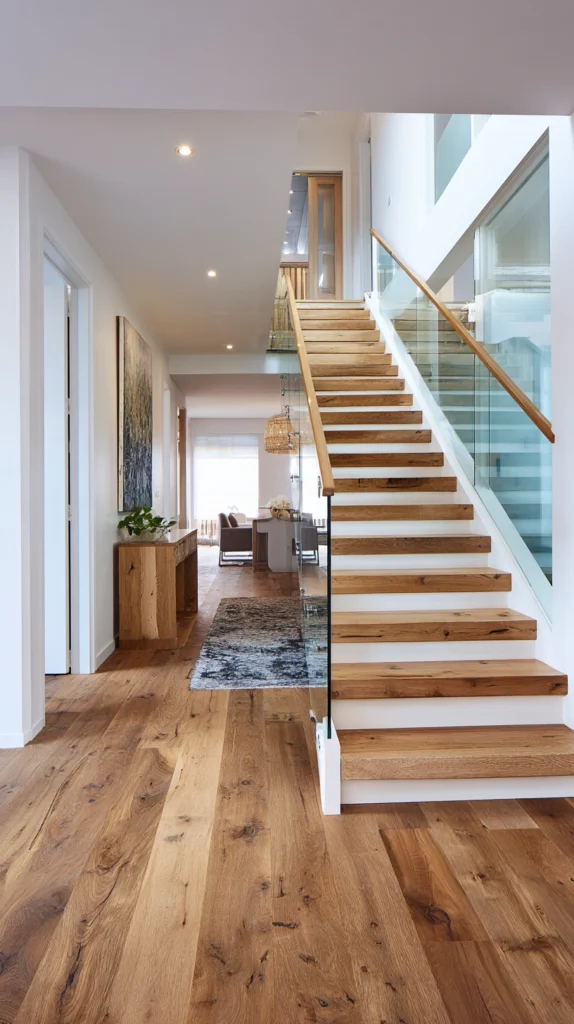
The most powerful single design decision available for creating the visual unity and the spatial continuity that make the split-level home feel like a single, coherent dwelling rather than a collection of disconnected levels is the use of a consistent floor material throughout all levels.
A single timber, stone, or tile species running continuously from the lowest level to the highest creates the horizontal continuity that ties the split-level’s multiple planes into a unified spatial experience.
The consistent floor material’s visual continuity is most apparent at the staircases and the level transitions, where the floor material’s continuation from one level to the next across the tread and riser of the stair creates the specific spatial quality of a surface that rises through the home rather than a series of separate floor finishes that happen to be similar.
Engineered timber is the most practically appropriate consistent floor material for the split-level home’s multiple levels because its dimensional stability under the variable humidity conditions of different levels, its consistent visual appearance across its full range of plank sizes, and its availability in a format suitable for both floor and stair tread application create the material consistency that the split-level’s design unity requires.
The grout color of a consistently applied tile floor, or the stain and finish of a consistently applied timber floor, should be chosen to complement the split-level home’s vertical wall finishes and its ceiling materials so that the horizontal continuity of the floor surface is embedded within a coherent overall material palette rather than standing alone as the sole unifying element.
9. Maximize Natural Light with Strategic Glazing
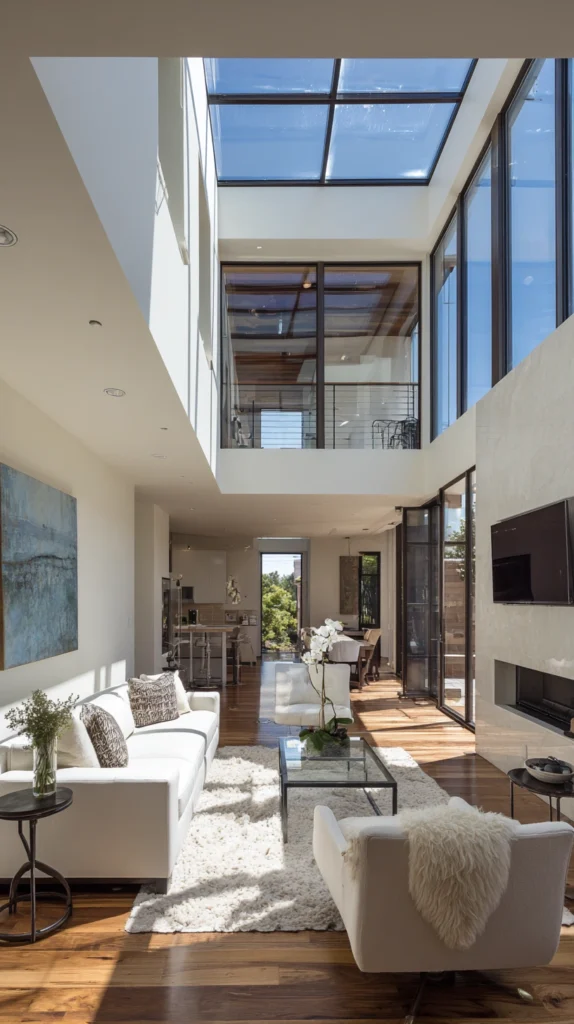
The split-level home’s multiple levels and varied ceiling heights create a glazing strategy of considerable complexity and considerable potential that the single-level home’s simpler floor plan cannot approach in terms of the variety and the quality of natural light distribution achievable across the full spatial volume.
High-level windows at the upper levels, whose light falls through the level transitions and into the lower levels below, create the quality of multi-directional, top-lit illumination that the finest domestic interiors of every era have been designed to achieve.
A clerestory window at the uppermost level, positioned to admit light that falls the full vertical height of the split-level section, creates a quality of warm, diffuse daylight at all levels that dramatically improves the lower levels’ natural light quality.
Skylights positioned at the upper level’s ceiling and above the double-height voids of the level transitions create the overhead light that the split-level’s multiple-level organization makes particularly valuable. Overhead light from a skylight is qualitatively different from side-lit window light, creating the even, shadow-free illumination of the best gallery and studio spaces applied to the domestic interior.
The glazing at each level’s external walls should be coordinated across all levels to create a coherent facade composition rather than a random collection of window positions determined independently for each level. The facade of the split-level home is one of the most architecturally interesting available, and the window positions that create the best interior light distribution also create the most dynamically composed external elevation when they are designed as a unified system.
10. Create Visual Connection Between Levels with Open Balustrades
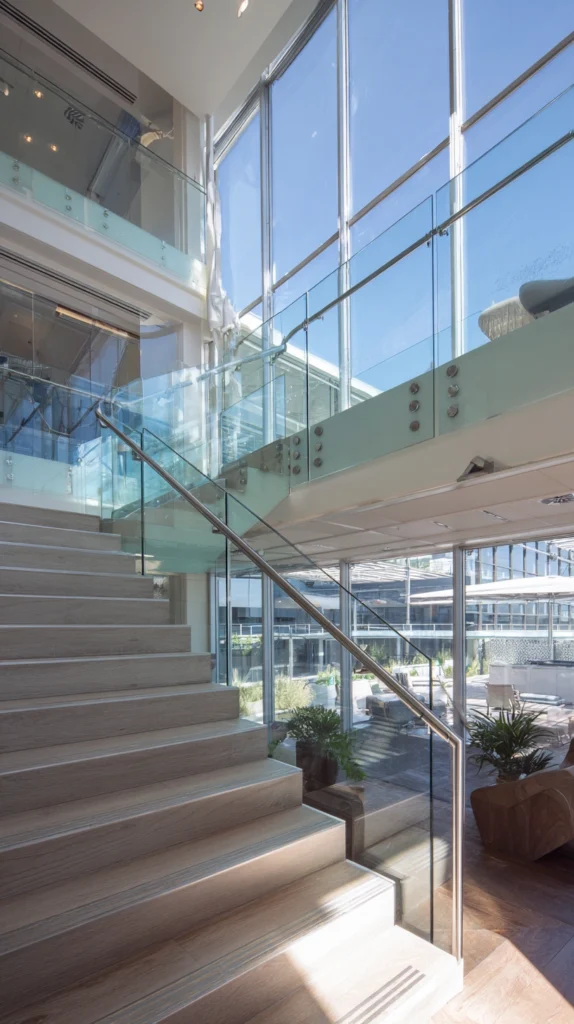
The balustrade at the edge of each upper level’s floor, the safety barrier at the point where the upper floor meets the void of the level below, is the split-level home’s most critical single architectural detail because it determines the quality of the visual connection between levels that is the split-level’s defining spatial quality.
A solid balustrade wall at the level transition creates the visual separation of a conventional floor-to-ceiling wall at a reduced height, closing off the visual connection between levels and reducing the split-level to a conventional multi-room house whose levels happen to be offset. This is the split-level’s most common design failure and the one most easily avoided through the simple choice of a transparent or open balustrade system.
Glass balustrades, either frameless glass panels in a minimal stainless steel or brass clamp system, or framed glass panels in a slimline steel or timber frame, create the maximum visual transparency at the level transition. The floor above is visible from below, the space below is visible from above, and the full visual connection that the split-level’s spatial character requires is maintained across the level change with a safety barrier whose visual presence is minimal.
Cable balustrades in a horizontal or vertical cable configuration, steel or stainless steel cables tensioned between posts at the balustrade’s ends, create a visual openness approaching that of the glass balustrade at a lower cost and with a more deliberately industrial aesthetic that suits the contemporary split-level home’s material character particularly well.
11. Design Outdoor Terraces at Multiple Levels
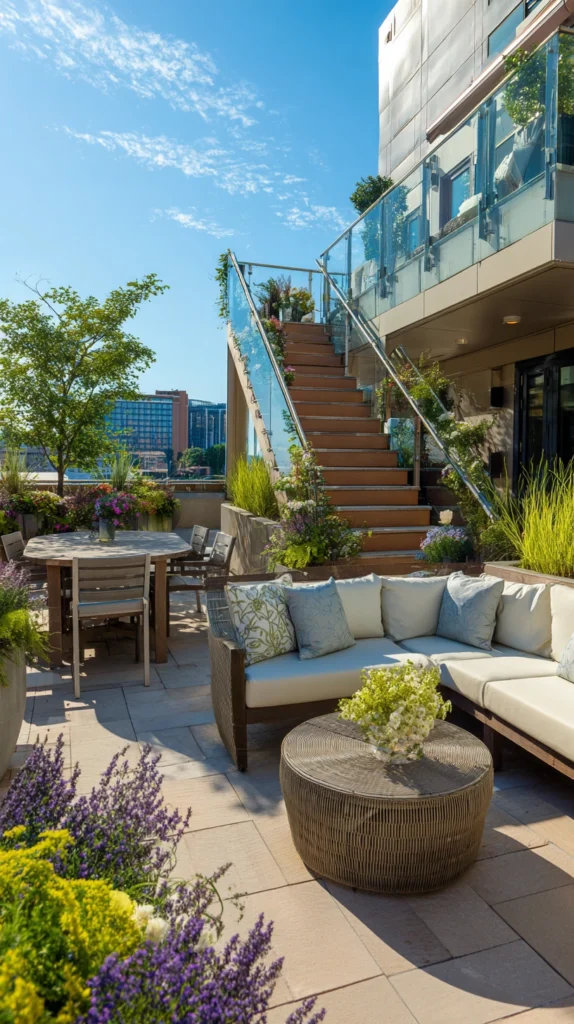
The split-level home’s multiple floor levels create the natural platform for outdoor terraces at each level, and the design of outdoor living spaces that connect directly to the indoor living areas at each elevation creates a home of exceptional indoor-outdoor integration that the single-level home’s single ground-plane connection to the garden cannot approach.
A terrace at the upper living level, accessed from the main living area through a large sliding or bifold door, creates the primary outdoor living space at the home’s social level. Its elevation above the ground provides the overview of the garden and the privacy from ground-level view that makes the elevated terrace one of the most desirable domestic outdoor spaces available in any residential configuration.
A secondary terrace at the intermediate level, accessed from the kitchen or dining area, creates the outdoor dining and garden access connection that the cooking and eating functions most directly require. The kitchen terrace at intermediate level is the location for the outdoor dining table, the barbecue, and the practical outdoor living infrastructure that the primary upper terrace’s more relaxed format does not need to accommodate.
The terraces at different levels should be connected by an external stair of adequate quality to read as a designed outdoor architectural element rather than a purely functional access route. The external stair connecting the upper and intermediate terraces creates the outdoor circulation sequence that allows the garden to be experienced as a multi-level landscape rather than a single ground-plane outdoor room.
12. Use the Half-Wall as a Bookcase and Display Surface
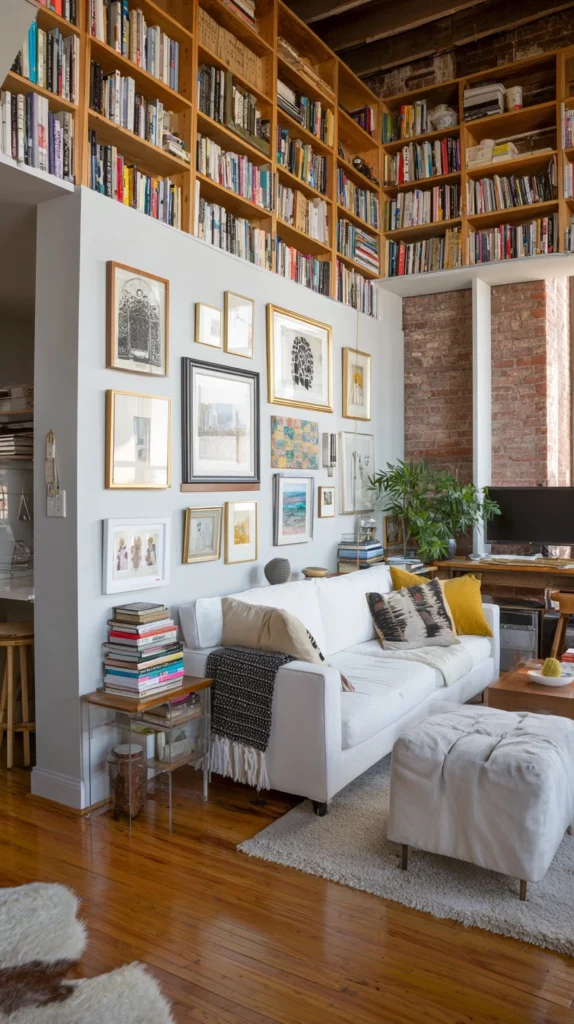
The half-height wall at the level transition, the specific architectural element that is most characteristic of the split-level home’s spatial organization, is one of the most versatile and most underutilized surfaces in the split-level’s interior. Developing it as a built-in bookcase, a display surface, or a combined storage and display element transforms a purely structural element into a functional feature of genuine practical and visual value.
A bookcase built into the half-wall’s thickness, its shelves visible from both the upper level looking down and the lower level looking across, creates a library feature that serves both levels simultaneously and creates the visual warmth and intellectual character of a book collection at the home’s most architecturally prominent transition point.
The half-wall’s top surface, at the height of the upper floor and the depth of the level transition’s structural zone, creates a generous display ledge for artwork, plants, and the various objects of personal significance that find their natural home at the boundary between the home’s levels. A carefully curated arrangement of objects on this ledge creates the composed vignette that the level transition’s architectural prominence demands.
Lighting integrated into the half-wall bookcase, LED strip lighting concealed in the shelf’s underside creating a warm glow on the books and objects below, or a small picture light illuminating a specific artwork placed on the half-wall’s surface, creates the architectural lighting detail that transforms the functional level transition into a genuinely beautiful domestic feature.
13. Design a Home Office at the Mezzanine Level
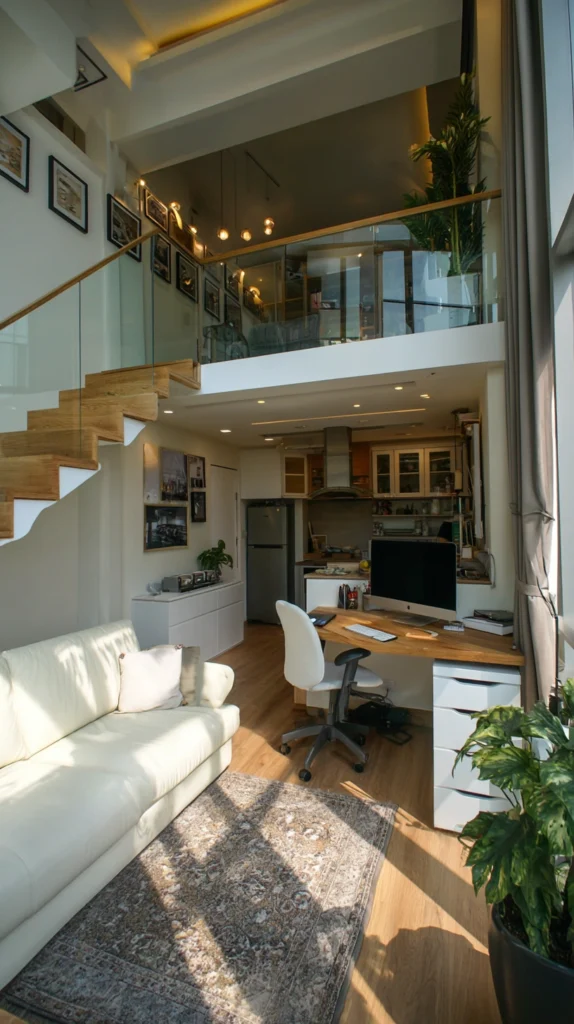
A mezzanine level inserted into the split-level home’s double-height void, accessed by a slim stair or a library ladder from the level below, creates a home office of exceptional spatial character and complete acoustic separation from the household’s daily activity without requiring any additional floor area in the home’s ground plan.
The mezzanine office’s specific appeal comes from its elevated position within the double-height volume. The overhead quality of looking down on the level below from the workspace creates the specific psychological distance from domestic activity that productive work most benefits from, and the visual connection to the main living space below maintains the social awareness that working in complete isolation from the household prevents.
The mezzanine office’s dimensions should be of adequate scale for the genuine working requirements of its occupant. A mezzanine of adequate width for a desk, a chair, and a bookcase behind the desk, and of sufficient depth that the desk worker can push their chair back without reaching the safety rail at the mezzanine’s open edge, creates a functional workspace rather than a decorative platform.
Natural light to the mezzanine office is best provided by a high-level window or a skylight positioned at the double-height void’s upper wall. The mezzanine’s elevation within the volume means it receives light from above and from the side simultaneously, creating the quality of studio-like illumination that intellectual work most benefits from throughout the working day.
14. Treat Each Level with a Distinct but Related Material Palette
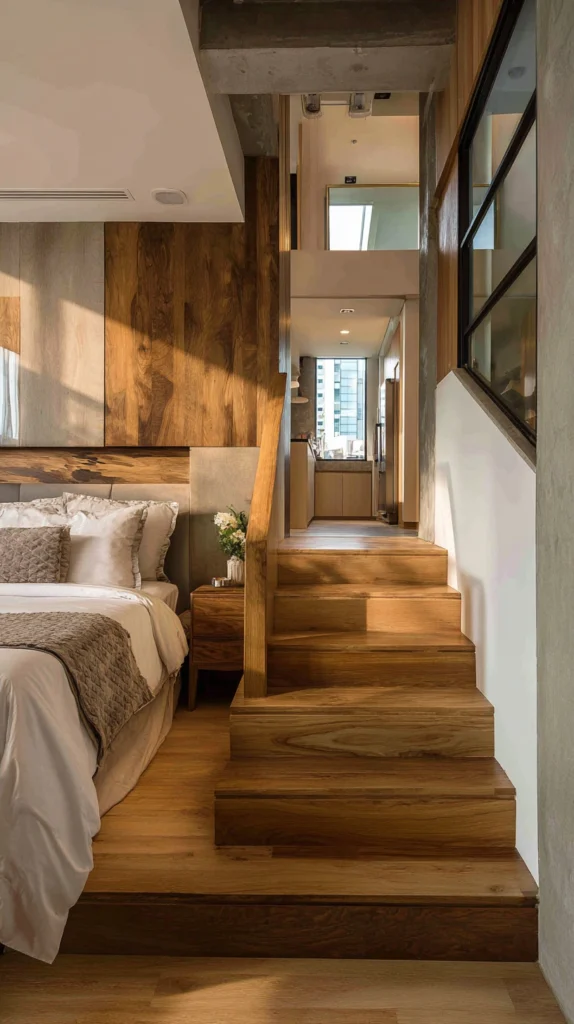
The split-level home’s multiple levels create the opportunity for a material palette strategy of nuanced progression, where each level shares the home’s consistent material language but introduces a specific material note that gives the level its own distinct identity within the unified whole. The palette progresses through the home’s levels in a sequence of related but distinct material environments.
The lower level’s material palette should reflect its more private, more enclosed character. Warmer, more textural materials, deeper wall tones, and richer textile provision create the cocooning quality that the most private level of the home most naturally suits. The lower level is the place for the deepest color, the most generous rug, and the most intimate material character.
The intermediate level’s material palette should reflect its role as the home’s social hub. Warmer, more generous materials that suit the gathering and the dining functions, with the material quality that the home’s most public level requires and the practical durability that the kitchen and dining areas’ intensive use demands throughout the day.
The upper level’s material palette should reflect the lightness and the openness of the home’s highest elevation. Lighter wall tones, materials of refined simplicity, and the restrained palette of the private sleeping level create a material environment of calm, collected quality that is the appropriate counterpart to the warmer, more active material character of the levels below.
15. Design the Split-Level as a Spatial Journey
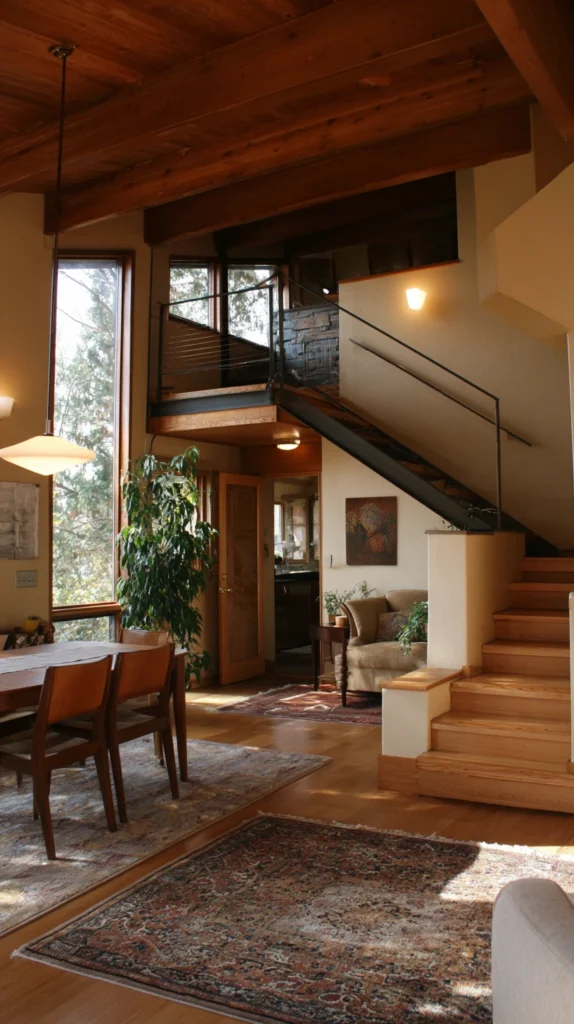
The final split-level home idea is the most important and the most transformative. It is the commitment to designing the split-level not as a collection of separate levels connected by stairs but as a spatial journey, a sequential experience of connected but distinct spaces that unfolds as the home’s occupants move through it from level to level throughout the day.
The spatial journey begins at the entry level, whose material and spatial character sets the home’s overall tone and prepares the occupant for the levels above and below. The entry should create the specific quality of arrival that the split-level home’s dramatic spatial sequence deserves, communicating immediately that this is a home of spatial ambition and spatial generosity.
Each subsequent level should introduce a new spatial quality that builds on the preceding level’s character without repeating it. The progression from the entry’s first impression to the lower level’s intimate enclosure, through the intermediate level’s social openness, to the upper level’s private elevation creates a spatial narrative of complete domestic richness that the single-level home, however beautifully designed, cannot provide in the same experiential form.
The split-level home designed as a spatial journey is a home that its occupants never stop discovering. The specific qualities of each level, the views between levels, the quality of light at different elevations at different times of day, and the specific atmospheric character of each distinct horizontal plane create a domestic environment of continuous spatial interest and continuous spatial pleasure that is the split-level home at its most completely and most beautifully realized.