14 Small Yoga Studio Designs That Inspire Tranquility
Designing a small yoga studio is less about square footage and more about intention. With the right layout, materials, and sensory details, even the tiniest space can become a sanctuary for calm, focus, and inner balance.
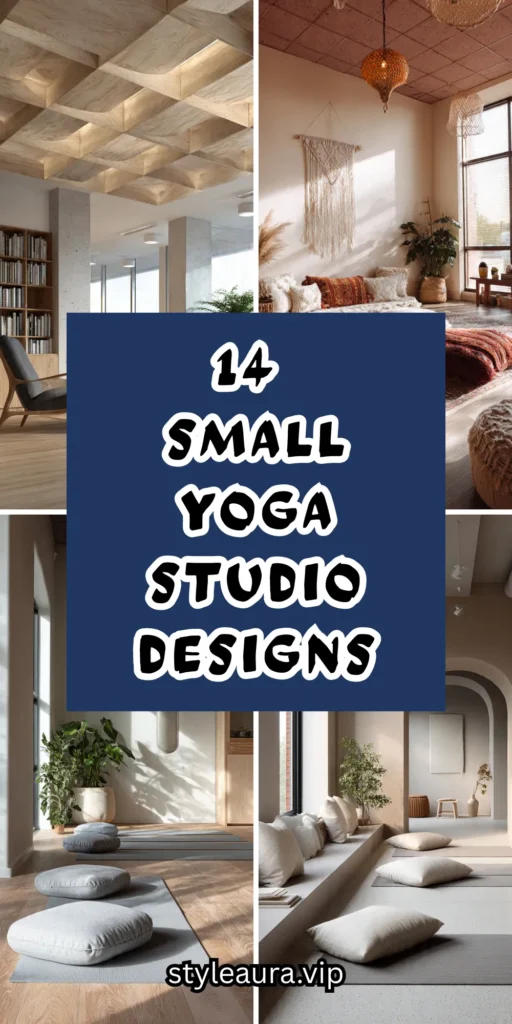
Below are fourteen thoughtfully curated small yoga studio designs that inspire tranquility, each offering practical guidance, benefits, and pro tips to help you create a serene retreat that truly supports your practice.
1. Minimalist Neutral Retreat

A minimalist yoga studio built around soft whites, warm beiges, and gentle greys instantly calms the nervous system. Clean lines and uncluttered floors create a sense of openness, even in very small rooms.
Benefits include reduced visual noise, improved focus, and a timeless aesthetic that never feels overwhelming. Implementation steps involve removing excess décor, choosing low-profile furniture, and sticking to a restrained color palette. Ideal for practitioners who feel easily overstimulated or prefer a meditative, no-distraction environment. Cons may include the space feeling too plain if textures are ignored. Pro tip: layer subtle textures like linen curtains, woven mats, or matte plaster walls to add warmth without clutter.
2. Japandi-Inspired Calm Studio
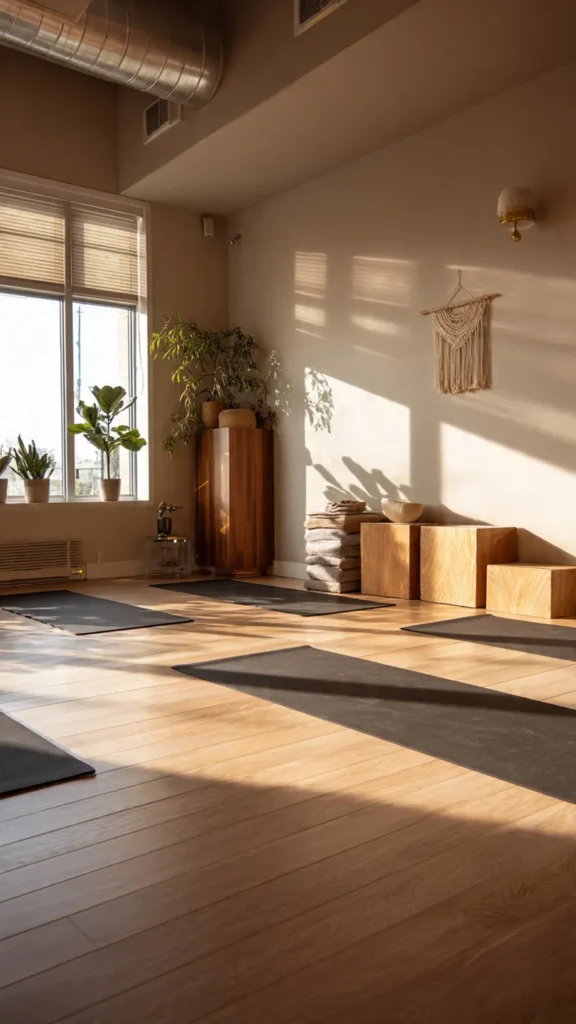
Japandi design blends Japanese minimalism with Scandinavian coziness, making it perfect for small yoga studios. Light wood floors, neutral walls, and functional simplicity encourage mindful movement.
The main benefit is a balanced atmosphere that feels both serene and inviting. To implement this style, combine natural woods with soft textiles and keep décor intentional. It suits those who love structure but still crave warmth. A possible downside is sourcing quality natural materials on a budget. Pro tip: choose one statement wooden element, such as a bench or shelf, and keep everything else understated.
3. Nature-Connected Green Studio
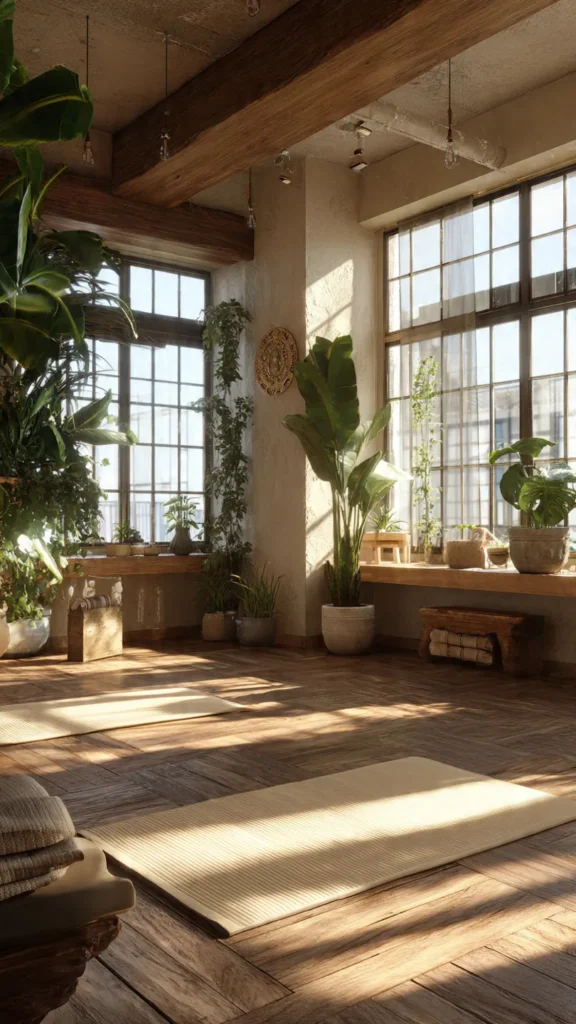
Bringing nature indoors instantly elevates tranquility. Small studios filled with plants, natural light, and earthy tones feel fresh and grounding.
Benefits include improved air quality and a stronger mind-body connection. Start by adding low-maintenance plants, positioning mats near windows, and using stone or clay accents. Ideal for yogis who feel most centered in natural settings. The challenge may be plant care in low-light spaces. Pro tip: mix real plants with high-quality faux greenery to maintain the look without stress.
4. Zen-Inspired Meditation Space
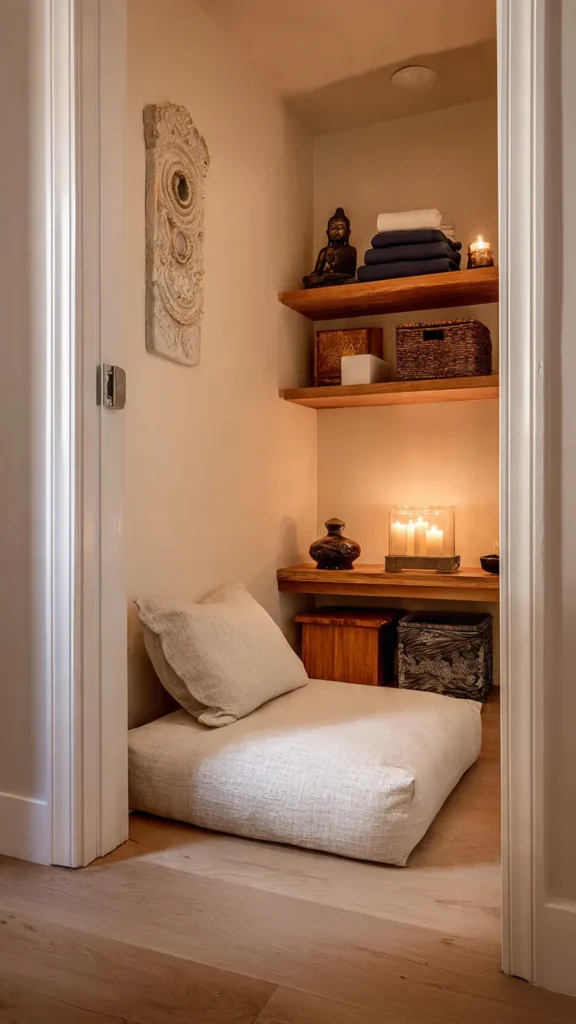
A Zen-style yoga studio emphasizes simplicity, symmetry, and calm energy flow. Soft lighting, minimal décor, and open floor space encourage deep focus.
This design promotes mindfulness and mental clarity. Implementation involves neutral walls, hidden storage, and a clear focal point such as a candle or small altar. Best suited for meditation-heavy practices. The space may feel austere for some. Pro tip: add a single calming element like a textured wall or subtle artwork to soften the look.
5. Boho Tranquil Nook

A boho-inspired yoga studio brings softness and soul into a small space. Think layered textiles, warm tones, and handcrafted details.
Benefits include a cozy, welcoming atmosphere that feels personal and expressive. To create this look, incorporate floor cushions, macramé accents, and warm lighting. Ideal for creative spirits who want their studio to feel lived-in. The risk is visual clutter if overdone. Pro tip: keep the floor area clear and concentrate boho elements along the walls.
6. Light-Filled White Studio
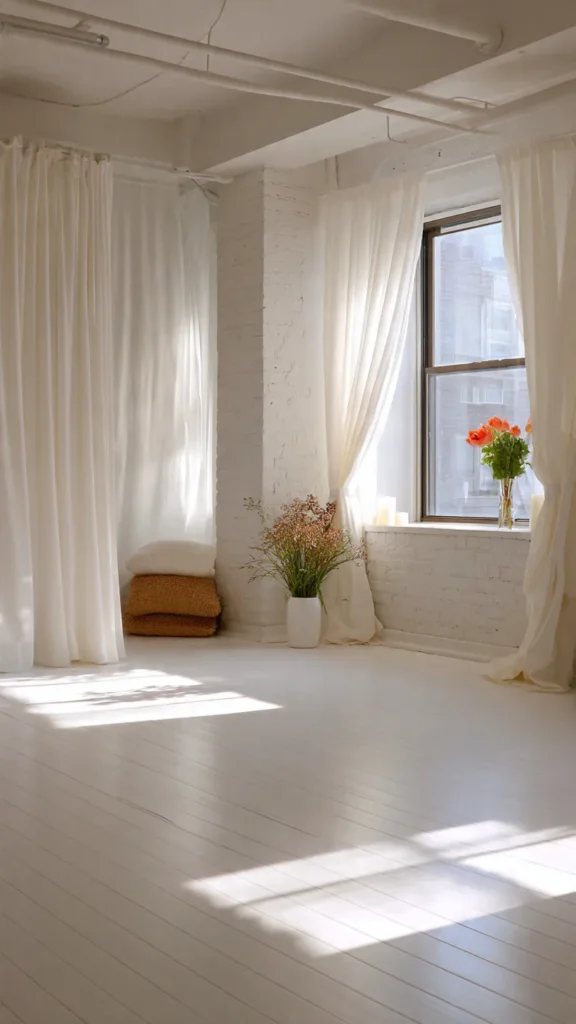
A white-on-white yoga studio maximizes light and makes small spaces feel expansive. When done right, it feels airy rather than sterile.
The benefit lies in enhanced brightness and a sense of purity. Implement by choosing warm whites, sheer curtains, and minimal furnishings. Perfect for studios with limited square footage or low ceilings. A drawback can be a lack of depth. Pro tip: add natural wood or beige mats to keep the space grounded.
7. Earthy Clay and Sand Tones
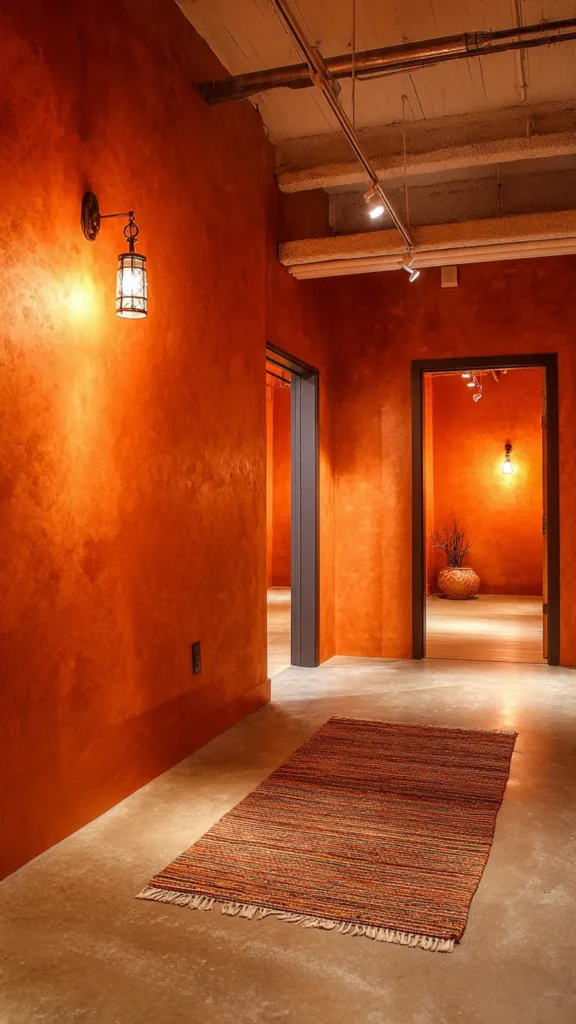
Earth-toned yoga studios use colors inspired by clay, sand, and stone to create a grounded environment.
Benefits include emotional warmth and a soothing, cocoon-like feel. Use limewash paint, terracotta accents, or textured rugs to achieve this style. Ideal for grounding practices like yin or restorative yoga. It may feel dark if lighting is insufficient. Pro tip: balance earthy colors with soft, warm lighting to maintain openness.
8. Compact Studio with Built-In Storage
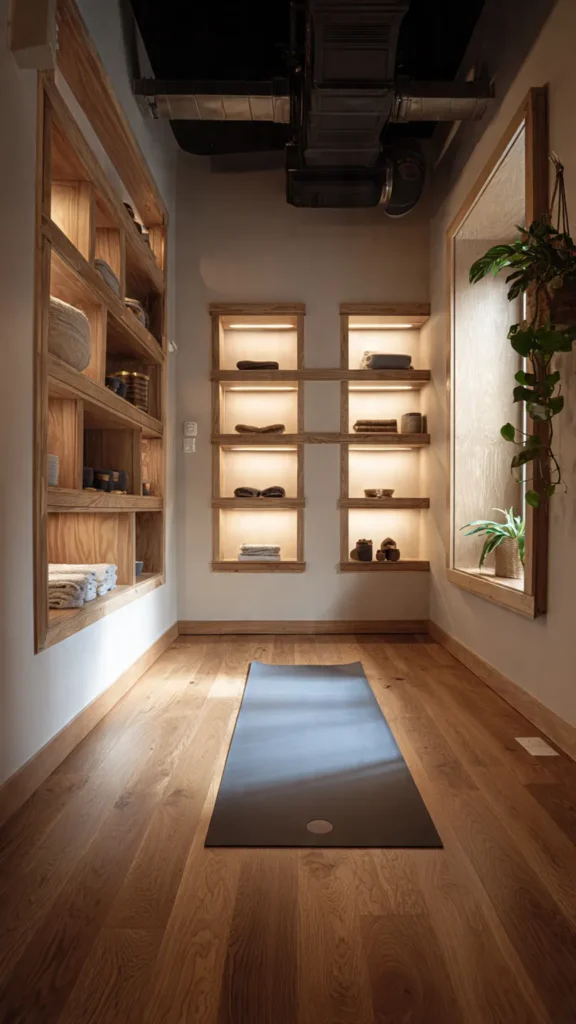
Smart storage transforms small yoga studios into clutter-free sanctuaries. Built-in shelves or wall niches keep props organized and out of sight.
The benefit is a clean, distraction-free environment. Implementation involves vertical storage, under-bench drawers, or recessed shelving. Best for instructors or home studios with many props. The downside is initial installation effort. Pro tip: use closed storage for visual calm and open shelves for a few intentional items.
9. Scandinavian Soft Light Studio
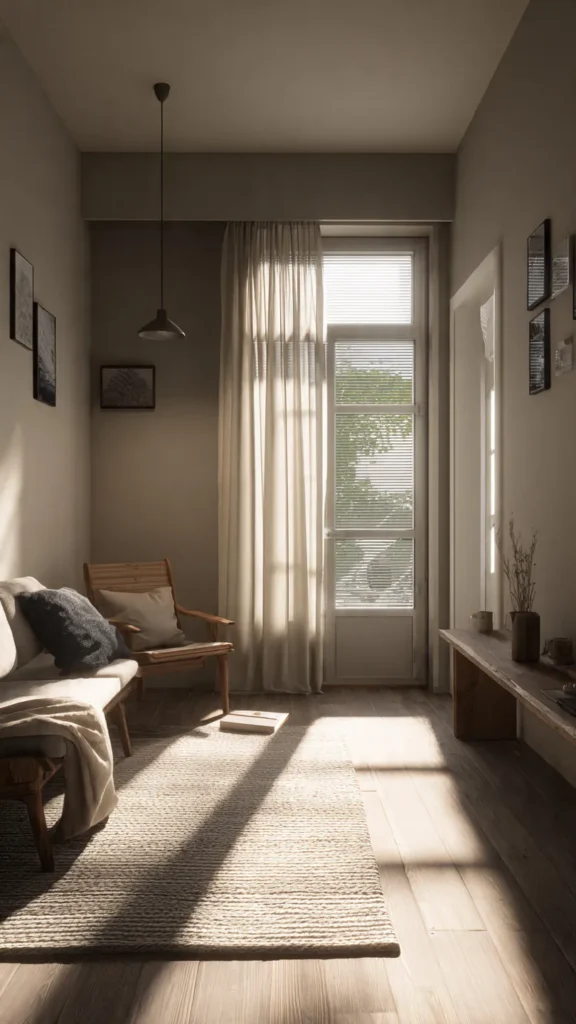
Scandinavian-inspired studios focus on simplicity, light woods, and gentle illumination.
Benefits include a calm yet uplifting mood. Implement by choosing pale flooring, simple furniture, and diffused lighting. Ideal for morning practices or small urban homes. It may feel too cool without warmth. Pro tip: add soft throws or warm-toned lamps to balance the look.
10. Sacred Corner Yoga Studio

Even a single corner can become a tranquil yoga space. A dedicated corner studio emphasizes intention over size.
The benefit is accessibility and ease of daily practice. Define the area with a rug, soft lighting, and minimal décor. Ideal for apartments or shared homes. The limitation is restricted movement space. Pro tip: use wall-mounted elements to keep the floor area open.
11. Warm Wood Cabin-Inspired Studio

Wood-dominant studios feel nurturing and grounded. Light or medium wood tones create a natural sense of calm.
Benefits include warmth and acoustic softness. Implement with wood flooring, ceiling panels, or furniture. Ideal for those who want a retreat-like feel. It may feel heavy if overused. Pro tip: balance wood with light walls or fabrics for visual relief.
12. Soft Pastel Serenity Studio

Pastels like sage green, blush, or muted lavender can enhance tranquility without overwhelming the senses.
Benefits include emotional softness and gentle visual interest. Use pastels sparingly on walls or textiles. Ideal for practitioners who prefer subtle color. The risk is a space feeling juvenile if tones are too bright. Pro tip: choose dusty, muted pastels for a mature and calming effect.
13. Candlelit Evening Practice Studio

A candle-focused yoga studio is perfect for slow, evening practices. Soft flickering light encourages relaxation and introspection.
Benefits include reduced stress and enhanced ambiance. Use LED candles or enclosed holders for safety. Ideal for restorative or yin yoga lovers. Limited brightness may not suit active flows. Pro tip: combine candles with dimmable wall lights for flexibility.
14. Multi-Functional Tranquil Studio

In small homes, yoga studios often need to serve multiple purposes. A multi-functional design keeps tranquility intact while allowing flexibility.
Benefits include efficient use of space without sacrificing calm. Implement with foldable furniture, movable screens, and hidden storage. Ideal for modern lifestyles. The challenge is maintaining consistency. Pro tip: store yoga-specific items together so the space can quickly shift into studio mode.
A small yoga studio, when designed with care, can become a deeply tranquil retreat that supports both physical movement and inner stillness. By focusing on intentional design choices, natural elements, and mindful organization, you can transform even the smallest space into a powerful sanctuary for peace and presence.