15 Small Space Garden Ideas for Earth Day
Earth Day is the perfect reminder that you don’t need acres of land to make a meaningful impact on the environment.
Whether you have a tiny balcony, a narrow strip of yard, a concrete patio, or just a sunny windowsill, you have enough space to grow something beautiful and beneficial.
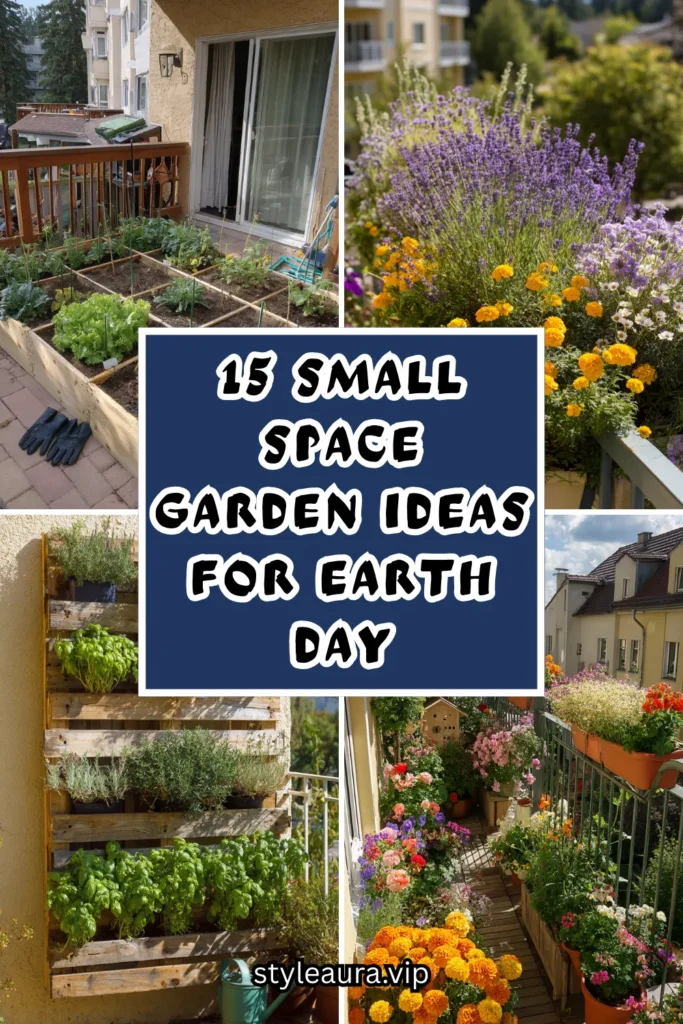
Small space gardening is one of the most accessible forms of environmental action — it reduces your food miles, supports pollinators, cools urban heat islands, improves air quality, and reconnects you with the natural world in a deeply satisfying way.
This Earth Day, let your small space become a green sanctuary. Here are 15 creative, practical ideas to get you started.
1. Build a Vertical Pallet Garden
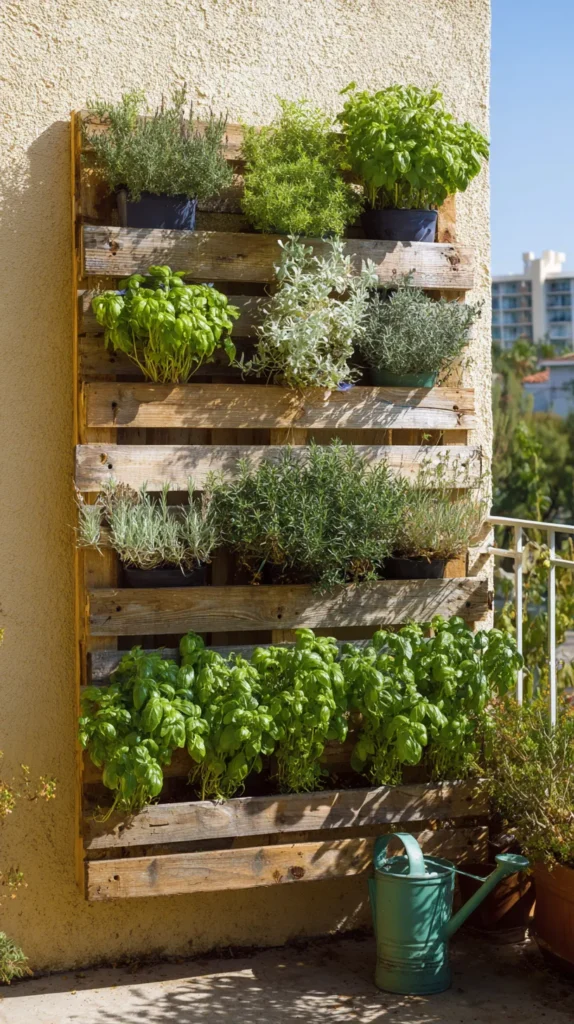
When horizontal space is limited, the solution is simple: go vertical. A reclaimed wooden pallet leaned against a fence, wall, or railing becomes an instant planting structure with very little effort or expense.
Staple landscape fabric to the back and sides of the pallet to create pockets between the slats, fill them with potting mix, and plant herbs, strawberries, succulents, or trailing flowers directly into each row.
A single pallet can hold a dozen or more plants in a footprint of just a few square feet. Sand and seal the wood if you plan to grow edibles, and make sure the structure is safely secured against wind before planting.
2. Create a Container Vegetable Garden
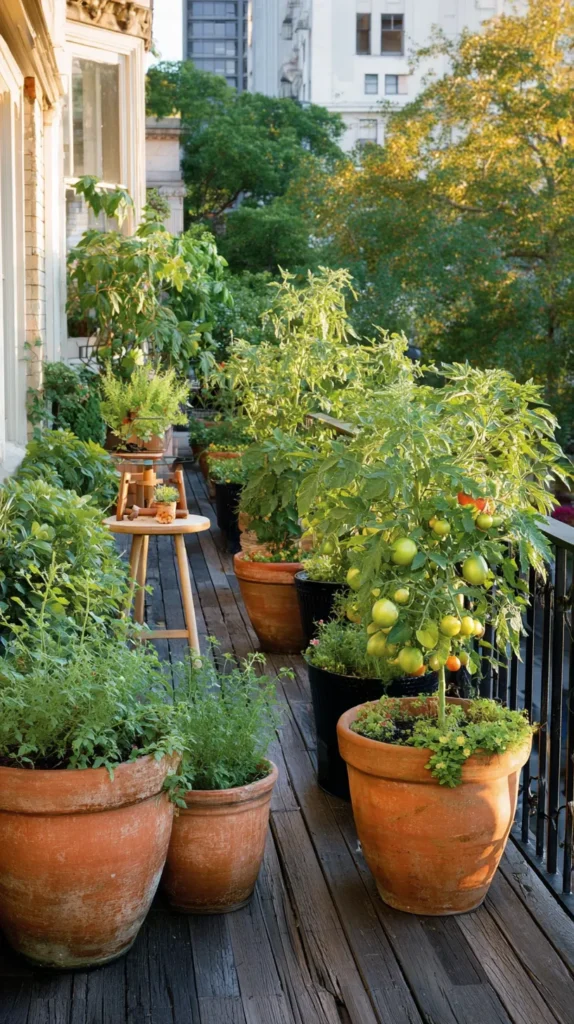
Containers are the great equalizer of gardening — they work on patios, balconies, rooftops, driveways, and doorsteps with equal effectiveness. Almost any vegetable can be grown in a container if the pot is the right size. Tomatoes, peppers, cucumbers, beans, and zucchini thrive in large five-gallon or ten-gallon containers. Lettuce, radishes, spinach, and herbs do beautifully in shallow window boxes or medium pots.
The key is choosing a high-quality potting mix (not garden soil, which compacts in containers), ensuring adequate drainage, and watering consistently since containers dry out faster than ground beds. This Earth Day, swap a few of those ornamental pots for edible ones.
3. Plant a Windowsill Herb Garden

If outdoor space is truly nonexistent, a windowsill herb garden is your gateway to growing your own food and reducing the plastic packaging that store-bought herbs come in. A south- or west-facing window with at least six hours of sunlight per day can support a thriving collection of basil, parsley, chives, thyme, mint, and cilantro.
Use individual small pots or a long rectangular planter that fits the sill, and make sure each has drainage holes with a saucer beneath. Fresh herbs on your windowsill mean fewer trips to the grocery store, less food waste, and a little patch of living green that brightens the kitchen year-round.
4. Try Square Foot Gardening

Square foot gardening is a method developed specifically for maximizing food production in minimal space. The concept divides a raised bed — typically a 4×4 foot box — into a grid of one-foot squares, with each square planted with a different crop at a density appropriate to that plant’s size. A single square might hold one tomato plant, four lettuce plants, nine spinach plants, or sixteen radishes.
The method eliminates wasted space, reduces weeding, and makes succession planting intuitive and easy. A 4×4 raised bed requires almost no yard — it can sit on a patio, a deck, or a small patch of lawn — and can produce a remarkable amount of food across a growing season.
5. Hang a Tiered Planter

Tiered hanging planters — whether fabric pocket systems, cascading wire baskets, or stacked terra cotta — make brilliant use of vertical air space that would otherwise go unused. Hang them from porch ceilings, pergola beams, fence hooks, or freestanding shepherd’s hooks to create layers of color and growth without occupying any floor space at all.
Strawberries are famously well-suited to hanging baskets, as are nasturtiums, trailing petunias, cherry tomatoes, and herbs like thyme and oregano. A single shepherd’s hook with a three-tier planter can house nine or more separate plants in the space of a single pot’s footprint.
6. Install a Living Wall Panel
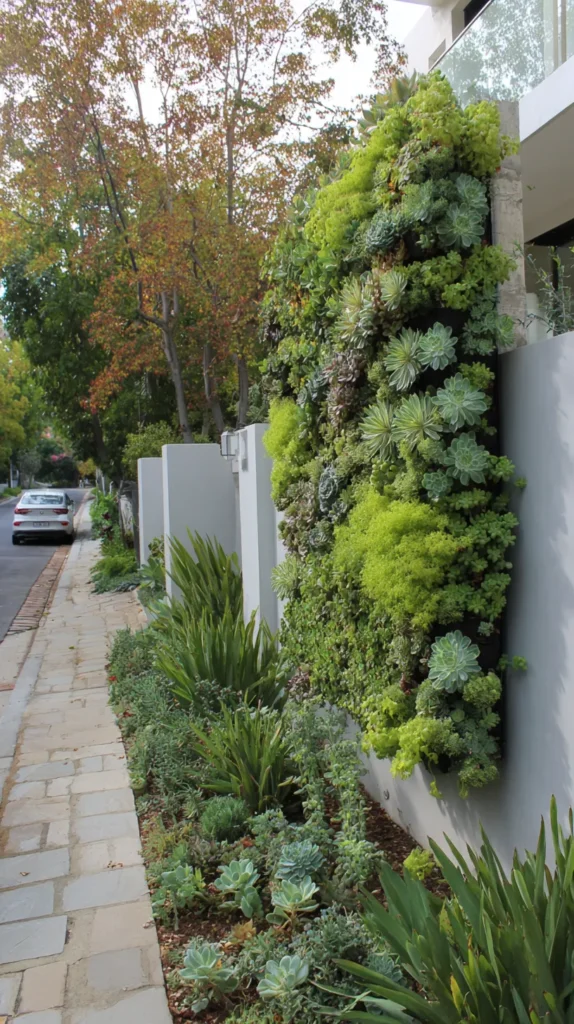
Living walls — also called green walls or vertical gardens — have moved well beyond commercial buildings and high-end landscape design. Affordable modular panel systems are now widely available for home gardeners, designed to mount directly onto a fence, exterior wall, or freestanding frame.
Each panel holds a grid of individual plant pockets that can be filled with succulents, ferns, herbs, edible greens, or flowering annuals. A 3×5 foot living wall panel holds dozens of plants and transforms a bare, heat-absorbing wall into a cooling, oxygen-producing, visually stunning feature. On Earth Day, installing even a single panel is a tangible act of environmental investment.
7. Grow a Salad Table

A salad table is a shallow, raised growing surface — essentially a wide, flat box on legs — designed specifically for growing cut-and-come-again salad greens. The concept was popularized by University of Maryland extension services and has become a favorite among small-space gardeners for its productivity and ergonomic convenience.
Because salad greens have shallow roots, a bed just four to six inches deep is sufficient. Fill it with a mix of leaf lettuce varieties, arugula, spinach, and kale, and harvest outer leaves regularly to keep the plants producing all season. A salad table on your patio or deck can supply enough greens for daily salads with almost no store-bought lettuce required.
8. Plant a Pollinator Window Box

Window boxes aren’t just for geraniums and petunias. Planted with the right selections, a window box becomes a valuable pollinator habitat that supports bees, butterflies, and beneficial insects right in your neighborhood.
Choose plants like lavender, salvia, sweet alyssum, creeping thyme, and single-flowered marigolds, which are far more accessible to pollinators than heavily hybridized double blooms.
A row of pollinator window boxes along a balcony railing or beneath ground-floor windows creates a meaningful corridor of habitat in otherwise concrete-dominated urban environments. This Earth Day, consider replacing one ornamental box with a pollinator-friendly planting.
9. Upcycle Containers for Planters

One of the most Earth Day-appropriate gardening ideas is to skip the garden center entirely and raid your recycling bin for planting vessels. Old colanders, wooden crates, galvanized buckets, cracked ceramic bowls, worn-out rubber boots, tin cans, and even old dresser drawers all make charming and functional planters with the addition of a few drainage holes.
Upcycled containers give character to a small-space garden, keep usable objects out of the waste stream, and cost nothing. Line wooden or metal containers with burlap or coco fiber to extend their life, and seal any containers that previously held non-food substances before planting edibles.
10. Start a Compact Fruit Garden
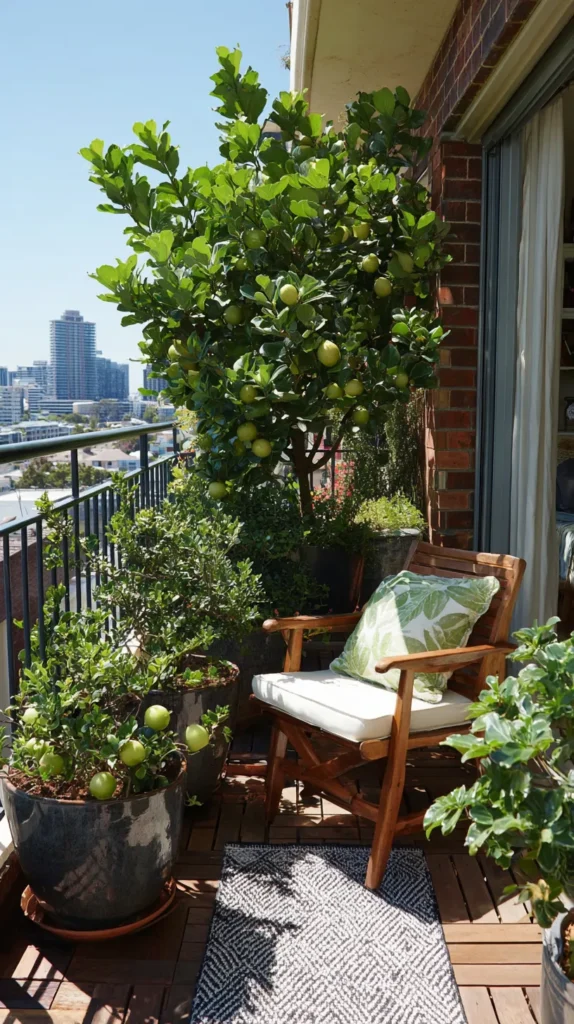
Fruit growing isn’t reserved for people with orchards. Dwarf and patio varieties of apples, pears, cherries, peaches, and figs have been bred specifically for container culture and small spaces, and many produce full-sized fruit on plants that stay under four feet tall.
Blueberries are particularly well suited to container growing — they thrive in acidic potting mix, look attractive as ornamental shrubs, and produce generously even in a fifteen-gallon pot. Strawberries, of course, will grow practically anywhere. This Earth Day, adding even one compact fruit plant to your patio or balcony is a long-term investment in homegrown food that pays dividends for years.
11. Design a Miniature Rain Garden
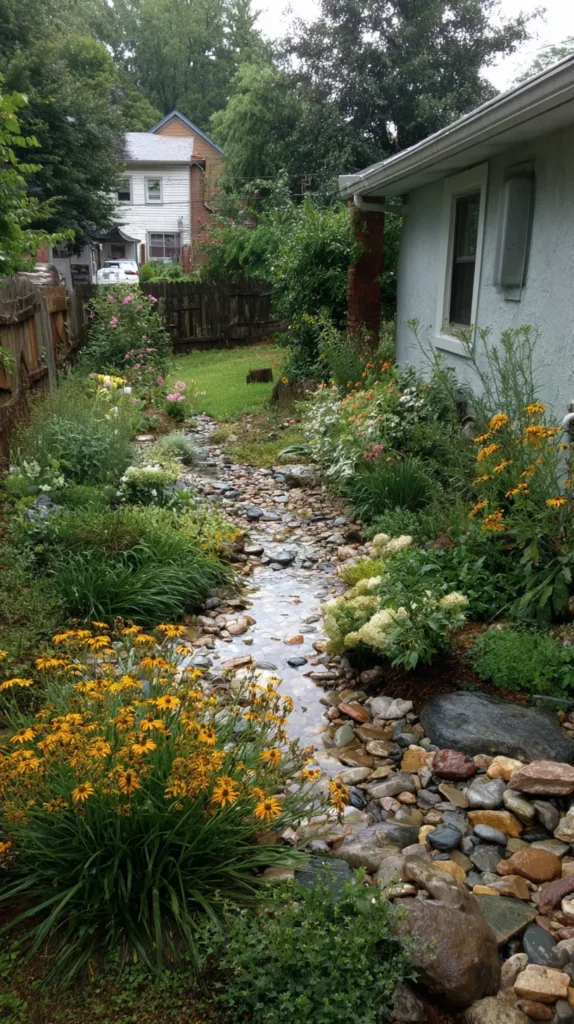
Even a very small garden can be designed to manage stormwater thoughtfully. A miniature rain garden is a shallow, planted depression that collects runoff from a downspout, driveway, or patio and allows it to percolate slowly into the ground rather than rushing into storm drains.
In a small space, a rain garden might be just a few feet across, planted with moisture-tolerant natives like coneflowers, swamp milkweed, cardinal flower, and ornamental grasses. This Earth Day, redirecting even a single downspout into a small planted rain garden reduces your contribution to stormwater pollution and creates a dynamic, wildlife-friendly planting in the process.
12. Grow a Three Sisters Container Garden
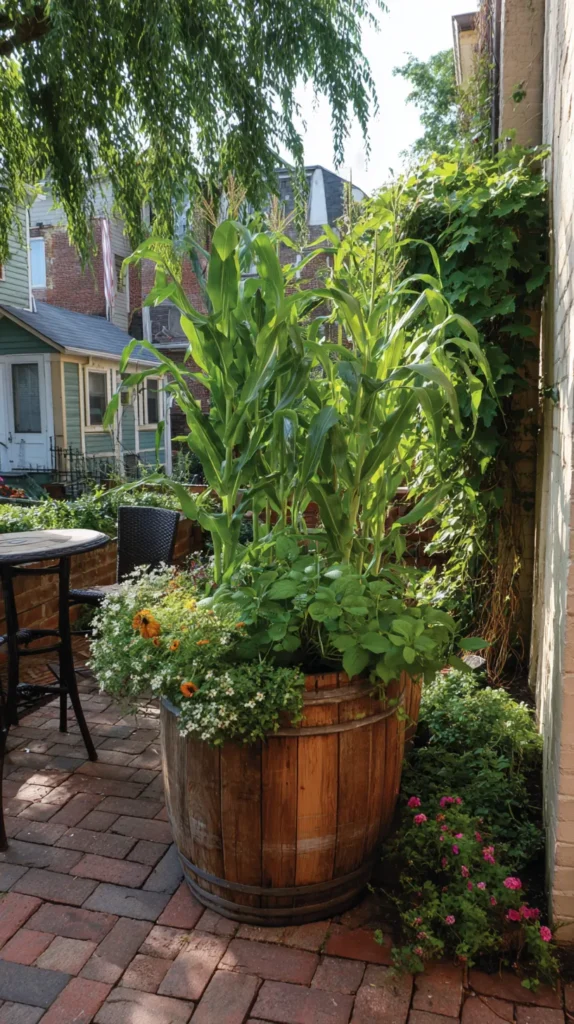
The Three Sisters — corn, beans, and squash — is a centuries-old Indigenous planting system in which the three crops support each other symbiotically. Corn provides a trellis for beans to climb, beans fix nitrogen in the soil to feed the corn and squash, and squash spreads along the ground to shade out weeds and retain moisture.
In a small space, you can adapt this concept by growing a dwarf corn variety, climbing beans, and a compact bush squash together in a large half-barrel planter. It’s a beautiful, historically meaningful, and genuinely productive way to garden that honors the agricultural wisdom of the people who first cultivated this land.
13. Build a Raised Bed on a Paved Surface
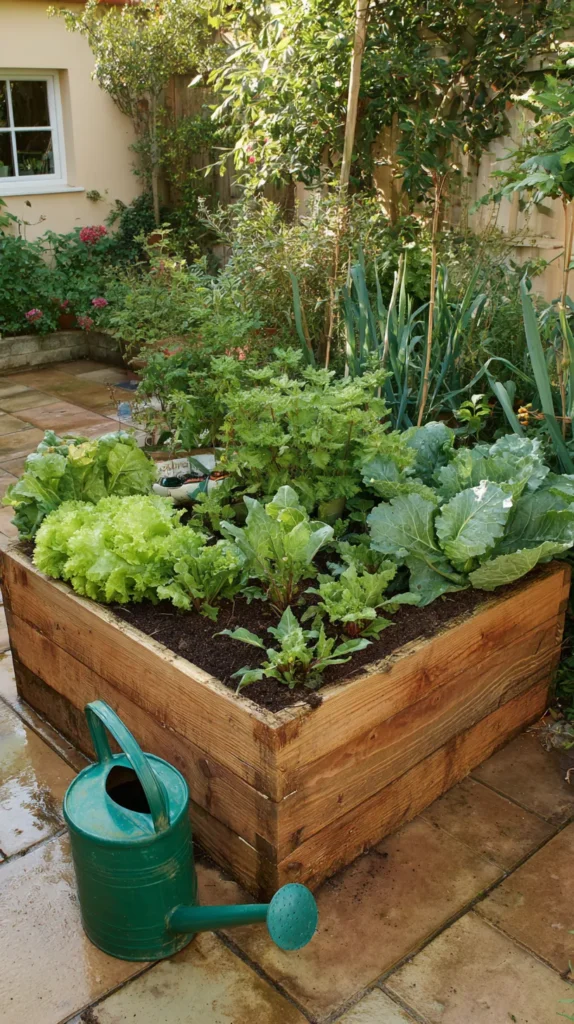
One of the most common misconceptions about gardening is that you need actual ground to do it. A raised bed filled with quality soil and compost can sit directly on concrete, asphalt, gravel, or paving stones and grow crops just as successfully as a bed dug into the earth.
Build or purchase a raised bed frame at least ten to twelve inches deep, line the bottom with cardboard to discourage any weeds that might push up from gaps in the paving, and fill it with a blend of topsoil, compost, and perlite. A four-by-eight bed on a patio is large enough to grow a genuinely productive kitchen garden through the entire growing season.
14. Create a Butterfly and Bee Balcony Garden
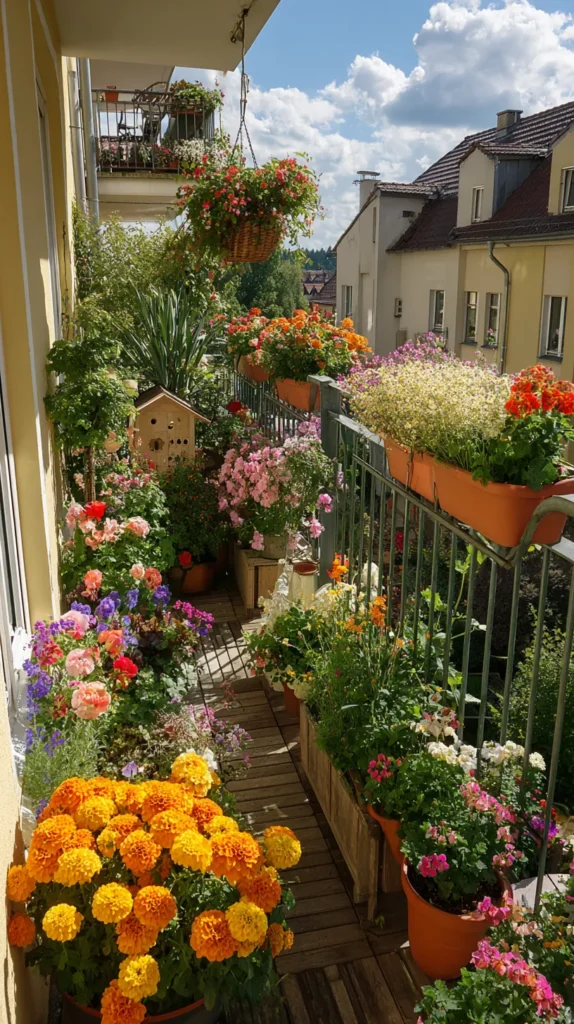
Urban balconies, often dismissed as barren concrete ledges, can be transformed into thriving habitat gardens with the right plant selection. Choose nectar-rich plants in a range of heights — tall salvias and verbena bonariensis at the back, medium-height echinacea and agastache in the middle, and low-growing thyme and alyssum at the front.
Add a shallow dish of water with a few pebbles for bees to land on, and a small bundle of hollow stems or a mini bee hotel mounted on the railing. A well-planted balcony garden doesn’t just benefit you — it becomes a genuine resource for pollinators navigating the urban landscape.
15. Grow a Tea Garden in Pots
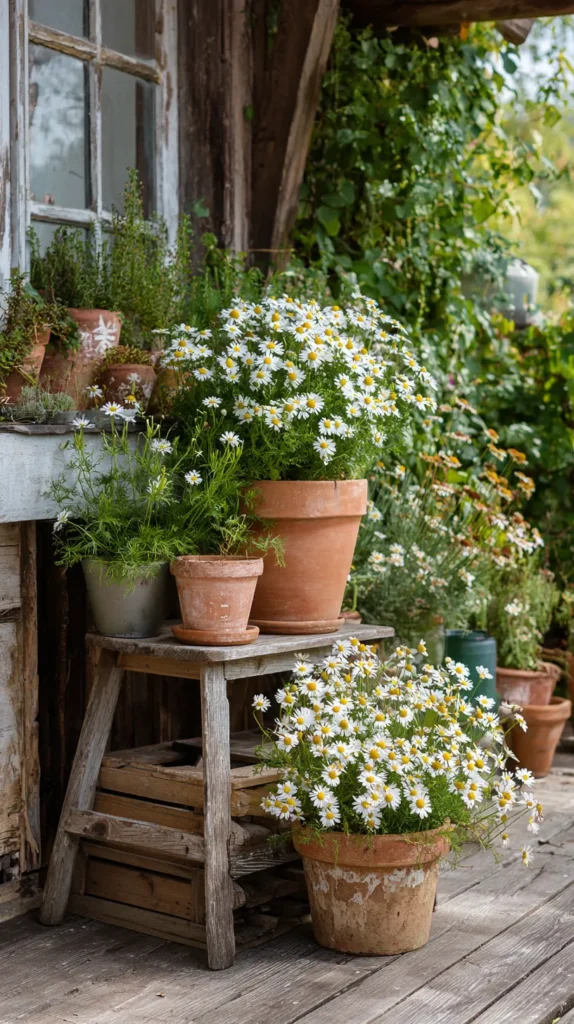
One of the most delightful and practical small-space garden projects is a dedicated tea garden — a collection of herbs and edible flowers that can be harvested fresh and steeped into homemade herbal teas. Chamomile, lemon balm, peppermint, spearmint, lemon verbena, lavender, and echinacea all grow well in containers and produce enough material through the season for regular harvesting and drying.
Group your tea garden pots together on a sunny porch or patio, label each one with a handwritten stake, and hang a small bundle of dried herbs nearby for atmosphere. Growing your own tea eliminates the packaging waste of store-bought bags and gives you a deeply satisfying connection to what you’re drinking.
Small Space, Big Impact
The beauty of small-space gardening is that its benefits are wildly disproportionate to its size. A handful of containers, a vertical pallet, a window box, or a single raised bed might seem modest, but the environmental ripple effects — reduced food miles, supported pollinators, improved air quality, managed stormwater, less packaging waste — add up quickly.
And beyond the environmental impact, there is the personal one: the daily act of tending living things, watching seeds germinate and plants grow, and harvesting food you grew yourself. This Earth Day, claim whatever space you have and make it green. The planet will thank you, and so will you.