15 Small Living Room Furniture Arrangement Ideas That Work
Arranging furniture in a small living room can feel like solving a puzzle with too many pieces and not enough space. The right layout, however, can make even the tiniest room feel open, comfortable, and stylish.

By focusing on flow, scale, and function, these small living room furniture arrangement ideas will help you make the most of every square foot.
1. Float Furniture Away from the Walls
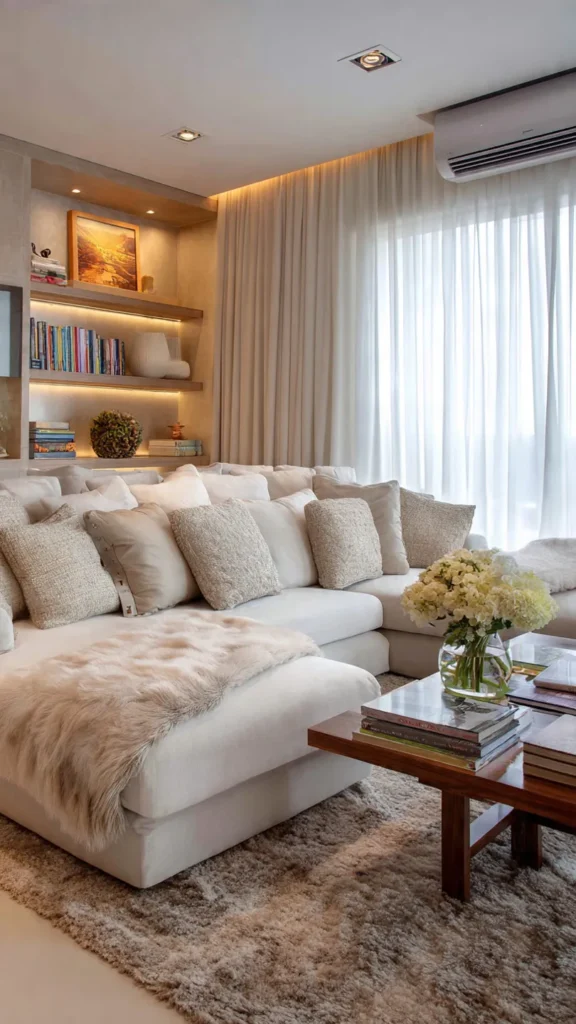
Pushing all furniture against the walls can actually make a small living room feel tighter. Floating key pieces like the sofa slightly away from the wall creates breathing room and improves circulation. This approach adds depth and prevents the room from looking boxed in.
A narrow console table or floor lamp behind the sofa can make this layout feel intentional. Keep walkways clear to maintain a smooth flow. Even a few inches of space can visually open up the room.
2. Use a Compact Sofa as the Anchor

In a small living room, the sofa should anchor the space without overwhelming it. Choose a compact sofa with slim arms and exposed legs to maintain visual lightness. This helps the room feel less crowded while still offering comfortable seating.
Place the sofa along the longest wall or facing the main focal point. Avoid oversized sectionals that dominate the layout. A well-scaled sofa sets the foundation for a functional arrangement.
3. Choose Chairs Instead of a Second Sofa

Two full-size sofas can quickly overwhelm a small living room. Replacing one sofa with accent chairs creates flexibility and improves flow. Chairs take up less visual space and are easier to move when needed.
Position chairs at an angle or opposite the sofa to encourage conversation. Opt for armless or slim-profile designs to save space. This layout feels open while still offering ample seating.
4. Create Zones with Furniture Placement

Zoning is an effective strategy in small living rooms, especially in open-plan spaces. Use furniture to define areas like lounging, reading, or working without walls. This creates structure while maintaining openness.
A rug under the seating area helps visually anchor the zone. Position furniture to face inward rather than outward. This makes the space feel intentional and well-organized.
5. Use a Corner Layout to Maximize Space

Corners are often underutilized in small living rooms. Placing a sofa or sectional snugly into a corner frees up valuable floor space. This arrangement creates a cozy seating nook without blocking pathways.
Pair the corner sofa with a compact coffee table or ottoman. Keep surrounding décor minimal to avoid clutter. This layout works especially well in square or awkwardly shaped rooms.
6. Opt for Multi-Functional Furniture

Multi-functional furniture is a game changer for small living rooms. Pieces like storage ottomans, nesting tables, or sofa beds maximize usability without adding bulk. They allow the room to adapt to different needs.
Use an ottoman that doubles as a coffee table or extra seating. Choose furniture with hidden storage to reduce visual clutter. This keeps the space tidy and efficient.
7. Arrange Furniture Around a Focal Point

Every living room benefits from a clear focal point, especially small ones. This could be a TV, fireplace, window, or statement wall. Arranging furniture around it creates balance and purpose.
Keep the layout simple and symmetrical when possible. Avoid placing furniture in a way that blocks the focal point. A clear visual anchor makes the room feel cohesive.
8. Use a Small-Scale Coffee Table or Ottoman

A bulky coffee table can dominate a small living room. Choose a smaller table, round design, or upholstered ottoman instead. These options improve movement and soften the layout.
Round tables are especially effective in tight spaces. They eliminate sharp corners and improve flow. This small adjustment can significantly enhance comfort and usability.
9. Pull Furniture Closer Together
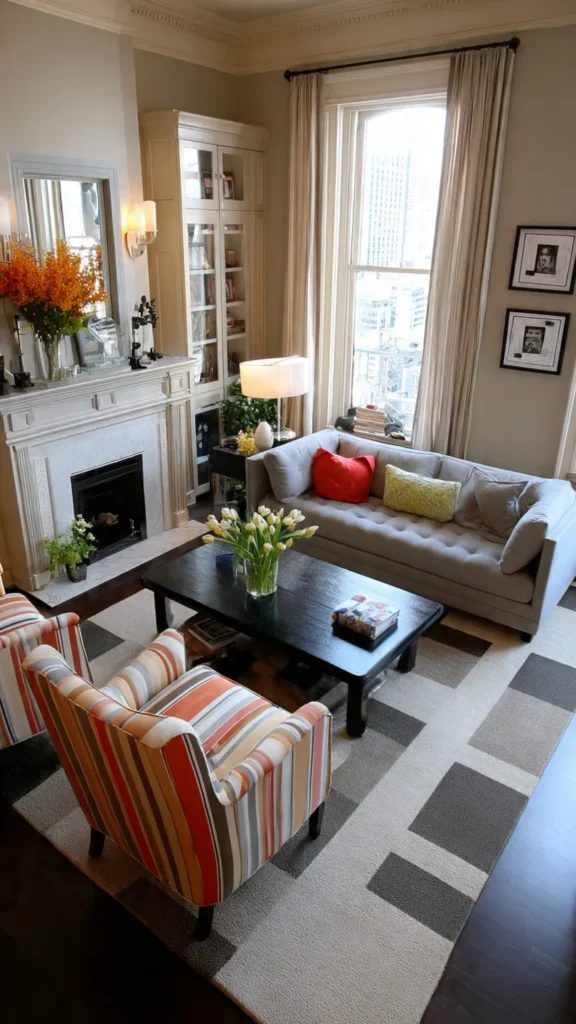
Spreading furniture too far apart can make a small living room feel disjointed. Pulling seating pieces closer together creates intimacy and improves conversation flow. It also helps define the living area clearly.
Ensure there’s still enough space for easy movement. A few inches closer can make a big difference. This arrangement feels cozy rather than cramped when done correctly.
10. Use Vertical Space to Reduce Floor Clutter
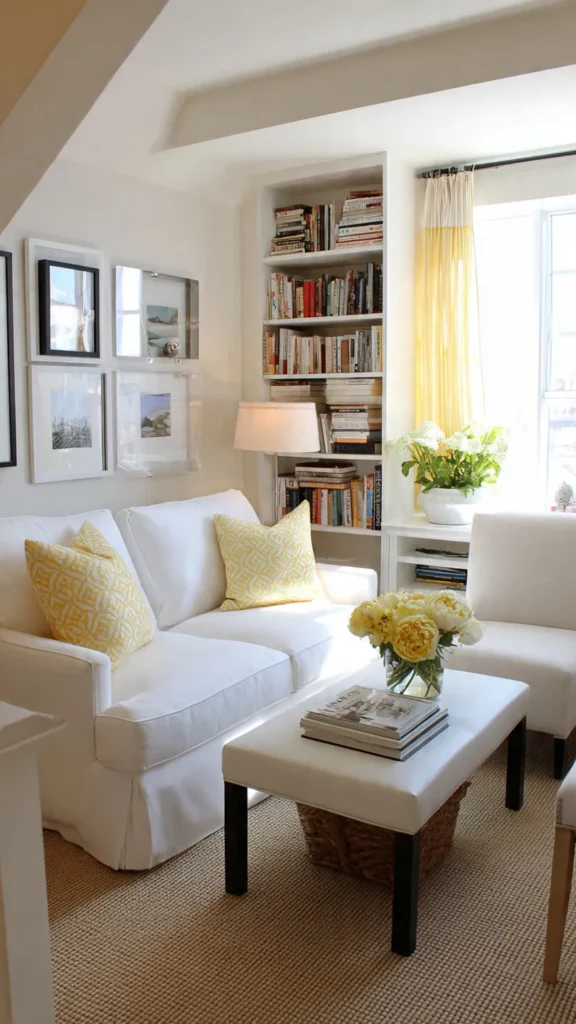
When floor space is limited, vertical space becomes essential. Wall-mounted shelves, tall bookcases, or floating media units free up valuable floor area. This makes the room feel taller and more open.
Keep vertical storage streamlined and uncluttered. Avoid overly deep shelves that protrude into the room. This strategy balances function with visual lightness.
11. Place Furniture Diagonally for Visual Interest
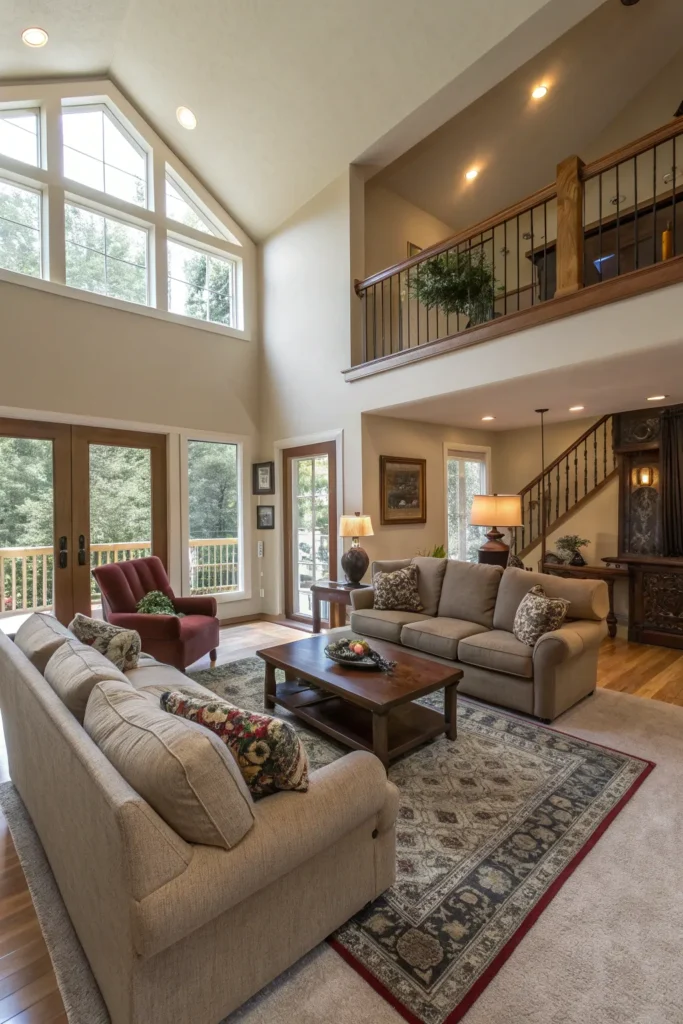
Diagonal furniture placement can break up boxy layouts in small living rooms. Positioning a chair or sofa at an angle creates movement and visual depth. This technique works especially well in square rooms.
Use diagonal placement sparingly to avoid confusion. Anchor the rest of the furniture in a more traditional layout. The contrast adds interest without chaos.
12. Use a Rug to Define the Seating Area
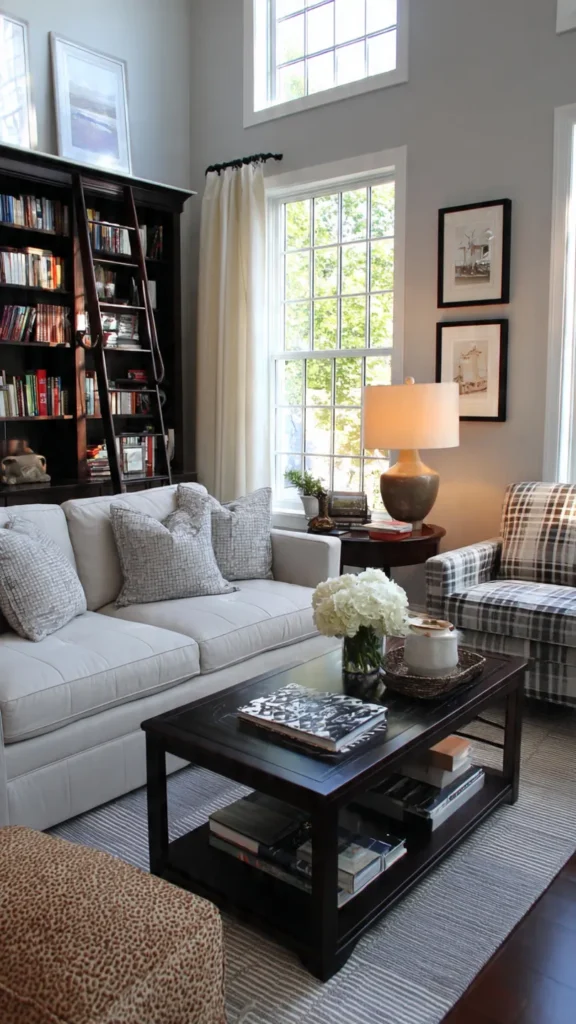
A properly sized rug helps organize furniture in a small living room. It visually ties seating pieces together and creates a defined zone. This makes the room feel more structured and intentional.
Ensure at least the front legs of furniture sit on the rug. Avoid rugs that are too small, as they make the space feel fragmented. The right rug size enhances flow and balance.
13. Choose Low-Profile Furniture

Low-profile furniture keeps sightlines open in a small living room. Sofas and chairs with lower backs make ceilings feel higher and rooms feel larger. This creates an airy, spacious impression.
Pair low furniture with taller décor elements like lamps or artwork. This balances proportions without overwhelming the space. The result is a clean and modern layout.
14. Keep Pathways Clear and Logical

Clear pathways are essential for comfort in a small living room. Arrange furniture so movement feels natural and unobstructed. Avoid placing pieces where people frequently walk.
Aim for consistent spacing between furniture and walls. Even narrow walkways can feel comfortable when uncluttered. Good flow makes the room more functional and inviting.
15. Edit Ruthlessly for a Clean Layout
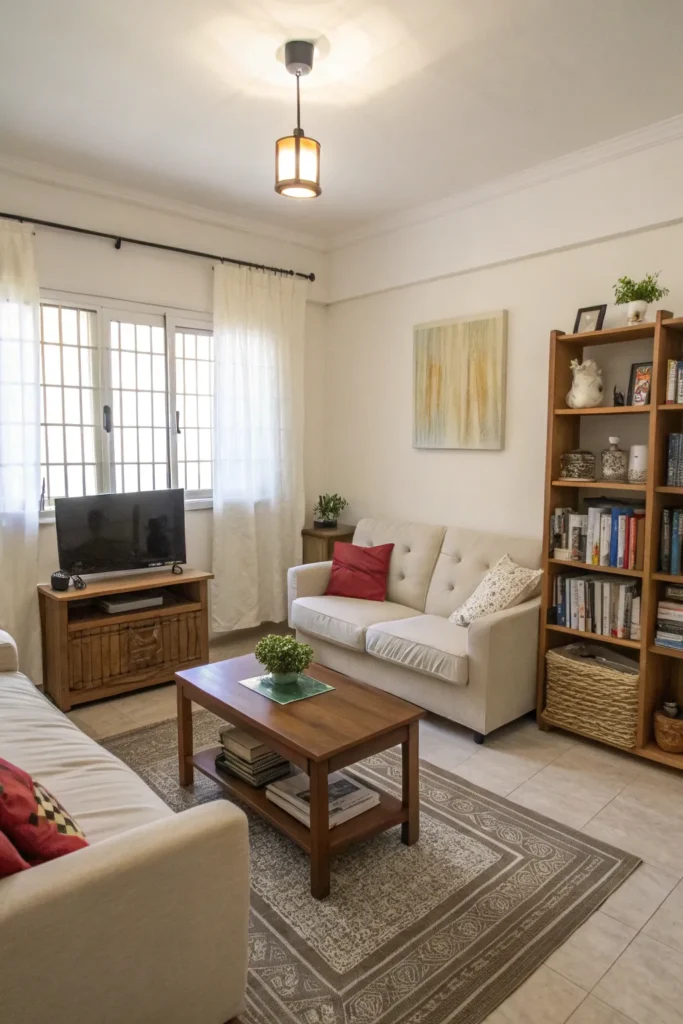
Less truly is more in a small living room. Too many furniture pieces create visual clutter and limit movement. Editing down to essential items improves both function and style.
Choose quality over quantity and prioritize comfort. Remove anything that doesn’t serve a clear purpose. A well-edited layout feels calm, spacious, and thoughtfully designed.
These small living room furniture arrangement ideas prove that limited space doesn’t mean limited style. With the right layout choices and intentional furniture placement, even the smallest living room can feel comfortable, functional, and beautifully put together.