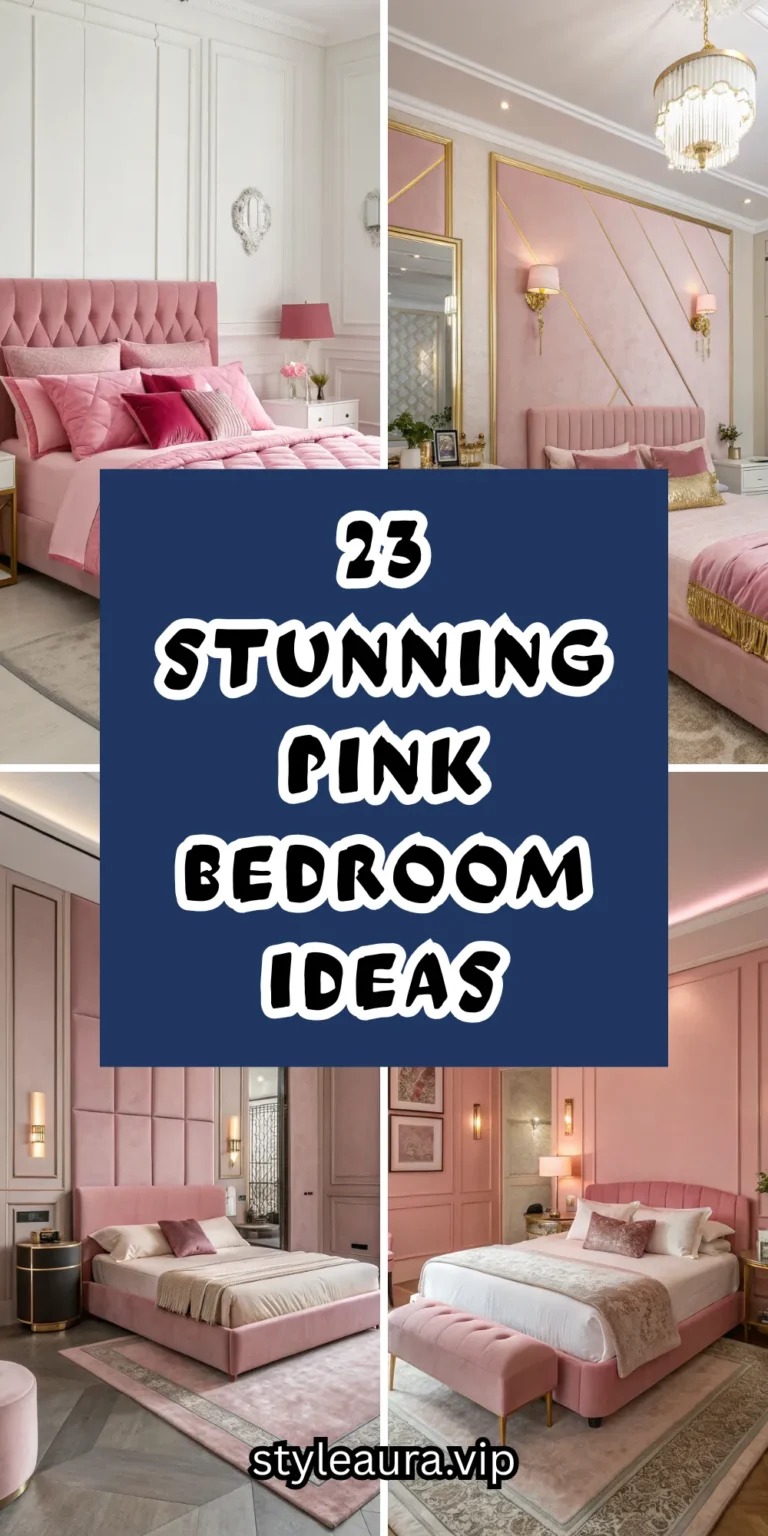
15 Mushroom Brown Bedroom Ideas for an Earthy Aesthetic
Mushroom brown sits at the precise intersection of warm brown, soft grey, and muted taupe — a tone that is simultaneously earthy and elegant, grounded and sophisticated, deeply natural and completely refined.
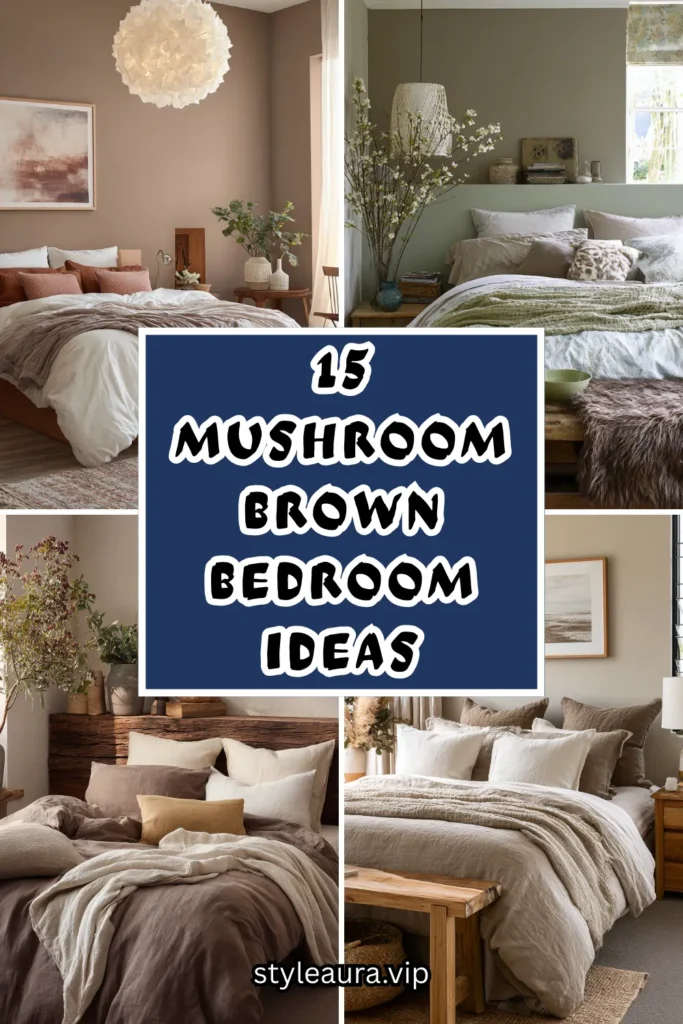
It is the color of forest floors, dried grasses, and silver birch bark in winter light — a color the natural world produces constantly and that the human eye responds to with an instinctive sense of comfort and belonging. In a bedroom it creates the quality of warm, sheltered retreat that the room is designed to provide.
Here are 15 mushroom brown bedroom ideas that create a genuinely beautiful earthy aesthetic.
1. Mushroom Brown Walls with Warm White Trim
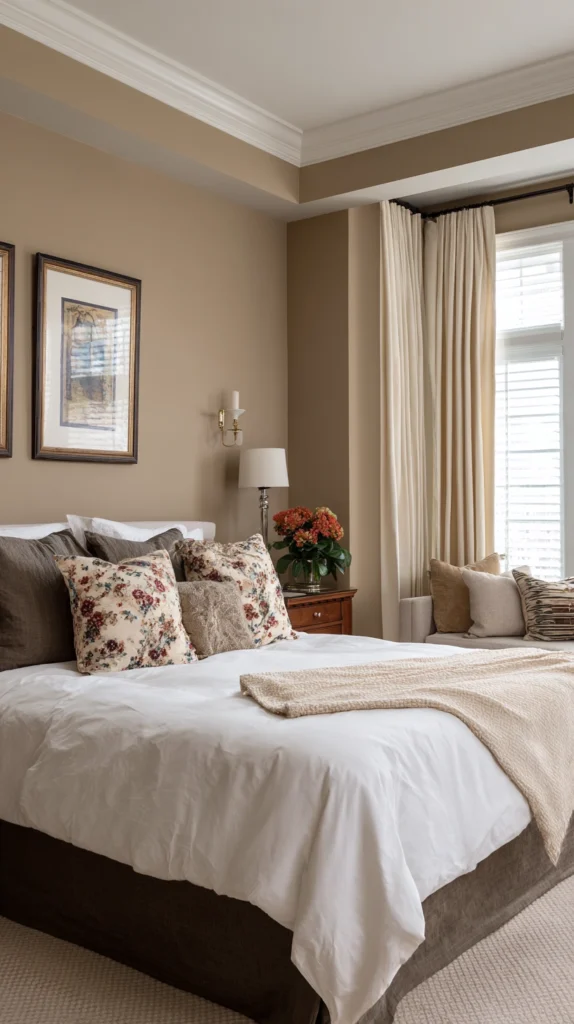
Mushroom brown walls with warm white trim on skirting boards, cornicing, and window frames creates a bedroom of classic quiet elegance. The white trim gives architectural details clarity while the mushroom walls create an enveloping warmth that transforms the quality of light throughout the day — morning sun turning the walls a soft golden brown, evening lamplight deepening them toward rich warm chocolate.
Pro Tip: Test mushroom brown paint samples on all four walls simultaneously before committing. This color changes appearance more dramatically than almost any other depending on the direction of natural light — a warm golden-brown on a south-facing wall can appear noticeably cooler and more grey on a north-facing wall in the same room.
2. Mushroom Brown Linen Bedding
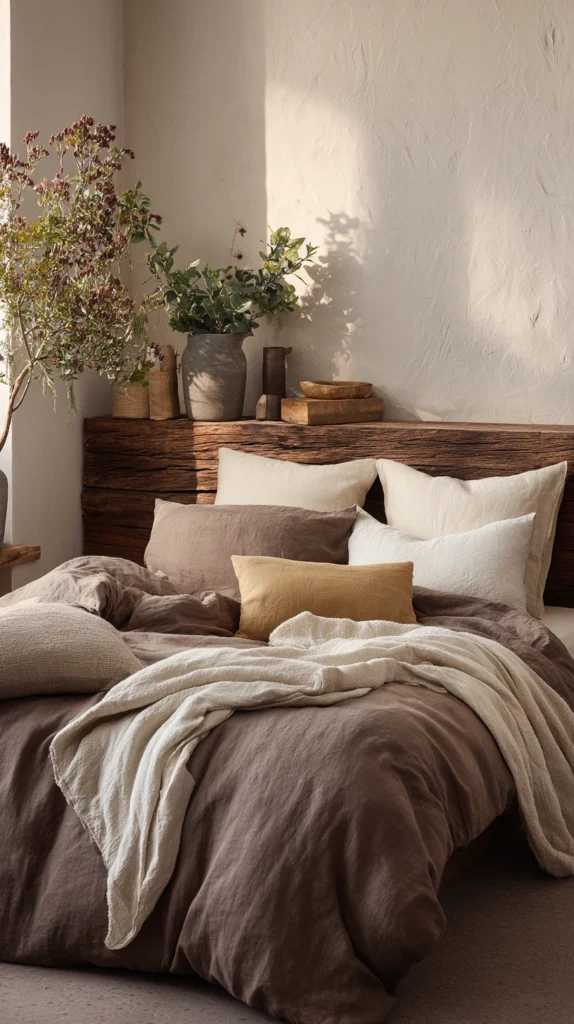
A bed dressed in mushroom brown linen bedding creates a bedroom of effortless organic beauty. Layer mushroom brown with warm cream and natural undyed linen for a bedding composition of complete tonal harmony. The variation between the slightly darker mushroom tone and the lighter cream and natural tones creates a bed that looks genuinely considered and beautifully assembled.
Pro Tip: Mix linen, cotton, and velvet textures within the bedding layers. Texture variation within a tonal palette creates visual interest that color alone cannot achieve — the matte warmth of linen alongside the plush depth of a velvet cushion creates a bed that looks rich and layered even when the entire palette uses only two or three closely related tones.
3. Mushroom Brown Walls with Natural Timber
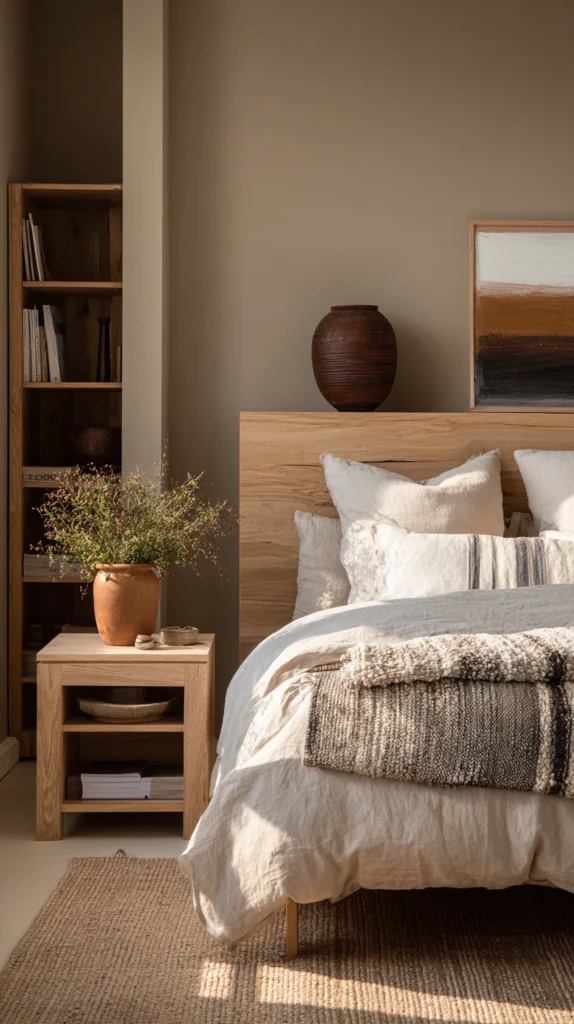
Mushroom brown walls alongside warm natural timber furniture — a light oak bedside table, a warm pine dressing table, a honey-toned rattan chair — creates a bedroom of organic warmth and natural material completeness. The earthy brown of the walls and the warm golden tones of natural timber belong to the same natural color family, creating a bedroom that feels assembled from materials found in the same landscape.
Pro Tip: Vary the timber tones across different wood accents rather than matching all elements to a single shade. Allowing different timber tones — some lighter, some warmer, some slightly darker — to coexist creates the collected, organic quality that makes a naturally furnished mushroom brown bedroom feel genuinely personal and genuinely beautiful.
4. Mushroom Brown and Sage Green
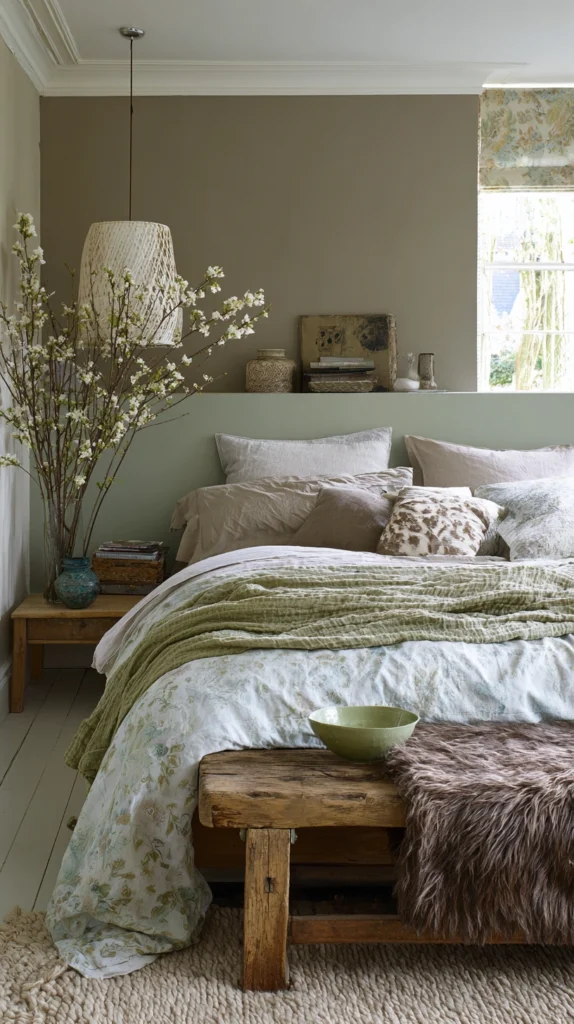
Mushroom brown alongside sage green creates a bedroom palette of extraordinary organic beauty — two of the most naturally occurring tones in the landscape combined in a bedroom of complete harmonious naturalness. The warm earthy brown and the muted grey-green of sage share the same quality of natural, slightly desaturated color that makes their combination feel inevitable rather than designed.
Pro Tip: Extend the sage green into bedroom plants and botanical artwork rather than using it only in fabric and paint. Sage-toned eucalyptus and grey-green plants reinforce the palette in the most natural and organic way possible — creating a visual consistency between the decorative elements and the living elements that ties the whole design together.
5. Mushroom Brown Velvet Headboard
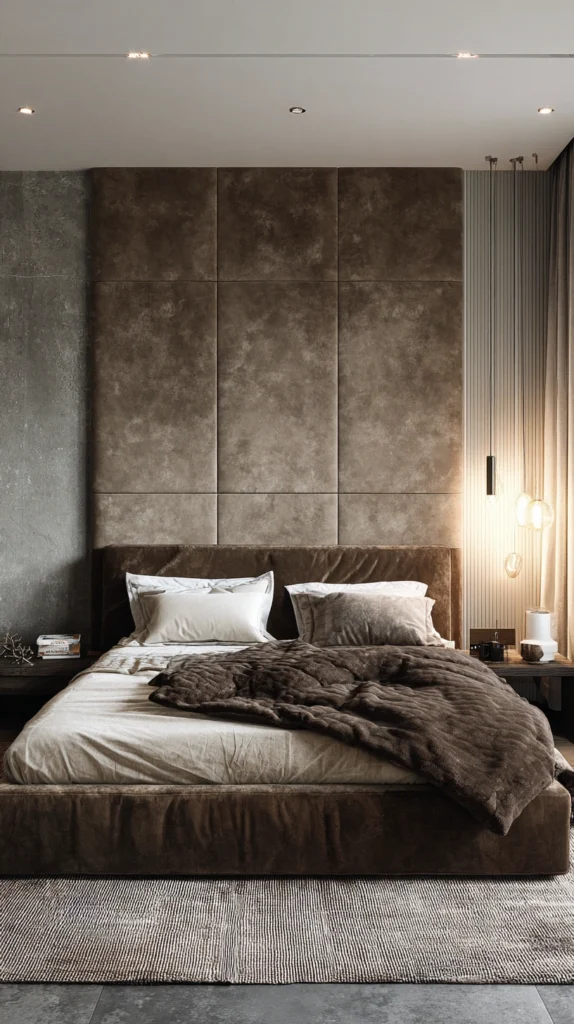
A mushroom brown velvet headboard creates a bedroom focal point of extraordinary quiet luxury — appearing lighter and more golden in morning light, deeper and richer in the warm glow of evening lamps. Against pale walls it creates a warm grounded focal point. Against mushroom brown walls it creates a tone-on-tone depth of genuine material richness.
Pro Tip: Choose a mushroom brown velvet with a warm undertone tending slightly toward brown rather than grey. A warm-toned mushroom velvet in evening lamplight glows with rich earthy depth. A cool grey-toned mushroom velvet can appear flat and slightly dull in artificial lighting, losing the warmth and depth that make this color so beautiful as a headboard material.
6. Mushroom Brown with Warm Cream and Ivory
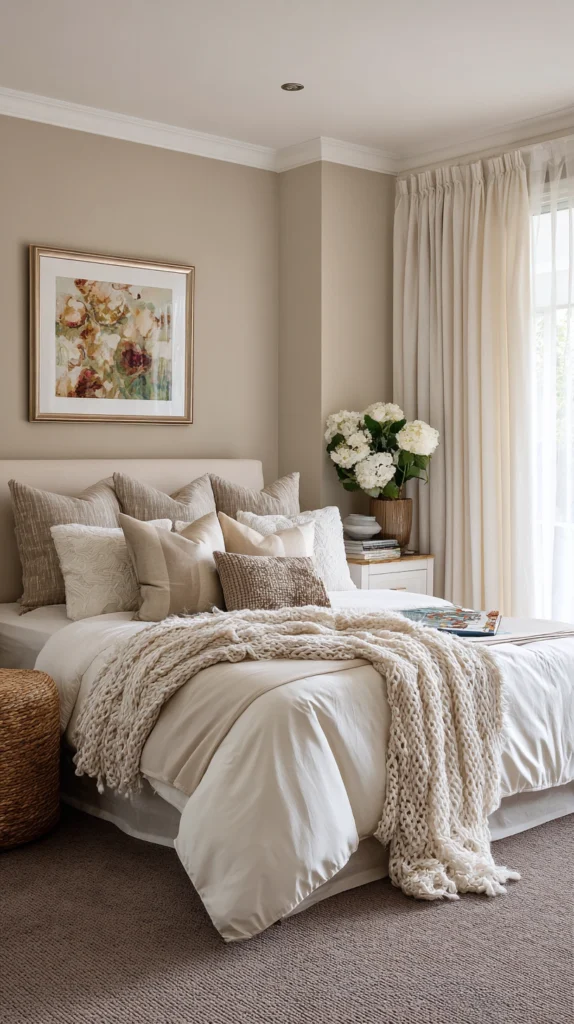
A bedroom built from mushroom brown, warm cream, and ivory — walls in mushroom, bedding in warm cream, curtains in soft ivory — creates a bedroom of complete tonal harmony and extraordinary quiet warmth. The mushroom brown anchors the palette with earthy depth, the warm cream provides lightness that prevents the room from feeling heavy, and the ivory provides the connecting mid-tone that bridges the two seamlessly.
Pro Tip: Use warm cream and ivory in the largest most light-reflecting surfaces — the bedding, the curtains, the ceiling — and mushroom brown in the more grounded anchoring elements — the walls, the headboard, the floor rug. This distribution creates a bedroom that is warm and earthy at eye level while remaining light and airy overhead.
7. Mushroom Brown Feature Wall
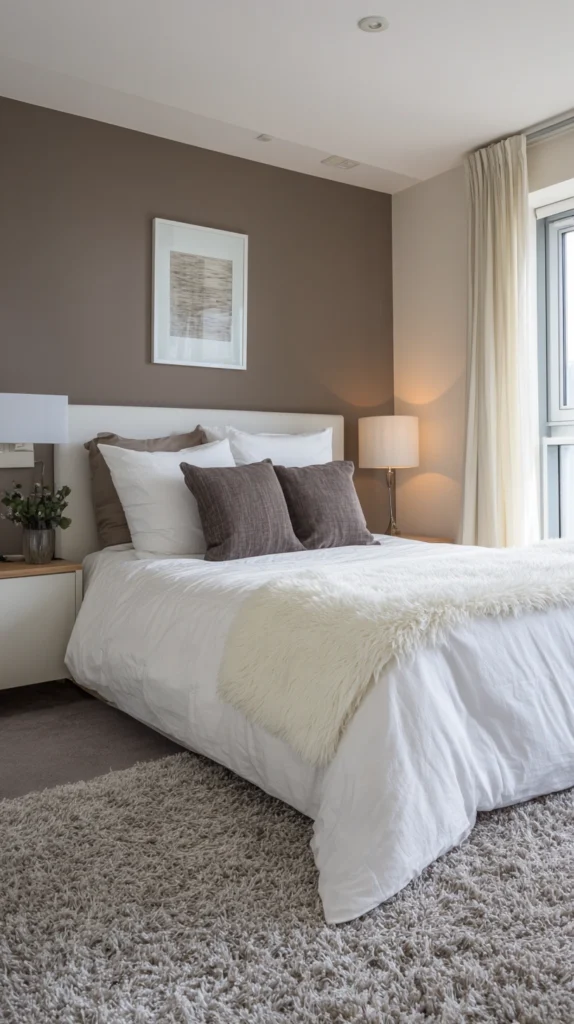
A single mushroom brown feature wall behind the bed with the remaining three walls in pale warm white creates a bedroom with focused earthy depth. The feature wall frames the bed as the room’s natural focal point and provides a warm beautiful backdrop that makes even simple bedding and furniture look considered and deliberately beautiful.
Pro Tip: Extend the mushroom brown feature wall color approximately 20 centimetres onto the ceiling directly above the bed. This ceiling extension creates the impression of a warm colored canopy above the bed that adds genuine architectural interest and makes the design decision look intentional and beautifully complete.
8. Mushroom Brown and Terracotta
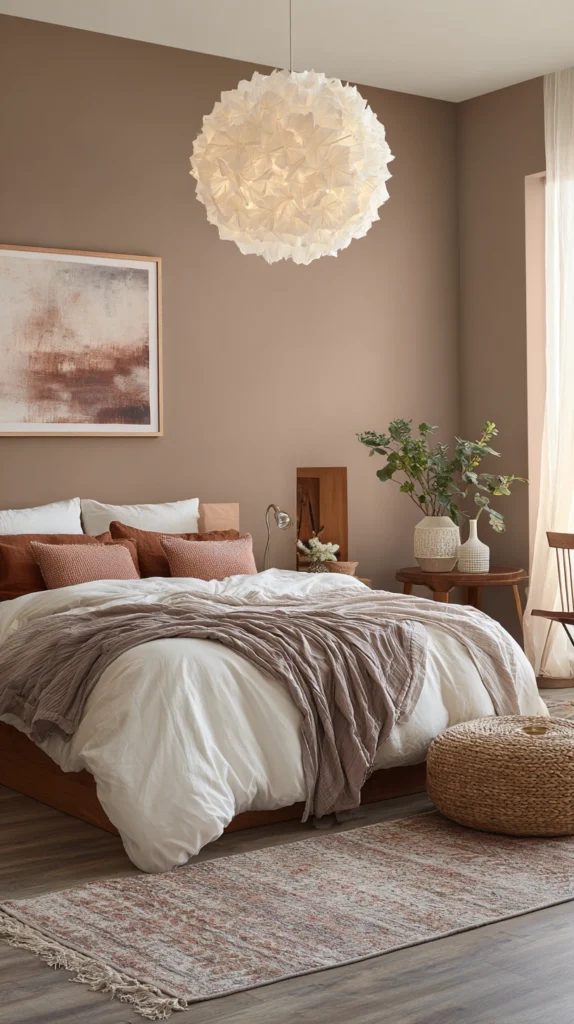
Mushroom brown alongside terracotta creates a bedroom palette of ancient sun-baked warmth — the earthy neutrality of mushroom and the warm red-orange of terracotta sitting in the same natural color family. Use terracotta as a genuine accent — terracotta cushions on a mushroom bed, a terracotta ceramic lamp, a terracotta-toned throw — rather than a co-dominant color.
Pro Tip: Use terracotta in a muted slightly brownish tone rather than vivid saturated orange alongside mushroom brown. The muted dusty version tending toward brown and clay shares the earthy quality of mushroom most naturally and creates a combination of sophisticated warmth rather than high-energy contrast.
9. Mushroom Brown with Warm Brass Accents
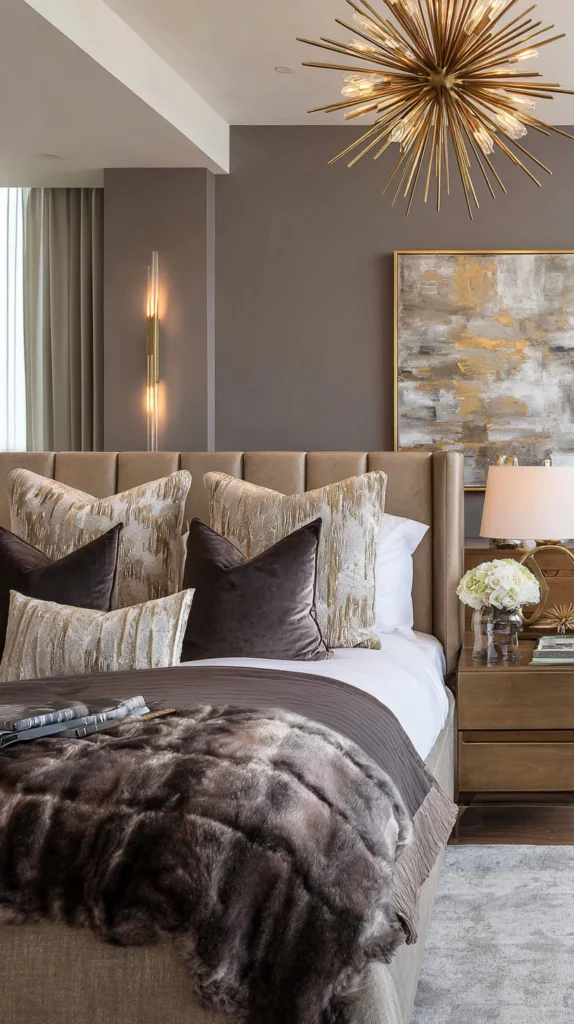
Mushroom brown with warm brass accents throughout — brass bedside lamps, a brass-framed mirror, brass picture frame hardware — creates a bedroom of quiet sophisticated warmth. The warm golden tone of brass shares the warm undertone of mushroom brown — both belonging to the same family of warm earthen tones — which is precisely what makes their combination so naturally and effortlessly beautiful.
Pro Tip: Use antique or brushed brass rather than bright polished brass alongside mushroom brown. Bright polished brass has a hardness that can feel slightly at odds with the soft matte warmth of mushroom brown. Brushed or antique brass has a depth and muted quality that sits naturally alongside mushroom and amplifies its warmth without creating a jarring reflective contrast.
10. Mushroom Brown and Deep Forest Green
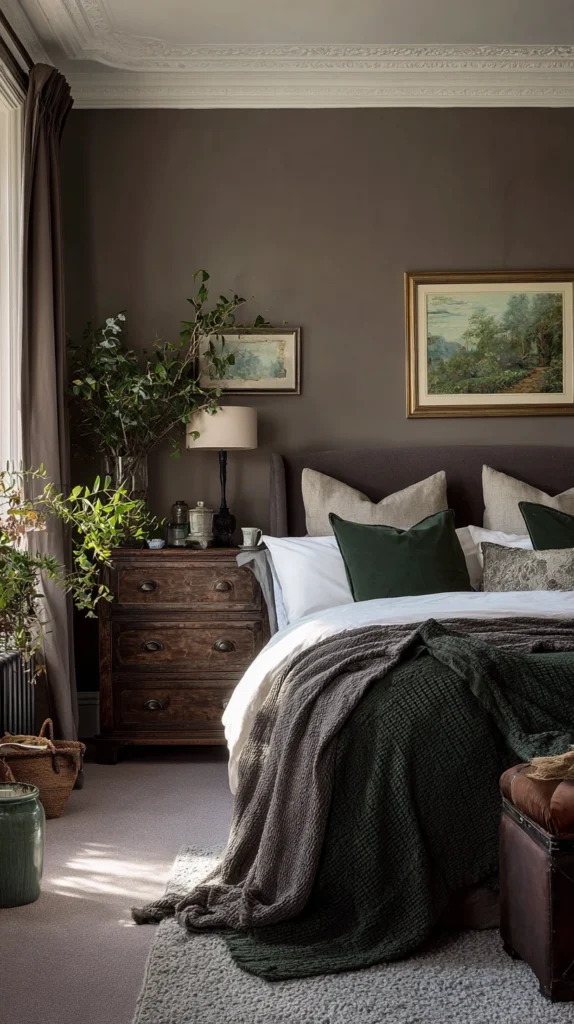
Mushroom brown alongside deep forest green creates a bedroom of rich natural depth — the colors of leaf litter and living canopy, of bark and moss, of the most beautiful moments of the natural landscape translated into a bedroom of genuine immersive natural beauty. Deep green velvet cushions on a mushroom bed, forest green botanical artwork on mushroom walls, and large leafy indoor plants create a layering of natural depth and richness that feels simultaneously designed and completely organic.
Pro Tip: Choose a forest green with a slightly warm brown-toned undertone rather than a cool blue-green for pairing with mushroom brown. Warm greens tending toward olive or khaki share the earthy warmth of mushroom and sit harmoniously alongside it. Cool blue-greens create a temperature discord that prevents the natural organic quality of the pairing from fully resolving.
11. Mushroom Brown Bedroom with Rattan and Wicker
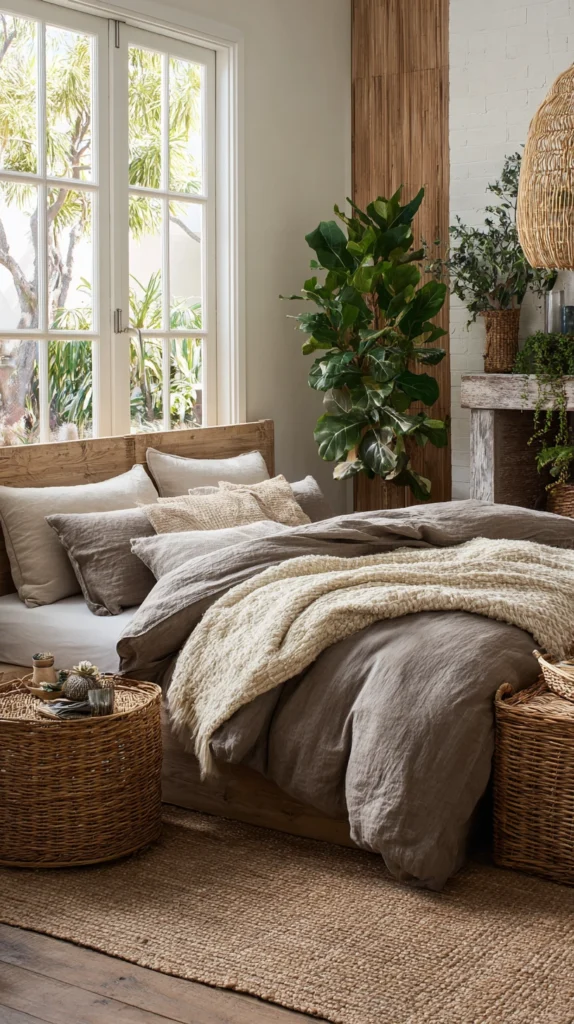
A mushroom brown bedroom furnished with rattan and wicker — a rattan bedhead, wicker pendant light shade, rattan bedside tables — creates a bedroom of warm relaxed organic beauty. The natural honey-brown tone of rattan shares the same warm family as mushroom brown, making their combination feel entirely inevitable. Add large leafy indoor plants to complete the natural aesthetic.
Pro Tip: Choose rattan in a natural unbleached tone rather than painted or lacquered alternatives. White-painted rattan creates too stark a contrast against mushroom. Dark-lacquered rattan introduces visual heaviness that works against the soft airy quality of the mushroom palette. Natural unfinished rattan in its warm honey tone sits most beautifully alongside mushroom brown in every context.
12. Mushroom Brown Ceiling Bedroom
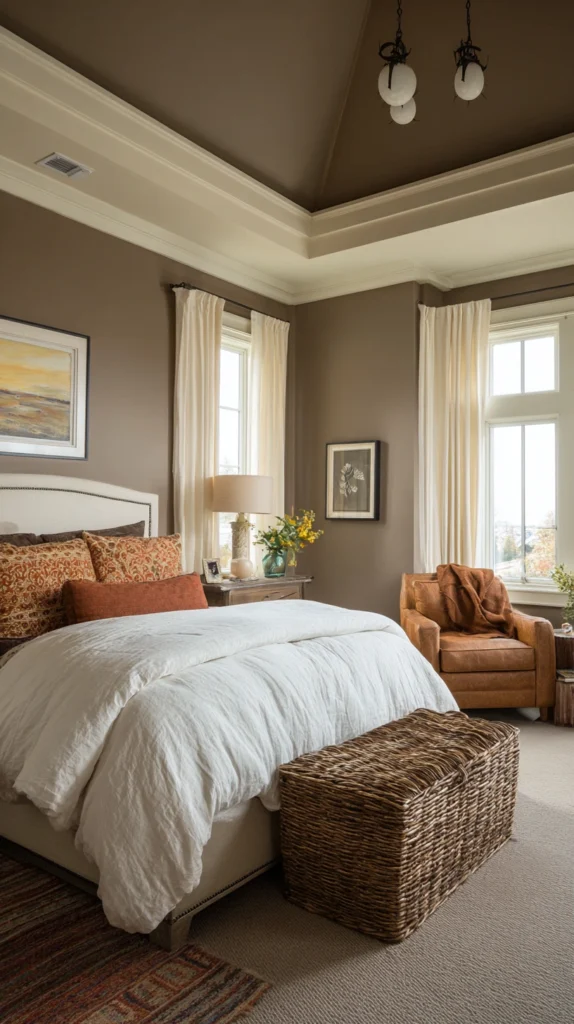
Painting the bedroom ceiling in a mushroom brown tone — slightly lighter than the walls or in the same tone for a fully enveloping effect — creates a bedroom that feels genuinely cocooning and deeply restful. A mushroom brown ceiling wraps the room in continuous earthy warmth from floor to ceiling, creating a quality of complete enveloping comfort that white ceilings never provide.
Pro Tip: Take the ceiling color approximately 20 centimetres down the wall on all four sides. This creates a continuous warm band overhead that makes the cocooning effect even more pronounced — wrapping the upper portion of the room in warmth and making the ceiling appear to float rather than sit abruptly at the wall line.
13. Mushroom Brown with Botanical Prints
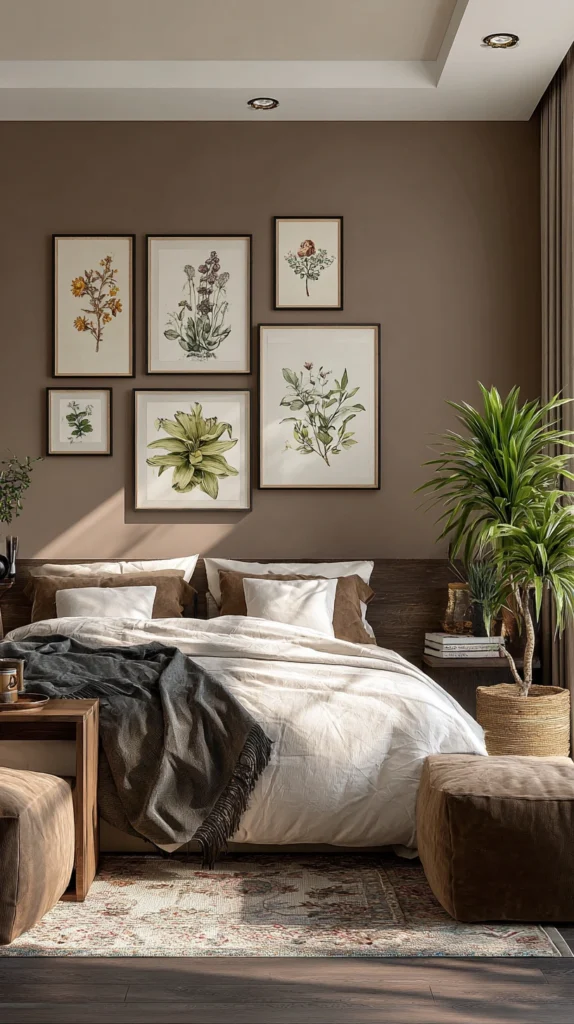
Mushroom brown alongside botanical artwork — framed pressed flower prints, watercolor botanical illustrations, lush green leafy prints — creates a bedroom of garden-inspired earthy beauty. The botanical prints introduce organic variety and natural green tones that bring the living outdoor world into the mushroom bedroom and add visual interest that purely decorative art cannot provide.
Pro Tip: Choose botanical prints with warm green and earthy tones rather than cool blue-green ones. Warm greens tending slightly toward olive or sage share the warmth of mushroom and sit harmoniously alongside it. Cool blue-green botanical prints create a temperature discord that works against the seamless organic warmth of the mushroom brown palette.
14. Mushroom Brown and Blush Pink
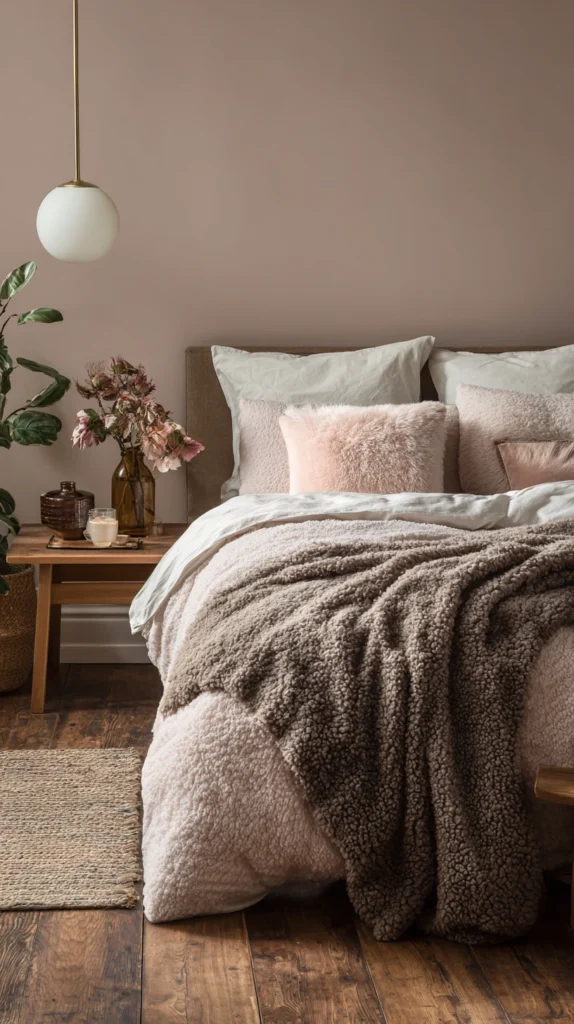
Mushroom brown alongside blush pink creates a palette of extraordinary organic warmth and quiet romantic beauty — two colors sharing the same warm slightly earthy undertone. Blush pink introduces the faintest suggestion of color and warmth into the mushroom palette without disrupting its grounded earthy quality. Blush cushions on a mushroom bed, a blush peony in a simple ceramic vase — each element gentle enough to feel almost incidental but accumulating into genuine warmth.
Pro Tip: Keep blush pink accents in the softest most muted version available — almost a pinkish white rather than a clearly defined pink. The subtlety of the mushroom and blush palette depends on all pink elements being as close to the warm neutral family as possible rather than appearing as a clearly defined separate accent color.
15. Full Tonal Mushroom Brown Bedroom
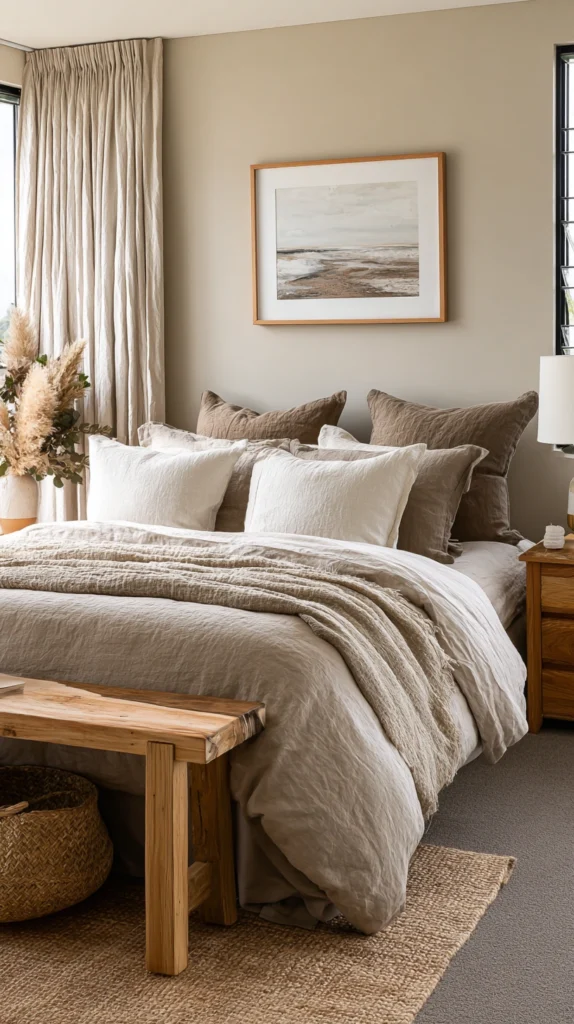
A bedroom built entirely within the mushroom tonal family — walls in deep mushroom, bedding in warm taupe, curtains in pale mushroom, furniture in natural timber, rugs in natural jute — with variation coming entirely from texture and material creates the most complete and most deeply beautiful expression of mushroom brown as a bedroom design language. Smooth plaster walls alongside rough linen bedding alongside plush velvet cushions alongside natural rattan creates a room that changes and deepens throughout the day as light shifts across each different material surface.
Pro Tip: Include one deliberate organic element — a large indoor plant with deep green foliage or dried natural grasses — that provides the single point of natural contrast against which the full mushroom palette can be seen most clearly. Without any natural contrast reference a full mushroom bedroom can lose definition in certain lighting conditions. One considered organic element grounds the entire palette beautifully.
The Most Natural Bedroom Color
Mushroom brown is the color of the natural world at its most beautiful and most restful — the palette of forest floors and dried grasses, of morning light on bare timber. Choose your tone carefully. Layer it generously with natural materials and warm textures. And discover what a bedroom becomes when every surface carries the color and quality of the most naturally restful corner of the natural world.