14 Montessori Art Studio Tips for Kids
A Montessori art studio for kids is more than just a place to draw or paint. It is a thoughtfully prepared environment that nurtures independence, creativity, concentration, and self-expression.
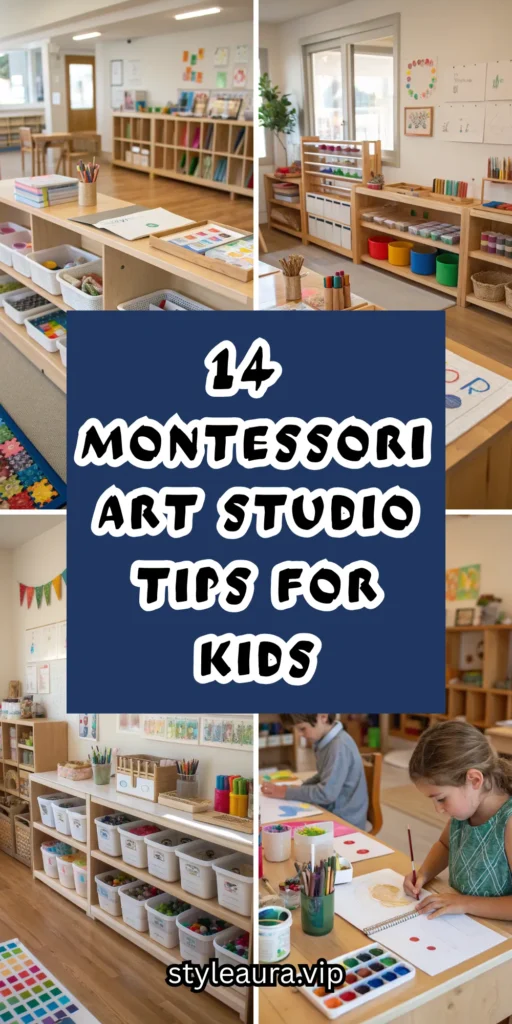
Rooted in Montessori principles, an ideal art space invites children to explore materials freely, work at their own pace, and take responsibility for their creative process. Even in small homes, a well-designed Montessori art studio can empower children to create confidently and joyfully.
1. Keep Materials Accessible at Child Height

One of the core principles of Montessori design is accessibility. Art supplies should be stored where children can easily see and reach them without adult assistance. Low shelves, small drawers, or open bins allow kids to choose materials independently. When children don’t need permission to begin creating, they are more likely to follow their natural curiosity and artistic impulses.
2. Use Open-Ended Art Materials

Montessori art studios prioritize open-ended materials over pre-structured crafts. Items like crayons, watercolor paints, clay, chalk, paper, fabric scraps, and natural objects encourage imagination rather than imitation. These materials allow children to explore freely, make choices, and discover their own creative voice without pressure to produce a specific outcome.
3. Create a Dedicated Art Zone

Even a small corner can become a meaningful art studio when it is clearly defined. A child-sized table, a floor mat, or a small easel can visually establish the space as a creative zone. Having a consistent place for art helps children associate the area with focus and self-expression, reinforcing routine and respect for their work environment.
4. Choose Child-Sized Furniture

Furniture scaled to a child’s size promotes comfort, confidence, and independence. A low table, small chair, or floor workspace allows children to sit properly and work without strain. When children feel physically comfortable, they can concentrate longer and engage more deeply in their creative activities.
5. Embrace Neutral and Calm Colors

Montessori environments favor soft, neutral tones that support focus rather than overstimulation. Light woods, whites, beige, and muted pastels create a calm backdrop that allows artwork and materials to stand out naturally. This approach helps children stay relaxed and attentive while working on their projects.
6. Display Art at the Child’s Eye Level

Displaying children’s artwork shows respect for their efforts and builds self-esteem. Hang frames, clipboards, or string displays at their eye level so they can see and appreciate their creations. Rotating artwork regularly keeps the space fresh and reinforces the idea that their work is valued and celebrated.
7. Organize Supplies Simply and Clearly

A Montessori art studio thrives on order and clarity. Store supplies in clearly labeled containers, baskets, or jars so children know where everything belongs. When materials have a designated place, children learn responsibility by returning items after use, fostering independence and care for their environment.
8. Incorporate Natural Materials

Natural materials play an important role in Montessori spaces. Wooden tools, stone palettes, cotton cloths, and glass jars add sensory richness while keeping the environment grounded and authentic. These elements help children connect with nature and develop an appreciation for real, tactile experiences.
9. Offer Real Tools with Safe Guidance

Instead of plastic toy tools, Montessori art studios often introduce real tools adapted for safety, such as metal scissors, ceramic bowls for paint, or real brushes. With proper guidance, children learn trust, responsibility, and fine motor skills. Using real tools also makes the art process feel meaningful and empowering.
10. Provide Freedom of Movement

Children benefit from the ability to choose how and where they work. Some may prefer sitting at a table, while others enjoy working on the floor or standing at an easel. A flexible setup supports different learning styles and energy levels, allowing creativity to flow naturally without rigid constraints.
11. Focus on the Process, Not the Result

Montessori philosophy emphasizes the creative process rather than the final product. Avoid correcting, directing, or judging children’s artwork. Instead, allow them to explore freely and make mistakes. This builds confidence, resilience, and a love for self-expression without fear of failure or comparison.
12. Rotate Materials Thoughtfully

Rather than overwhelming children with too many supplies, rotate materials periodically. Introducing a few new items at a time keeps curiosity alive while maintaining order. This approach helps children focus deeply on what is available and appreciate each material’s possibilities.
13. Include Art Cleaning Tools

Cleaning is part of the creative process in a Montessori art studio. Provide child-sized clothes, sponges, aprons, and a small waste bin so children can clean up independently. This teaches responsibility, respect for shared spaces, and the natural rhythm of beginning, creating, and restoring order.
14. Let the Studio Evolve with the Child

A Montessori art studio should grow alongside the child’s interests and abilities. As skills develop, adjust materials, tools, and layout to match their needs. Observing how your child uses the space helps you refine it over time, ensuring it remains inspiring, functional, and supportive.
A Montessori art studio for kids doesn’t need to be large or elaborate to be effective. With thoughtful design, accessible materials, and a focus on independence and creativity, even a small space can become a powerful environment for artistic growth. By honoring the child’s natural curiosity and creativity, you create a studio where imagination, confidence, and joy can flourish every day.