15 Mediterranean Garden Ideas That Bring Timeless Elegance Outdoors
Mediterranean gardens have a way of feeling both relaxed and refined at the same time. Inspired by the landscapes of Southern Europe, these gardens celebrate sun-washed textures, natural materials, and an effortless connection to outdoor living.
They don’t feel overly formal or manicured—instead, they embrace warmth, age, and a sense of lived-in beauty.

What makes Mediterranean garden design especially appealing is its balance of practicality and romance. These gardens are often drought-tolerant, low-maintenance, and deeply rooted in nature, yet they still feel luxurious and inviting.
Whether you have a spacious yard or a small courtyard, Mediterranean elements can be adapted to suit your space. Below are 15 Mediterranean garden ideas that feel authentic, timeless, and rich with character.
1. Stone Pathways with Soft, Organic Lines

A Mediterranean garden often begins with a stone path. Instead of straight, rigid walkways, these paths curve gently, following the natural flow of the landscape. Irregular stone slabs laid with small gaps allow plants to grow between them, adding softness and charm.
This approach makes the garden feel established and welcoming. The stones absorb warmth from the sun, while the surrounding greenery softens their edges, creating a pathway that feels both practical and poetic.
2. Terracotta Pots in Layered Arrangements

Terracotta is one of the most recognizable elements of Mediterranean gardens. Its warm, earthy tone pairs beautifully with greenery and sunlit spaces. Rather than placing pots evenly, arrange them in loose clusters at different heights.
Fill them with herbs, small trees, or flowering plants. Over time, terracotta develops a natural patina that adds to its beauty, making the garden feel timeless rather than newly installed.
3. Olive Trees as Living Sculptures

Olive trees are iconic in Mediterranean landscapes, prized for their silvery leaves and sculptural trunks. Even a single olive tree can become a focal point in a garden, offering shade and visual interest.
In smaller gardens, olive trees work beautifully in large pots. Their slow growth and hardy nature make them both practical and symbolic, representing longevity and peace.
4. Gravel Ground Cover for Warmth and Texture
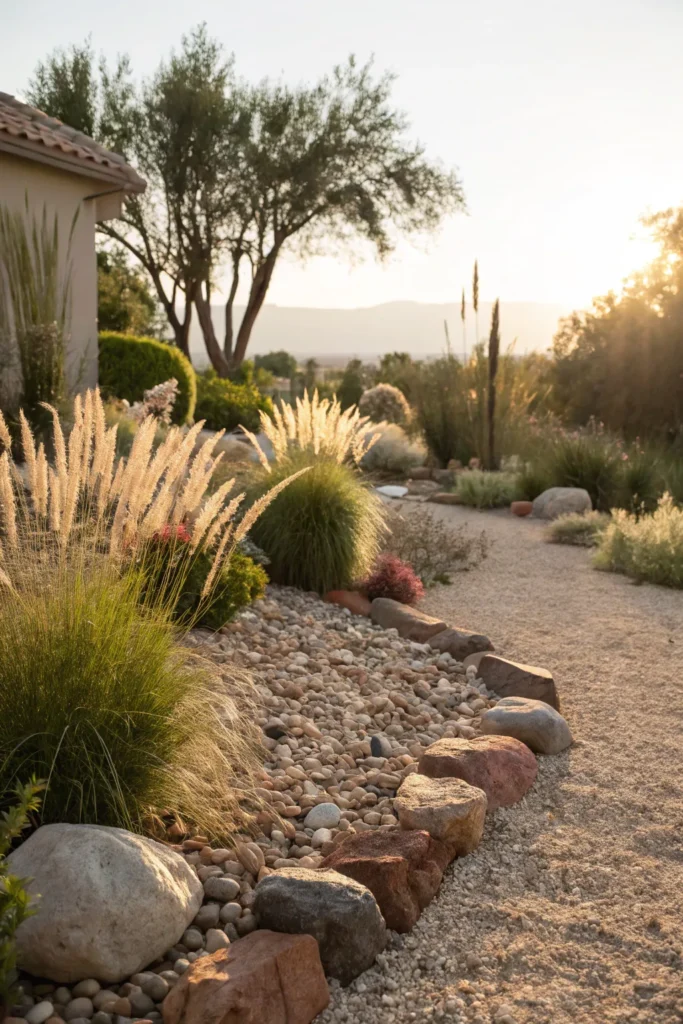
Gravel is a staple in Mediterranean garden design. It reflects light, drains well, and creates a soft crunch underfoot that enhances the sensory experience of the garden.
Use warm-toned gravel to cover open areas between plants and paths. It reduces the need for watering and maintenance while giving the garden a relaxed, sun-drenched look.
5. Climbing Vines on Walls and Pergolas

Mediterranean gardens often embrace vertical growth. Climbing vines such as bougainvillea, jasmine, or grapevines add color, fragrance, and shade when trained over walls or pergolas.
These plants soften hard surfaces and create cool, shaded areas perfect for outdoor seating. As they grow, they give the garden a romantic, timeworn feel.
6. Outdoor Dining Areas with Rustic Charm

Outdoor living is central to Mediterranean culture, and dining spaces play a key role. A simple wooden or stone table placed under a pergola or tree creates a natural gathering spot.
Keep the setting relaxed with mismatched chairs, linen tablecloths, and soft lighting. The goal is comfort and connection rather than formality.
7. Warm, Earthy Color Palette

Mediterranean gardens draw their colors from nature: sandy beiges, sun-baked terracotta, muted greens, and soft blues. These hues create a calm, cohesive environment.
Use color through materials rather than bright flowers alone. Stone walls, clay pots, and natural fabrics help the palette feel grounded and authentic.
8. Low Stone Walls and Garden Boundaries

Low stone walls are both functional and beautiful in Mediterranean gardens. They define spaces without blocking views and often double as informal seating.
These walls feel especially charming when built with local stone or finished with a slightly weathered look. Over time, moss and plants can soften them further.
9. Fragrant Plantings for a Sensory Experience

Scent is an essential part of Mediterranean garden design. Herbs and flowering plants release their fragrance when warmed by the sun, enriching the outdoor experience.
Lavender, rosemary, thyme, and citrus blossoms are common choices. Planted along paths or near seating areas, they make the garden feel immersive and alive.
10. Water Features with Subtle Movement

Water in a Mediterranean garden is usually understated rather than dramatic. A small fountain, basin, or trickling feature adds sound and movement without overwhelming the space.
Stone or ceramic water features feel most authentic. The gentle sound of water enhances relaxation and balances the warmth of sun and stone.
11. Shaded Seating Under Trees or Pergolas

Shade is essential in Mediterranean climates, and garden design reflects this need. Seating areas are often tucked beneath trees, pergolas, or vine-covered structures.
This creates cool, restful spaces that encourage long afternoons outdoors. The interplay of light and shadow adds depth and visual interest.
12. Natural, Unpolished Materials
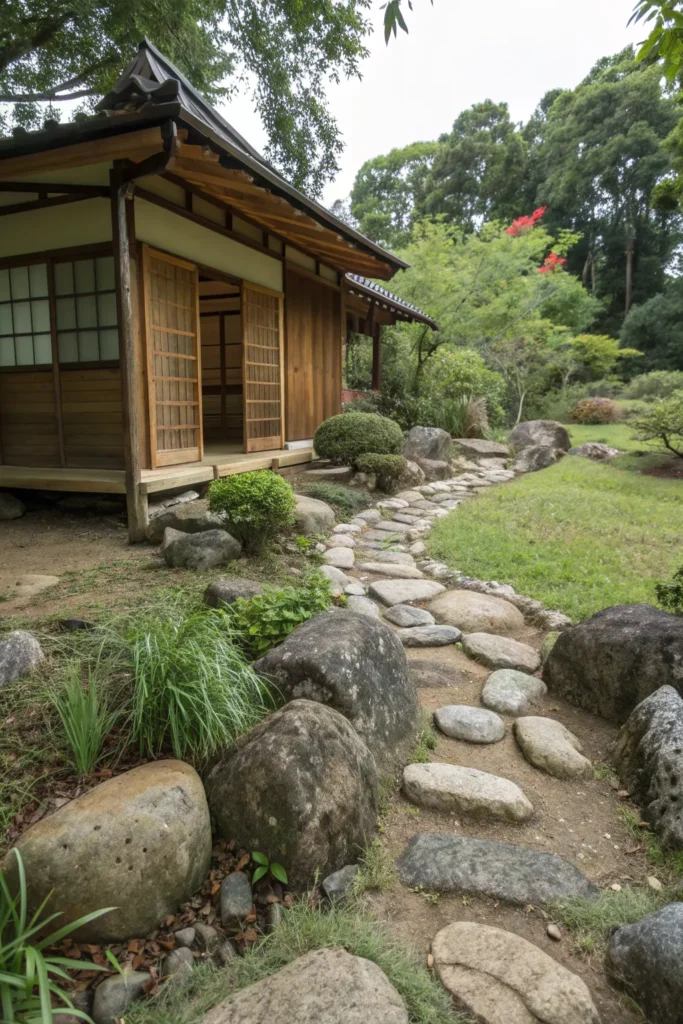
Mediterranean gardens celebrate imperfection. Rough stone, weathered wood, and hand-formed ceramics add texture and authenticity.
Avoid overly polished finishes. The beauty lies in materials that age gracefully and tell a story over time.
13. Courtyard-Style Garden Layouts

Courtyards are a classic Mediterranean feature, especially in urban or compact homes. Enclosed by walls, these gardens feel private and protected.
A central tree, fountain, or seating area anchors the space, while surrounding plants and pots add softness. Courtyard gardens feel intimate and deeply connected to daily life.
14. Native and Drought-Tolerant Plant Choices

Mediterranean gardens are designed to thrive with minimal water. Choosing drought-tolerant plants not only supports sustainability but also maintains authenticity.
Succulents, herbs, and hardy shrubs thrive in sun and heat, reducing maintenance while preserving the garden’s natural beauty.
15. Soft, Ambient Evening Lighting

As the sun sets, lighting transforms a Mediterranean garden. Soft, warm lights tucked into walls, paths, or trees create a welcoming glow.
Avoid harsh brightness. Subtle lighting enhances textures and creates a romantic atmosphere, making the garden feel inviting well into the evening.
Mediterranean garden design is about more than aesthetics—it’s about lifestyle. These gardens invite you to slow down, connect with nature, and enjoy outdoor spaces in a relaxed, meaningful way. With natural materials, thoughtful planting, and an appreciation for age and imperfection, a Mediterranean garden becomes a timeless retreat that grows more beautiful with each passing year.