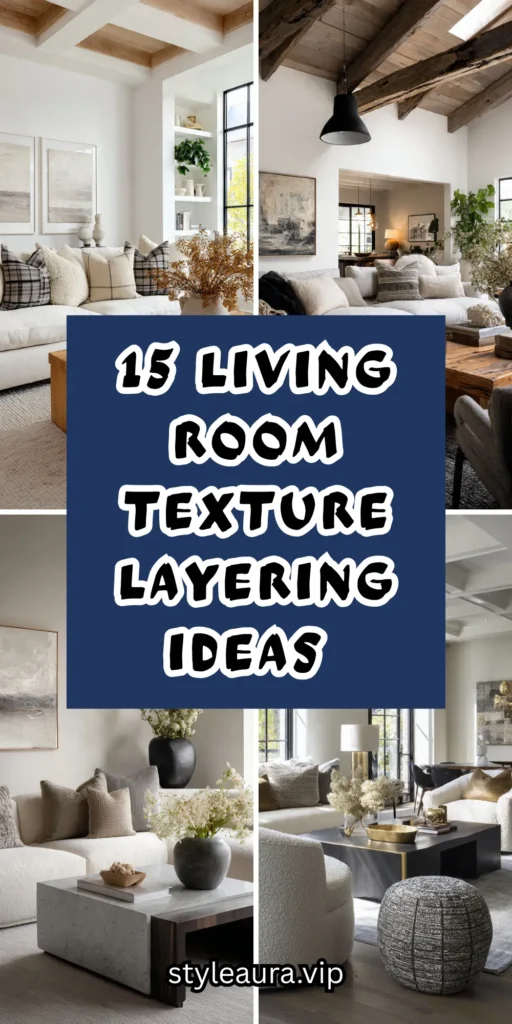
15 Living Room Texture Layering Ideas for Visual Warmth
Texture layering is one of the most powerful designer tools for creating a warm, inviting living room. Even the simplest color palette can feel rich and welcoming when multiple textures are thoughtfully combined and balanced.
1. Layered Upholstery for Depth and Comfort

Using more than one upholstery texture instantly adds warmth to a living room. Designers often mix smooth sofas with nubby accent chairs or plush ottomans. This contrast keeps seating areas visually dynamic.
Soft upholstery encourages relaxation and makes the room feel lived-in. Linen, cotton, and velvet combinations work especially well together. Each fabric brings a different tactile experience.
Layering upholstery also helps define zones within open spaces. The living room feels intentional and cozy. Comfort and style blend effortlessly through texture.
2. Rugs Over Rugs for Instant Warmth
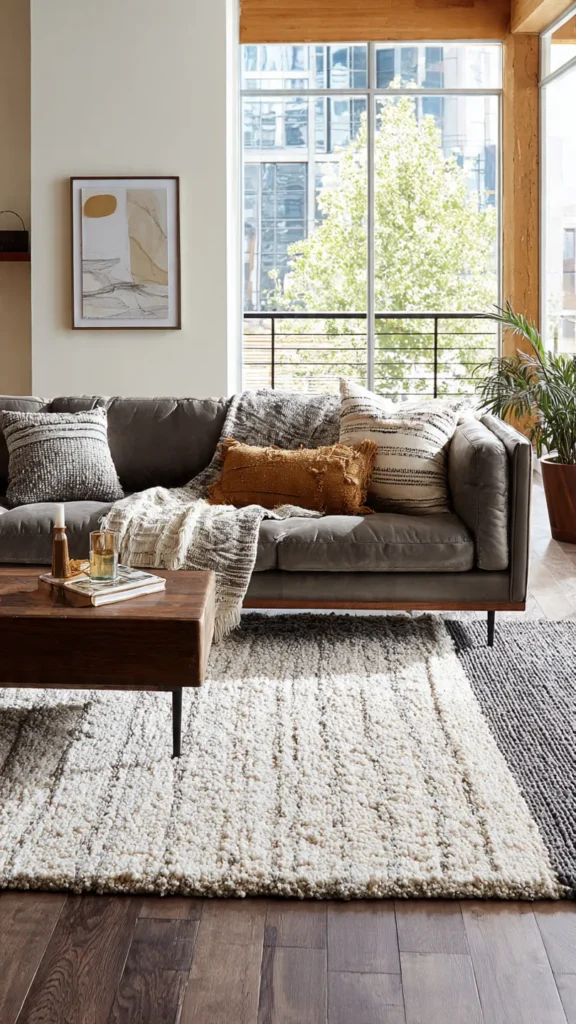
Layering rugs is a designer-approved way to add depth. A flatwoven base rug topped with a plush area rug creates visual interest. This technique adds warmth underfoot.
The bottom rug anchors the space while the top rug adds softness. Designers often mix natural fibers with wool or shag. The contrast feels relaxed and curated.
This approach works well in large living rooms. It prevents the space from feeling empty. Texture becomes a focal point rather than an afterthought.
3. Soft Throws and Blankets
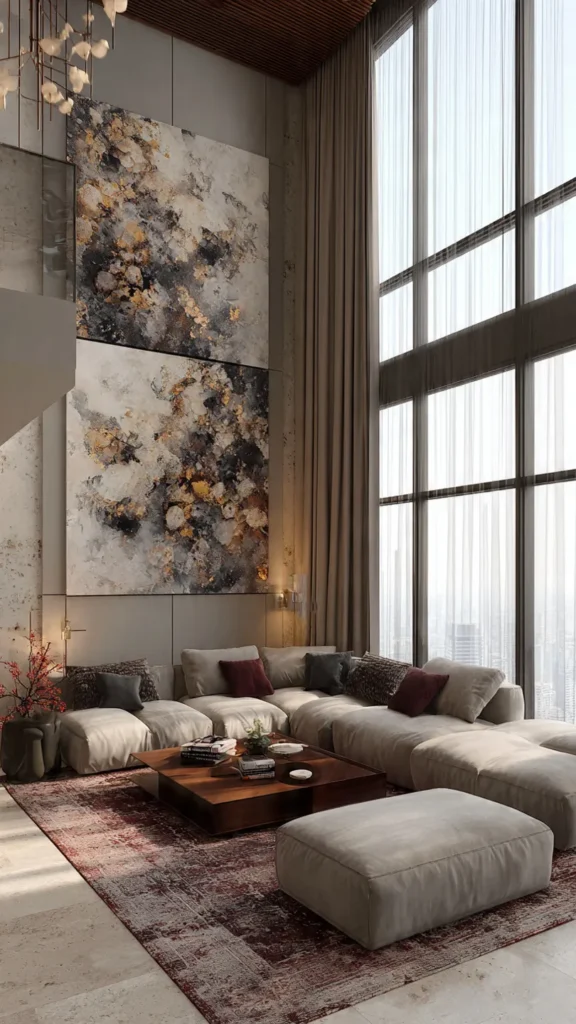
Throws are essential for texture layering. Designers use them to add softness and warmth without permanence. Draped casually, they make the room feel inviting.
Chunky knits, faux fur, or woven cotton throws add variety. Each texture brings its own visual weight. The layering keeps the space from feeling flat.
Throws also introduce seasonal flexibility. Swapping them refreshes the room instantly. Texture becomes both decorative and functional.
4. Mixed Cushion Fabrics

Cushions are small but powerful texture tools. Designers mix materials like velvet, linen, boucle, and wool. This layering adds depth to sofas and chairs.
Using different weaves and finishes keeps the look interesting. Even neutral cushions feel dynamic when textures vary. The effect is subtle yet impactful.
Layered cushions also enhance comfort. The living room feels cozy and welcoming. Texture turns seating into a visual centerpiece.
5. Natural Wood Elements

Wood adds warmth and grounding texture. Designers use wood furniture to balance softer textiles. The natural grain creates visual interest.
Mixing wood finishes prevents monotony. Light wood pairs well with darker tones for contrast. This variation adds richness to the space.
Wood also brings an organic feel. It softens modern interiors beautifully. Texture becomes both visual and emotional.
6. Woven and Basket Details

Woven textures add casual warmth. Designers often incorporate baskets, trays, or wall decor. These elements introduce handmade charm.
Natural fibers like rattan or seagrass feel relaxed. They contrast beautifully with sleek furniture. The balance keeps the room approachable.
Woven pieces also add functionality. Storage feels decorative rather than utilitarian. Texture enhances both form and function.
7. Layered Window Treatments

Window treatments are often overlooked for texture. Designers layer sheer curtains with heavier drapes. This creates softness and visual depth.
Sheers diffuse light gently, while thicker fabrics add warmth. The combination feels luxurious and complete. It frames the room beautifully.
Layered curtains also add insulation and comfort. The living room feels cozy year-round. Texture plays a role in both aesthetics and comfort.
8. Textured Walls and Finishes

Textured walls add architectural interest. Designers use plaster, limewash, or subtle paneling. These finishes add depth without bold color.
Even subtle wall texture enhances warmth. Light interacts differently across the surface. The room feels dynamic and layered.
Textured walls act as a quiet backdrop. Furniture and decor feel more intentional. Texture elevates the entire space.
9. Mixing Matte and Gloss Surfaces

Contrasting finishes add sophisticated texture. Designers mix matte walls with glossy tables or decor. This interplay adds visual warmth.
Matte finishes feel soft and calming. Glossy surfaces reflect light and add contrast. Together, they create balance.
This layering keeps neutral living rooms engaging. The space feels polished without being cold. Texture replaces color as the main interest.
10. Stone and Ceramic Accents

Stone and ceramic add weight and substance. Designers use them in coffee tables, vases, or fireplaces. These textures ground the space.
The natural imperfections add character. Stone contrasts beautifully with soft textiles. This balance creates visual warmth.
Ceramics add an artisanal touch. The room feels curated and thoughtful. Texture becomes a storytelling element.
11. Layered Lighting for Softness
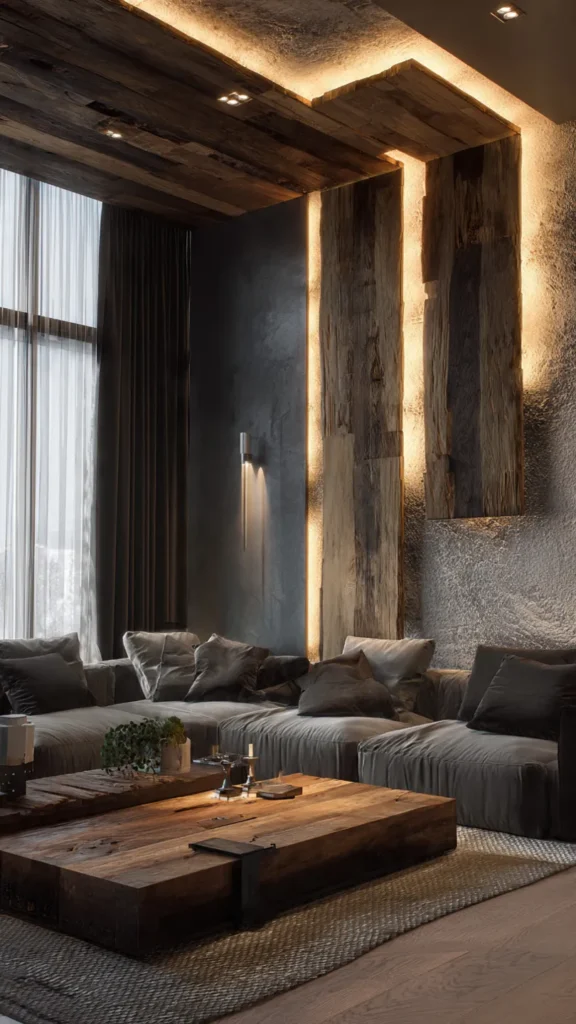
Lighting itself adds texture to a room. Designers layer ambient, task, and accent lighting. This creates warmth through shadows and glow.
Fabric lamp shades soften harsh light. The glow enhances textures throughout the room. Everything feels more inviting.
Layered lighting adds depth at night. The living room becomes cozy and intimate. Texture is highlighted rather than hidden.
12. Books and Paper Textures
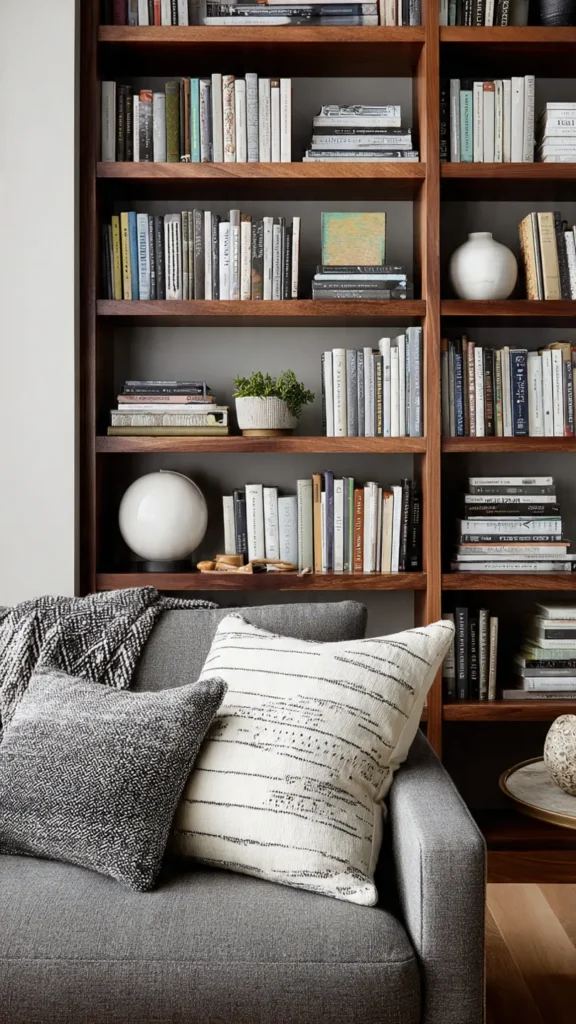
Books add warmth through texture and color variation. Designers often style shelves with stacked books. Paper textures soften modern spaces.
The varied spines create visual rhythm. Books make the room feel personal and lived-in. Texture comes from everyday objects.
Mixed with decor, books add balance. The living room feels authentic and comfortable. Texture tells a story of use and life.
13. Greenery and Organic Layers
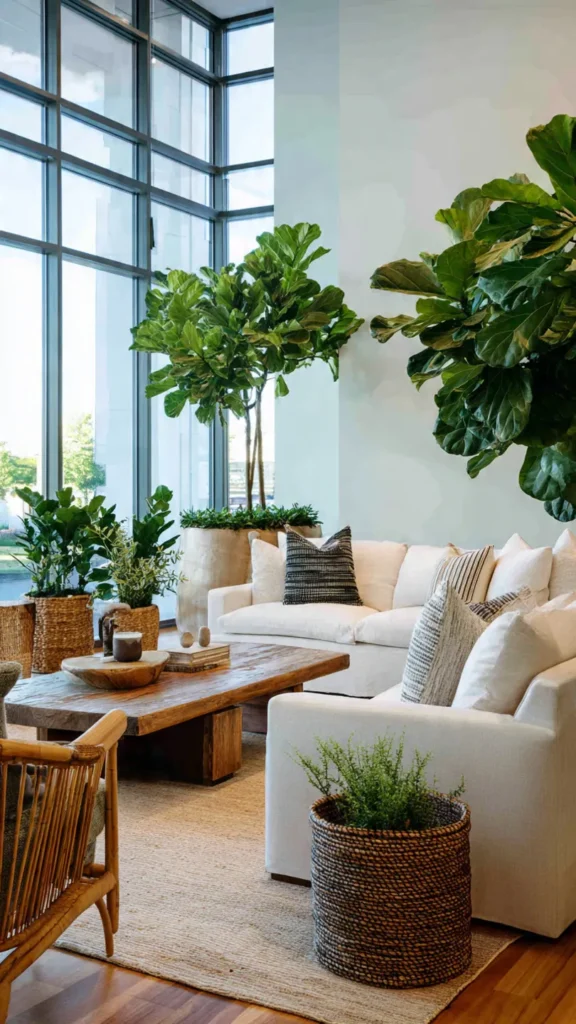
Plants add natural texture effortlessly. Designers use greenery to soften structured spaces. Leaves introduce movement and life.
Different plant sizes create depth. Smooth leaves contrast with rough pots or baskets. This layering feels organic and warm.
Plants also improve the room’s atmosphere. The space feels fresh and welcoming. Texture connects the interior to nature.
14. Sculptural Decor Pieces
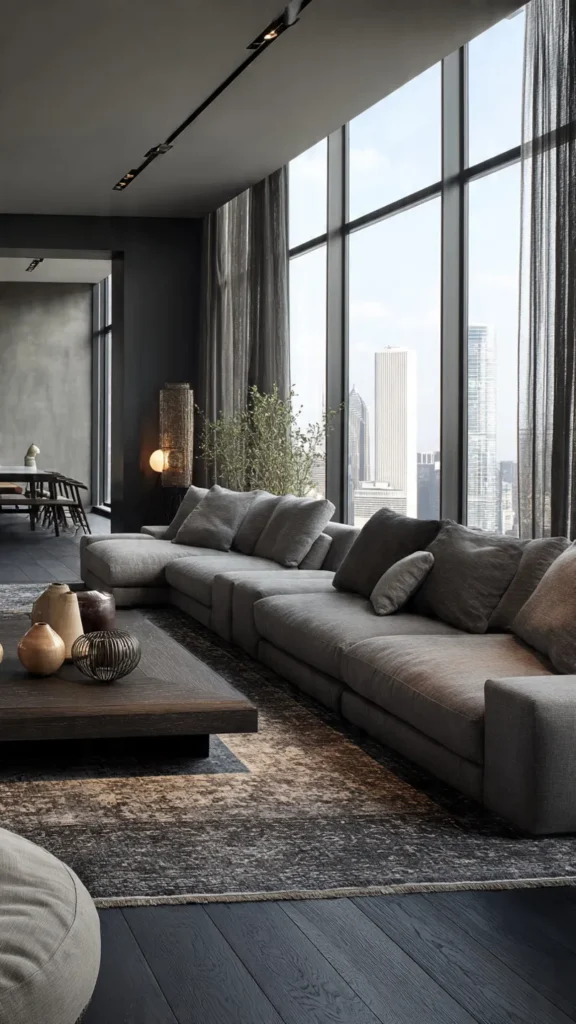
Sculptural decor adds visual texture through form. Designers choose objects with curves or rough finishes. These pieces create focal points.
Materials like clay, wood, or metal add interest. The shapes catch light differently. Texture becomes artistic rather than subtle.
Used sparingly, sculptural pieces elevate the room. The living space feels curated. Texture adds sophistication and warmth.
15. Balanced Minimalism with Texture Focus

Minimal living rooms rely heavily on texture. Designers limit color but layer materials generously. This keeps the space warm.
Neutral palettes feel rich through varied textures. Linen, wool, wood, and stone work together. The effect is calming yet interesting.
Texture replaces excess decor. The living room feels open but cozy. Warmth comes from layers rather than clutter.
Living room texture layering transforms ordinary spaces into warm, inviting environments. By thoughtfully combining soft, hard, natural, and refined materials, texture creates comfort, depth, and visual richness that makes any living room feel like home.