15 Japanese Tiny House Design Inspirations
Japanese design has always stood out for its serenity, restraint, and clever use of space. In recent years, tiny house enthusiasts worldwide have embraced this style for its ability to turn even the smallest footprint into a peaceful, functional retreat.
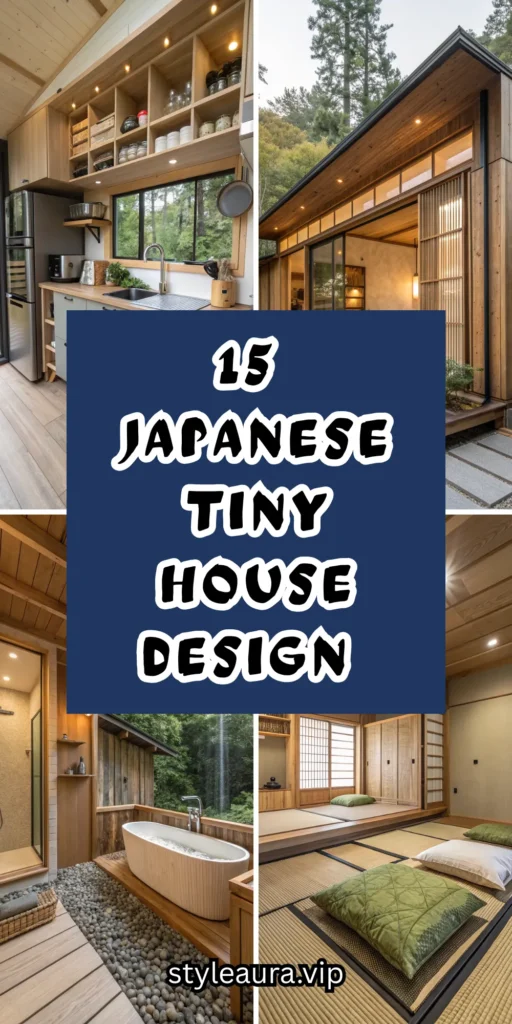
Whether you’re building a compact home, refreshing a studio apartment, or simply craving a calmer environment, Japanese-inspired design offers endless ideas. Below are 15 Japanese tiny house design inspirations to help you craft a minimalist and meaningful home that feels grounded and spacious at the same time.
1. Minimalist Open-Plan Layouts
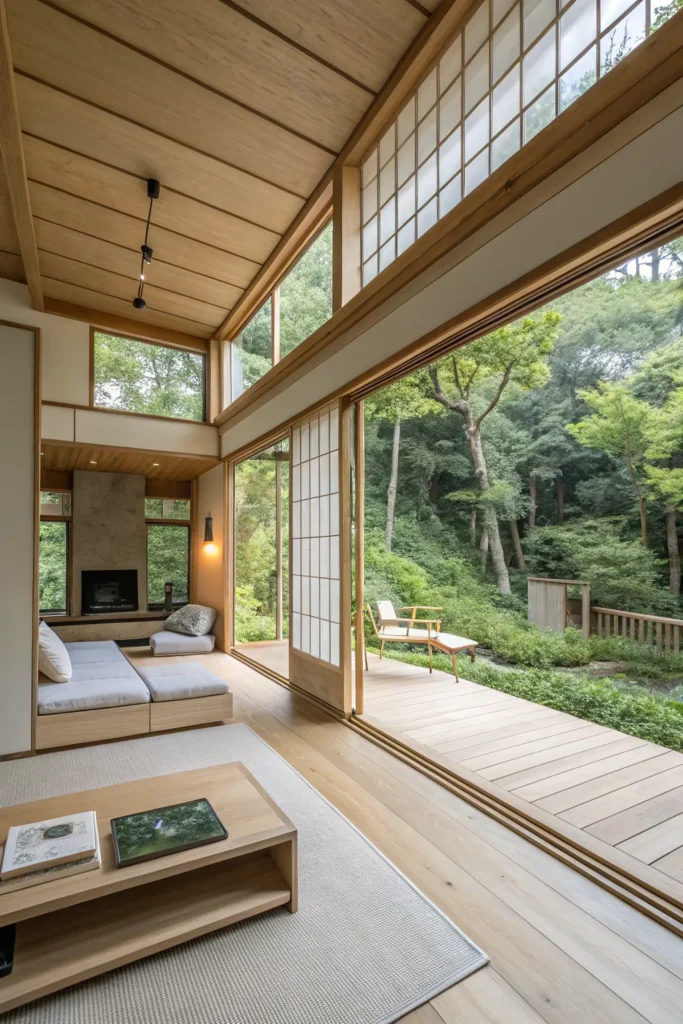
One of the most defining features of Japanese tiny homes is their clean, uncluttered layout. Open floor plans allow air and light to flow freely, making a small footprint feel much larger. Instead of heavy dividers, you’ll often see subtle zoning using flooring transitions, low partitions, or furniture placement. This openness creates a sense of calm, allowing the home to breathe.
2. Shoji Sliding Doors
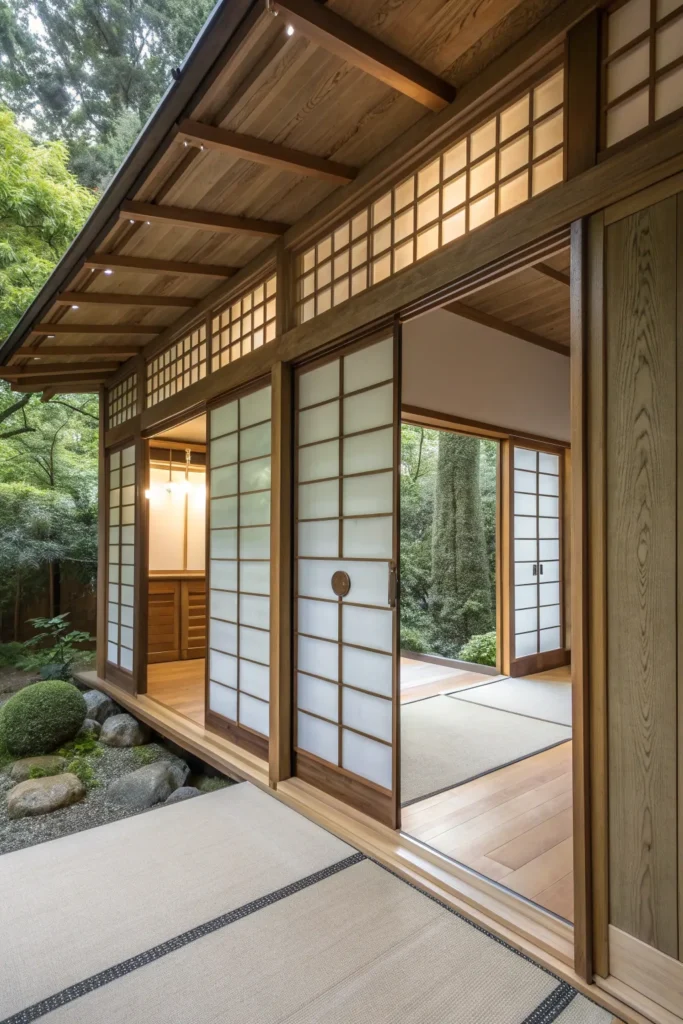
Shoji doors are a classic element of Japanese design, and they’re especially helpful in tiny homes where every inch counts. These lightweight sliding panels save space compared to swinging doors and help diffuse natural light, giving rooms a warm, tranquil glow. Modern tiny houses often use shoji-style doors with glass or durable acrylic for better longevity while retaining the soft aesthetic.
3. Tatami Mat Flooring
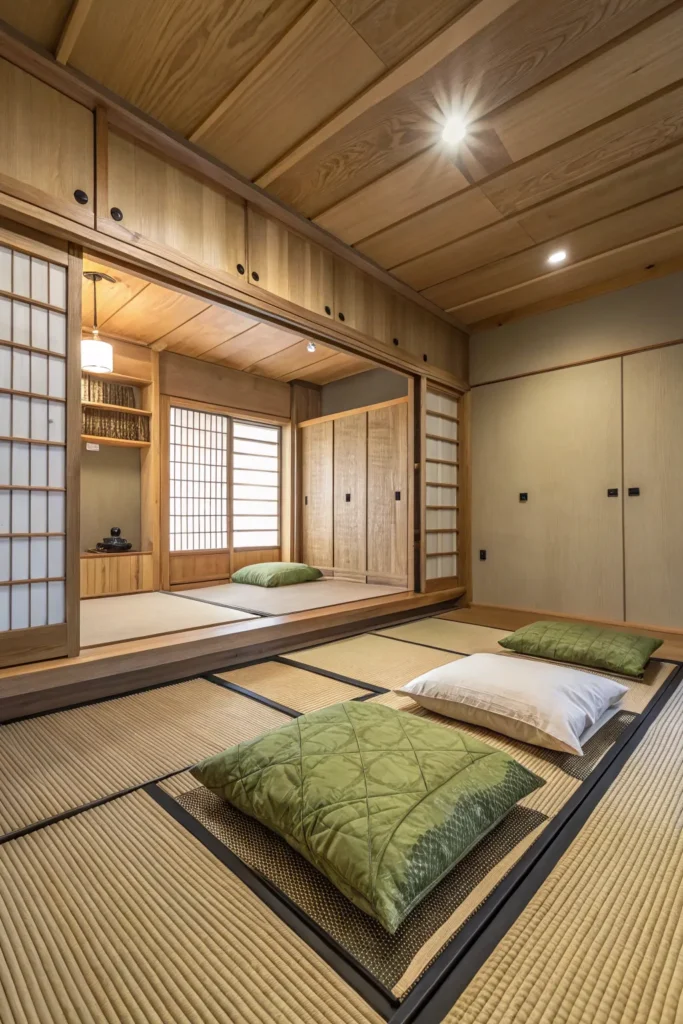
Tatami mats introduce texture, tradition, and flexibility into a small living space. They provide natural cushioning and can be used to designate areas for sitting, relaxing, or even sleeping. In tiny houses, tatami floors often serve as multifunctional platforms where the same space can be used for meditation in the morning, work during the day, and sleeping at night.
4. Raised Platforms With Hidden Storage
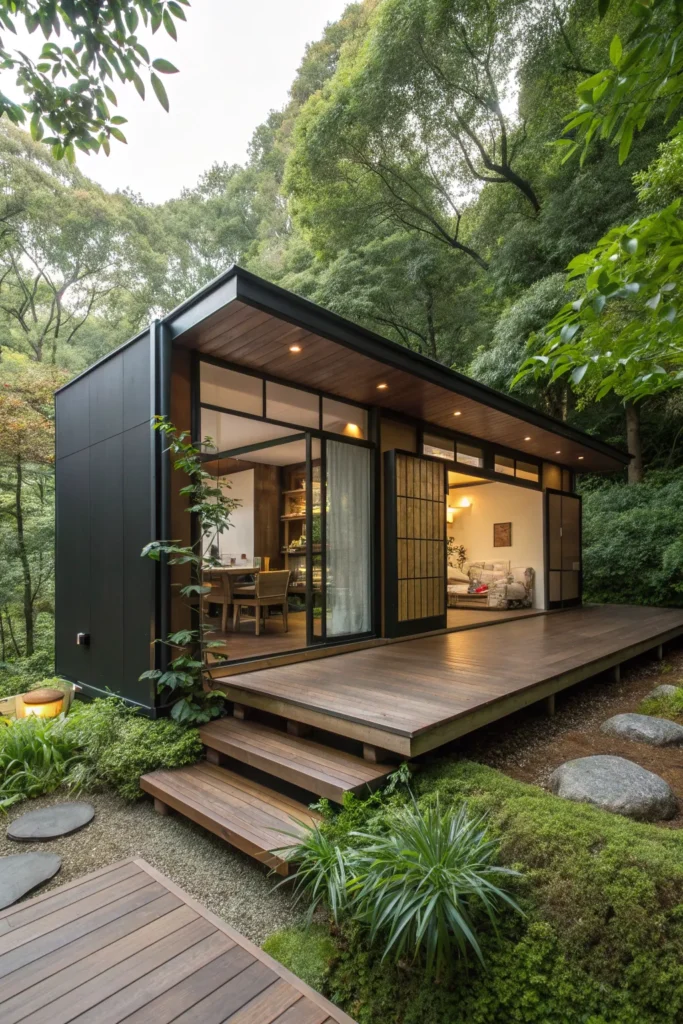
Storage is essential in any tiny home, but Japanese design excels at subtle integration. Raised floor platforms are one of the smartest solutions: they visually define a zone while offering built-in drawers or lift-up compartments underneath. This keeps everyday items out of sight yet easily accessible, maintaining the serene aesthetic.
5. Multi-Functional Furniture
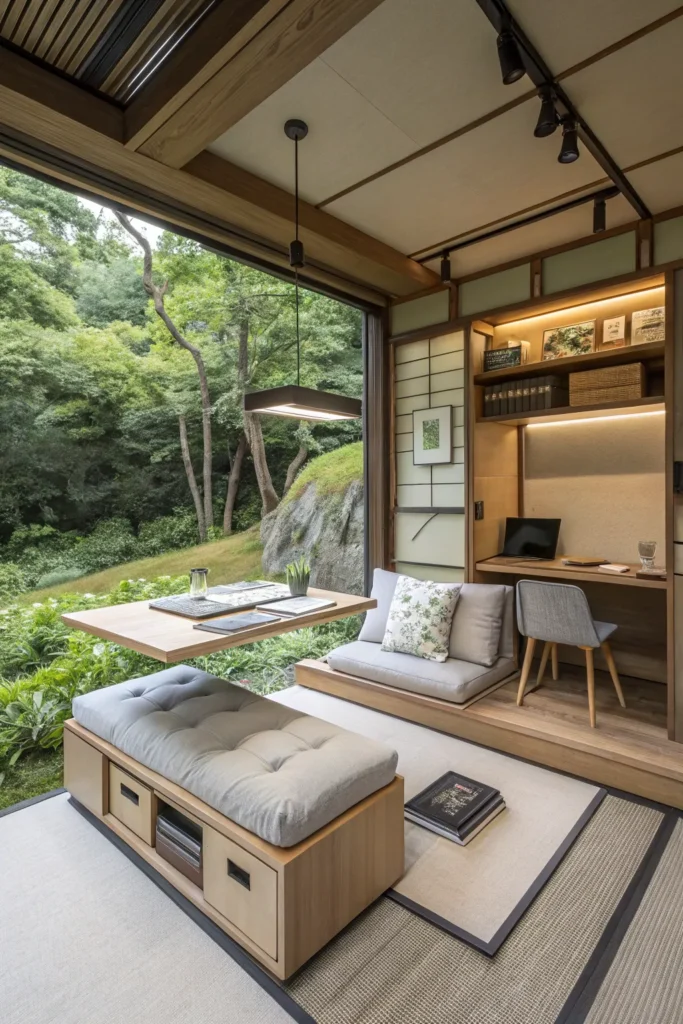
In Japanese tiny houses, furniture often serves more than one purpose. Think futons that fold away, low tables that convert to desks, or benches with interior storage. These flexible pieces allow a single room to shift roles throughout the day, maximizing the practicality of limited square footage.
6. Natural Wood Accents
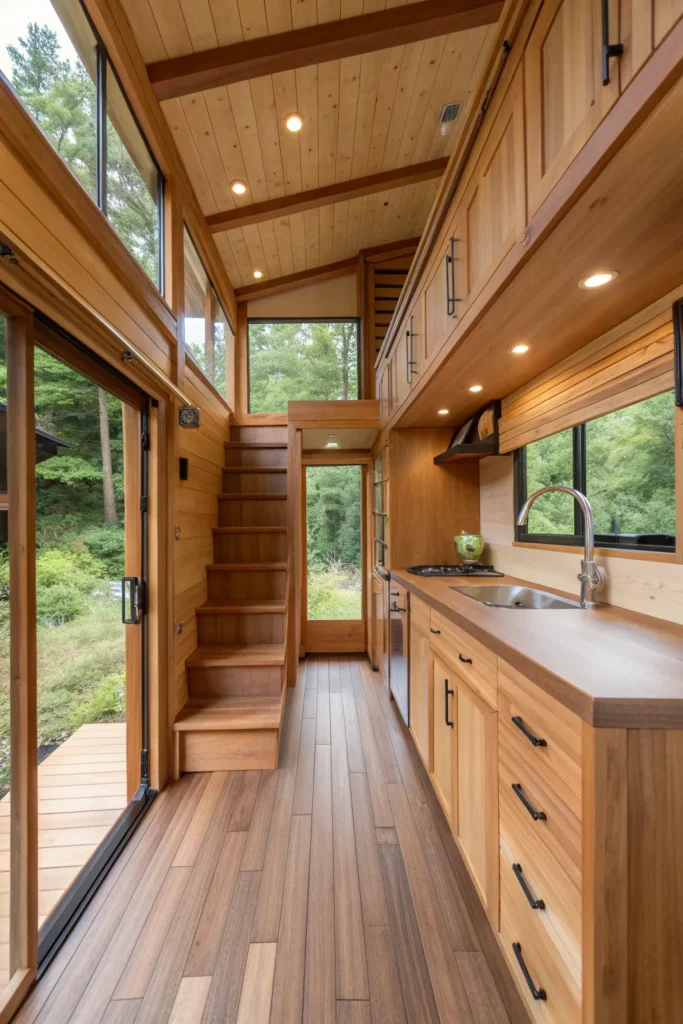
Warm wood tones play a huge role in Japanese interiors. Cedar, cypress, bamboo, and pine often appear in floors, ceilings, cabinetry, and trim. In tiny houses, natural wood adds an organic softness that balances minimalism with warmth. The material also ages beautifully, giving the home character over time.
7. Indoor–Outdoor Connection
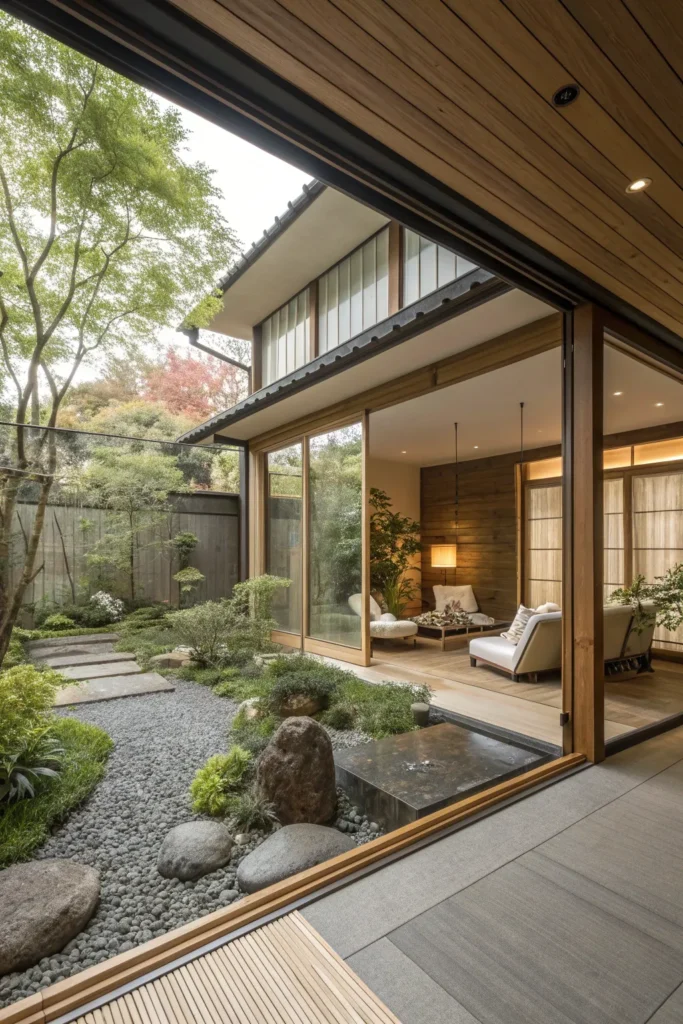
Japanese homes traditionally embrace nature, and tiny houses can do the same—even on small lots. Large windows, sliding glass walls, or tiny terraces can make your interior feel bigger by drawing the eye outward. Houseplants, quiet gardens, and small rock arrangements further reinforce the home’s relationship with nature.
8. Neutral and Earthy Color Palettes
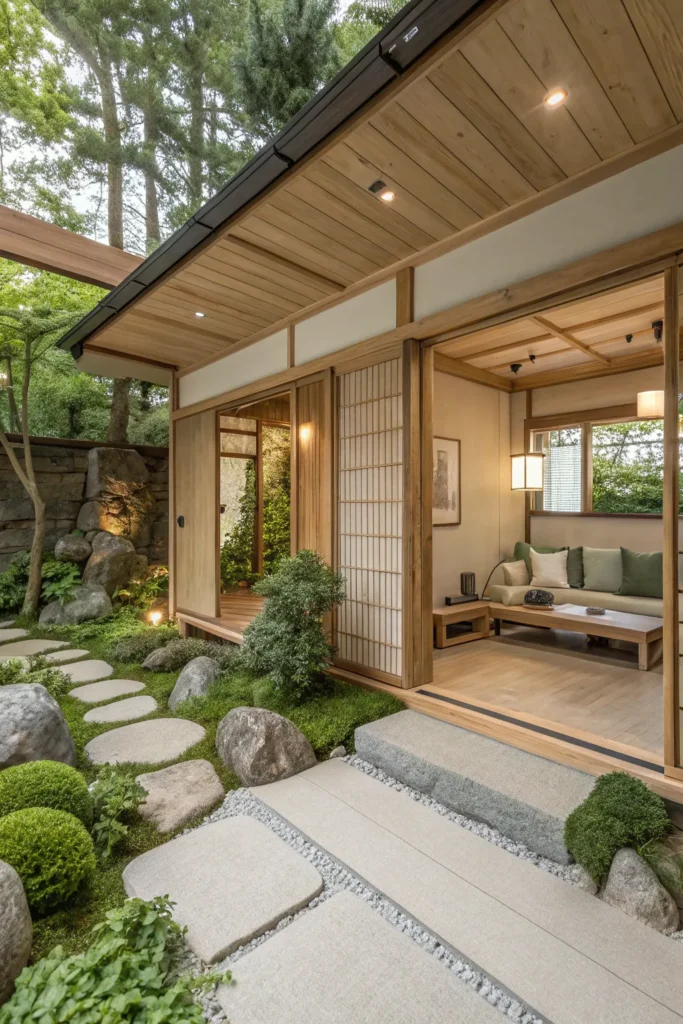
Japanese-inspired tiny homes typically favor soft, neutral colors that promote calm and harmony. Beige, warm white, pale grey, moss green, and natural wood tones blend seamlessly to create a soothing environment. These hues visually expand the space and pair well with natural materials, helping the home feel grounded and unified.
9. Compact Japanese Kitchens
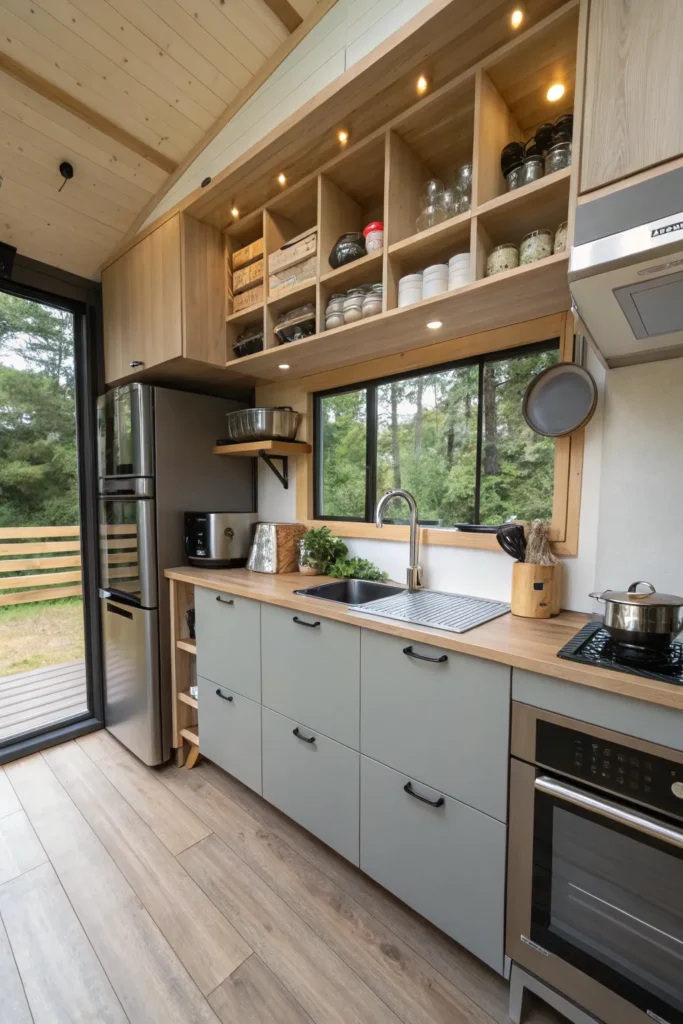
Japanese kitchens are famous for being small yet highly efficient. In tiny homes, this translates to streamlined cabinetry, clever vertical storage, magnetic rails, sliding shelves, and compact appliances. Everything has its place, which reduces clutter and supports mindful living. Smooth surfaces and simple hardware keep the kitchen feeling modern and uncluttered.
10. Built-In Seating and Nooks
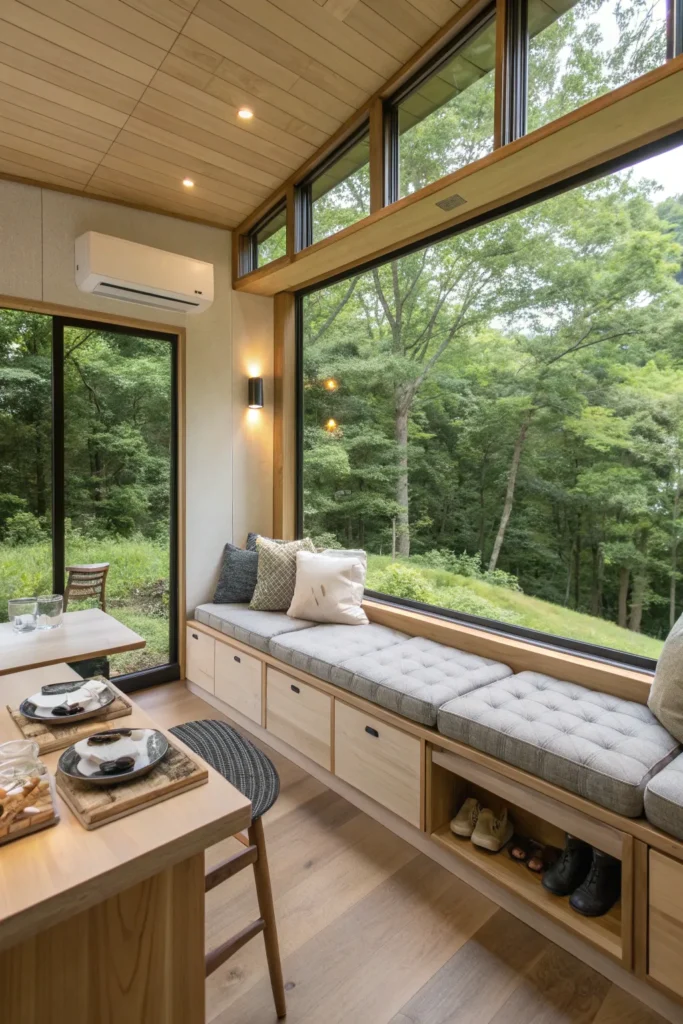
Built-in elements save space and create a cohesive look. Many Japanese tiny homes include cozy window nooks, platform seating, or compact dining benches. These built-ins often pair with smart storage below, maintaining an airy feel by avoiding bulky standalone furniture. They also encourage grounded, low-level living consistent with Japanese tradition.
11. Onsen-Inspired Bathrooms
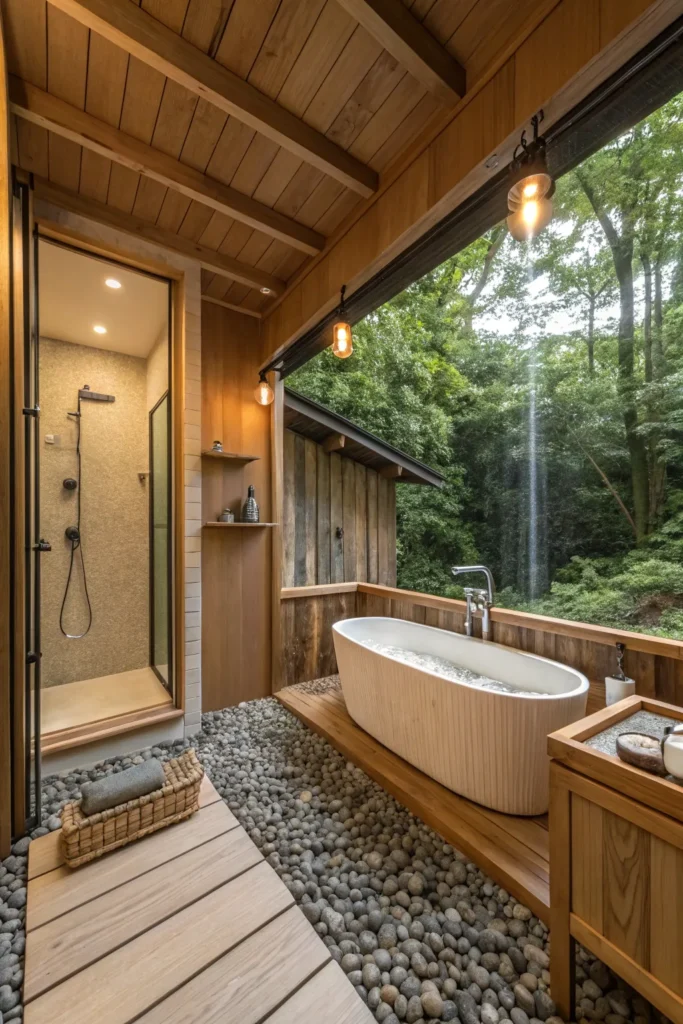
Spa-like bathrooms are a beloved part of Japanese culture, and tiny homes often incorporate compact versions. You’ll see deep soaking tubs, wood accents, pebble floors, and rainfall showers in simple, serene spaces. Even in a limited footprint, thoughtful lighting and natural materials can make a bathroom feel like a peaceful retreat.
12. Decluttered Entryways (Genkan Style)
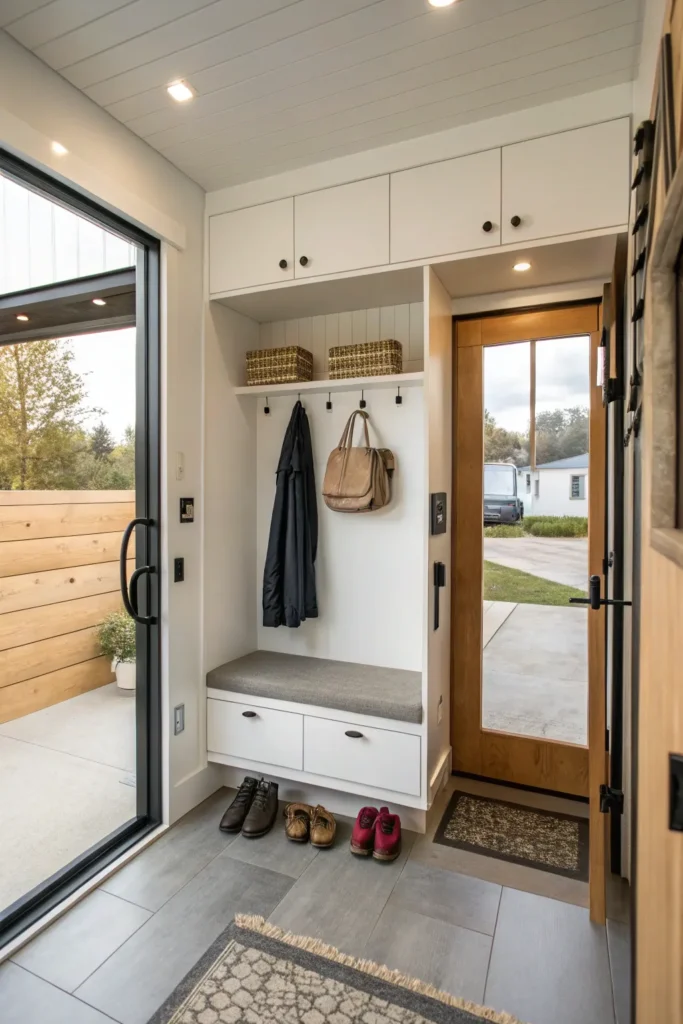
A traditional genkan is a dedicated entryway where people remove shoes before stepping into the main living space. In tiny houses, this can be adapted as a small but efficient mudroom area with shoe storage, hooks, and a bench. This simple feature instantly reduces mess and enhances the home’s sense of order.
13. Low-Profile Living
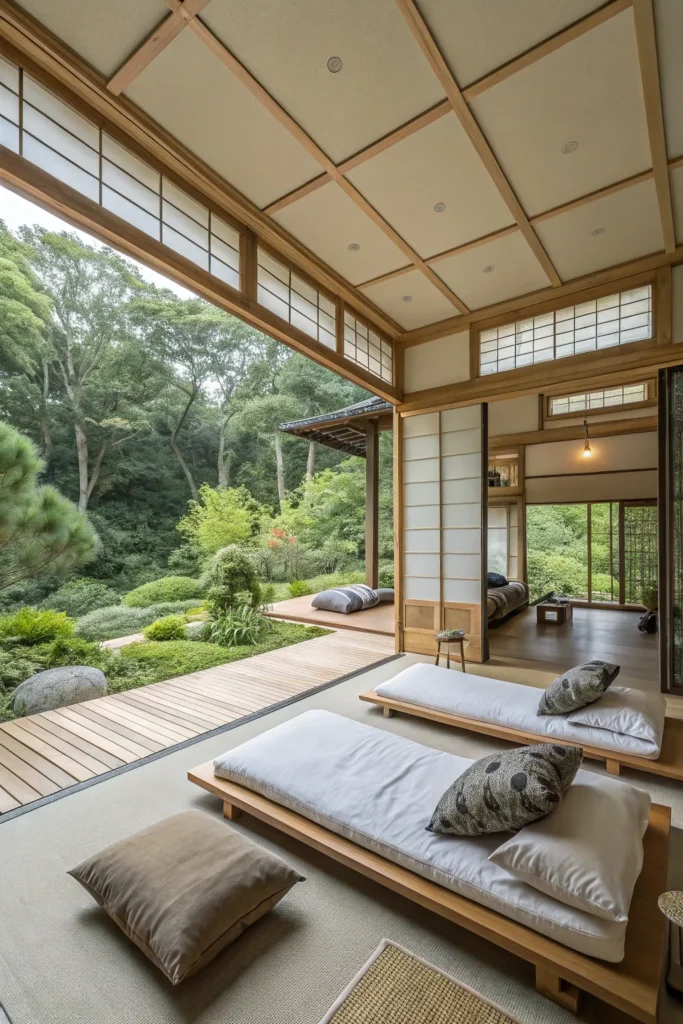
Furniture in Japanese homes tends to be low to the ground, which makes ceilings feel higher and rooms appear more spacious. Low beds, floor cushions, and short-legged tables contribute to a refined yet relaxed atmosphere. This style works beautifully in tiny homes, helping create an airy, unobstructed visual flow.
14. Emphasis on Craftsmanship
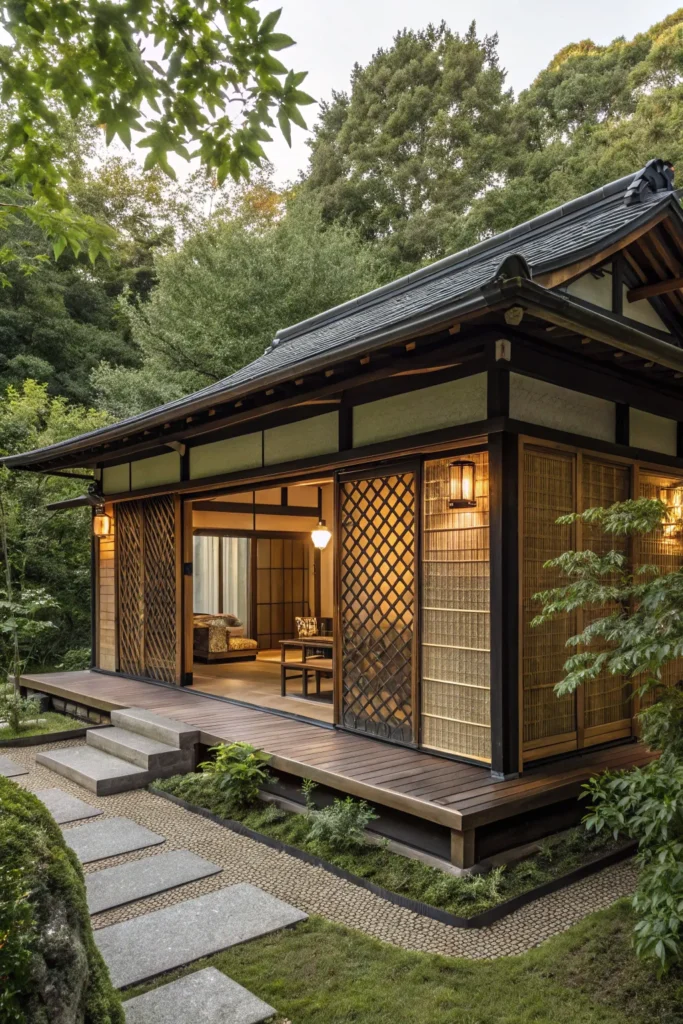
Japanese tiny houses often incorporate handcrafted details, even in small doses. Joinery, textured wall finishes, woven fabrics, and artisanal ceramics can all elevate a minimalist space. These details add soul and authenticity without contributing to clutter, making the home feel intentional and artful.
15. Wabi-Sabi Influence
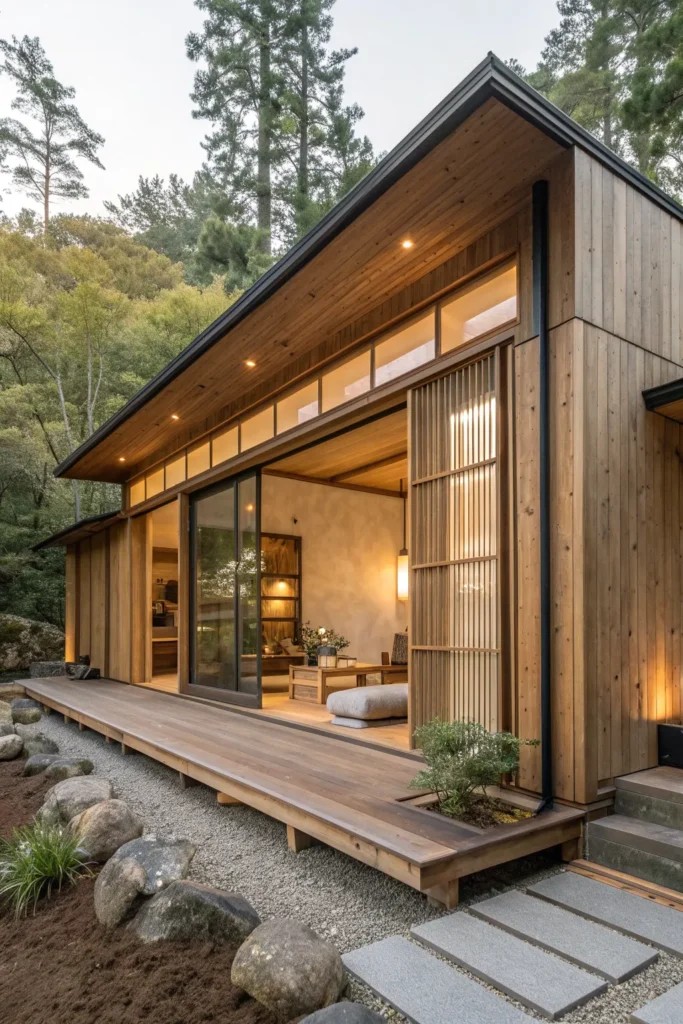
Wabi-sabi embraces imperfection and simplicity, making it perfect for tiny home living. Instead of striving for a flawless, overly polished look, this philosophy encourages natural wear, organic textures, and pieces with history. Accepting the beauty of imperfection helps create a tiny home that feels peaceful, personal, and grounded.
Final Thoughts
Japanese tiny house design isn’t just about aesthetics—it’s a lifestyle rooted in simplicity, harmony, and purpose. By embracing natural materials, multifunctional design, and mindful organization, even the smallest home can become a sanctuary.
These 15 inspirations can guide you in creating a tiny retreat that feels expansive, soothing, and deeply connected to nature. Whether you incorporate just a few of these ideas or embrace the entire philosophy, your tiny home will reflect the timeless elegance of Japanese design.