15 Japandi Kitchen Design Ideas
Japandi kitchens combine Japanese minimalism with Scandinavian warmth to create spaces that feel calm, natural, and deeply functional.
The aesthetic values simplicity, craftsmanship, and intentional design, favoring quality materials, soft neutral palettes, and uncluttered layouts.

A Japandi kitchen is not just a visual style but a way of shaping an environment that supports peaceful daily living.
Through thoughtful design choices, it becomes a space that feels grounding, efficient, and quietly beautiful. These fifteen ideas explore how Japandi principles can be translated into kitchen design in rich, detailed ways.
1. Natural Wood Cabinetry with Subtle Grain
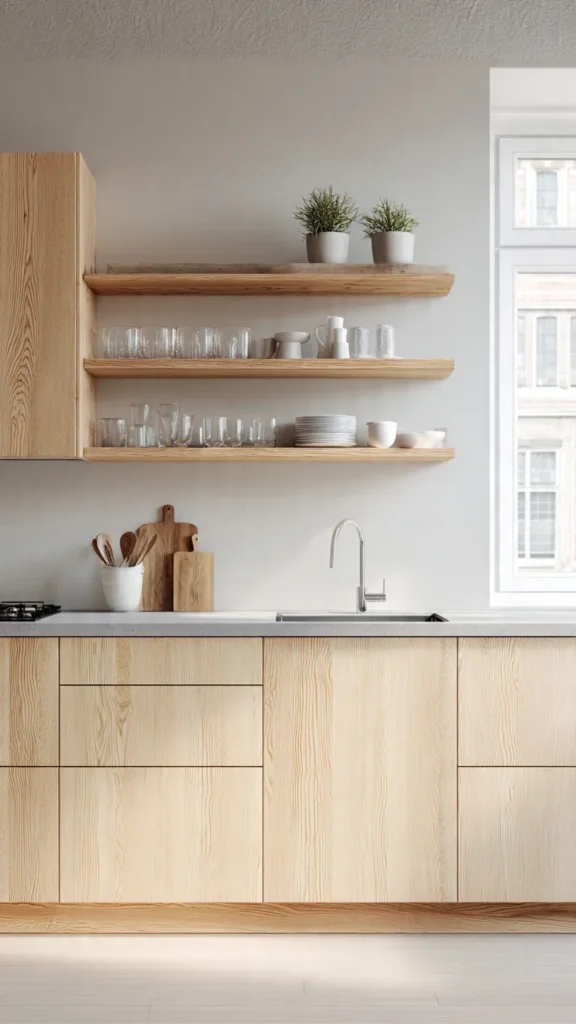
Natural wood cabinetry forms the foundation of most Japandi kitchens because it reflects both cultures’ deep connection to nature. Light woods such as oak, ash, or maple bring warmth without heaviness, allowing the space to feel open and breathable. The subtle grain patterns add visual interest without overwhelming the minimalist aesthetic, creating a balance between texture and simplicity.
Using flat-panel or slab-front cabinets enhances this calm appearance by eliminating unnecessary ornamentation. The wood becomes the focal point rather than the form of the cabinet itself. This creates a sense of continuity across the kitchen, making it feel cohesive and peaceful while still rich in natural character.
2. Soft Neutral Color Palette for Visual Calm

Japandi kitchens rely on soft neutral tones such as warm whites, beige, sand, and light gray to establish a serene environment. These colors reflect light gently and create a sense of openness, making even small kitchens feel spacious and calm.
Subtle variations within the neutral palette prevent the room from feeling flat or sterile. For example, pairing creamy walls with pale stone countertops and light wood cabinetry creates layers of softness and depth while maintaining harmony.
3. Matte Finishes for a Gentle, Refined Look
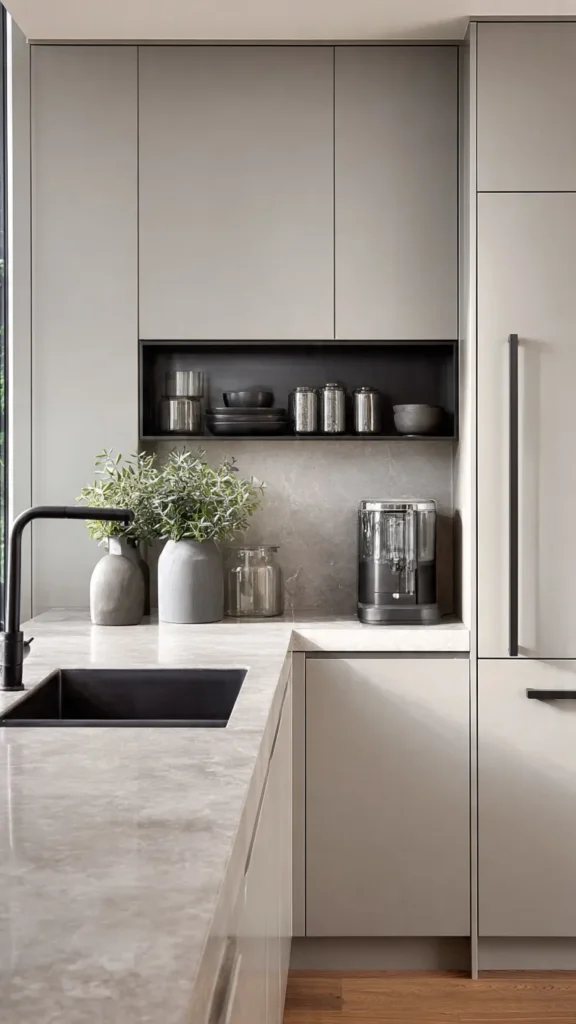
Matte finishes help maintain the understated elegance of Japandi kitchens by reducing glare and visual noise. Matte cabinets, counters, and even appliances absorb light rather than reflect it sharply, contributing to a softer and more tranquil atmosphere.
This quality enhances the tactile experience of the space as well. Surfaces feel more natural and inviting, aligning with Japandi’s emphasis on sensory comfort and subtle beauty.
4. Minimal Open Shelving with Purposeful Display
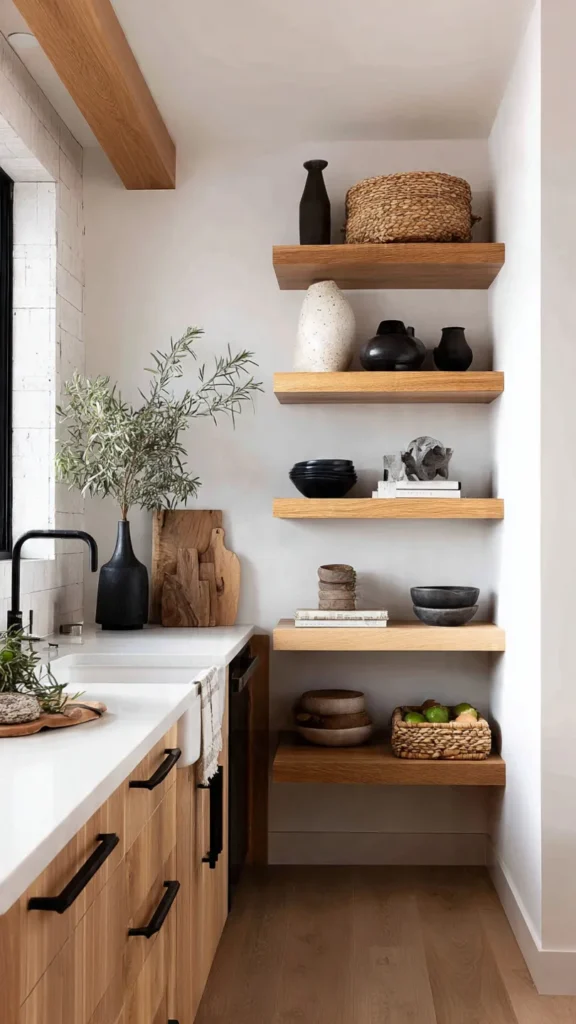
Open shelving is used sparingly in Japandi kitchens and only to display meaningful, beautiful objects. Handmade ceramics, simple glassware, or wooden utensils become part of the visual language of the room.
This keeps the space from feeling cluttered while allowing personality to emerge. Each item is chosen for both function and beauty, reinforcing the idea that everyday objects can be artful and intentional.
5. Stone and Concrete Countertops for Earthy Balance
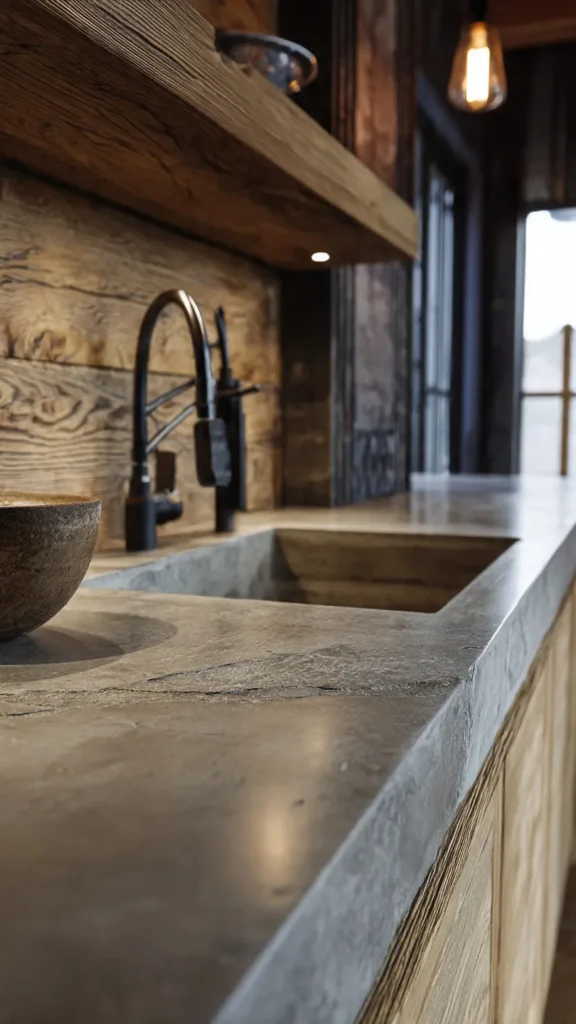
Stone and concrete countertops introduce a grounded, earthy quality that balances the warmth of wood. Their natural textures and muted tones enhance the organic feel of the kitchen while adding durability and timelessness.
These materials also create visual contrast that keeps the space from becoming too soft or monotone. The interplay between wood and stone reflects nature’s balance, which is central to Japandi philosophy.
6. Integrated Appliances for Seamless Flow
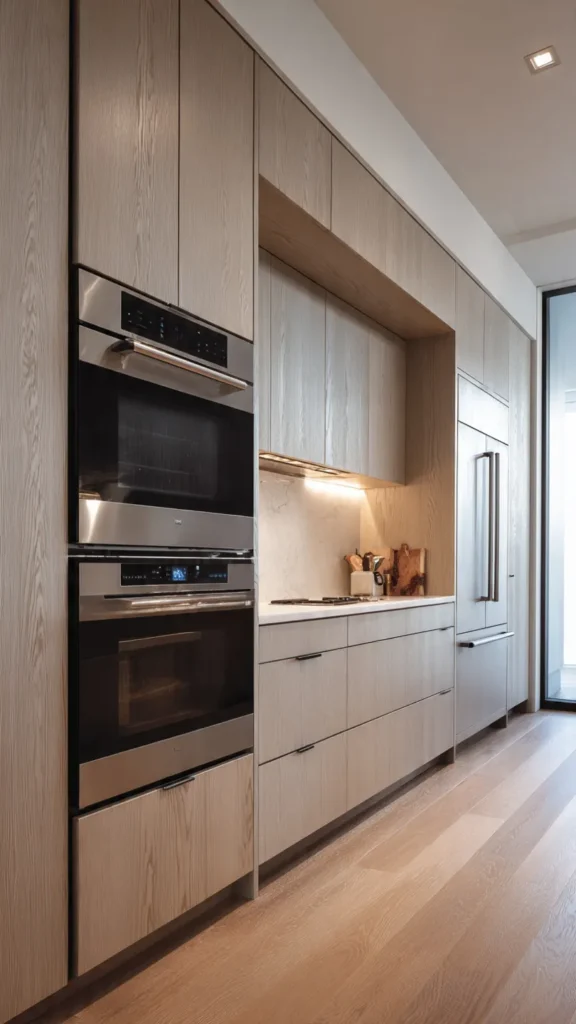
Integrated appliances maintain the clean, uninterrupted lines that define Japandi kitchens. When refrigerators, dishwashers, and ovens blend into cabinetry, the kitchen feels less mechanical and more like a natural living space.
This seamlessness enhances visual calm and allows the design to focus on materials, light, and proportion rather than on appliances.
7. Handleless Cabinetry or Subtle Pulls
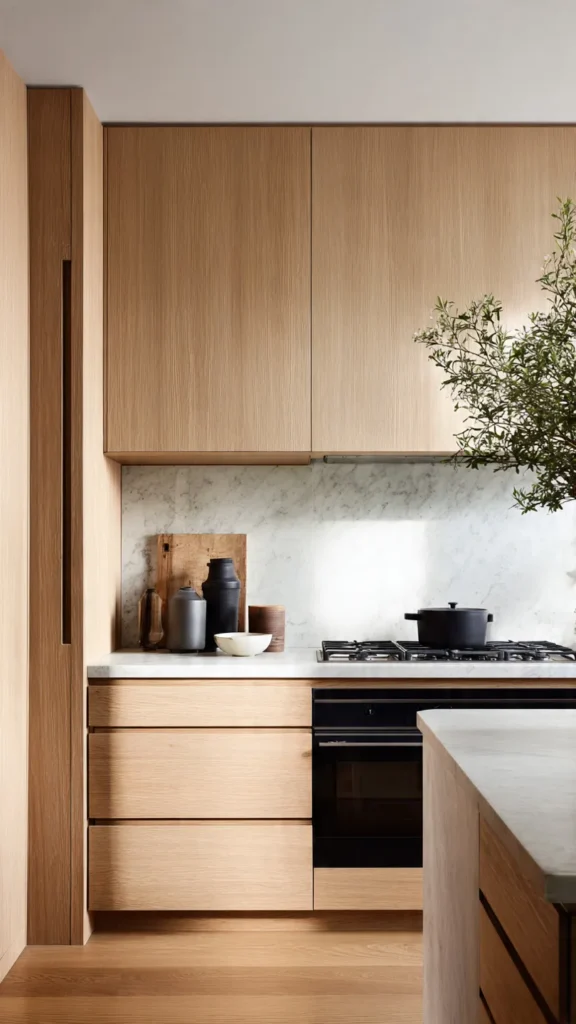
Removing visible hardware or using recessed or minimal pulls helps preserve the smooth flow of surfaces. This detail reduces visual clutter and enhances the minimalist elegance of the space.
When hardware is used, it is often in soft black, brushed brass, or wood to maintain warmth and subtle contrast.
8. Warm, Layered Lighting
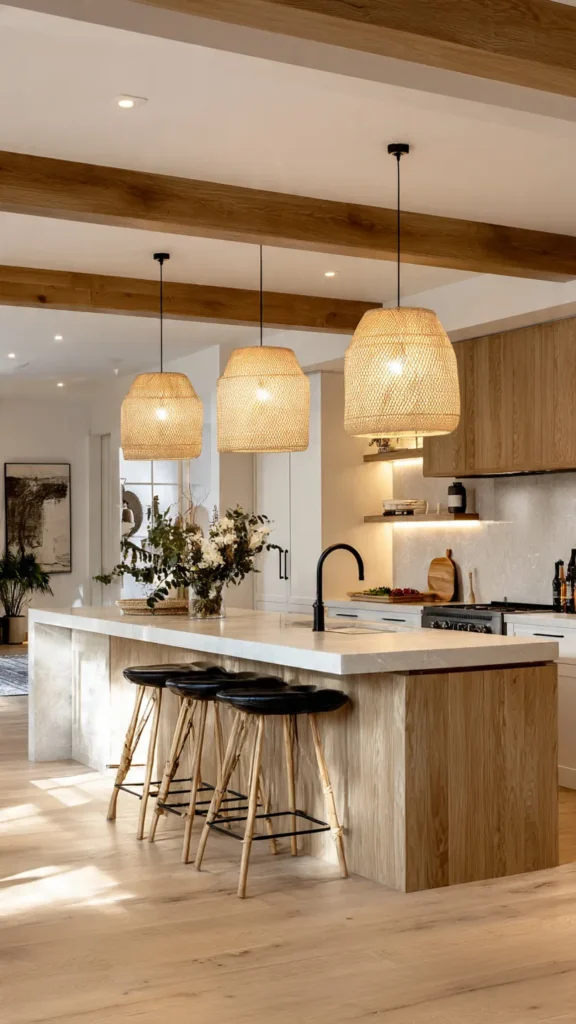
Lighting in Japandi kitchens is soft, warm, and layered to create both function and atmosphere. Under-cabinet lighting, pendant lights with natural shades, and gentle ambient lighting work together to create a cozy glow.
This lighting enhances textures and materials while avoiding harsh shadows or glare. It makes the kitchen feel welcoming at all times of day.
9. Earthy Accent Colors for Depth
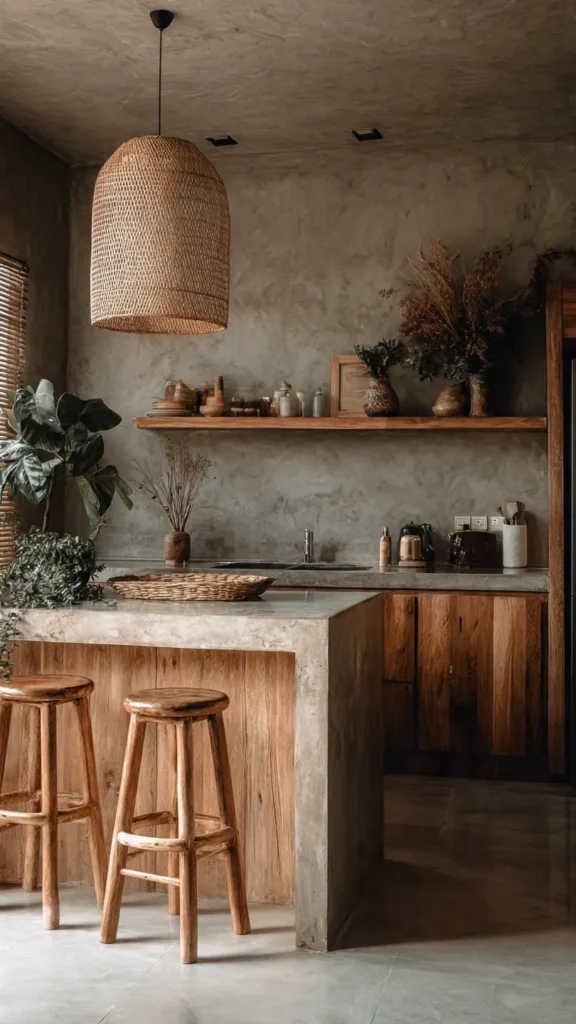
Although the base palette is neutral, small touches of earthy colors such as clay, sage, charcoal, or muted terracotta add warmth and depth. These colors appear in ceramics, textiles, or small decor items.
They create gentle contrast while maintaining harmony, preventing the kitchen from feeling overly monochrome or cold.
10. Simple, Textured Backsplashes
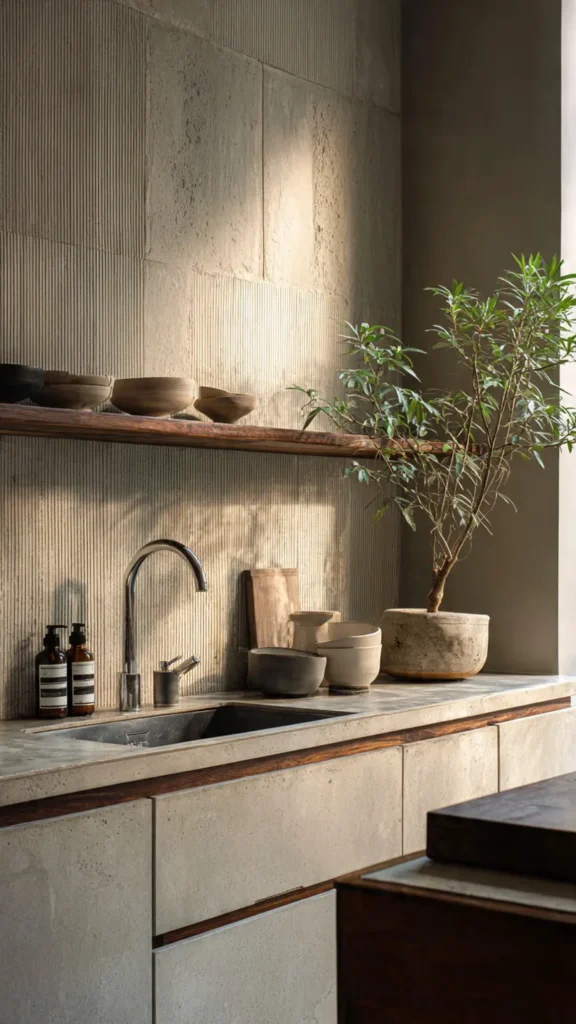
Backsplashes in Japandi kitchens are understated yet rich in texture. Handmade tiles, plaster finishes, or softly veined stone add depth without becoming visually dominant.
These subtle textures catch light gently and add character while preserving the calm aesthetic of the space.
11. Low Visual Contrast for Flow and Balance

Japandi kitchens favor low contrast between surfaces, creating smooth transitions between walls, cabinets, and counters. This continuity enhances the sense of flow and makes the kitchen feel more unified.
The result is a space that feels restful to the eye and emotionally calming, encouraging slow, mindful use.
12. Thoughtful, Functional Layout
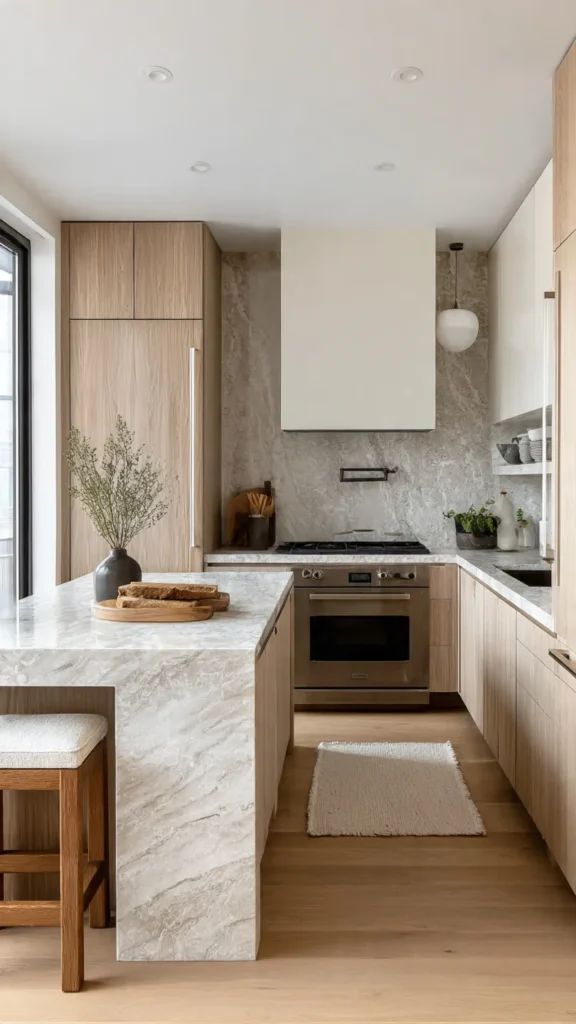
Functionality is central to Japandi design. The layout prioritizes ease of movement, accessibility, and logical placement of elements.
This thoughtful organization reduces stress and makes daily tasks feel smoother and more intuitive, reinforcing the idea that beauty should support function.
13. Natural Textiles for Softness
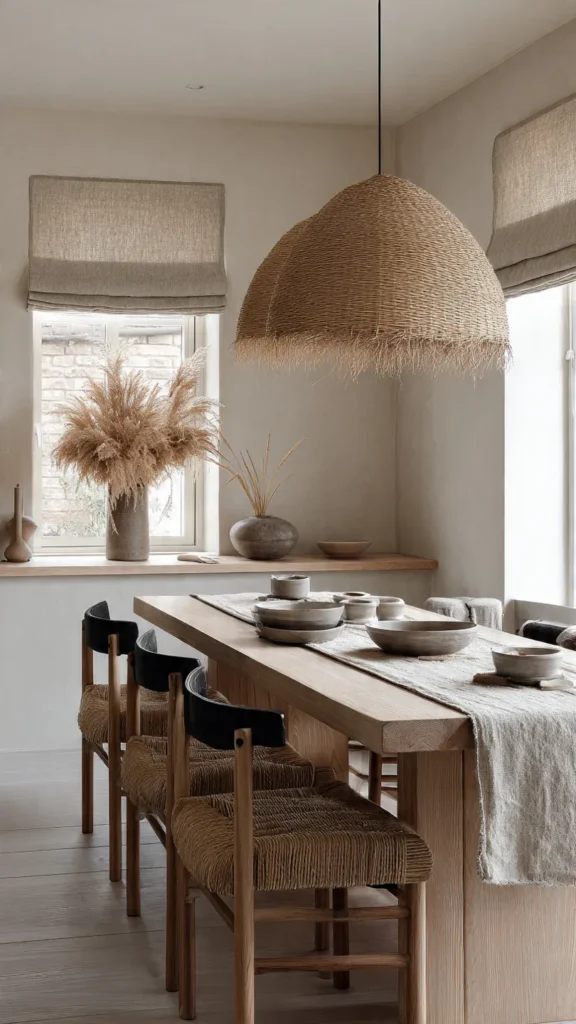
Textiles such as linen curtains, cotton towels, or woven mats soften the harder surfaces of the kitchen. They add warmth, texture, and a human touch.
These elements make the kitchen feel more lived-in and comfortable, transforming it from a purely functional space into a nurturing environment.
14. Subtle Decorative Touches with Meaning

Decor in Japandi kitchens is minimal and intentional. A single branch in a ceramic vase, a handmade bowl, or a stone sculpture becomes a quiet focal point.
These touches add soul and personality without clutter, supporting a sense of mindfulness and calm.
15. Emphasis on Craftsmanship and Longevity

Japandi kitchens prioritize quality over quantity, choosing well-made, timeless pieces rather than trend-driven decor. This creates a space that ages gracefully and remains beautiful over time.
The focus on craftsmanship adds authenticity and depth, making the kitchen feel personal, enduring, and deeply satisfying.
Japandi kitchen design is about more than aesthetics; it is about creating an environment that nurtures calm, clarity, and balance in everyday life. By blending simplicity with warmth and functionality with beauty, these kitchens become spaces of quiet joy and mindful living. Through thoughtful materials, gentle colors, and intentional choices, Japandi kitchens offer a timeless approach to creating peaceful, meaningful homes.