14 Japandi-Inspired Yoga Studio Ideas for a Calm, Balanced Practice Space
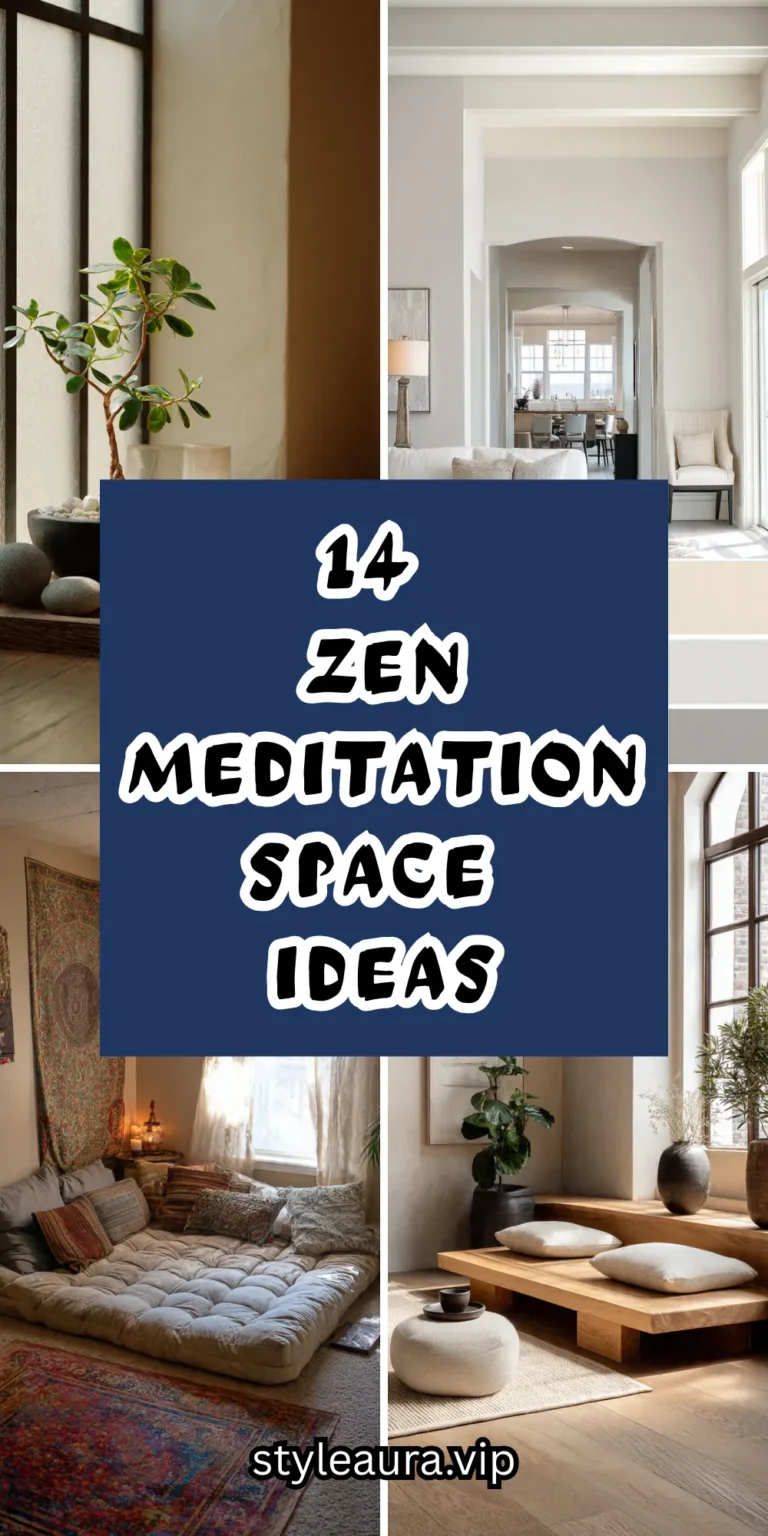
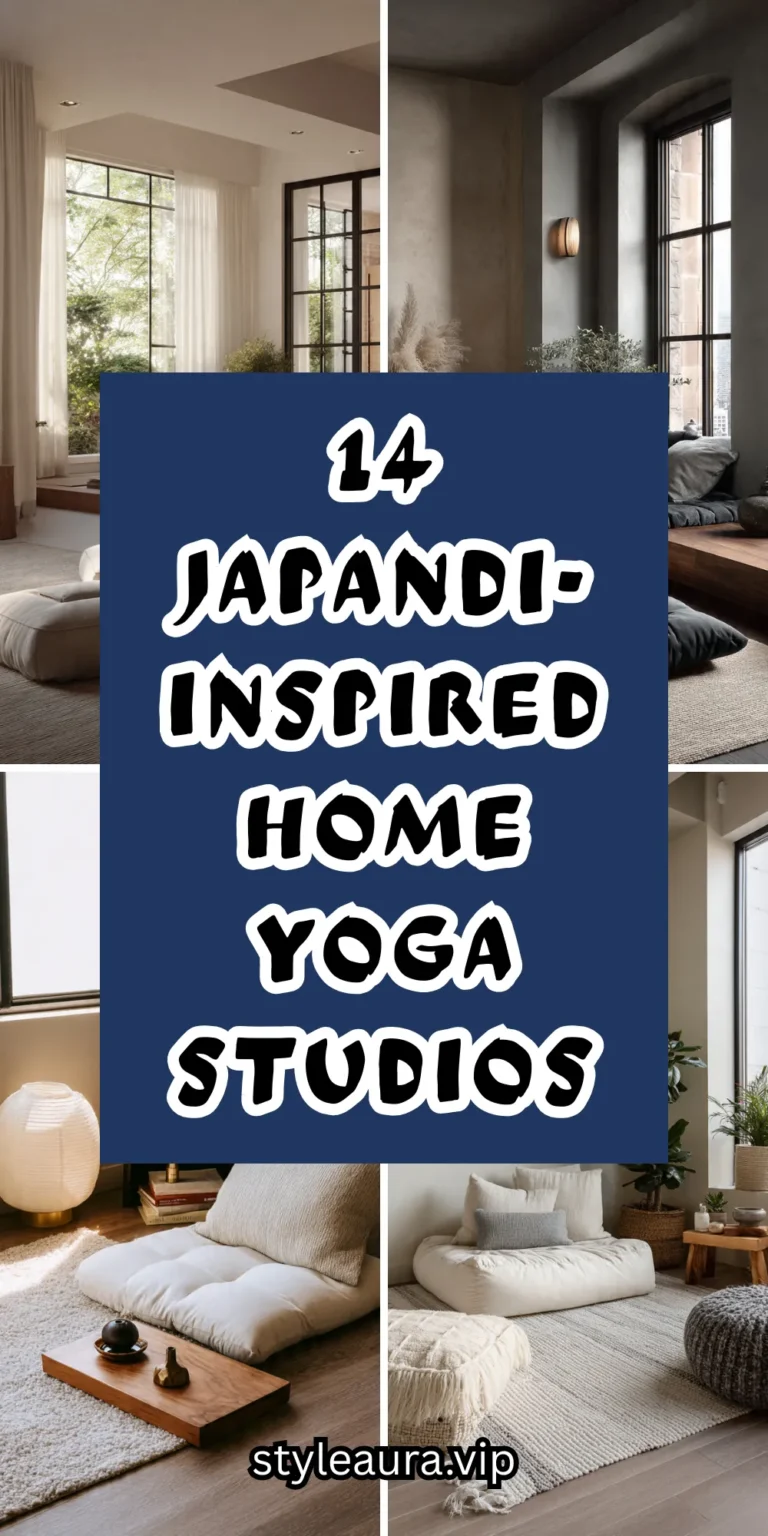
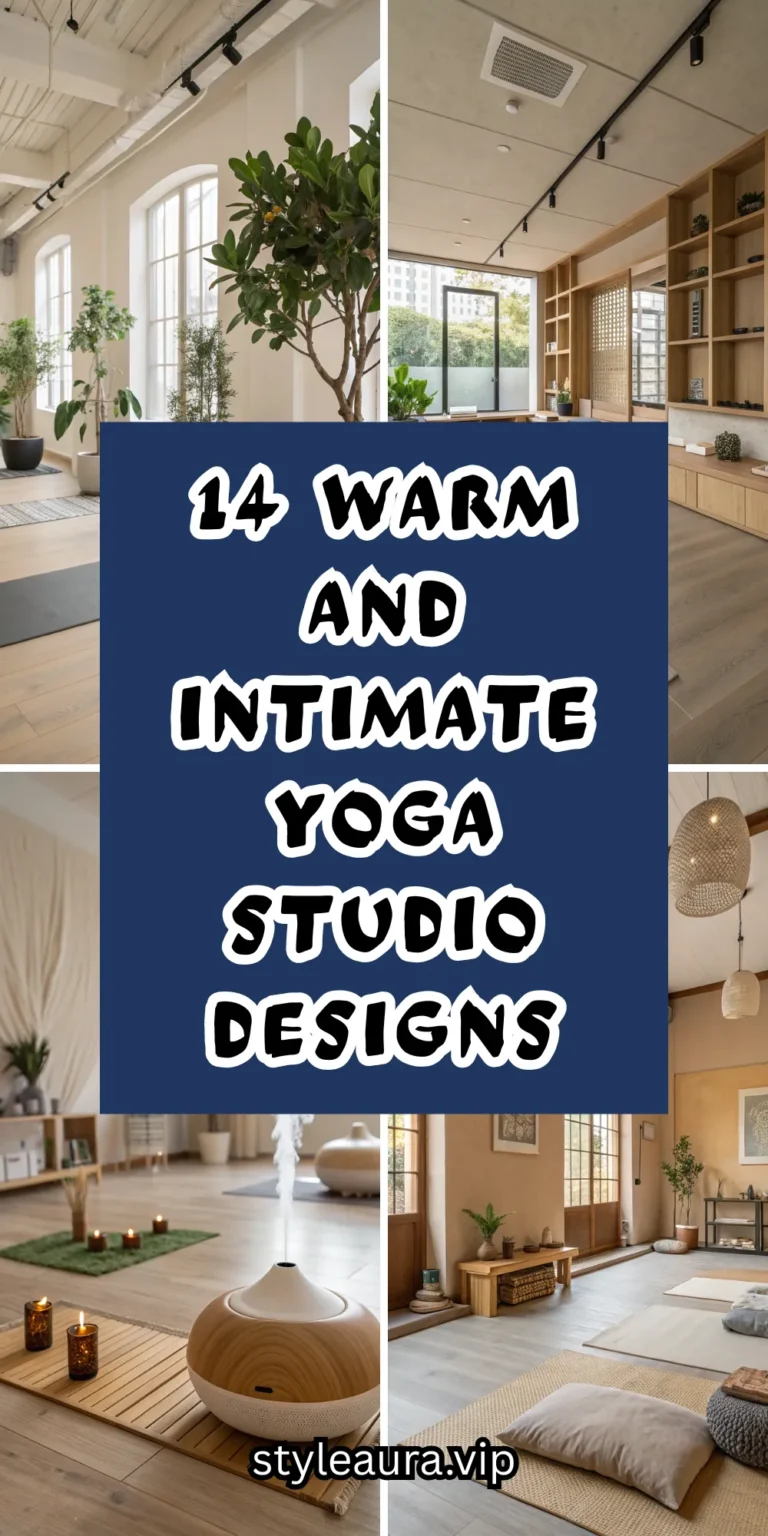
Creating a yoga studio that feels peaceful, intentional, and deeply grounding is essential for both physical movement and inner stillness. Japandi design—a refined blend of Japanese minimalism and Scandinavian warmth—offers the perfect foundation for a yoga studio that encourages mindfulness without feeling cold or austere.
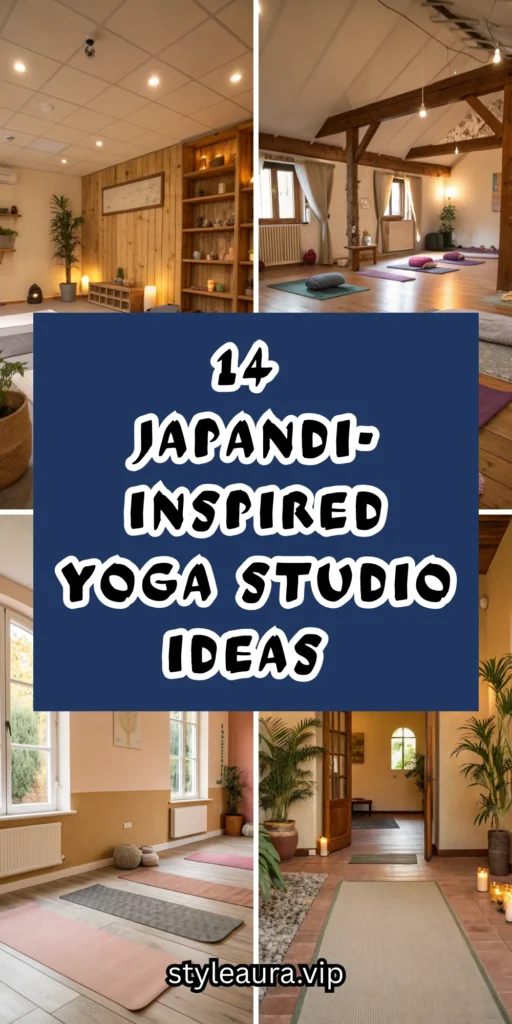
By combining natural materials, soft neutrals, functional layouts, and subtle texture, Japandi-inspired yoga studios become sanctuaries of calm where every element has a purpose. Below are 14 thoughtfully curated Japandi-inspired yoga studio ideas to help you design a space that feels serene, balanced, and restorative.
1. Neutral Earth-Tone Color Palette for Visual Calm
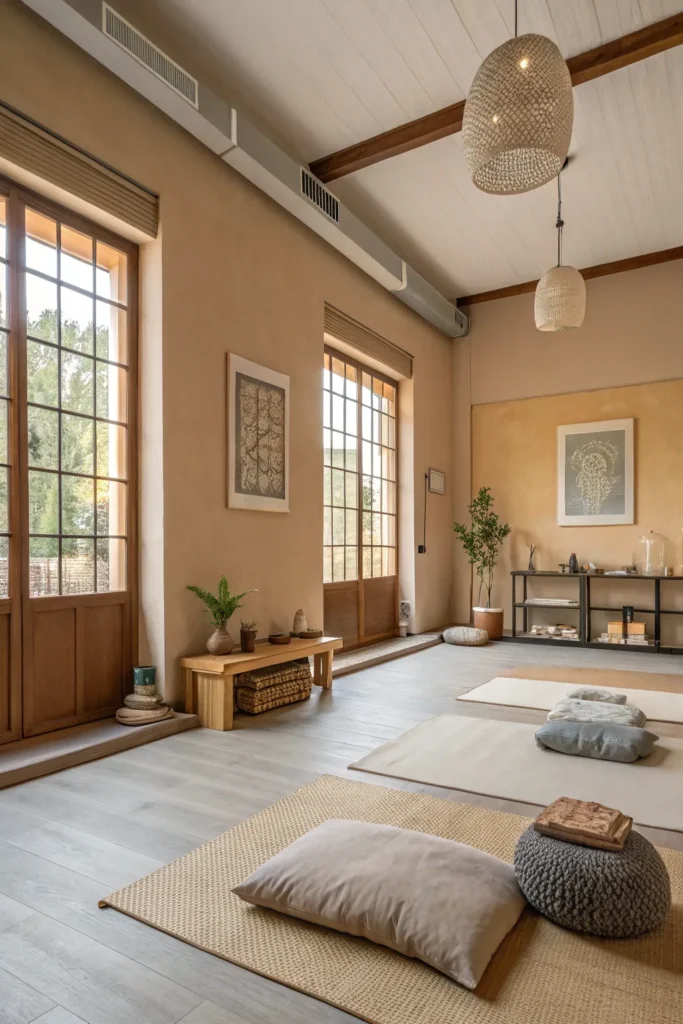
A Japandi yoga studio begins with a quiet, grounded color palette. Think warm whites, soft beiges, stone grays, muted taupe, and gentle clay tones. These hues reduce visual noise and allow the mind to settle as soon as you step onto the mat. Unlike stark white studios, Japandi neutrals feel warmer and more welcoming, supporting longer meditation sessions and slower yoga practices. Keeping walls matte rather than glossy helps absorb light softly, enhancing the tranquil atmosphere.
2. Natural Wood Flooring for Warmth and Connection

Wood plays a central role in Japandi design, and it is especially well-suited for yoga studios. Light oak, ash, or bamboo flooring adds warmth underfoot while maintaining a clean, uncluttered aesthetic. The natural grain of wood subtly connects the body to nature, reinforcing grounding during poses and breathwork. For added comfort, layer the floor with simple cotton or jute yoga rugs that blend seamlessly with the neutral palette.
3. Minimalist Layout with Intentional Open Space

Japandi-inspired yoga studios prioritize space as a design element. Avoid overcrowding the room with unnecessary furniture or décor. An open layout allows energy to flow freely, supports smooth transitions between poses, and helps practitioners feel unconfined. Keep the center of the studio clear, with storage and accessories tucked neatly along the perimeter. This intentional emptiness fosters mental clarity and encourages deeper focus.
4. Low Furniture to Encourage Grounded Energy

Low-profile furniture is a hallmark of Japandi interiors and works beautifully in a yoga studio. Meditation benches, low shelving units, and floor-level seating create a grounded, stable feeling. This approach visually lowers the room’s center of gravity, making the space feel calmer and more balanced. Low furniture also keeps sightlines open, preserving the studio’s airy, uncluttered look.
5. Soft, Diffused Natural Lighting
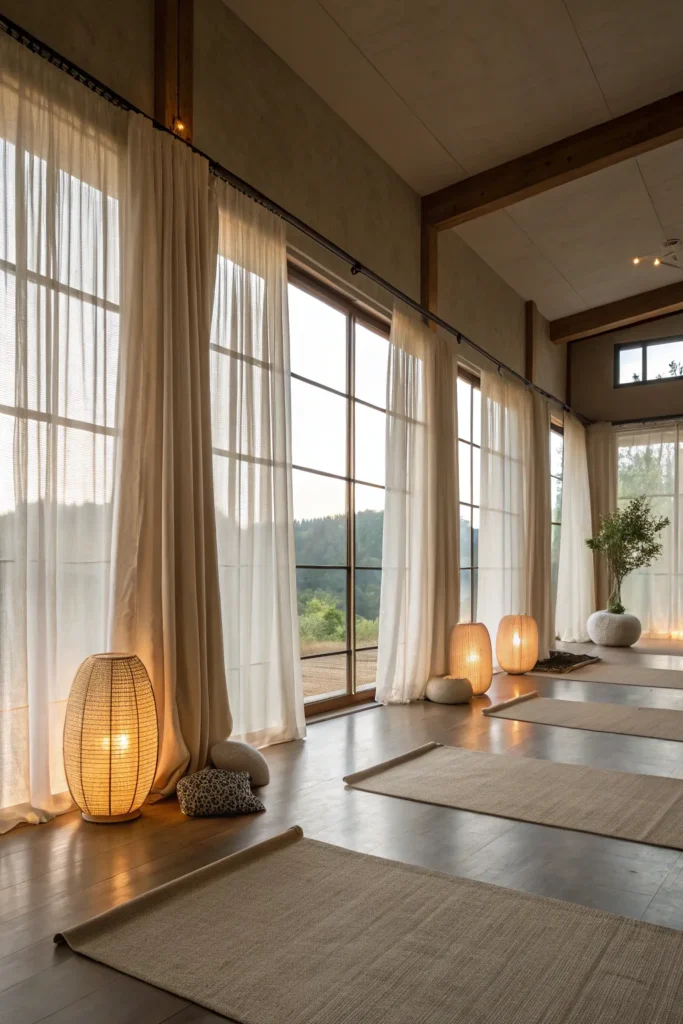
Lighting can dramatically affect the mood of a yoga studio. Japandi design favors soft, natural light that gently fills the space without harsh contrasts. Large windows with sheer linen curtains allow daylight to filter in while maintaining privacy. If natural light is limited, use warm LED lighting with paper or fabric shades to mimic daylight. The goal is a glow that feels soothing rather than stimulating, ideal for both energizing flows and restorative practices.
6. Simple, Purposeful Storage Solutions

Clutter disrupts calm, which is why Japandi storage is discreet and highly functional. Built-in wooden shelves, closed cabinets, or woven fabric drawers can store yoga mats, blocks, straps, and bolsters without overwhelming the space. Choose storage in natural finishes that blend into the background, allowing the focus to remain on practice rather than possessions. Every item should feel intentionally placed and easy to access.
7. Subtle Texture Through Natural Materials

Rather than bold patterns, Japandi yoga studios rely on texture to add depth and interest. Linen cushions, cotton meditation mats, wool throws, and handwoven wall hangings bring softness without visual distraction. These tactile elements enhance sensory awareness during practice, making the studio feel comforting and lived-in while still maintaining a minimalist aesthetic.
8. Indoor Plants for Quiet Vitality

Plants are a gentle way to introduce life into a Japandi-inspired yoga studio. Choose a few well-placed, low-maintenance plants such as fiddle leaf figs, snake plants, or olive trees. Their organic forms soften clean lines and subtly purify the air. Keep plant choices minimal and avoid overcrowding, allowing each one to stand as a quiet symbol of growth and balance.
9. Japanese-Inspired Wall Art with Scandinavian Restraint
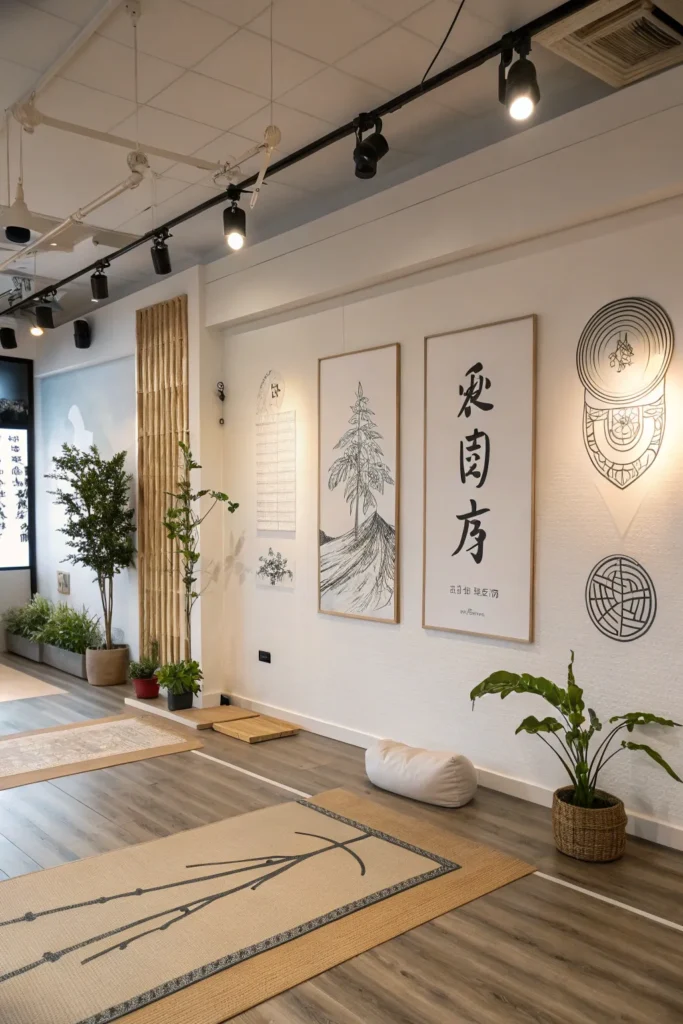
Wall décor in a Japandi yoga studio should be minimal and meaningful. Simple ink-style artwork, abstract line drawings, or nature-inspired prints align beautifully with the aesthetic. Avoid motivational quotes or busy designs that can pull attention outward. Instead, let art quietly support contemplation, acting as a visual anchor rather than a focal distraction.
10. Thoughtful Use of Natural Scents

Scent plays an understated but powerful role in a yoga environment. Japandi philosophy embraces subtlety, so opt for gentle, natural aromas such as sandalwood, cedar, or lavender. Essential oil diffusers or incense with clean, simple holders can enhance relaxation without overpowering the senses. The scent should be barely noticeable, supporting breath awareness rather than competing with it.
11. Acoustic Softness for a Peaceful Atmosphere

Sound control is often overlooked, but it’s essential for a serene yoga studio. Japandi interiors use soft materials to absorb excess noise and create a hushed environment. Fabric wall panels, thick curtains, or cork surfaces can help dampen echoes. This acoustic softness allows guided instructions, chanting, or silence itself to feel more immersive and grounding.
12. Functional Props in Harmonized Colors

Yoga props should feel like a natural extension of the studio’s design. Choose mats, blocks, and bolsters in neutral or earth-tone shades that complement the overall palette. Avoid bright colors or mismatched patterns that disrupt visual harmony. When props blend seamlessly into the environment, they support focus and make the studio feel cohesive and intentional.
13. Scandinavian Comfort Meets Japanese Simplicity

One of the defining features of Japandi style is the balance between comfort and restraint. Incorporate Scandinavian coziness through soft textiles and gentle lighting while maintaining Japanese simplicity in form and layout. This combination ensures the studio feels welcoming without becoming cluttered, making it suitable for both beginners and experienced practitioners seeking a calm retreat.
14. A Dedicated Meditation or Reflection Corner

Finally, consider carving out a small corner of the studio dedicated solely to meditation or quiet reflection. This area might include a single floor cushion, a low wooden table, or a simple candle arrangement. By creating a distinct space for stillness, you reinforce the Japandi philosophy of intentional living and mindful design, encouraging practitioners to slow down and connect inward before or after practice.
A Japandi-inspired yoga studio is more than a design trend—it’s a philosophy that values balance, simplicity, and mindful living. By combining natural materials, restrained color palettes, and purposeful layouts, you create a space that supports both physical movement and inner calm. Whether you’re designing a professional studio or a personal practice room at home, these 14 ideas can help transform your yoga space into a serene sanctuary that feels timeless, grounding, and deeply restorative.