15 Island in the Garden Ideas
The garden island is one of the most underused and most rewarding design concepts available to the domestic outdoor space. It is a planting bed, a structural feature, or a defined zone that exists as a freestanding element within the garden’s open ground, surrounded on all sides by lawn, gravel, or hard paving rather than connected to the boundary borders that most garden planting occupies.
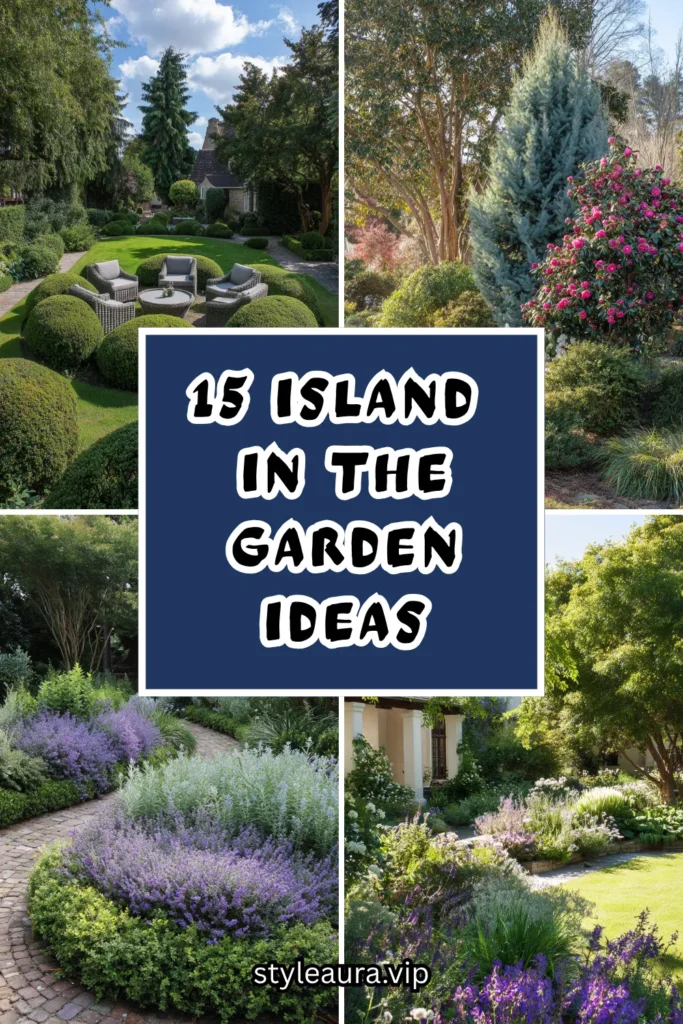
The island’s specific quality is its three-dimensional visibility. Unlike the border that is seen from the front and backed by a wall or fence, the island is experienced from every direction simultaneously, its form, its planting, and its material character visible from every viewpoint in the surrounding garden.
The island bed transforms a flat, undifferentiated garden into a space of genuine depth, movement, and spatial variety. It creates the garden room, the defined pathway, and the visual destination that the open, borderless garden entirely lacks. Here are fifteen island in the garden ideas that bring this powerful design tool to every scale and every style of outdoor space.
1. The Formal Clipped Topiary Island
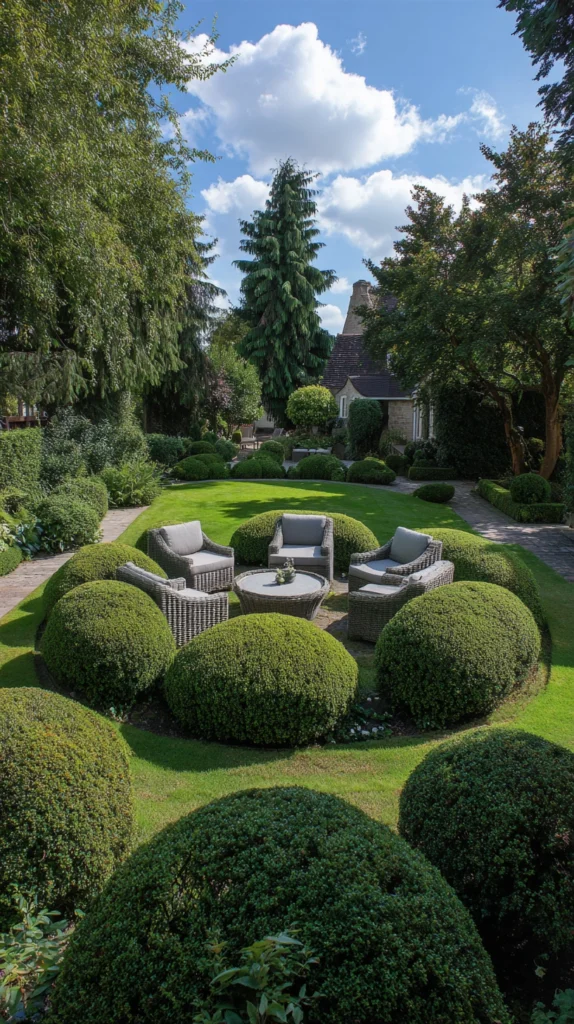
A single island bed of formal geometry, a circle, a square, or an oval, planted with clipped topiary in consistent shapes creates the garden’s most architecturally precise focal point. Box balls in graduated sizes, a central cone of clipped yew, or a single cloud-pruned specimen creates the island of complete classical authority.
The formal topiary island works most powerfully as the garden’s central organizing element, positioned at the intersection of the garden’s primary axes where every viewpoint from the surrounding space converges on it. Its geometric precision creates the visual anchor that the informal garden’s flowing planting cannot provide.
2. The Prairie-Style Grasses and Perennials Island
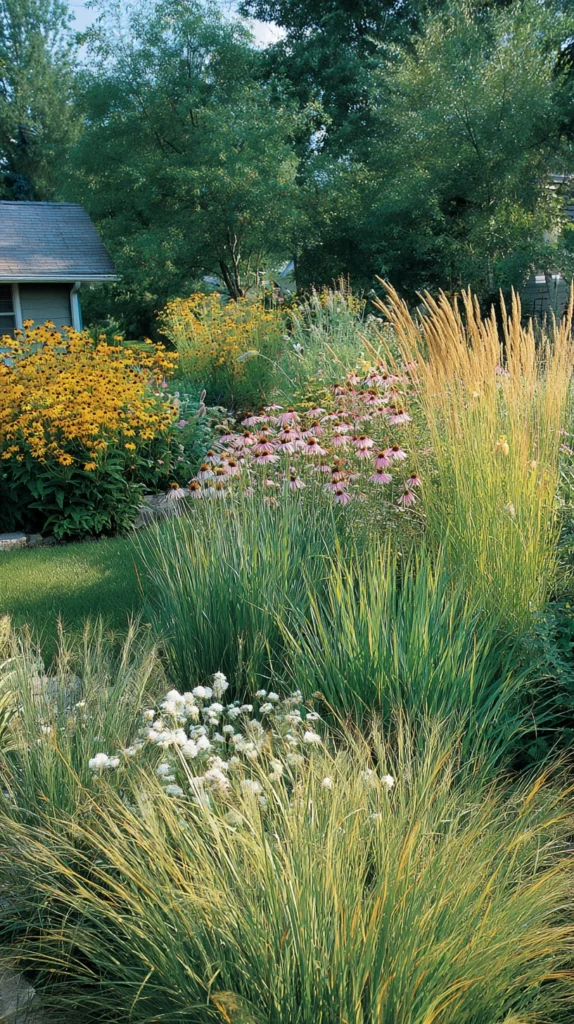
An island bed planted in the naturalistic prairie style, with tall ornamental grasses, bold perennials, and the seasonal succession of flower and seed head that the prairie tradition creates, makes a planting of extraordinary movement and seasonal character in the garden’s open lawn area. Miscanthus, pennisetum, and echinacea create the prairie island’s summer and autumn richness.
The prairie island’s transparency, the way the light passes through the grass stems and the perennial foliage rather than being blocked by dense shrub planting, creates the specific visual quality of a planting that is simultaneously present and permeable. The island can be seen through as well as looked at, creating a depth of visual experience that the solid border planting cannot achieve.
3. The Rose Island Bed
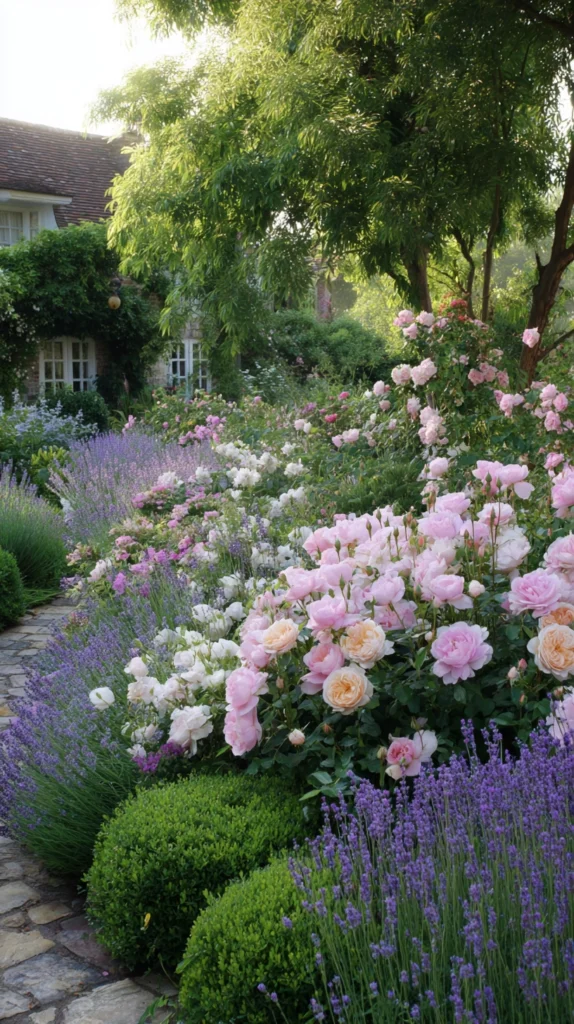
A formal rose island, its beds edged in a simple low box hedge or a steel edging strip, planted with a consistent collection of roses in a harmonious color palette, creates the garden’s most romantically beautiful seasonal feature. A collection of English roses in soft pinks, creams, and warm apricots planted in a formal circular arrangement creates the rose island of complete horticultural ambition.
Underplant the roses with a consistent groundcover of catmint, hardy geranium, or low-growing lavender that covers the roses’ bare lower stems and creates the continuous ground-level planting that the rose island requires between the rose plants’ own flowering periods. The underplanting extends the island’s visual interest beyond the rose’s specific flowering season.
4. The Kitchen Garden Island
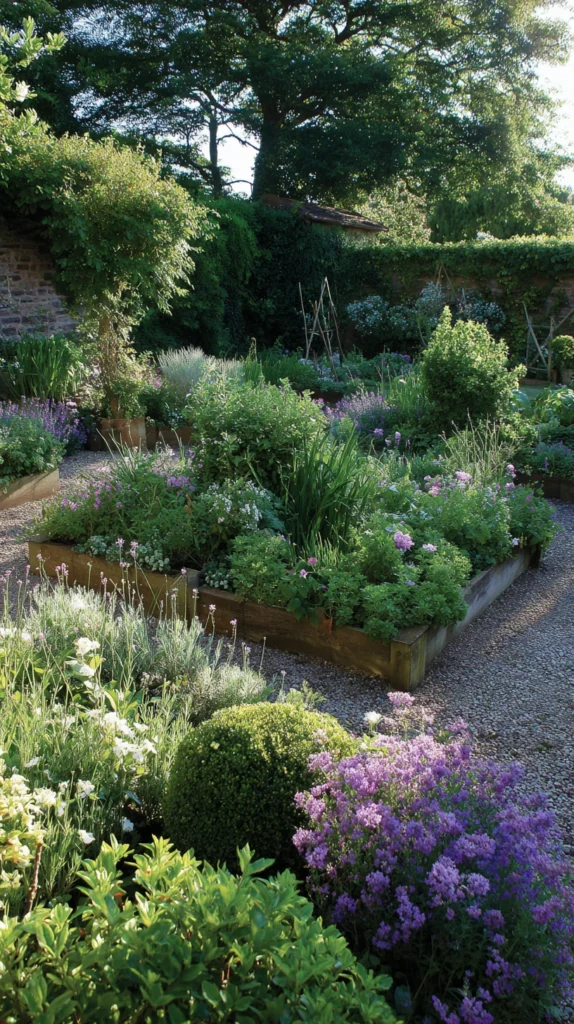
A productive kitchen garden island, its raised timber or steel edged beds planted with vegetables, herbs, and edible flowers in a formal potager arrangement, creates the garden’s most practically useful and most visually interesting working feature.
The formal potager island’s organized productive planting, its varied textures of leaf and stem, its seasonal change from the seed to the harvest, creates a visual interest that the ornamental border’s purely aesthetic planting cannot match in terms of daily engagement.
Position the kitchen garden island within easy reach of the house for the daily harvesting that productive planting requires. The island’s proximity to the kitchen reduces the friction of the harvesting routine and makes the productive garden a genuine part of the daily cooking practice rather than a separate horticultural project.
5. The Water Feature Island
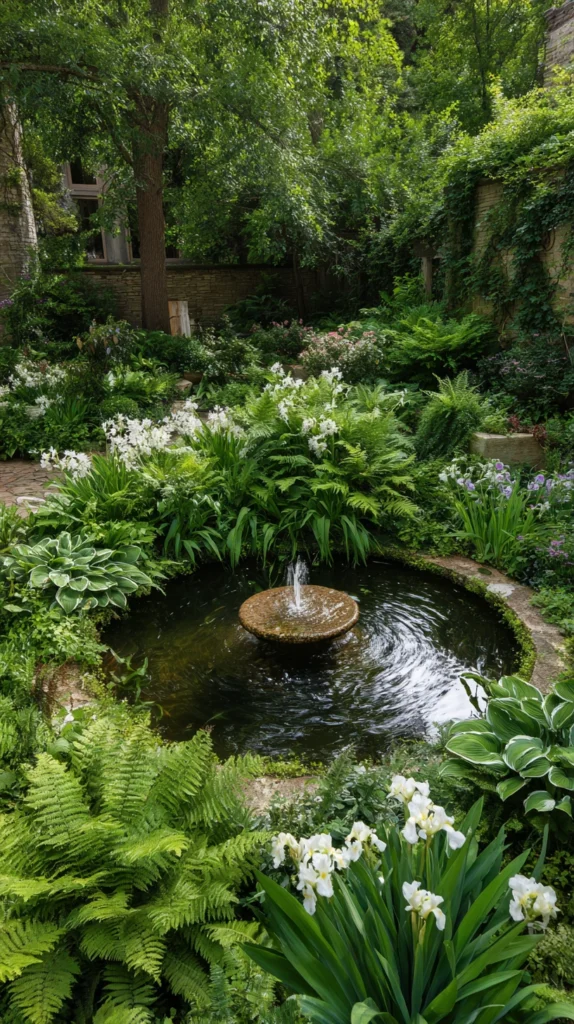
An island whose center is occupied by a recirculating water feature, a simple millstone fountain, a raised pool, or a naturalistic pond, surrounded by water-loving planting of iris, astilbe, and moisture-loving ferns, creates the garden’s most sensory and most atmospherically rich focal point. The water sound carries across the garden from the island’s central position, creating the acoustic quality of the water feature throughout the outdoor space.
The water feature island’s planting should be chosen to create a graduated transition from the water’s edge outward, with the most moisture-dependent species at the water’s immediate margin and progressively more drought-tolerant species at the island’s outer edge where the soil moisture level is lower.
6. The Sculpture Island
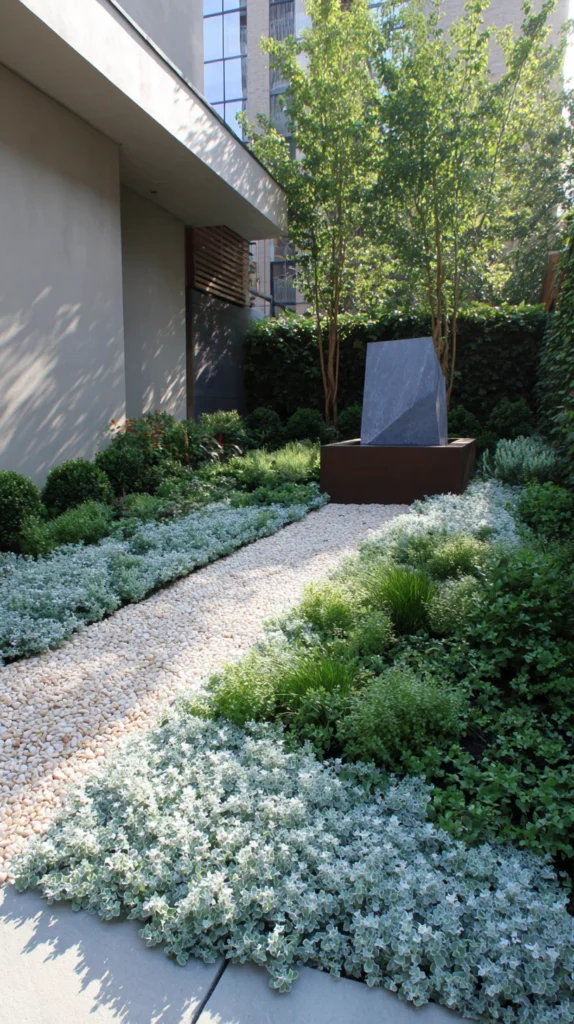
A simple island of low, dense groundcover planting whose primary purpose is the presentation of a single significant sculpture or garden ornament creates the gallery-like display condition of maximum visual clarity and maximum spatial authority. The island’s planting exists to frame and ground the sculpture rather than to create its own horticultural interest.
Choose the island’s groundcover in a tone that relates to the sculpture’s material. A silver-foliaged groundcover of Stachys byzantina creates the most sympathetic backdrop for a pale stone or white marble sculpture. A dark, dense groundcover of clipped box or dark-leaved heuchera creates the most dramatic backdrop for a bronze or weathering steel sculpture.
7. The Wildflower Island
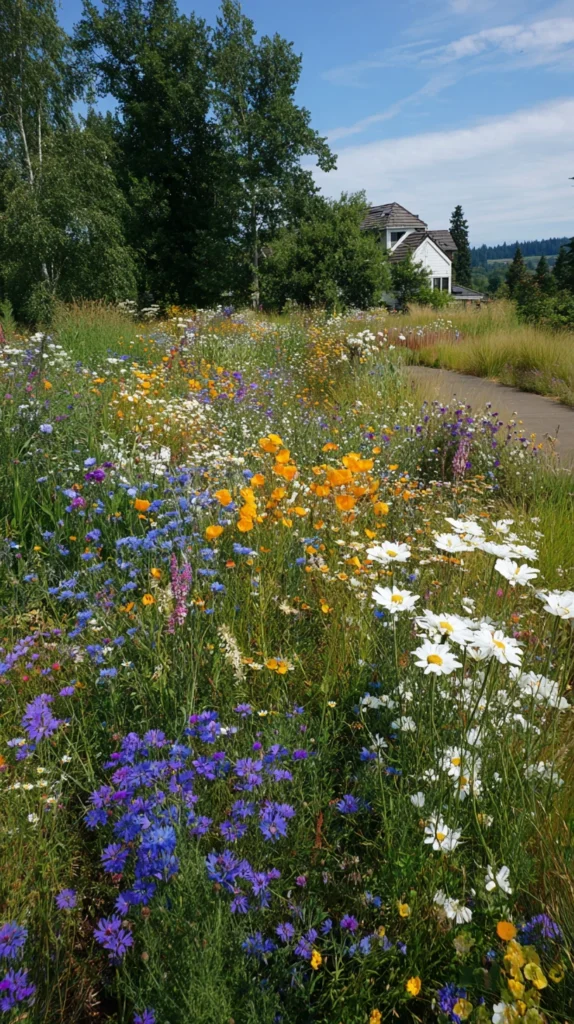
A wildflower island sown from a meadow seed mix in a simple circular or organic form creates the garden’s most ecologically valuable and most effortlessly beautiful seasonal feature. The wildflower island’s annual sowing of cornflowers, poppies, ox-eye daisies, and the varied species of the meadow tradition creates a different composition each growing season.
Mow a simple circular path around the wildflower island’s perimeter, the contrast between the mown grass path and the abundant wildflower planting creating the definition that separates the island’s intentional wildness from the surrounding lawn’s maintained order.
8. The Fragrant Herb Island
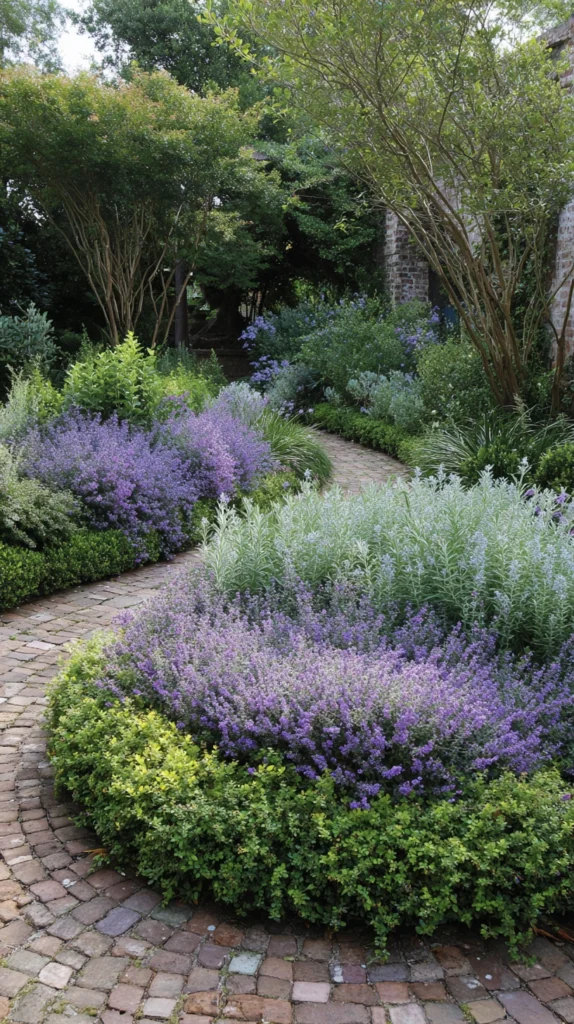
A circular island planted exclusively with fragrant herbs, lavender at the outer edge, rosemary at the corners, thyme as the groundcover, and sage at the center, creates the garden’s most olfactorily rich feature whose fragrance is released by every brush of contact and carried by every warm breeze across the surrounding garden. Position this island beside the primary garden path for the maximum daily fragrance release.
9. The Autumn Color Island
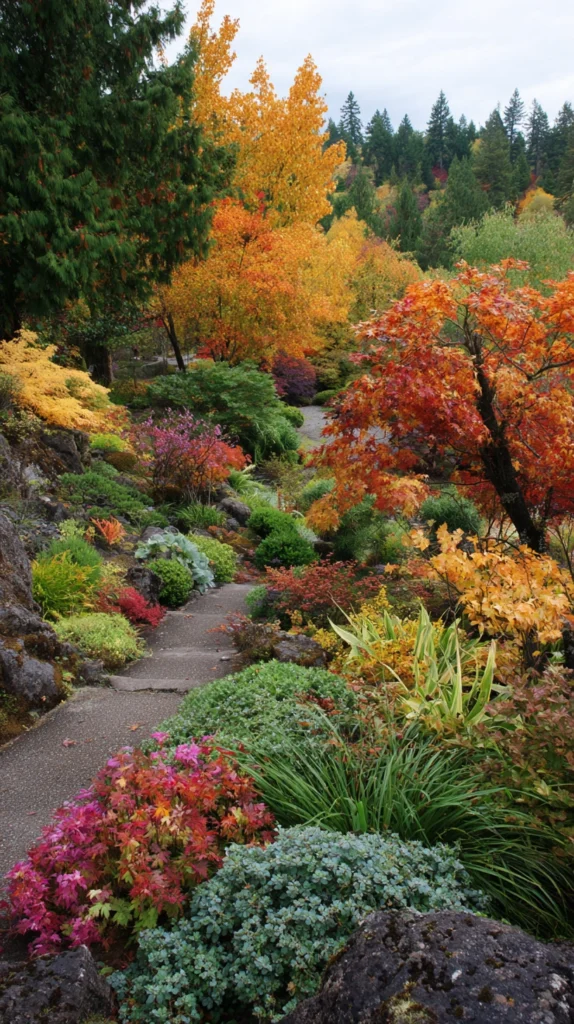
An island planted specifically for autumn interest, with Japanese maples, ornamental cherries, and the richly colored perennials and grasses whose autumn foliage and seed head interest peaks between September and November, creates the garden feature of maximum seasonal impact at the time of year when the broader garden is losing its summer interest most rapidly.
Combine the autumn color island’s deciduous planting with a permanent structural element of evergreen groundcover that maintains the island’s defined form and visual presence throughout the winter months after the deciduous planting has shed its foliage.
10. The Structural Evergreen Island
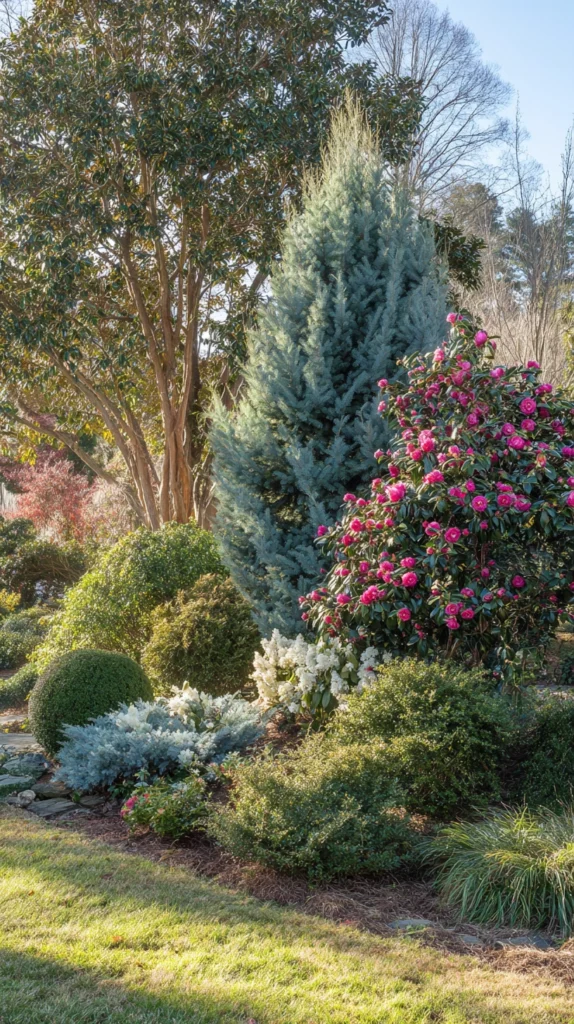
An island planted entirely with evergreen structural plants creates the garden’s most year-round consistent feature, its form and its color unchanging through every season and providing the visual anchor that the garden requires during the winter months when the deciduous planting has retreated to bare stems and the herbaceous borders are dormant.
Combine varied textures within the evergreen island rather than relying on color variation that the evergreen palette’s limited range cannot provide. The glossy leaf of a camellia against the matte, fine-textured surface of a clipped box against the silvery blue of a compact juniper creates the textural interest that substitutes for the color variation the evergreen palette restricts.
11. The Night Garden Island
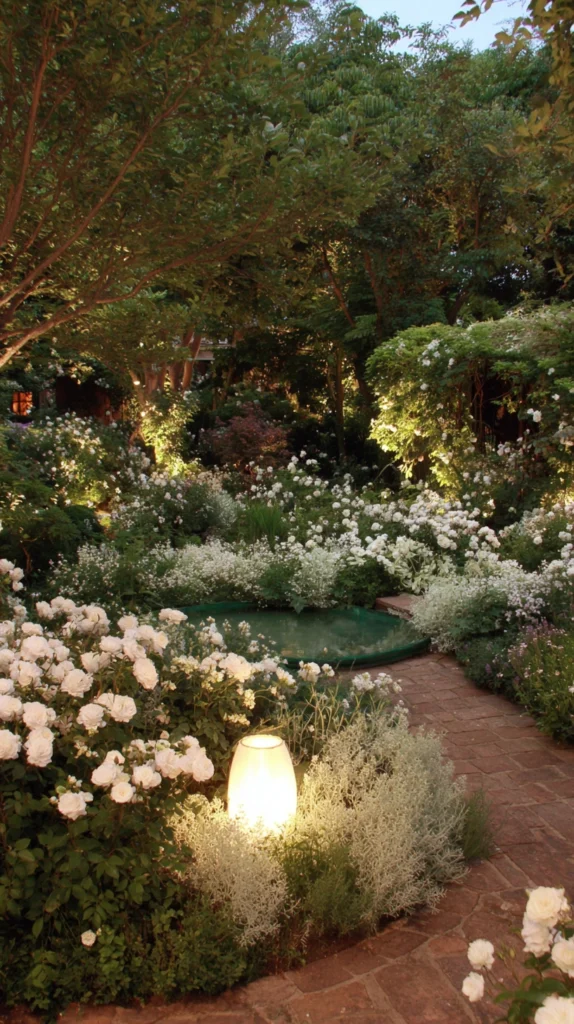
An island planted specifically for evening visibility and fragrance, with white-flowering plants whose pale petals remain visible after dark, silver-foliaged plants that reflect the available moonlight and artificial garden lighting, and the evening-fragrant species whose scent intensifies at dusk creates the garden feature of most specific atmospheric quality for the outdoor space used primarily in the evening hours.
White roses, white nicotiana, and silver artemisia planted in a simple circular island with a single white-painted garden lantern at its center creates the night garden island of complete atmospheric and practical design, its pale planting glowing in the lamplight and its evening fragrance carrying across the surrounding outdoor entertaining space.
12. The Bog Garden Island
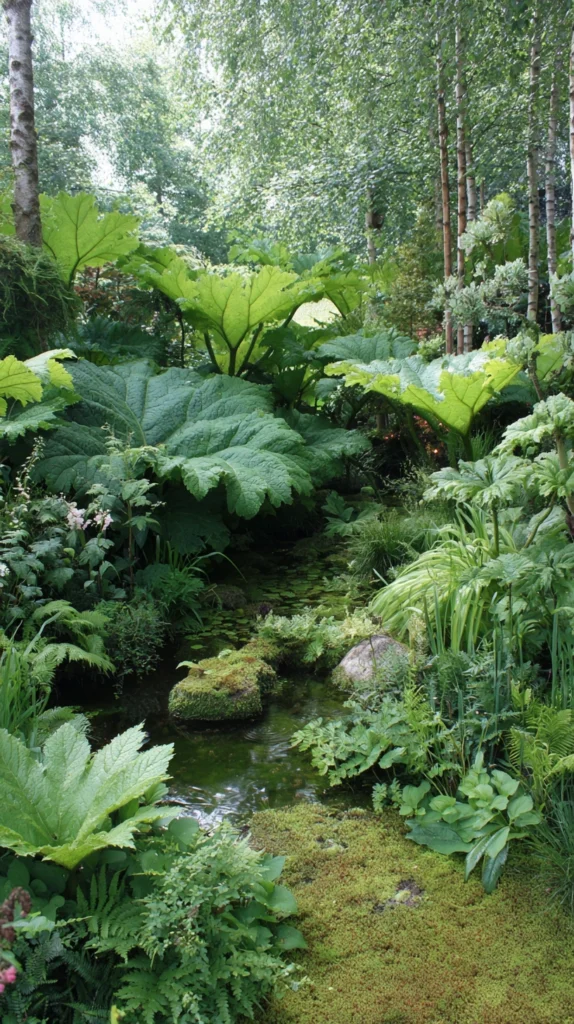
A shallow depression in the garden’s lawn area, lined with a punctured butyl rubber membrane and filled with moisture-retentive compost, creates the bog garden island whose permanently moist conditions support the lush, architectural planting of Gunnera, Rodgersia, and the large-leaved moisture lovers that create the garden’s most dramatically tropical effect in the temperate climate.
The bog garden island’s lush, large-leaved planting creates a visual contrast with the surrounding lawn that is more dramatic than any other planting style available in the temperate garden. The sheer scale of the Gunnera’s leaves, the bold form of the Rodgersia’s foliage, and the vertical accent of the iris and the rush create an island of complete botanical theatricality.
13. The Gravel and Succulent Island
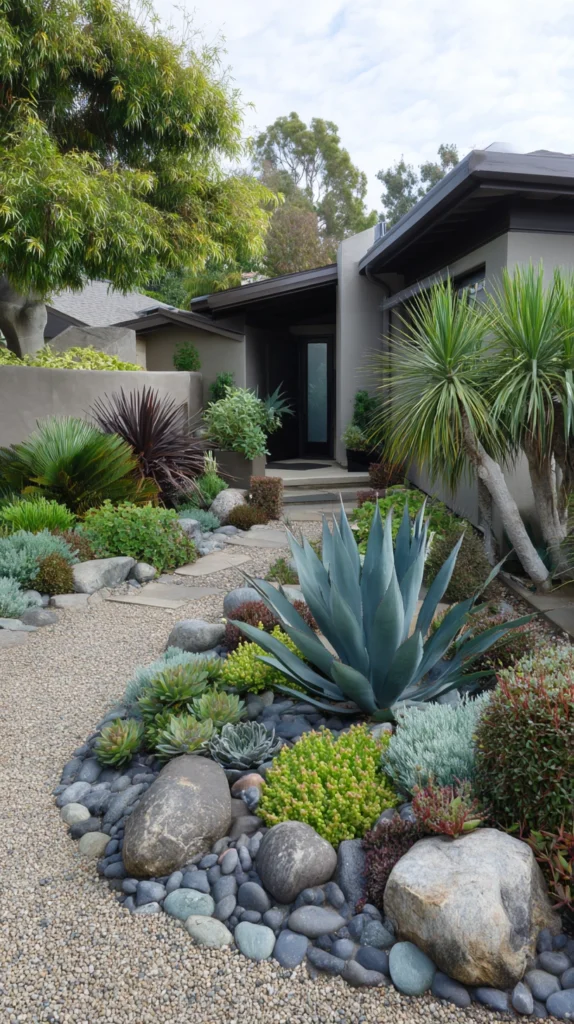
A raised island of free-draining gravel and grit mulch planted with drought-tolerant succulents, sedums, and the various architectural plants of the dry garden tradition creates the low-maintenance island of most contemporary visual character and most complete seasonal reliability. The gravel and succulent island requires minimal watering, minimal feeding, and minimal intervention beyond the removal of any weeds that establish in the gravel mulch.
Combine the succulents with a central architectural plant of significant visual presence, an agave, a phormium, or a large euphorbia, that creates the island’s vertical focal point around which the lower succulent planting is arranged in a radiating composition of varied form and texture.
14. The Children’s Discovery Island
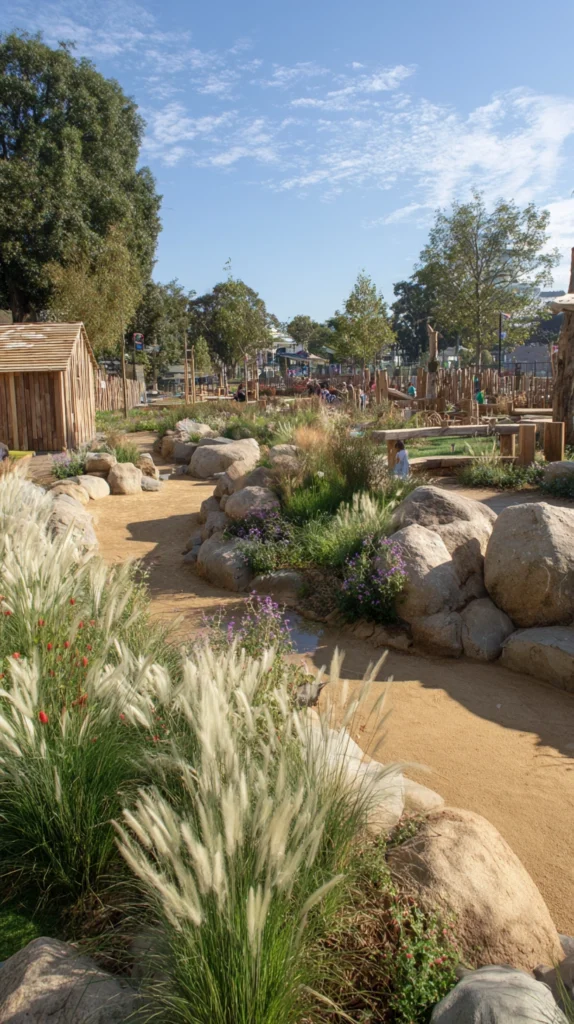
An island designed specifically for children’s engagement, with plants chosen for their sensory interest, their safe touchability, and the specific qualities of scent, texture, and visual fascination that the child’s exploring attention most rewards, creates the garden’s most educationally valuable and most genuinely enjoyed feature for the household with young children.
Lamb’s ear for the irresistible softness of its silver felted leaf. Stipa grass for the mesmerizing movement of its feathery plumes in the lightest breeze. Strawberries for the specific pleasure of finding and eating the fruit within the planting. These are the plants whose specific sensory qualities make the discovery island genuinely engaging for the child who explores it.
15. Design the Island for the Garden’s Specific Needs
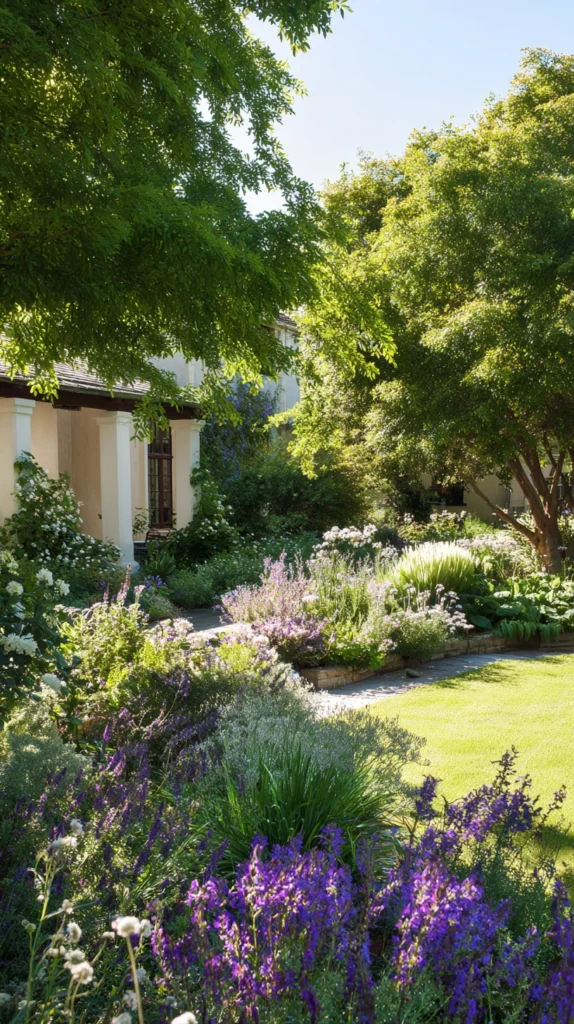
The final island garden idea is the most important design principle of all the fifteen. It is the commitment to designing the island specifically for the garden’s own spatial logic, its viewing angles, its circulation patterns, and its existing character, rather than importing a generic island design into a garden context that its specific form and planting do not suit.
The island that is positioned where the garden most needs a focal point, planted with the species that suit the garden’s specific soil and light conditions, and scaled to the proportional relationship with the surrounding lawn that creates the balanced composition rather than the undersized afterthought or the oversized obstruction, is the island that transforms the garden most completely.
Every garden has the specific location where an island would create the most powerful spatial and visual improvement. Finding that location honestly and designing the island for it with complete specificity is the garden design decision of greatest consequence available to the homeowner who wants to transform their outdoor space without a major structural intervention.