15 Impressive Backyard Garden Ideas
Backyard gardens offer endless opportunities for creative expression, personal sanctuary creation, and transforming outdoor spaces into living works of art that evolve with the seasons. An impressive garden goes beyond simple plantings, incorporating thoughtful design principles, striking focal points, and innovative features that create cohesive outdoor environments worthy of admiration.
Whether you’re working with expansive acreage or a modest urban lot, strategic planning and inspired ideas can elevate your backyard from ordinary to extraordinary. These 15 impressive garden ideas showcase diverse styles, creative approaches, and standout features that demonstrate how thoughtful design transforms yards into destination gardens that provide beauty, function, and personal fulfillment.
1. Formal Parterre Garden
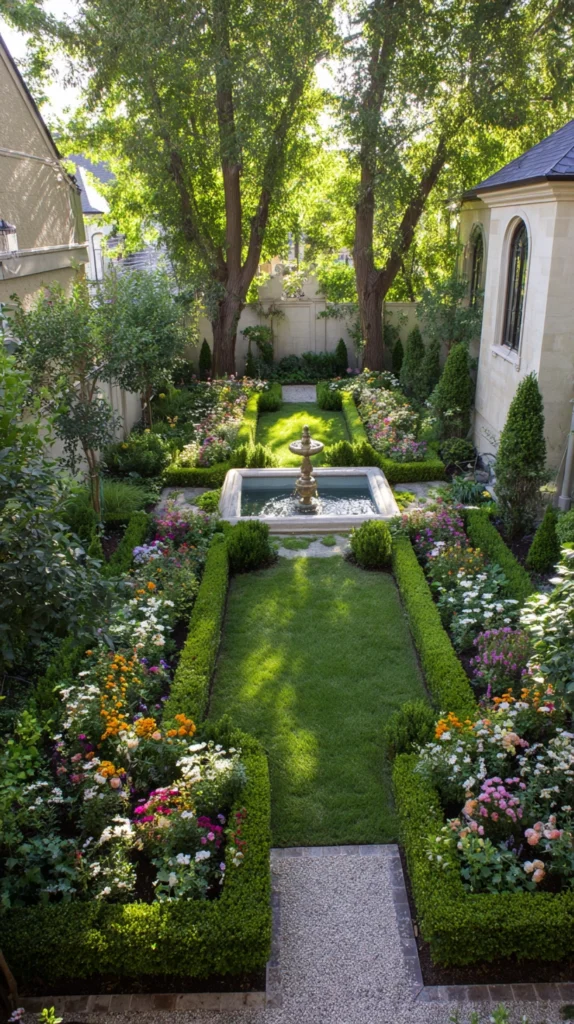
Create structured elegance with a formal parterre design featuring geometric planting beds outlined with low boxwood hedges arranged in symmetrical patterns inspired by European estate gardens. Plant the interior sections with colorful annuals changed seasonally, maintaining the structured framework while introducing fresh color throughout the year.
Add gravel or crushed stone pathways between the beds creating clean circulation and visual contrast against the greenery. Include a central focal point like a fountain, sundial, or formal urn anchoring the design and emphasizing the symmetrical layout.
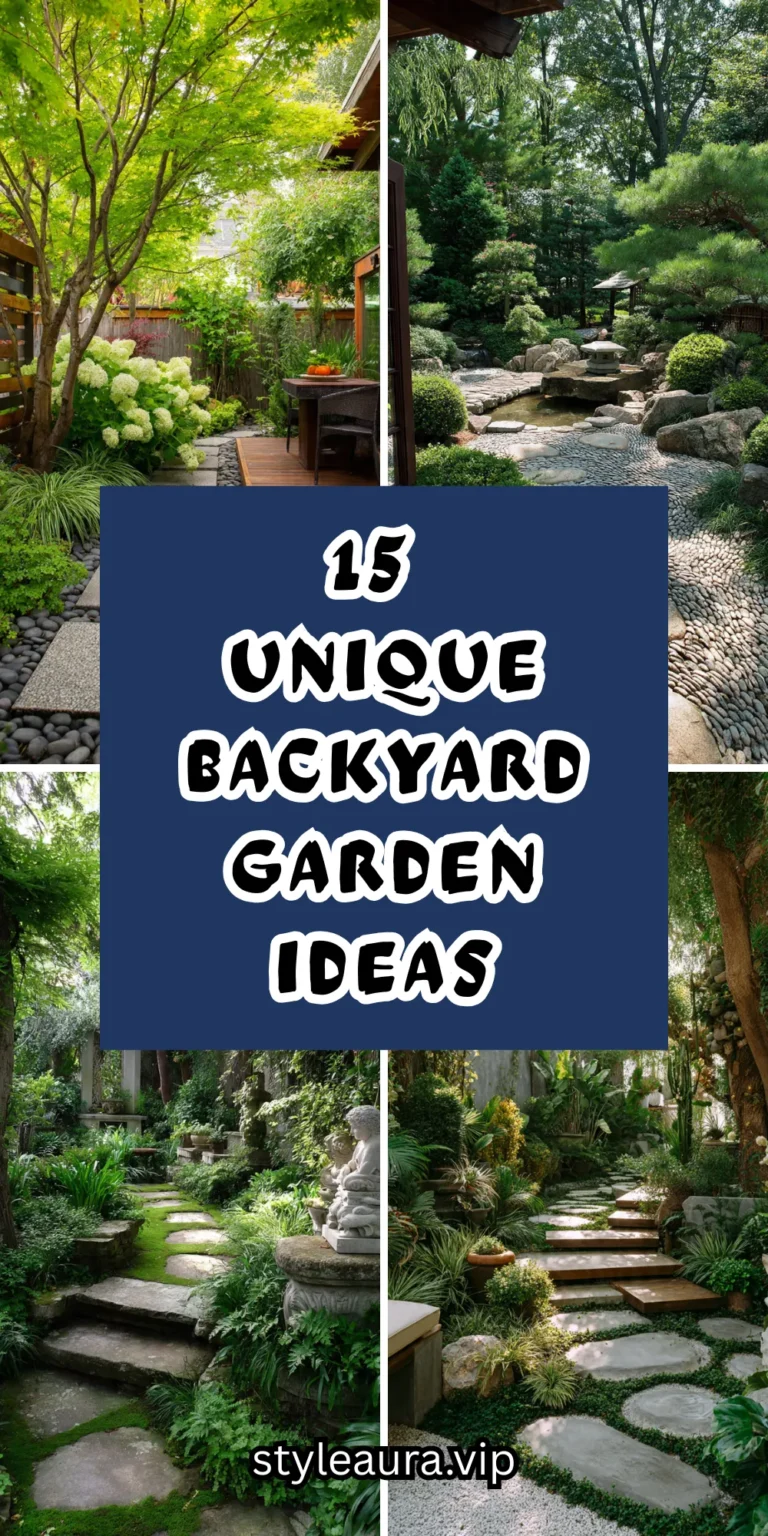
2. Cottage Garden Abundance
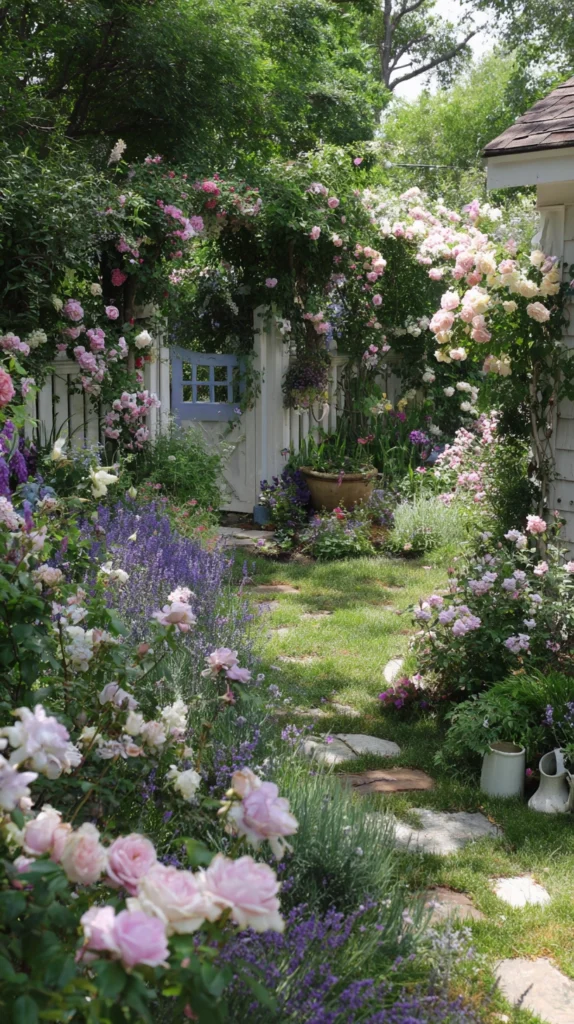
Embrace romantic overflow with a cottage garden packed with flowering perennials, self-seeding annuals, climbing roses, and herbs creating lush, seemingly unplanned abundance. Mix heights, colors, and textures freely allowing plants to intermingle and spill over pathways creating the collected-over-generations aesthetic cottage gardens are known for.
Include traditional elements like white picket fencing, arbor entrance, stone pathways, and perhaps a small potting shed painted in charming colors. Plant fragrant varieties like lavender, roses, peonies, and sweet peas ensuring the garden appeals to scent as much as sight.
3. Contemporary Gravel Garden
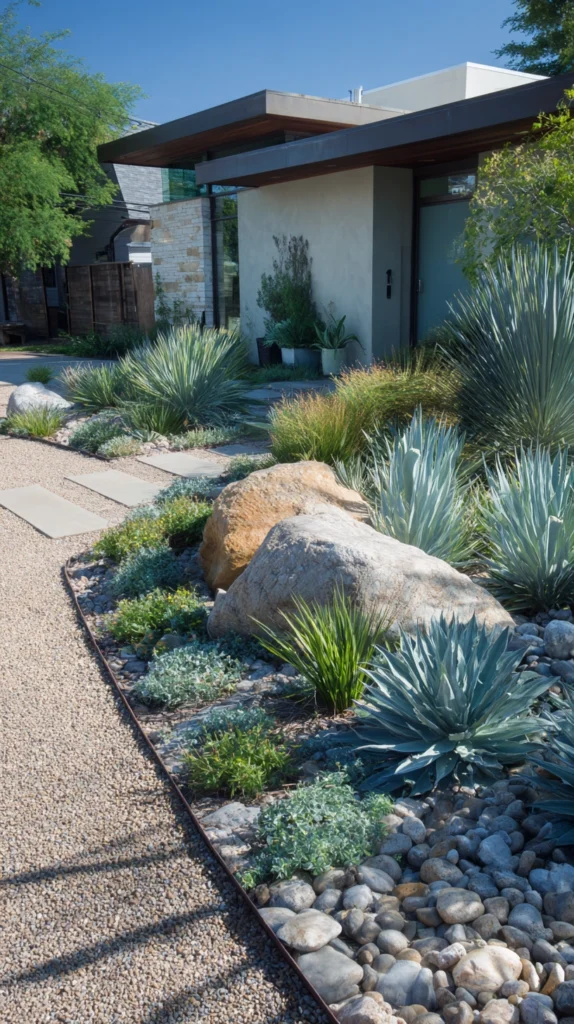
Design a modern low-water landscape using gravel or decomposed granite as ground cover with architectural plants like ornamental grasses, agave, and yucca emerging at strategic intervals.
Create clean-edged planting beds using metal or concrete borders defining where gravel meets plantings with crisp precision characteristic of contemporary design. Add sculptural elements like large boulders, modern water features, or abstract metal sculptures reinforcing the artistic, gallery-like atmosphere. Choose a restrained color palette of silvers, blues, and greens with occasional accent colors from flowering succulents or grasses.
4. Four-Season Interest Garden
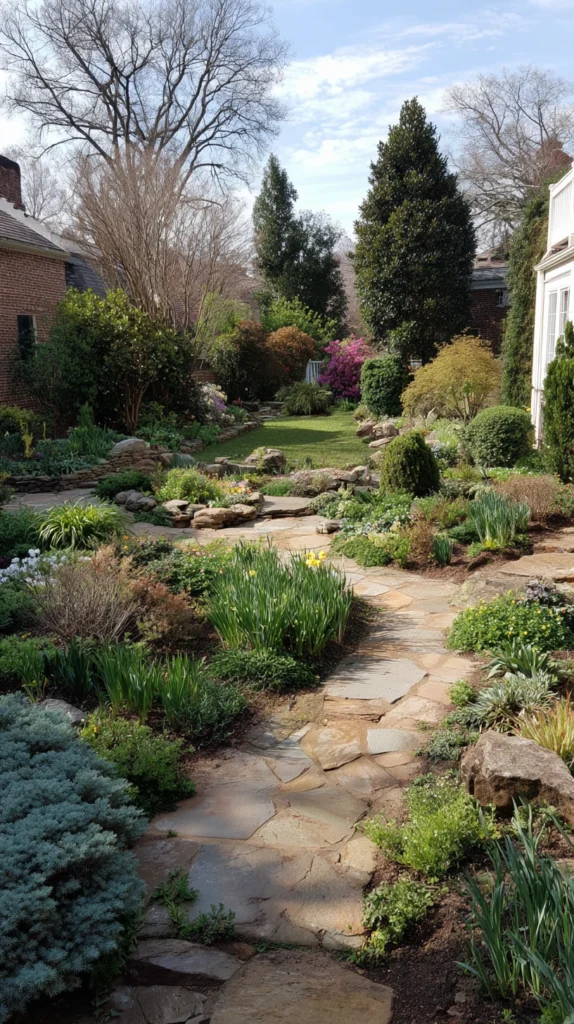
Plan comprehensive plantings ensuring year-round visual appeal through spring bulbs, summer perennials, fall foliage, and winter structure creating gardens that never look dormant. Layer flowering times so something is always blooming from earliest crocuses through latest asters, maintaining continuous color across all seasons.
Include evergreen structure through boxwood, holly, or ornamental grasses that provide substance during winter when deciduous plants are bare. Add elements with winter interest like ornamental bark, persistent berries, or architectural seed heads that look beautiful covered in frost or snow.
5. Edible Landscape Integration
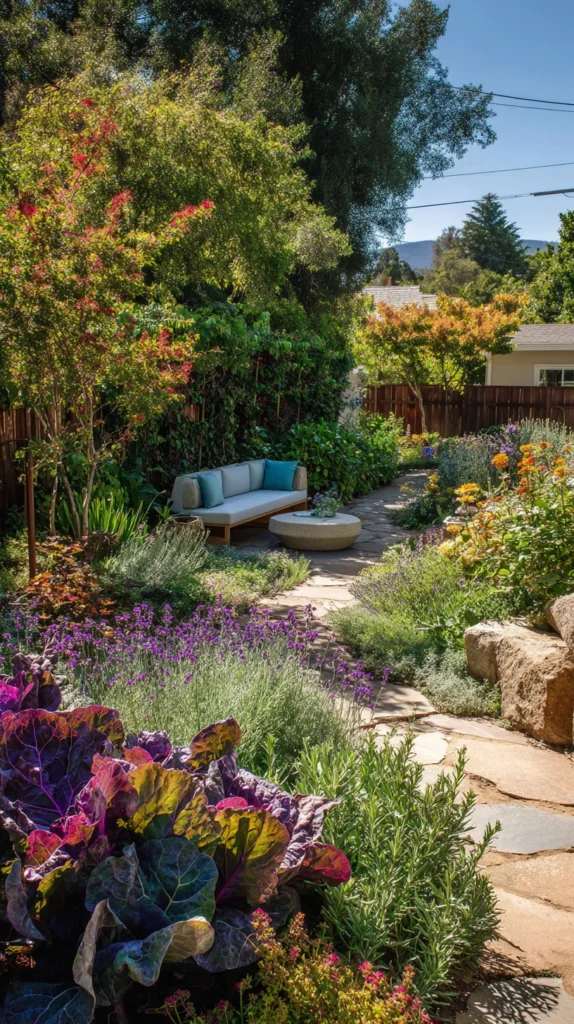
Blend ornamental and edible plants throughout the garden creating beautiful productive landscapes where vegetables, fruits, and herbs integrate seamlessly with flowers. Use colorful vegetable varieties like purple cabbage, rainbow chard, and red lettuce as bedding plants alongside traditional ornamentals.
Train fruit trees as espaliers against fences or walls creating living art that produces harvests while saving space. Include herb borders, berry hedges, and edible flowers ensuring the entire garden contributes to both beauty and the dinner table.
6. Shade Garden Sanctuary
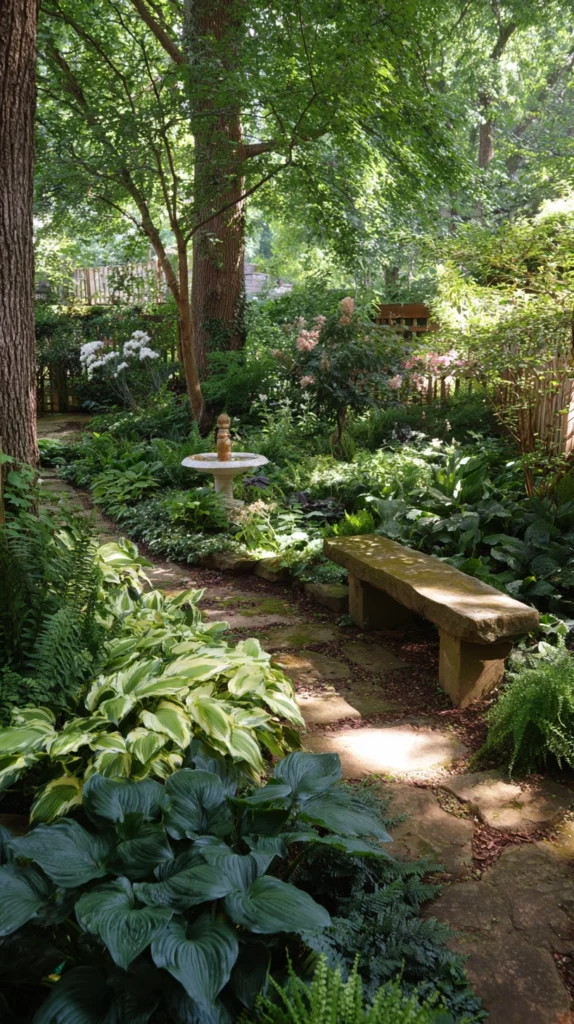
Transform shaded areas beneath trees or beside buildings into lush shade gardens featuring hostas, ferns, astilbes, and other shade-loving plants creating woodland retreat atmospheres. Layer plantings by height with tree canopy overhead, understory shrubs like hydrangeas and rhododendrons in the middle, and ground-level perennials and groundcovers below.
Add shade-appropriate features like stone pathways, rustic benches, and perhaps a small fountain creating peaceful spots for contemplation and escape. Use variegated foliage plants and white or light-colored flowers that brighten shadowy areas and prevent the space from feeling dark or neglected.
7. Butterfly and Pollinator Haven
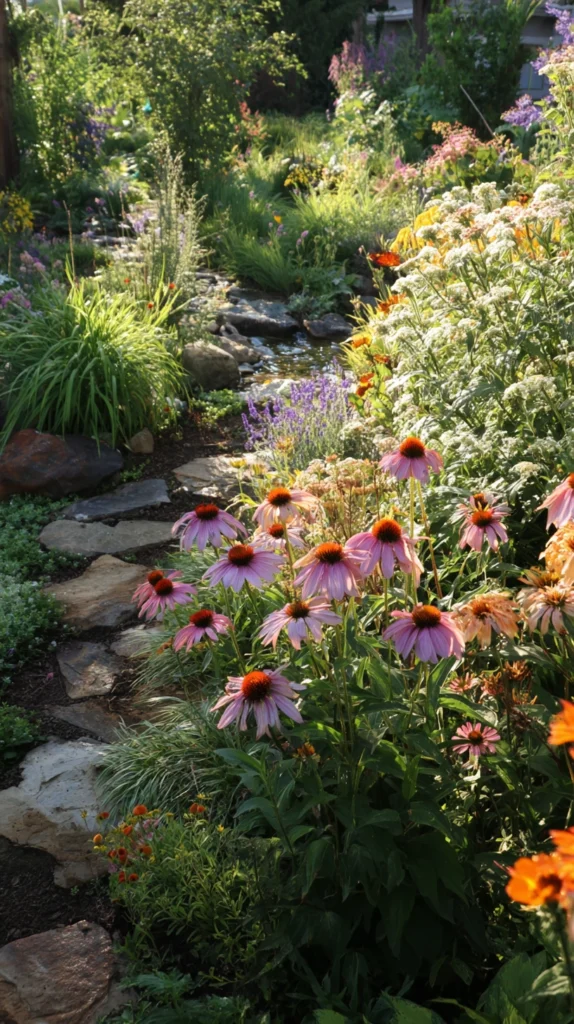
Design gardens specifically attracting butterflies, bees, and hummingbirds through native plant selections, continuous bloom sequences, and habitat features supporting pollinator populations. Plant nectar-rich flowers like coneflowers, milkweed, salvia, and bee balm in large drifts ensuring pollinators can easily locate food sources.
Include host plants where butterflies lay eggs and caterpillars feed, supporting complete lifecycles rather than just adult feeding. Add water features, brush piles, and pesticide-free practices creating safe habitats where beneficial insects thrive and multiply.
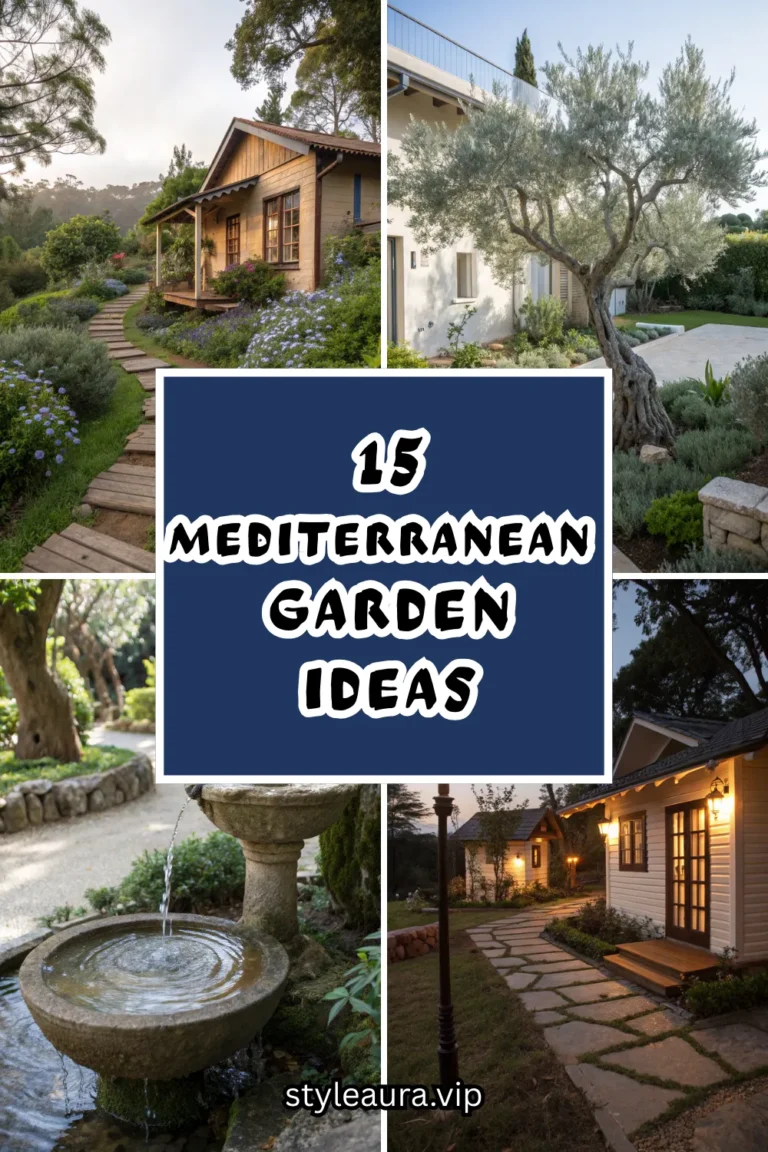
8. Mediterranean Hillside Garden
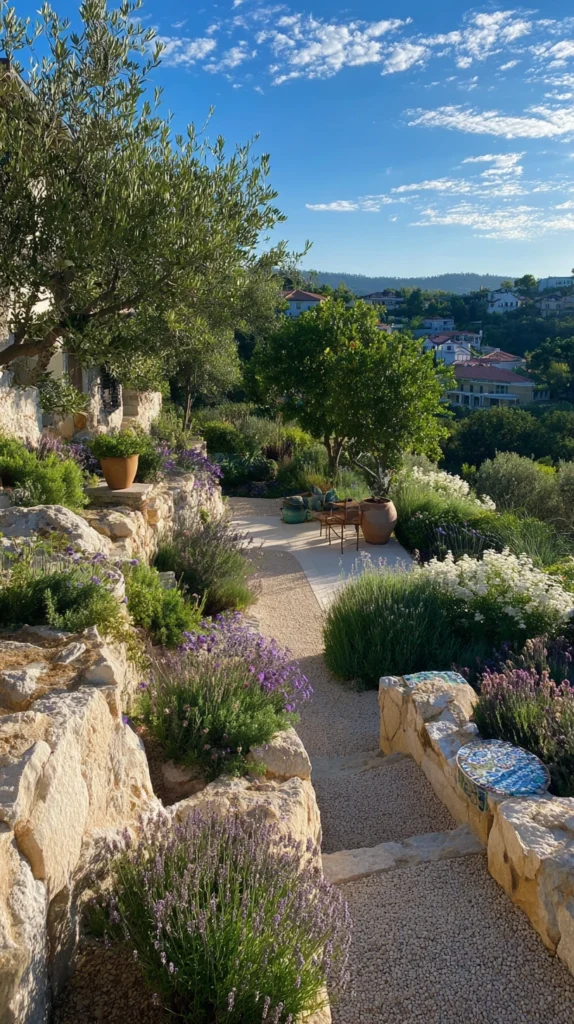
Create drought-tolerant beauty inspired by Greek islands and Italian countryside using terraced beds, olive trees, lavender, rosemary, and sun-loving perennials in silvers and purples. Build stone retaining walls creating multiple levels on sloped properties, with gravel pathways winding between terraces connecting different garden areas.
Plant citrus trees in large terracotta pots, add terra cotta roof tiles as edging, and include a small seating area with mosaic table evoking outdoor cafes. The heat-loving plants thrive in sunny exposures while requiring minimal water once established, perfect for hot climates or water-conscious gardening.
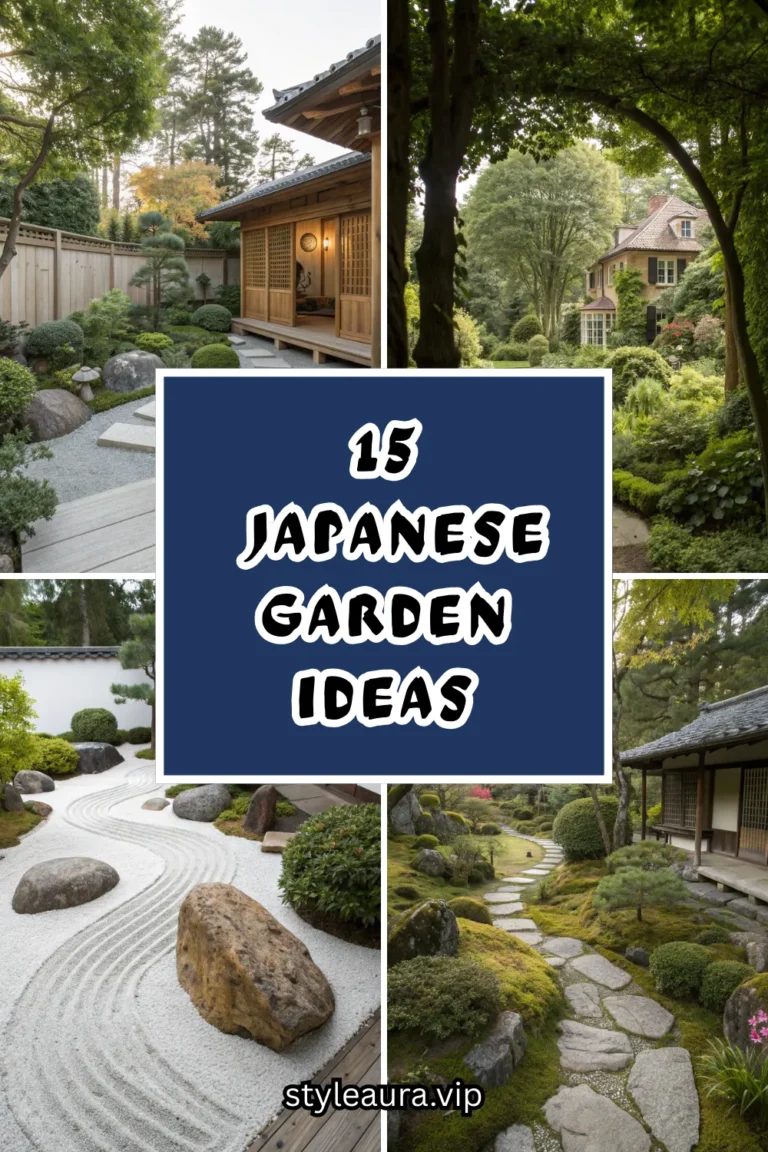
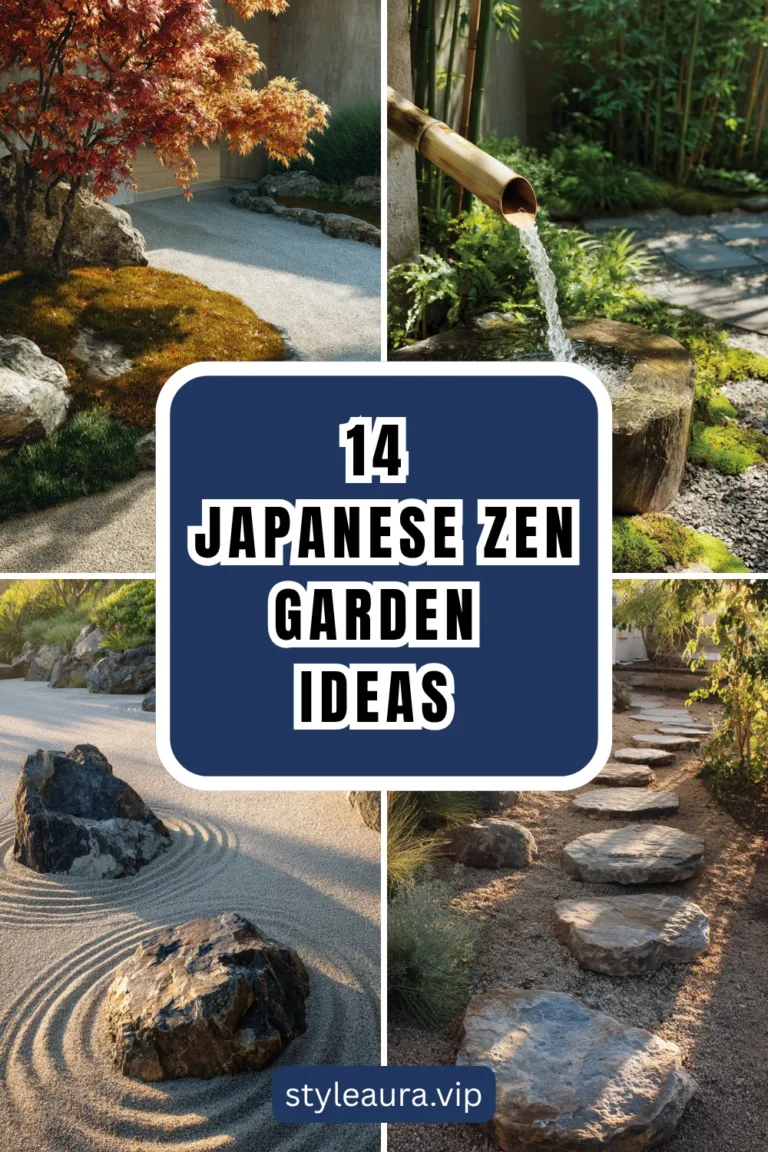
9. Japanese Zen Garden
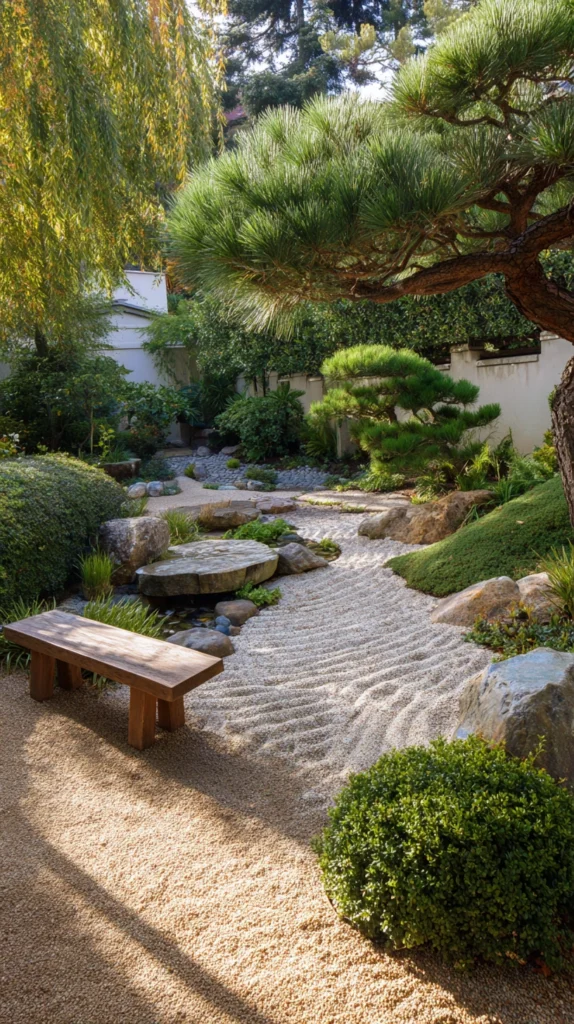
Construct a contemplative Japanese-inspired garden featuring carefully raked gravel representing water, precisely placed stones, pruned evergreens, and minimal plant palette creating meditative simplicity. Include traditional elements like stone lanterns, bamboo water features, stepping stone pathways, and perhaps a small arched bridge over a dry stream bed.
Prune trees and shrubs into cloud-like shapes using traditional Japanese techniques, emphasizing form and structure over flowering abundance. Add a simple bench or tea house structure creating a dedicated meditation space where the garden’s peaceful atmosphere encourages mindfulness and stress reduction.
10. Cutting Garden Production
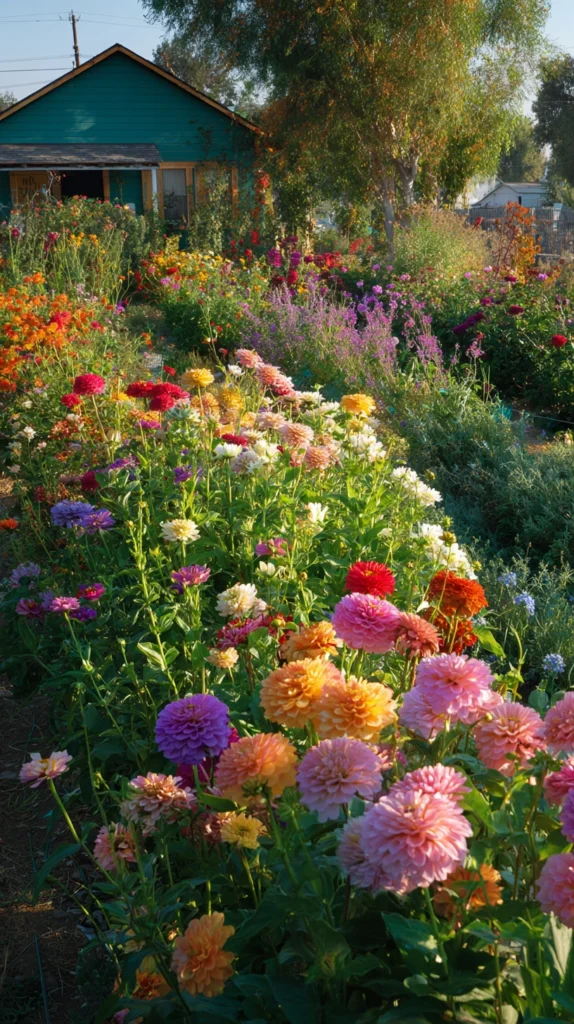
Dedicate space to growing flowers specifically for cutting and arranging, with productive rows of zinnias, dahlias, cosmos, sunflowers, and other excellent cut flowers. Organize beds in straight rows like vegetable gardens prioritizing access and production over ornamental display, making harvest and maintenance efficient.
Include succession plantings ensuring continuous bloom and cutting material throughout the growing season rather than one big flush. Add utilities like irrigation system, composting area, and potting bench creating a functional flower-farming operation that supplies endless fresh arrangements.
11. Moonlight Garden Romance
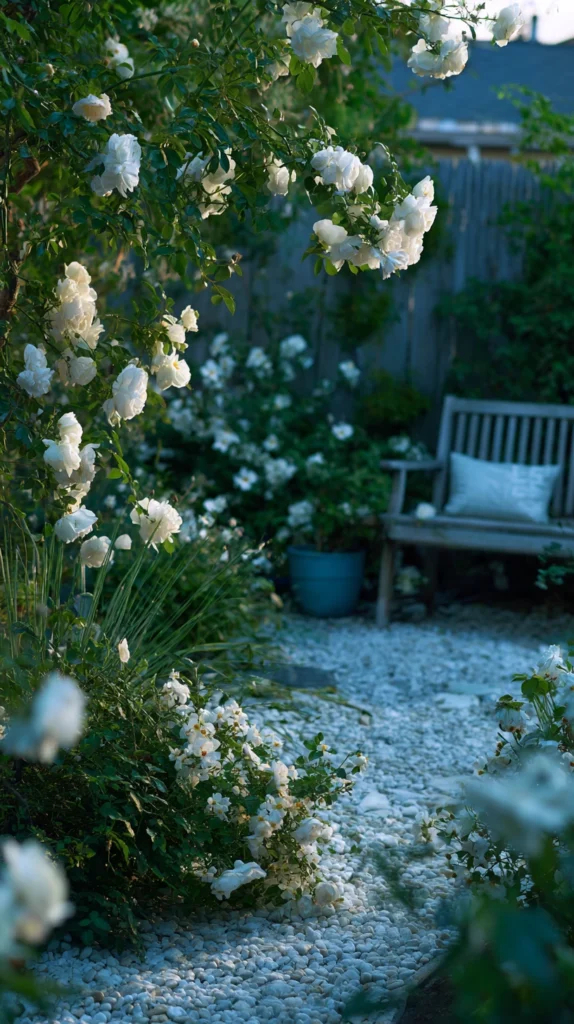
Design an evening garden featuring white and pale-colored flowers, silver foliage, and night-blooming species that glow luminously in moonlight and twilight hours. Plant white varieties of popular flowers like roses, peonies, iris, and phlox, along with naturally white bloomers like gardenias and jasmine.
Include fragrant night-bloomers like moonflower, nicotiana, and evening primrose that release perfume as temperatures cool and you’re most likely outdoors. Add pathway lighting, white gravel that reflects available light, and comfortable seating encouraging evening garden enjoyment when the space truly comes alive.
12. Vertical Garden Walls
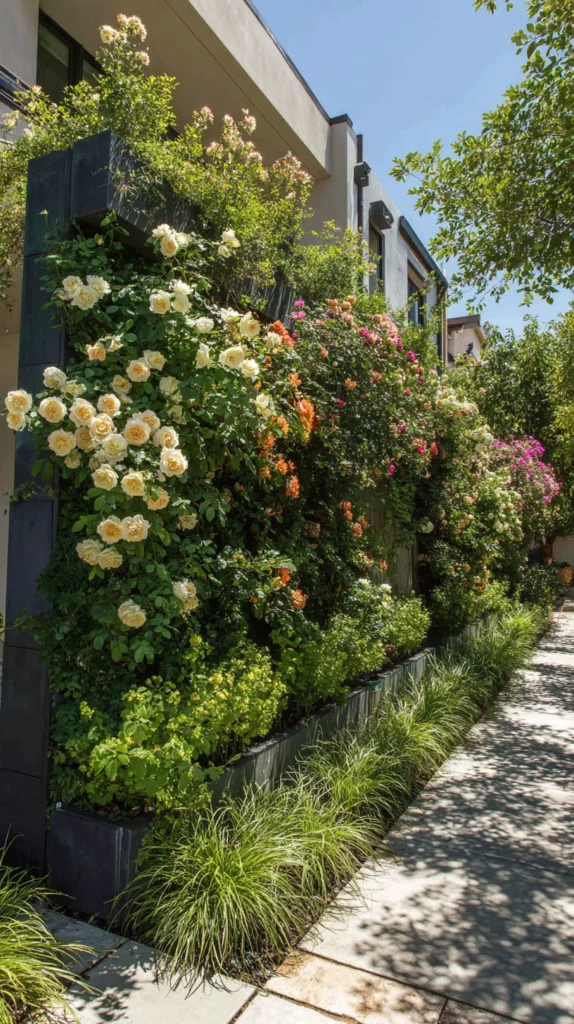
Maximize growing space through vertical gardening using trellises, living walls, stacked planters, and climbing vines creating lush greenery without consuming ground area. Train climbing roses, clematis, or flowering vines on sturdy structures creating flower-covered walls that bloom spectacularly while taking minimal footprint.
Install modular living wall systems on fences or exterior walls, planting with succulents, herbs, or flowering annuals arranged in artistic patterns. The vertical emphasis makes small gardens feel larger while creating privacy screening and architectural interest.
13. Drought-Tolerant Xeriscape
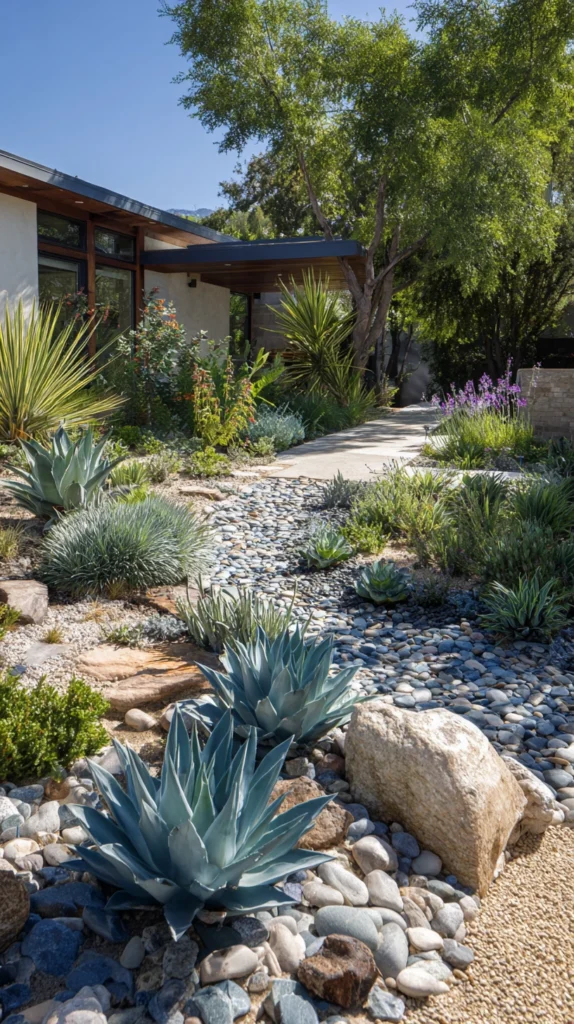
Create water-wise beauty through xeriscaping principles using native plants, efficient irrigation, mulching, and design reducing or eliminating supplemental watering needs. Group plants by water requirements ensuring high-water plants receive adequate moisture while drought-tolerant species thrive on natural rainfall alone.
Replace thirsty lawns with permeable hardscaping, gravel mulch, or drought-adapted groundcovers reducing maintenance and water consumption dramatically. Include attractive features like decorative rock arrangements, modern concrete elements, and architectural succulents creating sophisticated landscapes that celebrate water conservation.
14. Tropical Paradise Transformation
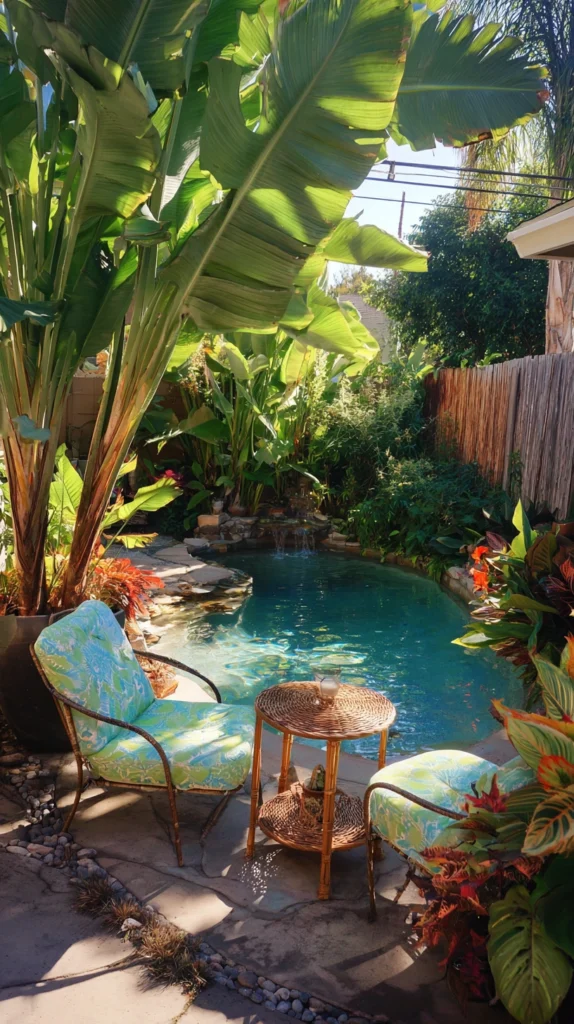
Turn temperate backyards into tropical retreats through bold-leafed plants like cannas, elephant ears, bananas, and palms creating lush jungle atmospheres even in non-tropical climates. Use tropical-looking hardy plants in cold regions, overwintering tender specimens indoors, or treating tropicals as annuals replaced each spring.
Add bamboo fencing, tiki torches, brightly colored furniture, and perhaps a small water feature with tropical fish creating complete island escape vibes. The dramatic foliage and exotic flowers transform ordinary yards into vacation destinations that make you forget you’re in the suburbs.
15. Wild Meadow Naturalism
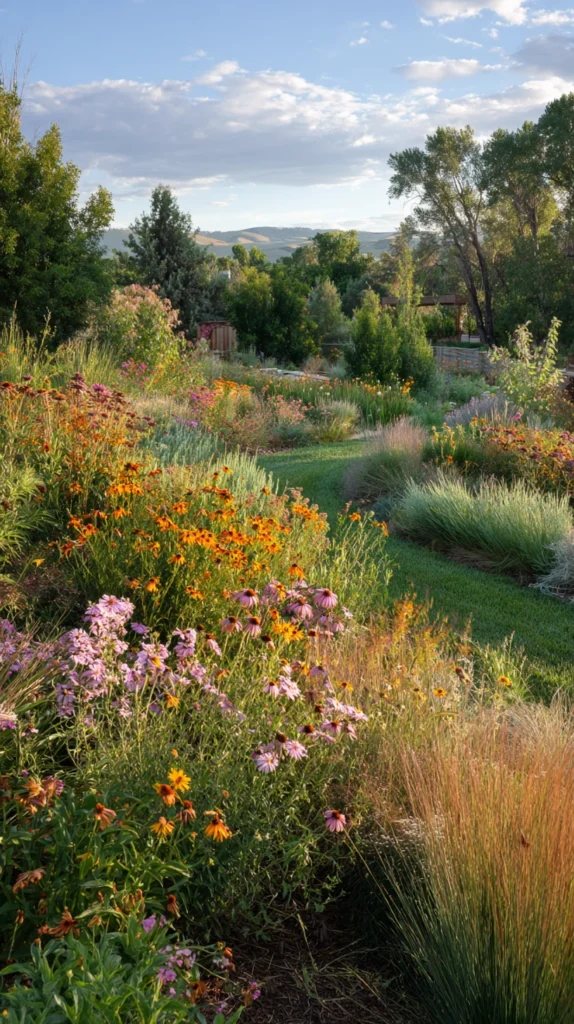
Replace traditional lawns with native wildflower meadows featuring regionally appropriate species that support local ecosystems while requiring minimal maintenance once established. Prepare soil properly and seed with diverse native wildflower and grass mixes ensuring year-round interest and habitat value for wildlife.
Mow pathways through the meadow creating circulation and intentional design while the majority grows naturally throughout seasons. The low-maintenance approach eliminates mowing, fertilizing, and watering while supporting pollinators, birds, and beneficial insects creating ecologically valuable landscapes.
Creating Your Impressive Garden
Successfully implementing impressive garden designs requires starting with thorough planning including site analysis, understanding your soil and climate, and honestly assessing available maintenance time and budget. Begin with proper soil preparation and amendments creating the foundation for healthy plant growth that makes all subsequent efforts more successful.
Choose plants appropriate for your specific conditions rather than fighting your site’s natural characteristics, working with sun, shade, moisture, and soil rather than against them. Implement gardens in phases if needed, completing one area well before expanding rather than attempting everything simultaneously and becoming overwhelmed.
Most importantly, design gardens that reflect your personality and interests rather than copying trends, creating outdoor spaces that genuinely bring you joy and fulfill your specific needs and dreams.