15 Earth Day Backyard Composting Ideas to Celebrate the Planet
Every April 22nd, Earth Day invites us to pause and think seriously about how we treat the planet we call home. And while there are dozens of ways to celebrate — picking up litter, planting trees, cutting back on plastic — few habits make as immediate and lasting a difference as backyard composting.

Composting transforms your kitchen scraps and yard waste into rich, dark, nutrient-packed soil amendment that your garden will absolutely love. It also keeps a staggering amount of waste out of landfills, where organic matter breaks down anaerobically and releases methane, a greenhouse gas far more potent than carbon dioxide.
If you’ve been meaning to start composting, Earth Day is the perfect occasion to begin. And if you’re already composting, it might be time to level up your setup. Here are 15 creative, practical, and inspiring backyard composting ideas to try this Earth Day.
1. Start a Classic Three-Bin System
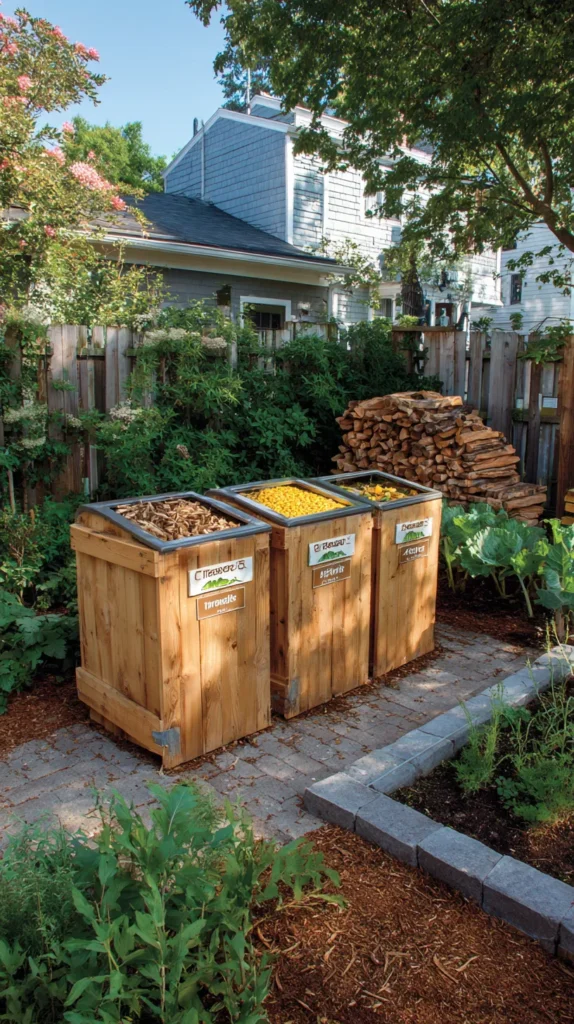
The three-bin composting system is the gold standard for serious backyard composters, and for good reason. The setup uses three side-by-side compartments: one for fresh materials going in, one for actively decomposing material being turned regularly, and one for finished compost ready to use.
This method allows you to have compost at different stages of readiness at all times, so you’re never waiting for one big pile to finish before you can harvest. Build the bins from untreated lumber, reclaimed pallets, or purchase a prefabricated system from your local garden center. Earth Day is the perfect occasion to set one up and commit to the practice long-term.
2. Try a Tumbler Composter
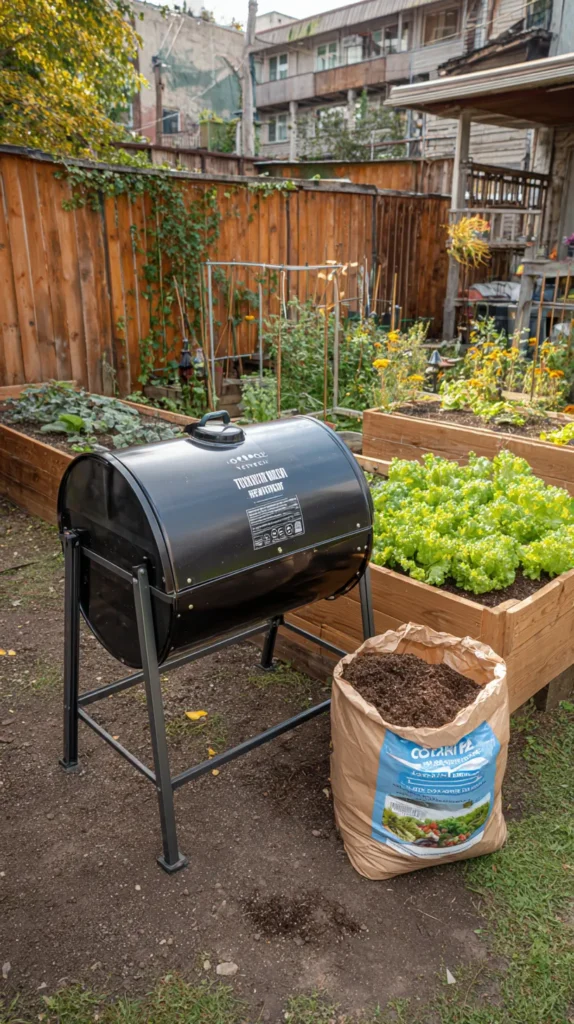
If your backyard is on the smaller side, or if you’ve been put off composting by the thought of turning a heavy pile with a pitchfork, a tumbler composter might be your answer. These enclosed, barrel-shaped units sit on a frame and can be spun by hand to aerate and mix the contents — no shoveling required.
Because they’re fully enclosed, they also deter pests and contain odors effectively. Many tumbler models produce finished compost in as little as four to six weeks, making them one of the fastest methods available for the home composter.
3. Build a DIY Pallet Composter
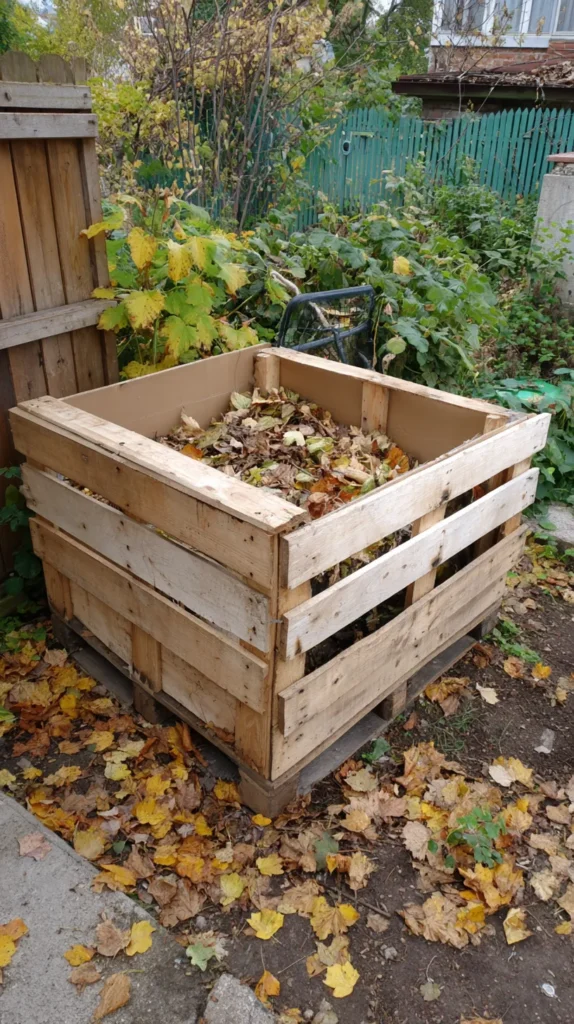
One of the most satisfying Earth Day projects you can take on is building your own compost bin from reclaimed wooden pallets. Pallets are often available for free from garden centers, hardware stores, or furniture retailers.
Stand four pallets upright to form a square enclosure, wire them together at the corners, and you have a sturdy, well-ventilated compost bin in under an hour. The gaps between the pallet slats allow for excellent airflow, which is one of the key ingredients for fast, efficient decomposition. Line the interior with burlap or cardboard to help retain moisture during dry spells.
4. Start a Worm Bin (Vermicomposting)
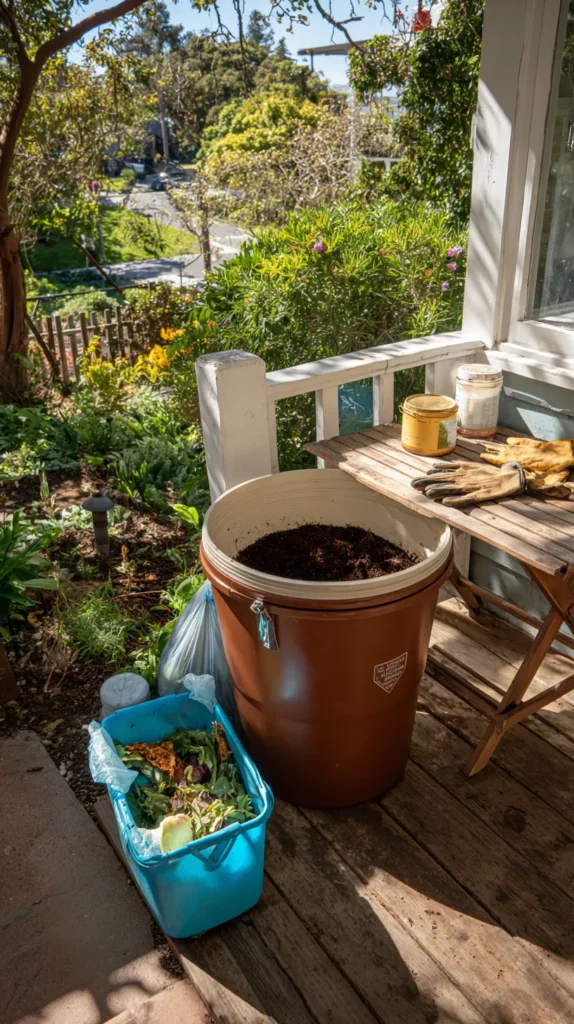
Vermicomposting — composting with the help of red wiggler worms — is one of the most efficient methods available, and it works beautifully in small spaces. A worm bin can live on a shaded back porch, under a deck, or in a garage corner.
The worms process food scraps incredibly quickly, producing castings (worm manure) that are among the richest natural fertilizers on earth. Worm bins are also surprisingly odor-free when managed correctly, making them ideal for urban backyards or renters who want to compost without a large footprint. Purchase a starter bin and a pound of red wigglers online or from a local bait shop to get started this Earth Day.
5. Create a Compost Tea Station
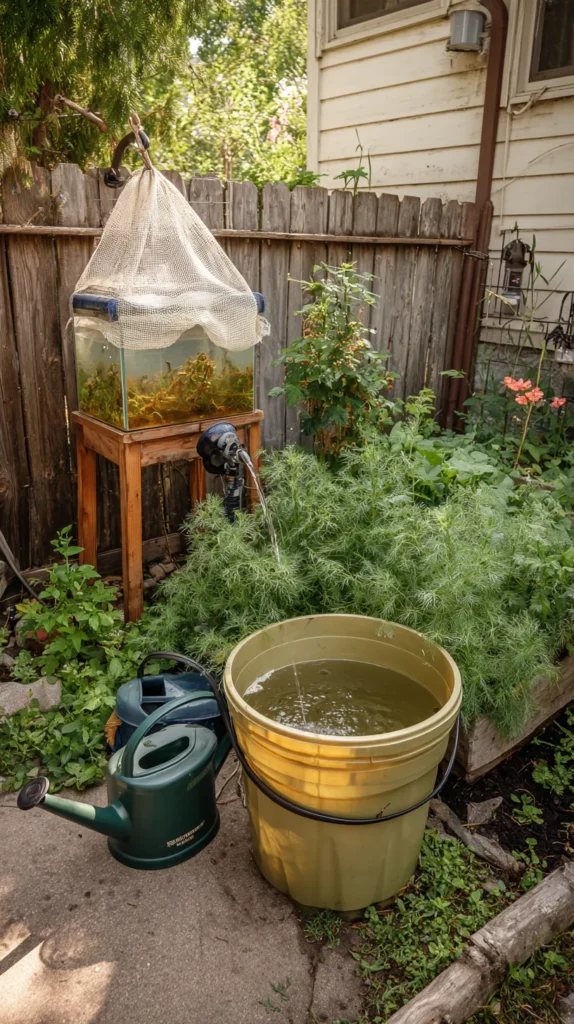
Once you have finished compost, you can unlock even more of its potential by brewing compost tea. This involves steeping finished compost in water — often with a small aquarium pump to oxygenate the mixture — for 24 to 48 hours.
The result is a liquid teeming with beneficial microorganisms that can be applied directly to plant roots or sprayed on foliage to suppress disease and boost growth. Set up a simple compost tea station near your bin using a five-gallon bucket, an aquarium pump, and some mesh bags. It’s an inexpensive way to make your compost go much further throughout the growing season.
6. Designate a “Compost Corner” in Your Garden
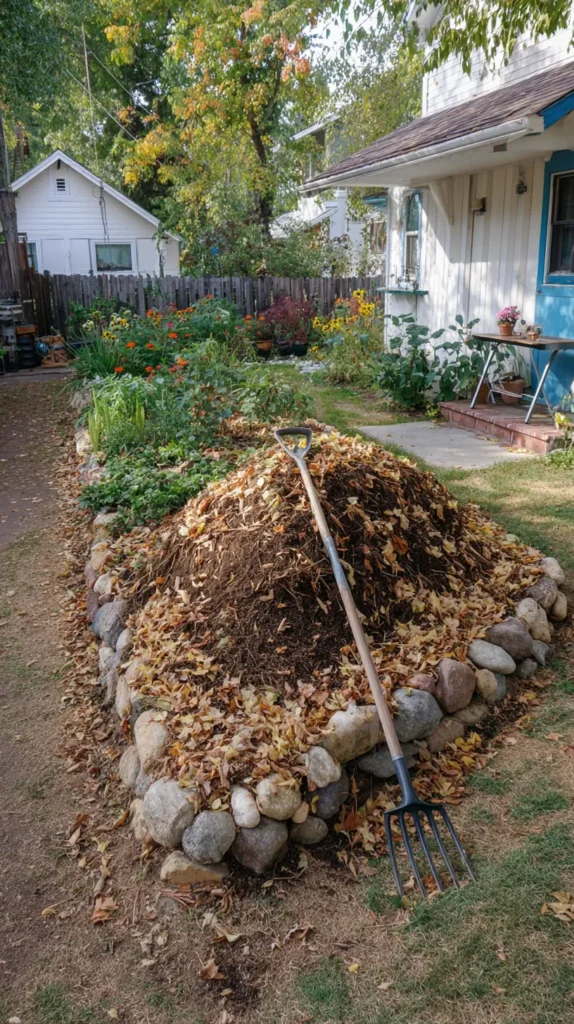
If you prefer a low-maintenance, no-fuss approach, designate a shaded corner of your backyard as your composting zone and simply pile materials there in the open air. This “cold composting” method takes longer than managed bins — anywhere from six months to two years — but requires almost no effort beyond occasionally adding materials and giving the pile a turn when you think of it.
Mark the area with a simple border of rocks, bricks, or logs to keep it tidy. Over time, the bottom of the pile will yield beautifully finished compost even without regular turning.
7. Add a Bokashi System for Kitchen Scraps
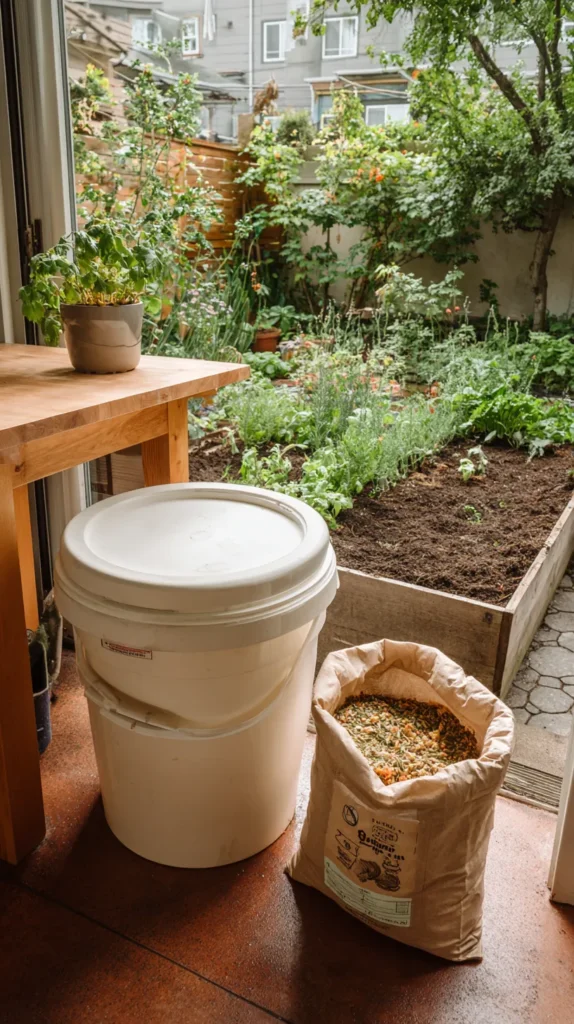
Bokashi is a Japanese fermentation method that allows you to compost things traditional composting can’t easily handle — meat, dairy, cooked foods, and fish scraps. Using a sealed bucket and a bran inoculated with beneficial microorganisms, bokashi ferments your kitchen scraps in about two weeks. The fermented material is then buried in the garden or added to a traditional compost bin, where it breaks down very quickly.
A bokashi bucket fits neatly under a kitchen sink, and the fermented liquid it produces can be diluted with water and used as a powerful plant fertilizer. This Earth Day, adding a bokashi system alongside your outdoor bin dramatically expands what you can compost.
8. Compost Your Lawn Clippings (The Right Way)
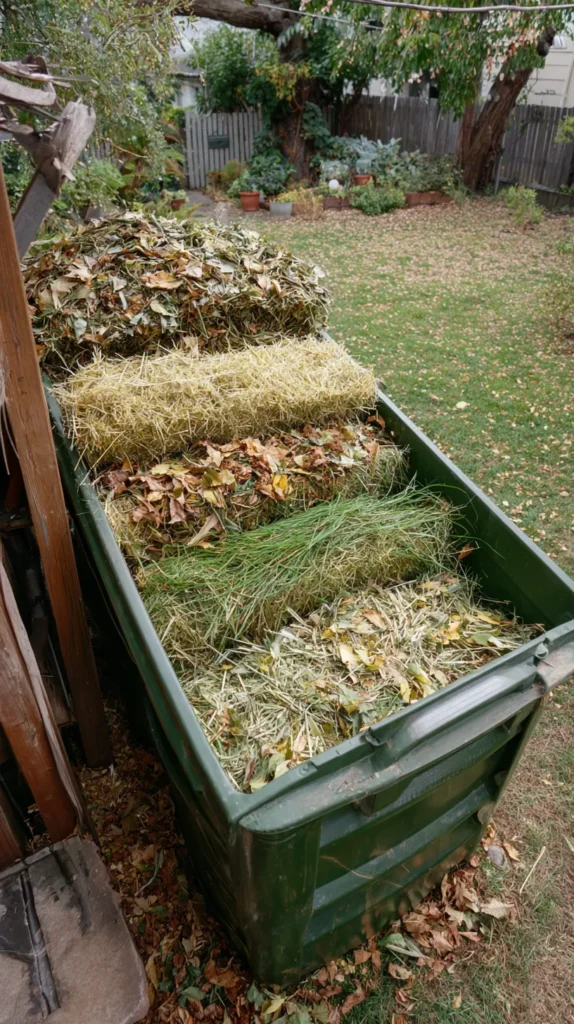
Grass clippings are one of the most abundant sources of compostable green material in any backyard, but they need to be managed carefully. Added in thick layers, clippings mat together and block airflow, creating a slimy, anaerobic mess.
The key is to mix clippings with generous amounts of brown material — dried leaves, cardboard, straw, or wood chips — at roughly a 1:3 green-to-brown ratio. Alternatively, leave clippings on the lawn to decompose in place (known as grasscycling), which returns nitrogen directly to the soil and reduces your composting workload. Either way, those clippings are too valuable to send to the landfill.
9. Build a Leaf Mold Corral
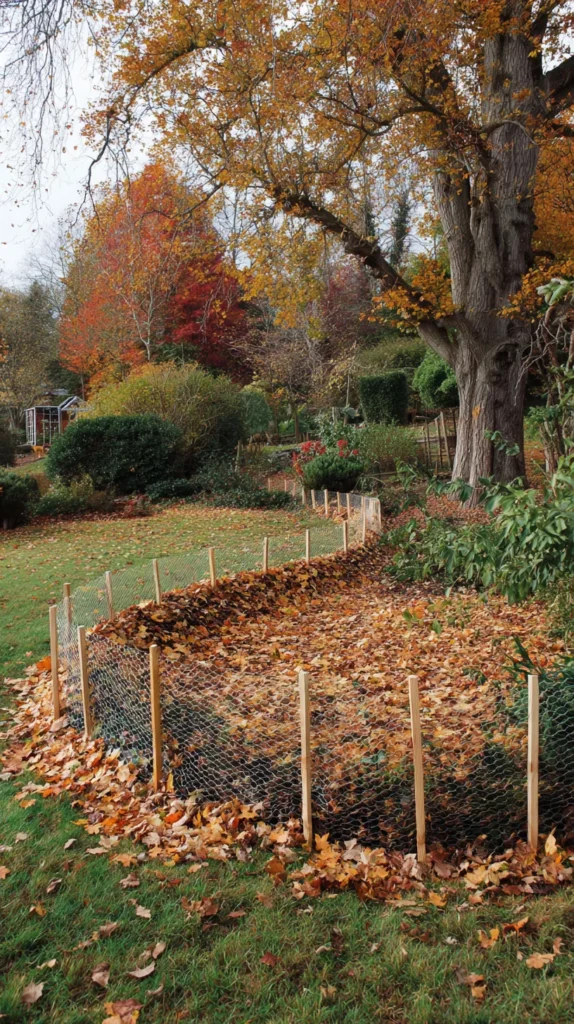
Autumn leaves are liquid gold for gardeners, but they break down slowly in a regular compost pile and can throw off your green-to-brown ratio. A dedicated leaf mold corral — a simple circular cage made from chicken wire and a few fence posts — is the perfect solution. Pack it with fallen leaves, keep them moist, and wait.
After one to two years, the leaves will transform into a dark, crumbly material called leaf mold, which is an exceptional soil conditioner and mulch. Set up your leaf mold corral this Earth Day so it’s ready to fill come fall, and you’ll be harvesting gorgeous leaf mold by next spring.
10. Compost with Cardboard as Your Brown Base
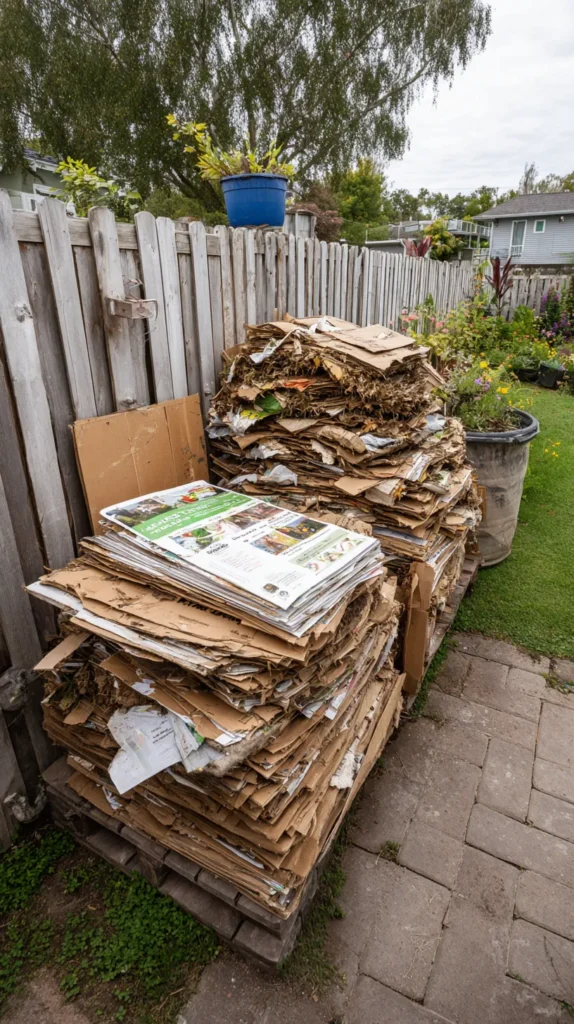
One of the easiest ways to manage your compost’s carbon-to-nitrogen ratio is to keep a stack of broken-down cardboard boxes near your bin. Cardboard is an excellent brown material — it’s carbon-rich, widely available, and breaks down reliably.
Tear it into smaller pieces (removing any tape or staples first), dampen it slightly, and layer it between your kitchen scraps to prevent odors and maintain balance. You can also use cardboard as a weed-suppressing base layer in new garden beds, topped with finished compost — a technique called sheet mulching that builds soil structure while smothering weeds.
11. Set Up a Kitchen Scrap Collection Station

One of the most common reasons people abandon composting is the inconvenience of trekking outside with every handful of scraps. Solve this with a dedicated kitchen scrap collection station — a countertop crock, a small stainless steel bin with a lid, or even a repurposed container with a tight-fitting top. Keep it near the sink and empty it into your outdoor bin every day or two. Charcoal filters in the lid keep odors at bay. When collecting scraps feels easy and seamless from inside the house, composting becomes a habit rather than a chore.
12. Compost Your Paper and Cardboard Egg Cartons

Paper egg cartons, paper bags, newspaper, paper napkins, and coffee filters are all excellent compostable materials that most people don’t think to include. They count as brown, carbon-rich material and break down quickly when torn or shredded and kept moist.
This Earth Day, take stock of all the paper-based waste your household generates and start diverting as much of it as possible to the compost pile rather than the recycling bin. Composting these items is often better for the environment than recycling them, since it builds soil rather than simply reprocessing material.
13. Plant a Compost-Feeding Herb Spiral
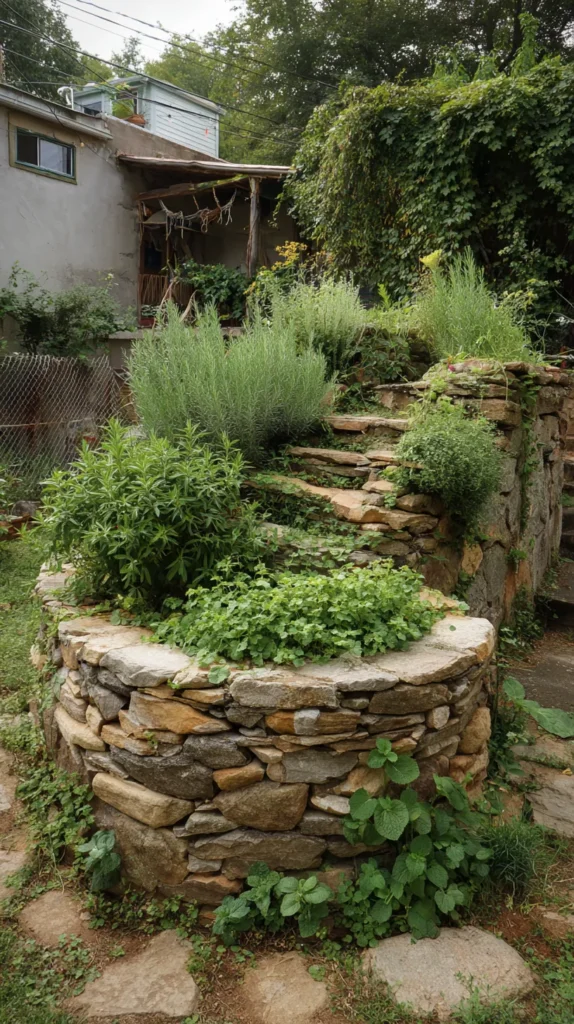
A clever garden design that pairs beautifully with backyard composting is the herb spiral — a raised, snail-shaped bed that creates multiple microclimates in a small footprint, accommodating herbs with different sun, moisture, and drainage needs.
Position your herb spiral near your compost bin so it’s easy to work finished compost into the bed regularly and add herb trimmings back to the pile. Mediterranean herbs like thyme, rosemary, and oregano go at the top for drainage, while moisture-loving herbs like mint and parsley nestle at the base. It’s a symbiotic, closed-loop growing system that embodies the spirit of Earth Day perfectly.
14. Host a Community Compost Swap

Earth Day is a communal celebration, and composting doesn’t have to be a solo activity. Organize a neighborhood compost swap where participants bring bags of finished compost to exchange with neighbors, along with seedlings, extra garden produce, or compostable scraps they want to contribute to someone else’s bin.
It’s a wonderful way to build community around sustainability, introduce newcomers to composting, and share the abundance that a well-managed bin produces. Post the event on a neighborhood app or community board and watch how many people are quietly curious about composting but don’t know where to start.
15. Track Your Compost’s Impact
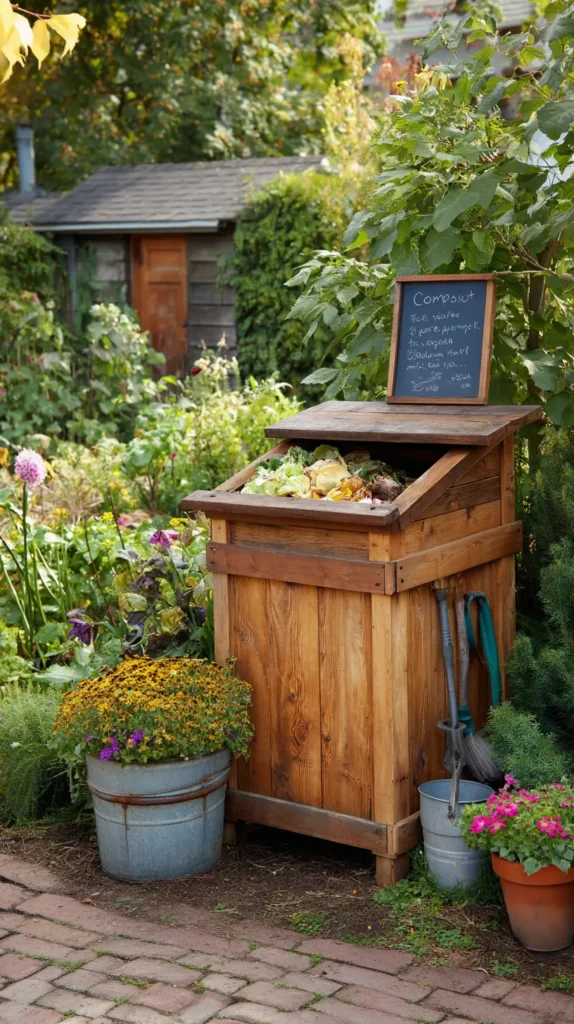
One of the most motivating things you can do for your composting practice — especially when you’re just getting started — is to track the impact of what you’re diverting from the landfill. Keep a simple journal or tally on the refrigerator noting how many pounds of kitchen scraps and yard waste go into your bin each week.
The EPA estimates that the average American generates about 4.4 pounds of waste per day, and a significant portion of that is organic material that could be composted. Seeing those numbers add up over weeks and months makes the practice feel genuinely meaningful, and it gives you something real to celebrate each Earth Day as your composting habit deepens.
The Bigger Picture
Backyard composting is one of those rare habits that benefits everyone and costs almost nothing. It feeds your garden, reduces landfill waste, lowers your household’s carbon footprint, and connects you in a tangible way to the natural cycles of growth and decay that sustain all life on earth.
You don’t need a perfect setup or encyclopedic knowledge to begin — a pile, some scraps, and a little patience are all it takes. This Earth Day, pick one idea from this list that feels manageable and give it a try. A year from now, you might find that what started as a holiday project has become one of the most rewarding habits of your life.