15 Closet Organization Ideas to Transform Your Storage Space
A well-organized closet can transform your daily routine, reduce stress, and make getting dressed a pleasure rather than a chore. Whether you’re working with a spacious walk-in or a compact reach-in closet, the right organizational strategies can maximize every inch of available space while keeping your belongings neat, accessible, and well-maintained.
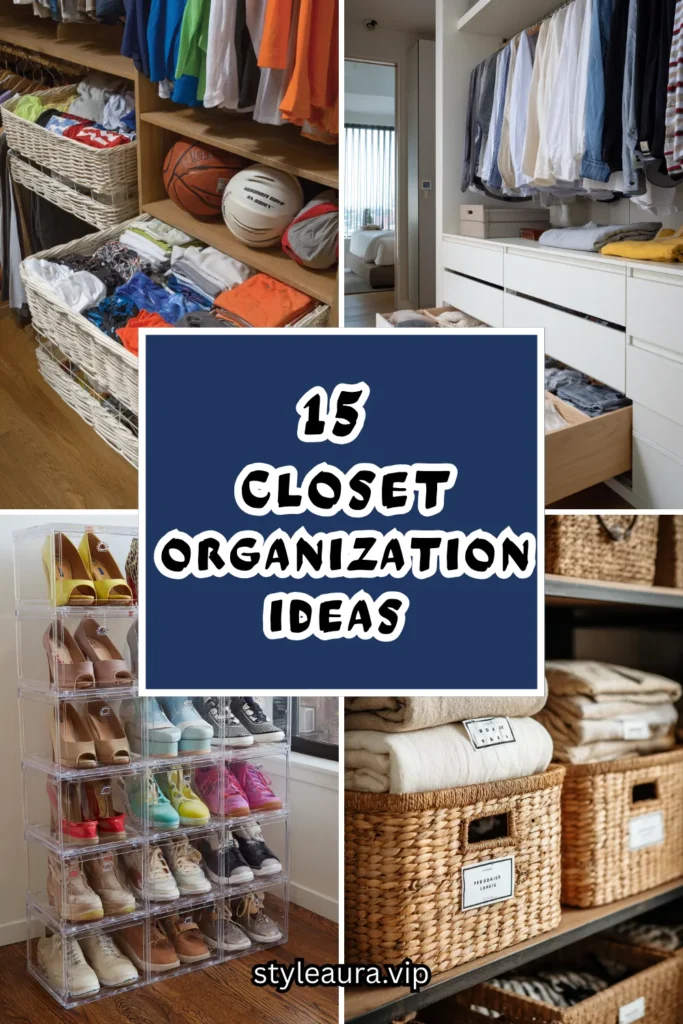
These fifteen closet organization ideas will help you create a functional and aesthetically pleasing storage system that works for your lifestyle.
1. Install Double Hang Rods
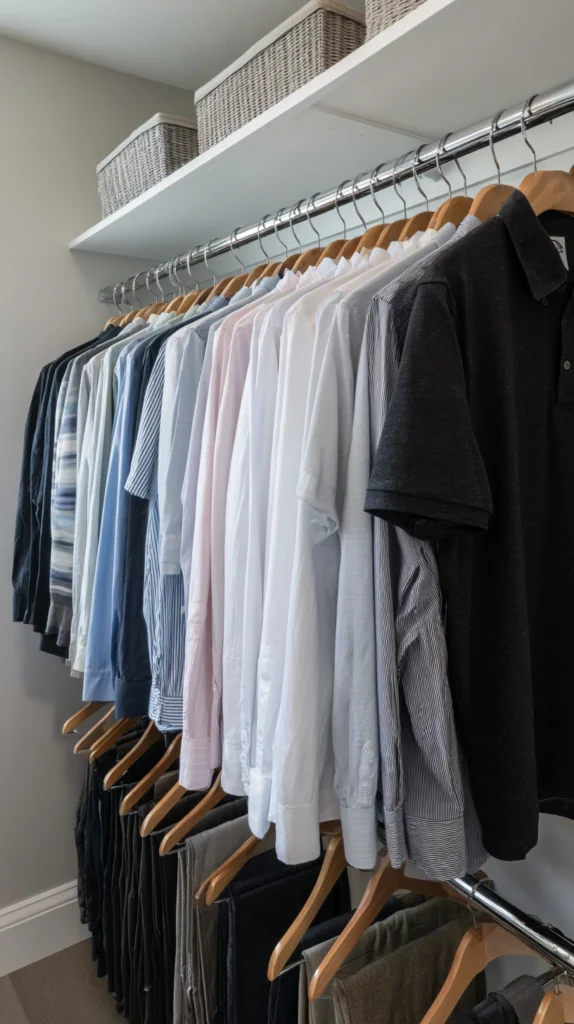
One of the most effective ways to instantly double your hanging space is by installing a second rod below your existing one. This works particularly well for shorter items like shirts, blouses, and folded pants.
The upper rod can hold items you access less frequently or out-of-season clothing, while the lower rod keeps everyday pieces within easy reach. This simple modification can transform a standard closet into a much more efficient storage system without requiring a complete renovation.
2. Use Uniform Hangers

Switching to matching hangers might seem like a purely aesthetic choice, but it actually serves multiple practical purposes. Uniform hangers create a streamlined appearance that makes it easier to see what you own, and they maximize space by eliminating the bulk that comes from mixing plastic, wire, and wooden hangers.
Slim velvet hangers are particularly effective because they prevent clothes from slipping while taking up minimal space. The visual coherence also makes your closet feel more like a curated boutique than a cluttered storage area.
3. Add Clear Shoe Boxes
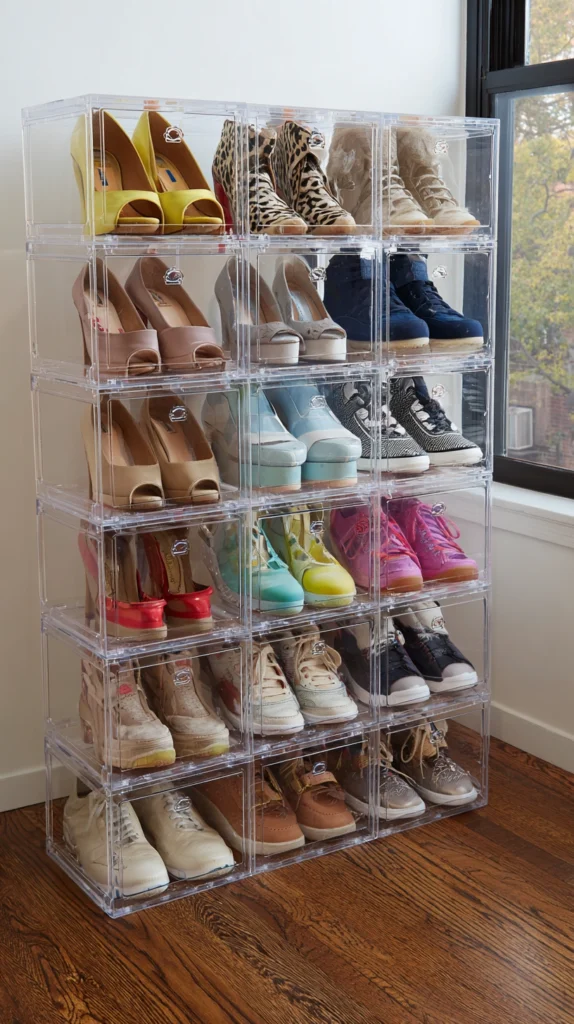
Storing shoes in clear, stackable boxes protects them from dust while keeping them visible and accessible. This method is especially useful for seasonal shoes or special occasion footwear that you don’t wear daily.
You can stack boxes vertically to make use of height, and the transparency allows you to quickly identify which pair you need without opening multiple containers. For added organization, consider adding labels or taking photos of each pair to attach to the box ends.
4. Install Shelf Dividers
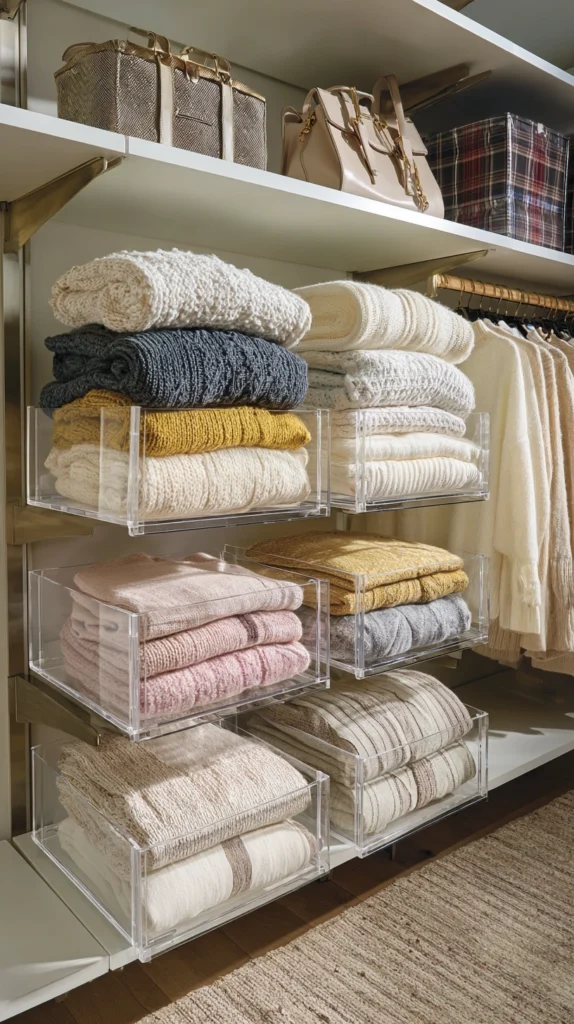
Shelf dividers are game-changers for keeping stacked items like sweaters, jeans, and handbags from toppling over into messy piles. These simple tools create designated spaces for each category of clothing, making it impossible for stacks to spread into neighboring sections. They’re particularly useful on deep shelves where items in the back can become forgotten. Adjustable dividers offer flexibility as your storage needs change with the seasons.
5. Incorporate Drawer Units
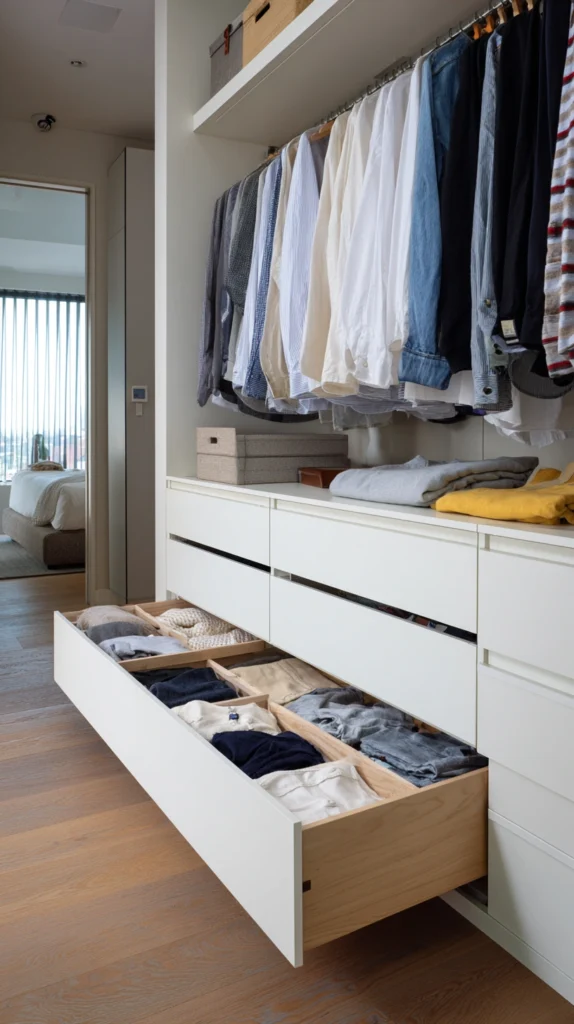
If your closet lacks built-in drawers, adding freestanding drawer units can provide essential storage for undergarments, accessories, and folded items. Small dresser units or modular drawer systems can fit under hanging clothes or against empty walls.
This keeps delicate items organized and prevents them from getting lost in bins or on shelves. Drawer units also create a cleaner look by concealing items that might otherwise create visual clutter.
6. Utilize Over-the-Door Storage
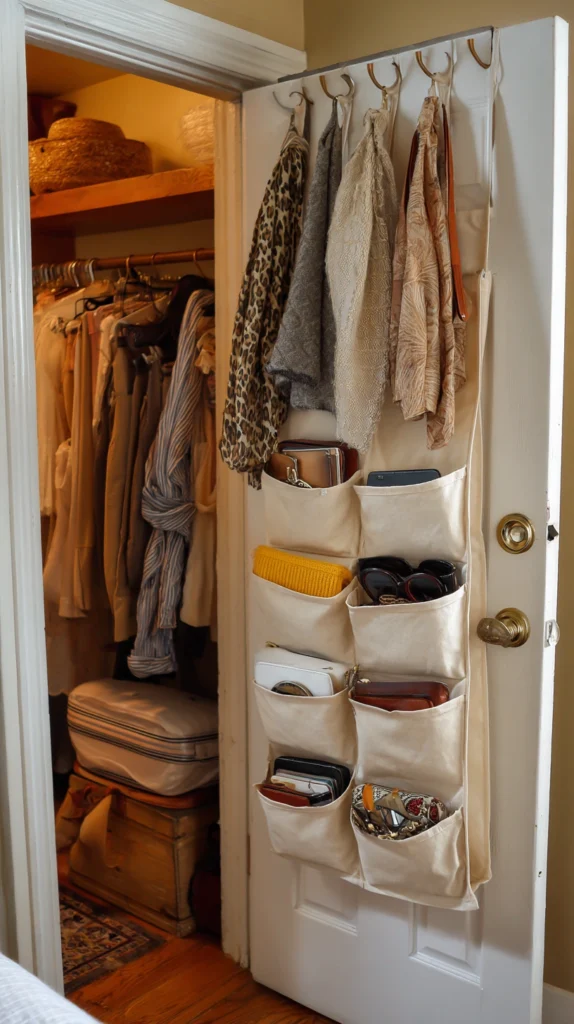
The back of your closet door is prime real estate that often goes unused. Over-the-door organizers can hold shoes, accessories, scarves, or even jewelry without requiring any installation.
Pocket organizers work well for small items like socks and belts, while hook systems can accommodate bags, robes, or frequently worn items. This strategy is particularly valuable in small closets where every surface needs to serve a purpose.
7. Create a Jewelry Organization System
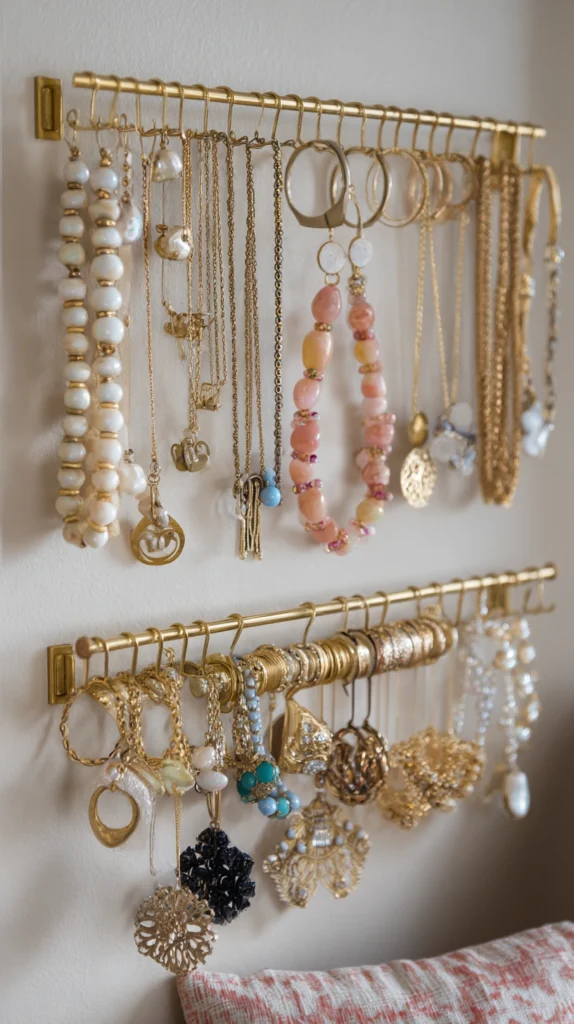
Keeping jewelry organized prevents tangling and damage while making it easy to coordinate accessories with outfits. Wall-mounted jewelry organizers, velvet-lined drawer inserts, or hanging jewelry holders can keep necklaces separated, earrings paired, and bracelets accessible.
For valuable pieces, consider a system that provides some security while still allowing you to see your collection at a glance. Good jewelry organization also helps you rediscover forgotten pieces and maximize your existing accessories.
8. Install Pull-Out Baskets or Bins
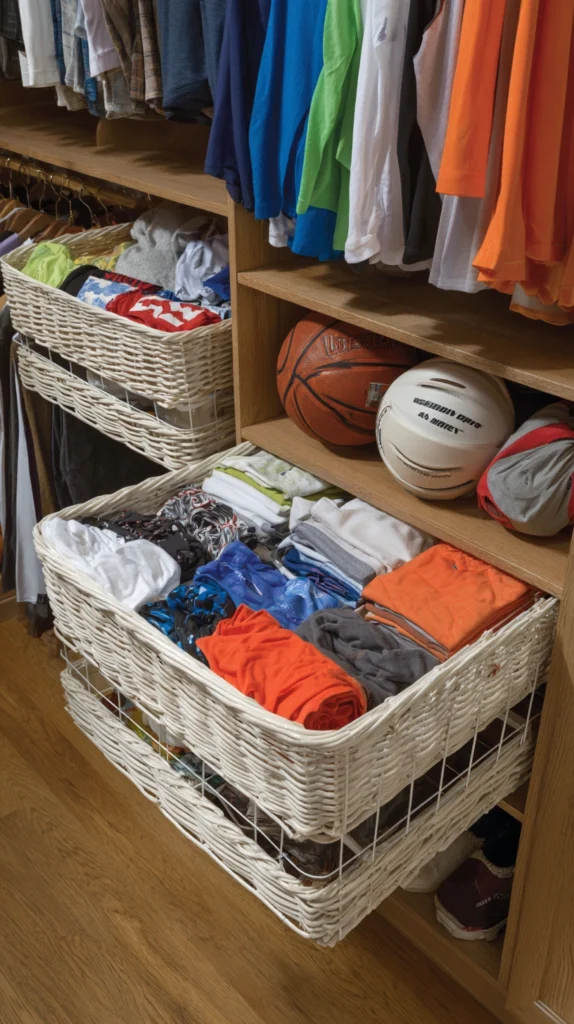
Pull-out wire baskets or fabric bins provide easy access to items that might otherwise get buried at the back of deep shelves. These work wonderfully for accessories, workout gear, or seasonal items.
The ability to fully extend the basket means nothing gets lost in the depths of your closet, and you can see everything you own without having to remove other items first. This accessibility encourages you to actually use what you own rather than repeatedly reaching for the same few items at the front.
9. Add Lighting
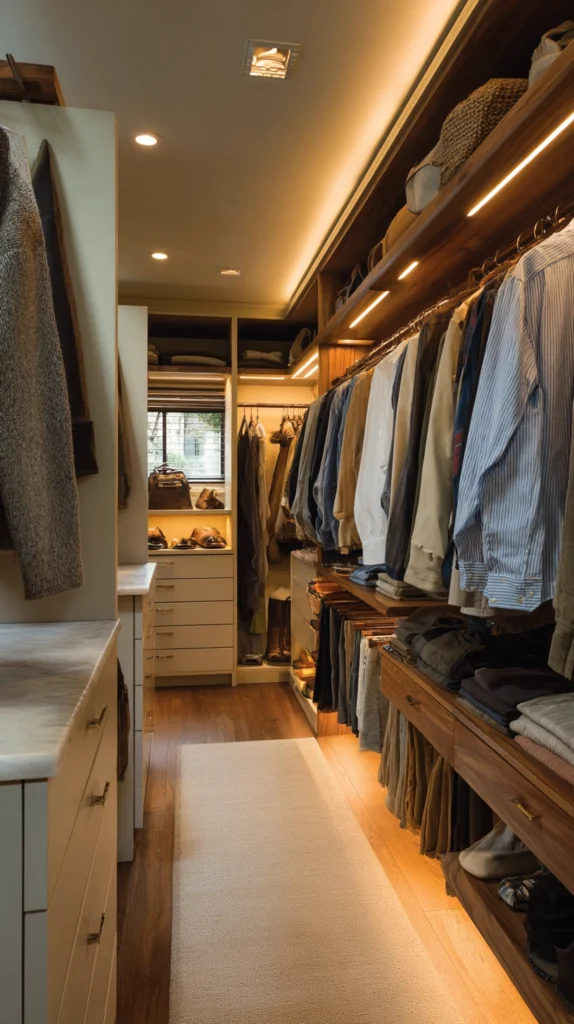
Good lighting transforms closet functionality, making it easier to see colors accurately and find what you need. Battery-operated LED strips or motion-sensor lights can be installed without electrical work and provide bright, even illumination.
Proper lighting is especially important in walk-in closets or spaces without windows. When you can clearly see everything, you’re less likely to buy duplicates and more likely to maintain your organizational system.
10. Use Vertical Space with Hooks and Pegboards
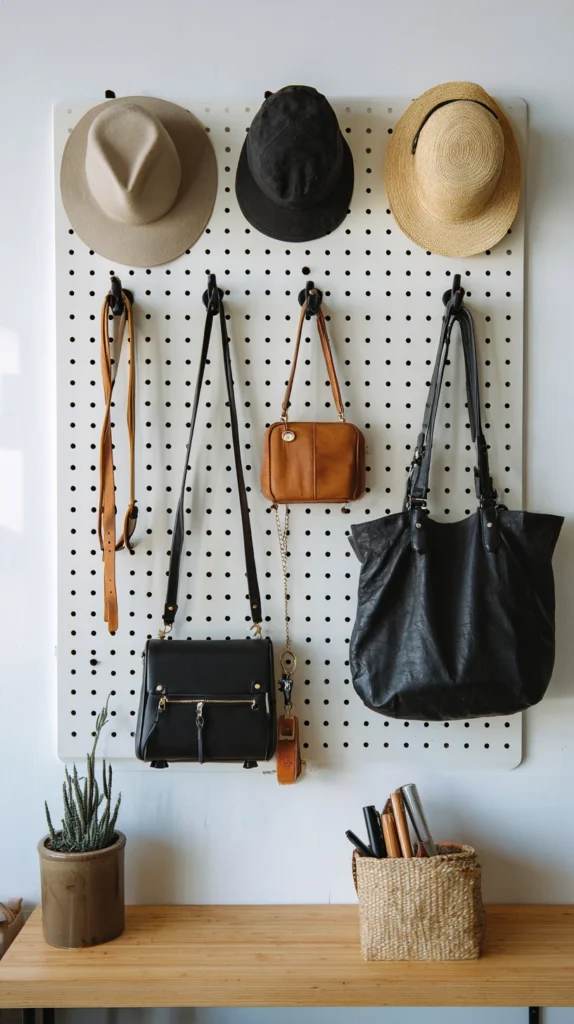
Maximizing vertical space means using your walls strategically with hooks and pegboards. Install hooks at varying heights for bags, hats, scarves, or statement necklaces. Pegboards offer customizable storage where you can arrange hooks, shelves, and baskets to suit your needs.
This approach keeps frequently used items visible and accessible while adding a decorative element to your closet. The flexibility of pegboard systems means you can reconfigure your storage as your wardrobe changes.
11. Implement the One-In-One-Out Rule

While not a physical organization tool, establishing a one-in-one-out rule maintains your newly organized closet long-term. When you purchase a new item, remove something you no longer wear.
This prevents accumulation and forces you to be intentional about what you keep. Regular editing ensures your closet contains only items you love and actually wear, making it easier to keep organized and reducing the overwhelming feeling that comes with too many choices.
12. Create Zones by Category
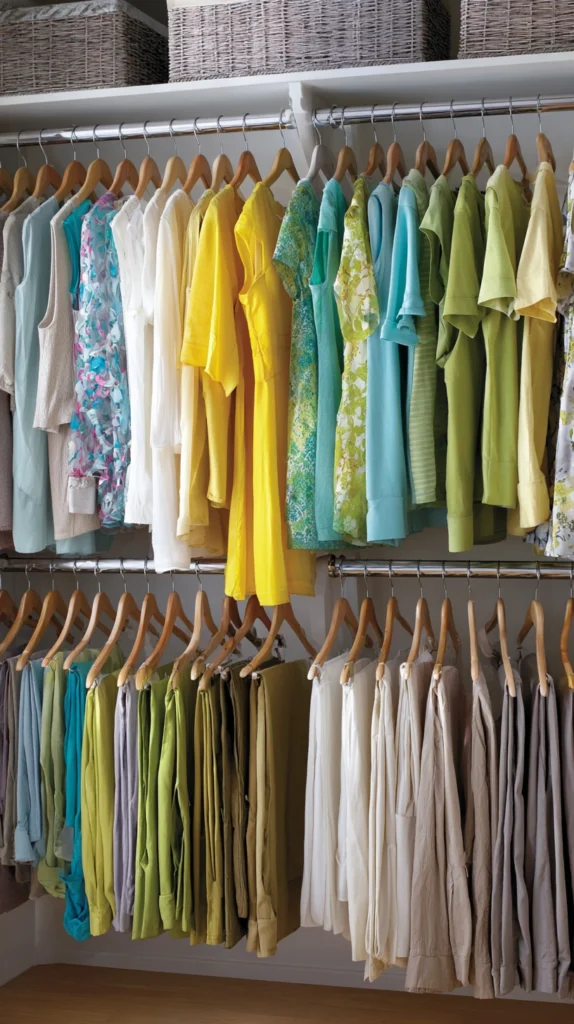
Organizing your closet by category rather than randomly distributing items makes getting dressed more efficient. Group all pants together, all dresses together, all sweaters together, and so on.
Within categories, you can further organize by color, season, or frequency of use. This systematic approach means you always know where to find what you need and can quickly assess what you own in each category. It also makes morning routines faster and less stressful.
13. Use Vacuum Storage Bags for Seasonal Items
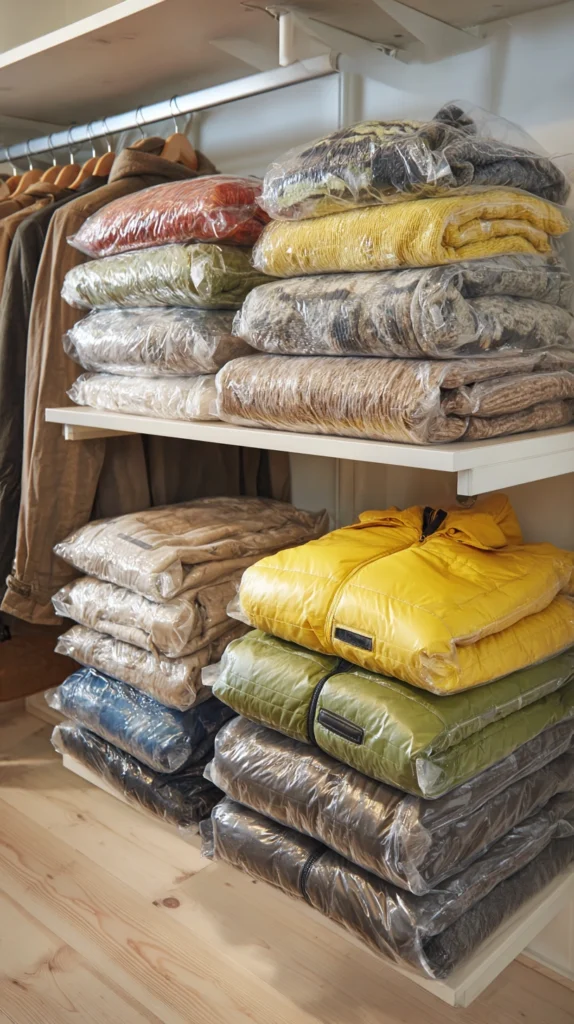
Bulky seasonal items like winter coats, heavy sweaters, and comforters can consume valuable closet space year-round. Vacuum storage bags compress these items to a fraction of their original size, allowing you to store them efficiently under beds, on high shelves, or in other out-of-the-way locations.
When the season changes, simply remove the items you need and vacuum-seal what you’re putting away. This rotation system keeps your active closet space focused on what you’re currently wearing.
14. Install a Full-Length Mirror
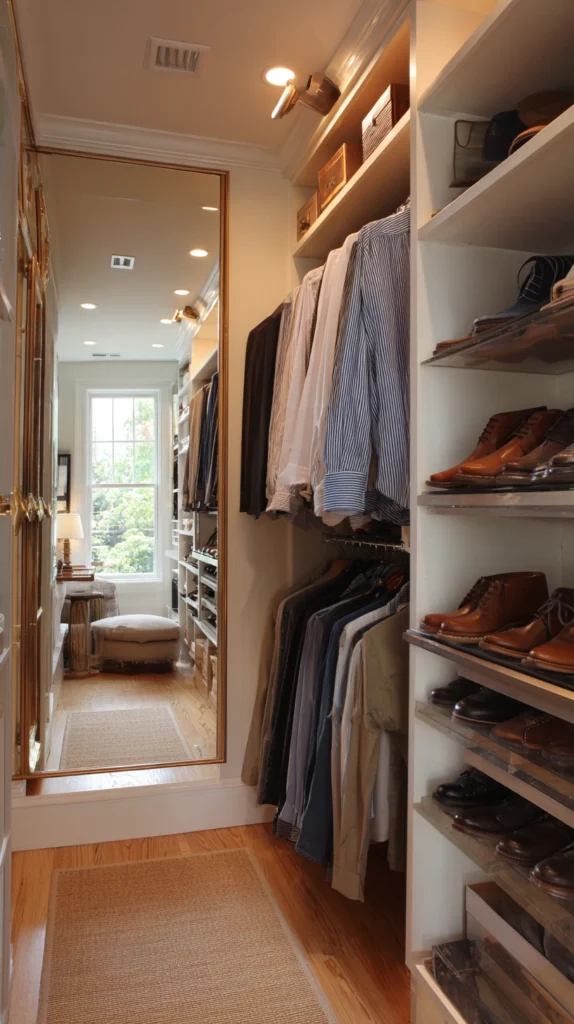
A full-length mirror inside or near your closet isn’t just functional for checking outfits; it can also make a small space feel larger and brighter. Mirrors reflect light and create the illusion of depth, which is particularly valuable in compact closets.
Position your mirror strategically to maximize these benefits while ensuring you can see your entire outfit. Some mirror systems even include hidden storage behind them for additional organization.
15. Label Everything
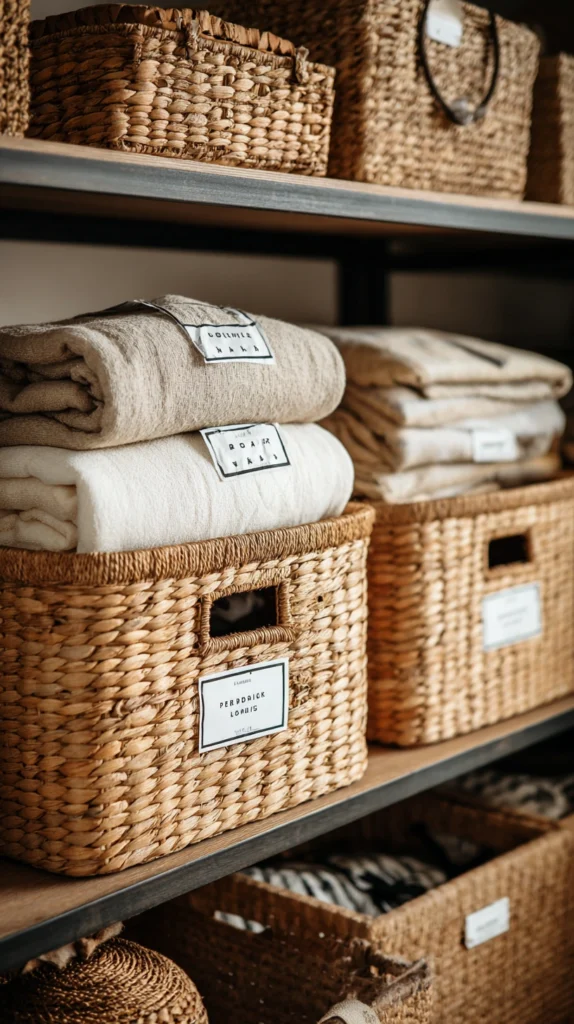
Labels might seem excessive, but they’re remarkably effective at maintaining organization, especially in shared closets or households. Clear labels on bins, boxes, and shelves ensure everyone knows where items belong and can return them to the correct location.
This is particularly helpful for seasonal storage, accessories, or items that aren’t used daily. Labels also help you commit to your organizational system and make it easier for other household members to respect your organization efforts.
Creating Your Perfect System
The most effective closet organization combines several of these strategies to create a personalized system that works for your specific needs, space constraints, and lifestyle. Start by completely emptying your closet, editing your belongings, and then implementing the organizational tools that make the most sense for what you’re keeping.
Remember that good organization should make your life easier, not create additional work. Choose solutions that you’ll actually maintain, and don’t be afraid to adjust your system as your needs evolve. A well-organized closet is an investment in your daily peace of mind and efficiency.