15 Brown Living Room Ideas for a Warm Inviting Space
Brown is one of the most underrated and most genuinely beautiful colors available to a living room. It is the color of the natural world at its most grounded and most comforting — the warm earth beneath our feet, the bark of ancient trees, the rich depth of aged timber and worn leather.
A brown living room done well creates a quality of warmth, shelter, and genuine domestic comfort that cooler more fashionable color palettes rarely achieve.
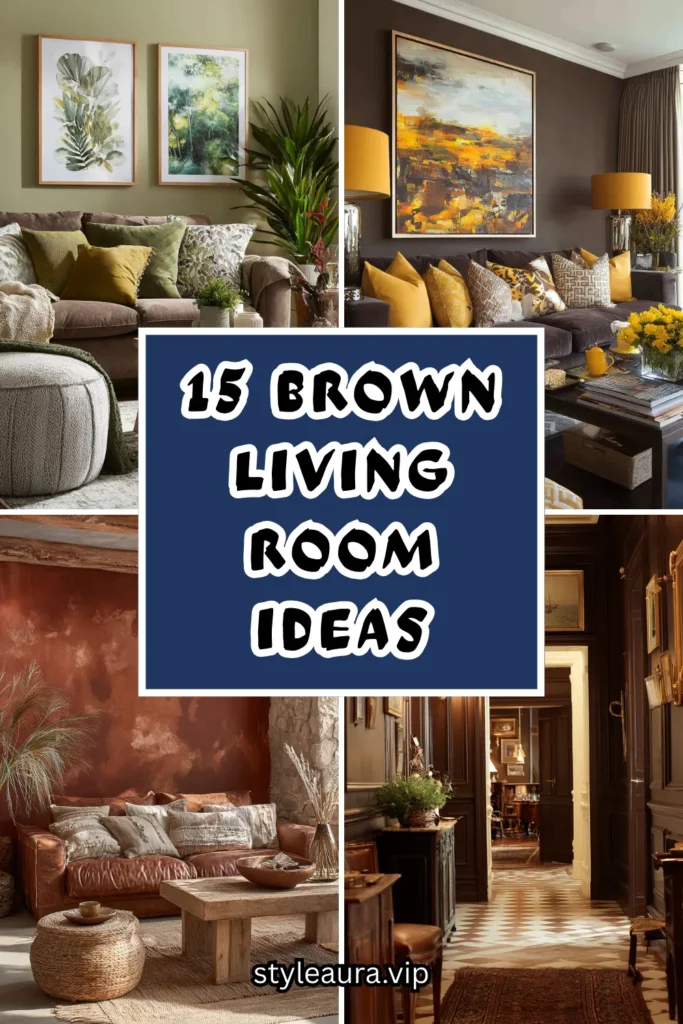
The challenge with brown is confidence. It requires commitment and layering — a single brown element in an otherwise neutral room looks heavy and unresolved. A room that commits fully to brown, layering it across walls, furniture, textiles, and accessories in varying tones and textures, creates something genuinely extraordinary — a living room of rich enveloping warmth that feels simultaneously sophisticated and deeply comfortable.
Here are 15 brown living room ideas that create a genuinely warm and inviting space.
1. Chocolate Brown Walls with Warm Cream Trim
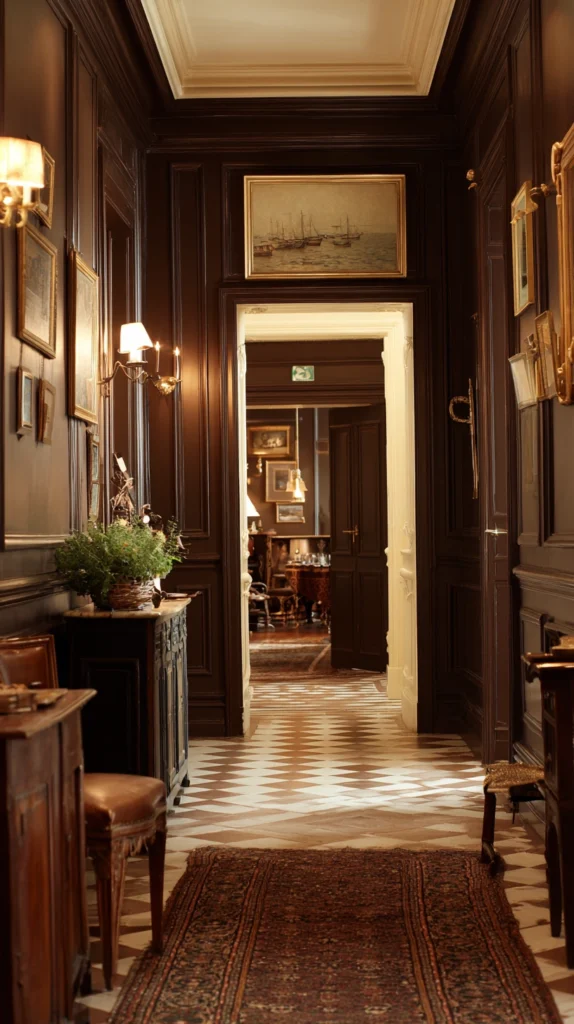
Chocolate brown walls with warm cream trim — skirting boards, cornicing, and window frames in a soft warm cream — creates a living room of rich enveloping warmth and genuine architectural elegance.
The cream trim gives architectural details clarity and definition while the deep brown walls create a quality of warm shelter that makes the living room feel genuinely cocooning. In evening lamplight chocolate brown walls glow with extraordinary depth and richness.
Pro Tip: Apply chocolate brown walls in a flat or very low sheen finish. Flat paint on deep dark walls absorbs light and creates the deep enveloping quality that makes a chocolate brown living room so beautiful. Higher sheen finishes on dark walls create visible light reflections that reveal every surface imperfection and significantly undermine the quality of the finished result.
2. Brown Leather Sofa as the Room’s Foundation
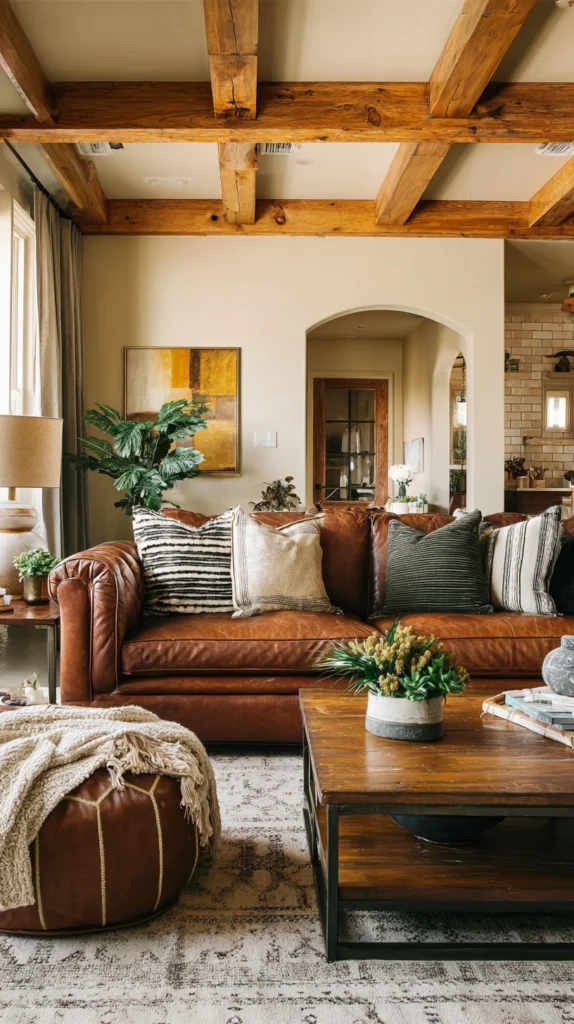
A brown leather sofa — in a warm chestnut, rich tan, or deep chocolate tone — used as the foundational piece around which the entire living room palette is built creates a room of genuine material warmth and considerable natural authority.
Brown leather improves with age, develops character with use, and creates a quality of settled permanent domestic warmth that no fabric sofa can quite replicate. Build the palette around the leather — warm whites, earthy terracottas, forest greens, and deep burgundies all work beautifully alongside it.
Pro Tip: Choose a brown leather sofa with a warm undertone tending slightly toward orange or red rather than cool grey-brown. Warm-toned brown leather in evening lamplight develops an extraordinary richness and depth that cool grey-brown leather entirely lacks in the same lighting conditions.
3. Layered Brown Tonal Living Room
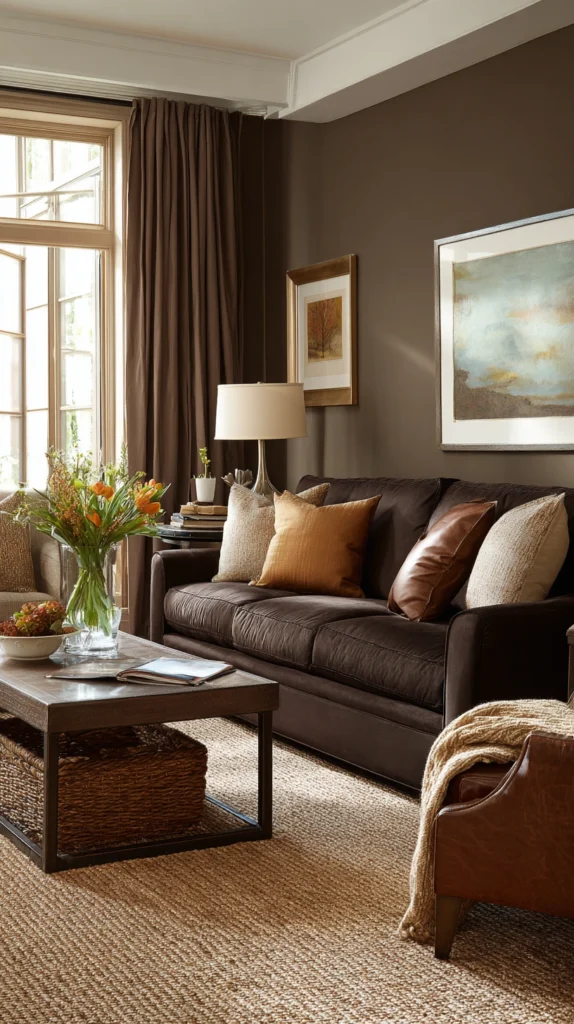
A living room built entirely within the brown tonal family — walls in warm taupe, sofa in deep chocolate, cushions in caramel, rug in natural jute, curtains in warm linen — with all variation coming from texture and tone rather than color creates the most complete and most deeply beautiful expression of brown as a design language. The layered brown tonal living room succeeds entirely on textural variation — smooth leather alongside rough linen alongside plush velvet alongside natural rattan.
Pro Tip: Include one deliberate element of natural contrast — a large indoor plant with deep green foliage, a botanical print, or a single ceramic piece — that provides the single point of natural contrast against which all the brown tones can be seen most clearly. Without any natural contrast reference a full brown palette can lose definition in certain lighting conditions.
4. Brown and Burnt Orange Living Room
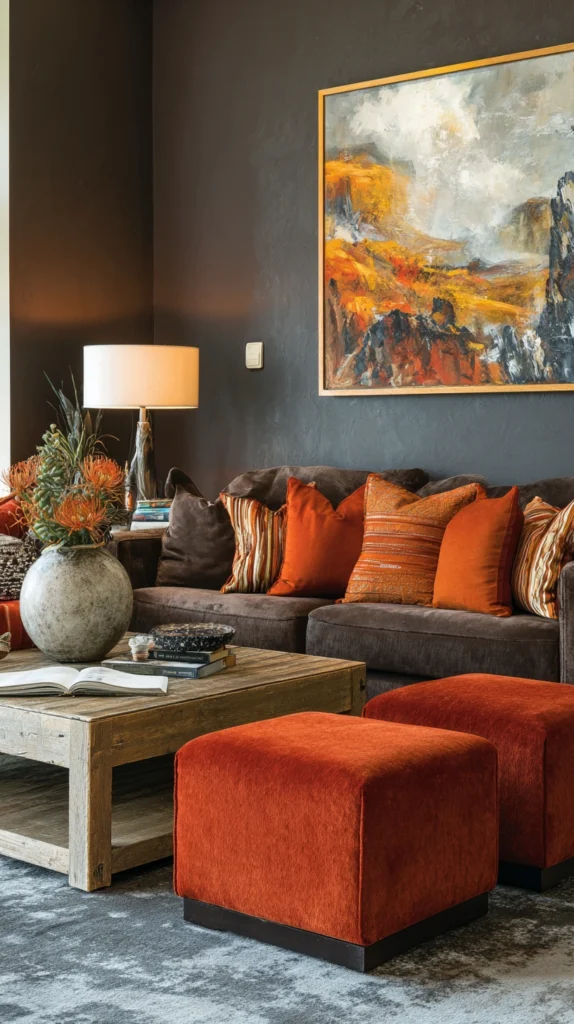
Brown alongside burnt orange creates a living room palette of ancient sun-baked warmth — two colors sitting in the same natural color family of warm clay, earth, and sun-dried organic material.
Burnt orange cushions on a brown sofa, burnt orange artwork on a brown wall, a terracotta throw against warm brown furnishings — each orange element amplifies the warmth of the brown and creates a living room of considerable color energy and genuine natural richness.
Pro Tip: Use burnt orange as a genuine accent in concentrated focal points rather than distributing it so evenly that it competes with the brown foundation as a dominant color. Burnt orange as a true accent creates a focal point and a sense of considered placement. Distributed too evenly it loses the energy and warmth that makes it such a powerful companion to brown.
5. Brown and Forest Green Living Room
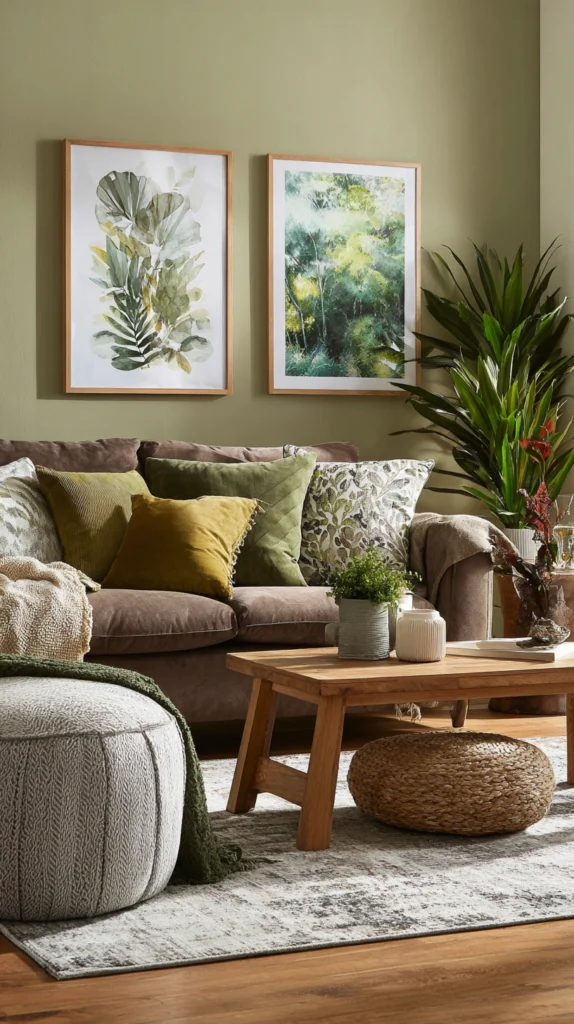
Brown alongside forest green creates one of the most naturally beautiful living room palettes available — the colors of bark and living foliage translated into a domestic interior of extraordinary natural depth.
Forest green and brown belong to the same natural world and their combination feels completely inevitable and completely beautiful. Forest green cushions, curtains, and botanical artwork alongside a brown sofa and warm timber furniture create a room of quiet natural sophistication.
Pro Tip: Choose a forest green with a warm slightly yellow-brown undertone rather than a cool blue-green. Warm greens tending toward olive or khaki share the earthy warmth of brown and sit harmoniously alongside it. Cool blue-greens create a temperature discord that prevents the natural organic quality of the pairing from fully resolving into the seamless natural beauty that warm green and brown achieve together.
6. Brown Living Room with Warm Brass Accents
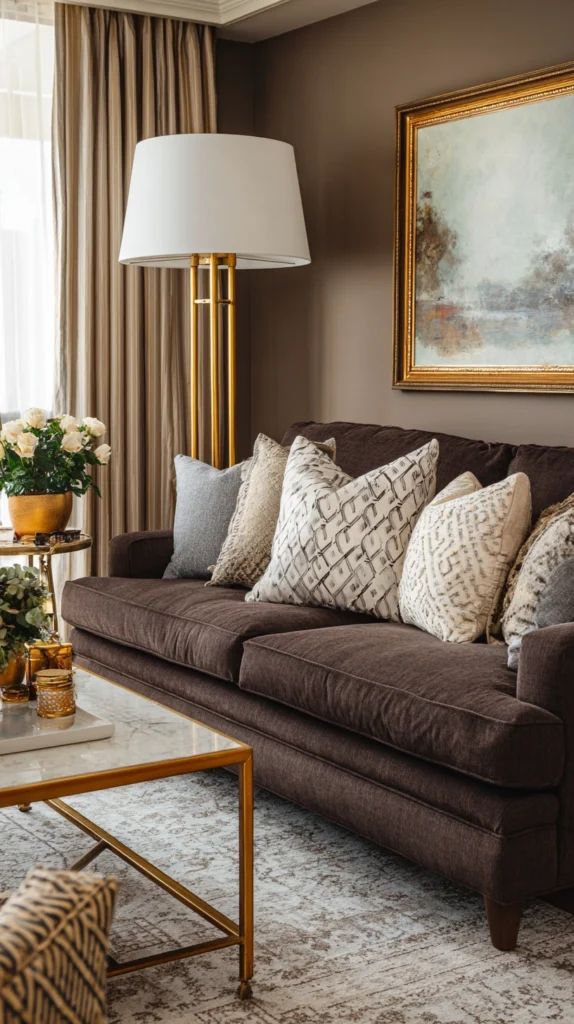
A brown living room with warm brass accents throughout — brass floor lamps, a brass-framed mirror, brass picture frame hardware, brass side table legs — creates a living room of quiet sophisticated warmth and genuine material beauty. The warm golden tone of brass shares the warm undertone of brown — both belonging to the same family of warm earthy tones — which is precisely what makes their combination so naturally and effortlessly beautiful.
Pro Tip: Use antique or brushed brass rather than bright polished brass throughout a brown living room. Bright polished brass has a hardness and high reflectivity that can feel slightly at odds with the soft matte warmth of a brown palette. Brushed or antique brass has a depth and muted quality that sits naturally alongside brown and amplifies its warmth without creating a jarring reflective contrast.
7. Brown and Cream Living Room
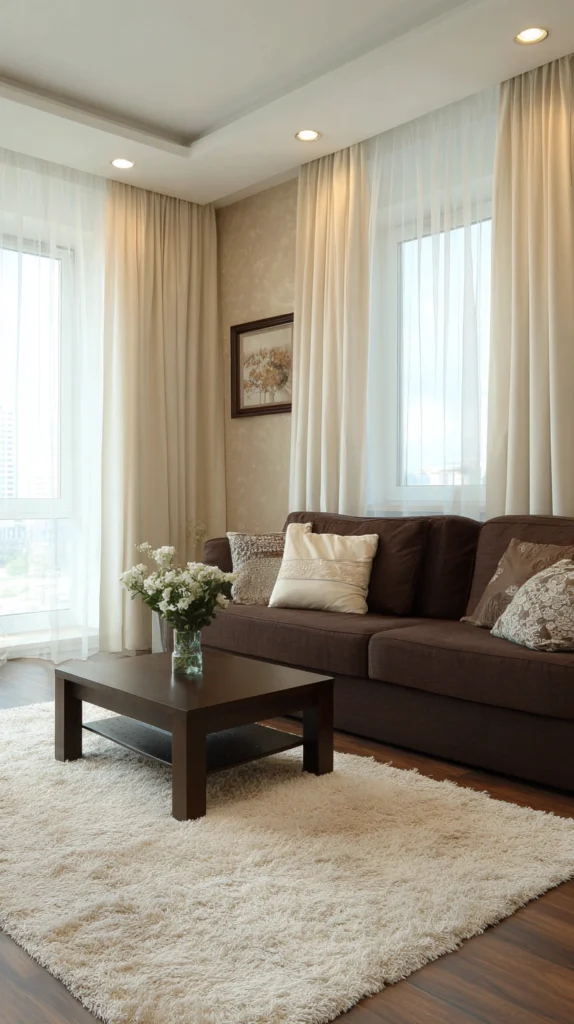
A living room built from brown and cream — walls in warm cream, sofa in rich brown, cushions in varying cream and caramel tones, curtains in natural ivory linen — creates a room of complete tonal harmony and extraordinary quiet warmth. The brown anchors the palette with earthy depth and the warm cream provides the lightness and luminosity that prevents the room from feeling too dark or too heavy.
Pro Tip: Use warm cream and ivory in the largest most light-reflecting surfaces — the walls, the curtains, the ceiling — and brown in the more grounded anchoring elements — the sofa, the coffee table, the floor rug. This distribution creates a living room that is warm and earthy at the furniture level while remaining light and airy overhead.
8. Brown and Deep Navy Living Room
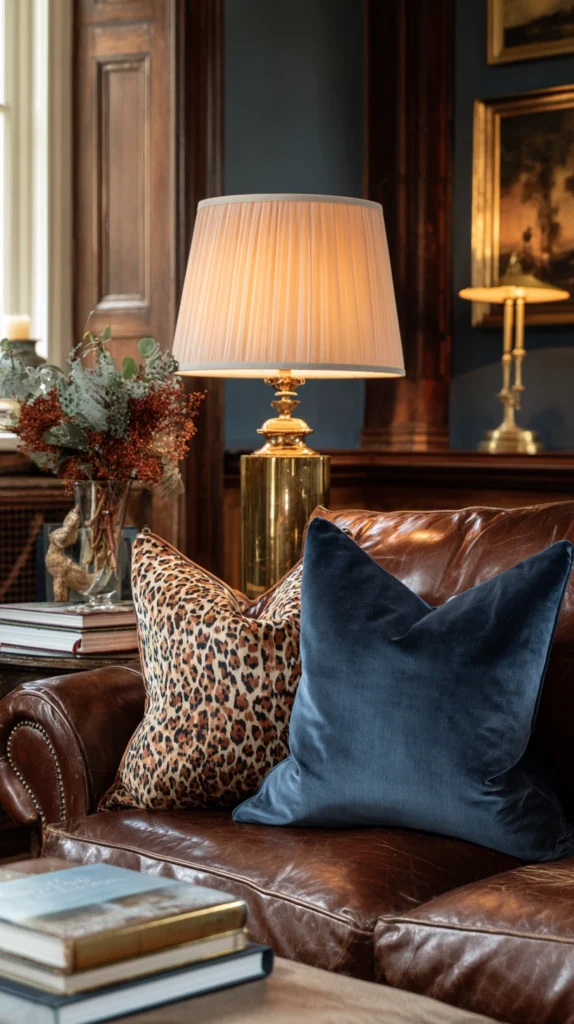
Brown alongside deep navy creates a living room of sophisticated considered elegance — the cool depth of navy and the warm richness of brown creating a tension of genuine visual beauty that makes each color appear more interesting in the other’s presence. The navy prevents brown from feeling too warm or too heavy. Brown prevents the navy from feeling too cold or too formal. The combination references the finest traditions of club and library interiors with a contemporary freshness.
Pro Tip: Introduce warm accessories — aged brass lamps, warm timber shelving, cream and ivory textiles — into a navy and brown living room to bridge the temperature difference. Without warm accessories a navy and brown combination can feel slightly disconnected. Warm accessories create the connecting warmth that makes the two colors feel like a deliberate resolved palette.
9. Brown Living Room with Natural Timber
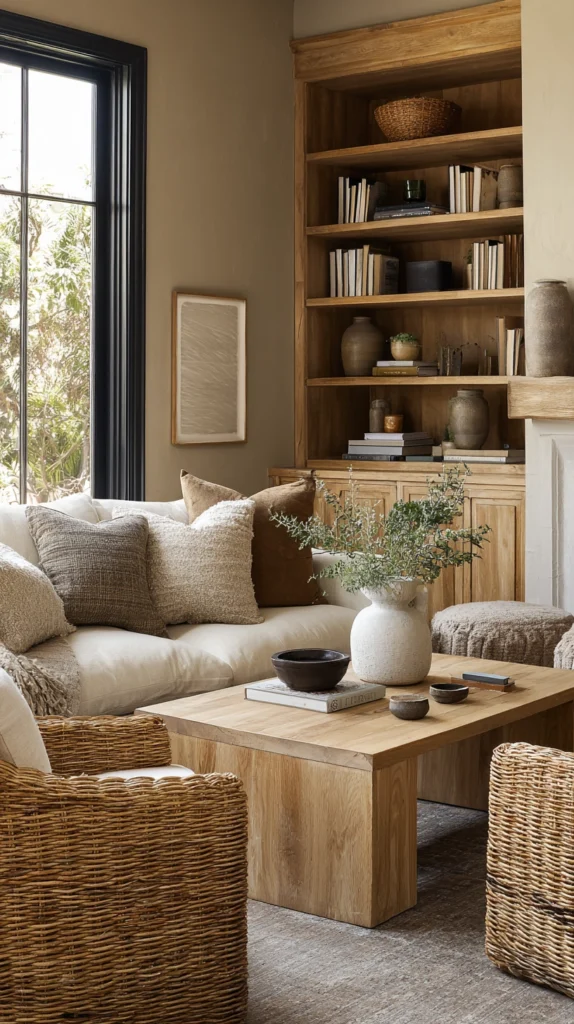
A brown living room furnished with generous natural timber — warm oak coffee tables, pine shelving, honey-toned rattan chairs, and natural timber flooring — creates a room of organic warmth and natural material completeness. The earthy brown of the walls and soft furnishings and the warm golden tones of natural timber belong to the same natural color family — creating a living room that feels assembled from materials found in the same landscape.
Pro Tip: Vary the timber tones across different wood accents rather than matching all elements to a single shade. Allowing different timber tones — some lighter, some warmer, some slightly darker — to coexist creates the collected organic quality that makes a naturally furnished brown living room feel genuinely personal and genuinely beautiful rather than showroom-assembled and slightly too perfectly coordinated.
10. Brown and Terracotta Living Room
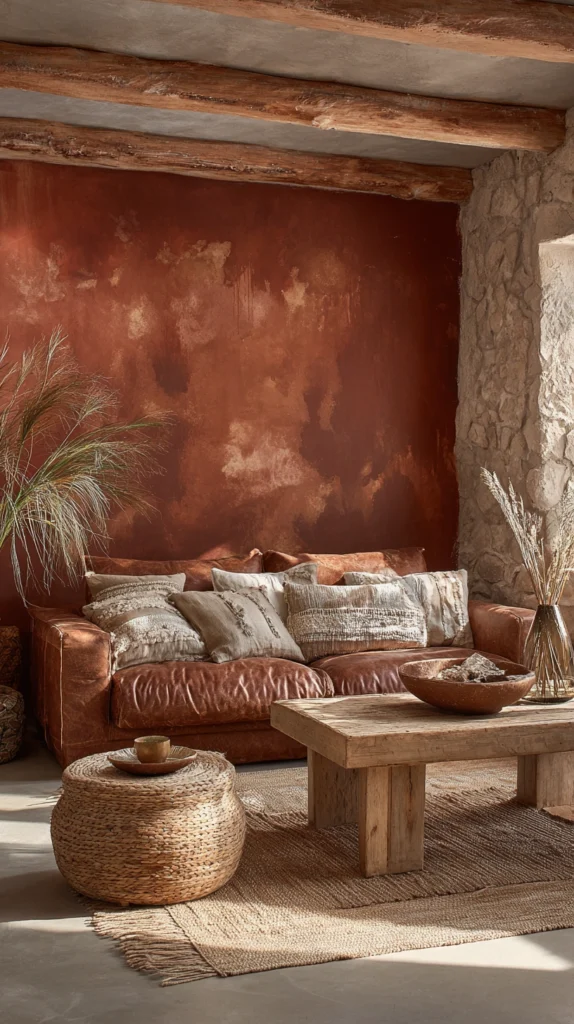
Brown alongside terracotta creates a living room palette of ancient Mediterranean warmth — two colors belonging to the same family of warm earthy clay-derived tones sitting together with complete organic naturalness. Terracotta walls with brown leather furniture, warm timber accessories, and natural textiles creates a living room of extraordinary warmth and genuine material richness that feels simultaneously ancient and completely contemporary.
Pro Tip: Use terracotta in a muted slightly brownish tone rather than vivid saturated orange alongside brown. The muted dusty version shares the earthy quality of brown and creates sophisticated organic warmth. Vivid saturated terracotta alongside deep brown creates too much contrast energy for a comfortable daily living environment.
11. Brown and Sage Green Living Room
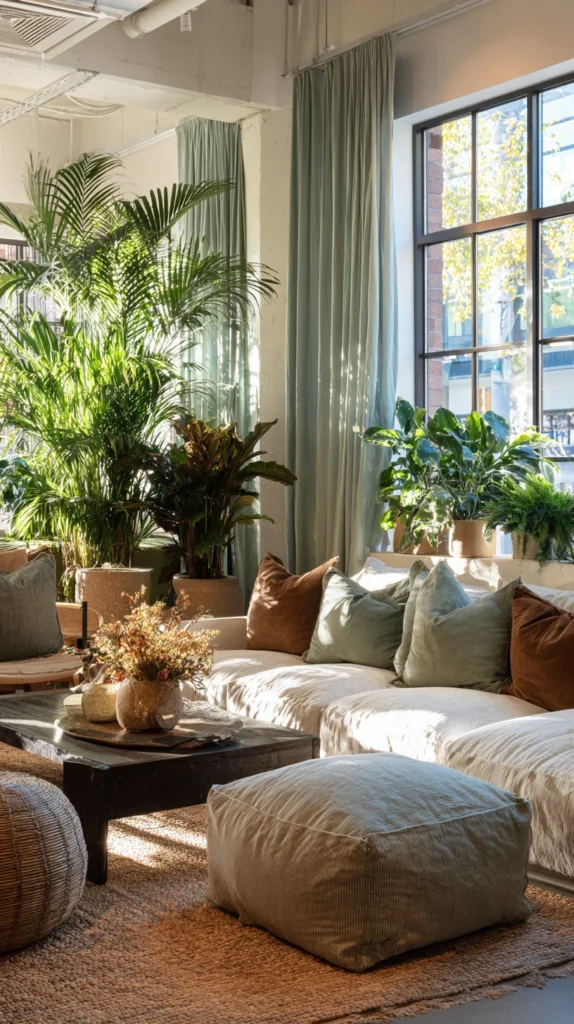
Brown alongside sage green creates a living room palette of extraordinary organic beauty — two of the most naturally occurring tones in the landscape combined in a room of complete harmonious naturalness.
The warm earthy brown and the muted grey-green of sage share the same quality of natural slightly desaturated color that makes their combination feel inevitable rather than designed. Sage green cushions, curtains, and accessories alongside brown furnishings create a room of quiet understated natural sophistication.
Pro Tip: Extend the sage green into the foliage elements of indoor plants and botanical artwork rather than using it only in fabric and paint. Plants in sage-toned and grey-green varieties reinforce the palette in the most natural and organic way possible — creating a visual consistency between the decorative elements and the living elements that ties the whole living room design together.
12. Brown Living Room with Velvet Accents
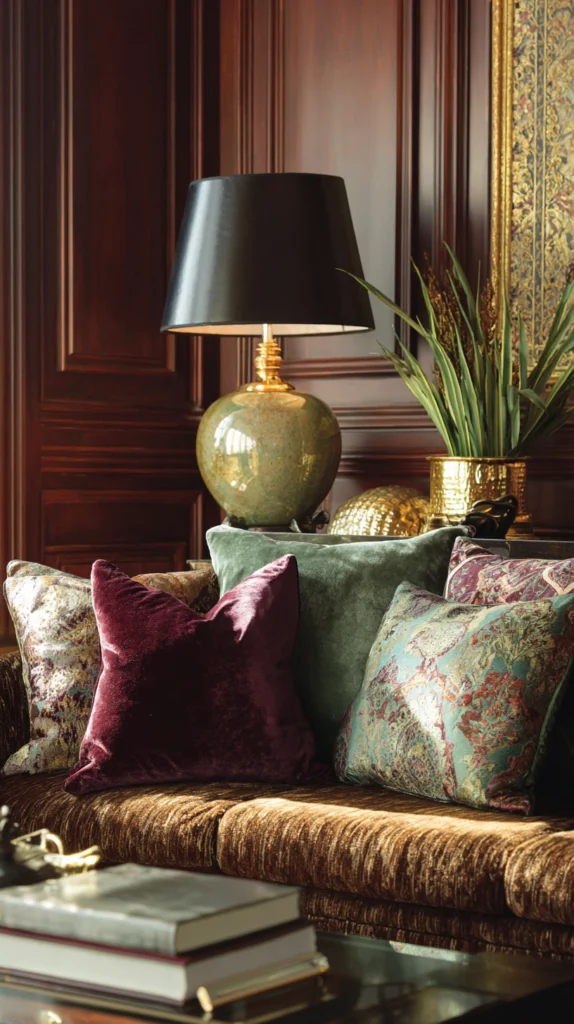
A brown living room enriched with velvet accent pieces — a deep plum velvet cushion, a forest green velvet armchair, a burnt orange velvet throw — creates a room of extraordinary sensory richness and genuine material luxury.
The depth and the light-shifting quality of velvet adds a dimension to the brown living room palette that no other textile material can provide — catching and holding warm lamplight in a way that creates an evening atmosphere of genuine considered luxury.
Pro Tip: Choose velvet accent pieces in tones that are deeper and more saturated than the surrounding brown palette rather than in the same tonal range. Deep jewel-toned velvets — deep plum, forest green, rich teal — against the warm earthy tones of a brown living room create the contrast that reveals the full beauty of both the velvet and the brown palette simultaneously.
13. Brown and Mustard Yellow Living Room
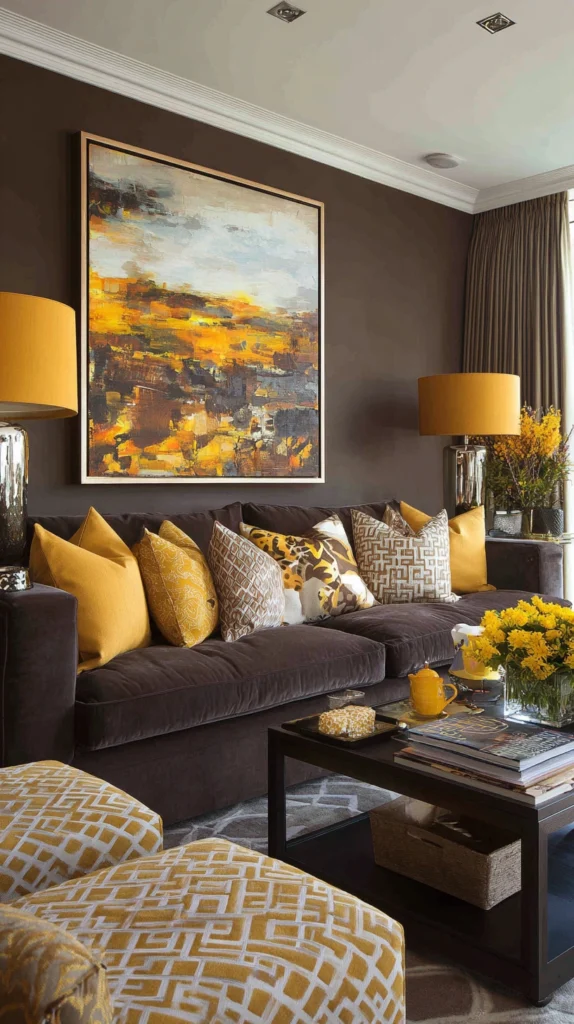
Brown alongside mustard yellow creates a living room of bold warm energy — the golden warmth of mustard amplifying and celebrating the warm undertone of brown in a combination of considerable visual vibrancy.
The two colors share a quality of warm earthy slightly sun-saturated richness that makes them natural companions. Mustard yellow cushions, a mustard artwork, and warm golden accessories alongside a deep brown sofa creates a living room of genuine bold warmth.
Pro Tip: Keep mustard yellow in warm consistent tones throughout the living room rather than mixing different yellows at different saturation levels. Mixed yellow tones create a fragmented palette that loses the warmth and coherence that makes mustard yellow such a powerful companion to brown.
A single consistent warm golden mustard used in multiple places creates the unified warmth that makes the brown and mustard palette so genuinely beautiful.
14. Brown Living Room with Exposed Brick
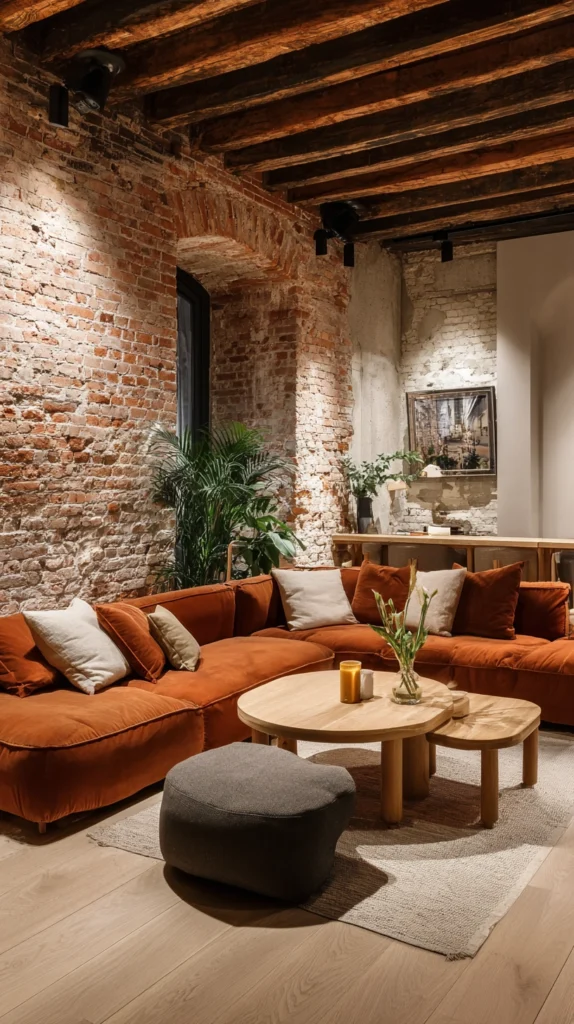
A brown living room with an exposed brick wall — the warm red-orange of old brick alongside warm brown walls and furnishings — creates a room of extraordinary material richness and genuine architectural warmth. Exposed brick and brown are natural companions — both warm, both earthy, both materials that improve with age and develop genuine character over time. The texture of exposed brick creates visual interest and material depth that painted walls alone cannot provide.
Pro Tip: Seal exposed brick walls with a clear masonry sealant to prevent dust, mortar particles, and brick debris from entering the room.
Unsealed exposed brick creates a persistent fine dust that settles on furniture and surfaces throughout the room — a practical problem that significantly affects the cleanliness and comfort of the living room environment regardless of how beautiful the exposed brick wall looks.
15. Full Maximalist Brown Living Room
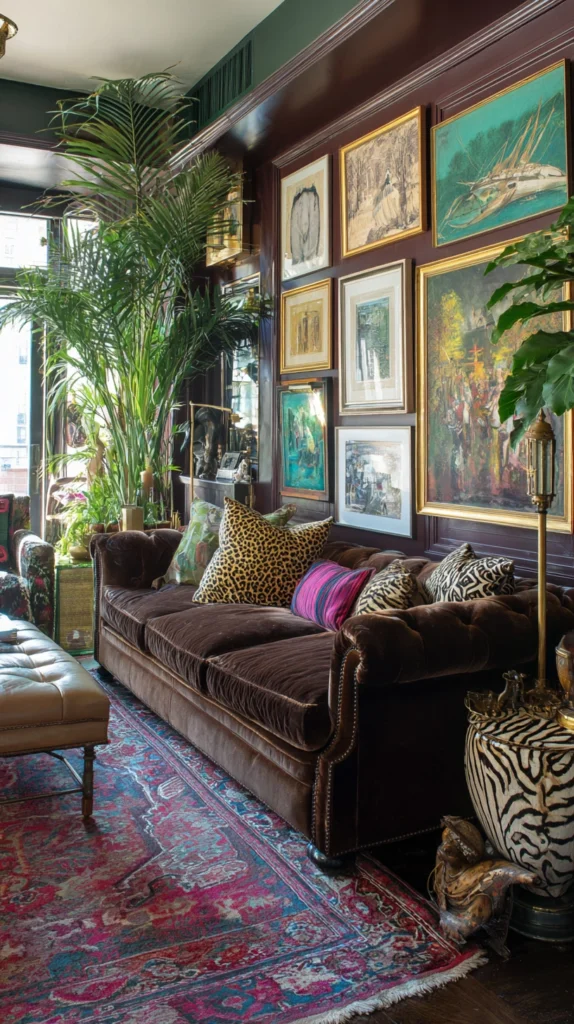
A maximalist brown living room — deep brown walls alongside layered brown and complementary toned textiles, abundant cushions and throws in jewel tones and earthy warm colors, generous plants, gallery wall artwork in warm timber frames, and warm brass accessories — creates a living room of extraordinary sensory richness and complete enveloping warmth.
Brown provides the strong cohesive base color that absorbs and unifies a wide variety of additional colors and textures without losing its identity or creating visual chaos.
Pro Tip: Maintain one consistent warm metallic accent — brass or aged gold — throughout a maximalist brown living room as the unifying material thread. The warm metallic recurring consistently in lamp bases, picture frames, and decorative objects creates a visual rhythm that gives the maximalist abundance coherent structure and prevents the richness from tipping into visual chaos.
Brown Is the Color of Home
Brown is the color of the natural world at its most sheltering and most warm — the palette of forest floors and sun-baked earth, of aged timber and worn leather. A brown living room created with genuine care and genuine material quality is a room that improves with every year of life lived within it. Choose your brown tones with confidence.
Layer them generously with natural materials and warm textures. And discover what a living room becomes when every surface carries the warmth and the quality of the most genuinely welcoming corner of the natural world.