15 Big Flower Garden Ideas
A big flower garden is one of the most ambitious and most rewarding horticultural undertakings available to a gardener with space, vision, and the willingness to commit to a planting that evolves and improves with every passing season.
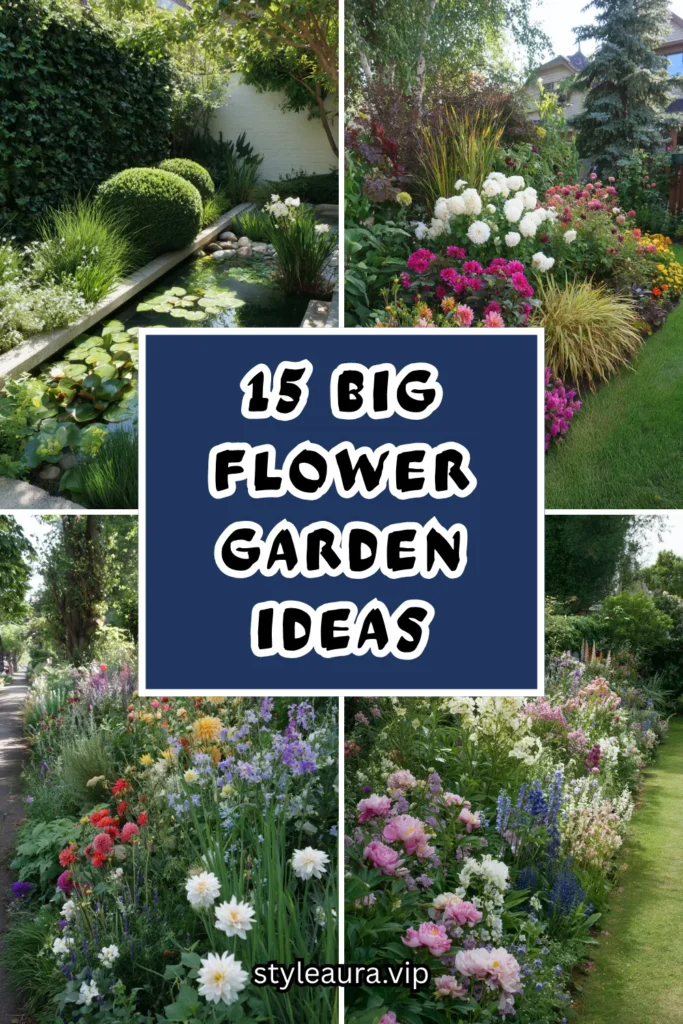
Unlike small container displays or modest border plantings, a large flower garden creates genuine landscape impact and becomes over time a deeply personal expression of the gardener’s tastes and care. Here are 15 big flower garden ideas that are inspiring, practical, and genuinely worth pursuing.
1. The Classic English Herbaceous Border
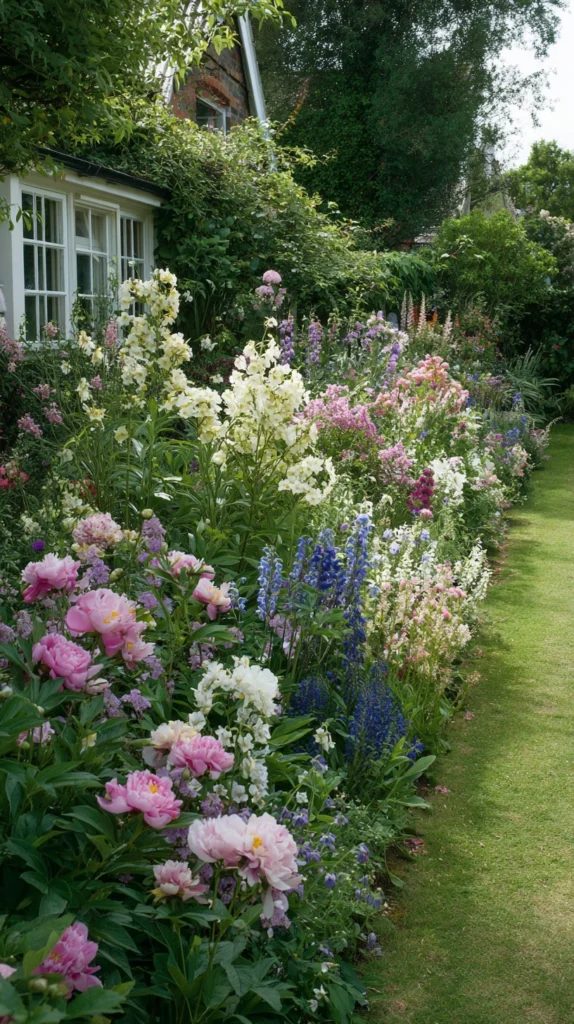
A wide, deep border planted with a carefully sequenced succession of perennial flowering plants provides continuous color from early spring through to late autumn.
Plant in generous drifts of odd numbers rather than individual specimens scattered without rhythm or repetition. A backbone of peonies, delphiniums, geraniums, and salvias supplemented with seasonal bulbs and late summer dahlias creates a border that peaks twice and holds interest throughout the entire growing year.
2. A Wildflower Meadow Garden
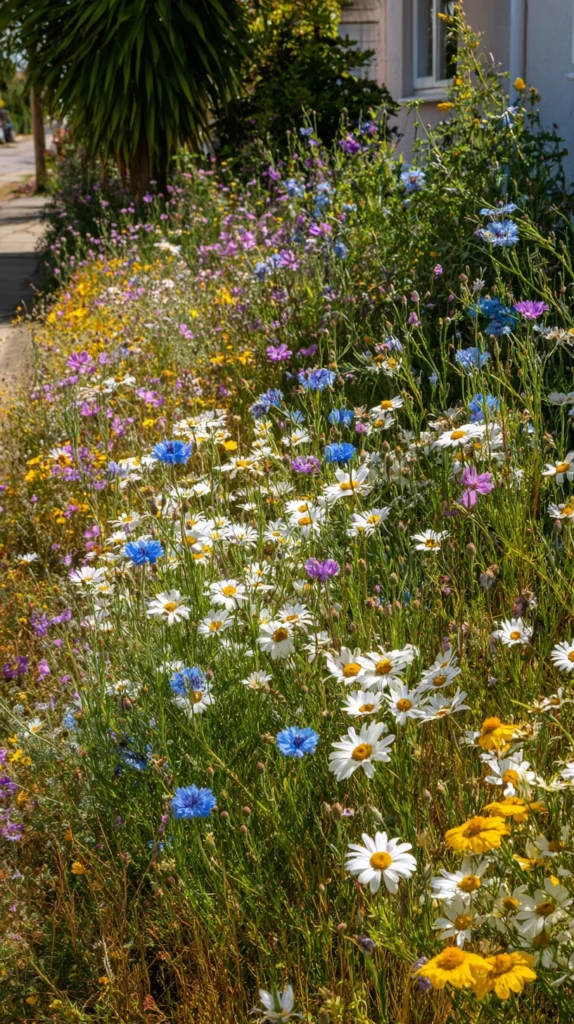
A large wildflower meadow covering a significant area creates a seasonal spectacle that moves from pale yellows and whites of early spring through the blues and purples of summer to the warm seed heads of autumn.
Prepare the area by removing existing turf and reducing soil fertility as wildflowers thrive in poor conditions where vigorous grasses would otherwise overwhelm them. An annual cut in late autumn followed by removal of cuttings maintains the meadow in its most species-rich condition year after year.
3. A Cutting Garden
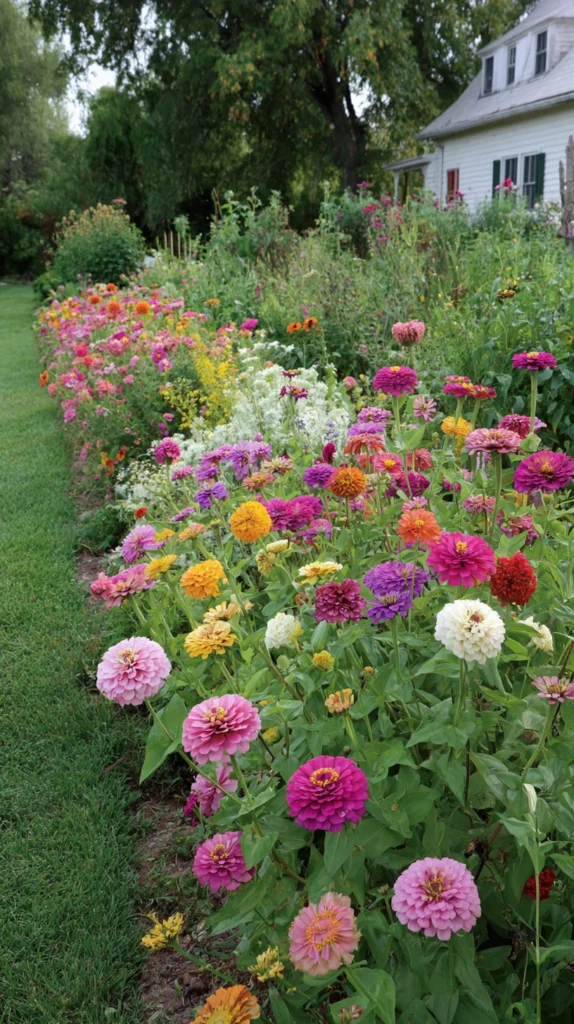
A large cutting garden planted in straight rows of dahlias, sweet peas, zinnias, cosmos, and rudbeckia provides weeks of cutting material through the summer and autumn months.
Unlike an ornamental border, a cutting garden is planted specifically for harvest allowing generous quantities of flowers to be cut without any visible impact on the garden’s appearance. Include a succession of early, mid, and late season varieties in each flower type to extend the cutting season from the first sweet peas of early summer to the last dahlias of autumn.
4. A Rose Garden
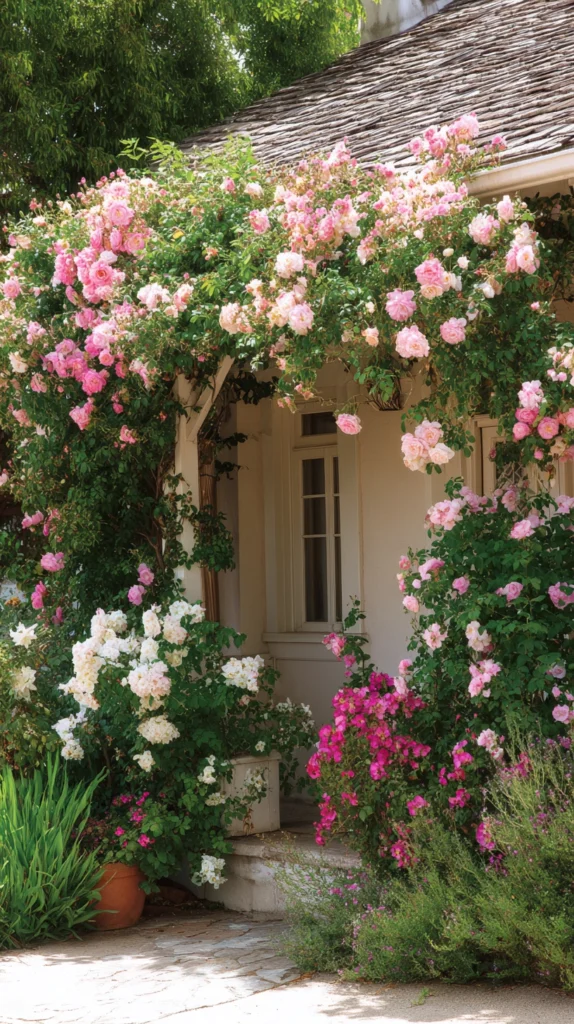
A dedicated large rose garden combining old garden roses, climbing roses on arches and pergolas, and modern repeat-flowering shrub roses creates a space of extraordinary beauty and fragrance from early summer through to autumn.
Design the garden with a clear structural framework of paths, pergolas, and low hedges that provides year-round architecture even when the roses are dormant. Underplant with alliums, hardy geraniums, catmint, and alchemilla mollis to extend the season and fill the gaps between rose stems beautifully.
5. A Formal Parterre Flower Garden
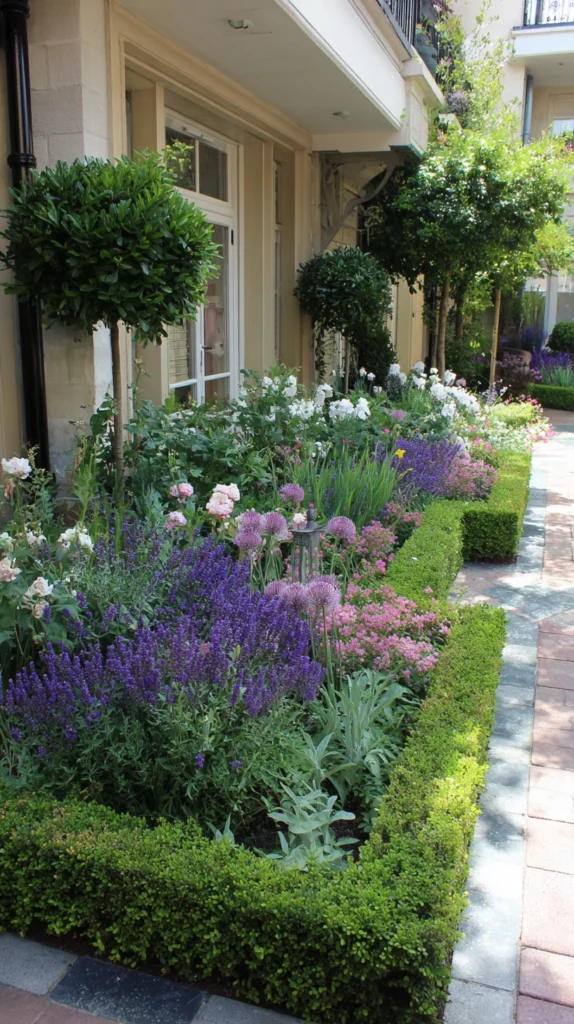
A formal parterre of geometric planting beds defined by low clipped hedges of box or lavender and filled with seasonal flowers in coordinated color schemes is one of the most architecturally impressive large flower garden styles available.
Design the parterre layout on paper first ensuring the geometric pattern reads well from above as this is the perspective from which it is most fully appreciated. Use bold single-color seasonal plantings within each bed rather than complex mixed plantings so the geometric framework remains the dominant design statement.
6. A Cottage Garden
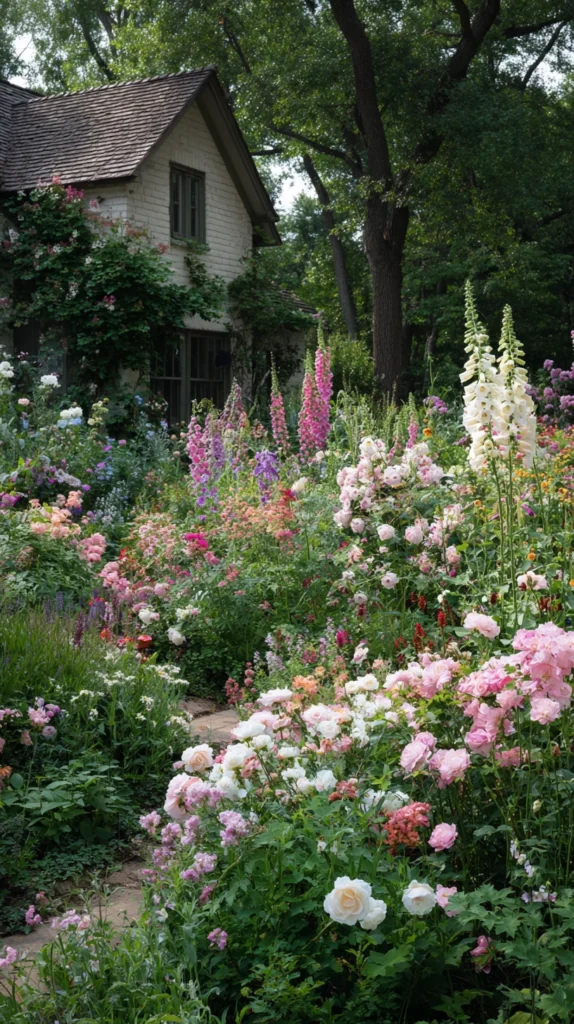
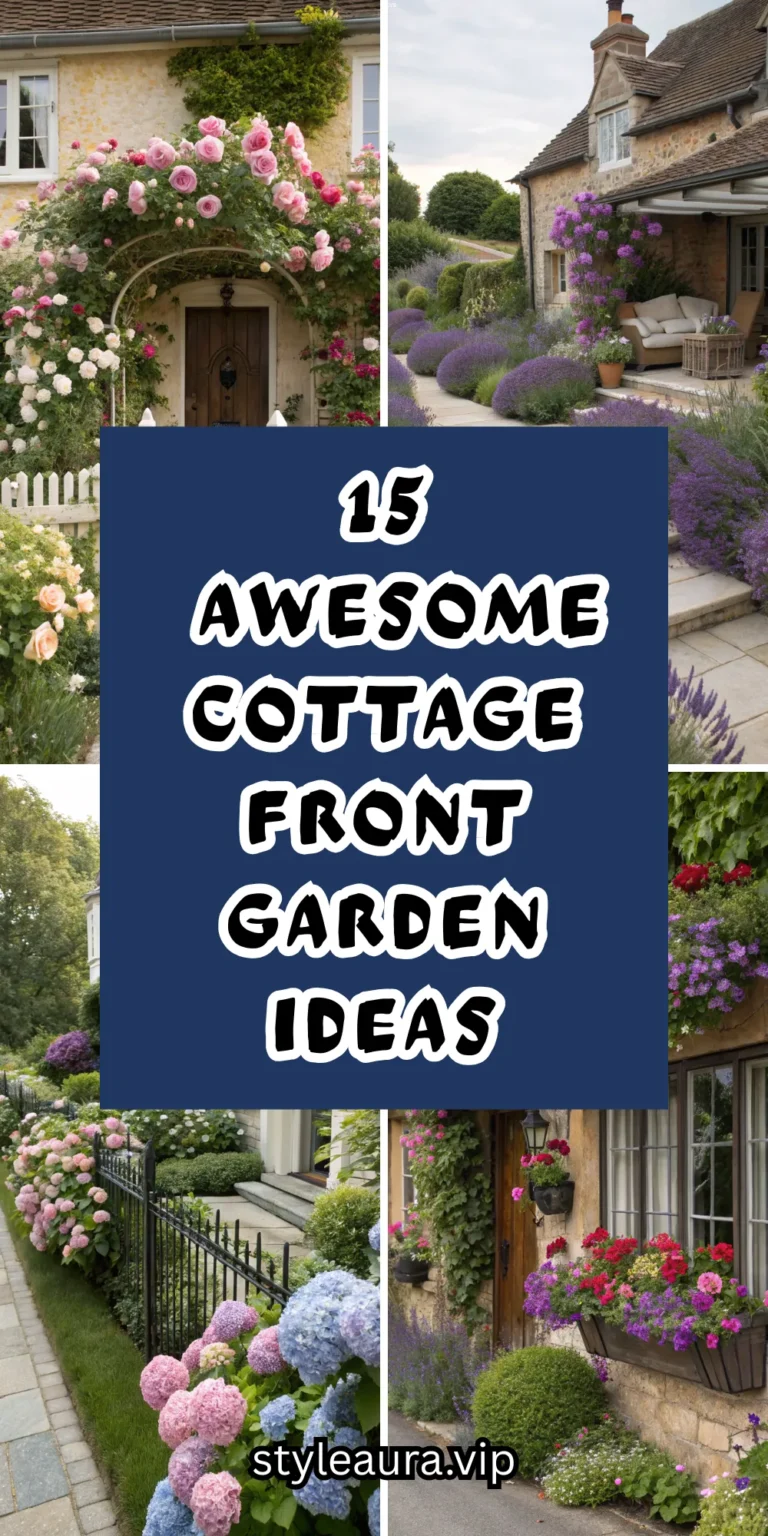
A large cottage garden of roses, perennials, biennials, and self-seeding annuals creates the impression of joyful abundance and natural generosity that defines the most beloved English garden tradition.
Establish a backbone of reliable perennials. roses, peonies, delphiniums, hollyhocks, and lupins. and allow self-seeding by leaving seed heads on plants after flowering. Foxgloves, aquilegia, honesty, and annual poppies establishing themselves naturally throughout the planting creates the spontaneous unstudied quality that defines the cottage garden aesthetic at its most genuine.
7. A Color-Themed Flower Garden
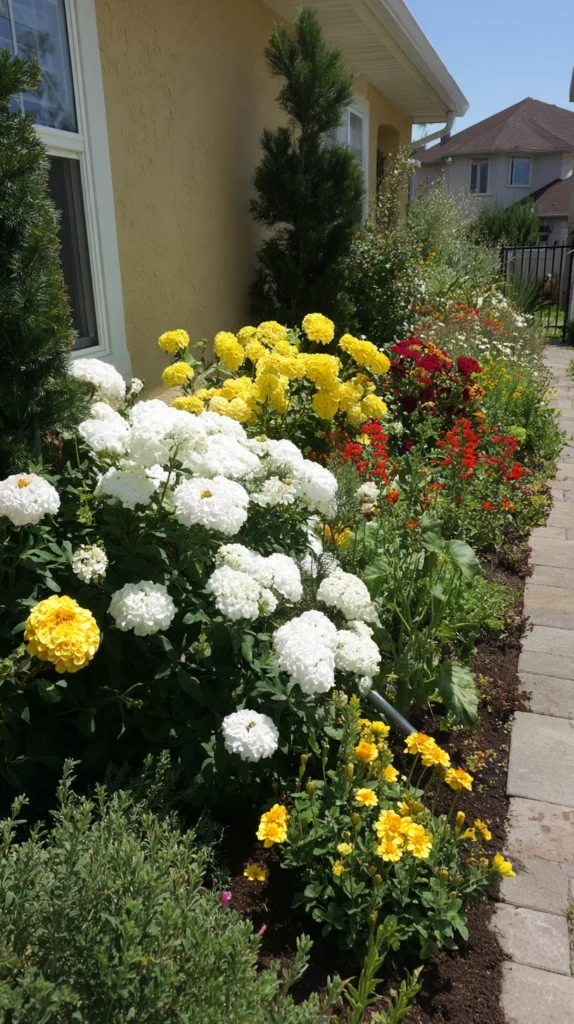
A large flower garden designed around a tightly controlled color palette. an all-white garden, an all-yellow garden, or a hot-colored garden of reds and oranges. creates a visual impact that a mixed-color planting of equivalent size cannot match.
White and pale colors create a cool romantic atmosphere particularly beautiful in the evening. Hot colors in red, orange, and yellow create energy and warmth. Cool purples and blues create a calm meditative quality that suits large gardens where restfulness is the primary design intention.
8. A Dahlia Garden
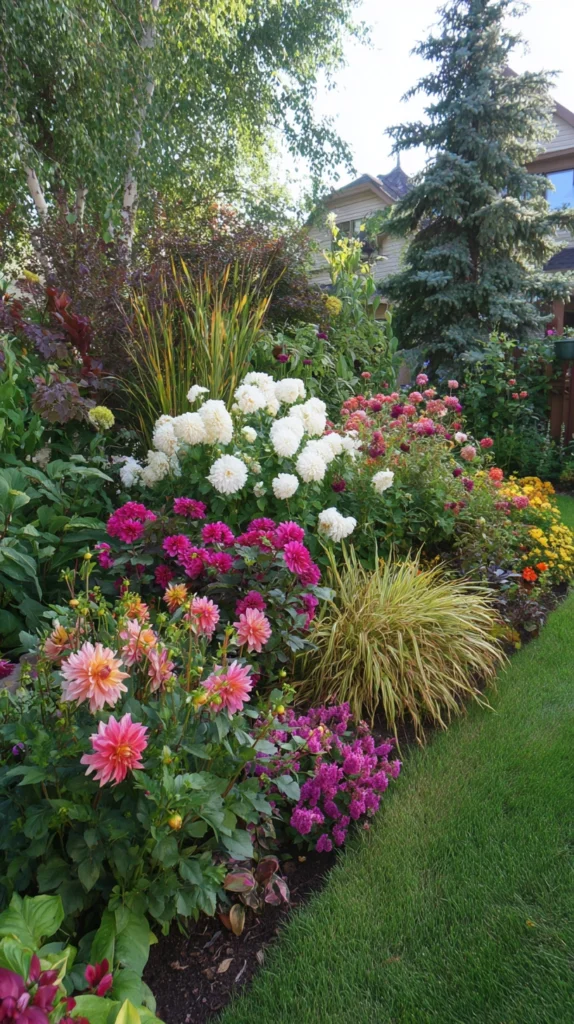
A large garden dedicated primarily to dahlias creates a display of breathtaking richness from mid-summer through to the first hard frosts of autumn.
Supplement the dahlias with dark-leaved cannas, ornamental grasses, and bronze fennel that provide the foliage backdrop against which dahlias perform most brilliantly. Feed generously with a high-potash fertilizer from midsummer onward to support the continuous prolific flowering that makes a large dahlia garden so spectacular through the entire second half of the growing season.
9. A Prairie-Style Flower Garden
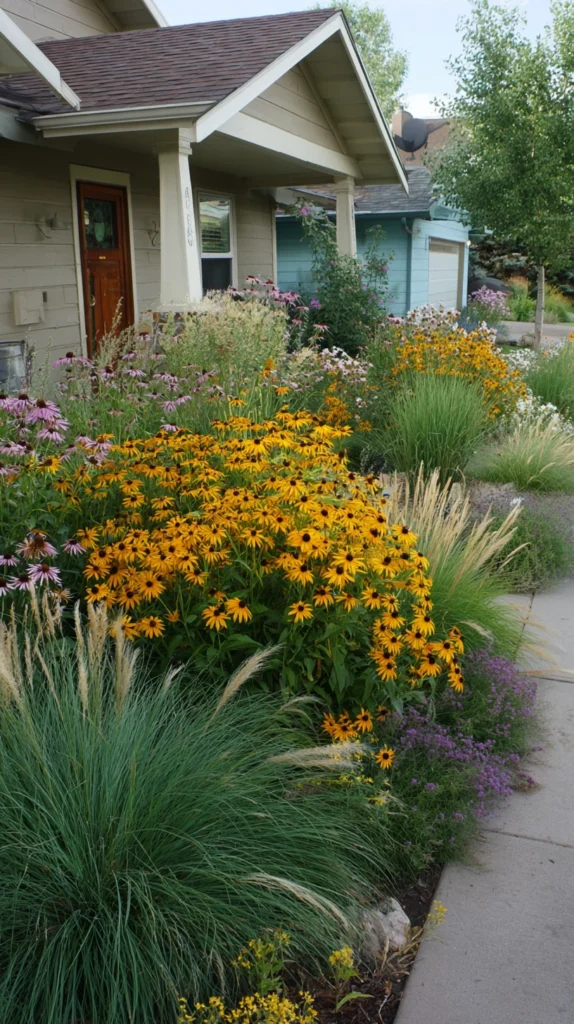
A prairie-style planting inspired by the naturalistic philosophy of Piet Oudolf uses structural perennials, ornamental grasses, and late-flowering plants in a loose naturalistic arrangement. Key plants include echinacea, rudbeckia, helenium, agastache, pennisetum, and miscanthus.
plants that are structurally strong, ecologically valuable, and visually beautiful through multiple seasons. Plant in large flowing drifts rather than small groups as the prairie garden requires scale to achieve its characteristic landscape quality and visual impact.
10. A Scented Flower Garden
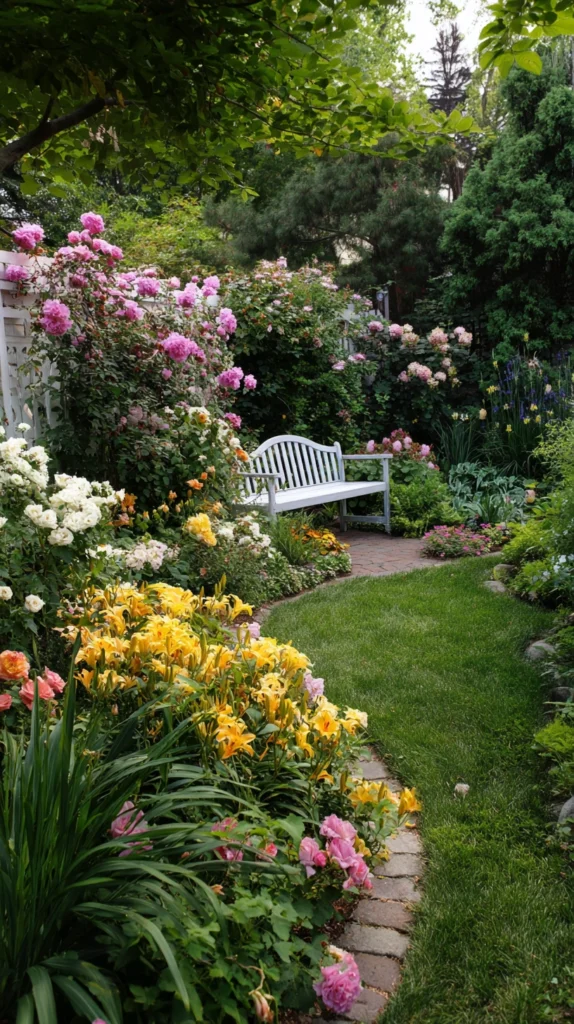
A large flower garden designed primarily for fragrance creates a sensory experience that a purely visual garden cannot provide. Design it with paths that move the visitor through the planting at a gentle pace with seating areas positioned at the points of greatest fragrance concentration.
Plant the most intensely fragrant species. roses, philadelphus, lilies, and night-scented stocks. closest to the seating areas where their fragrance gathers most generously on warm still evenings throughout the summer months.
11. A Sunflower Garden
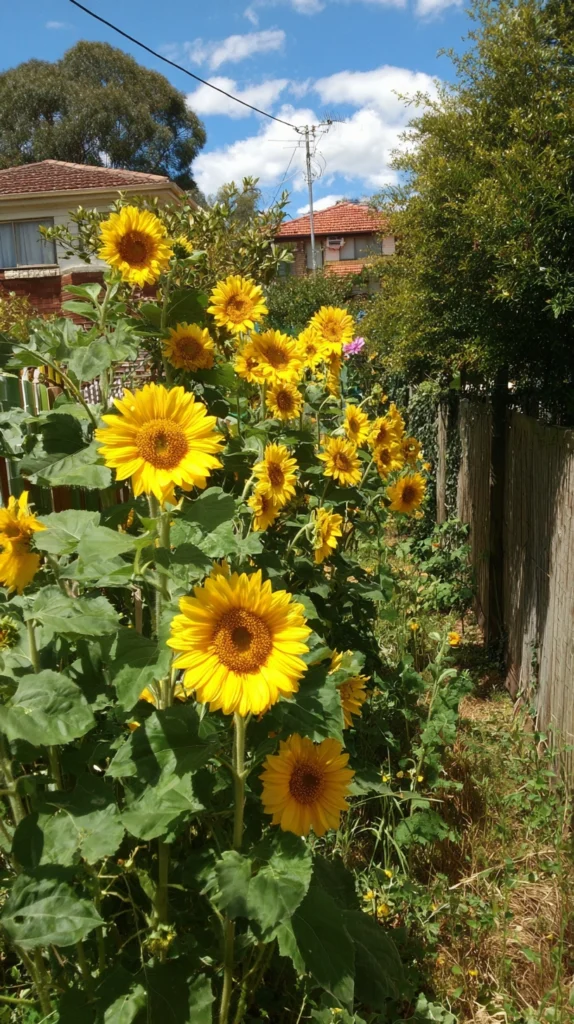
A large sunflower garden of rows and drifts in varying heights and colors creates one of the most cheerful and joyful large flower garden experiences available.
Plant in successive sowings two weeks apart from late spring to early summer to extend the display season from midsummer through to early autumn. Leave seed heads on plants after the petals have fallen as they provide an invaluable food source for finches and other seed-eating birds through the autumn and winter months ahead.
12. A Water Garden with Aquatic Flowers
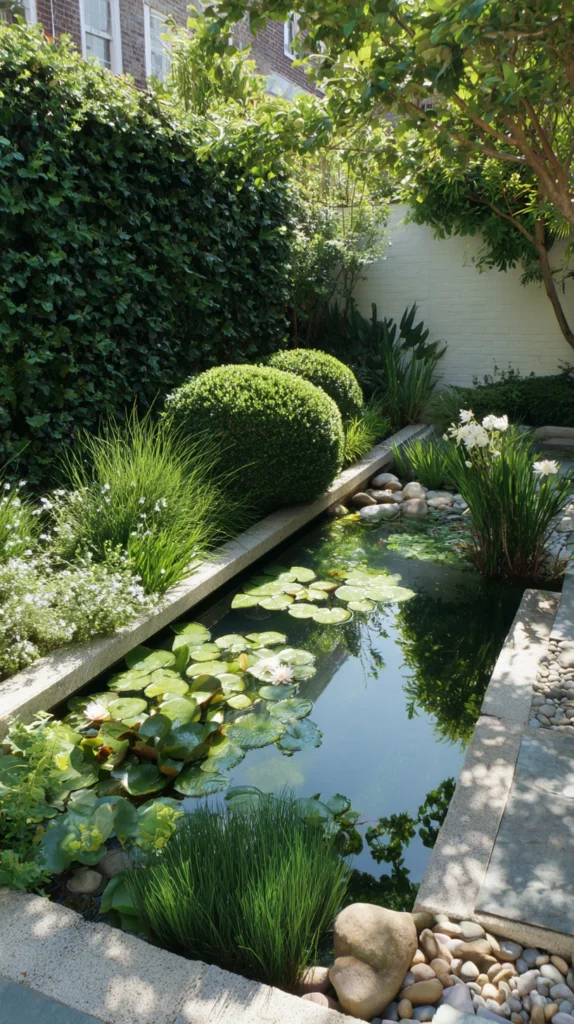
A large water garden planted with water lilies, marginal irises, pickerel weed, and moisture-loving astilbe, primula, and rodgersia creates a planting of extraordinary tranquility and natural beauty.
Design the water garden with a naturalistic irregular outline rather than a geometric shape for the most convincingly natural result. The reflective quality of the water doubles every flowering plant growing beside it, creating a visual richness that no land-based planting of equivalent size can replicate.
13. A Bulb Garden
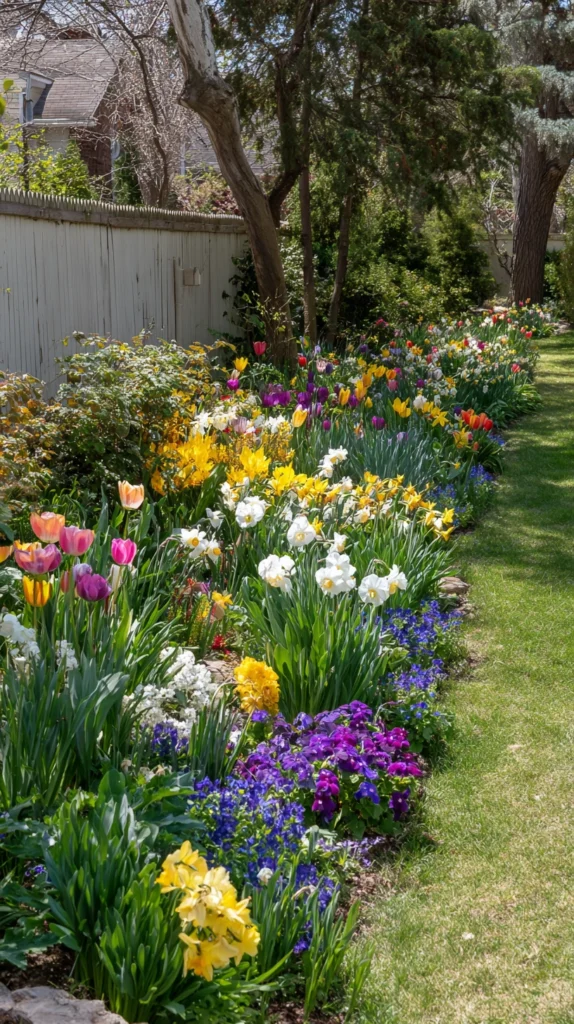
A large garden dedicated to successive waves of flowering bulbs provides one of the most spectacular seasonal displays in horticulture.
Spring begins with snowdrops and crocus, followed by daffodils and tulips, followed by alliums and camassias that carry the display through to early summer. Naturalize spring bulbs in grass for the most sustainable and most visually authentic large-scale bulb planting, allowing foliage to die down naturally after flowering before the grass is cut for the first time.
14. A Vertical Flower Garden with Climbing Plants
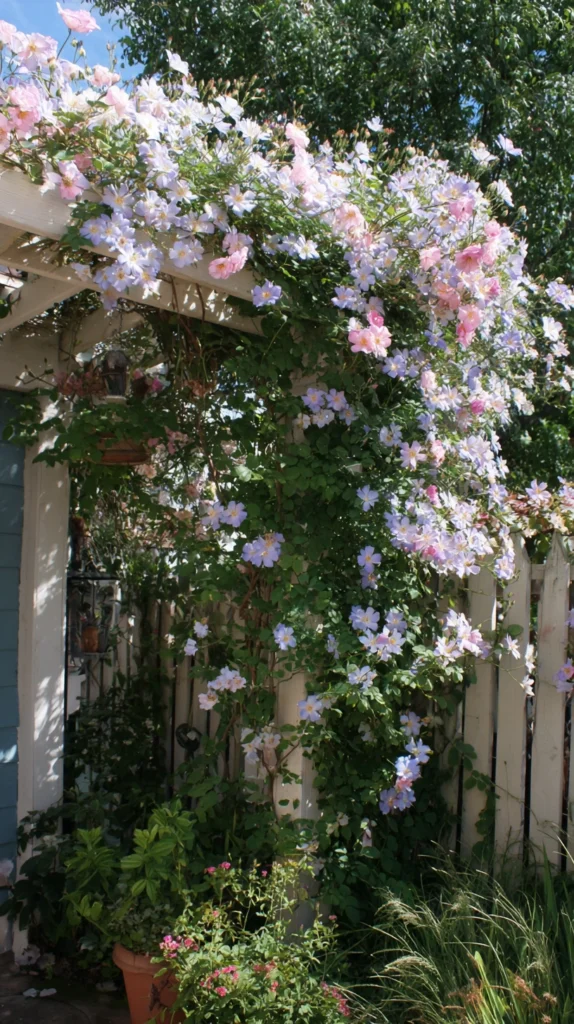
A large garden designed around pergolas, arches, obelisks, and trellises covered in climbing roses, clematis, wisteria, and sweet peas creates a three-dimensional flower garden of exceptional visual drama.
Choose climbing plants with complementary flowering seasons for each vertical structure so that every pergola and arch contributes to the garden display for as long as possible. A rose and clematis combination on the same structure is one of the most classic and most reliably beautiful climbing plant partnerships available.
15. A Seasonal Sequence Garden
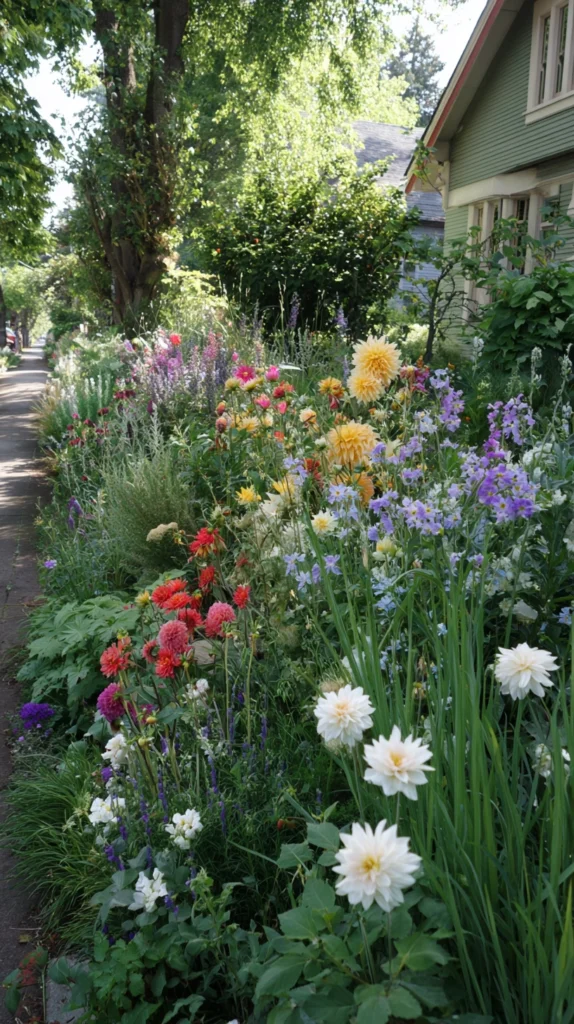
A large flower garden designed to move through a carefully planned sequence of seasonal displays is the most ambitious and most rewarding large flower garden project available. Spring bulbs followed by early summer perennials followed by high summer dahlias followed by late summer grasses and seed heads creates a garden that is genuinely beautiful in every month of the year.
The seasonal sequence garden rewards the gardener who keeps notes, photographs the garden in every season, and uses those records to identify and address the gaps in the seasonal display.
The Large Flower Garden as a Life’s Work
A large flower garden is never finished. It is always evolving, always improving, and always revealing new possibilities that the gardener had not previously considered.
This quality of perpetual becoming is precisely what makes a large flower garden one of the most deeply satisfying long-term creative projects available to anyone who loves plants and finds genuine pleasure in the patient seasonal work of growing things well.