15 Relaxing Bedroom Layout Ideas Designers Recommend
A relaxing bedroom starts with more than color, bedding, or décor—it begins with layout. Interior designers consistently agree that how furniture is placed has a direct impact on how calm, spacious, and restful a bedroom feels.
Even the most beautiful room can feel stressful if the layout interrupts movement, balance, or visual flow.
A well-planned bedroom layout supports better sleep, smoother daily routines, and a sense of emotional ease.
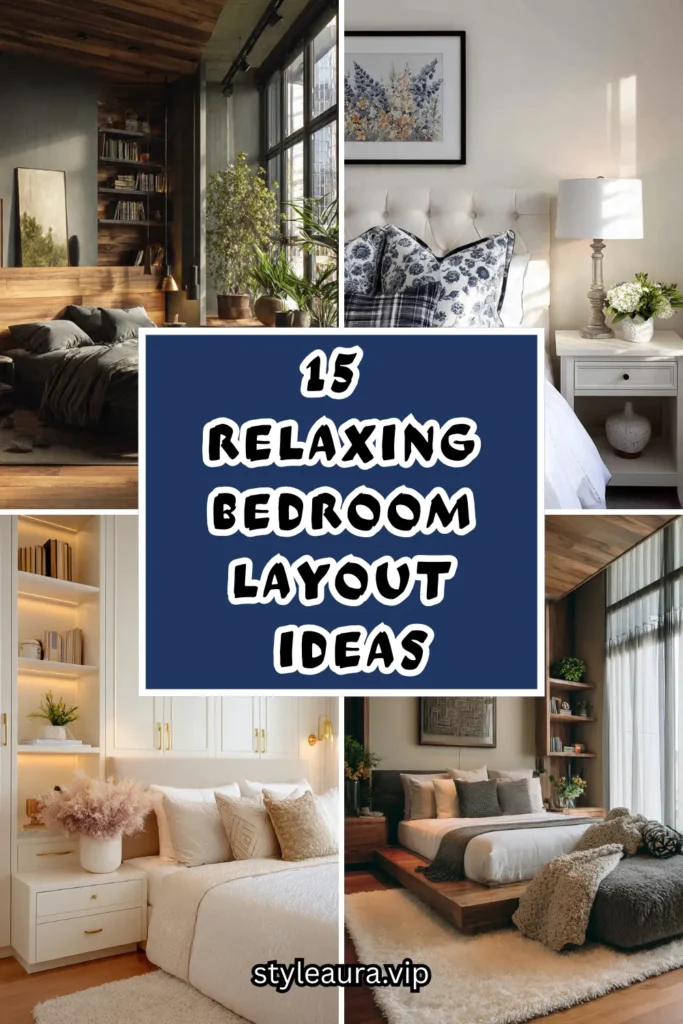
It reduces subconscious tension by creating order, symmetry, and breathing room. Below are 15 relaxing bedroom layout ideas designers recommend, explained in depth so you can understand not just what to do, but why it works.
1. Centered Bed Layout for Instant Balance
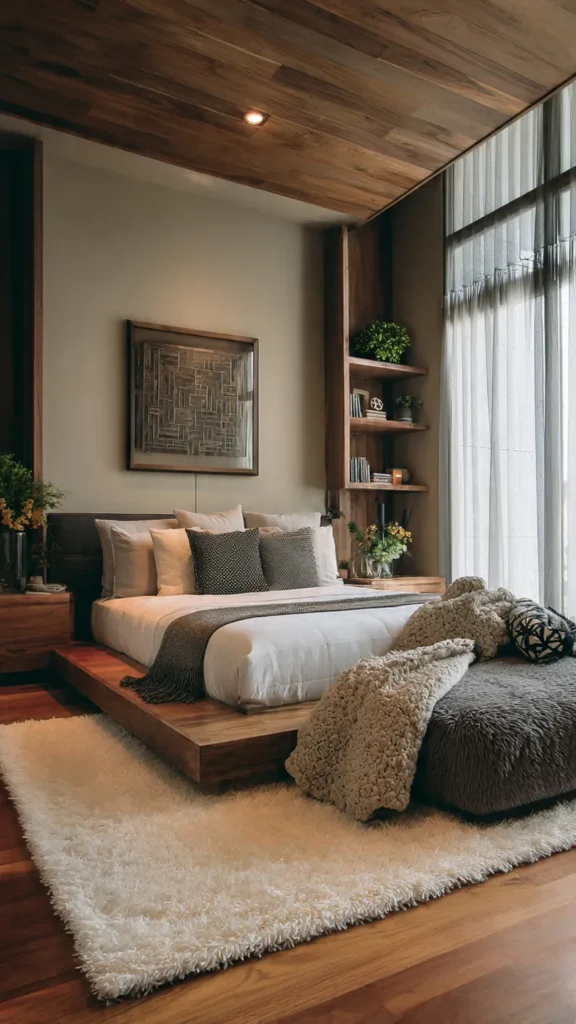
Designers almost always start with the bed, and centering it on the main wall is one of the most calming layout choices you can make. A centered bed creates symmetry, which the human brain naturally finds soothing. It makes the room feel grounded and intentionally designed.
This layout works especially well when paired with matching nightstands. Equal spacing on both sides of the bed reinforces visual harmony. The bed becomes a calm focal point rather than something awkwardly pushed to one side.
2. Equal Space on Both Sides of the Bed
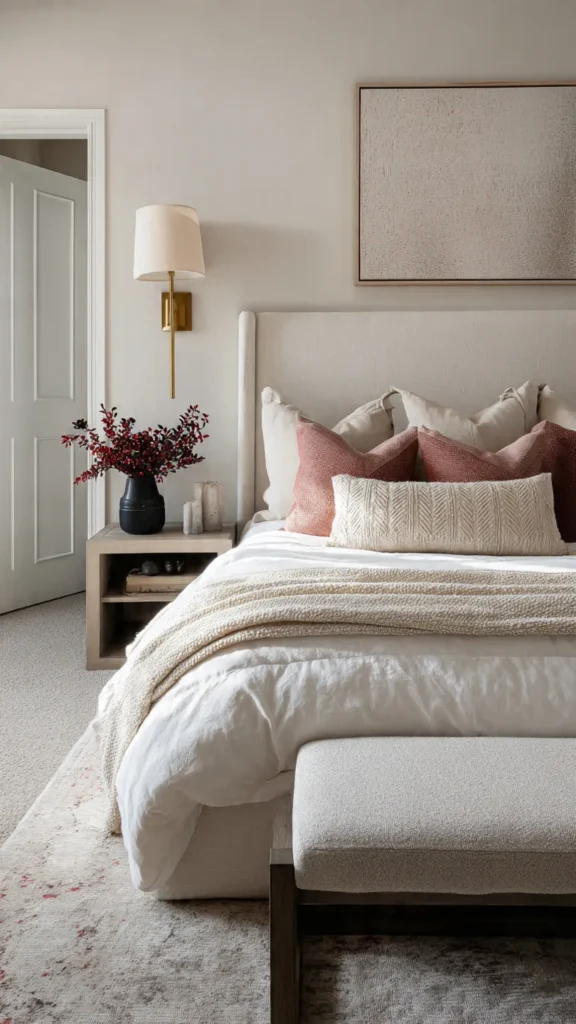
Beyond centering the bed, designers emphasize leaving equal walking space on each side. Uneven spacing can make a room feel lopsided or cramped. Balanced circulation improves both comfort and visual flow.
This layout is particularly important for couples, as it gives both people equal access. It also makes everyday tasks like making the bed feel easier. Ease of movement contributes to a more relaxed environment.
3. Bed Positioned in the Commanding Spot
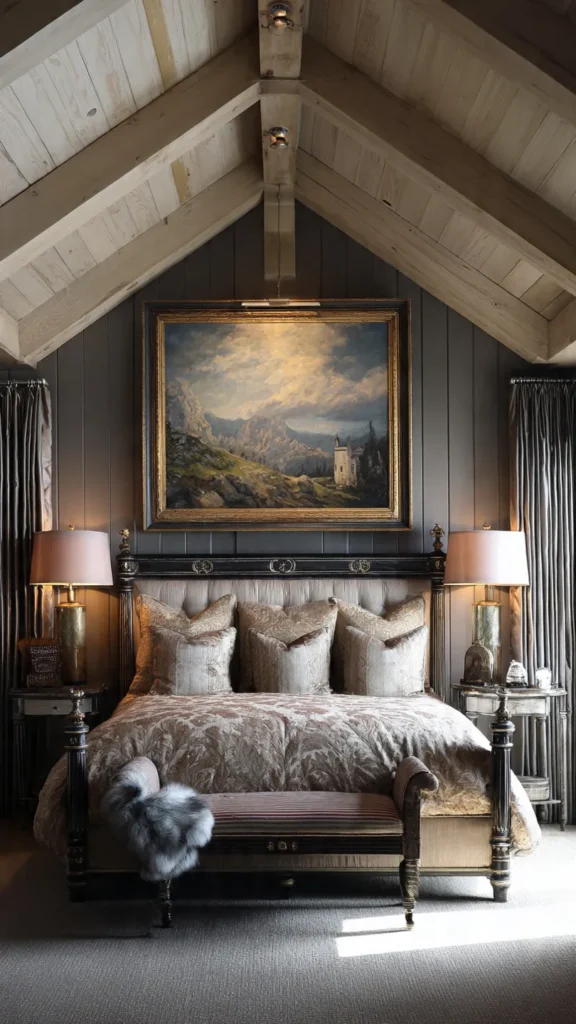
Designers often refer to the “commanding position,” where the bed is placed diagonally across from the door but not directly in line with it. This layout allows you to see the entrance while still feeling protected. It subconsciously increases a sense of security.
Avoid placing the bed directly against the door wall if possible. When the bed feels exposed, rest can feel unsettled. This layout encourages deeper relaxation and peace of mind.
4. Clear Pathways with No Obstacles
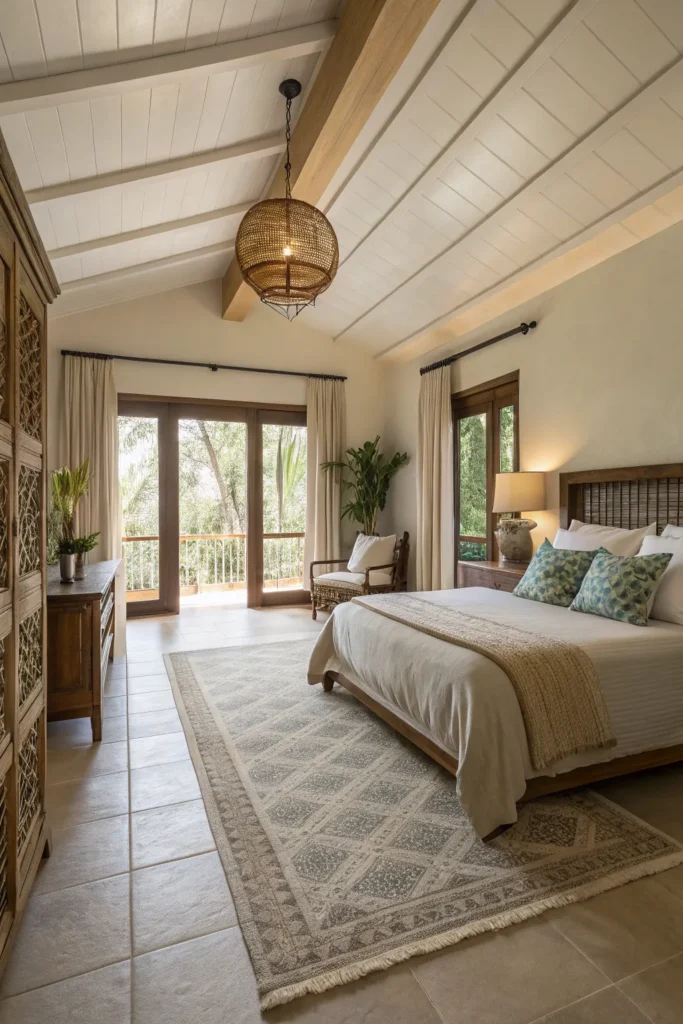
A relaxing bedroom layout always prioritizes clear pathways. Designers recommend avoiding furniture that blocks natural walking routes. When movement feels effortless, the room automatically feels calmer.
At least two to three feet of clearance around main walkways is ideal. Avoid squeezing furniture into tight spots just to fill space. Open flow reduces mental clutter and stress.
5. Symmetrical Nightstand and Lamp Layout
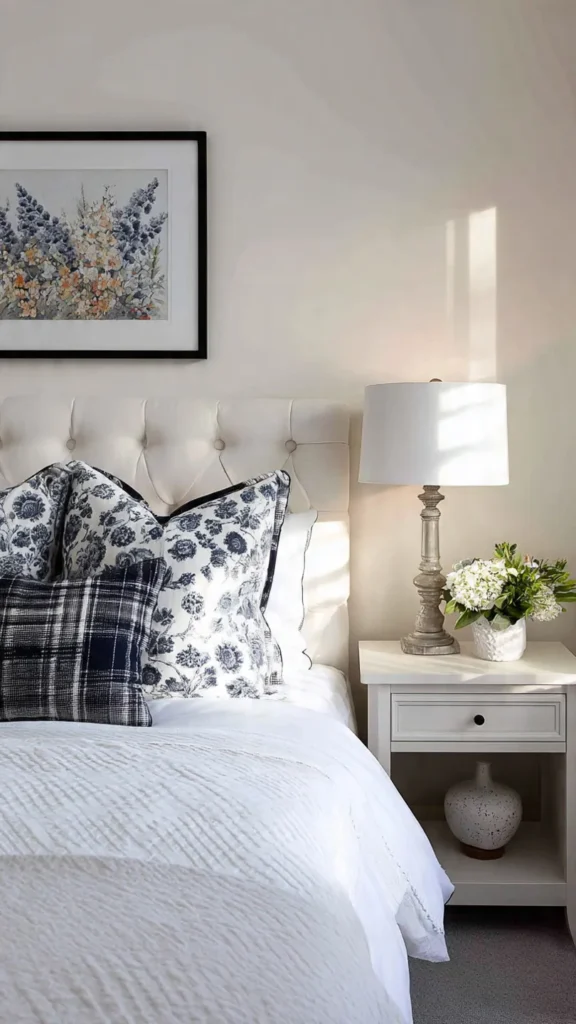
Symmetry is one of the strongest design tools for relaxation. Designers frequently use matching nightstands and lamps to create balance on either side of the bed. This repetition creates visual rhythm and stability.
Even in small bedrooms, symmetry can be achieved with similar shapes or tones. The goal is visual equality, not perfection. This layout helps the bedroom feel orderly and restful.
6. Bed Anchored with a Properly Sized Rug
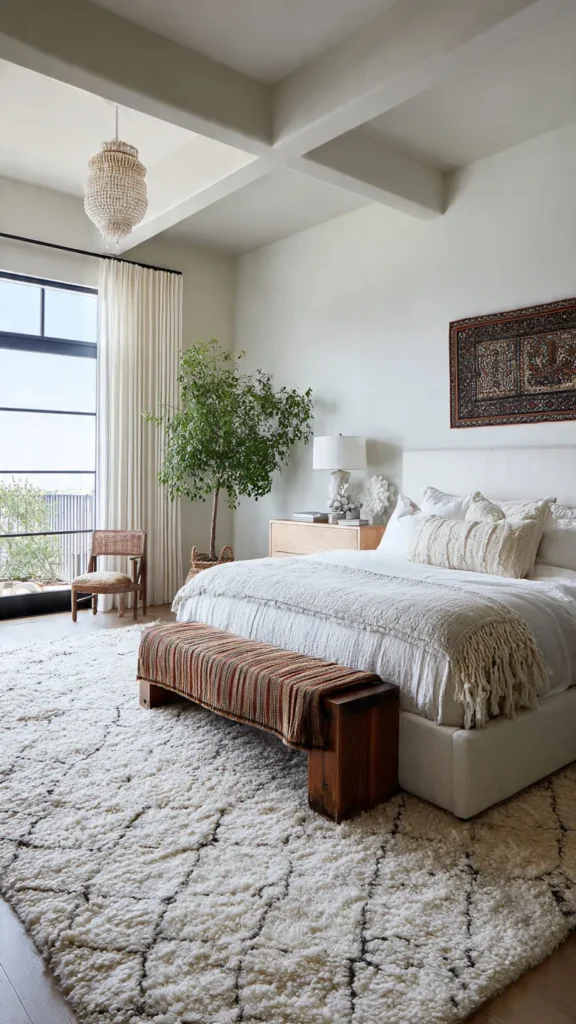
Designers often anchor the bed with a large area rug to define the sleeping zone. This layout visually grounds the bed and prevents it from feeling like it’s floating in the room. Rugs also add warmth and softness.
The rug should extend evenly on both sides and at the foot of the bed. Too small a rug disrupts balance. When sized correctly, the layout feels cohesive and cozy.
7. Minimal Furniture Layout for Visual Calm
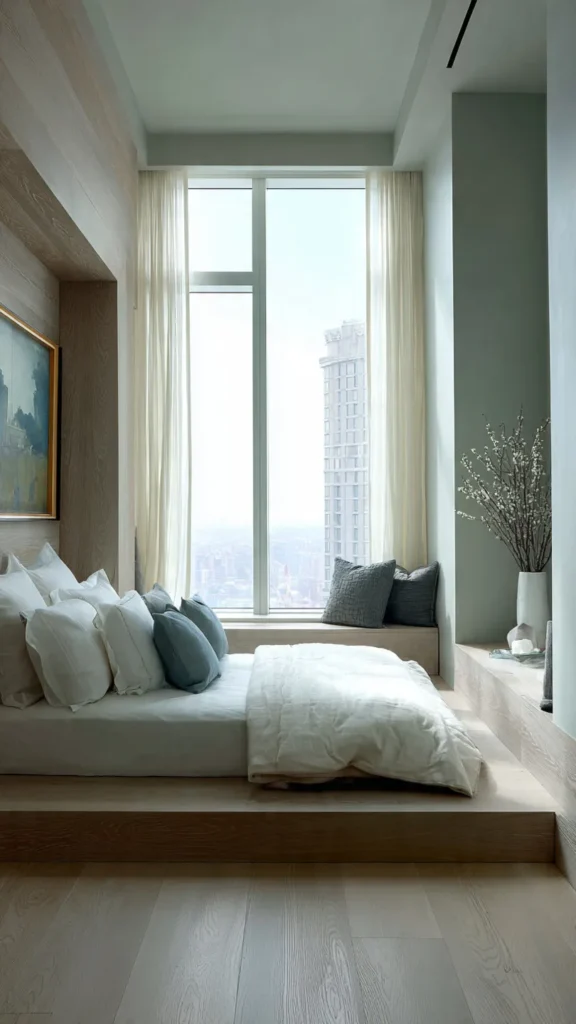
One of the most common designer recommendations is to remove unnecessary furniture. A relaxing bedroom layout includes only what you truly need. Too many pieces create visual noise and disrupt rest.
Designers suggest starting with the bed, nightstands, and one storage piece. Anything else should earn its place. Open space is not empty—it’s calming.
8. Dresser Placed Out of the Main Sightline
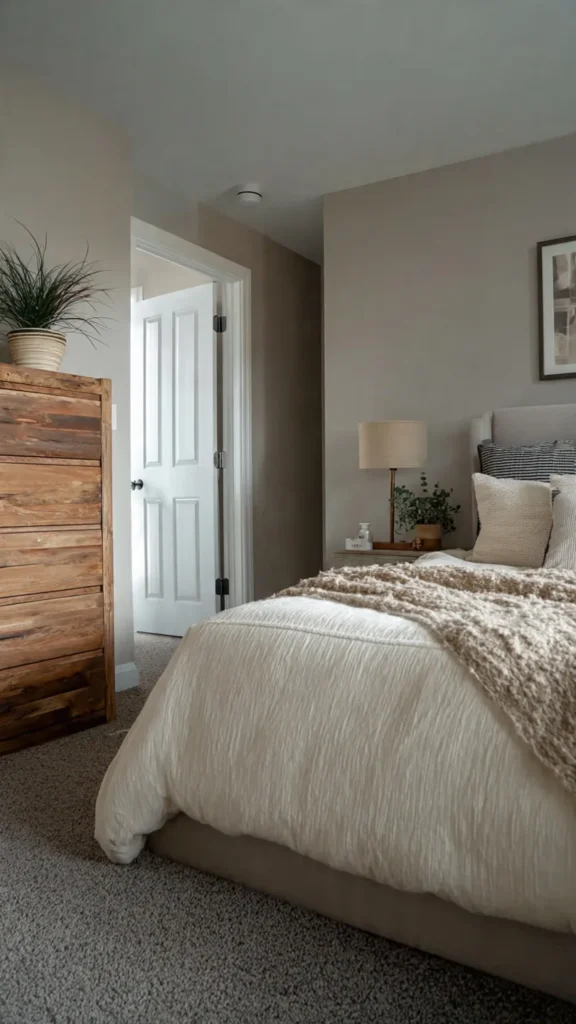
Designers often position dressers away from the bed’s direct line of sight. This prevents the sleeping area from feeling busy or work-oriented. The bed remains the visual priority.
Placing the dresser along a side wall or near the closet works well. Keep the top surface minimal. This layout supports a bedroom that feels dedicated to rest.
9. Seating Area Separated from the Bed
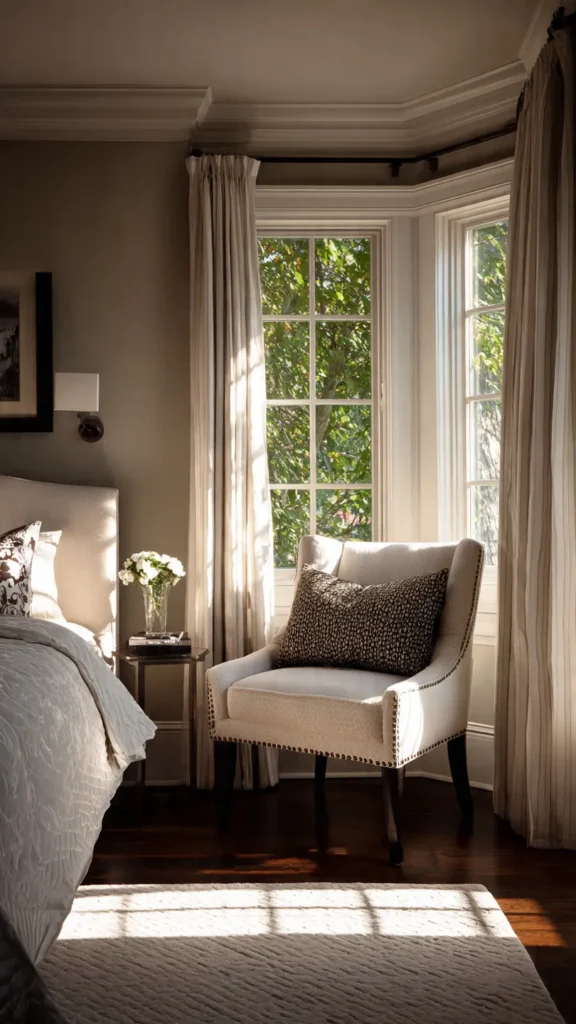
In larger bedrooms, designers recommend creating a separate seating zone. This helps define the room into functional areas without crowding the bed. It also prevents the bed from being the only place to relax.
A chair or bench near a window works best. Keep the seating area light and uncluttered. This layout adds comfort while preserving calm.
10. Bed Facing Natural Light Without Being Under It
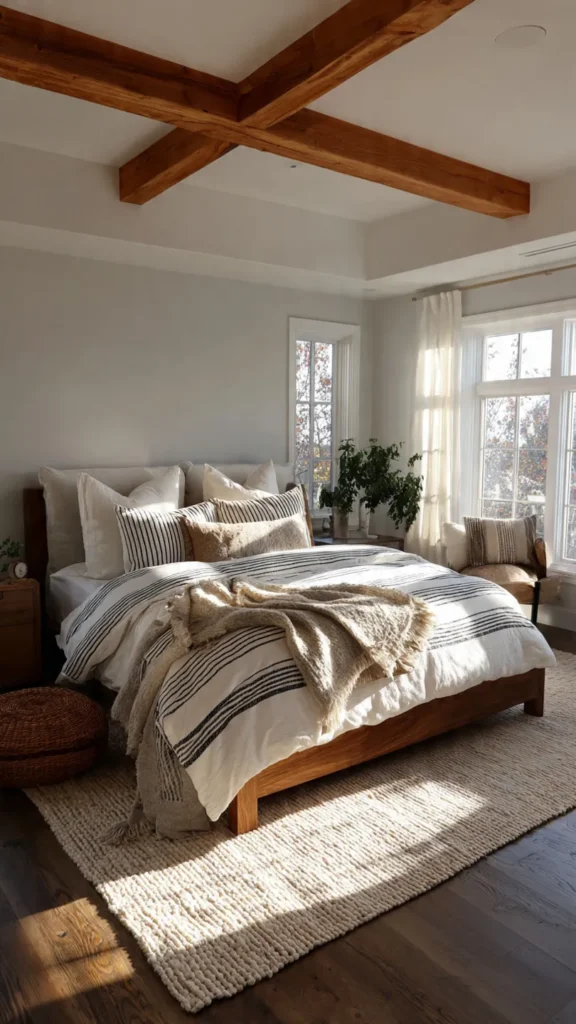
Designers often suggest orienting the bed toward natural light rather than placing it directly under a window. Facing light enhances mood and makes mornings feel gentler. It connects the room to the outdoors.
Avoid headboards directly under windows if possible, as they can feel unstable. Use curtains to soften brightness. This layout balances comfort and energy.
11. Floating or Wall-Mounted Nightstands
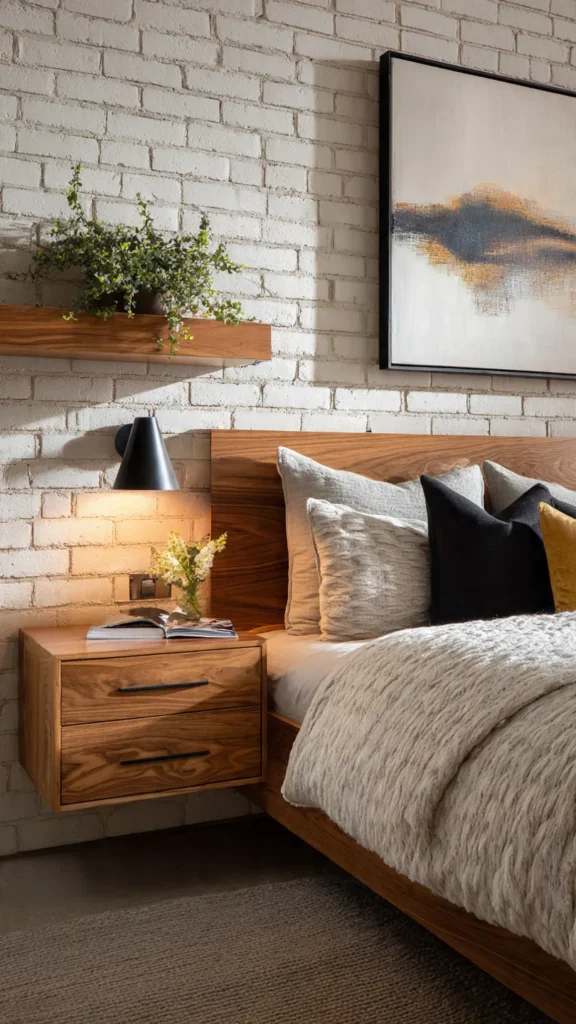
Floating nightstands are a favorite among designers for relaxing bedrooms. By freeing up floor space, they make the room feel lighter and less crowded. This is especially effective in smaller rooms.
Wall-mounted nightstands also simplify cleaning and visual flow. Keep styling minimal to maintain calm. This layout supports openness and ease.
12. Storage Consolidated Along One Wall
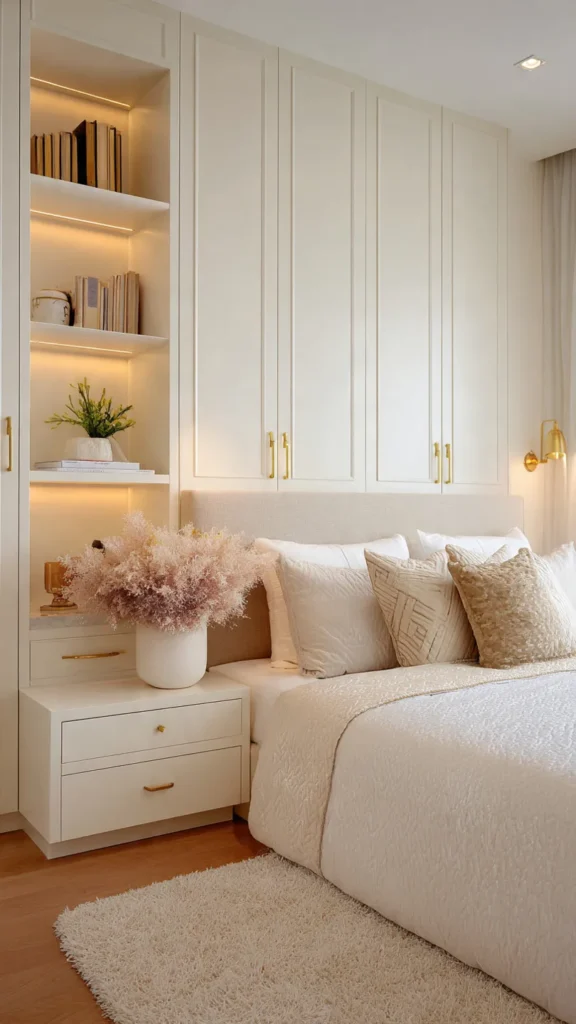
Designers recommend grouping storage along a single wall whenever possible. This prevents the room from feeling visually scattered. A single storage zone creates order.
Built-in wardrobes or aligned dressers work well. Keep doors closed to reduce visual noise. This layout allows the rest of the room to breathe.
13. Softening the Layout with Rounded Furniture
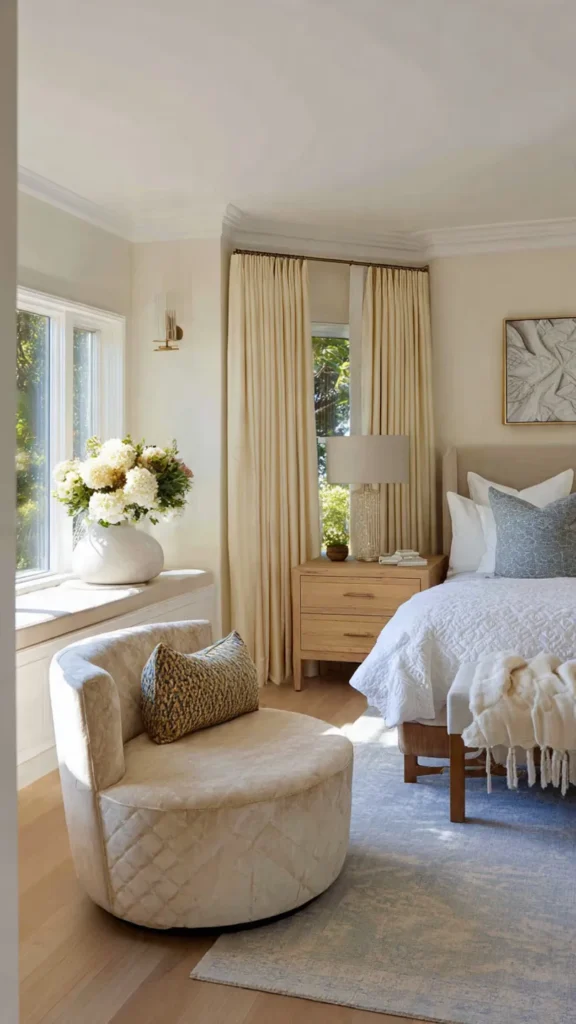
Sharp angles can feel harsh in a bedroom layout. Designers often soften the space with rounded furniture or curved placement. This reduces visual tension and improves flow.
Rounded nightstands, benches, or chairs work beautifully. Even slightly curved edges make a difference. This layout feels gentler and more inviting.
14. Balanced Layout for Small Bedrooms
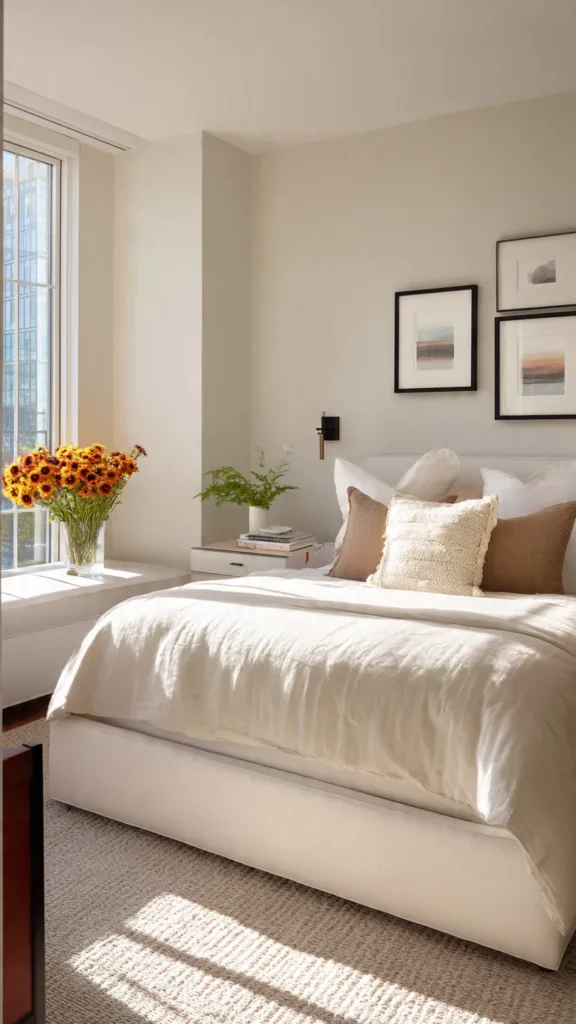
In small bedrooms, designers emphasize proportion and balance. Oversized furniture disrupts relaxation by making the space feel cramped. Every piece should fit the scale of the room.
Slim nightstands and low-profile beds are often recommended. Keep symmetry where possible. A balanced small-room layout feels peaceful rather than tight.
15. Layout Designed Around Daily Routines
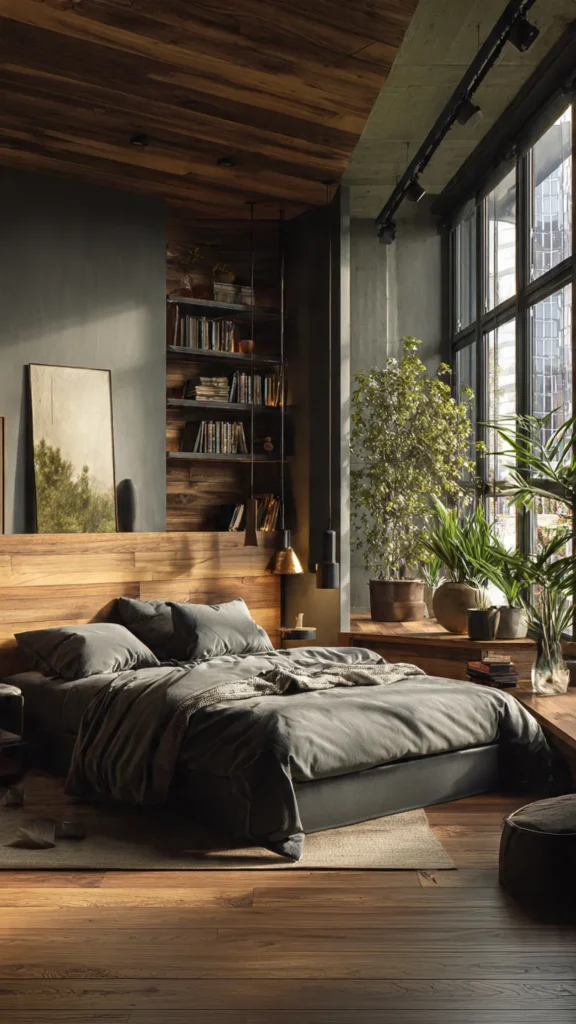
The most relaxing bedroom layouts support how you move through your day. Designers think about how you wake up, get dressed, and wind down. Convenience plays a huge role in comfort.
Paths from bed to closet or bathroom should be clear. Frequently used items should be easy to reach. A layout that supports daily life naturally feels calmer.
A relaxing bedroom layout is not accidental—it’s intentional. Designers focus on balance, flow, and ease to create spaces that support rest and emotional well-being. By applying these 15 layout ideas thoughtfully, you can transform your bedroom into a calm retreat that feels comfortable every single day.