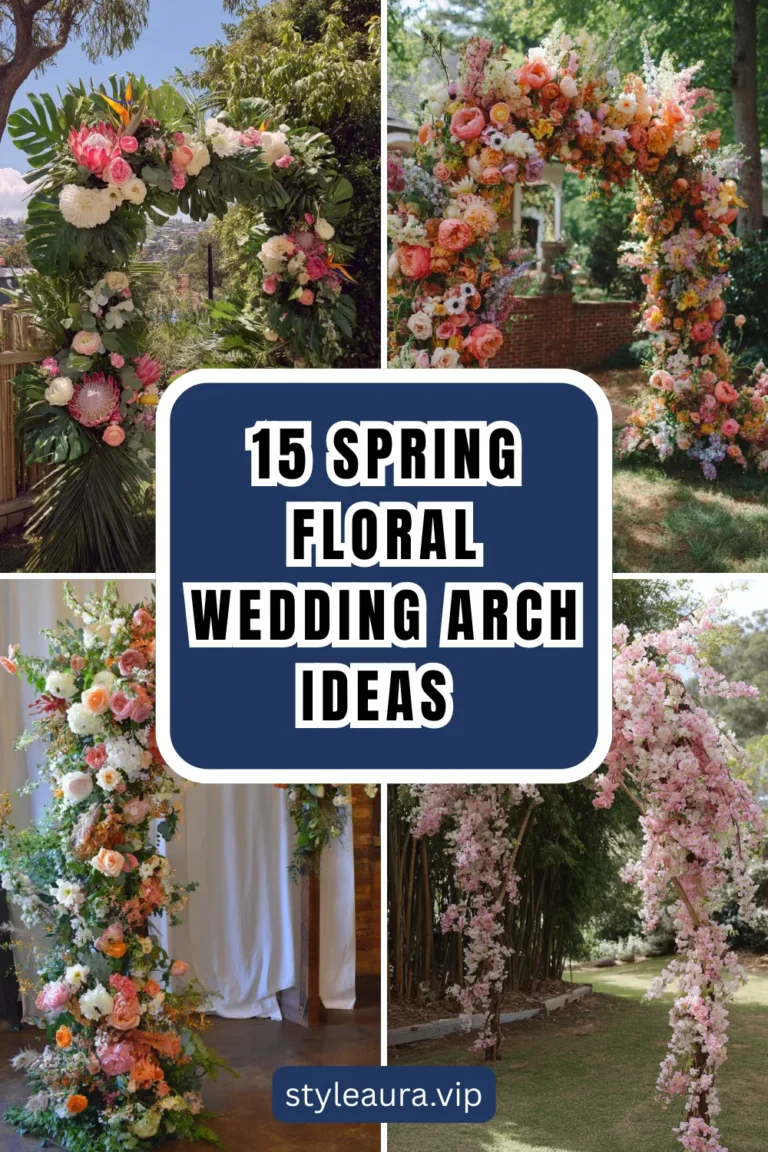
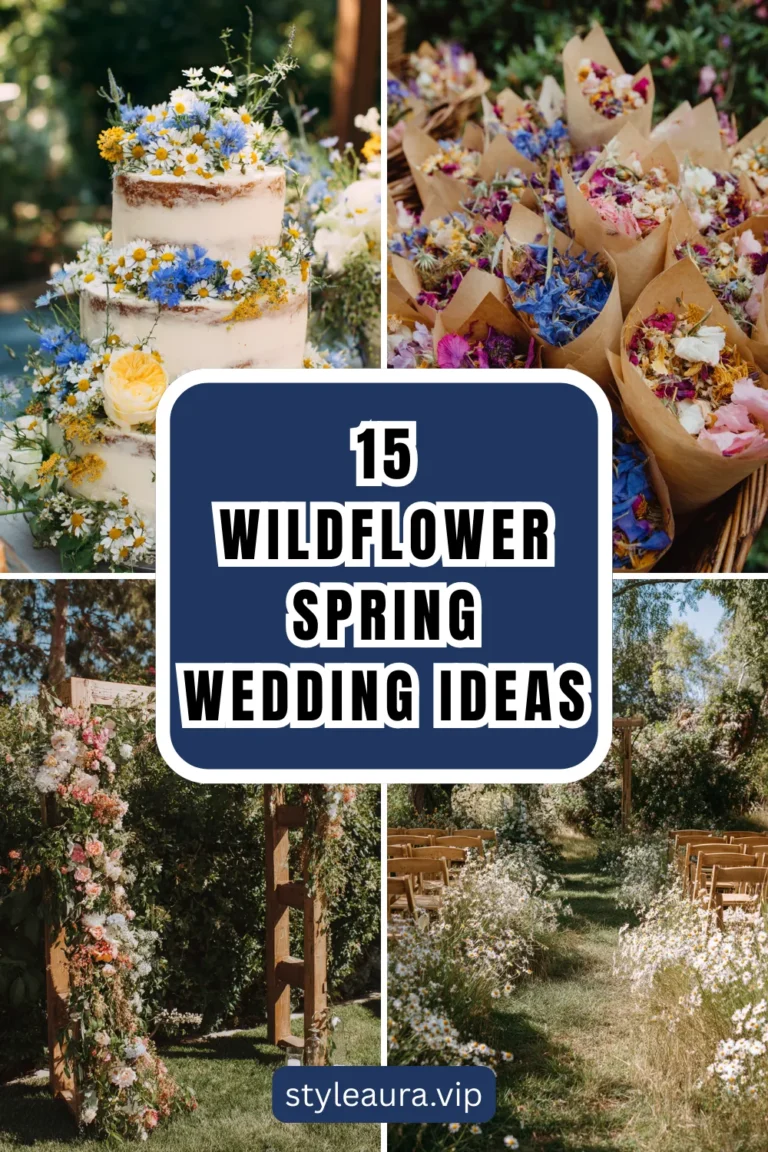
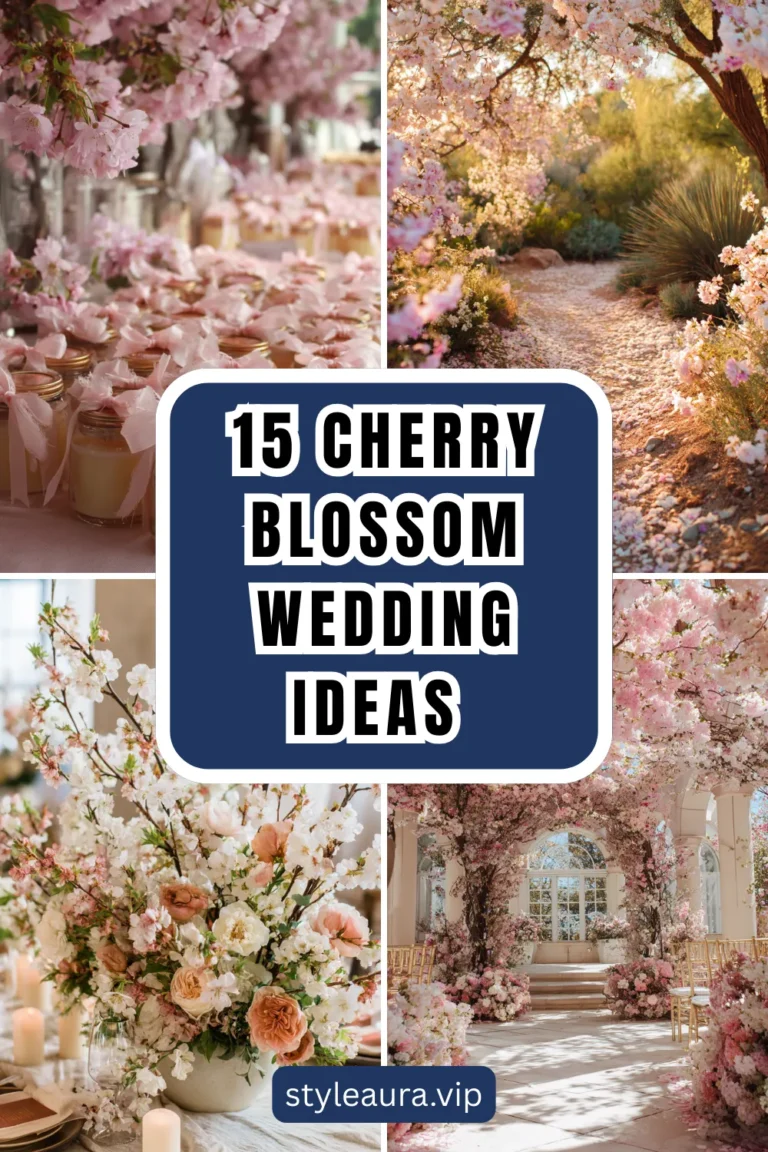
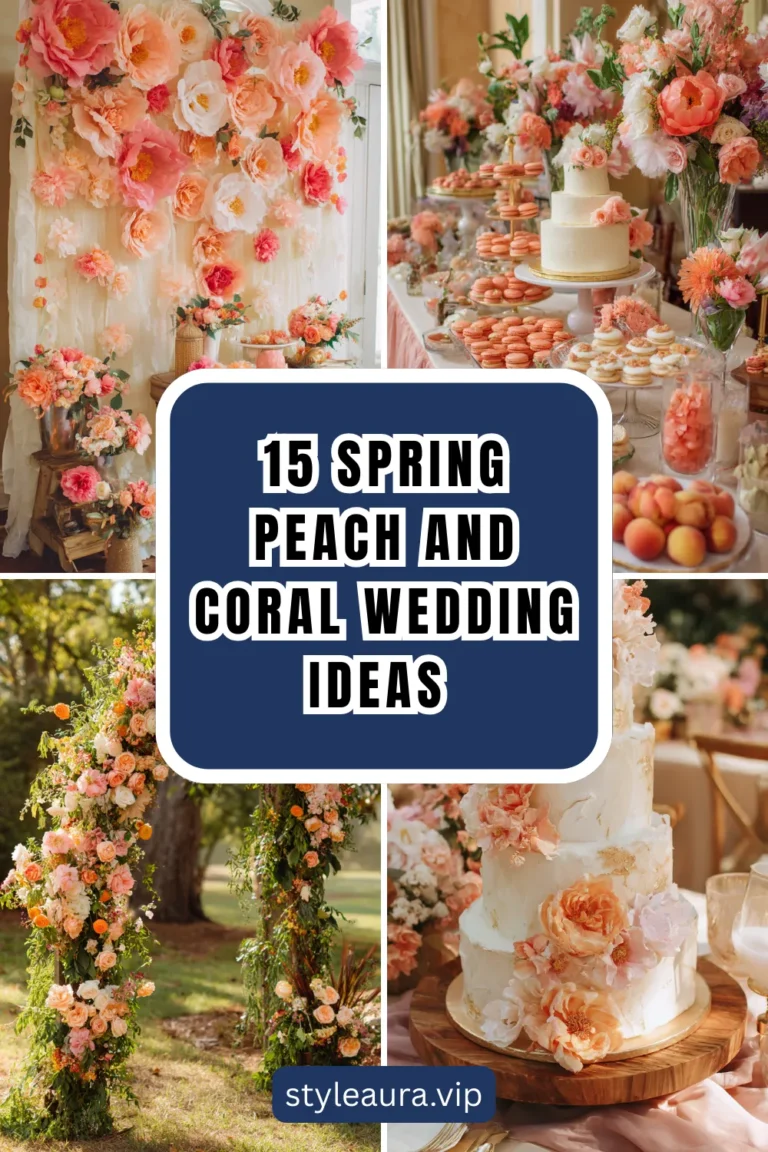
15 Spring Pastel Wedding Color Palette Ideas for a Fresh Look
A spring pastel wedding palette is one of those rare choices that feels both completely of the moment and entirely timeless. Soft, gentle, luminous — pastel colors carry the quality of spring light itself. They make every photograph look like it was taken during golden hour, they flatter every skin tone, and they create a visual atmosphere that feels celebratory without being overwhelming.
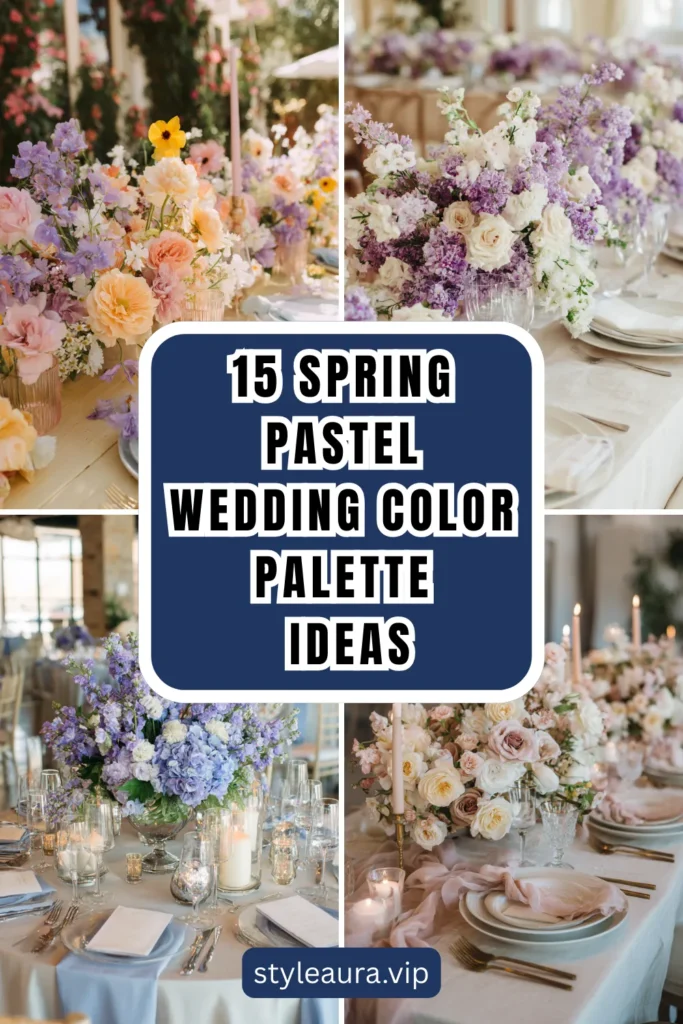
The challenge with pastels is avoiding the predictable. Blush and white is beautiful but it has been done many times. The most memorable spring pastel weddings are the ones that find unexpected combinations — a dusty blue alongside warm peach, a soft sage green paired with pale lavender — that feel fresh, considered, and completely personal.
Here are 15 spring pastel wedding color palette ideas that go beyond the obvious and deliver something genuinely beautiful.
1. Blush Pink and Warm White
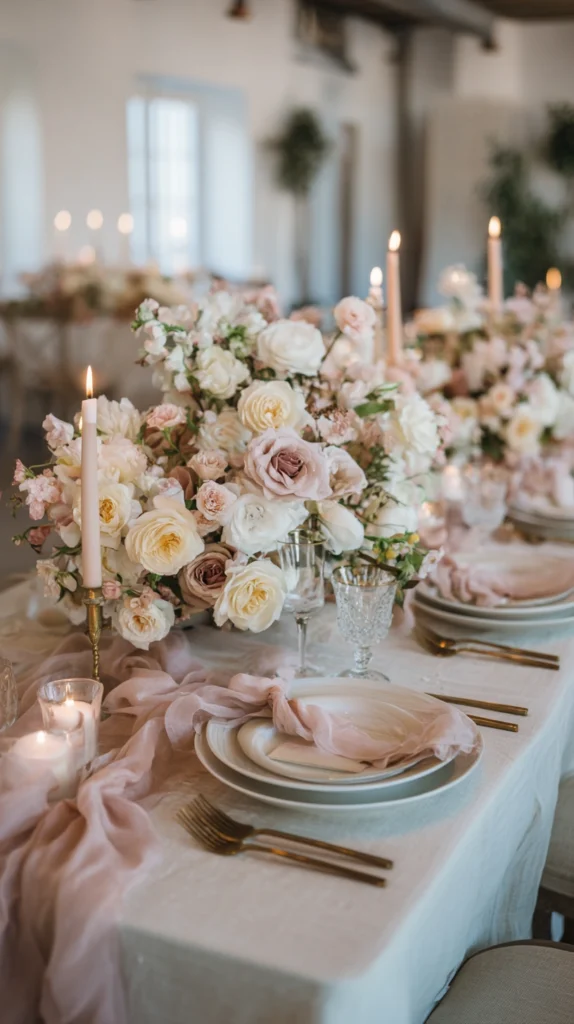
The most classic spring pastel wedding palette remains one of the most beautiful for good reason. Blush pink — not candy pink, but the soft, warm, barely-there pink of a peony petal — alongside warm white creates a reception that feels like the inside of a garden in full bloom.
The key to making blush and white feel current rather than generic is in the materials and textures rather than the colors themselves. Blush velvet ribbons, warm white linen tablecloths with a slight texture, ivory candles rather than bright white, and blush silk bridesmaid dresses rather than satin — the softness of the materials amplifies the softness of the palette and creates a result that feels genuinely luxurious.
Pro Tip: Add one unexpected accent to a blush and white palette to give it a point of difference — a single element in dusty rose, warm gold, or pale sage green that appears consistently throughout the wedding in the stationery, the ribbon on the bouquet, and the candle color. One considered accent prevents the palette from feeling flat and gives the overall design a more intentional, layered quality.
2. Lavender and Soft Yellow
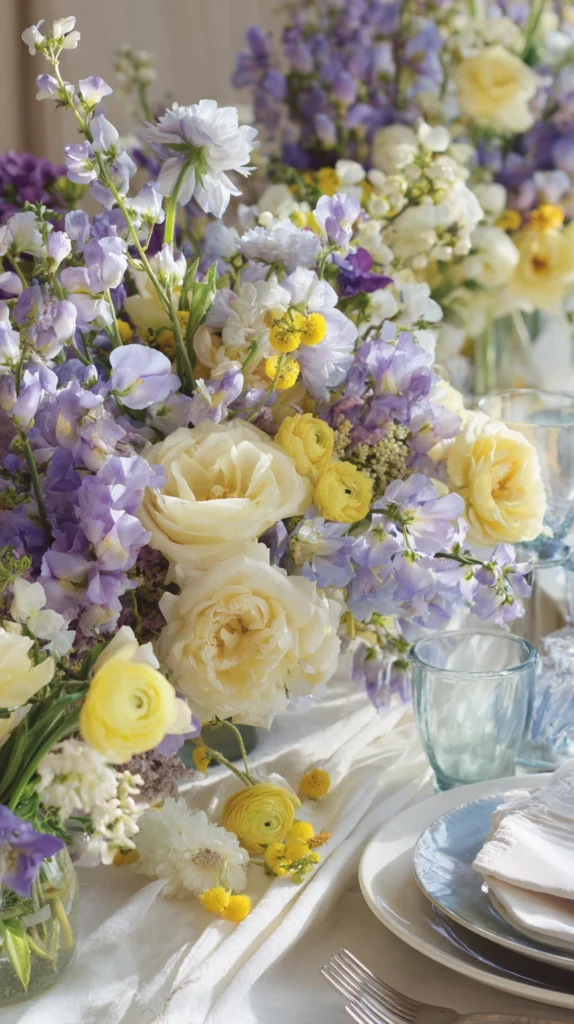
Lavender and soft yellow is one of the most joyful and underused spring pastel combinations available. The two colors sit opposite each other on the color wheel which means they create a natural vibrancy when placed together — each making the other look more vivid and alive than either would appear in isolation.
Soft lavender bridesmaid dresses alongside pale yellow florals — mimosa, narcissus, and yellow ranunculus — with white as the neutral connector creates a wedding that feels genuinely spring-like in the most celebratory sense. The combination references wildflowers, meadows, and the particular quality of spring sunshine filtering through new leaves — all the things that make the season extraordinary.
Pro Tip: Keep the yellow in a soft, warm tone rather than a bright or sharp one. Butter yellow and primrose yellow work beautifully alongside lavender. Sharp lemon yellow creates too much contrast and loses the soft, dreamy quality that makes this palette special. The warmth of the yellow tone is what keeps the combination feeling pastel rather than primary.
3. Sage Green and Blush
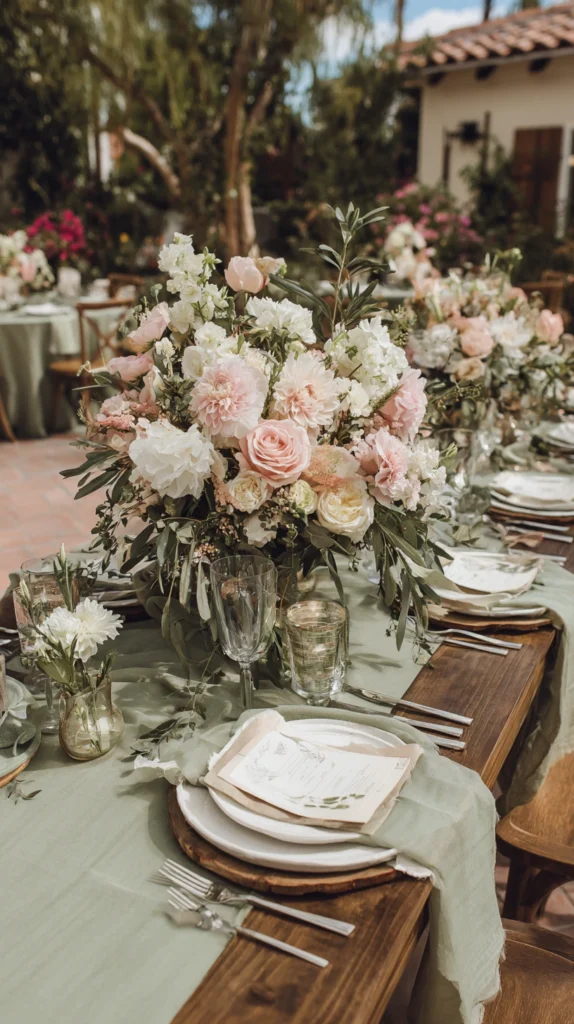
Sage green and blush is arguably the most sophisticated spring pastel palette currently in wedding design. The muted, grey-green of sage has a maturity and depth that most pastels lack, and alongside the warmth of blush pink it creates a combination that feels simultaneously romantic and contemporary.
This palette suits outdoor and garden weddings particularly well — sage green references the natural landscape and blush references the flowers within it, creating a visual connection between the wedding design and its setting that feels entirely natural. Sage bridesmaid dresses alongside blush florals, with warm ivory and natural wood elements completing the aesthetic, creates a reception that looks genuinely designed and considered.
Pro Tip: Extend the sage green into the foliage elements of the floral arrangements rather than using only standard dark green foliage. Sage-toned eucalyptus, dusty miller, and grey-green herbs used throughout the flowers reinforces the palette color in the most natural and organic way possible and creates a visual consistency between the bridesmaid dresses and the table arrangements that ties the whole wedding design together.
4. Pale Blue and Warm Peach
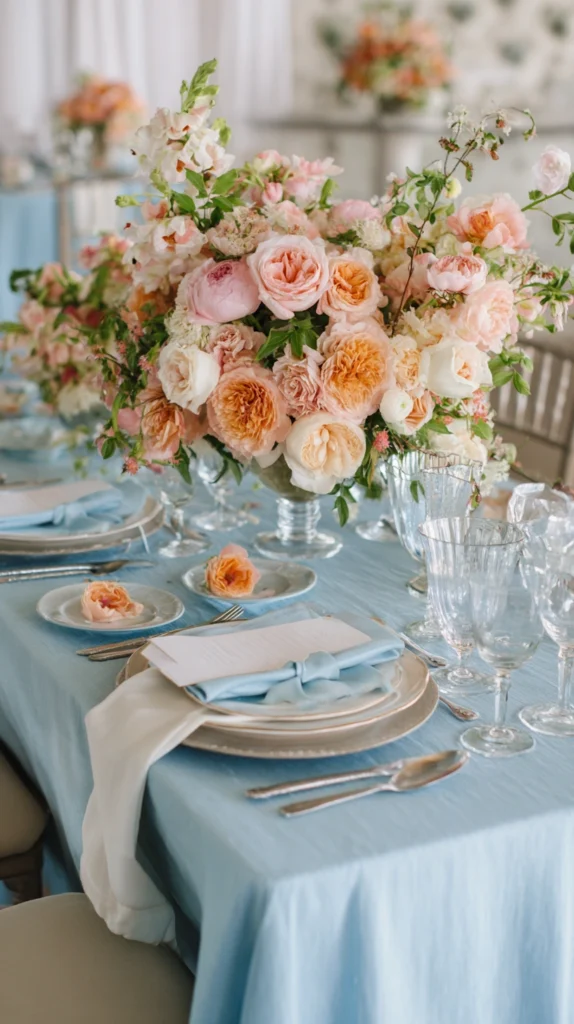
Pale blue and warm peach is a spring pastel combination of extraordinary beauty that very few couples consider and almost every guest remembers. The coolness of the pale blue — think powder blue, ice blue, or the palest sky tone — alongside the warmth of peach creates a tension between cool and warm that is visually dynamic without being jarring.
In florals, pale blue is rare — delphiniums, hydrangeas, muscari, and forget-me-nots provide the blue tones while garden roses, ranunculus, and tulips in peach and apricot provide the warmth. The contrast between the two in a centerpiece or bridal bouquet is genuinely spectacular and creates a color story that feels completely original and entirely spring-appropriate.
Pro Tip: Use pale blue primarily in the non-floral elements of the wedding — bridesmaid dresses, ribbon, stationery, table linen — and let peach and apricot dominate the floral palette. Truly blue flowers are scarce and expensive. Reserving blue for fabric and paper elements and using it sparingly as a floral accent keeps the palette coherent without the floristry budget becoming unsustainable.
5. Mint Green and White
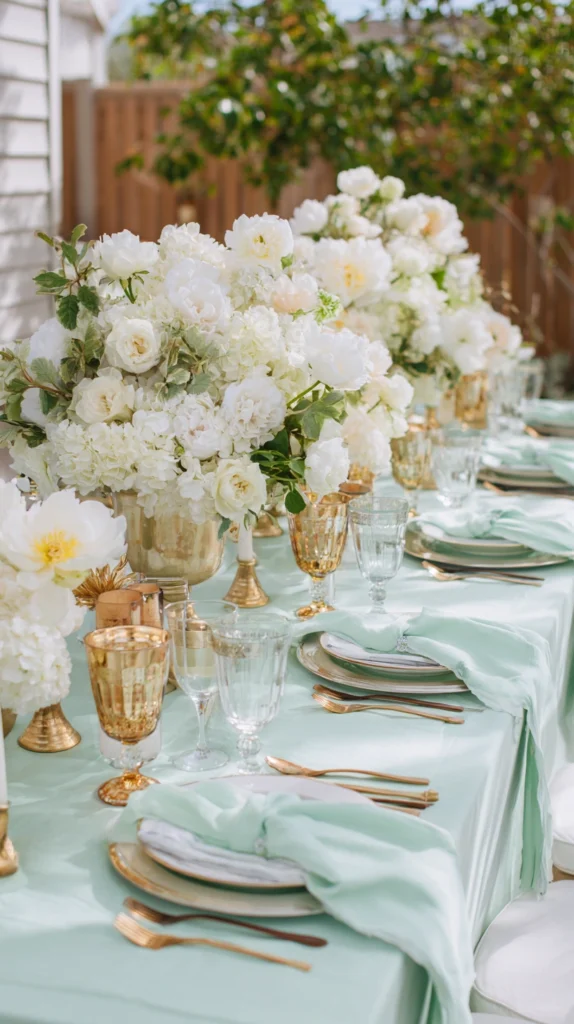
Mint green and white is the freshest, crispest spring pastel palette available — clean without being clinical, soft without being saccharine. The slight blue undertone of mint green gives it a freshness that warmer greens lack, and alongside clean white it creates a wedding that feels like the first properly warm day of spring.
This palette works brilliantly for daytime ceremonies and outdoor receptions where the natural light amplifies the crispness of the color combination. White flowers throughout — white peonies, white ranunculus, white sweet peas — with mint green ribbon, mint green stationery, and perhaps mint bridesmaid dresses creates a cohesive, airy aesthetic that photographs with exceptional freshness and clarity.
Pro Tip: Introduce a warm accent into a mint and white palette to prevent it from feeling too cool or slightly clinical in artificial evening lighting. Warm gold hardware — gold candlesticks, gold-rimmed glassware, gold stationery lettering — adds just enough warmth to make the cool mint and white palette feel inviting and romantic in candlelit evening reception settings.
6. Dusty Rose and Champagne
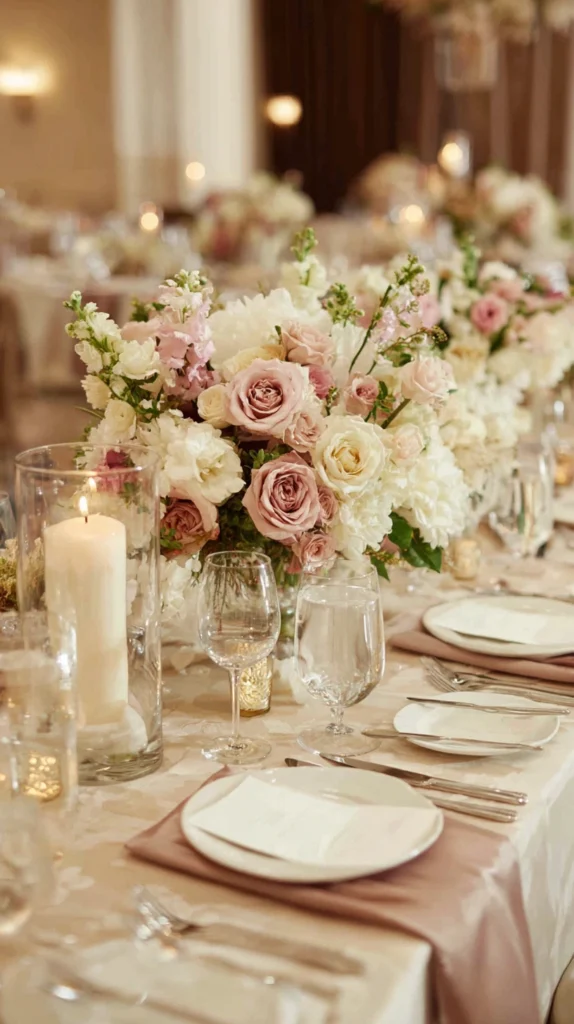
Dusty rose — the muted, slightly greyed version of pink — alongside warm champagne and ivory creates a wedding palette of quiet, sophisticated elegance. This is a palette for couples who love the romance of pink but want something more grown-up and considered than a straightforwardly pretty blush combination.
The muted quality of dusty rose means it works beautifully with warm metallic accents — champagne gold, aged brass, and antique bronze all complement it perfectly. Dusty rose silk bridesmaid dresses alongside champagne candles, warm ivory linens, and arrangements of dusty rose garden roses and peonies creates a reception that feels genuinely luxurious and deeply romantic without a single element shouting for attention.
Pro Tip: Avoid mixing dusty rose with bright white — the grey undertone of dusty rose makes bright white appear harsh and slightly jarring by comparison. Warm white, ivory, and champagne tones all share the warmth that allows them to sit harmoniously alongside dusty rose. Keeping every neutral in the palette on the warm side is the key to the cohesive, sophisticated result this palette is capable of delivering.
7. Lilac and Cream
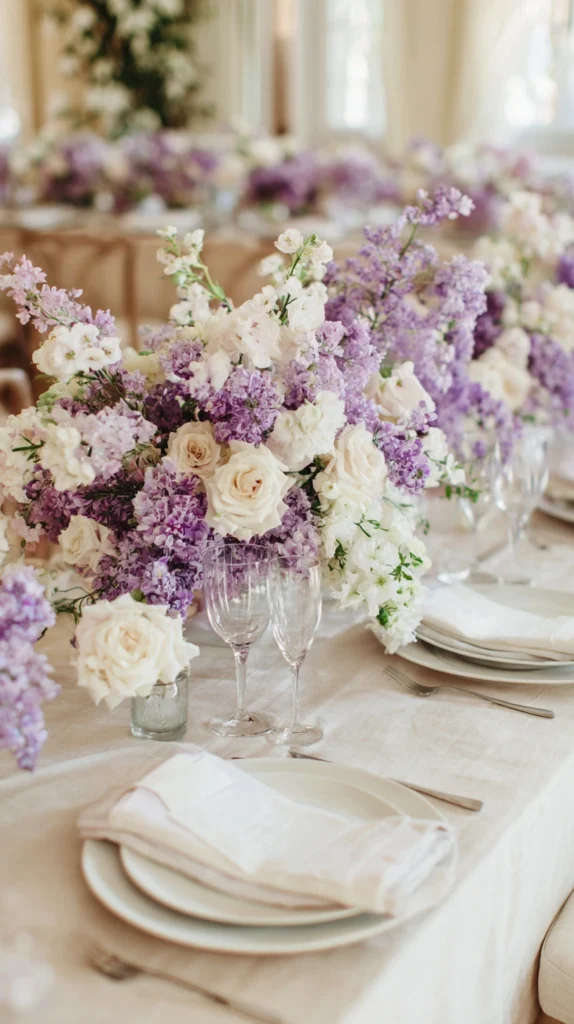
Lilac and cream is a spring pastel palette with an old-fashioned romantic quality that feels completely contemporary when executed with modern materials and styling. The soft purple of lilac alongside the warmth of cream creates a combination that is simultaneously dreamy and grounded — ethereal enough to feel romantic, warm enough to feel welcoming.
Lilac wisteria, alliums, sweet peas, and muscari alongside cream garden roses, ranunculus, and peonies creates a floral palette of extraordinary beauty. The purple family of flowers has a natural depth that pink flowers sometimes lack, and alongside the warmth of cream it creates arrangements with a richness and complexity that simpler palettes cannot achieve.
Pro Tip: Use lilac as the dominant color and cream as the supporting neutral rather than splitting them equally. A palette where lilac leads and cream softens and grounds it has more visual clarity and intentionality than one where the two colors compete equally for dominance. Clear hierarchy within a color palette always produces a more resolved and beautiful result than equal competition between two tones.
8. Peach and Soft Gold
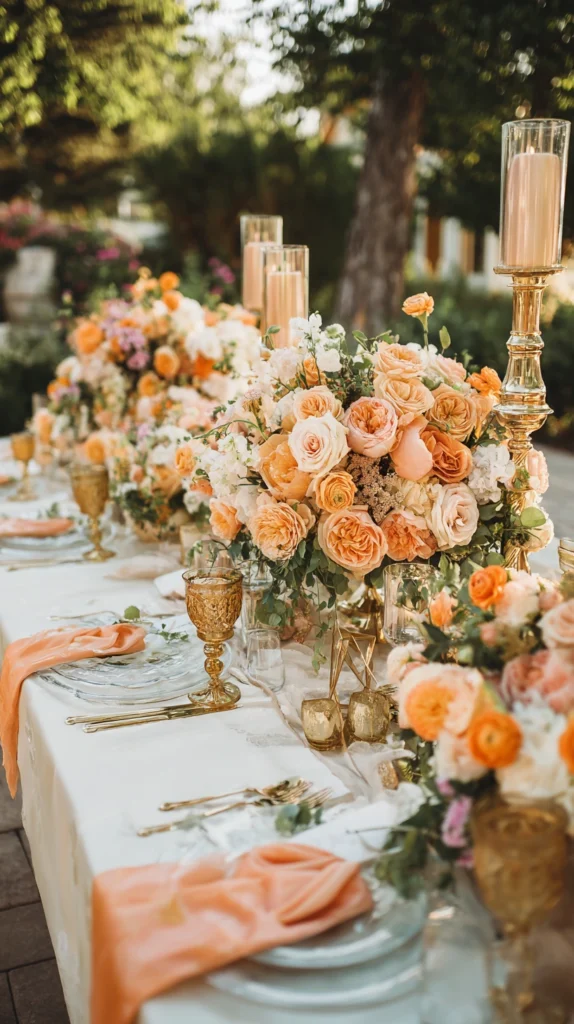
Peach and soft gold is a spring pastel palette that photographs with an almost supernatural warmth and luminosity — every image from a peach and gold wedding appears to have been taken in perfect golden light regardless of the actual lighting conditions. The combination of the warm flower tones and the metallic warmth of gold creates a reception that glows from every angle.
This palette suits evening receptions particularly well — as the natural light fades and candlelight and warm artificial lighting take over, peach florals and gold accents become increasingly beautiful, glowing richer and warmer as the evening progresses. A peach and gold wedding reception in full candlelight is one of the most visually extraordinary environments a wedding can create.
Pro Tip: Choose matte or brushed gold over shiny polished gold for a peach and soft gold palette. Brushed gold has a warmth and softness that suits the pastel quality of peach far better than highly reflective polished gold, which can look harsh alongside delicate flower tones. Brushed brass candlesticks, matte gold stationery, and antique gold frames all contribute to the warm, luminous quality this palette delivers at its best.
9. Sky Blue and Buttercup Yellow
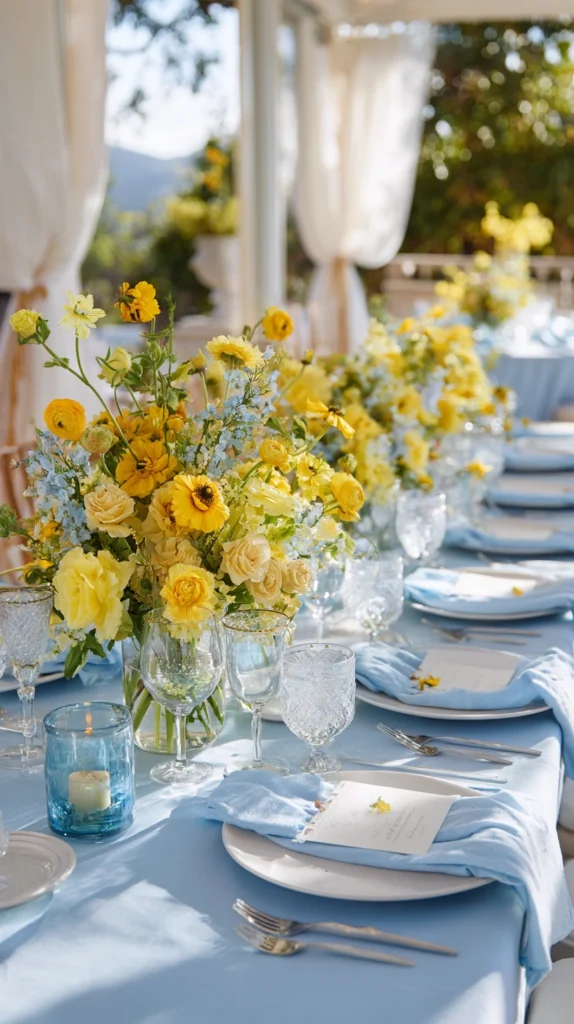
Sky blue and buttercup yellow is the most joyful spring pastel palette on this list — a combination that captures the visual essence of a perfect spring day in its two most essential colors. It is a palette that makes guests smile the moment they walk into the reception space and maintains that feeling of uncomplicated happiness throughout the entire celebration.
This palette works particularly well for outdoor daytime weddings where the natural sky and sunshine provide a ready-made backdrop that the color combination complements perfectly. Yellow sunflowers and ranunculus alongside blue delphiniums and hydrangeas, with white as the neutral connector, creates florals that look like they were gathered from a spring meadow on the morning of the wedding.
Pro Tip: Balance the visual weight of sky blue and buttercup yellow carefully — yellow is naturally more visually dominant than blue despite both being relatively soft tones in their pastel versions.
Using slightly more blue than yellow in the overall palette — more blue in the bridesmaid dresses and linen, more yellow in the florals — creates a balance where neither color overwhelms the other and the combination reads as harmonious rather than yellow-dominated.
10. Soft Coral and Ivory
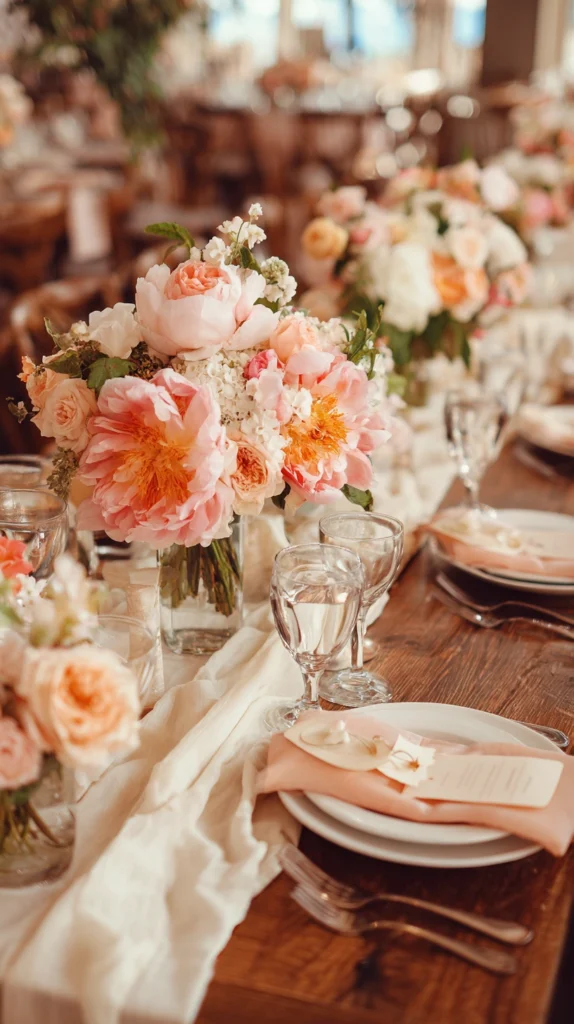
Soft coral and ivory is a spring pastel palette that bridges the gap between warm and romantic — coral brings energy and warmth that blush lacks while remaining soft enough to maintain the gentle, pastel quality that suits a spring wedding. Ivory grounds and softens the coral, preventing it from tipping into the too-vivid territory that would take it out of the pastel family entirely.
Coral peonies — particularly the spectacular Coral Charm variety — alongside ivory garden roses and cream ranunculus creates one of the most beautiful spring floral palettes available. The combination has a richness and warmth that photographs with extraordinary beauty in outdoor spring light and creates reception tables that look genuinely abundant and lush.
Pro Tip: Extend the coral tone into unexpected details — coral wax on the invitation envelope seal, coral ribbon on the favors, coral-toned taper candles on the table. Carrying a color into the small details of the wedding creates a sense of completeness and considered design that elevates the overall aesthetic significantly. The details are what guests notice on closer inspection and what makes the design feel truly intentional.
11. Pale Pink and Sage with Gold Accents
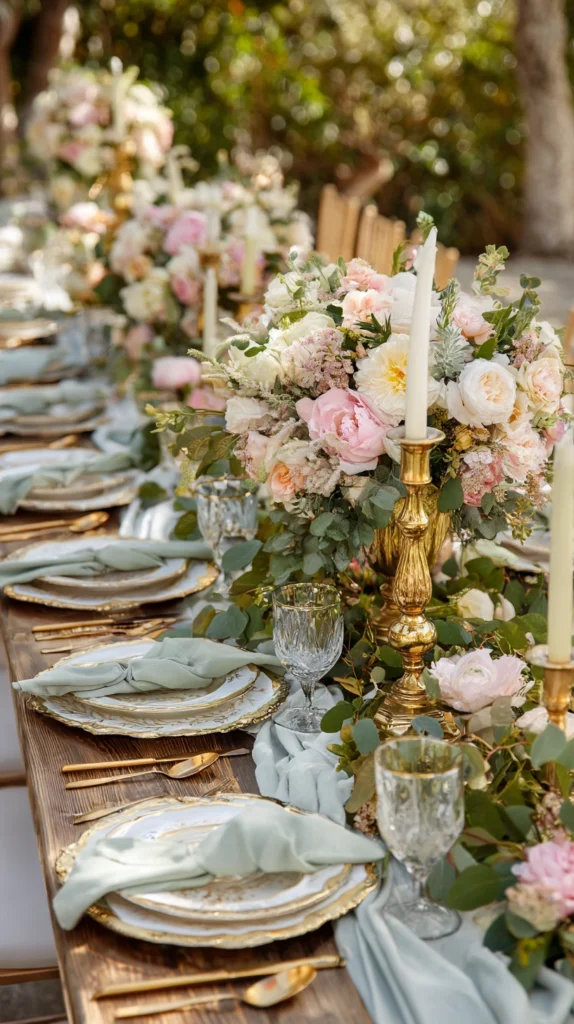
Combining pale pink, sage green, and warm gold creates a spring pastel palette of extraordinary completeness — the pink provides the romance, the sage provides the grounding natural quality, and the gold provides the warmth and luxury that elevates the combination from pretty to genuinely beautiful.
This three-tone palette has a balance and richness that two-tone combinations sometimes lack. Each color plays a specific role — pink leads, sage supports and naturalises, gold accents and warms — and the result is a wedding design that feels layered, considered, and complete in a way that simpler palettes rarely achieve.
Pro Tip: Introduce the gold element primarily through hardware and accessories rather than through fabric or flowers. Gold candlesticks, gold-rimmed charger plates, gold stationery details, and gold ribbon are all more effective carriers of the gold accent than gold-toned flowers or gold fabric, which can look artificial. Metal gold alongside natural pink and green has a warmth and authenticity that other interpretations of gold struggle to replicate.
12. Lavender and Dusty Blue
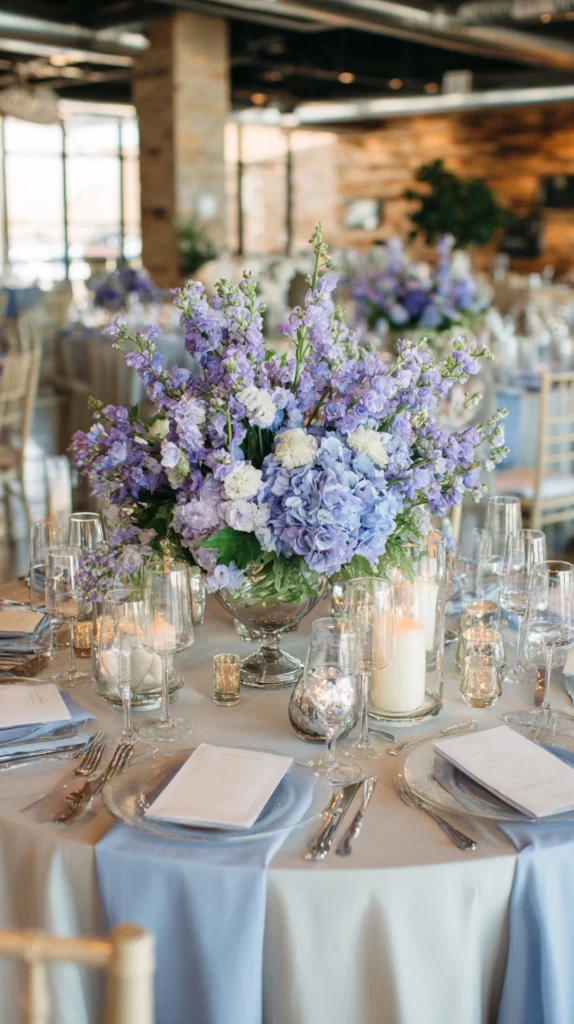
Lavender and dusty blue is a spring pastel palette of quiet, sophisticated beauty that suits couples who want something cooler and more restrained than the warm, pink-toned palettes that dominate spring wedding design. The two cool tones sit harmoniously in the same color family — purple and blue — creating a palette that feels cohesive and serene.
This palette has a particular affinity with silver and platinum metallic accents rather than the gold that suits warmer palettes. Silver candleholders, platinum-edged stationery, and mercury glass vessels all complement the cool tones of lavender and dusty blue in a way that creates a reception with a distinctive, refined aesthetic that stands clearly apart from the warm, golden tone of most spring weddings.
Pro Tip: Add a small amount of warm white or cream to a lavender and dusty blue palette to prevent it from feeling too cool or slightly melancholy in certain lighting conditions. A warm white tablecloth, ivory candles, or cream-toned florals tucked among the blue and lavender blooms adds just enough warmth to keep the palette feeling celebratory and welcoming rather than cool and remote.
13. Apricot and Pale Green
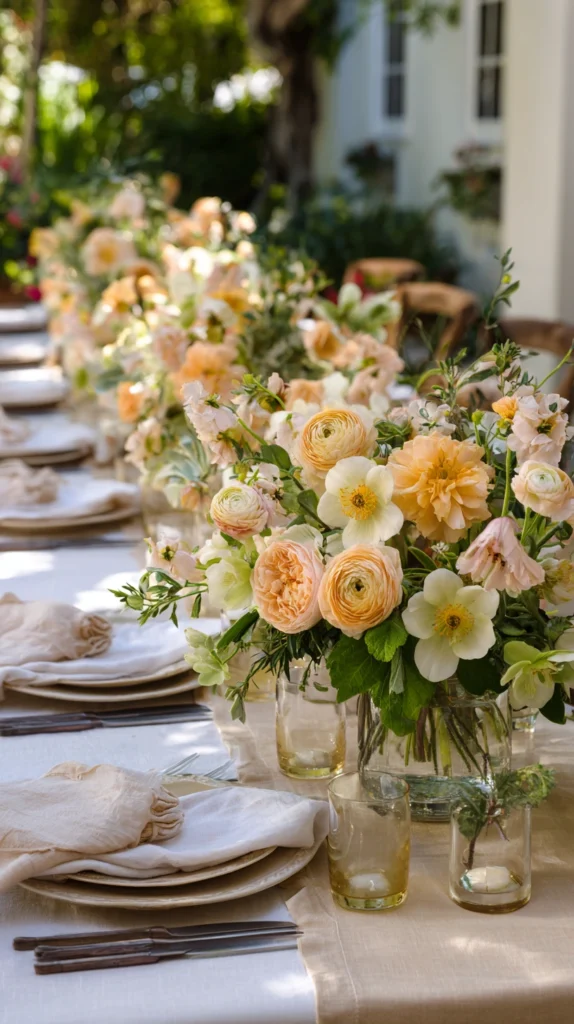
Apricot and pale green is a spring pastel palette that feels genuinely original — warm enough to glow in spring light, natural enough to feel completely at home in an outdoor setting, and unusual enough to be remembered long after the wedding day. It is a combination that references the first apricot blossoms appearing against fresh spring foliage — natural, warm, and completely of the season.
Apricot ranunculus and garden roses alongside pale green hellebores, green trick dianthus, and fresh spring foliage creates arrangements of extraordinary natural beauty. The palette suits relaxed, outdoor weddings in garden and farm settings where the apricot tones warm the natural green landscape rather than competing with it.
Pro Tip: Source the pale green floral elements carefully — truly pale green flowers are less commonly stocked than other spring varieties and may need to be ordered specifically. Green trick dianthus, white hellebores with green centers, green-tipped tulips, and viburnum all provide genuine pale green tones. Standard foliage alone does not carry enough visual weight to represent the green element of the palette adequately — actual pale green flowers are essential.
14. Rose Quartz and Serenity Blue
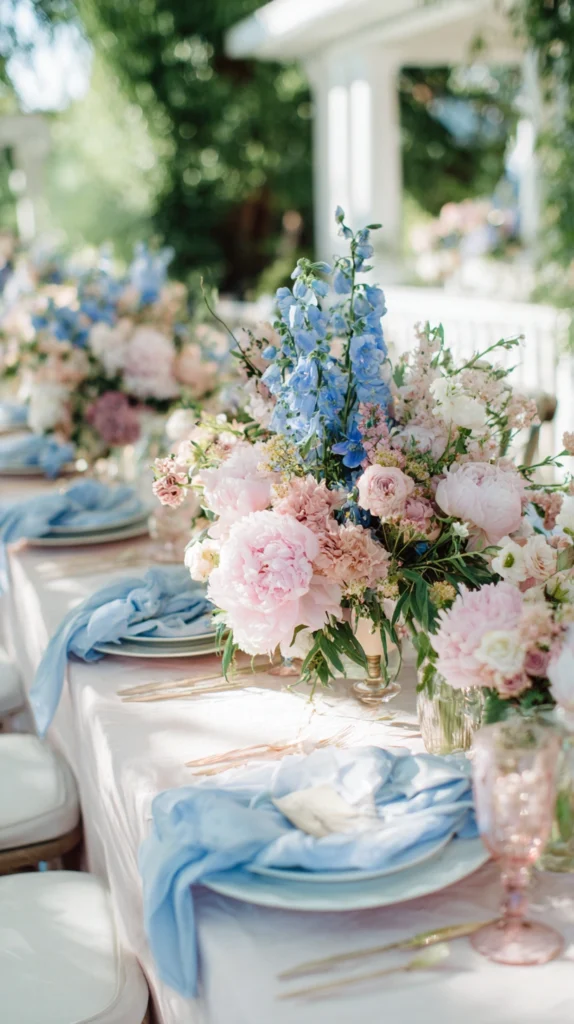
Rose quartz — a soft, warm pink — alongside serenity blue — a gentle, slightly grey-toned sky blue — creates a spring pastel palette of exceptional harmony and softness. The combination feels balanced, gentle, and deeply romantic — two colors that share the same quiet, luminous quality and complement each other with extraordinary natural ease.
This palette suits intimate, romantic weddings where the emphasis is on atmosphere and emotional warmth rather than visual drama. The softness of both colors creates a reception that feels genuinely tender — a visual reflection of the sentiment of the day rather than simply a beautiful backdrop for it.
Pro Tip: Use both colors in equal measure throughout the wedding design rather than assigning one as dominant and one as accent. Rose quartz and serenity blue have such similar visual weight and luminosity that they genuinely work as equals — a rare quality in a two-color palette. Equal use of both creates the harmonious, balanced quality that makes this particular combination so distinctive and beautiful.
15. Full Pastel Rainbow
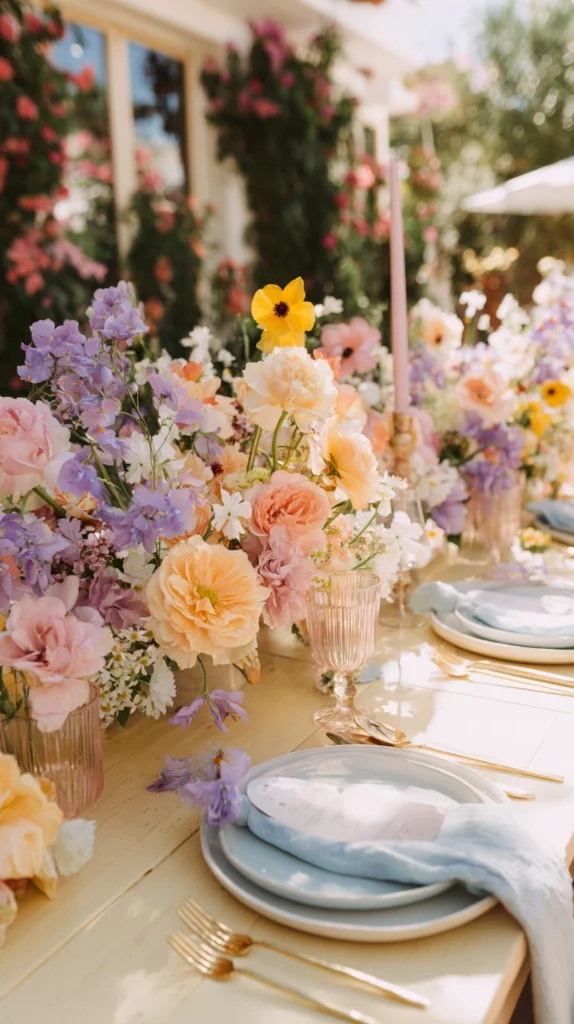
A full pastel rainbow palette — soft yellow, pale peach, blush pink, lavender, and pale blue used together across the entire wedding — is the most joyful and celebratory spring palette possible. It celebrates the full abundance of spring color in a single, exuberant composition and creates a wedding that feels like a genuine expression of happiness and optimism.
The key to making a rainbow palette feel designed rather than chaotic is consistency of tone across all colors. All colors must share the same softness, the same pastel quality, the same level of saturation — a mix of pastels and saturated colors within the same arrangement immediately loses the cohesive, dreamy quality that makes a pastel rainbow palette so beautiful.
Pro Tip: Assign each color within the rainbow palette to a specific element of the wedding design rather than mixing all colors in every element. Yellow in the stationery, peach in the florals, blush in the bridesmaid dresses, lavender in the ribbon, blue in the table linen — this element-by-color approach creates a rainbow effect across the whole wedding while keeping each individual element beautifully simple and uncluttered.
Choose Your Palette and Let Spring Do the Rest
A spring pastel palette does not need to be complicated to be beautiful. The season itself — the light, the flowers, the freshness of the air — does most of the work. Your palette simply needs to be chosen with intention, executed with consistency, and trusted to deliver the gentle, luminous, celebratory quality that only spring can provide.
Pick the combination that feels most like you. Carry it through every detail with care. And let the season make it extraordinary.